News related to
digital

Arctic polar bears, facing shifting ice conditions and warmer temperatures, are increasingly suffering from painful injuries caused by ice accumulation on their paws, according to recent findings from wildlife research in northern Canada and Greenland. The study, which observed two distinct polar bear populations over a decade, found that melting and refreezing snow, accelerated by warming trends, has led to unusually severe paw injuries in some of […]

Unlocking New Horizons to Broaden Presence in the UAE, Facilitating Cross-Boundary Interconnectivity of e-Payments HONG KONG SAR – Media OutReach Newswire – 30 October 2024 – EFT Solutions Holdings Limited (“EFT Solutions” or the “Company”, together with its subsidiaries, the “Group”; stock code: 8062.HK), a leading electronic fund transfer point-of-sales (“EFT-POS”) solutions provider, is pleased to announce that the Company entered into a memorandum of understanding (the […]

Global data center colocation leader Equinix has inaugurated its inaugural International Business Exchange (IBX) data center in South Africa, marking a significant expansion in the African market. The new facility, known as JN1, is situated in Germiston, Johannesburg, and involves a substantial investment of approximately US$160 million. This development is poised to enhance digital infrastructure and interconnection capabilities within the region. Equinix’s entrance into the South African […]

Bitcoin surged to $73,600 during U.S. trading hours, inching close to its previous record of $73,798 established on March 14. This remarkable upward movement has generated renewed optimism among traders, as Bitcoin currently holds steady around $72,200, representing a robust 3% increase in just one day. This trend aligns with a broader positive sentiment across the cryptocurrency market, which has been characterized by rising trading volumes and heightened investor interest.

Market analysts attribute this surge to a confluence of factors. Institutional interest remains a significant driver, with several large-scale investments recently reported. Notably, Fidelity Investments announced its plan to launch a Bitcoin exchange-traded fund (ETF), a move seen as a substantial endorsement of the cryptocurrency. This development has fueled speculation that other major financial institutions might follow suit, further legitimizing Bitcoin as an asset class.

Macroeconomic conditions are contributing to the bullish momentum. With inflation concerns lingering and central banks hinting at prolonged low interest rates, many investors are turning to Bitcoin as a hedge against inflation. This shift in sentiment is underscored by a marked increase in the number of wallets holding Bitcoin, which reflects growing adoption among retail and institutional investors alike.

In addition to institutional interest, the trading behavior of retail investors is also evolving. Following Bitcoin’s rise earlier this month, many retail traders have re-entered the market, leveraging platforms that facilitate easy access to cryptocurrency trading. This influx of retail participation has intensified market dynamics, creating a feedback loop that propels prices higher as more buyers enter the fray.

Emerging trends in blockchain technology further bolster the optimism surrounding Bitcoin. Innovations such as the Lightning Network, which enables faster and cheaper transactions, are enhancing the overall utility of Bitcoin. This technological advancement is likely to attract even more users to the ecosystem, potentially driving up demand and price.

Key players in the cryptocurrency space are also responding to these trends. Exchanges like Binance and Coinbase have reported significant increases in trading volumes, signaling heightened activity among investors. This increased liquidity makes it easier for larger trades to occur without causing substantial price fluctuations, further supporting the bullish case for Bitcoin.

However, challenges remain. Regulatory scrutiny is intensifying in various jurisdictions, as governments seek to establish frameworks for cryptocurrency operations. Notably, discussions around taxation and compliance are ongoing, and any unfavorable regulatory changes could dampen market enthusiasm. Investors are closely monitoring these developments, as regulations could either facilitate further growth or impose constraints on the market.

The sentiment in cryptocurrency circles is largely optimistic, with many analysts projecting that Bitcoin could surpass its all-time high in the near future. Some are targeting even higher price points, with estimates ranging between $74,000 to $80,000 as the next psychological barriers. This speculation is supported by technical analysis indicating that if Bitcoin breaches the $74,000 mark, it could trigger a wave of buying pressure as traders seek to capitalize on momentum.

Investor sentiment, driven by social media platforms and online forums, plays a crucial role in shaping market expectations. Influencers and analysts on platforms like Twitter and Reddit are actively discussing potential price trajectories, contributing to a more dynamic trading environment. This collective discourse influences not only retail investor behavior but also how institutional players position themselves in the market.

The global cryptocurrency market is witnessing a renaissance, characterized by an influx of new entrants and a growing acceptance of digital assets as legitimate investment vehicles. Major financial institutions, hedge funds, and even traditional asset managers are reevaluating their portfolios to include cryptocurrencies. This broadening acceptance of Bitcoin and other cryptocurrencies is gradually reshaping the landscape of global finance.

As Bitcoin navigates this transformative phase, the importance of market education cannot be overstated. Initiatives aimed at educating potential investors about the fundamentals of blockchain technology and the intricacies of trading can significantly enhance participation in the market. A more informed investor base is likely to make more prudent decisions, contributing to the overall stability and maturity of the cryptocurrency market.

The interplay between supply and demand dynamics is also pivotal. With Bitcoin’s supply capped at 21 million coins, any increase in demand has a direct impact on price. Market participants are keenly aware of the halving events that occur roughly every four years, which reduce the rate at which new Bitcoin is generated. This mechanism, along with increasing institutional participation, is expected to create a supply-demand imbalance that could drive prices higher in the long term.


HANOI, VIETNAM – Media OutReach Newswire – 17 October 2024 – Vietnam Airlines has successfully launched an unprecedented series of initiatives to offset CO2 emissions and reduce plastic waste. These efforts represent a significant step in the airline’s commitment to sustainable development and align with The Aviation Challenge 2024 organized by the global airline alliance SkyTeam. Students in Con Dao participated in waste collection and learned how […]

DUBAI, UAE – Media OutReach Newswire – 29 October 2024 – During an official visit to the United Arab Emirates (UAE), Vietnamese Prime Minister Pham Minh Chinh witnessed the signing of Memoranda of Understanding (MOUs) between Vingroup, VinFast, and leading partners in the Middle East. These MOUs cover strategic areas, including maritime development and shipyard building capabilities, sustainable coastal land utilization, digital transformation, and collaboration in electric […]

Navigating Opportunities in the MENA: Cultivating a Smart Mobility Ecosystem HONG KONG SAR – Media OutReach Newswire – 29 October 2024 – Mobile Shop Group Limited (“Mobile Shop” or the “Company“), a Hong Kong based taxi management and operation company, is pleased to announce a collaboration with Zand Bank, the United Arab Emirates (UAE)’s fully licensed all-digital bank, to provide “Smart City Innovation Solutions” in the Middle […]

Advertisements

Meta Platforms is advancing its technological arsenal with the development of an AI-driven search engine aimed at lessening its reliance on established competitors like Google and Bing. This strategic move follows a broader trend of tech companies leveraging artificial intelligence to enhance user experiences and streamline information retrieval. The new search tool is designed to deliver conversational AI summaries, allowing users to engage more interactively with current […]

HONG KONG SAR – Media OutReach Newswire – 29 October 2024 – FGA Trust is proud to announce its inaugural participation in Hong Kong FinTech Week. Chief Strategy Officer Helen Chen contributed to the panel discussion titled “Seizing Growth Capital Opportunities: Exploring the Tech Landscape” at the WealthTech Forum, where she introduced FGA Trust’s all-in-one digital solution poised to transform the wealth management industry. She highlighted how […]

SINGAPORE – Media OutReach Newswire – 29 October 2024 – Workato, the leading Enterprise Automation platform, announced today that it will partner with Seaco, one of the largest shipping container lessors in the world, to drive agility and market responsiveness across its business. Caption: June Lee (left), SVP and GM Asia Pacific at Workato and Damian Leach (right), Chief Information Officer at Seaco, signed a partnership agreement […]

SHANGHAI, CHINA – Media OutReach Newswire – 28 October 2024 -The China National Data Group Alliance, which aims to foster the high-quality development of the digital economy, was established on Oct. 20 at the 2024 Global Data Ecosystem Conference held in Shanghai. The formation of this alliance aims to break geographical restrictions by sharing resources, technologies and scenarios, to inject new vitality into the reform of China’s […]

HONG KONG SAR – Media OutReach Newswire – 28 October 2024 – FCC Analytics is proud to announce a Memorandum of Understanding (MOU) with Airstar Bank and livi bank, two pioneering digital banks in Hong Kong, to adopt a groundbreaking federated learning technology for anti-money laundering. This innovative approach allows for enhanced collaboration between banks while preserving data privacy, aligning with the Hong Kong Monetary Authority’s (HKMA) […]

Hong Kong’s tech and innovation sector has stepped into a strategic collaboration with Saudi Arabia’s Vision 2030, underscoring the growing relationship between these two economic hubs. In a landmark move, InvestHK, Hong Kong’s leading economic development agency, recently sent its largest startup delegation to the Kingdom to explore new avenues for investment and innovation in sectors such as fintech, smart manufacturing, and biotechnology. This alignment reflects a critical juncture as Saudi Arabia continues to diversify beyond oil and adopt a knowledge-driven economy through strategic global partnerships and a pivot towards tech and sustainability.

At the Future Investment Initiative (FII) held in Riyadh, Hong Kong’s representatives, including top executives from InvestHK, engaged directly with Saudi public and private sector leaders to understand the vast opportunities emerging in the Kingdom’s evolving market. The delegation highlighted Hong Kong’s robust tech ecosystem and advanced capabilities in finance and logistics, seeking collaboration in new areas of digital transformation and green technology. These meetings aim to serve as groundwork for greater bilateral relations, aligning with Saudi Arabia’s development of NEOM, an ambitious $500 billion smart city designed to be a hub for advanced technology, renewable energy, and AI-driven innovation.

The FII summit served as a platform for Hong Kong’s startups to showcase their expertise, particularly in sectors such as fintech, e-commerce, supply chain technology, and data analytics. Saudi Arabia, with a clear agenda to attract foreign investment, has positioned itself as a fertile ground for growth, with a primary focus on technology and diversified industries. Hong Kong startups found particular resonance in Saudi initiatives around blockchain, IoT, and renewable energy technologies—areas where Hong Kong has been a leader across Asia. The nation’s supportive business environment, competitive tax framework, and international connectivity make it an attractive collaborator as Saudi Arabia envisions a post-oil economy by 2030.

Hong Kong’s appeal as a tech incubator has surged in recent years, with InvestHK reporting that its startup sector reached a new high in 2023, with 4,257 startups employing over 16,000 professionals. The ecosystem’s steady expansion is attributed to Hong Kong’s low tax rates, favorable business environment, and proximity to the Mainland China market. The city’s fintech sector is particularly vibrant, bolstered by government support and private investment, drawing attention from economies seeking to boost their own digital economies. InvestHK’s delegation in Riyadh emphasized Hong Kong’s standing as a gateway to Asia and its significance in the Greater Bay Area, which comprises key cities in Southern China and supports an increasingly interconnected economic network.

The collaboration between Hong Kong and Saudi Arabia is set to be mutually beneficial, as Saudi initiatives are increasingly inviting global tech pioneers to participate in its ambitious transformation. Saudi Vision 2030’s blueprint includes the growth of high-tech cities, the promotion of renewable energy, and the fostering of innovation-driven sectors—creating ample opportunity for foreign enterprises and startups. As such, the Hong Kong delegation’s visit was also a step towards establishing Hong Kong as a vital partner in Saudi Arabia’s pursuit of economic diversification and sustainable development, further cementing the city’s status as a key player in global tech advancement.

Despite current global economic headwinds, both Hong Kong and Saudi Arabia remain committed to advancing their tech sectors. The FII platform allowed participants from Hong Kong to discuss strategic growth areas with Saudi officials, focusing on infrastructure, venture capital, and talent development. Given the record-high startup figures in Hong Kong, the exchange of expertise and collaborative projects in fields such as AI, logistics technology, and health tech appear poised for expansion.

HONG KONG SAR – Media OutReach Newswire – 28 October 2024 – Hong Kong Science and Technology Parks Corporation (HKSTP) joined the FinTech Week 2024 in illuminating new pathways for fintech developments. Inclusive of a spectrum of fintech sectors, market-ready solutions of 41 startups gained traction from over 30 corporate partners at more than 100 business matching sessions, potential investors through immersive networking set-up, the exhibition received […]

Winner for Best Deal of the Year Winner for Valuation Team of the Year HONG KONG SAR – Media OutReach Newswire – 28 October 2024 – Cushman & Wakefield, a leading global real estate services firm, has again been recognized for its leading professional service excellence at the Royal Institution of Chartered Surveyors (RICS) Awards in Hong Kong. The firm was awarded with wins in the Best […]

A remarkable milestone occurred on October 26 when Base achieved a record in stablecoin trading volume, momentarily eclipsing major blockchain platforms such as Solana, Ethereum, and Tron. The platform accounted for an impressive 30.06% of the total stablecoin volume, marking a significant shift in the landscape of digital asset trading.

Base, a layer-2 solution built on the Ethereum blockchain, has gained traction for its scalability and low transaction fees, making it an attractive option for traders and developers alike. The recent surge in stablecoin activity can be attributed to a confluence of factors, including growing interest in decentralized finance (DeFi) and the increasing acceptance of cryptocurrencies by mainstream financial institutions.

Alongside the stablecoin volume milestone, Base also set a new benchmark in daily transactions, recording 5.6 million transactions on the same day. This figure represents a notable 20% increase from the previous month, underscoring the growing engagement of users with the platform. The impressive transaction volume reflects not only heightened trading activity but also a broader trend toward the adoption of blockchain technology.

Several key players have contributed to Base’s success in the stablecoin market. The integration of various decentralized applications (dApps) on its platform has enhanced user experience and attracted a diverse range of users. Developers are increasingly building on Base due to its compatibility with Ethereum, allowing for seamless integration of existing Ethereum-based dApps while benefiting from lower gas fees and faster processing times.

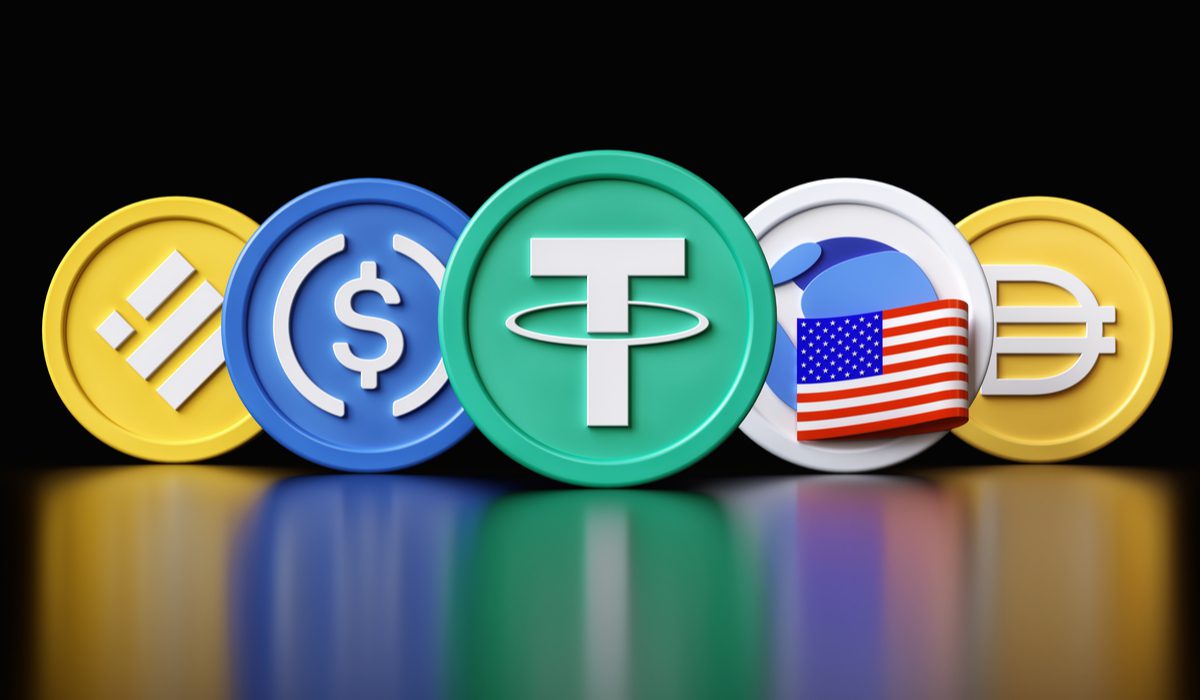
The momentum gained by Base comes in the context of an evolving stablecoin landscape. Traditional stablecoins like Tether (USDT) and USD Coin (USDC) continue to dominate, yet alternative stablecoins and newer entrants are making significant inroads. This shift illustrates the dynamic nature of the cryptocurrency market and highlights Base’s ability to position itself as a formidable player amid these changes.

Partnerships with financial institutions have played a crucial role in Base’s ascent. Collaborations with firms that support crypto transactions have bolstered user confidence and expanded the platform’s reach. As institutional adoption of cryptocurrencies continues to grow, platforms like Base are well-positioned to capitalize on the increased demand for efficient, reliable trading environments.

The surge in daily transactions can also be linked to the rising popularity of yield farming and liquidity provision within the DeFi space. Users are incentivized to engage with platforms that offer competitive yields, prompting a surge in transaction volume as liquidity pools are funded and manipulated to optimize returns. This trend reflects a broader shift toward decentralized financial services, where users can take greater control of their assets without intermediaries.

Market analysts observe that Base’s focus on user experience has been instrumental in its growth. Simplifying the process of trading and providing users with intuitive interfaces has lowered barriers to entry for newcomers to the crypto space. Educational initiatives and community engagement have also played a role in fostering a sense of trust and loyalty among users, which is vital in an industry often marred by volatility and uncertainty.

The competitive landscape for stablecoins and blockchain platforms remains fierce. As Base continues to expand its user base and enhance its offerings, attention must be paid to regulatory developments that could impact the broader market. The regulatory environment for cryptocurrencies and stablecoins is evolving, with various jurisdictions exploring frameworks that could affect operations and user engagement. This regulatory scrutiny emphasizes the importance of compliance and the need for platforms like Base to adapt to changing legal landscapes.

Innovative features are also on the horizon for Base as it looks to maintain its growth trajectory. Enhancements to its infrastructure, including scalability improvements and security measures, are in development to ensure that the platform can handle increasing transaction volumes without compromising performance. Continued investment in technology will be crucial for sustaining user trust and engagement, particularly as competitors vie for market share.

Global IT spending is projected to reach an impressive $5.74 trillion by 2025, reflecting a robust growth rate of 9.3% compared to 2024. This remarkable surge is primarily fueled by escalating investments in generative artificial intelligence (GenAI) technologies and the expanding data center infrastructure required to support these advancements. According to industry analysis, the demand for GenAI applications is reshaping the IT landscape, prompting organizations across various […]

Cologix has successfully secured $1.5 billion in a combination of debt and equity financing, aimed at advancing its growth strategy focused on artificial intelligence (AI) data centers across North America. This substantial investment will facilitate the expansion of the company’s existing network-neutral interconnection and hyperscale edge data centers, which are increasingly critical in a digital economy dominated by AI applications. The financing is set to enhance Cologix’s […]

Inflows into digital assets reached $901 million this month, culminating in a remarkable $27 billion year-to-date total, signaling a substantial shift in market sentiment. The surge in inflows is largely attributed to increasing political optimism within the United States, which has invigorated investor confidence in the sector. Notably, the U.S. recorded the largest inflows, totaling $906 million, while Canada, Brazil, and Hong Kong faced slight outflows, highlighting a regional divergence in market dynamics.

Bitcoin emerged as the standout performer this month, drawing an impressive $920 million in inflows, a stark contrast to Ethereum, which witnessed $35 million in outflows. This pronounced divergence indicates a growing preference among investors for Bitcoin, reinforcing its dominance in the digital asset landscape. Solana also attracted attention, garnering $10.8 million in inflows, while blockchain equities gained $12.2 million, reflecting a broader appetite for diversified investments within the crypto ecosystem.

The influx of capital into digital assets aligns with a backdrop of significant political developments in the U.S., including legislative efforts aimed at regulating the cryptocurrency sector. Increased regulatory clarity is seen as a key factor fostering a more secure investment environment, encouraging institutional investors to re-enter the market. This positive sentiment is underscored by discussions surrounding potential regulatory frameworks that could facilitate mainstream adoption of digital currencies.

Analysts highlight the role of political stability in shaping market trends. The Biden administration’s focus on creating a more structured regulatory environment for cryptocurrencies is viewed favorably by investors, contributing to the bullish outlook for digital assets. The prospect of clearer regulations is particularly appealing to institutional investors who have previously been cautious due to the lack of defined guidelines.

As capital flows into digital assets, the implications for traditional financial markets are becoming increasingly pronounced. Financial institutions are taking note of this trend, with several firms beginning to incorporate cryptocurrencies into their portfolios. This shift could signify a broader acceptance of digital assets as a legitimate asset class, potentially reshaping investment strategies across various sectors.

In terms of market performance, Bitcoin’s continued ascent underscores its status as the flagship cryptocurrency. The asset’s ability to attract significant inflows, even amid fluctuating market conditions, reinforces its position as a safe haven for investors seeking refuge from economic uncertainty. Conversely, Ethereum’s outflows may suggest a reassessment of its value proposition, prompting investors to seek alternative avenues within the crypto space.

Emerging trends in the digital asset sector are also evident in the increasing interest in decentralized finance (DeFi) projects. These platforms, which leverage blockchain technology to provide financial services without traditional intermediaries, are gaining traction among investors seeking higher yields and innovative solutions. The continued growth of DeFi is likely to further diversify the landscape of digital assets, attracting a broader range of participants to the market.

The integration of cryptocurrencies into mainstream financial systems is progressing. Major payment processors and financial institutions are exploring ways to facilitate cryptocurrency transactions, enhancing accessibility for everyday consumers. This shift could pave the way for increased adoption, as consumers become more comfortable using digital assets for transactions.

Internationally, the divergence in inflows among different countries illustrates the varying levels of acceptance and regulatory approaches to digital assets. While the U.S. leads in inflows, the outflows in Canada, Brazil, and Hong Kong signal the need for these regions to adapt to changing market conditions. Investors in these areas may be looking for clarity on regulatory measures before committing significant capital to digital assets.

As the market evolves, key players in the digital asset space are adapting their strategies to align with changing investor sentiments. Institutional players, in particular, are refining their approaches to capitalize on the growing demand for cryptocurrencies. The ongoing competition among asset managers to offer crypto-related products reflects a broader trend toward integrating digital assets into traditional investment frameworks.

Looking ahead, the trajectory of digital asset inflows will likely be influenced by ongoing political developments and regulatory updates. As policymakers continue to grapple with the implications of cryptocurrency adoption, the market will respond to both domestic and international regulatory signals. Investors are expected to remain vigilant, monitoring these developments closely as they navigate the evolving landscape of digital assets.

With the upcoming U.S. presidential election casting a shadow over global financial markets, cryptocurrency stands out as an asset class poised for high volatility based on the election’s outcome. As former president Donald Trump reenters the electoral scene against Vice President Kamala Harris, crypto investors are paying close attention to how a Trump win could reshape cryptocurrency regulation and performance, particularly for Bitcoin and other key digital assets.

Historically, presidential election cycles have shown significant influence on cryptocurrency market behavior, especially for Bitcoin. Data from previous elections indicates that Bitcoin prices tend to experience substantial movements post-election, irrespective of the winning candidate. Following the 2020 election, for example, Bitcoin’s value surged, marking an increased interest among investors amid the heightened economic uncertainty tied to COVID-19 relief measures and concerns over inflation. However, as the 2024 election approaches, Trump’s potential return to the presidency introduces a new level of uncertainty that differs markedly from 2020. According to a report by Bitwise Asset Management, Bitcoin’s value could rise by an estimated 10.7% should Trump secure victory. Conversely, a Harris win is forecasted to prompt a similar decline, likely due to her administration’s alignment with current regulatory approaches under President Joe Biden.

Regulatory policies in the U.S. have tightened considerably over the past year, with the SEC leading several enforcement actions aimed at crypto firms, exchanges, and initial coin offerings (ICOs). As such, Trump’s stance on cryptocurrency, which has previously wavered, now appears more lenient compared to Harris. During Trump’s previous administration, oversight was relatively hands-off, providing crypto investors a fertile environment for market growth, albeit without structured guidelines. In contrast, Harris is expected to continue Biden’s approach, emphasizing consumer protection through regulatory frameworks, a trend currently contributing to restrained market enthusiasm among retail investors. Observers suggest that Trump’s promise to relax crypto regulations could rekindle enthusiasm among retail and institutional investors, who view clearer guidelines and reduced scrutiny as conducive to growth in both valuation and adoption rates of cryptocurrencies.

Crypto market responses are also anticipated to align with Bitcoin’s Halving cycle, a built-in scarcity feature that reduces block rewards by half approximately every four years, with the most recent event occurring in April 2024. Historically, Bitcoin rallies have closely followed Halvings, influenced further by investor interest in assets with perceived scarcity. Analysts expect this dynamic to be heightened under a Trump presidency, as reduced regulation coupled with supply restrictions could make Bitcoin a more attractive inflation hedge. Conversely, a continuation of current regulatory trends under a Harris administration might suppress these price escalations, as crypto businesses face heightened scrutiny and potential restrictions on stablecoin and DeFi protocols.

Market watchers note that alongside Bitcoin, certain altcoins such as Dogecoin and Cardano could be notably impacted by the election result. Both coins have shown sensitivity to Trump’s political narratives, especially as Dogecoin, with its origins as a meme asset, often aligns with social and speculative trends. Cardano, known for its environmentally-conscious proof-of-stake model, may also benefit from a shift in sentiment toward alternative digital assets under Trump’s policy approach, which is expected to favor financial deregulation broadly. Meanwhile, Ethereum and other blockchain projects emphasizing regulatory compliance may perform better under Harris’ administration, whose regulatory approach aligns with a systematic scrutiny of decentralized finance ecosystems.

Despite these speculations, experts caution that market sentiment may experience only short-lived spikes based on the election outcome. The long-term impact, they argue, hinges on substantial regulatory actions and the economic policies pursued post-election, especially concerning inflation and recessionary pressures. Crypto market reactions have been muted in the face of uncertainty over potential policy shifts, given that many investors prefer tangible policy enactments over rhetoric.

Economic fundamentals also play a role in investor strategies, with inflation rates, interest rate hikes, and the potential for recession forming a significant backdrop. Analysts at Coinbase Research point to the likelihood of heightened volatility for both traditional and digital assets amid interest rate adjustments and global economic challenges. The Federal Reserve’s monetary policy, particularly regarding interest rate hikes, remains a critical factor, as crypto’s inverse relationship to interest rates often leads to valuation adjustments in line with broader financial markets. Should a Trump administration adopt an expansionary fiscal stance, this may lower interest rates, encouraging borrowing and spending in financial markets, including crypto. A more cautious fiscal policy from Harris could contribute to slower crypto market growth, potentially accelerating a shift toward stablecoins as a hedge against market swings.

Lulu Group International, the UAE-based retail giant, has unveiled the price range for its initial public offering (IPO), setting the stage for a significant financial maneuver aimed at bolstering its market position. The company, known for its extensive network of hypermarkets and supermarkets across the Middle East and beyond, is targeting a price range between AED 2.30 and AED 2.70 per share. This pricing strategy could raise […]

A growing number of start-ups are flocking to Saudi Arabia, transforming the kingdom into a significant exit market for entrepreneurs seeking to capitalize on burgeoning opportunities. This shift reflects the nation’s ambition to diversify its economy beyond oil dependency, aligning with its Vision 2030 initiative aimed at fostering innovation and entrepreneurship. Data from recent industry reports highlights a surge in venture capital investment in Saudi Arabia, signaling […]

International Holding Company (IHC), a prominent player in various sectors, has expanded its portfolio by acquiring a majority stake in Gallega Global Logistics. This strategic move aims to enhance IHC’s logistics capabilities and bolster its presence in the rapidly evolving logistics and supply chain sector. The acquisition was officially announced, with IHC stating that it will leverage Gallega’s established networks and expertise to improve operational efficiency across […]

Amid growing environmental threats, BRICS leaders are pushing for urgent measures to combat land degradation, a phenomenon severely impacting ecosystems and communities worldwide. The upcoming UN Land Degradation and Drought conference, scheduled for early next year, aims to align global efforts to curb the increasing degradation of arable lands, which jeopardizes food security, contributes to climate change, and drives displacement. A 2022 report by the UN Convention […]

VISHNU RAJA
RYO YAMADA
HITORI GOTOH
IKUYO KITA