News related to
digital

TORONTO, ONTARIO – Media OutReach Newswire – 27 November 2024 – Tech A Break Digital Solutions Inc., a pioneering technology company that focuses on innovative Artificial Intelligence solutions, has introduced its AI chatbot service. This fresh innovation will change how businesses interact with their customers by providing personalized and efficient real-time communication solutions that are highly effective. Tech A Break Digital Solutions Inc. strives to enable businesses […]

Bitwise Asset Management has renamed its European exchange-traded product to “Bitwise Physical XRP ETP” (Ticker: GXRP) in a move underscoring Ripple’s growing investment in XRP’s evolving ecosystem. This strategic rebranding aligns with Ripple’s focus on expanding the utility of XRP across diverse financial sectors, responding to rising demand from institutional players and cross-border payment markets.

The product, initially launched to provide streamlined exposure to XRP for European investors, has seen significant growth in traction. Bitwise aims to strengthen its foothold by aligning more closely with Ripple’s broader strategic initiatives. Ripple has confirmed its intention to channel investments into the product, emphasizing its confidence in the token’s versatility in decentralized finance and its increasing adoption in global remittance networks.

Market analysts point to Ripple’s ongoing efforts to cement XRP as a pivotal tool for institutional DeFi applications, with tokenization becoming a major driver. XRP’s utility in facilitating cost-effective and fast international money transfers remains a core pillar, but its applications are expanding into emerging sectors. Ripple has actively pursued partnerships and technological advancements to bolster XRP’s presence in these innovative spaces.

The rebranding comes at a critical time for Bitwise and Ripple as they navigate the rapidly evolving regulatory landscape surrounding digital assets. Ripple’s landmark partial court victory earlier this year marked a turning point for XRP’s classification, with the ruling differentiating between institutional and retail sales. This decision provided much-needed clarity for XRP’s future within the financial ecosystem, encouraging institutional confidence in Ripple’s offerings.

Bitwise Physical XRP ETP targets sophisticated European investors, offering a secure and regulated avenue for exposure to XRP. The renamed product reflects a commitment to transparency and adaptability amid growing scrutiny of the cryptocurrency industry. With regulatory agencies in Europe tightening oversight, such measures are essential for maintaining investor trust.

Ripple’s Chief Executive Officer, Brad Garlinghouse, has been vocal about the company’s ambition to lead innovation in digital finance. The investment into GXRP underscores Ripple’s strategy to promote the adoption of XRP as a foundational technology for financial institutions. The token’s role in facilitating liquidity and improving the efficiency of financial systems remains a focal point for the company.

The global push for tokenization, where real-world assets like real estate or art are represented on the blockchain, is another area where Ripple sees significant potential. By leveraging XRP as a medium for these digital representations, Ripple aims to tap into an emerging multi-trillion-dollar market. The company has outlined plans to integrate XRP into tokenization platforms, fostering interoperability and efficiency in asset transfers.

XRP’s appeal to financial institutions also lies in its scalability and environmental sustainability. Unlike Bitcoin, which relies on energy-intensive mining, XRP operates on a consensus ledger mechanism, ensuring lower energy consumption and faster transaction speeds. This makes it particularly attractive for institutions aligning their operations with global sustainability goals.

Bitwise’s decision to rebrand the product also reflects growing interest in Europe, where cryptocurrency adoption is gaining momentum. European regulatory frameworks, particularly the Markets in Crypto-Assets (MiCA) regulation, have provided clearer guidelines for the operation of digital assets, enabling innovative products like GXRP to flourish.

Ripple has been proactive in building partnerships within the European Union, with initiatives aimed at enhancing financial inclusion and enabling seamless money transfers across borders. These efforts have positioned XRP as a leading contender in the global payments sector, rivaling traditional systems like SWIFT.

The decentralized finance ecosystem, another area of Ripple’s interest, continues to attract institutional attention. XRP’s integration into DeFi platforms aims to provide institutions with reliable tools for liquidity provisioning, yield generation, and risk management. Ripple’s investments in research and development are geared towards optimizing these functionalities.

While the broader cryptocurrency market has faced headwinds, XRP has demonstrated resilience. Market data indicates a steady uptick in transaction volumes and liquidity metrics, highlighting confidence among users and institutions. Analysts suggest that Ripple’s strategic investments, such as those in GXRP, are likely to sustain this momentum.


SINGAPORE – Media OutReach Newswire – 26 November 2024 – On October 4, 2024, Airple, a leader in air conditioning installation, repair, and aircon servicing, launched its innovative new website and mobile app, marking a significant milestone in the digitisation of aircon maintenance in Singapore. With its advanced real-time tracking and predictive maintenance capabilities, Airple aims to redefine the standard for convenience and efficiency in aircon care. […]

Brazil’s Chamber of Deputies is deliberating a legislative proposal aimed at incorporating Bitcoin into the country’s foreign reserve portfolio. This groundbreaking move seeks to allocate a portion of Brazil’s international reserves to the cryptocurrency, marking a significant step towards integrating digital assets into mainstream financial strategies.

The proposed legislation, introduced by lawmakers advocating for diversified economic resilience, would allow Bitcoin to constitute up to five percent of the nation’s reserves. This initiative aligns with global trends where nations and institutions are exploring the potential of cryptocurrencies to hedge against traditional economic risks. If passed, the bill could position Brazil as a leader in adopting blockchain-backed financial instruments at a governmental level.

The draft highlights the strategic advantages of holding Bitcoin, including its decentralized nature, resistance to inflationary pressures, and potential as a counterbalance to fluctuations in fiat currencies. Proponents argue that Bitcoin’s finite supply and increasing global acceptance enhance its viability as a reserve asset. These features, according to the proposal, could complement Brazil’s existing reserves composed of foreign currencies, gold, and special drawing rights.

Analysts monitoring Brazil’s economic policies have noted the implications of such a move. Incorporating Bitcoin would diversify the country’s portfolio, potentially safeguarding it against geopolitical tensions and market volatility affecting traditional reserve currencies. The legislation reflects broader global discussions about the role of digital currencies in future economic frameworks, as countries grapple with evolving financial technologies.

Critics of the proposal, however, have raised concerns about the volatility of Bitcoin, which has seen dramatic price swings since its inception. They caution that incorporating such an asset into national reserves could introduce risks, particularly in a global economic environment already rife with uncertainty. Economists skeptical of the move emphasize the importance of stability in reserve assets, arguing that Bitcoin’s speculative nature might undermine the reliability of the country’s holdings.

Despite these criticisms, supporters of the measure point to the growing adoption of Bitcoin and blockchain technology across various sectors worldwide. They argue that early investment in digital currencies could provide Brazil with a strategic advantage, particularly as cryptocurrencies gain legitimacy and value in international markets. Bitcoin’s adoption by major corporations and financial institutions has further strengthened the case for its inclusion in national strategies.

Brazil’s proposal comes amid a broader regional interest in cryptocurrencies. Other Latin American countries, including El Salvador, have taken bold steps to integrate Bitcoin into their economies. While El Salvador adopted Bitcoin as legal tender, Brazil’s approach appears more measured, focusing on Bitcoin as a reserve asset rather than a medium of exchange.

The legislative push aligns with Brazil’s broader digital transformation efforts, which include initiatives to modernize financial services and explore blockchain applications in public administration. These measures signal the country’s intent to leverage technology to enhance transparency, efficiency, and economic growth. Observers see the Bitcoin reserve proposal as a natural extension of these efforts, reflecting a willingness to embrace innovation while navigating its challenges.

The Chamber of Deputies has yet to finalize deliberations on the bill. If approved, the legislation would require regulatory adjustments to ensure that Bitcoin holdings comply with international financial standards and Brazil’s fiscal policies. Key stakeholders, including the Central Bank of Brazil, are expected to play a pivotal role in shaping the implementation framework should the bill pass into law.

HONG KONG SAR – Media OutReach Newswire – 26 November 2024 – Coda Bridge, a pioneering Hong Kong-based blockchain platform provider known for its charity project that leverages blockchain technology to ensure accurate tracking of charitable donations, is pleased to announce its expansion into Singapore in collaboration with StraitsX. The upcoming collaboration aims to leverage blockchain technology and smart contract programming to issue Purpose Bound Money (PBM) […]

A 360° Experience and A Night of Thrilling Action for UFC Fans MACAU SAR – Media OutReach Newswire – 26 November 2024 – Galaxy Macau™ was proud to host the return of UFC®, the world’s premier Mixed Martial Arts (MMA) organization, to Macau. UFC® FIGHT NIGHT MACAU: YAN vs. FIGUEIREDO was held at Macau’s largest indoor arena, Galaxy Arena, in front of more than 12,000 fans, including […]

Morocco is preparing to introduce a legal framework that will regulate the use of cryptocurrencies, after banning their use in 2017. Despite the ban, cryptocurrencies like Bitcoin and Ethereum continue to circulate underground, with many Moroccans participating in mining and trading activities. This shift towards regulation comes amid the global rise in digital assets, as well as increasing domestic use, even in the face of uncertain legal standing.

The country’s central bank, Bank Al Maghrib (BAM), along with the Ministry of Finance, has recognized the growing role of digital currencies in the financial ecosystem, prompting officials to explore a clear regulatory structure. Notably, in 2021, BAM softened its stance, acknowledging that the cryptocurrency market is not a fleeting trend but a persistent phenomenon that requires careful regulation. This acknowledgment followed a period of legal ambiguity, where cryptocurrencies were considered illegal, and their use often led to penalties.

The government is now looking to adopt policies that balance innovation with risk management. Morocco’s proposed legal framework seeks to safeguard investors while providing a structured environment for the emerging crypto market. This regulatory shift is crucial in providing clarity for those involved in digital currencies, as well as in managing potential risks related to illegal activities, such as money laundering or fraud, which have been associated with unregulated markets.

While official details of the regulatory framework remain under development, ongoing discussions suggest that Morocco could follow global trends by introducing a Central Bank Digital Currency (CBDC). These developments aim to ensure that cryptocurrencies do not undermine the traditional financial system, while also positioning Morocco as a key player in the evolving landscape of digital finance.

Advertisements

Gautam Adani, the Indian billionaire behind Adani Green Energy, is facing a significant legal challenge as U.S. authorities have charged him and two other executives in connection with a sprawling bribery scheme tied to the company’s massive renewable energy projects. On November 20, 2024, the U.S. Securities and Exchange Commission (SEC) announced charges against Gautam Adani, his nephew Sagar Adani, and Cyril Cabanes, a former director at […]

The UAE’s small and medium-sized enterprises (SMEs), which make up over 90% of the country’s businesses, are witnessing an influx of transformative mergers and acquisitions (M&A) activity. This surge, prompted by a combination of government initiatives and the rise of digital solutions, is expected to redefine the sector’s growth trajectory. As part of its economic diversification strategy, the UAE has been fostering the expansion of SMEs, and […]

Dubai International Financial Centre (DIFC) has unveiled an exciting collaboration with the Skywards Everyday app, aiming to elevate the shopping, dining, and entertainment experience at the renowned Gate Avenue. The partnership marks a significant step in enhancing customer engagement and offering additional benefits to both new and existing users of the Skywards loyalty program.

Gate Avenue, located in the heart of Dubai’s financial district, is known for its vibrant atmosphere and extensive range of luxury retail outlets, dining options, and entertainment experiences. This new partnership with Skywards Everyday, part of Emirates’ frequent flyer program, offers customers the opportunity to earn and redeem Skywards Miles for purchases at participating outlets within the DIFC precinct.

The collaboration will allow users to earn Skywards Miles for everyday spending, with exclusive offers and promotions available across various restaurants, cafes, and retail outlets in Gate Avenue. Shoppers can now seamlessly integrate their Skywards account with the Skywards Everyday app, benefiting from personalized rewards and exclusive deals. This move is aimed at enhancing the customer experience by merging Dubai’s retail and hospitality sectors with the convenience of a loyalty program, creating a more dynamic, rewarding environment for both local residents and international visitors.

The Dubai International Financial Centre has long been a hub for business, finance, and lifestyle, attracting both global corporations and high-net-worth individuals. By teaming up with the Skywards Everyday app, DIFC aims to tap into the growing demand for integrated digital solutions that provide seamless experiences for consumers. This partnership reflects the evolving nature of consumer expectations, with an increasing desire for convenience, personalized rewards, and a more integrated lifestyle experience.

The initiative also underscores the UAE’s broader ambition to position itself as a global leader in innovation and technology. By leveraging the power of digital applications like Skywards Everyday, the DIFC hopes to foster greater engagement within its community and enhance its status as a top destination for high-end retail and leisure activities. The partnership is expected to bring in a new wave of visitors to Gate Avenue, with Skywards Everyday’s extensive reach providing DIFC with access to a diverse and affluent customer base.

Skywards Everyday, which launched in 2020, has rapidly grown in popularity, providing users with the ability to earn miles on everyday purchases. The app has been designed to work with a wide range of retailers, enabling users to earn Skywards Miles at thousands of locations across the UAE. With this expansion into Gate Avenue at DIFC, users will be able to collect miles for purchases at some of Dubai’s most exclusive shopping and dining spots.

For Emirates, the expansion of the Skywards Everyday app to high-profile locations such as DIFC is part of its ongoing efforts to strengthen the Emirates Skywards program and its loyalty offerings. As the aviation and travel industries continue to recover from the pandemic, loyalty programs have become an increasingly important tool in driving customer retention and engagement. By providing additional ways for Skywards members to earn miles and rewards, Emirates is enhancing the value of its frequent flyer program, which has long been a key differentiator in a competitive industry.

This collaboration also highlights a broader trend in Dubai’s retail and hospitality landscape, where the fusion of technology and customer service is reshaping how businesses interact with consumers. In a city known for its luxury experiences and cutting-edge innovations, partnerships like this are becoming essential in attracting and retaining customers in an increasingly competitive market.

Gate Avenue at DIFC has long been one of Dubai’s prime destinations for luxury shopping and fine dining. The precinct has hosted numerous global brands and offers a wide range of services that cater to the tastes and preferences of the UAE’s affluent residents and international visitors. With the new partnership, DIFC is positioning itself as a leading player in the city’s retail and leisure scene, bridging the gap between traditional shopping experiences and modern digital solutions.

Dubai is a global icon of rapid urban transformation, evolving from a quiet desert town into a bustling international metropolis in just a few decades. Behind this remarkable growth lies a network of services enabling the city’s expansion and mobility. Among these, moving companies in Dubai are key players, ensuring seamless transitions for residents, businesses, and global professionals. The Unprecedented Growth of Dubai Population Growth and Urban […]

Dubai’s retail giant, Union Coop, is actively exploring a significant transition from a consumer cooperative society to a public joint stock company. This potential shift aims to enhance transparency, improve market efficiency, and further align the retailer with Dubai’s broader financial strategy. Union Coop, which already made history by becoming the first cooperative society to direct-list its shares on the Dubai Financial Market (DFM) in mid-2022, continues […]

Morocco’s central bank has confirmed that it is preparing legislation to integrate cryptocurrencies into the country’s legal framework, marking a significant shift in its financial strategy. Abdellatif Jouahiri, the Governor of Bank Al-Maghrib (BAM), announced that the regulatory framework has been finalized and will be subjected to discussions with industry stakeholders before legislative implementation. This initiative reflects the growing recognition of cryptocurrencies’ potential within the global economy, particularly in emerging markets like Morocco.

The proposed regulations aim to define and contextualize cryptocurrencies in a manner suitable for Morocco’s economic and financial environment. The draft bill is expected to balance innovation with necessary safeguards, focusing on protecting individuals while encouraging the development of financial technologies. It also underscores Morocco’s commitment to participating in the digital economy without compromising regulatory oversight. The central bank collaborated with institutions like the International Monetary Fund and the World Bank to develop the guidelines. Insights were also drawn from the regulatory approaches of countries such as France, Sweden, and Switzerland to align the framework with international standards.

Morocco’s stance on cryptocurrency has evolved significantly in recent years. While cryptocurrency trading is currently outlawed in the country, the increasing adoption of digital assets among its population has created a push for regulatory reforms. Reports from Chainalysis indicate that Morocco is one of the fastest-growing cryptocurrency markets in the Middle East and North Africa region, with digital asset ownership rising from 2.4% of the population in 2021 to 3.1% in 2022. This growth mirrors a broader regional trend, as the MENA region recorded a 48% increase in cryptocurrency transaction volumes between mid-2021 and mid-2022.

The legislation’s introduction aligns with the country’s broader economic ambitions. Morocco has shown a keen interest in leveraging blockchain technologies, as demonstrated by projects like Soluna, a blockchain-powered wind farm in Dakhla. The farm channels surplus energy into cryptocurrency mining, exemplifying how digital innovations can integrate with traditional sectors such as renewable energy.

The new legal framework also responds to international concerns about the risks associated with cryptocurrencies, such as money laundering and financial instability. By regulating the sector, Morocco aims to mitigate these risks while harnessing the benefits of blockchain technology. This development could attract foreign investments and spur domestic innovation in the fintech space, potentially positioning Morocco as a regional hub for digital finance.

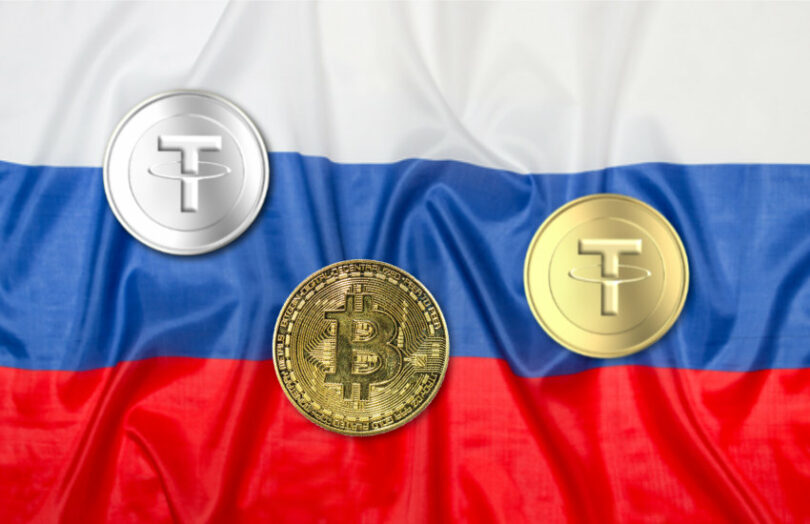
Digital currencies are officially recognized as taxable property in Russia, following legislative amendments approved by the State Duma. This landmark development introduces comprehensive tax rules for cryptocurrency transactions and mining, slated to take effect from January 1, 2025. The amendments represent a significant step in the country’s regulatory approach to digital assets, aiming to streamline income reporting and ensure compliance.

The legislative changes impose a tax of 13% for individual income from cryptocurrency operations, with a slightly higher rate of 15% applicable to non-resident individuals. Additionally, businesses involved in cryptocurrency-related activities will benefit from a value-added tax (VAT) exemption for mining-related transactions. This provision is designed to encourage greater participation in the crypto-mining sector while fostering a controlled environment for its growth. These measures reflect the government’s effort to balance innovation with the need for robust oversight in the digital economy.

A crucial aspect of the legislation involves the stricter regulation of mining infrastructure operators. Companies in this domain will be required to register and comply with stringent guidelines aimed at curbing illegal activities and ensuring transparency. By regulating these operators, authorities seek to establish a framework that promotes legitimate operations and protects market participants from fraud or exploitation.

The move aligns with Russia’s broader strategy to regulate cryptocurrencies amidst increasing global scrutiny of the sector. Cryptocurrencies, often viewed as tools for money laundering or tax evasion, have prompted governments worldwide to introduce regulations to monitor and manage their use effectively. By categorizing digital currencies as property, Russia not only brings clarity to their legal status but also signals its intention to integrate them into the formal economy.

Market analysts suggest that the taxation framework could encourage crypto-mining firms to operate within the law, as compliance becomes a prerequisite for business continuity. This development is especially significant for Russia, which is among the leading countries in crypto-mining due to its vast energy resources and favorable climate. The regulatory measures are expected to attract domestic and international players seeking stability and legal certainty in their operations.

The new rules also mandate the disclosure of cryptocurrency holdings and transactions in annual tax filings, creating an accountability system for individuals and entities involved in digital asset trading. Failure to comply with reporting requirements could result in severe penalties, reinforcing the government’s commitment to maintaining integrity within the sector.

Russia’s decision to implement these measures comes against a backdrop of evolving global attitudes toward cryptocurrency regulation. Countries such as the United States and members of the European Union have been advancing similar initiatives, highlighting a collective acknowledgment of the economic potential and risks associated with digital currencies. By joining this regulatory movement, Russia positions itself as a key player in shaping the future of the global crypto landscape.

Despite the optimism surrounding these changes, critics have raised concerns about the potential for overregulation to stifle innovation. Some industry stakeholders argue that the stringent requirements for mining infrastructure operators could create barriers for small-scale participants, thereby consolidating the industry in favor of larger entities. This, they warn, might undermine the decentralized ethos of cryptocurrency and limit opportunities for new entrants.

The effectiveness of these regulations will largely depend on their implementation and enforcement. Ensuring compliance in a rapidly evolving and highly technical sector presents significant challenges, requiring continuous adaptation and investment in oversight mechanisms. Observers emphasize the need for authorities to strike a balance between fostering growth and maintaining control to avoid unintended consequences.

HONG KONG SAR – Media OutReach Newswire – 26 November 2024 – Is Hong Kong back to normal? It’s a question that continues to be asked of people who live in Hong Kong, and to those who visit Hong Kong. It assumes that the city has not been itself in recent years. However, Hong Kong has always been a vibrant and entrepreneurial city with unique quirks and […]

Fragment, a platform built on blockchain technology, has introduced a Know-Your-Customer (KYC) requirement for its services, including the purchase of Telegram usernames, anonymous phone numbers, premium subscriptions, and in-app currency “stars.” This new policy is aimed at increasing user security and compliance with international regulations as cryptocurrency-related platforms face growing scrutiny.

Fragment operates primarily through the TON blockchain, a platform used by various applications, including Telegram. With the integration of blockchain-based phone numbers, users could previously access Telegram without the need for a traditional SIM card, offering a higher degree of anonymity, the platform has now shifted its stance, requiring users to verify their identities to maintain the integrity and security of transactions.

This move aligns with broader trends in the digital and cryptocurrency sectors, where regulatory bodies are imposing stricter rules on platforms that allow for pseudonymous transactions. By requiring KYC, Fragment aims to prevent misuse of its services for illegal activities, such as money laundering and fraud, which have been concerns for many blockchain and crypto platforms. Moreover, the introduction of KYC adds a layer of accountability, ensuring that individuals engaging with its services are properly identified.

The KYC procedure involves submitting personal identification details, which will be verified by third-party services before users can engage in the platform’s transactions. This includes purchasing or transferring usernames, anonymous phone numbers, and the stars used within Telegram’s premium features. It’s a significant shift from the platform’s previous operational model, which emphasized privacy and decentralization.

Telegram’s adoption of blockchain-based phone numbers through Fragment has been a pivotal feature in enhancing user privacy, allowing users to operate without a SIM card or a traditional phone number. This feature appeals to privacy-conscious users, including those in countries with high surveillance. The “No-SIM sign-up” option has been welcomed as a major privacy boost for Telegram users【9†source, Fragment’s introduction of KYC now places its future use under greater regulatory oversight, signaling a change in how blockchain services are operating amid increasing pressure from governments to tighten security and oversight.

The move to KYC also affects the sale of digital assets like usernames and other unique identifiers, which can be valuable on platforms like Telegram. Previously, these digital assets could be bought or sold with relative anonymity, but now users will have to provide personal details, adding a layer of verification that may deter some users who prioritize complete privacy.

By implementing these measures, Fragment is positioning itself as a more compliant entity within the blockchain ecosystem, signaling its readiness to adapt to global standards of financial regulation. While the KYC policy may reduce the anonymity of some users, it may also provide additional security and legal protection for those engaging in transactions on the platform. This move might pave the way for other similar services to adopt stricter compliance measures as blockchain-related industries mature and face greater regulatory scrutiny.

HANOI, VIETNAM – Media OutReach Newswire – 26 November 2024 – Hoa Sen Home has established itself as a leader in Vietnam’s rapidly growing building materials market. As the official distributor of renowned building materials and furniture brands locally and internationally, it offers a wide range of high-quality products, all backed by exceptional customer service. Hoa Sen Home is the official distributor of many renowned building materials […]

Video-sharing platform Rumble has announced its intent to diversify its financial strategy by allocating up to $20 million of its excess cash reserves into Bitcoin. The move underscores the company’s commitment to adopting innovative measures while showcasing confidence in the potential of cryptocurrency as a store of value.

The decision reflects an emerging trend among technology firms leveraging digital currencies to hedge against inflation and enhance liquidity options. Rumble’s leadership emphasized that this strategic pivot aligns with its broader goals of decentralization and financial autonomy, mirroring the platform’s ethos of providing an independent content space.

Rumble, headquartered in Longboat Key, Florida, has seen significant growth in its user base, fueled by increasing demand for platforms that prioritize free expression. The company’s trajectory, bolstered by its public listing in September 2022, has positioned it as a formidable competitor to mainstream platforms. Its diversification into Bitcoin suggests a dual focus on strengthening its financial health while aligning with digital innovation trends that resonate with its user demographic.

This move follows a pattern of corporations exploring Bitcoin as a treasury asset. Notable companies such as MicroStrategy and Tesla have similarly invested significant portions of their reserves into the cryptocurrency, citing its scarcity and long-term value prospects. MicroStrategy, a pioneer in this domain, holds the largest corporate Bitcoin reserve, totaling over 150,000 BTC. Rumble’s initiative, while smaller in scale, signals its belief in Bitcoin’s stability despite the volatile nature of the crypto market.

Cryptocurrency markets have seen heightened activity over the past year, with Bitcoin experiencing a resurgence following regulatory clarity and institutional interest. Rumble’s planned acquisition comes at a time when the digital currency hovers near its highest price levels for the year, fueled by speculation surrounding Bitcoin exchange-traded funds (ETFs) and increased blockchain adoption. The timing of the investment could enable Rumble to capitalize on potential upward trends, although it also entails risks inherent to market fluctuations.

Analysts have noted that this decision aligns with Rumble’s brand identity as a disruptor in the digital media space. By embracing Bitcoin, the company reaffirms its stance against conventional norms, appealing to its core audience that values independence and alternative approaches. Some market observers believe this move could further attract creators and viewers who support decentralized solutions across various domains, including finance.

Despite the optimism surrounding cryptocurrency investments, critics caution against potential challenges, particularly given Bitcoin’s history of price volatility. Skeptics argue that while Bitcoin has demonstrated resilience, its correlation with broader market dynamics and regulatory pressures could pose risks to companies holding it as a financial asset. Rumble’s decision to allocate a portion of its reserves rather than a full-scale commitment appears to reflect a balanced approach, mitigating exposure while allowing for potential gains.

The announcement also reflects broader conversations about the role of digital assets in corporate finance. As businesses explore innovative strategies to manage reserves, Bitcoin’s prominence as a viable alternative asset class continues to gain traction. Advocates of Bitcoin argue that its deflationary design and finite supply make it an ideal hedge against economic uncertainties, a sentiment echoed by Rumble’s leadership.

WisdomTree, a leading asset manager overseeing $113 billion in investments, has filed to establish a Delaware-based trust for a proposed XRP exchange-traded fund (ETF). The move is considered a pivotal step toward offering investment products centered on XRP, one of the largest cryptocurrencies by market capitalization.

The trust filing, listed with the Delaware Division of Corporations, lays the groundwork for a full application to the U.S. Securities and Exchange Commission (SEC). The initiative follows heightened interest among asset managers to diversify crypto-related ETFs beyond Bitcoin and Ethereum. WisdomTree’s proposed ETF aims to track XRP’s market performance, further integrating cryptocurrency into mainstream investment portfolios.

This filing aligns with broader industry trends as firms such as Bitwise and Canary Capital have initiated similar proposals for XRP ETFs. Bitwise’s recent registration for a Solana ETF signals increasing diversification across the crypto ETF landscape, reflecting growing investor demand for altcoin-linked financial products.

The legal and regulatory environment surrounding XRP remains a critical factor. Ripple Labs, the creator of XRP, concluded a prolonged legal dispute with the SEC earlier this year, with a U.S. judge determining that XRP was not inherently a security. However, SEC leadership changes, particularly the anticipated resignation of Chair Gary Gensler, could reshape regulatory perspectives on crypto assets. Analysts speculate that this evolving environment may enhance the approval prospects for XRP ETFs under a potentially more crypto-friendly SEC administration.

As XRP solidifies its standing as the sixth-largest cryptocurrency by market value, WisdomTree’s move could catalyze further institutional adoption. The firm has yet to disclose details about the fund’s exchange listing or ticker symbol, leaving investors to anticipate further developments. This initiative underscores a strategic shift among asset managers seeking to capitalize on emerging trends in the digital asset space, expanding beyond traditional cryptocurrency giants.

A leading Thai official has underscored the inadequacy of current measures to combat the rising global temperature, emphasizing the need for urgent action at the ongoing UN climate change conference in Baku. Chalermchai Sri-on, Thailand’s Minister of Natural Resources and the Environment, voiced strong concerns about the global response to climate change at COP29, calling on world leaders to prioritize climate financing and effective solutions for the […]

“Engineered for Sustainability: Hong Kong’s Contribution to United Nations Sustainable Development Goals” Showcasing over 40 Sustainable Engineering Projects HONG KONG SAR – Media OutReach Newswire – 25 November 2024 – The Hong Kong Institution of Engineers (“HKIE”) launched an eBook, Engineered for Sustainability: Hong Kong’s Contribution to United Nations Sustainable Development Goals, which introduces Hong Kong engineering industry’s progress towards achieving the United Nations Sustainable Development Goals […]

El Salvador’s pioneering embrace of cryptocurrency has taken another bold step, with President Nayib Bukele proposing a plan to rent out the country’s volcanoes for Bitcoin mining. The initiative aims to leverage El Salvador’s abundant geothermal energy, which is already powering its own mining operations. Since adopting Bitcoin as legal tender in 2021, the nation has positioned itself at the forefront of cryptocurrency innovation, combining digital finance with renewable energy.

The country’s current geothermal-powered Bitcoin mining facility, located near the Tecapa volcano, has generated approximately 474 Bitcoin (valued at $29 million) using clean energy sources. This operation, managed by a state-owned geothermal plant, employs 300 mining processors and utilizes 1.5 megawatts of energy—just a fraction of the plant’s 102-megawatt capacity. The potential scalability of this model has prompted discussions on how other volcanoes in the country could be similarly utilized.

President Bukele’s proposal highlights a strategy to monetize unused geothermal resources while addressing global concerns about the environmental footprint of cryptocurrency mining. The use of renewable energy is an essential component of this vision, positioning El Salvador as a global leader in sustainable digital asset practices. This is particularly significant given the scrutiny Bitcoin mining faces due to its traditionally high energy consumption and carbon emissions.

El Salvador has continued to expand its Bitcoin-related endeavors despite challenges. The legalization of Bitcoin as tender initially drew widespread criticism from international financial institutions, with concerns about economic volatility and potential misuse. The country’s strategy, however, has persisted, with daily Bitcoin purchases by the government adding to its growing reserves, now estimated at 5,750 BTC (approximately $354 million). The administration has framed this as a move toward economic sovereignty and technological advancement.

The economic viability of cryptocurrency mining, combined with geothermal energy, has prompted interest from both domestic stakeholders and international observers. Geothermal energy, a consistent and renewable power source, provides a distinct advantage, as it is less susceptible to the fluctuations seen in other renewable energy forms like solar or wind. For El Salvador, where over 20 volcanoes contribute to a substantial geothermal energy potential, this resource could become a cornerstone of its energy strategy.

As the government looks to scale its operations, the proposed renting of geothermal sites could attract private and international investments. By offering ready access to clean energy and potentially favorable regulatory conditions, the country is positioning itself as an attractive hub for crypto mining. This vision, however, is not without its risks. The volatility of Bitcoin prices and external regulatory pressures continue to pose challenges. Critics have also questioned the long-term benefits of prioritizing Bitcoin over broader economic reforms, especially in a country where poverty and economic disparity remain pressing concerns.

Despite these criticisms, President Bukele has doubled down on the Bitcoin agenda, reinforcing his commitment through policies and public declarations. The initiative is also gaining traction among his supporters, a key factor in his successful 2024 re-election campaign. For Bukele, Bitcoin is not merely a financial tool but a symbol of El Salvador’s innovation and resilience on the global stage.

Cantor Fitzgerald, a prominent global financial services firm, is reportedly positioning itself to acquire approximately 5% ownership in Tether Holdings, the issuer of the world’s most widely used stablecoin, USDT. This move is viewed as part of Cantor’s strategy to deepen its foothold in the burgeoning cryptocurrency sector, which has seen a surge in institutional interest and regulatory scrutiny.

Tether, known for its dollar-pegged digital token, has grown into a pivotal entity in the cryptocurrency ecosystem, facilitating billions of dollars in daily transactions. The anticipated investment highlights the increasing convergence between traditional financial institutions and the crypto industry, as players like Cantor Fitzgerald seek to leverage the opportunities within blockchain technology and digital currencies.

Howard Lutnick, Cantor Fitzgerald’s CEO and a longstanding ally of President-elect Donald Trump, is expected to play a dual role in shaping these developments. Lutnick is slated to assume the role of Secretary of Commerce under Trump’s administration, raising questions about the interplay of political and business interests, particularly regarding regulatory landscapes affecting digital assets and related financial technologies.

The reported stake acquisition comes amidst broader crypto-related activities on Wall Street, as firms adopt blockchain solutions to modernize trading and record-keeping processes. Observers note that Cantor Fitzgerald’s history of resilience and adaptation, especially following its recovery from significant losses during the 9/11 attacks, positions it well to navigate the volatile but promising crypto market.

As Tether continues to face regulatory challenges globally, including concerns about its reserves’ transparency and governance, the involvement of a major Wall Street firm could signal a shift in perception and potentially bolster confidence in the stablecoin’s operational integrity. Cantor’s move could also influence other financial institutions to consider strategic investments in digital assets, underscoring a growing acceptance of cryptocurrency as a mainstream asset class.

While details about the terms of the deal remain undisclosed, industry insiders suggest that the partnership could herald increased institutionalization of the cryptocurrency market, fostering closer ties between digital finance innovators and established financial entities. This evolution aligns with a broader narrative of transformation within the financial sector, driven by technological advancements and the global adoption of digital payment solutions.

The anticipated collaboration between Cantor Fitzgerald and Tether may also have implications for regulatory policies under the Trump administration. With Lutnick at the helm of the Department of Commerce, there is speculation about potential shifts in the U.S. regulatory approach to cryptocurrencies and blockchain technologies. Some analysts believe that Lutnick’s involvement could provide Tether with a strategic advantage in addressing regulatory challenges and expanding its market reach.

A prominent shopping center in Bahrain has joined forces with Yellow Door Energy to launch a 4.7 MWp solar power plant, marking a significant step in the kingdom’s efforts to achieve net-zero carbon emissions by 2060. The new solar plant, which will supply clean energy to the mall, highlights Bahrain’s growing commitment to sustainable energy practices and its pursuit of a greener future. This collaboration is part […]

VISHNU RAJA
RYO YAMADA
HITORI GOTOH
IKUYO KITA