News related to
digital

The Linux Foundation has launched LF India, aiming to propel open source development across the country, focusing on key technological domains such as cloud computing, artificial intelligence (AI), the Internet of Things (IoT), and blockchain. This initiative aims to empower both developers and startups, providing the necessary infrastructure and support to build scalable, secure, and innovative open-source solutions. LF India reflects the growing importance of open-source technologies in India’s expanding digital ecosystem, emphasizing community-driven progress and collaboration.

LF India, established in partnership with several prominent tech companies, seeks to foster collaboration between global and local developers. The initiative is part of the Linux Foundation’s broader strategy to advance open-source innovation by creating a robust ecosystem that encourages sustainable development. By focusing on emerging technologies like AI, blockchain, and IoT, LF India aims to address key challenges and opportunities in sectors such as healthcare, finance, and education.

Open-source technologies have been rapidly transforming industries worldwide. With the launch of LF India, the Foundation aims to further accelerate this transformation within the Indian tech space. Open-source software offers significant advantages, including cost efficiency, flexibility, and security, which are particularly relevant in a fast-evolving market. As part of this initiative, LF India will provide resources and mentorship to Indian startups, fostering an environment conducive to innovation and scaling.

A key focus of LF India will be cloud-native technologies, which are integral to the future of computing and application development. Cloud-native frameworks and tools, powered by Kubernetes and containerization technologies, have gained traction across industries for their scalability and efficiency. By equipping local developers with the right tools and best practices, LF India intends to make India a leader in cloud-native open-source innovation.

The Foundation is keen to establish a stronger presence in AI and blockchain, two areas seeing rapid advancements globally. The increasing interest in AI-driven applications, particularly generative AI, highlights the demand for open-source frameworks that allow greater accessibility and customization. Blockchain, on the other hand, is transforming industries like finance and supply chain management, and LF India plans to support projects aimed at solving scalability and security issues within blockchain ecosystems.

India, with its large and growing tech community, is a perfect location for LF India’s new push. The country has seen a surge in tech startups and is already home to a vibrant developer community that has contributed to various open-source projects over the years. The local tech ecosystem has benefited from collaborations between global tech giants and local innovators, with the Linux Foundation now poised to take these efforts to the next level.

LF India is expected to serve as a hub for knowledge-sharing and collaboration, hosting conferences, hackathons, and other community-building events. These activities will allow developers and companies to stay at the forefront of technological advancements and best practices in the open-source domain. By bringing together key players from the industry, the Foundation aims to create a unified platform for developing solutions that are both innovative and sustainable.

The Linux Foundation’s investment in India also aligns with the country’s broader goals of digital transformation and tech-driven growth. As the Indian government continues to push for a “Digital India,” open-source solutions play a crucial role in enabling accessibility, inclusivity, and scalability across various sectors. LF India will not only support startups and developers but also collaborate with government bodies and educational institutions to help build a stronger foundation for the country’s digital future.

LF India’s focus on nurturing the startup ecosystem is significant. The Foundation recognizes that startups are often the birthplace of disruptive technologies. By providing them with access to open-source resources, technical support, and collaboration opportunities, LF India aims to create a fertile ground for the next generation of tech innovators. This effort is expected to help address some of the common challenges faced by startups, such as limited access to enterprise-grade infrastructure and high costs associated with proprietary technologies.

As India continues to position itself as a global tech hub, LF India’s launch marks a significant step forward in its ambitions. The country’s tech industry has already made substantial strides in areas such as software development, app-based solutions, and IT services. With LF India now playing a pivotal role in fostering open-source innovation, India could become a leader in the global open-source movement.

MELBOURNE, AUSTRALIA – Media OutReach Newswire – 12 December 2024 – CompareForexBrokers, a leading forex broker comparison service has launched a new digital tool, to help traders select the ideal trading platform for their needs. CompareForexBrokers recognised that many traders were struggling to find the most suitable platform. MetaTrader 4 and 5, cTrader, and TradingView, all have attractive features and are used by traders around the world. […]

Hong Kong Listed Companies with Increasing Focus on ESG Practices Top Performing Companies Adopted Robust Governance Structure HONG KONG SAR – Media OutReach Newswire – 12 December 2024 – Catherine Leung, Chairperson of the Chamber of Hong Kong Listed Companies (CHKLC) said at the Hong Kong Corporate Governance & ESG Excellence Awards 2024 (Awards) Gala Dinner tonight, “Hong Kong is at the stage of transition faced with […]

Telegram has taken decisive action against misuse of its platform, blocking more than 15.3 million groups and channels throughout 2024 for violations of its community and operational guidelines. This enforcement underscores the platform’s commitment to maintaining a safe and transparent environment for its users while combating illicit activities. The blocked groups and channels were implicated in various violations, including the dissemination of illegal content, promoting scams, and […]

Byte Federal, a prominent Bitcoin ATM network in the United States, has disclosed a security breach that compromised the personal data of 58,000 customers. The company revealed the incident after identifying unauthorized access to its systems, which reportedly led to the exposure of sensitive user information, including names, email addresses, and transaction details.

The breach has raised concerns about cybersecurity measures in the cryptocurrency sector. Byte Federal, known for operating over 1,000 Bitcoin ATMs across more than 40 states, has positioned itself as a major player in the digital asset ecosystem, facilitating cryptocurrency transactions for thousands of users daily. This incident underscores the vulnerabilities even in established networks within the fintech space.

Byte Federal’s systems were reportedly targeted in a sophisticated cyberattack, exploiting vulnerabilities in its data storage infrastructure. While the company has not confirmed whether financial information, such as bank account or credit card details, was accessed, it has assured customers that immediate steps were taken to address the breach and secure its systems. Additionally, Byte Federal is cooperating with law enforcement agencies and third-party cybersecurity firms to investigate the breach thoroughly and prevent future incidents.

This data breach follows Byte Federal’s expansion of its service offerings, including the integration of the Bitcoin Lightning Network, which enables faster and more cost-efficient transactions. The company’s focus on innovation has drawn significant attention, but this breach may lead to heightened scrutiny over its cybersecurity protocols. Industry experts have noted that companies in the cryptocurrency domain must balance innovation with robust security measures to protect user data.

Affected customers are being notified individually and advised to monitor their accounts for any unauthorized activity. Byte Federal has also recommended users to reset their passwords and adopt additional security measures, such as enabling two-factor authentication, to safeguard their accounts. The company is offering complimentary identity theft protection services to those impacted by the breach.

The incident has prompted discussions about regulatory oversight and the need for stricter cybersecurity compliance in the fintech and cryptocurrency sectors. Analysts argue that the growing adoption of digital assets necessitates a parallel emphasis on security standards to protect consumers and maintain trust in the ecosystem. This breach serves as a stark reminder of the challenges faced by firms operating in an increasingly digital financial landscape.

ADNOC Distribution has unveiled ARIF, an AI-driven chatbot designed to enhance investor relations, during the Abu Dhabi Finance Week. This advanced technology aims to provide a seamless platform for current and prospective investors to access vital financial insights, performance updates, and strategic information, underscoring the company’s commitment to technological innovation and transparency. The launch of ARIF marks a significant step in ADNOC Distribution’s effort to utilize artificial […]

Dubai Electricity and Water Authority (DEWA) has forged a strategic partnership with the Electric Power Research Institute (EPRI), aiming to accelerate the shift towards renewable energy. This collaboration aligns with DEWA’s long-term goal to enhance energy sustainability and address the evolving global energy challenges. By joining forces, both organizations seek to leverage cutting-edge technologies and drive forward Dubai’s ambitious clean energy agenda.

The agreement between DEWA and EPRI will focus on various aspects of the energy transition, including grid modernization, renewable energy adoption, and advanced energy storage solutions. With EPRI’s extensive research capabilities and DEWA’s robust infrastructure, the two entities plan to create a framework for knowledge exchange, joint projects, and innovation. The partnership is poised to play a pivotal role in the development and implementation of modern energy technologies, helping to shape the future of energy in Dubai and beyond.

As part of the collaboration, the two organizations will engage in training and development programs aimed at equipping professionals with the skills needed to navigate the challenges of the energy sector. These training initiatives will cover a range of topics, including energy efficiency, clean power generation, and grid resilience. This aspect of the partnership underscores the importance of developing human capital to support the energy transformation process.

DEWA has made significant strides in transitioning towards a more sustainable energy mix, with projects such as the Mohammed bin Rashid Al Maktoum Solar Park serving as flagship examples. The solar park, which is one of the largest in the world, has been a critical part of Dubai’s strategy to reduce carbon emissions and meet its renewable energy targets. By expanding its renewable energy portfolio and collaborating with global leaders like EPRI, DEWA is reinforcing its position as a leader in the Middle East’s energy sector.

EPRI, a US-based non-profit organization, brings decades of expertise in power systems, energy generation, and environmental sustainability. The institute works with utilities, governments, and other stakeholders worldwide to research and develop solutions for the energy industry. EPRI’s contribution to the collaboration with DEWA will be instrumental in driving innovations in smart grid technologies, energy storage systems, and the integration of renewable energy sources into the existing power infrastructure.

The collaboration is timely, as global energy systems are undergoing profound changes. Governments and organizations worldwide are facing the dual challenge of increasing energy demand while reducing environmental impact. In Dubai, DEWA’s leadership in renewable energy is essential for meeting the emirate’s energy goals, which include generating 50% of its power from clean sources by 2050. To achieve these targets, the emirate is focusing on solar, wind, and other renewable technologies, alongside improvements in energy efficiency and grid management.

Energy storage is one area that will benefit from the DEWA-EPRI collaboration. As renewable energy sources like solar and wind are intermittent, energy storage solutions are crucial for ensuring a stable and reliable power supply. The partnership will explore innovative energy storage technologies to better manage fluctuations in energy generation, enabling DEWA to enhance grid stability and reduce reliance on fossil fuels.

The focus on grid modernization will be vital as Dubai looks to incorporate a larger share of renewable energy into its power mix. Modernizing the grid involves upgrading infrastructure to handle decentralized and variable energy sources. This is particularly important as more renewable energy is generated locally through distributed systems, such as solar panels on buildings. Advanced grid technologies, such as smart meters and automation, will help integrate renewable energy more effectively while maintaining reliability and minimizing energy losses.

DEWA’s collaboration with EPRI also underscores the growing importance of international partnerships in addressing global energy challenges. As nations worldwide aim to meet climate goals set under international agreements such as the Paris Agreement, sharing knowledge and expertise becomes crucial. By working with EPRI, DEWA taps into a global network of energy innovators, ensuring that its energy transition strategies are informed by the latest research and best practices.

Dubai’s clean energy push is part of a broader trend across the region, where energy producers are increasingly embracing sustainable practices. The UAE has made significant investments in renewable energy projects, such as the Barakah nuclear power plant and the Noor Abu Dhabi solar plant. These efforts are not only aimed at reducing the country’s carbon footprint but also at diversifying its energy sources and enhancing energy security.

The DEWA-EPRI partnership also highlights the critical role of technological innovation in the energy sector. The growing adoption of digital tools and advanced analytics is transforming how utilities manage energy systems. Artificial intelligence, big data, and machine learning are becoming essential in optimizing grid performance and predicting energy demand patterns. These technologies will play a central role in the collaboration, helping to improve the efficiency and flexibility of Dubai’s energy infrastructure.

Another key area of focus for DEWA is enhancing energy efficiency across various sectors, including transportation and buildings. The collaboration with EPRI will explore how advanced technologies can be applied to optimize energy use in these areas, helping to reduce consumption and lower costs. Additionally, the partnership aims to promote the integration of electric vehicles (EVs) into Dubai’s transport network, providing a sustainable alternative to traditional fuel-powered vehicles.

Advertisements

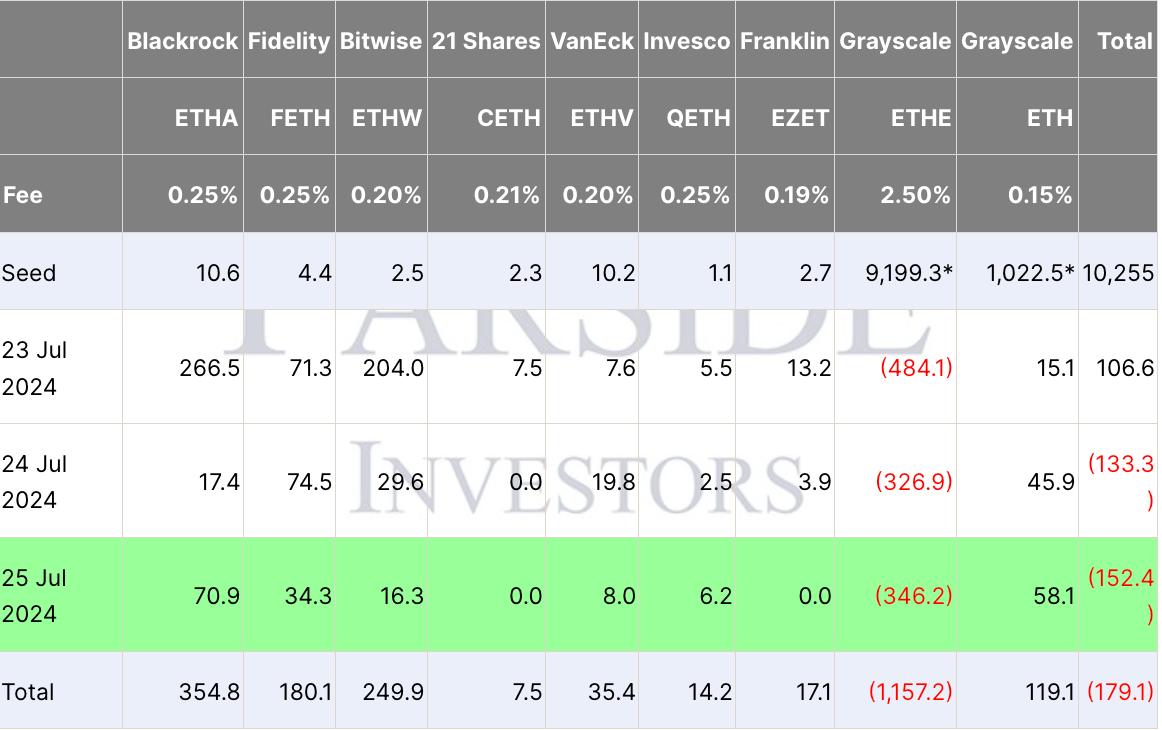
Base, a layer-2 blockchain solution built atop Ethereum, has garnered significant attention due to its robust growth in 2024, securing $2.7 billion in net inflows year-to-date. The surge marks a pivotal moment for the project, reflecting strong investor confidence and the growing appeal of scaling solutions within the crypto ecosystem. In stark contrast, Ethereum itself, despite its dominance in the space, experienced a record $7.4 billion in net outflows over the same period, signaling a shift in investor sentiment away from the original Ethereum blockchain toward alternative platforms like Base.

The disparity in inflows and outflows has drawn attention from market analysts, particularly because both assets are intrinsically linked. Base’s success hinges on the Ethereum blockchain for security, but its tailored scalability and lower transaction costs have attracted considerable investment. Ethereum’s outflows are largely attributed to concerns over its scalability issues, particularly its high transaction fees and network congestion that have persisted despite ongoing updates.

The ongoing battle between layer-1 and layer-2 solutions illustrates a broader trend in blockchain development. Layer-2 solutions like Base aim to alleviate the scalability challenges faced by Ethereum by processing transactions off-chain while leveraging Ethereum’s security. This model has proven to be appealing to decentralized application developers and users who seek lower fees and faster transactions. Investors are increasingly recognizing these advantages, which has driven the substantial inflows into Base.

One of the key factors driving Base’s success has been its integration with Optimism, a layer-2 network that employs Optimistic Rollups. This technology allows transactions to be processed in batches, enhancing speed and efficiency while reducing costs. Optimism’s established track record, combined with the robust infrastructure of Base, has resulted in a growing number of decentralized finance (DeFi) protocols migrating to this ecosystem. These protocols are increasingly shifting their focus to Base, buoyed by its ability to scale and manage higher transaction volumes more effectively than Ethereum.

Ethereum’s struggle to retain investor confidence, on the other hand, can be traced to its long-standing scalability limitations. The Ethereum network, often hailed as the backbone of decentralized finance, has been plagued by network congestion, especially during periods of high transaction demand. While Ethereum’s transition to Ethereum 2.0, which aims to implement a Proof of Stake consensus mechanism, is intended to address some of these issues, many investors remain skeptical of its long-term viability in its current form. High transaction fees continue to plague the network, pushing investors and developers to seek alternatives that offer better scalability.

Despite Ethereum’s ongoing development efforts, including the introduction of sharding and other upgrades to enhance throughput, the market sentiment has leaned toward blockchain solutions that can offer immediate relief. Layer-2 solutions like Base, Arbitrum, and Polygon have benefitted from this shift, offering near-instant transaction finality and negligible fees. These benefits have not only attracted developers but also institutional investors who are looking to capitalize on the emerging layer-2 ecosystem, further driving the inflow into these platforms.

The contrast between Ethereum’s challenges and Base’s growth is particularly notable given the overlap in their underlying technologies. While Base runs on Ethereum’s base layer for security and consensus, its innovative scaling model has managed to sidestep many of the bottlenecks that continue to hinder Ethereum itself. This dynamic has led to the rapid rise of Base in the market, with many speculating that this trend could continue as more applications and investors shift their focus to layer-2 solutions.

A key consideration in the ongoing evolution of blockchain technology is the role of decentralization. Ethereum has long been the poster child for decentralization, emphasizing the importance of a trustless and distributed network. However, as scalability and efficiency have become more pressing issues, layer-2 solutions like Base are offering a middle ground—leveraging Ethereum’s security without burdening its mainnet with excessive transactions. This hybrid approach is increasingly gaining favor among users who value both decentralization and efficiency.

The entry of institutional investors into the blockchain space has played a critical role in shaping the landscape. Many institutional players have expressed interest in blockchain technologies that provide high throughput and minimal latency, qualities that are often found in layer-2 solutions. The inflows into Base reflect this shift, as institutions seek to diversify their portfolios in the rapidly evolving digital asset space. The growing adoption of decentralized finance, non-fungible tokens (NFTs), and other blockchain-based innovations has further cemented Base’s position as a platform that can support these applications with lower costs and faster speeds.

The contrasting trends in Ethereum’s outflows and Base’s inflows have sparked debate about the future of Ethereum’s role in the broader blockchain ecosystem. While Ethereum remains the dominant layer-1 blockchain, its scalability issues have led to increased competition from a range of layer-2 solutions. These developments highlight the evolving dynamics within the blockchain space, where scalability, speed, and cost-efficiency are becoming the key determinants of success.

Brian Quintenz, the head of crypto policy at Andreessen Horowitz, has emerged as a frontrunner for the position of chair at the Commodity Futures Trading Commission (CFTC). This potential appointment has generated considerable attention, particularly in the context of shaping the future of cryptocurrency regulation in the United States. Quintenz’s deep-rooted experience with the regulatory landscape, particularly his tenure at the CFTC under the Trump administration, positions him as a key figure in guiding the U.S. government’s approach to digital assets and derivatives markets.

During his tenure as a commissioner at the CFTC from 2017 to 2021, Quintenz made a significant impact in the world of financial regulation. He was one of the first regulators to recognize the growing importance of digital assets, including cryptocurrencies like Bitcoin and Ethereum, and the need to develop a regulatory framework that both fosters innovation and protects investors. Quintenz was known for his support of the crypto industry, advocating for clearer and more consistent rules governing digital asset markets. His work on derivatives, particularly around crypto futures contracts, laid the foundation for much of the regulatory framework in place today.

Quintenz’s appointment to the CFTC chair could signal a more crypto-friendly regulatory environment in the U.S., one that aligns with the priorities of industry advocates who have long argued for clearer rules to enable innovation without stifling growth. The CFTC, under Quintenz’s guidance, is expected to build upon his prior work, including his advocacy for creating a comprehensive regulatory framework that supports digital asset trading while ensuring financial stability.

Quintenz’s potential leadership is seen as crucial for addressing the growing demand for regulation in the cryptocurrency space, particularly as institutional interest in digital assets continues to rise. The U.S. has been grappling with questions around the appropriate regulatory body to oversee crypto markets, with the CFTC and the Securities and Exchange Commission (SEC) often at odds over jurisdictional issues. Quintenz, however, has long argued that the CFTC is best suited to oversee crypto derivatives and related markets due to its expertise in futures and commodities. If confirmed, Quintenz could play a pivotal role in resolving these jurisdictional disputes and advancing a clear, unified regulatory framework.

Under Quintenz’s leadership, the CFTC could also take a more proactive role in fostering innovation within the digital asset space. His track record at Andreessen Horowitz, one of Silicon Valley’s most influential venture capital firms, shows his keen understanding of the intersection between technology and regulation. At the firm, Quintenz has worked closely with emerging blockchain companies and crypto projects, providing guidance on navigating the complex regulatory landscape. This experience gives him a unique perspective on how to balance the need for regulation with the desire for innovation, making him a natural fit to lead the CFTC as it continues to evolve its approach to crypto.

The crypto industry, which has faced increasing scrutiny from lawmakers and regulators, would likely welcome a more consistent and favorable regulatory framework under Quintenz’s leadership. While some in the industry have expressed concerns about regulatory overreach, many are hopeful that Quintenz’s appointment could provide the clarity and stability needed to drive continued growth. The ongoing battle over cryptocurrency regulations has been marked by conflicting signals from different regulatory bodies, with the SEC taking a more aggressive stance on enforcement, particularly against centralized exchanges. In contrast, the CFTC has been more focused on ensuring that financial markets, including crypto derivatives, function within a legal framework that promotes transparency and market integrity.

One of the key challenges that Quintenz would face as CFTC chair is the evolving nature of the crypto market. With innovations like decentralized finance (DeFi) and non-fungible tokens (NFTs) continuing to gain popularity, the regulatory framework needs to be adaptable enough to keep pace with rapid changes in the industry. Quintenz’s previous work at the CFTC, where he helped craft rules for Bitcoin futures and other digital asset contracts, suggests he understands the importance of staying ahead of market developments and ensuring that regulation evolves in tandem with technological advancements.

Quintenz’s approach to digital asset regulation will likely focus on protecting consumers without stifling innovation. His stance during his time at the CFTC and his work at Andreessen Horowitz indicate that he views regulation as a tool to create a level playing field for all market participants while fostering innovation. This would be in stark contrast to some of the more stringent regulatory approaches favored by other factions within the U.S. government, which seek to impose more controls over the growing crypto market.

His potential appointment also comes at a time when the U.S. is facing mounting pressure to establish a clear and consistent regulatory framework for digital assets. Other countries, such as the European Union, have moved forward with comprehensive crypto regulation, and the U.S. risks falling behind in the global race to regulate emerging financial technologies. Quintenz’s appointment could help solidify the U.S.’s position as a leader in digital asset regulation, ensuring that the country remains competitive while safeguarding the financial system.

HONG KONG SAR – Media OutReach Newswire – 12 December 2024 – MooneyBird, a proptech company specializing in real estate marketing and AI technologies, has launched Hong Kong’s first AI-powered real estate marketing system. This innovative system is specifically designed for small and medium-sized real estate agencies, offering an integrated solution that combines brand website design, automated marketing, and client management tools. This solution strives to facilitate […]

The stablecoin market has reached a significant milestone, surpassing a total market capitalization of $200 billion, a first in the digital asset’s history. This surge reflects a broader trend where stablecoins are increasingly being adopted for a range of uses beyond their initial function of facilitating cryptocurrency trading. Key drivers of this growth include rising capital inflows and the expanding role of stablecoins in real-world applications such as payments and remittances.

In the past few months, the stablecoin market has been on a steady upward trajectory, with assets like Tether (USDT) and USD Coin (USDC) leading the charge. Tether, in particular, has seen substantial growth, maintaining its dominance in the market with significant increases in its circulation. The overall growth of the stablecoin ecosystem is linked to both the rise in digital asset trading volumes and the increasing acceptance of these digital currencies as alternatives to traditional fiat money.

One of the main catalysts behind the expanding use of stablecoins is the broadening scope of their use cases. Traditionally, stablecoins were primarily used by traders as a way to move in and out of volatile cryptocurrency positions without leaving the ecosystem. However, in 2024, there has been a noticeable shift. Increasingly, businesses and individuals are utilizing stablecoins for payments, cross-border remittances, and even as a store of value. This shift has been especially visible in sectors like gaming, e-commerce, and even charity, where stablecoins offer a faster, cheaper, and more secure alternative to conventional payment methods.

As more users and companies look to leverage the benefits of stablecoins, the market has also attracted the attention of regulators. Many financial authorities around the world are taking a more active role in regulating stablecoins to ensure financial stability while balancing innovation. The regulatory landscape remains in flux, with governments working on frameworks to ensure stablecoins are used responsibly without undermining the traditional financial system.

The integration of stablecoins into decentralized finance (DeFi) platforms has further cemented their relevance. As DeFi grows, the demand for stablecoins within these decentralized applications has spiked. These platforms use stablecoins as a medium for lending, borrowing, and earning interest, all of which contribute to the broader adoption of stablecoins across various sectors.

Despite the growing popularity, challenges persist. Issues related to transparency, especially concerning the reserves backing stablecoins like Tether, have sparked debates among market participants and regulators alike. Nonetheless, the general outlook for the stablecoin market remains positive, as technological advancements continue to pave the way for greater adoption and diversification of stablecoin offerings.

Oman remains steadfast in its commitment to becoming a global leader in green hydrogen production, despite facing a range of challenges in its pursuit of an energy transition. The Gulf nation is tapping into its vast renewable energy potential to position itself as a key player in the emerging green hydrogen market, which could play a pivotal role in global decarbonization efforts. The country’s green hydrogen strategy […]

Dubai Islamic Bank (DIB) is open to acquiring other banks and financial technology (FinTech) businesses as part of its strategy to expand its market presence and strengthen its service offerings. CEO of DIB, Adnan Chilwan, highlighted the bank’s interest in further diversifying its portfolio to meet the evolving needs of customers. This approach is in line with DIB’s broader growth strategy, which has already seen significant investments […]

Triton Liquid Fund, a leading player in digital asset hedge fund management, has taken a significant step by obtaining its full Financial Services Permission (FSP) licence from the Abu Dhabi Global Market (ADGM). This development empowers the firm to establish, manage, and operate diversified collective investment portfolios, cementing its position in the region’s expanding digital financial ecosystem. The fund, which has been strategically supported by New York-based […]

The West Africa Energy Cooperation Summit (WA-ECS), held in Lomé, Togo, from December 3-5, brought together governments and international energy leaders for three days of discussions and debate, addressing project development challenges in the ECOWAS region, promoting sustainable energy growth across West Africa, with two projects already signed. LOMÉ, TOGO – EQS Newswire – 11 December 2024 – On Tuesday 3 December, after welcome remarks from Abdoulaye […]

BEIJING, CHINA – Media OutReach Newswire – 11 December 2024 – On December 10, the Beijing Municipal Government Information Office held a press conference for the 2024 Beijing’s Forum on Swift Response to Public Complaints. Scheduled for December 18-19 at the China National Convention Center in Beijing, the forum is themed “Modernizing for People-Centered Urban Governance.” The event aims to create a platform for exchange and mutual […]

Saudi Arabia has unveiled an ambitious initiative aimed at enhancing global capabilities in forecasting and mitigating the effects of sand and dust storms. The program, introduced during the 16th session of the United Nations Convention to Combat Desertification (COP16) in Riyadh, underscores the Kingdom’s growing commitment to environmental resilience and its efforts to combat the detrimental effects of desertification on health, infrastructure, and ecosystems. This initiative is […]

Clear Angle Studios, a leader in 3D scanning and volumetric data capture, has bolstered its operations by opening a new facility in Culver City, Los Angeles. Known for its cutting-edge contributions to film, television, and interactive media, the company’s expansion signals its intent to deepen its footprint in the entertainment capital. The new location is strategically positioned to cater to the thriving demand for high-precision 3D capture […]

A cryptocurrency trader leveraged an audacious high-risk position to turn an initial investment of $2,500 into an impressive $200,000 by trading XRP with a staggering 500x leverage. The bold maneuver capitalized on XRP’s upward price movement following developments in its ongoing legal case with the U.S. Securities and Exchange Commission (SEC).

The trader’s position, which teetered near liquidation at one point, highlights the volatile nature of high-leverage trading. Leveraging 500x means a minor price fluctuation can significantly amplify gains—or wipe out investments. XRP’s sharp price increase, fueled by optimism over favorable judicial rulings, provided a critical lifeline for this strategy to succeed.

This dramatic transformation of funds underscores the high-reward potential of crypto derivatives trading but also serves as a cautionary tale about its risks. With leverage of this magnitude, traders face amplified exposure to market swings, emphasizing the importance of careful market analysis and risk management. XRP, buoyed by increased trading volumes and speculation about the SEC ruling, became the backdrop for this extraordinary financial feat.

The case surrounding Ripple Labs, the company behind XRP, has long been a focal point of crypto markets. Ripple’s partial victories in court have bolstered confidence among traders and investors, lifting XRP prices. Market sentiment, compounded by Ripple’s legal clarity in its battle over XRP’s classification as a security, catalyzed significant price action. Experts emphasize that while the trader’s success is remarkable, it is not representative of typical outcomes in high-leverage trading scenarios, where the odds heavily favor losses.

Cryptocurrency analysts point out that this incident reflects the unpredictable yet enticing nature of crypto markets. As digital assets become more integrated into mainstream financial systems, volatility remains a defining characteristic, particularly for leveraged products. Observers note that such stories can inspire further speculative activity, potentially fueling market bubbles and increasing the inherent risks of trading these assets.

Bitcoin’s ambitious march toward the $100,000 mark has hit significant resistance, with market analysts pointing to liquidity constraints and macroeconomic pressures as key factors tempering the rally. Despite a sustained bull run earlier this year, momentum has slowed as traders assess global monetary conditions and broader economic trends.

Cryptocurrency markets often mirror liquidity flows in global financial systems, and Bitcoin’s performance has shown sensitivity to tightening conditions. Market experts highlight that diminished liquidity, compounded by a robust U.S. dollar and increasing bond yields, is exerting downward pressure on risk assets, including cryptocurrencies. Jamie Coutts, a seasoned analyst, noted that liquidity metrics have displayed bearish signals since October, suggesting a challenging environment for Bitcoin in the short term. These constraints may persist for the next several months as markets recalibrate.

Nvidia’s stalled stock rally has also influenced Bitcoin’s trajectory, reflecting broader investor caution. The chipmaker, which has been pivotal in the AI and tech boom, has seen a slowdown in its market performance. This deceleration is significant because a portion of crypto enthusiasm is linked to advancements in AI and related sectors, intertwining tech equities with digital currencies.

Bitcoin’s macroeconomic backdrop is further complicated by external geopolitical and fiscal factors. The U.S. Federal Reserve’s policies, alongside potential shifts in global trade and political landscapes, are shaping the risk appetite across asset classes. Coupled with the anticipation of regulatory developments in major markets, these elements contribute to the uncertainty engulfing Bitcoin’s upward potential.

Regulators from El Salvador and Argentina have entered into a strategic agreement aimed at strengthening oversight in the cryptocurrency sector. The move is seen as a significant step toward enhancing regulatory frameworks and fostering innovation in the rapidly evolving world of digital assets. The collaboration, which aligns both countries’ regulatory authorities, focuses on boosting the integrity, efficiency, and security of virtual and digital asset services.

The agreement was formalized between the National Securities Commission (CNV) of El Salvador and Argentina’s National Digital Assets Commission (CNAD). It aims to establish a framework for better regulatory practices in both nations, with an emphasis on the prevention of fraud and the development of a robust digital financial system. The regulators plan to exchange expertise and best practices, engage in workshops, and share knowledge on digital asset supervision.

Dr. Roberto E. Silva, head of the CNV, expressed enthusiasm about the partnership, noting that El Salvador has long been a pioneer in the digital asset space, particularly with its adoption of Bitcoin as legal tender. He emphasized that the collaboration would build upon El Salvador’s experience with cryptocurrencies and help drive regional innovation.

El Salvador has made significant strides in cryptocurrency regulation, being one of the first countries to officially recognize Bitcoin as legal tender in 2021. This new agreement with Argentina marks the continuation of El Salvador’s efforts to solidify its position as a global leader in cryptocurrency regulation. The CNV has been actively working on enhancing its registry for virtual asset service providers (VASPs), which aims to provide a transparent and secure environment for crypto-related businesses.

For Argentina, the deal offers a chance to learn from El Salvador’s regulatory advancements and further solidify its position in the Latin American cryptocurrency ecosystem. The CNAD, which oversees all forms of digital assets in El Salvador, is expected to share its vast knowledge and regulatory frameworks with its Argentine counterparts, which have focused on regulating virtual assets and service providers, a narrower scope than El Salvador’s broader approach.

The signing of this agreement also highlights the increasing trend of cross-border collaboration in the digital assets space, as countries around the world look to establish clearer regulatory structures for cryptocurrencies. Both nations share a vision of developing more secure and transparent cryptocurrency markets that foster innovation while safeguarding investors.

In practical terms, the collaboration will enable both agencies to co-host workshops, joint seminars, and training programs for their respective teams. These efforts are aimed at improving the regulatory capabilities of both countries, ensuring that their digital asset markets remain competitive and secure. Experts suggest that this could also lead to a more integrated approach to managing digital assets across the region, making it easier for businesses and investors to navigate the growing cryptocurrency landscape.

The partnership comes at a time when both countries are navigating challenges in their financial sectors, with the volatility of digital assets adding complexity to their economic landscapes. By strengthening regulatory cooperation, both El Salvador and Argentina aim to mitigate risks associated with cryptocurrency investments, such as fraud and market manipulation, while encouraging further technological advancements in the sector.

India is moving forward with the phased implementation of its Central Bank Digital Currency (CBDC), with the Reserve Bank of India (RBI) ensuring its gradual and cautious adoption. Governor Shaktikanta Das has emphasized that the full-scale rollout of the digital rupee will not be rushed. Aiming to maintain the integrity, safety, and efficiency of the currency, the RBI is meticulously testing the CBDC’s functionality through its pilots, which started in 2022 for wholesale and retail transactions.

Currently, millions of users and merchants have participated in the retail CBDC pilot, which is being closely monitored for its usability and integration with other systems. While the digital rupee has been designed for use in both online and offline settings, Das stressed its potential for improving cross-border transactions, making them more efficient and cost-effective.

The RBI has focused on ensuring that the digital rupee works seamlessly with India’s existing payment infrastructure. The CBDC’s interoperability with the Unified Payments Interface (UPI), a system already widely used in the country, marks a significant step forward. This linkage allows digital currency transactions to be conducted with the same ease as UPI payments, even in environments with limited internet access.

Coincheck, Japan’s largest cryptocurrency exchange, has marked a significant milestone by becoming the first crypto exchange from the country to be listed on Nasdaq. The Tokyo-based exchange is set to go public through a merger with Thunder Bridge Capital Partners IV, a special purpose acquisition company (SPAC). This development positions Coincheck as a key player in the global crypto landscape, particularly as Japan’s regulatory environment for cryptocurrencies continues to evolve.

The listing was approved by the U.S. Securities and Exchange Commission (SEC) in mid-November 2024, clearing the way for the exchange to begin trading on Nasdaq under the ticker symbol CNCK. This approval followed Coincheck’s filing of a Form F-4 registration and a successful shareholder vote held on December 5. The timing of the listing is crucial, as it coincides with a shift in the U.S. crypto regulatory scene, which could have broad implications for other exchanges and digital asset firms eyeing Nasdaq.

Coincheck’s entry onto Nasdaq reflects the growing acceptance of cryptocurrency as a legitimate financial asset class, even as regulatory scrutiny intensifies globally. The move could also inspire other Japanese exchanges, which have been cautious about entering foreign markets, to explore similar listings, particularly given the global appetite for digital asset investments.

The SPAC merger allows Coincheck to remain a subsidiary of its parent company, Monex Group, which has supported the exchange’s growth over the years. The listing is not only a triumph for Coincheck but also highlights the broader trends in the crypto industry, including the increasing involvement of traditional financial players in the digital asset sector. It also raises questions about the future of Japan’s crypto regulation, with potential changes in the U.S. under the incoming administration of President Donald Trump.

While Coincheck’s Nasdaq debut marks a significant achievement, it also points to a larger trend of global exchanges looking beyond domestic borders to secure listings on international bourses. As one of the first major crypto firms to take this step, Coincheck’s success may pave the way for others in Japan and beyond to follow suit. This trend is likely to continue as the digital asset space matures and as international regulatory standards become clearer.

Binance and Circle have formed a strategic partnership aimed at accelerating the adoption of USDC, a prominent stablecoin, and enhancing the global digital-asset ecosystem. This collaboration is set to significantly expand the reach of USDC, as Binance integrates the stablecoin into its vast array of services, providing access to over 240 million users. Circle, in turn, will contribute its expertise in technology and liquidity, with a focus on fostering greater user trust and driving innovation in the cryptocurrency space.

This partnership underscores the growing importance of stablecoins within the broader cryptocurrency market, with both Binance and Circle working to create more robust infrastructure for their use. As part of the agreement, Binance’s vast exchange network will include USDC for transactions, trading, and savings products, making it one of the largest platforms to integrate the stablecoin. Meanwhile, Circle’s role as the issuer of USDC places it in a pivotal position to influence the way this asset is used within digital finance ecosystems, ensuring that it remains a trusted option for transactions and as a store of value.

Stablecoins have become a central pillar in the cryptocurrency industry due to their stability and their ability to bridge the gap between traditional fiat currencies and digital assets. USDC, in particular, has seen increasing adoption among investors, traders, and institutions, thanks to its backing by fully audited reserves and its operational transparency. This makes it an attractive option for users looking to mitigate the volatility that is commonly associated with cryptocurrencies like Bitcoin and Ethereum. By joining forces, Binance and Circle aim to further enhance USDC’s prominence, creating a seamless, trustworthy experience for users across the globe.

For Binance, which has long been one of the leading cryptocurrency exchanges in the world, the integration of USDC represents a strategic move to diversify its offerings and broaden the scope of services available to its users. Binance has already become a hub for various digital assets, and the addition of USDC aligns with its efforts to cater to a wide range of financial products, from spot trading to decentralized finance (DeFi) and yield farming.

Through its integration of USDC, Binance aims to provide its 240 million users with access to a stable, reliable digital currency for everyday transactions, trading, and investments. This expands the utility of USDC, positioning it as not only a reserve asset but also a practical medium of exchange across Binance’s ecosystem. The stablecoin’s ability to offer faster, lower-cost transactions is expected to provide enhanced efficiency for users, particularly in markets where traditional banking infrastructure is limited or unreliable.

On the other hand, Circle’s involvement in this collaboration emphasizes its role as a leading technology provider in the stablecoin space. Circle has been at the forefront of developing USDC and ensuring its continued success by maintaining strong reserves and complying with regulatory standards. As the company behind USDC, Circle’s commitment to enhancing liquidity and transparency is crucial for the stablecoin’s long-term sustainability.

Circle’s contributions to the partnership will include expanding liquidity and improving the overall user experience for those utilizing USDC across Binance’s platform. The company’s deep understanding of the stablecoin’s infrastructure will enable Binance to tap into new use cases and better serve the growing demand for stablecoins in global markets. Moreover, Circle’s track record of maintaining a 1:1 backing of USDC with traditional currency reserves further solidifies the trust users have in the stablecoin, making it an appealing choice for both institutional and retail investors.

This strategic alliance also comes at a time when regulators across the globe are paying increasing attention to the stablecoin sector. The regulatory landscape surrounding digital assets continues to evolve, with governments exploring frameworks to manage stablecoins while ensuring that they do not pose systemic risks to the financial system. In this context, Binance and Circle’s partnership may help reinforce the legitimacy of USDC, as both companies are committed to maintaining full transparency and regulatory compliance.

By enhancing the adoption of USDC, this partnership could also contribute to the broader acceptance of digital currencies as legitimate financial instruments. USDC’s stability and growing ecosystem have made it a key player in areas like cross-border payments, remittances, and digital asset trading, and Binance’s involvement will only strengthen this trend. The ability to use USDC within Binance’s ecosystem will make it even more accessible to people in regions where access to traditional financial services is limited.

As both Binance and Circle continue to innovate in the digital-asset space, the broader impact of their collaboration is expected to influence how other companies view the role of stablecoins in the financial ecosystem. Other exchanges and financial institutions may look to replicate this partnership model, integrating stablecoins like USDC into their offerings as a way to provide users with more stable and accessible digital assets.

VISHNU RAJA
RYO YAMADA
HITORI GOTOH
IKUYO KITA