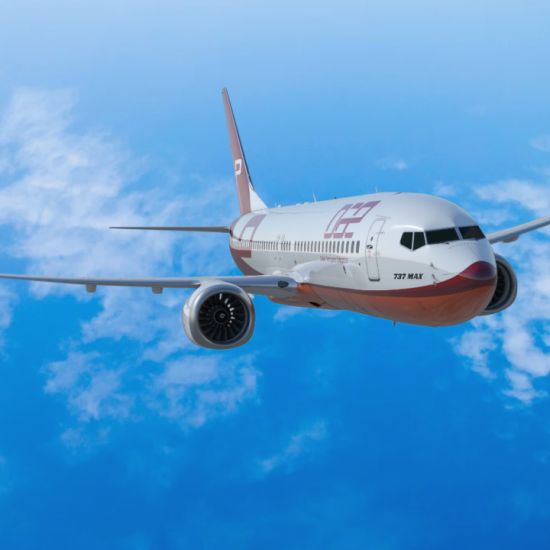
Dubai is set to become the first city globally to introduce a commercial air taxi service, marking a significant milestone in the evolution of urban mobility. This groundbreaking move follows the successful completion of full-scale test flights by US-based Joby Aviation, a company leading the development of electric vertical takeoff and landing aircraft. The service is planned to roll out in 2026, making Dubai a frontrunner in shaping the future of urban air transportation.
The launch of the air taxi service has been confirmed by local authorities and Joby Aviation, who have been collaborating since 2021 on the ambitious project. Ahmed Hashim, a senior official involved in the Dubai Air Mobility Initiative, stated that Dubai aims to be a global leader in shaping the future of transportation and that this project is a step toward achieving that vision. The service will initially cater to high-demand corridors within the city, providing a fast, eco-friendly, and efficient means of travel for residents and visitors alike.
Joby Aviation’s eVTOL aircraft is at the forefront of a new era in aviation, with zero-emission, quiet, and highly efficient designs. The aircraft, capable of carrying four passengers, will be powered entirely by electricity, reducing the city’s reliance on traditional transportation methods and helping to address growing concerns about pollution and traffic congestion. With a top speed of 200 miles per hour and a range of 150 miles, the eVTOL promises to offer both a sustainable and cost-effective solution to the increasing urban mobility challenges facing cities worldwide.
The development of the air taxi service in Dubai is part of the city’s broader strategy to embrace cutting-edge technologies in transport, aligning with its vision to become a global smart city. The Dubai Air Mobility Initiative, launched by the Dubai Roads and Transport Authority, is a comprehensive plan that incorporates aerial taxis, autonomous vehicles, and drone technology to address urban mobility needs. This initiative aims to reduce road congestion, lower carbon emissions, and improve accessibility.
Dubai has long been at the forefront of adopting advanced technologies, from its extensive use of autonomous vehicles to its pioneering infrastructure developments. The introduction of the flying taxi service represents a natural next step in the city’s ambitions to be a global leader in innovation. The government has already invested heavily in building the necessary infrastructure, including takeoff and landing hubs strategically located throughout the city.
The Dubai air taxi service is expected to attract significant interest from global aviation companies, transport authorities, and investors, looking to replicate the model in their own cities. The city’s decision to spearhead the project is a calculated move to position itself as a leader in the burgeoning air mobility market, which is forecasted to grow rapidly in the coming years.
Experts in the aviation and transport industries have expressed their optimism about the potential of flying taxis. They see Dubai’s initiative as a catalyst for future developments in urban air mobility. “Dubai is creating a blueprint for the rest of the world to follow,” said Andrew Parsons, a consultant specialising in future transport technologies.
While the air taxi project has generated excitement, it also raises a number of regulatory and safety challenges. As flying taxis will operate in crowded urban environments, the need for robust air traffic management systems is critical. The Dubai Civil Aviation Authority has been working closely with Joby Aviation and other stakeholders to develop the necessary airspace regulations to ensure the safety of these aircraft and passengers. Additionally, infrastructure for charging and maintaining the eVTOLs will need to be built in line with the rapid expansion of the service.
The transition from prototype to commercial service is expected to take several years, with full-scale operations set to begin in 2026. Joby Aviation has already completed a series of test flights in collaboration with the RTA and other partners to refine the design and ensure the eVTOLs meet safety and performance standards. As the project progresses, further trials and demonstrations will take place to address any technical or regulatory concerns that may arise.
Follow Arabian Post
Select Arabian Post as your preferred source on Google and MSN News for trusted business news and Arab politics and updates.