News related to
forum

KUALA LUMPUR, MALAYSIA – Media OutReach Newswire – 4 January 2026 – From December 19 to 23, the “Diverse Civilizations, Shared Community” Global Youth Multicultural Forum – Asia Session (Singapore & Malaysia), co-hosted by International Culture Association of the Xizang Autonomous Region and Center for International Cultural Communication (CICG), was successfully held.

PublisherTMPlaftb7ecepp4eQwwnnH.jpg

https://youtu.be/9Zm-JzWvUVA

The event was held under the theme of “Hearing the Yarlung Zangbo Through the Voice of Youth” in Singapore, and themed “Cultures as The Way: Youth Mission in Heritage Preservation” in Malaysia, where keynote speeches and round-table dialogues were organized. A total of 15 experts and scholars from various fields shared their practices and insights from four dimensions — cultural and tourism integration, cultural communication, ecological charm, and international exchanges — providing diverse approaches and practical wisdom for cross-cultural exchanges.

The event also included cultural and art exchange performances from Xizang, China, as well as an exhibition featuring photographs illustrating the progress in Xizang’s development over the decades. Through these artistic performances and photo displays, audiences were given an immersive experience of the region’s cultural appeal and developmental achievements.

Moreover, the Xizang Song and Dance Troupe extended the stage of cultural exchanges to the city streets, staging flash mob performances in Singapore and Malaysia under the theme of “Diverse Civilizations, Shared Community”. Blending Xizang’s song and dance with urban styles, the events created a vibrant atmosphere that attracted tourists from around the world to stop, take photos and share their experiences. Through these exchanges, the unique charm of the civilization on the “roof of the world” was brilliantly showcased in Southeast Asia, which also highlighted the profound friendship between China and Malaysia. This event was a vivid demonstration that civilizations become richer through exchanges and more interconnected through mutual learning.
Hashtag: #CICG

The issuer is solely responsible for the content of this announcement.

Dubai Police have expanded coordination with public agencies and private firms to strengthen road safety and labour-area security, positioning enforcement, data-sharing and prevention as central pillars of the emirate’s broader safety agenda.

Senior officers from Jebel Ali and Al Barsha police stations convened a high-level panel discussion titled Forecasting the Future of Road Safety and Labour Area Security in Dubai, drawing together municipal authorities, transport operators, construction firms and safety specialists. The forum underscored a shift towards anticipatory policing, with emphasis on risk forecasting, targeted inspections and early intervention rather than reactive enforcement alone.

Officials said the initiative reflects mounting pressures on transport networks and worker accommodation zones as Dubai continues to attract investment, logistics activity and large-scale construction. Traffic density around industrial areas, ports and residential labour clusters has risen steadily, increasing the likelihood of accidents involving heavy vehicles, buses and pedestrians. Police data presented at the session showed that incidents in such zones tend to involve multiple risk factors, including fatigue, limited visibility, non-compliance with speed limits and inadequate safety training.

Dubai Police leadership stressed that reducing fatalities and serious injuries requires tighter integration between enforcement agencies and employers. Participants discussed expanding joint patrols in high-risk corridors, using shared data dashboards to flag accident-prone locations, and aligning inspection regimes across transport, housing and occupational safety authorities. The approach aims to close gaps where responsibility has traditionally been fragmented between different regulators.

Road safety featured prominently in the discussions, with officials outlining plans to intensify monitoring of commercial fleets, particularly buses transporting workers to and from labour camps. Technology was cited as a critical enabler, including wider deployment of smart cameras, vehicle telematics and predictive analytics to identify unsafe driving patterns before accidents occur. Police officers noted that automated enforcement must be complemented by sustained awareness campaigns targeting drivers, supervisors and site managers.

Labour-area security formed the second core focus of the panel. Senior officers highlighted the importance of safe living environments in maintaining public order and worker wellbeing. Issues such as overcrowding, poor lighting, inadequate emergency access and weak access controls were identified as recurring vulnerabilities. Dubai Police said coordinated inspections with municipal bodies and civil defence teams would be expanded to ensure accommodation facilities meet safety and security standards.

Private-sector representatives acknowledged that compliance expectations are rising. Construction and logistics firms described increasing investment in driver training, fatigue management systems and on-site safety officers, driven both by regulatory pressure and operational risk. Several companies shared examples of internal monitoring tools that track driver behaviour and working hours, with data shared directly with police units during investigations or audits.

The panel also addressed the human dimension of safety enforcement. Police officials emphasised that communication with workers remains essential, particularly in multicultural environments where language barriers can undermine awareness of rules and emergency procedures. Plans were outlined to broaden multilingual outreach programmes and community policing initiatives in labour zones, enabling faster reporting of hazards and disputes.

From a policy perspective, the discussions aligned with Dubai’s long-term vision of zero fatalities on roads. Police leaders reiterated that while enforcement remains firm, the strategy increasingly prioritises prevention, education and partnership. Forecasting models presented during the session illustrated how combining traffic data, urban planning inputs and employer compliance records can help authorities anticipate emerging risks linked to new developments or shifts in traffic flows.

Experts attending the forum noted that Dubai’s approach mirrors global trends in urban policing, where safety is treated as a shared responsibility across government and industry. The emphasis on predictive tools and integrated oversight reflects lessons drawn from international transport safety frameworks, adapted to local conditions such as high temperatures, heavy freight movement and diverse workforce demographics.

The collaboration also carries reputational and economic implications. Officials said safer roads and secure labour environments underpin investor confidence and social stability, particularly as the emirate positions itself as a global logistics, tourism and business hub. Any sustained rise in accidents or security incidents would carry costs not only in human terms but also through delays, insurance claims and regulatory penalties.

  European Space Agency officials are assessing the impact of another cyber intrusion after a criminal group claimed it is offering around 200 gigabytes of agency data for sale on underground forums, raising fresh questions about the resilience of public-sector space infrastructure to sustained digital threats. The alleged breach, disclosed by the attackers through dark-web postings and shared among cybersecurity monitoring firms, is described as involving internal […]

By Ashis Biswas Within the South Asian context, a noticeable coarsening of diplomatic discourse among four countries has occurred, following the violent regime change in Bangladesh, a brief encounter involving India and Pakistan and sporadic skirmishes between Pakistan and Afghanistan. A new political alignment, whose contours will be clearer after the Bangladesh general elections, is […]

The article Disturbing Decline Of Diplomacy Across South Asia Bodes Ill For All appeared first on Latest India news, analysis and reports on Newspack by India Press Agency).

The recognition of MIR Holding subsidiaries at FO.GE.CA illustrates the potential of African companies to establish themselves beyond their domestic markets

DAKAR, SENEGAL – EQS Newswire – 29 December 2025 – In the margins of the 18th edition of the Forum of Operators for the Guarantee of Economic Emergence in Africa (FOGECA), held from 18 to 20 December 2025 in Dubai, several subsidiaries of MIR Holding SAS (https://MIRHolding.Odoo.com) were recognized for the quality of their achievements, their operational structuring, and their ability to operate sustainably in demanding international economic environments.

FOGECA has established itself as a high-level economic forum bringing together each year business leaders, investors, financial institutions and public decision- makers from Africa, the Middle East, Europe and Asia. The distinctions awarded during the forum aim to recognize companies that demonstrate, beyond discourse, a genuine capacity for execution, strong governance, and measurable, long-term value creation.

Three companies recognized across strategic sectors

Among the MIR Holding group entities recognized this year are three companies operating in key strategic sectors:

JC Maclean International, specializing in high-end fit-out and interior design for residential, commercial and corporate projects. Based in Dubai, the company has distinguished itself through its technical rigor, its ability to manage complex projects, and its strict adherence to international standards in quality, timelines and safety.

Moustev Limousine Dubai, a premium VTC and chauffeur-driven transport company, recognized for its integrated approach and its capacity to support corporate clients in managing their mobility needs, particularly in multicultural and multi-country contexts. Its model is built on service reliability, operational responsiveness and adaptability to both local and international environments.

Majestic Living Properties, a real estate platform focused on development, marketing and investment advisory for residential and commercial assets. The company was recognized for its vision of real estate investment, combining transparency, asset quality and customer experience, particularly across Africa–Middle East investment flows.

A recognition rooted in long-term structuring

For MIR Holding SAS, these distinctions are not an end in themselves but rather the outcome of a long-term structuring process. They reflect the ability of companies originating from an African group to grow, attract talent and operate successfully within major global economic hubs, while maintaining a pragmatic and disciplined understanding of markets.

Present in Dubai during the forum, Mouhamad Dieng, Founder and CEO of MIR Holding and President of the Mouhamad Rassoul Dieng Foundation, emphasized that this trajectory is above all the result of entrepreneurial discipline, method and long- term vision.

“These distinctions primarily recognize the work of committed teams and the strength of business models built to last. They demonstrate that starting from local realities, and remaining demanding in terms of structuring and governance, it is possible to build companies capable of operating at the highest international level,” he stated.

Originally from Senegal, Mouhamad Dieng highlighted that this international recognition also carries a message of inspiration for young Senegalese and African entrepreneurs, illustrating a path to success grounded in hard work, rigor and the ability to think globally without renouncing one’s roots.

A strong signal for Senegal’s economic ecosystem

At a time when Senegal is seeking to strengthen the role of its private sector within regional and international value chains, the recognition of MIR Holding subsidiaries at FOGECA illustrates the potential of African companies to establish themselves beyond their domestic markets.

Through its various entities, MIR Holding SAS continues to pursue a development strategy based on the structuring of robust companies, the upgrading of service offerings, and expansion into high-value markets, particularly between Africa and the Middle East.

The distinctions awarded in Dubai are part of a broader dynamic in which credibility is built through results, consistency and the ability to generate tangible economic impact.

Distributed by APO Group on behalf of MIR Holding.

Hashtag: #MIRHolding

The issuer is solely responsible for the content of this announcement.

SINGAPORE – Media OutReach Newswire – 29 December 2025 – Tanoto Foundation convened government leaders, international organisations, researchers, and civil society at the 2025 International Symposium on Early Childhood Education and Development (ECED), in Jakarta under the theme “ECED Ecosystem Synergy in Promoting the Best Start in Life.”

The symposium comes at a critical moment, as shared challenges across health, nutrition, education, and caregiving continue to shape early childhood development outcomes in Indonesia and globally, where many young children continue to face barriers to healthy development, from gaps in nutrition and care to limited access to quality early learning.

These challenges highlight the need for closer coordination across health, education, parenting, and social protection to ensure children receive holistic and equitable support from the earliest years.

Without strong cross-sector collaboration, Indonesia risks losing momentum in building its human capital and realising its demographic dividend towards Indonesia Emas 2045.

In partnership with key government ministries and cross-sector organisations, Tanoto Foundation convened the symposium as a platform to align policy, practice, and evidence across sectors, bringing together representatives from central and local government, international organisations, academia, civil society, and philanthropy.

The symposium featured two main discussion tracks focused on health and education, and parenting in early childhood.

The morning segment, “Synergising Health and Education for ECED”, focused on integrating health, nutrition, and early learning services, highlighting innovations in growth and development monitoring, nutrition interventions, and early stimulation within primary service systems.

The afternoon session, “Parenting and Early Learning”, placed families and caregivers at the centre of the ECED ecosystem, exploring responsive caregiving, interaction-based learning, and policy support to strengthen parents’ capacity to nurture children’s development.

Indonesian Minister of Health Budi Gunadi Sadikin officially opened the symposium, emphasising the decisive importance of early childhood for national development.

“The age of 0 to 5 years is a highly decisive phase in determining whether a person will grow into a healthy, intelligent adult who can contribute to the nation, including to increase per capita income,” the Minister said.

“If we do not act quickly, we risk missing Indonesia’s demographic dividend. This is our responsibility to our children.”

The Government of Indonesia has reaffirmed early childhood development as a national priority through the Long-Term National Development Plan 2025 to 2045 and the Medium-Term National Development Plan 2025 to 2029, with Holistic and Integrated Early Childhood Development (PAUD-HI) designated as a key performance indicator.

Opening the afternoon session, Indonesian Minister of Women Empowerment and Child Protection, Arifatul Choiri Fauzi, highlighted the symposium’s contribution to policy strengthening.

“This forum brings together strategic cross sector perspectives. We encourage the resulting recommendations to be used to strengthen policies, regulations, and service innovations for early childhood development,” she said.

Indonesian Deputy Minister of Higher Education, Science, and Technology, Prof. Stella Christie, underscored the importance of science-based parenting and high-quality interaction.

“Caregiving with optimal interaction between children and caregivers has the greatest potential to maximise child development,” she said. “No technology, including artificial intelligence, can replace the power of human interaction.”

She added that children learn through curiosity, imitation, and everyday experiences, making responsive and evidence-based parenting critical for brain development and lifelong learning.

CEO of Tanoto Foundation Benny Lee reaffirmed the Foundation’s long-term commitment to early childhood development as a cornerstone of human potential.

“The early years are when the foundations of brain development, health, and character are formed,” Benny said.

“This is not the work of one institution. It requires a truly supportive ecosystem built through collaboration among government, civil society, academia, and philanthropy.”

He emphasised that Tanoto Foundation, founded by Sukanto Tanoto, Founder and Chairman of Royal Golden Eagle (RGE), views early childhood development as a primary investment, where collective action can deliver lasting and sustainable impact. “This symposium is about ensuring that every child receives the strongest possible start in life, every parent receives the support they need, and every sector moves forward together,” he said.

The symposium brought together up to 200 participants, with speakers from government, development organisations, academia, research institutions, and philanthropy.
Hashtag: #RGE #TanotoFoundation #Philanthropy #Indonesia #ECED #EarlyChildhood #Healthcare

The issuer is solely responsible for the content of this announcement.

About Tanoto Foundation

At Tanoto Foundation, we unlock human potential, help communities thrive, and create lasting impact. Founded in 1981 by Sukanto Tanoto and Tinah Bingei Tanoto, we are an independent family foundation that believes in providing every person with the opportunity to realise his or her full potential. To do so, we catalyse systems change in education and healthcare. Our approach is impact-first, collaborative, and evidence-based. We invest for the long term and strive to develop leaders who can drive sustained, positive outcomes.


A wave of AI-generated videos circulating on social platforms has drawn regulatory and public attention after Meta removed a cluster of manipulated clips tied to public discourse in India, underscoring the accelerating threat posed by deepfakes and the strain on existing cybersecurity defences. The action has reignited debate over platform accountability, election integrity, and the pace at which safeguards are keeping up with generative tools.

Meta said the videos breached its policies on manipulated media and deceptive practices, adding that enforcement teams had detected coordinated behaviour designed to amplify misleading narratives. The company did not detail the creators or precise reach, but independent analysts tracking social traffic reported that some clips had amassed hundreds of thousands of views before moderation. The removals came amid heightened scrutiny of AI-driven misinformation as synthetic video and audio tools become cheaper, faster and harder to spot.

Security specialists warn that the technical leap in realism has lowered the barrier for malicious actors. Diffusion models and voice-cloning systems can now produce convincing footage with minimal training data, enabling impersonation, fabricated statements and false evidence. The risk profile extends beyond politics to financial fraud, reputational attacks and social engineering. Banks and insurers have flagged a rise in scams that combine deepfake video calls with stolen personal data to bypass verification checks.

India’s digital ecosystem amplifies the challenge. With one of the world’s largest online populations and intense engagement on short-video platforms, manipulated content can travel rapidly across languages and regions. Fact-checking groups say the velocity of sharing often outpaces verification, while takedowns, even when swift, can struggle to contain copies and re-uploads. Researchers at leading institutes have documented how watermark removal, compression artefacts and cross-platform reposting degrade detection signals.

Government authorities have been pressing technology companies to strengthen guardrails. Draft rules under the Information Technology framework emphasise due diligence for intermediaries, traceability of originators in defined cases, and clearer disclosures for synthetic media. Officials have also signalled expectations for labelling AI-generated content and responding promptly to lawful takedown requests, while balancing free expression and privacy. Industry groups argue that clarity on standards and timelines is essential to avoid uneven enforcement.

Meta has highlighted investments in detection and transparency, including classifiers trained to identify AI artefacts, partnerships with academic labs, and labels applied when confidence thresholds are met. The company also points to cross-platform threat sharing through industry forums to flag emerging manipulation techniques. Critics counter that adversarial innovation is moving faster than defensive models and that labels can be stripped or ignored, especially when content is shared outside original platforms.

Election experts say the stakes are rising as campaigns increasingly rely on video to reach voters. Even short-lived false clips can shape perceptions, sow doubt or distract from substantive debate. Studies of prior electoral cycles show that corrections often fail to reach the same audiences as the initial misinformation, leaving residual effects. Civil society organisations have urged a layered response that combines platform enforcement, rapid response hotlines, and public education on media literacy.

Cybersecurity firms are adapting with multi-signal approaches that fuse video forensics, network analysis and behavioural cues. Techniques include analysing eye-blink patterns, head-pose consistency, acoustic fingerprints and temporal anomalies, alongside monitoring coordinated posting patterns. Yet experts caution that no single method is foolproof. As generative systems learn to mimic these signals, defenders must iterate continuously, increasing costs for both sides.

The economic dimension is also coming into focus. Advertising clients are wary of brand adjacency to manipulated content, prompting demands for stronger brand-safety assurances. Meanwhile, startups offering verification, provenance tracking and content authentication are attracting investment. Standards bodies are promoting cryptographic provenance frameworks that embed origin metadata at creation, though adoption remains uneven across devices and platforms.

Advertisements

A sweeping federal decree-law has set out a unified legal framework aimed at protecting minors from online harm across the UAE’s fast-expanding digital ecosystem, placing clear duties on internet service providers and digital platforms that operate within the country or target users based there. The legislation signals a tougher regulatory posture as children’s screen time rises and online services become more embedded in everyday life. The decree-law […]

Japan’s MONJI+—A WebOps Enablement Platform Inspired by Voices from 77 Countries—Launches Its English Edition

OSAKA, JAPAN – Media OutReach Newswire – 24 December 2025 – ALAKI Inc., celebrating its 15th anniversary, has officially launched the English edition of MONJI+, an evolution of its 2018-born feedback tool MONJI β, now reimagined as a comprehensive WebOps Enablement Platform.

MONJI image

Alongside its free plan, available indefinitely, MONJI+ begins its full-scale expansion into the ASEAN market, helping teams elevate their website operations. In addition, a free Academic Edition is now offered to educational institutions to foster the next generation of web and IT talent.

▶️ Learn more about MONJI+

A Platform Born from 77 Countries of Real-World Insight

Since its launch in Japan in 2018, MONJI β has been adopted by web agencies, corporations, and advertising firms worldwide—across 77 countries and regions—streamlining feedback workflows for website management and development.

In everyday website operations, teams often face:

  • Feedback scattered across tools and channels
  • Miscommunication between internal teams and agencies
  • Unclear priorities that fail to drive results
  • Knowledge loss when members change
  • Valuable learnings buried and forgotten

MONJI+ connects creation, publishing, maintenance, and optimization into a single workflow—eliminating silos and enabling all members to move forward toward shared goals.

▶️ See how MONJI+ transforms your workflow

Since its official launch in Japan in January 2025, MONJI+ has rapidly spread among enterprises and educational institutions. It is increasingly adopted as a practical standard among agencies and in-house teams, improving productivity and measurable outcomes.

Responding to Global Voices – Official Launch of the English Edition

During forums and seminars held alongside the Expo 2025 Osaka, Kansai, Japan, ALAKI engaged with government representatives and industry leaders from around the world.

The feedback was clear: inefficiencies in website operations, lack of improvement cycles, and a shortage of web marketing expertise are universal challenges. But one issue stood out above all—the shortage of skilled web and IT professionals.

Some governments even requested that MONJI+ contribute to national web/IT talent development, not just productivity gains. Following the Expo, inquiries from multiple countries confirmed the demand, prompting the official release of the English edition of MONJI+.

Confidence from SWITCH 2025, and a Vision for What’s Next

As part of its ASEAN expansion, ALAKI visited SWITCH 2025 (Singapore Week of Innovation & Technology), held from October 29–31. Through dialogues with government agencies, corporations, startups, and academic institutions, the importance of website operations productivity and digital talent development was reaffirmed.

Insights from leading ASEAN web and IT innovators will continue to shape the evolution of MONJI+.

Key Benefits of MONJI+

Eliminate inefficiencies and dependency on individuals—enhancing both productivity and performance in website operations.

  • Workflow Efficiency: Centralize feedback and progress tracking to prevent oversights
  • Error Reduction: Detect typos automatically with AI proofreading
  • Results-Oriented: Integration with analytics tools helps identify improvement areas instantly
  • Team Collaboration: Share real-time updates across internal and external members
  • Knowledge Building: Use the Wiki feature to retain expertise and reduce training costs

▶️ Explore MONJI+ features

The Future of “Agentic WebOps” — Powered by Data and AI

MONJI+ evolves beyond a simple management tool—it becomes an AI-driven partner that learns from operational data to support human decision-making and creativity.

Our vision: a human-in-the-loop “Agentic WebOps” environment that helps teams achieve outcomes with AI-assisted decision support.

Available AI Features:

  • AI typo and error detection for feedback
  • AI chatbot assistance

Upcoming AI Features (Examples):

  • Content suggestion and creation
  • Feedback trend analysis and improvement recommendations
  • Design assistance
  • Webpage performance analysis and enhancement
Customer Success Stories
  • Global Marketing Agency (Singapore): “Sharing the same interface greatly improved collaboration across our international offices.”
  • Web Production Agency (Japan): “Centralized feedback management accelerated delivery times by roughly 30%.”
  • E-commerce Company (Japan): “By linking with an analytics tool, we identified key improvement areas instantly—our conversion rate increased by over 20%.”
  • Recruitment Platform (Japan): “With AI detecting typos automatically, our job listing checks became faster and more reliable.”
Vision Video – ‘Pride and Hope for the Web Industry’

Discover how MONJI+ envisions the future of website operations.

▶️ Watch the Vision Video

CEO’s Comment

“Website operations shouldn’t be about chasing scattered messages—it should be about generating results that matter. With MONJI+, we unify feedback, workflow, and analytics, while AI suggests the next strategic move. Our mission is to help ASEAN teams reach outcomes faster and more reliably.”

— Yuji Yamauchi, Founder & CEO, ALAKI Inc.

Getting Started

Getting started is easy, with no credit card required. MONJI+ aims to be the shared foundation for website operations, accessible to everyone.

  • Forever-Free Plan: Access essential functions without time limits
  • 30-Day Free Trial: Experience all features in a live environment

▶️ Start your free 30-day trial now

Free “Academic Edition” for Educational Institutions

To empower the next generation of web and IT professionals, MONJI+ offers an Academic Edition free of charge to universities, vocational schools, and online programs. Students and educators can experience real-world website operations, gain practical skills, and collaborate through shared projects.

▶️ Learn more about the Academic Edition

Hashtag: #MONJI+

The issuer is solely responsible for the content of this announcement.

SINGAPORE – Media OutReach Newswire – 22 December 2025 – In today’s fast evolving job market, traditional qualifications alone are no longer sufficient to guarantee career longevity. Employers increasingly value agility, digital fluency, and continuous learning qualities that micro credentials deliver in concise, impactful ways.

Why Micro-Credentials Matter

Micro credentials are short, focused courses designed to equip professionals with in demand skills quickly. Unlike full degree programs, they enable learners to upskill or reskill without disrupting their careers. For industries shaped by rapid technological change such as digital marketing, artificial intelligence (AI), cybersecurity, and sustainability, these credentials are becoming essential for staying relevant.

According to the World Economic Forum’s Future of Jobs Report 2025, 39% of workers’ core skills will change by 2030, and 59% of the global workforce will need reskilling to meet evolving demands. This shift, driven by automation, AI, and sustainability imperatives, makes continuous learning a necessity rather than an option.

Micro credentials bridge this gap by offering industry aligned, stackable learning experiences that can be completed in weeks rather than years. Research indicates that employers are 72% more likely to hire candidates with micro credentials, as these certifications validate practical, job ready skills.

SIM’s Commitment to Career Readiness

SIM Global Education (SIM GE) is at the forefront of lifelong learning, responding to the urgent need for professionals to stay competitive in a rapidly changing economy. Through its Centre for Micro-Credentials (CMC), SIM offers a curated portfolio of short, stackable courses designed to deliver future-ready skills in high-demand areas such as digital marketing, AI, cybersecurity, and sustainability.

These programs are industry-aligned and developed in consultation with employers and global education partners to ensure relevance and practical application. Each course provides actionable knowledge that learners can immediately apply in their roles, making them ideal for busy professionals seeking quick, impactful upskilling.

A distinctive feature of SIM’s micro-credential ecosystem is the integration of digital badges. These secure, verifiable credentials contain metadata about the achievement, issuer, and criteria. Learners can showcase these badges on platforms like LinkedIn, signalling to recruiters and employers that they possess specialized expertise in emerging fields. This visibility supports skill-based hiring, a growing trend among organizations seeking demonstrable competencies rather than just academic qualifications.

SIM also emphasizes flexibility and accessibility. Courses are delivered in bite-sized formats, often online or blended, allowing learners to progress at their own pace without disrupting their careers.

The Bottom Line

Micro-credentials represent a strategic shift in preparing for the future of work. As industries evolve rapidly, the ability to adapt, upskill, and demonstrate verified competencies is essential. Degrees provide a foundation, but they often lack the agility to keep pace with emerging technologies.

SIM’s micro-credential programs offer flexibility, relevance, and recognition, enabling professionals to stay competitive in a skills-driven economy. Learners can customize pathways, focus on areas like AI, cybersecurity, or sustainability, and earn digital badges that employers value in skill-based hiring.

Micro-credentials help professionals future-proof their careers, ensuring resilience amid automation and digital transformation. For organizations, they build a workforce that is agile and ready for tomorrow’s challenges.

References:

  1. The Future of Jobs Report 2025 – https://www.weforum.org/publications/the-future-of-jobs-report-2025/in-full/3-skills-outlook/
  2. Micro credentials offer accessible education for evolving workforce – https://dcs.wisc.edu/blog/microcredentials-offer-accessible-education/
  3. World Economic Forum – https://www.linkedin.com/posts/world-economic-forum_skills-gap-reskilling-the-future-of-ugcPost-7283091514723819521-JmZr/
  4. Career Sense & MySIM – https://www.sim.edu.sg/alumni/careersense-mysim
  5. CMC – https://cmc.sim.edu.sg/s/alumni-landing
  6. Digital Badge – https://learn.credly.com/blog/digital-badges-explained-what-why-how-and-when

Hashtag: #SIMGlobalEducation #SIMGE #GlobalEducation #InternationalDegree #CareerReady #FutureSkills

The issuer is solely responsible for the content of this announcement.

About SIM Global Education

SIM Global Education (SIM GE) is a leading private education institution in Singapore and the region. We offer more than 140 academic programmes ranging from diplomas and graduate diploma programmes to bachelor’s and master’s degree programmes with some of the world’s most reputable universities from Australia, Canada, Europe, United Kingdom, and the United States. SIM GE’s cohort is made up of 16,000 full- and part-time students and adult learners, of which approximately 36% are international students hailing from over 50 countries.

SIM GE’s holistic learning approach and culturally diverse learning environment aim to equip students with knowledge, industry skills and employability competencies, as well as a global perspective to succeed as future leaders in a fast-changing, technologically driven world.

For more information on SIM Global Education, visit

Google is preparing a possible reversal of one of its most debated Android interface decisions, with beta indicators suggesting that separate Wi-Fi and mobile data toggles could reappear in Quick Settings after being merged three years ago. The change, still under development, signals a renewed focus on usability following sustained feedback from users and developers who argued that the combined control added friction to everyday connectivity tasks. […]

Kenya’s leadership has renewed its push to project the country as a future developed economy, with Deputy President Kithure Kindiki rejecting claims that the ambition is unrealistic and arguing that structural reforms, demographic momentum and targeted investment are laying the groundwork for first-world status. Speaking at a public forum on economic transformation, Kindiki said scepticism about Kenya’s trajectory often ignored long-term planning frameworks and measurable gains in […]

Washington moved to reset the direction of its civil and military space ambitions after President Donald Trump signed a sweeping executive order in December 2025 committing the United States to a crewed moon landing by 2028 and the establishment of a sustained lunar outpost by 2030. The order places the Artemis programme at the centre of national strategy, couples it with an expanded role for nuclear power […]

Hong Kong and Macau Organisations Honoured for Outstanding Achievements ESG-led Business for a Sustainable Future

HONG KONG SAR – Media OutReach Newswire – 19 December 2025 – With global acceleration towards sustainable development and rising expectations from investors and stakeholders for responsible business practices, Hong Kong and Macau enterprises in recent years have been actively integrating Environmental, Social and Governance (ESG) vision into their business strategies to drive green transformation and high-quality growth. Organised by Television Broadcasts Limited (TVB) and co-organised by the Hong Kong Productivity Council, the TVB ESG Awards 2025 (the Awards) aim to recognise and commend enterprises and organisations that have demonstrated outstanding performance in ESG and sustainable development. Now in its fourth edition, this annual flagship event recognise outstanding organisations and their achievements in ESG practices over the past year.

The ceremony was officiated by Mr. Michael WONG, GBS, JP, Deputy Financial Secretary (2nd left); Dr. LAM Ching-choi, GBS, JP, Non-official Member of the Executive Council & Chairman of the Council for Carbon Neutrality & Sustainable Development (1st right); Mr. SIU Sai Wo, General Manager (Business Operations), Television Broadcasts Limited (2nd right); and Dr. Lawrence CHEUNG Chi-chong, Chief Technology Officer, Hong Kong Productivity Council (1st left).

The ceremony was officiated by Mr. Michael WONG, GBS, JP, Deputy Financial Secretary; Dr. LAM Ching-choi, GBS, JP, Non-official Member of the Executive Council & Chairman of the Council for Carbon Neutrality & Sustainable Development; Mr. SIU Sai Wo, General Manager (Business Operations), Television Broadcasts Limited; and Dr. Lawrence CHEUNG Chi-chong, Chief Technology Officer, Hong Kong Productivity Council. Following the Green Summit held in July this year, the presentation ceremony also featured sharing sessions, inviting industry leaders and experts to exchange the latest trends and practical experience. In addition, the enhanced matching sessions enabled enterprises to connect with numerous attendees through exhibition booths to promote cross-sector collaboration and knowledge sharing.

Diverse Award Categories Recognise ESG Efforts of Hong Kong and Macau Industries

This year’s Awards include the “Outstanding ESG Award”, “Best in ESG Practices”, “Best in ESG Report”, “ESG Environmental Innovative Technology Award” and “ESG Social Innovative Technology Award”. Entries were open to five groups, namely large, medium, small market capitalisation/ GEM listed companies, as well as non-listed companies and non-profit organisations, to recognise the achievements of enterprises of different scales in ESG practices, reporting and innovation. To identify outstanding performers, a cross-sector professional judging panel appointed by TVB were responsible for assessing entries, using clear and diversified selection criteria that mainly cover five areas: environment, social, corporate governance, sustainability strategy, corporate information disclosure and communication.​​

Additionally, a new “Greater Bay Area ESG Excellence Enterprise Award (Macau SAR)” has been introduced this year to recognise Macau enterprises and organisations with outstanding ESG performance that actively promote sustainable development in the Macau community. Furthermore, to enhance and recognise the excellent performance of small and medium-sized enterprises (SMEs) in ESG practices and innovation, TVB has collaborated with the “ESG One” platform of the Hong Kong Productivity Council to launch the “SME ESG Excellence Award” this year. The award covers five areas: “Business Decarbonisation”, “Employee Care”, “Supply Chain Partnership”, “Sustainable Governance” and “ESG Technology Enhancement”, helping SMEs to progressively enhance their ESG performance. Organisations that did not receive the above ESG category awards but have actively performed and implemented ESG initiatives in various aspects will be eligible for nomination of “ESG Special Recognition Award – with Merit” or “ESG Special Recognition Award” in acknowledgement of their contributions.

Mr. Michael WONG, GBS, JP, Deputy Financial Secretary, said in his keynote speech, “Hong Kong possesses significant advantages in green economy transformation. As the city’s two major innovation and technology flagships, Hong Kong Science Park and Cyberport have now brought together over 270 green technology companies, representing growth of more than 80% compared to 2023, reflecting remarkably rapid development in recent years. Hong Kong can provide diversified investment and financing channels, enabling international capital to match with quality green projects. As of the end of September this year, there are over 200 SFC-authorised ESG funds with assets under management exceeding HKD1.1 trillion, demonstrating that investors are increasingly prioritising investment in sustainable development. The Government looks forward to continued collaboration with all of you to jointly build our sustainable future and make outstanding contributions to Hong Kong’s green economic development.”

Mr. SIU Sai Wo, General Manager (Business Operations), Television Broadcasts Limited, said, “The TVB ESG Awards 2025 received over 250 corporate entries this year, reflecting the growing importance of ESG for enterprises. We are grateful to all award-winning organisations and partners for their continued support of this flagship award. This year’s awardees excelled in ESG performance and set forward-looking models for the industry. TVB is actively supporting enterprises to devote resources to ESG development, incorporate sustainability into business decision-making and operations, and strengthen their sense of social responsibility. The Awards also provide a professional exchange platform for enterprises of different industries and scales to share their ESG strategies and tangible outcomes with a wider range of stakeholders.”

To help the public gain a more comprehensive understanding of the vision, mission and innovative strategies of various enterprises, the presentation ceremony featured sharing sessions. The judge Dr. Lawrence CHEUNG Chi-chong, Chief Technology Officer, Hong Kong Productivity Council, together with representatives from enterprises receiving the Outstanding ESG Award, exchanged practical insights. As the highest honour of this year’s Awards, the Outstanding ESG Award is conferred upon top-tier organisations in each category that have achieved the best performance in both “ESG Practices” and “ESG Report”. The award-winning enterprises shared their insights in the session titled “Partnering Across Sectors to Co-create a Low-carbon Future”:

  • Ms. Jessica CHAN, Head of Sustainability of MTR Corporation, shared how MTR leverages its diversified business portfolio to drive carbon reduction and social inclusion in daily operations, thus encouraging business partners to enhance their ESG performance.
  • Ms. Angel SZE, Company Secretary and Head of ESG Management Committee, Fosun International Limited, who shared how Fosun is driving innovation and global development to create value, while highlighting effective ESG practices for cross‑industry and cross‑regional enterprises.
  • Ms. Connie LAU, Assistant General Manager, Legal Department, China State Construction Development Holdings Limited, who used examples of innovative applications to demonstrate the company’s breakthroughs and decarbonisation goals.
  • Mr. Jonathan CHIU, President, Schneider Electric Hong Kong, who highlighted the company’s commitment as a global energy technology leader to driving efficiency and sustainability by electrifying, automating and digitalising industries, businesses and homes, contributing to Hong Kong’s low-carbon transition.
  • Mr. Peter LEE, Chief Sustainability Officer, Airport Authority Hong Kong, elaborated on how the authority collaborates with business partners and extends the sustainability concept to the society and education sector.
  • Mr. Oswald AU, Managing Director, Riskory Consultancy Limited, shared how SMEs can drive ESG through innovative solutions and practical actions, while leveraging mega event economy development to create greater impact.

The judge Dr. Lawrence CHEUNG Chi-chong, Chief Technology Officer, Hong Kong Productivity Council (1st left), together with representatives from enterprises receiving the Outstanding ESG Award, Ms. Jessica CHAN, Head of Sustainability of MTR Corporation (2nd left); Ms. Angel SZE, Company Secretary and Head of ESG Management Committee, Fosun International Limited (3rd left); Ms. Connie LAU, Assistant General Manager, Legal Department, China State Construction Development Holdings Limited (4th left); Mr. Jonathan CHIU, President, Schneider Electric Hong Kong (3rd right) ; Mr. Peter LEE, Chief Sustainability Officer, Airport Authority Hong Kong (2nd right); Mr. Oswald AU, Managing Director, Riskory Consultancy Limited (1st right), exchanged practical insights in the session titled “Partnering Across Sectors to Co-create a Low-carbon Future”.

Building on these insights, another sharing session titled “Building a Green and Sustainable Pathway: Advancing Liveable, Inclusive Smart Cities” invited Mr. Andy WONG, Senior Manager, Advocacy, Our Hong Kong Foundation, as moderator. He was joined by Ir. Franco CHEUNG, Director (Projects), Hong Kong Housing Society, Mr. Samuel KWONG, Senior Associate Director – ESG, Chinachem Group and Mr. Jeffery LOK, Managing Director, Kwan On Chemical Enterprise Co. Ltd., for in-depth discussions on topics such as decarbonisation planning, the application of green building technologies including Modular Integrated Construction (MiC), kitchen and grease trap waste oil recycling, exploring the roadmap for Hong Kong and Macau’s sustainable urban development and environmental benefits.

The sharing session titled “Building a Green and Sustainable Pathway: Advancing Liveable, Inclusive Smart Cities” invited Mr. Andy WONG, Senior Manager, Advocacy, Our Hong Kong Foundation (1st left), as moderator. He was joined by Ir. Franco CHEUNG, Director (Projects), Hong Kong Housing Society (2nd left); Mr. Samuel KWONG, Senior Associate Director – ESG, Chinachem Group (2nd right); Mr. Jeffery LOK, Managing Director, Kwan On Chemical Enterprise Co. Ltd. (1st right) for in-depth discussions.

Strong Corporate Involvement Fosters Cross-Sector Connections

This year’s ceremony attracted enthusiastic participation from numerous enterprises and organisations, including listed companies, non-listed companies and non-profit organisations, signalling the local market’s increasing commitment to ESG. Enhanced matching sessions with exhibition booths were arranged before and after the ceremony, allowing participants to engage in in-depth exchanges on green technology solutions, sustainable development and eco-friendly materials, and to explore collaboration opportunities.

For the full list of award winners, please visit: https://www.tvbesg.com.hk/past-awards/esg-awards-2025

High resolution photos HERE

Hashtag: #TVBESGAwards #TVB #ESG #Corporate

The issuer is solely responsible for the content of this announcement.

About TVB ESG

Since 2022, TVB ESG has been committed to building a professional exchange platform for local sustainable development, promoting a deeper understanding, implementation, and strategic development of Environmental, Social and Governance (ESG) issues among businesses and different sectors of society. TVB ESG works closely with various organisations to foster cross-sector collaboration, help enterprises expand their professional networks and strengthen industry connections, while enhancing their visibility in the market and industry through diverse channels, thereby amplifying their impact in the ESG field.

To enhance industry exchange and promote a culture of sustainability, TVB ESG organises three core events every year, the Green Forum, the Green Summit and the “TVB ESG Awards”. These events aim to focus on key environmental issues and emerging trends, bringing together industry leaders and experts to provide forward-looking insights for enterprises, promote knowledge sharing, and facilitate the exchange of best practices. Through the “TVB ESG Awards”, TVB ESG also recognises enterprises and organisations with outstanding achievements in sustainable development, encouraging the industry to continuously implement and elevate ESG standards.

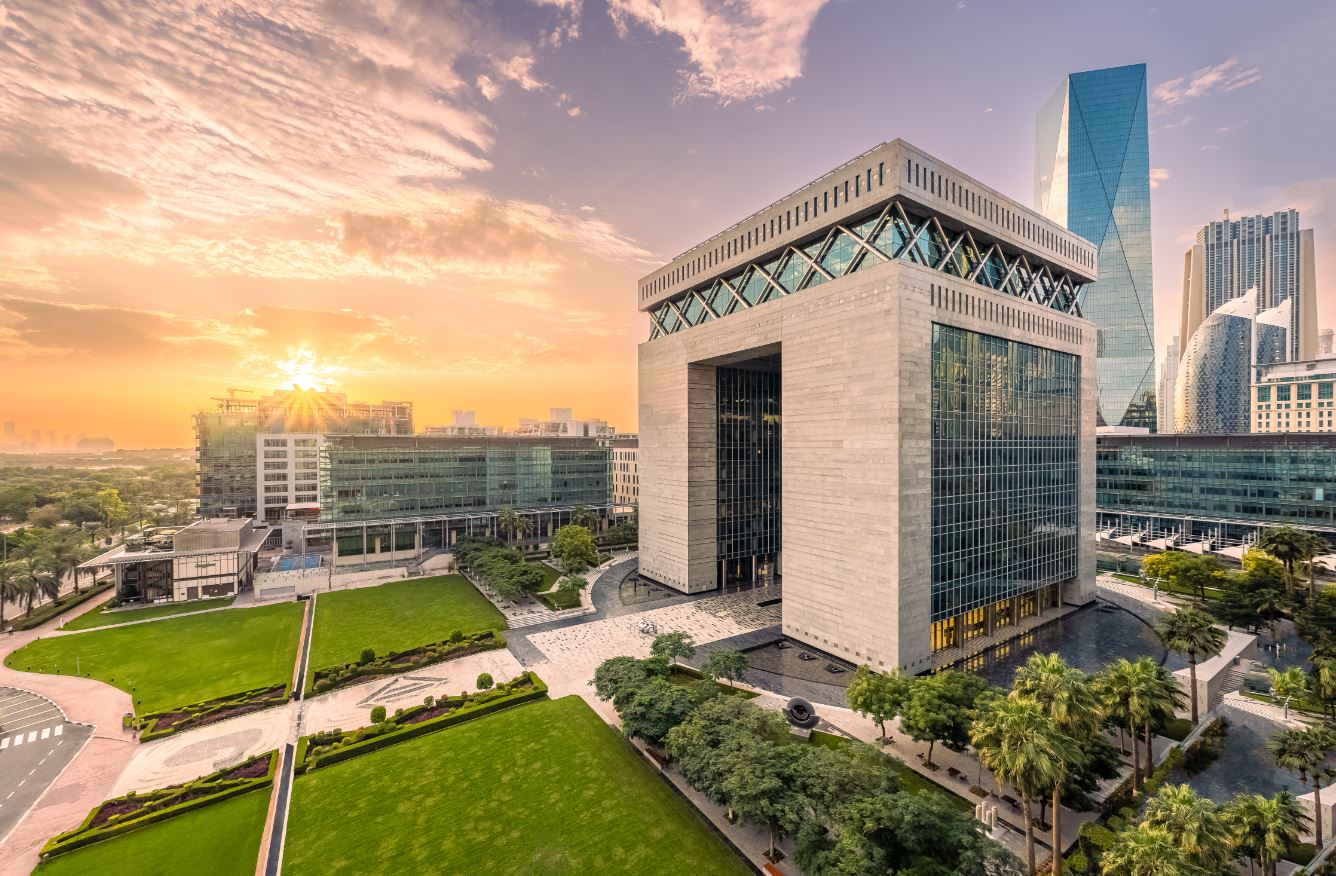
Dubai International Financial Centre has taken a further step in positioning Dubai as a key node in the global digital economy by strengthening its privacy governance framework and widening its engagement in cross-border trade initiatives, underscored by its admission as a Member of the Global Forum Assembly. The move signals growing international recognition of the DIFC’s data protection regime and its ambition to shape global standards at a time when data flows, digital services and regulatory trust have become central to economic competitiveness.

The DIFC confirmed its membership of the Global Forum Assembly, a multilateral platform that brings together governments, regulators, international organisations and private-sector stakeholders to advance cooperation on privacy, data protection and digital trust. Membership is extended to jurisdictions that demonstrate mature, enforceable frameworks aligned with international norms, placing the DIFC alongside established financial and digital centres that have made privacy governance a core component of their economic strategy.

Officials at the DIFC said the step reflects the centre’s long-term investment in building a regulatory environment that balances innovation with strong safeguards for personal data. The DIFC’s Data Protection Law, which operates independently from federal frameworks, is designed to mirror global best practices, including principles found in European and other advanced privacy regimes, while remaining tailored to the needs of financial services, technology firms and multinational businesses operating across borders.

The timing is notable as digital trade accelerates across financial services, fintech, artificial intelligence, cloud computing and professional services. Businesses increasingly assess jurisdictions not only on tax efficiency or infrastructure but also on the credibility of their data governance. For Dubai, positioning the DIFC as a trusted hub for data-driven commerce supports broader economic diversification goals and aligns with national ambitions to expand digital exports and attract high-value investment.

Participation in the Global Forum Assembly gives the DIFC a seat in discussions shaping the future of cross-border data flows, adequacy frameworks and interoperability between privacy regimes. These debates have intensified as countries seek to protect citizens’ data while avoiding regulatory fragmentation that can raise costs and deter innovation. By contributing to policy dialogue, the DIFC aims to influence standards that enable data to move securely between markets without undermining individual rights.

Regulatory specialists note that the DIFC’s framework has evolved steadily, with enforcement powers, clear obligations for data controllers and processors, and mechanisms for redress. This institutional depth has been a key factor in gaining international credibility. Businesses operating in the centre are required to comply with detailed rules on consent, lawful processing, breach notification and cross-border transfers, creating a predictable environment for global firms managing complex data operations.

The emphasis on inclusive cross-border trade also reflects a shift in how digital economy hubs define competitiveness. Rather than focusing solely on domestic regulation, leading centres are investing in compatibility with other regimes to ensure that companies can scale across regions. The DIFC has positioned its privacy framework as an enabler of such compatibility, supporting firms that serve clients in multiple jurisdictions while maintaining high standards of protection.

Technology policy analysts point out that privacy governance is increasingly intertwined with trust in emerging technologies such as artificial intelligence. Robust data protection regimes are seen as foundational to responsible AI development, particularly in financial services where algorithmic decision-making relies heavily on personal and transactional data. By reinforcing its privacy credentials, the DIFC strengthens its appeal to AI-driven firms seeking a stable regulatory base.

The move also has implications for regional competition. Financial centres across the Middle East and beyond are racing to attract digital businesses, often through regulatory innovation. The DIFC’s membership of the Global Forum Assembly distinguishes it within this landscape, signalling alignment with international norms rather than regulatory isolation. This approach may resonate with multinational firms that prioritise consistency across markets.

For policymakers, the development illustrates how sub-national jurisdictions can play an outsized role in global digital governance. Although operating within a broader national framework, the DIFC’s independent legal system and regulator allow it to engage directly with international bodies and contribute expertise drawn from its experience overseeing a diverse ecosystem of banks, asset managers, fintechs and technology companies.

Google has replaced the long-standing magnifying glass icon in parts of its search interface with a “+” symbol, marking a visible step in the company’s push to centre artificial intelligence tools within its core product. The new icon acts as a gateway to AI-powered features that allow users to upload images, documents and other files directly into search, broadening how queries are framed and answered. The change […]

China has imposed sanctions on a retired senior Japanese military officer, accusing him of colluding with what Beijing describes as separatist forces in Taiwan, a move that underscores sharpening tensions in East Asia and Beijing’s growing readiness to penalise foreign individuals it says undermine its sovereignty claims. The Chinese foreign ministry announced punitive measures against Katsutoshi Kawano, who served as Japan’s chief of joint staff until his […]

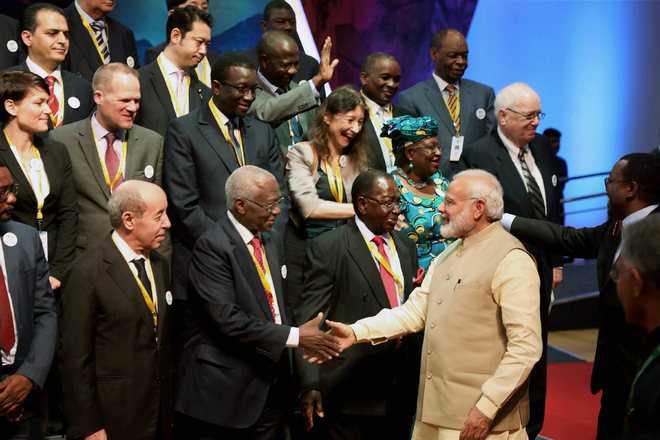
Prime Minister Narendra Modi began a three-nation diplomatic tour covering Jordan, Ethiopia and Oman, signalling a calibrated push to deepen political engagement, economic cooperation and people-to-people ties across West Asia and Africa. The visit places emphasis on long-standing partnerships while marking diplomatic milestones that officials describe as pivotal to a wider strategy linking the Gulf, the Horn of Africa and South Asia.

The tour opened in Jordan, where Modi held talks with King Abdullah II in Amman. Discussions focused on regional stability, counter-terror cooperation and expanding trade and investment links. Jordan occupies a strategic position in West Asia diplomacy, and both sides underlined shared concerns over conflicts affecting the region and their spillover effects. Bilateral exchanges also addressed cooperation in health care, education and technology, areas where existing agreements are being reviewed for expansion.

Jordan has emerged as a steady political partner, and the visit underscored efforts to elevate ties beyond symbolism. Officials highlighted collaboration in renewable energy and pharmaceuticals, alongside labour and skills partnerships that reflect Jordan’s role as a hub for regional services. Cultural engagement featured prominently, with references to the shared heritage reflected in academic exchanges and archaeological cooperation.

From Amman, Modi travelled to Addis Ababa, marking a significant diplomatic moment with Ethiopia. The visit coincides with the strengthening of relations with the African Union, headquartered in the Ethiopian capital, and signals intent to broaden engagement with Africa’s multilateral institutions. Talks with Prime Minister Abiy Ahmed centred on development cooperation, infrastructure financing and capacity building, as well as coordination in international forums.

Ethiopia’s role as a gateway to the Horn of Africa places it at the centre of regional connectivity and security discussions. The leaders examined cooperation in agriculture, manufacturing and digital public infrastructure, with attention to skills development and technology transfer. Ethiopia has been seeking diversified investment partnerships to support industrial parks and export-oriented growth, and the talks reflected interest in long-term collaboration rather than project-based engagement.

Diplomatic officials also pointed to cooperation in peacekeeping and humanitarian assistance, noting Ethiopia’s contribution to regional stability and its engagement with multilateral peace processes. The visit reinforced engagement with Africa at a time when competition for influence and investment has intensified, and when African economies are prioritising infrastructure and human capital development.

The final leg of the tour takes Modi to Oman, a country with deep historical and economic links, particularly in trade, energy and maritime cooperation. Meetings in Muscat are expected to focus on energy security, logistics and defence ties, building on agreements covering strategic petroleum reserves, port development and naval collaboration. Oman’s role as a stable interlocutor in the Gulf has given it a distinctive place in regional diplomacy.

Economic cooperation remains central to the Oman visit, with attention on bilateral trade, investment flows and collaboration in downstream energy projects. The presence of a large expatriate community has added a people-centric dimension to relations, shaping discussions on labour welfare, skills recognition and mobility. Financial services, tourism and green energy have emerged as additional areas of interest as both sides seek to diversify economic engagement.

Across the three stops, the tour reflects a broader pattern of outreach that links West Asia and Africa through trade corridors, energy routes and strategic partnerships. Officials involved in the preparations described the itinerary as a deliberate effort to balance political dialogue with economic substance, moving beyond ceremonial diplomacy. The focus on infrastructure, digital governance and energy transition aligns with priorities shared by many emerging economies.

On December 11, at W Dubai – The Palm, Entrepreneur Middle East hosted the Leadership Awards 2025 — one of the region’s key business events recognizing outstanding entrepreneurs and industry leaders whose work is shaping the economic and technological landscape of the Middle East. In the Fintech Leader of the Year category, the award was presented to Alexander Lozben, founder of INTERHASH and one of the notable […]

Activision has announced a strategic overhaul of how it releases titles in its flagship Call of Duty franchise, signalling an end to the practice of launching back-to-back entries in its Modern Warfare and Black Ops series. The change comes after Call of Duty: Black Ops 7, launched on 14 November, posted notably weaker engagement compared with its immediate predecessor and drew mixed responses from critics and players […]

Global development officials are assessing faltering progress on sustainable development targets as the United Nations Development Programme warns that economies and communities face mounting pressures from climate shocks, widening inequality, and geopolitical instability. The review comes at a time when the Global Environment Outlook 7 underscores the scale of environmental disruption, projecting that unchecked climate change could shave about 4 per cent off annual global GDP by […]

BALI, INDONESIA – Media OutReach Newswire – 8 Desember 2025 – The ACES Awards proudly announces Dato’ KL Bock as a distinguished winner of the Asia’s Most Inspiring Executives Award 2025, honouring his exceptional leadership, transformative vision, and outstanding contributions to Asia’s manufacturing and technology landscape. Dato’ KL Bock: Asia’s Most Inspiring Executive honored. With more than 30 years of experience in end-to-end operations, supply chain, and […]

Web3 momentum across the Gulf is increasingly visible in grassroots spaces where developers, founders, and early-stage investors gather to exchange ideas far from official boardrooms. The growth of these informal networks in Dubai, Abu Dhabi, Riyadh, and Bahrain has become a notable driver of activity in blockchain, tokenisation, digital assets, and decentralised applications, complementing government-led strategies that have positioned the region as a key hub for emerging […]

SHENZHEN, CHINA – Media OutReach Newswire – 5 December 2025 – On November 16, 2025, the three-day 27th China Hi-Tech Fair (CHTF) successfully concluded at Hall 16 of the Shenzhen World Exhibition & Convention Center (Bao’an District). As a major industrial event aligned with national strategic goals, this year’s fair closely followed the guidance outlined in the 15th Five-Year Plan, which calls for “accelerating the development of […]

VISHNU RAJA
RYO YAMADA
HITORI GOTOH
IKUYO KITA