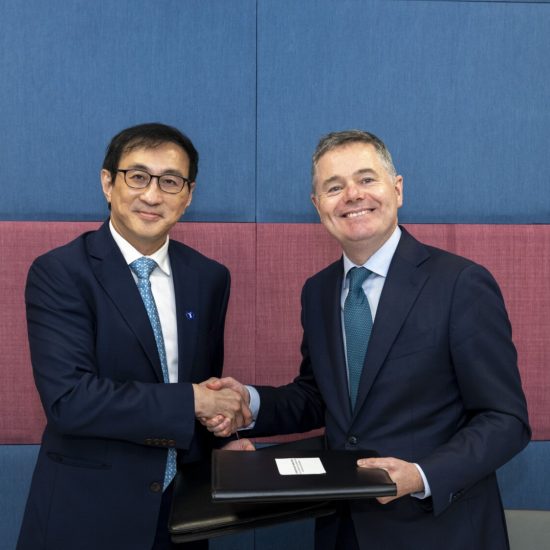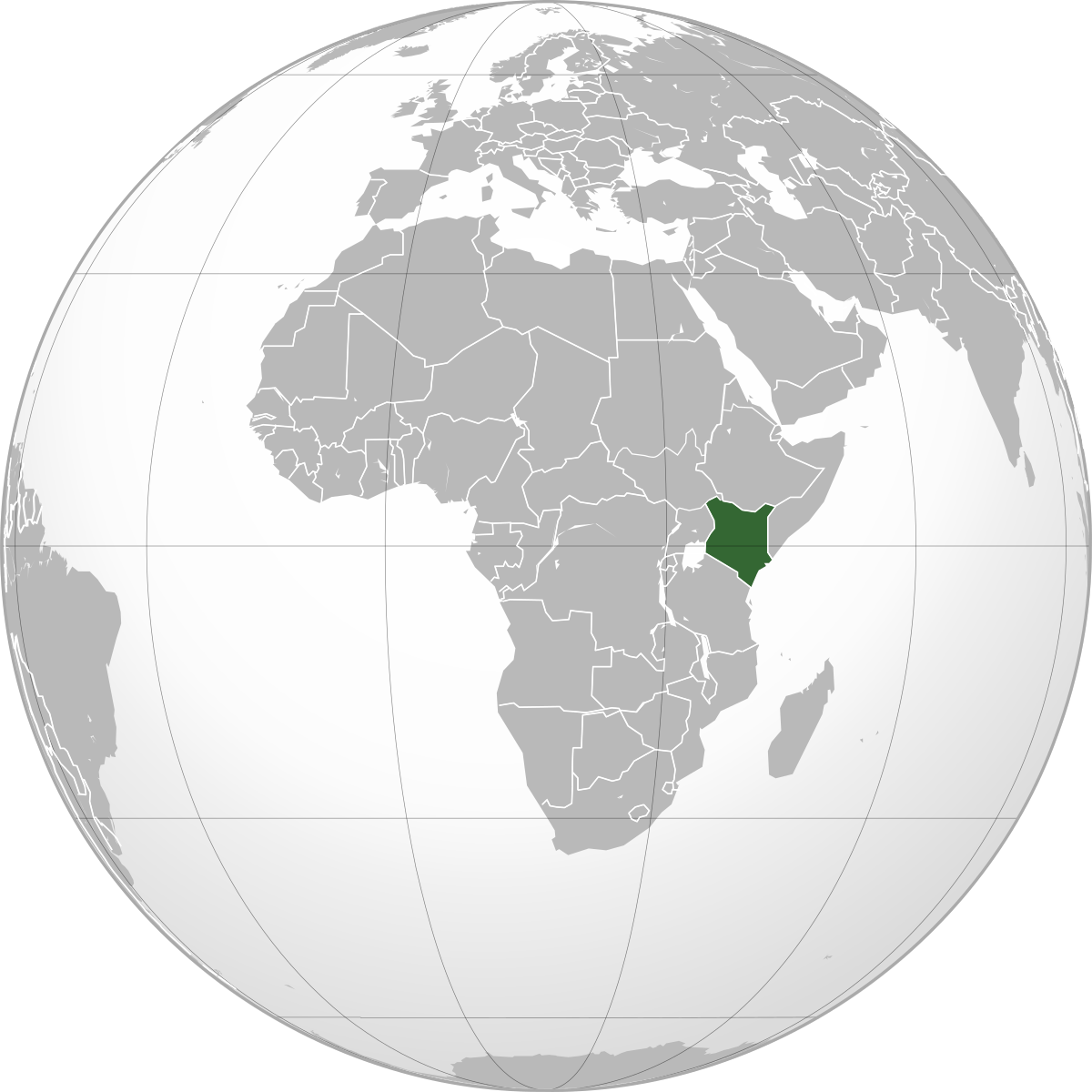
Kenya’s leadership has renewed its push to project the country as a future developed economy, with Deputy President Kithure Kindiki rejecting claims that the ambition is unrealistic and arguing that structural reforms, demographic momentum and targeted investment are laying the groundwork for first-world status.
Speaking at a public forum on economic transformation, Kindiki said scepticism about Kenya’s trajectory often ignored long-term planning frameworks and measurable gains in infrastructure, education and financial inclusion. He framed the ambition not as political rhetoric but as a generational project anchored in productivity growth, institutional reform and social stability.
Kenya has set out development objectives through successive medium-term plans aligned to Vision 2030, a strategy launched more than a decade ago to shift the economy from agriculture-led growth to one driven by industry, services and innovation. Supporters of the agenda point to sustained investment in roads, ports, energy and digital connectivity as evidence that the state has prioritised the foundations required for higher-income status.
The deputy president’s remarks come at a time when economic pressures are testing public confidence. Inflationary episodes, currency volatility and rising debt-servicing costs have strained household incomes and constrained fiscal space. Critics argue these challenges expose gaps between aspiration and execution, warning that high borrowing and tax pressures could undermine growth if not carefully managed.
Government officials counter that macroeconomic stress is part of a broader adjustment process and that reforms under way are designed to stabilise public finances while protecting growth drivers. Measures have included efforts to broaden the tax base, rationalise expenditure and restructure parts of the debt profile, alongside programmes aimed at boosting exports and reducing reliance on imports.
Kenya’s economy remains one of the more diversified in sub-Saharan Africa, with strong contributions from agriculture, tourism, manufacturing and a growing technology sector. Nairobi has established itself as a regional hub for fintech and digital services, supported by high mobile penetration and a mature mobile money ecosystem that has improved access to financial services for millions of households and small businesses.
Demographics also feature prominently in the government’s argument. With a young and expanding workforce, policymakers see potential for productivity gains if education and skills development keep pace with labour market needs. Investments in technical training, university expansion and digital skills programmes are intended to align human capital with industrial and service-sector demand.
Industrial policy has focused on value addition rather than raw exports, particularly in agriculture and manufacturing. Officials have highlighted agro-processing, pharmaceuticals, textiles and light manufacturing as areas where Kenya can climb regional and global value chains. Special economic zones and industrial parks have been promoted as vehicles to attract foreign and domestic investment, offering tax incentives and infrastructure support.
Energy availability has been another pillar of the development narrative. Kenya has expanded electricity generation capacity, with a growing share from renewable sources such as geothermal, wind and solar. Authorities argue that relatively stable power supply and competitive tariffs are essential for manufacturing growth and for positioning the country as a destination for climate-aligned investment.
Social indicators present a more mixed picture. Poverty levels have declined over the long term, but inequality remains pronounced between urban and rural areas and across regions. Access to quality healthcare and education varies widely, raising questions about how inclusive the growth model can be. Civil society groups have urged the government to pair macroeconomic reforms with stronger social protection and targeted spending.
Governance and institutional strength are also central to the debate. The administration has pledged to strengthen the rule of law, improve public service delivery and combat corruption, arguing that investor confidence depends as much on institutional credibility as on economic metrics. Progress in these areas is closely watched by businesses and development partners.
Follow Arabian Post
Select Arabian Post as your preferred source on Google and MSN News for trusted business news and Arab politics and updates.