

Khamenei Endorses Pezeshkian as Iran’s New President

Iran’s Supreme Leader Ayatollah Ali Khamenei formally endorsed Masoud Pezeshkian as the country’s ninth president on Sunday. Pezeshkian, a reformist, won a snap election earlier this month, emphasizing a platform of significant reforms and increased transparency in governance.
Pezeshkian’s victory marks a shift from the hardliner policies of his predecessors, signaling potential changes in both domestic and foreign policies. His campaign focused on addressing economic challenges, improving diplomatic relations, and expanding civil liberties, resonating with a wide spectrum of Iranian voters.
Khamenei’s endorsement, a ceremonial yet pivotal step, was broadcast on state television, reflecting the regime’s recognition of Pezeshkian’s electoral mandate. The endorsement ceremony underscored the new president’s commitment to the Islamic Republic’s foundational principles while promising to tackle corruption and enhance social justice.
Observers note that Pezeshkian’s presidency could alter Iran’s approach to international relations, particularly with Western nations. His administration aims to revive the 2015 nuclear deal, seeking to alleviate the economic sanctions that have crippled Iran’s economy.
The endorsement comes amid a backdrop of significant political maneuvering. Leading up to the election, several hard-line candidates withdrew to consolidate support, paving the way for Pezeshkian’s victory. This move highlighted the pragmatic strategies within Iran’s political landscape, where alliances and withdrawals can drastically shape electoral outcomes.
International reactions to Pezeshkian’s endorsement have been cautious but optimistic. Analysts suggest that his presidency might open new avenues for dialogue and cooperation, particularly in areas of mutual interest such as regional security and economic development. However, Pezeshkian faces substantial challenges, including managing internal dissent and balancing the expectations of conservative factions within the government.
The transition of power occurs as Iran continues to grapple with economic hardships exacerbated by sanctions and the global pandemic. Pezeshkian’s administration has pledged to prioritize economic recovery, focusing on job creation, inflation control, and improving public services.
Domestically, Pezeshkian’s reformist stance has garnered support from various social and political groups advocating for increased freedoms and more inclusive governance. His presidency represents a potential turning point in addressing the demands of a youthful and increasingly vocal populace seeking change.
As Pezeshkian prepares to take office, his ability to implement his reform agenda will be closely monitored. The new president’s approach to governance, his handling of the country’s economic woes, and his diplomatic strategies will be crucial in shaping Iran’s future trajectory.





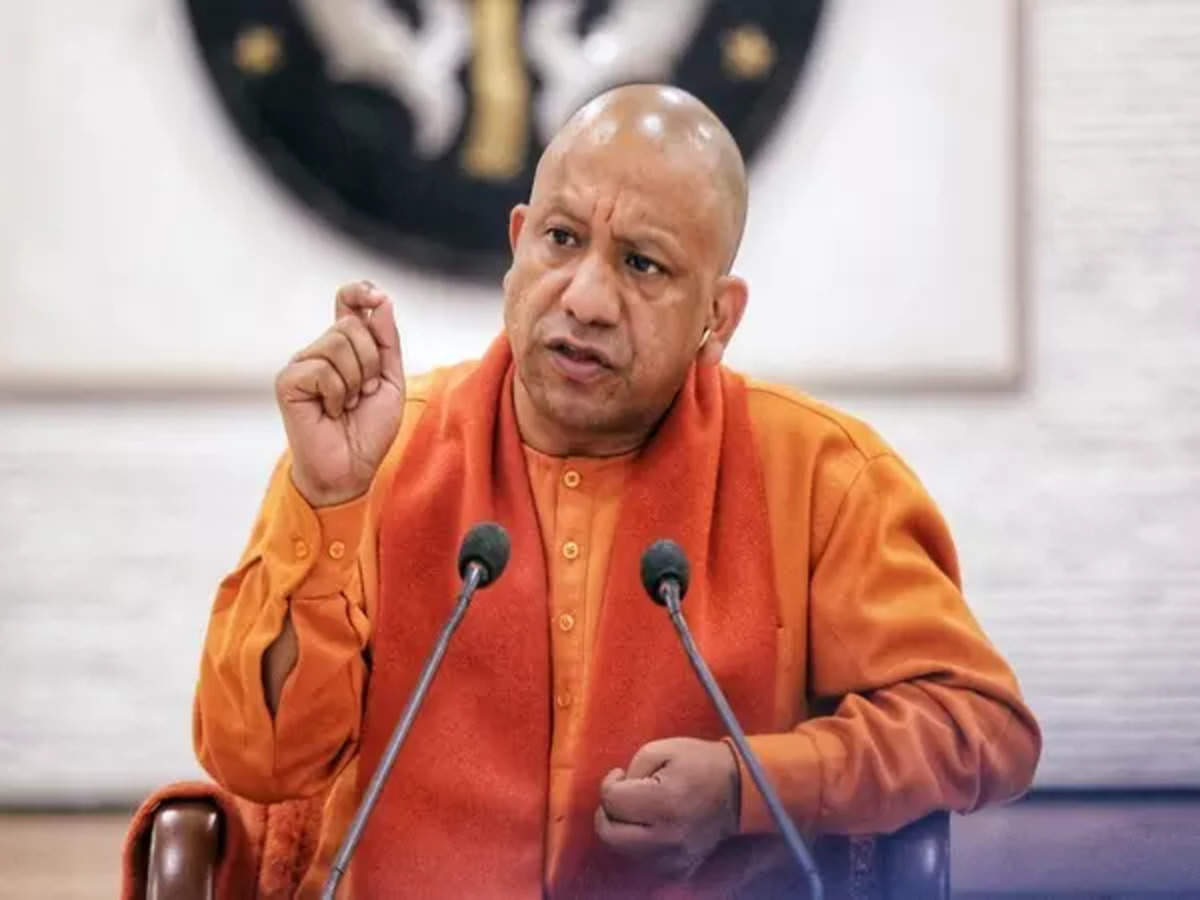
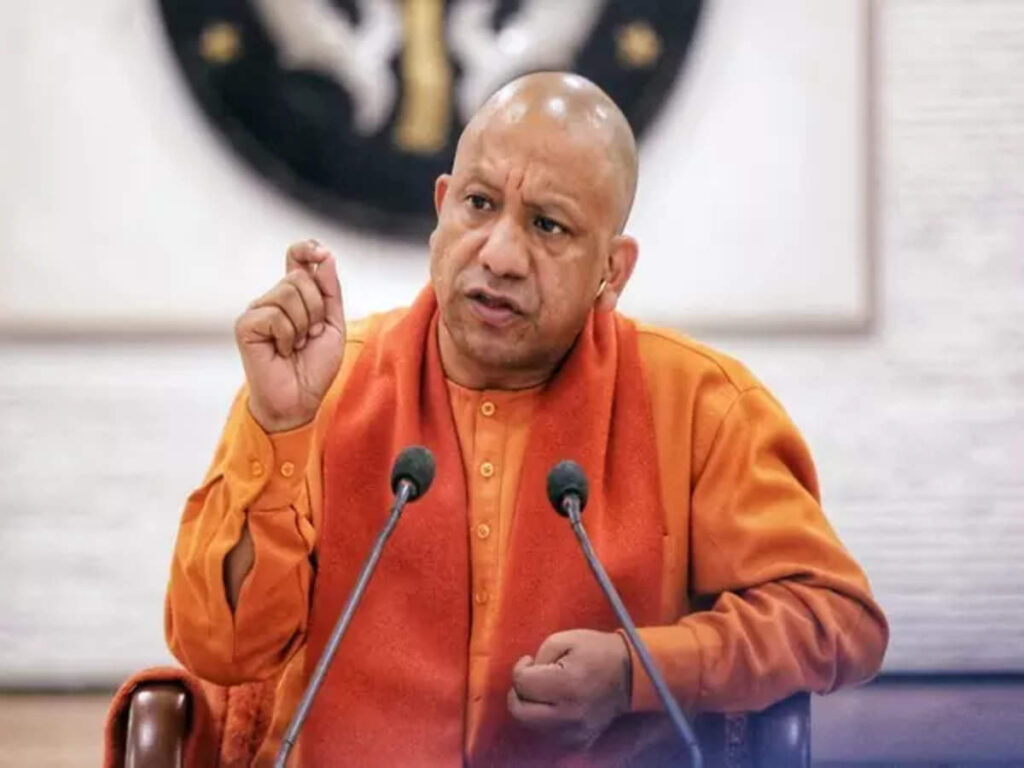 By Sushil Kutty Who benefits from blaming Chief Minister Yogi Adityanath for the BJP’s poor Lok Sabha polls performance in Uttar Pradesh? As things have moved, Deputy Chief Minister Keshav Prasad Maurya is the dark horse though Union Home Minister Amit Shah is also talked about as somebody who gains from a downgraded Yogi. OBC […]

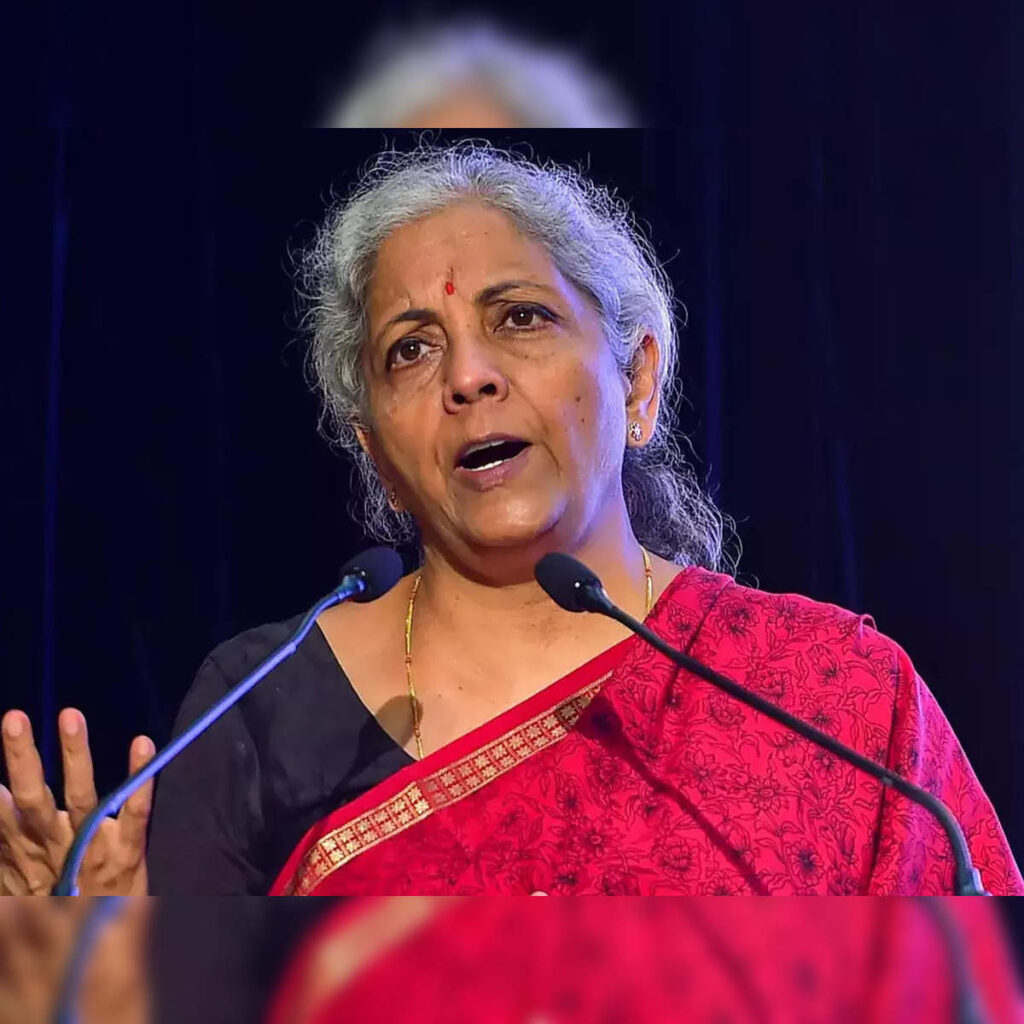 By K Raveendran Rahul Gandhi and a host of Congress leaders have criticised Nirmala Sitharaman and the Modi government for copy-pasting from the Congress manifesto while formulating the new budget. Looking at the issue from another perspective, they must be happy that the finance minister has given Congress their best campaign point for the coming […]





