News related to
power

MicroStrategy, a business intelligence company, has reached a significant milestone by entering the ranks of the top 100 U.S. public companies based on market capitalization. With a valuation of $96 billion, the company’s market surge is propelled by a striking 528% increase in its stock price year-to-date. This rapid ascent places MicroStrategy among tech giants like NVIDIA, signaling the influence of Bitcoin in corporate valuations.

The surge in MicroStrategy’s stock has coincided with an unprecedented rally in Bitcoin’s value. As of now, the company holds 331,200 Bitcoin, which is currently valued at over $30 billion. This position makes MicroStrategy the largest corporate holder of the cryptocurrency, significantly influencing its overall market cap.

This performance not only highlights the company’s strategic bet on Bitcoin but also signals a broader trend of cryptocurrency’s growing role in traditional financial markets. MicroStrategy’s growth outpaces even NVIDIA’s over the past five years, a company that has seen significant appreciation due to its dominance in the semiconductor industry and the artificial intelligence (AI) sector.

MicroStrategy’s performance surge is indicative of the ongoing integration of cryptocurrency into mainstream financial strategies. Bitcoin’s price has recently surpassed $94,000, marking a new all-time high and further solidifying the digital asset’s place as a significant financial tool. The company’s strategy to adopt Bitcoin as a central part of its treasury reserves has now positioned it at the intersection of technology and digital assets, with financial markets increasingly viewing it as a key player in both spheres.

The surge in Bitcoin’s value has spurred a ripple effect throughout the broader economy. Companies with significant Bitcoin holdings, such as MicroStrategy, are seeing their market valuations skyrocket. This trend is not limited to MicroStrategy, as other firms in the cryptocurrency space have experienced similar growth. However, MicroStrategy stands out due to its deliberate focus on Bitcoin as a core asset. The company has repeatedly expressed confidence in the digital currency, viewing it as a hedge against inflation and a long-term store of value.

The market’s reaction to MicroStrategy’s performance has been overwhelmingly positive, with its stock price rising consistently throughout 2024. Analysts have pointed out that the company’s market cap, driven by its Bitcoin holdings, positions it as one of the most unique players in the tech sector. Unlike traditional tech firms, MicroStrategy is not just building software or providing services but is also leveraging a volatile and highly speculative asset class to drive its valuation.

MicroStrategy’s success has garnered attention from both traditional investors and crypto enthusiasts alike. The company’s stock has become a proxy for those looking to gain exposure to Bitcoin without directly purchasing the cryptocurrency. This has made MicroStrategy a key stock for those looking to diversify their portfolios and hedge against traditional market risks. Investors have increasingly viewed the company’s stock as a way to benefit from Bitcoin’s upside while avoiding the complexities of managing cryptocurrency directly.

This strategic move by MicroStrategy also raises questions about the future of cryptocurrency in corporate financial strategies. While some skeptics have warned about the volatility of Bitcoin and the potential risks associated with such heavy exposure to a single asset, MicroStrategy’s leadership remains undeterred. The company’s CEO, Michael Saylor, has long been a vocal proponent of Bitcoin, and his vision has shaped the company’s approach to integrating cryptocurrency into its business model. Under his leadership, MicroStrategy has made Bitcoin a central part of its balance sheet, purchasing large amounts of the digital asset over the years.

However, MicroStrategy’s approach is not without its challenges. The volatility of Bitcoin poses risks, particularly in terms of cash flow and the company’s ability to weather downturns in the market. At times when Bitcoin’s price fluctuates dramatically, MicroStrategy faces scrutiny from investors who are concerned about the stability of the company’s earnings. Yet, the company’s long-term vision for Bitcoin has enabled it to weather these fluctuations, and its success so far suggests that its strategy is paying off.

The cryptocurrency market’s growth has not only benefited companies like MicroStrategy but has also led to broader shifts in financial markets and institutional investment strategies. As Bitcoin continues to climb, more institutional investors are entering the space, either by purchasing the cryptocurrency directly or by investing in companies like MicroStrategy that hold substantial amounts of Bitcoin. This trend is reshaping the financial landscape, as digital assets continue to gain legitimacy as an asset class that can provide long-term growth potential.

For now, MicroStrategy’s position in the top 100 U.S. companies by market cap is a testament to the transformative power of Bitcoin and its increasing role in corporate strategy. The company’s growth is a clear indication that cryptocurrency is no longer a niche market, but an integral part of the global financial system. The surge in Bitcoin’s value has only accelerated this trend, and companies like MicroStrategy are positioning themselves at the forefront of this new era in finance.

Meta has undergone a transformative shift, pivoting from its metaverse ambitions to focus heavily on artificial intelligence. The company, led by Mark Zuckerberg, has embraced an open-source approach with its generative AI model, Llama, now at the heart of its operations. By making the model widely accessible, Meta is encouraging innovation across industries, from advertising to augmented reality, while challenging its competitors’ proprietary strategies. This decision has […]

DigiLeap is a first-of-its-kind AI-driven platform connecting over 200 enterprises, including financial institutions and technology providers, to expedite Singapore and ASEAN’s transition to net-zero. Utilising advanced AI algorithms, DigiLeap customises matches between green projects and decarbonisation solutions, enhancing access to sustainable financing and innovative technologies. Aligned with COP29 priorities, DigiLeap drives impactful climate action across key sectors such as energy, construction, and real estate, fostering substantial environmental […]

By Saifur Rahman Dubai’s state-owned publicly-listed utility Dubai Electricity and Water Authority (DEWA), reported a 6.2 percent growth in revenue reaching a record US$6.4 billion (Dh23.5 billion) and net profit of US$1.5 billion (Dh5.5 billion) in the first nine months of the year. DEWA, the share of which is traded on Dubai Financial Market also declared a US$844.6 million (Dh3.1 billion) dividend to shareholders. DEWA’s first 9-month […]

By Nitya Chakraborty The Ukraine war entered its 1000th day on Tuesday, November 19 and on the same afternoon, President Zelensky used for the first time high tech AATCMS missiles for striking inside Russia after getting green signal from the outgoing President Joe Biden only two days before. Soon after, President Putin announced lowering the […]

Nvidia, the dominant force in the AI revolution, and its growth trajectory continues to outshine even the most optimistic projections. As the company prepares to release its Q3 FY2024 results, investors are not merely asking if Nvidia can sustain its extraordinary momentum—they are pondering just how much further it can climb. After all, it has already surpassed a $3.5 trillion market cap and delivered revenue growth at […]

Russia has announced plans to ban cryptocurrency mining in the territories of Ukraine that it currently occupies, including Donetsk, Luhansk, Zaporizhia, and Kherson regions. This move follows growing concerns about the strain mining operations have placed on the local power infrastructure, which is already grappling with severe shortages and capacity challenges as winter approaches.

The decision comes as Russia faces increasing pressure to manage energy resources more efficiently in these regions, where power outages and instability in the electrical grid have become more common. Authorities have pointed to the significant energy consumption of cryptocurrency mining as a contributing factor to the grid’s instability. Mining operations, which require massive amounts of electricity to power the high-performance computers used to mine digital currencies, have added further stress to an already fragile system, especially as the colder months demand more heating.

In a statement, Russian officials said that the ban would help ensure a more reliable power supply for both residents and essential services in the affected territories. With an already strained energy network, the decision was framed as a necessary step to safeguard the well-being of the local population and support the stability of the electrical grid.

Experts have long raised alarms about the high energy consumption required by the cryptocurrency sector. Mining operations, which often involve running thousands of specialized machines around the clock to solve complex algorithms, consume enormous amounts of electricity. According to some estimates, a single mining rig can use the same amount of power as several households combined, and when scaled up to the industrial level, the energy demands are considerable. This excessive consumption has raised concerns not only in Ukraine but in other parts of the world where crypto mining has been blamed for contributing to power shortages.

While the ban is officially positioned as a necessary measure to address energy shortages, it also reflects the broader geopolitical context of the ongoing conflict. The territories in question have been under Russian control since the early days of the invasion, and the move to restrict cryptocurrency mining underscores the ongoing efforts by Russian authorities to consolidate control over the occupied areas. Mining had become an increasingly important industry in these regions, particularly as a source of revenue for both local residents and military forces operating there. As cryptocurrency continues to grow in popularity worldwide, the sector has proven resilient even in conflict zones, offering financial opportunities amid the chaos.

Despite these efforts, Russia has faced significant challenges in maintaining control over its occupied territories. Energy shortages are not the only issue. Infrastructure damage, disruptions caused by ongoing conflict, and the difficulty of integrating these regions into Russia’s broader economic and administrative systems have all contributed to a complex and unstable situation. The decision to halt crypto mining highlights the Russian government’s attempts to prioritize short-term stability in the face of mounting pressures on the local economy and infrastructure.

The energy situation in the occupied territories has been dire for some time. Power plants and other critical energy infrastructure have been damaged or destroyed in the ongoing conflict, leading to frequent power outages. The electrical grid is struggling to meet the needs of both civilians and military operations, and officials have warned that the situation could worsen as winter approaches. With heating demands set to increase, the government is taking steps to ensure that enough energy is available to meet these needs, and halting energy-intensive operations like crypto mining is seen as a necessary part of the solution.

The ban also comes at a time when Russian authorities are looking for new ways to exert control over the cryptocurrency market. While Russia has not yet passed comprehensive legislation to regulate or ban cryptocurrency nationwide, the country has taken steps to curb the use of digital currencies in some sectors of the economy. The government has expressed concerns about the use of cryptocurrencies for illicit purposes, including money laundering and financing of criminal activities. The cryptocurrency mining industry, despite its growing significance, remains controversial in Russia, where authorities are wary of its potential to undermine traditional financial systems.

For now, the crypto mining ban in these occupied Ukrainian regions will likely have significant implications for the industry. Miners will be forced to shut down operations or relocate to other areas where mining remains legal, potentially causing disruptions in the flow of digital currencies in these regions. At the same time, the move is likely to generate mixed reactions among the local population, some of whom may have relied on mining as a source of income in the absence of stable employment opportunities.

The decision has also raised questions about Russia’s long-term strategy in these territories. While the ban may address immediate energy concerns, it may also serve to reinforce Russia’s growing control over the region’s economy. By restricting activities like crypto mining, Russia can assert more authority over the local population’s economic activities, potentially increasing its leverage in negotiations over the future of these territories.

Advertisements

Elon Musk’s social media platform X has filed a lawsuit against Amazon-owned Twitch, claiming the streaming service is part of a broader illegal conspiracy to exclude the platform from advertising opportunities. The lawsuit, which was filed in the United States District Court for the Northern District of California, accuses Twitch of engaging in coordinated actions with other tech giants to disrupt the advertising revenue stream for X, a move that Musk’s legal team argues is both unlawful and damaging to the platform’s financial health.

The case is a significant escalation in Musk’s battle against the advertising industry, which he has criticized for allegedly unfairly targeting his platform and reducing the flow of advertising dollars. Musk, who acquired X (formerly Twitter) in 2022, has frequently argued that large corporations and digital media entities are stifling competition by colluding to reduce the effectiveness and revenue potential of his platform. He has claimed that companies, including Twitch, have coordinated with others to deprive X of crucial ad dollars, harming its ability to compete in the ever-growing social media market.

In the lawsuit, X asserts that Twitch’s actions were not isolated incidents but part of a deliberate attempt to harm the platform by steering advertisers away from X in favor of its competitors. The legal complaint details how X believes Twitch engaged in these practices, which the lawsuit describes as “anticompetitive behavior” in violation of both federal antitrust laws and state-level business regulations. This legal move is expected to have far-reaching implications for the advertising and social media industries as a whole.

At the center of Musk’s allegations is the claim that Twitch, alongside other online services, has been pressuring advertisers to avoid spending on X’s platform. X’s legal team argues that Twitch, with its vast reach in the live-streaming community, played a pivotal role in this alleged conspiracy. The lawsuit underscores how companies in the digital ad space, which rely heavily on advertising dollars to fuel their operations, are increasingly turning to such tactics to control market share and suppress competition.

Twitch, owned by Amazon, has yet to publicly comment on the lawsuit, but experts in the tech and advertising sectors suggest that this case could highlight the evolving tensions between the major players in the digital ad market. Twitch, which is widely regarded as the leading live-streaming platform for gamers and creators, has become a major competitor in the online entertainment space, attracting millions of viewers and ad dollars annually.

The lawsuit also sheds light on the broader landscape of advertising in the digital age, where power dynamics among tech companies are continuously shifting. Advertisers are increasingly exercising greater influence over where ad dollars are spent, and X has long been critical of the industry’s preferences for other platforms like Facebook, Google, and YouTube, accusing them of manipulating the digital ad ecosystem to limit competition. Musk’s accusations suggest that Twitch, with its connection to Amazon and its substantial user base, could be wielding its market power to support a digital ad cartel aimed at diminishing X’s revenue-generating capabilities.

Legal experts see Musk’s lawsuit as part of a larger strategy to position X as a champion of free market principles, countering what he describes as a monopolistic and anticompetitive media landscape. Musk has voiced his concerns about the challenges of securing advertisers for X, particularly after high-profile departures and skepticism from traditional brands who were wary of the platform’s direction under Musk’s leadership. By targeting Twitch and Amazon, Musk appears to be signaling that his platform’s advertising struggles are not merely the result of internal mismanagement but part of a broader effort to undermine its success.

The case also brings into question the growing power of companies like Amazon and Google, which dominate both the cloud computing and digital advertising sectors. Twitch’s parent company, Amazon, has faced its share of legal challenges over its business practices, particularly regarding competition and antitrust issues. The lawsuit could open new avenues for scrutiny of Amazon’s dominance in the tech world, especially in how it interacts with other digital media platforms and the companies that rely on advertising dollars.

Twitch’s role in this alleged conspiracy could be pivotal in determining the extent to which platforms like X and others in the social media sphere can survive without adequate advertising support. Musk’s claims suggest that the digital ad market may not be as open or competitive as it appears, with major players using their influence to dictate where and how advertising funds are allocated. If the case moves forward and is successful, it could lead to significant changes in how tech companies handle advertising relationships and could even prompt broader reforms in the advertising industry.

The outcome of the lawsuit is still uncertain, but the legal battle represents the latest chapter in a series of challenges Musk has faced in attempting to turn X into a profitable business. Since taking over Twitter, Musk has made numerous changes to the platform’s structure, operations, and content policies. However, one of the most significant hurdles remains securing a stable revenue stream, particularly from advertisers, who have historically been the lifeblood of social media platforms.

A new wave of open-source customer relationship management (CRM) solutions is emerging, poised to disrupt the established dominance of Salesforce in the enterprise software landscape. With businesses increasingly seeking more flexible, cost-effective, and customizable alternatives to proprietary platforms, this new open-source initiative offers a compelling alternative that could reshape how companies manage customer relationships and data. The growing demand for CRM systems that offer greater control and […]

Game District, a prominent player in the gaming sector, has secured a majority stake in Gleam Games, marking a significant step toward expanding its portfolio of gaming assets. This acquisition highlights a growing trend in the gaming industry where established companies are consolidating power to strengthen their competitive position in an increasingly fragmented market. Game District, known for its expertise in the gaming business and its strategic […]

Patmos has unveiled plans to transform the historic Kansas City Star printing press building into a cutting-edge data center, aiming to address the escalating global demand for high-density computing infrastructure. This ambitious project will not only breathe new life into the iconic structure but also strengthen Patmos’ footprint in the rapidly expanding AI and cloud computing sectors. The decision to repurpose the building comes at a time […]

Kyndryl, a global leader in IT infrastructure services, has introduced a specialized AI private cloud in Japan, marking a significant step in accelerating AI adoption across various industries. This innovative cloud platform is designed to provide businesses with robust, scalable, and secure infrastructure to deploy artificial intelligence applications, positioning Kyndryl at the forefront of Japan’s rapidly expanding AI market. The AI private cloud aims to address the […]

Autocraft, a leading subsidiary of Kintsugi, unveiled its innovative EVTOL (Electric Vertical Takeoff and Landing) air taxi concept, the E20⁺, at the Abu Dhabi Air Expo. The announcement marks a pivotal step toward transforming air mobility within the UAE, aiming to revolutionize urban transportation by offering a green and efficient alternative to traditional methods.

The E20⁺ is designed to address the growing demand for sustainable, on-demand air travel in urban environments. With its vertical takeoff and landing capabilities, it promises to bypass congested ground transportation routes, significantly reducing travel time and environmental impact. By integrating electric propulsion, the air taxi aligns with global efforts to decarbonize the aviation industry and provide cities with a new mobility solution that is both practical and eco-friendly.

At the unveiling, Autocraft highlighted the potential of the E20⁺ to reshape transport in the UAE, a country that is positioning itself at the forefront of futuristic technologies, particularly in the aerospace and urban mobility sectors. The company emphasized the E20⁺ as not only a leap forward in air transport but as a key component in creating a smarter, more sustainable transportation network within the region.

The unveiling comes at a time when the UAE is heavily investing in advancing its infrastructure and technological capabilities. Autocraft’s E20⁺, while still in its conceptual phase, is part of the country’s broader push to embrace cutting-edge innovations in aviation and electric vehicles. The air taxi concept aligns with the UAE’s ambitious goals to become a global hub for innovation and sustainable technologies, as outlined in its Vision 2030 initiatives.

The EVTOL aircraft features a modular design with a focus on flexibility, speed, and minimal environmental footprint. It operates on an electric powertrain, significantly lowering operational costs compared to traditional air transport while maintaining the necessary performance for urban air mobility. The cabin is designed to carry up to four passengers, making it suitable for both private and shared air taxi services.

Autocraft has also placed a strong emphasis on safety, with multiple redundancies built into the design to ensure smooth operations in various weather conditions. The vehicle’s advanced avionics and automated flight systems are intended to provide a fully autonomous flying experience, ensuring efficiency while reducing human error.

Several experts in urban air mobility have noted that the development of electric air taxis like the E20⁺ is gaining momentum globally, with companies like Autocraft positioning themselves as key players in this rapidly emerging industry. Despite facing challenges in scaling up EVTOL technology, particularly in regulatory approval and infrastructure development, the progress made by Autocraft signals strong momentum in the field.

The Abu Dhabi Air Expo also served as a platform for discussions on the practicalities of integrating air taxis into urban environments. Industry leaders and aviation authorities are focused on developing policies and regulations that would govern the operations of EVTOLs, addressing concerns ranging from airspace management to public safety. Autocraft has been actively engaging with regulators and stakeholders to ensure that the E20⁺ can be introduced in a manner that is both efficient and safe.

The UAE’s role as a global leader in aviation innovation, bolstered by its strategic investments and forward-thinking policies, makes it an ideal testing ground for such ambitious projects. The country’s already robust infrastructure, combined with its willingness to embrace disruptive technologies, positions the UAE to be one of the first in the world to fully integrate EVTOL air taxis into its transportation systems.

Autocraft is not alone in its push to develop electric air mobility solutions. Several other companies worldwide are working on similar technologies, including large aerospace firms and startups focused on air mobility. The competition is intensifying as these companies race to develop viable, scalable air taxis that can serve both urban centers and more remote areas, creating an entirely new segment in the global transportation ecosystem.

For the UAE, the E20⁺ is not just a technological feat but a symbol of the nation’s broader goals to diversify its economy, reduce its carbon footprint, and cement its position as a leader in futuristic urban mobility. The air taxi’s introduction could lead to broader partnerships between the public and private sectors, paving the way for additional innovations that will further transform the aviation and transportation sectors.

Global technology provider Gcore and Saudi-based Ezditek have forged a partnership to establish a state-of-the-art AI factory in Saudi Arabia. This collaboration underscores the country’s ambitions to position itself as a key player in the artificial intelligence (AI) industry, accelerating its technological development while reinforcing its global presence in the digital sphere.

The AI factory will serve as a major hub for the research, development, and deployment of advanced AI solutions tailored to diverse sectors, including healthcare, energy, and finance. By leveraging cutting-edge technologies and expertise from both companies, the initiative is set to drive innovation in Saudi Arabia’s rapidly evolving tech landscape.

The venture is poised to create a ripple effect across the region, contributing to Saudi Arabia’s Vision 2030, a broad initiative aimed at diversifying its economy away from oil dependency and establishing the Kingdom as a leader in various sectors, including technology. With the establishment of this AI factory, the nation seeks to solidify its role in the growing global AI market, estimated to be worth over $1 trillion by 2030.

Gcore’s reputation as a global technology provider specializing in cloud infrastructure and AI services positions the company as a pivotal force in shaping the digital future of Saudi Arabia. Its partnership with Ezditek, a prominent player in Saudi Arabia’s digital transformation sector, ensures the successful integration of world-class AI tools and platforms into the local market.

This collaboration marks a significant step in Saudi Arabia’s efforts to become a hub for innovation, not just regionally, but on the global stage. The AI factory is expected to foster partnerships with both regional and international firms, allowing for the exchange of knowledge, research, and technological advancements. By collaborating with local businesses and academic institutions, Gcore and Ezditek aim to cultivate a robust ecosystem that supports both local talent and global experts.

The project has already begun to attract attention from international investors and technology giants looking to tap into the rapidly expanding AI sector in Saudi Arabia. The Kingdom’s strategic location, combined with its vision for the future, has made it an attractive destination for technology companies looking to establish a foothold in the Middle East. The factory will serve as an incubator for AI startups and entrepreneurs, providing them with the tools and resources needed to innovate and thrive in a competitive global marketplace.

Local authorities have hailed the partnership as a crucial milestone in Saudi Arabia’s quest to become a global tech powerhouse. With a growing demand for AI-driven solutions across industries, the Kingdom’s investment in such infrastructure will likely spur further growth in the technology sector, creating new opportunities for skilled professionals and fostering the development of homegrown AI solutions.

The AI factory will not only focus on developing AI technology but will also play a key role in addressing the growing need for AI talent in Saudi Arabia and the wider Middle East. The project will prioritize the training and development of a new generation of AI experts, offering specialized educational programs and internships designed to equip the region’s workforce with the necessary skills to succeed in the digital economy. This talent development initiative is in line with Saudi Arabia’s broader goal of creating a knowledge-based economy that can compete on the global stage.

The collaboration between Gcore and Ezditek comes at a time when Saudi Arabia is expanding its digital infrastructure and investing heavily in emerging technologies. The government has made significant strides in digitalization, evidenced by the establishment of the National Data Management Office and the Digital Government Authority, both of which are tasked with driving the Kingdom’s digital transformation agenda.

The AI factory is expected to complement these efforts by introducing advanced AI systems capable of optimizing processes across various industries, including logistics, manufacturing, and telecommunications. By incorporating AI into these sectors, Saudi Arabia aims to improve efficiency, reduce costs, and enhance the overall productivity of its economy.

This venture also reflects the increasing role of artificial intelligence in shaping the future of global economies. With its vast potential to drive economic growth, AI is increasingly being seen as a critical component of national strategies for innovation and competitiveness. Saudi Arabia’s investment in AI infrastructure signals the Kingdom’s intent to be at the forefront of this technological revolution, positioning itself as a leader in the AI space in the Middle East and beyond.

As part of the collaboration, Gcore and Ezditek will focus on delivering AI-driven solutions that can tackle some of the region’s most pressing challenges, such as energy optimization, water management, and smart city development. These solutions align with the Kingdom’s commitment to sustainability, as AI technologies can significantly enhance the efficiency of resource usage, helping Saudi Arabia achieve its environmental goals while supporting economic growth.

While the AI factory is still in the early stages of development, the partnership between Gcore and Ezditek has generated significant excitement among tech industry leaders and analysts. The venture is seen as a game-changer for Saudi Arabia’s AI capabilities, potentially setting the stage for the Kingdom to become a global leader in AI innovation and application.

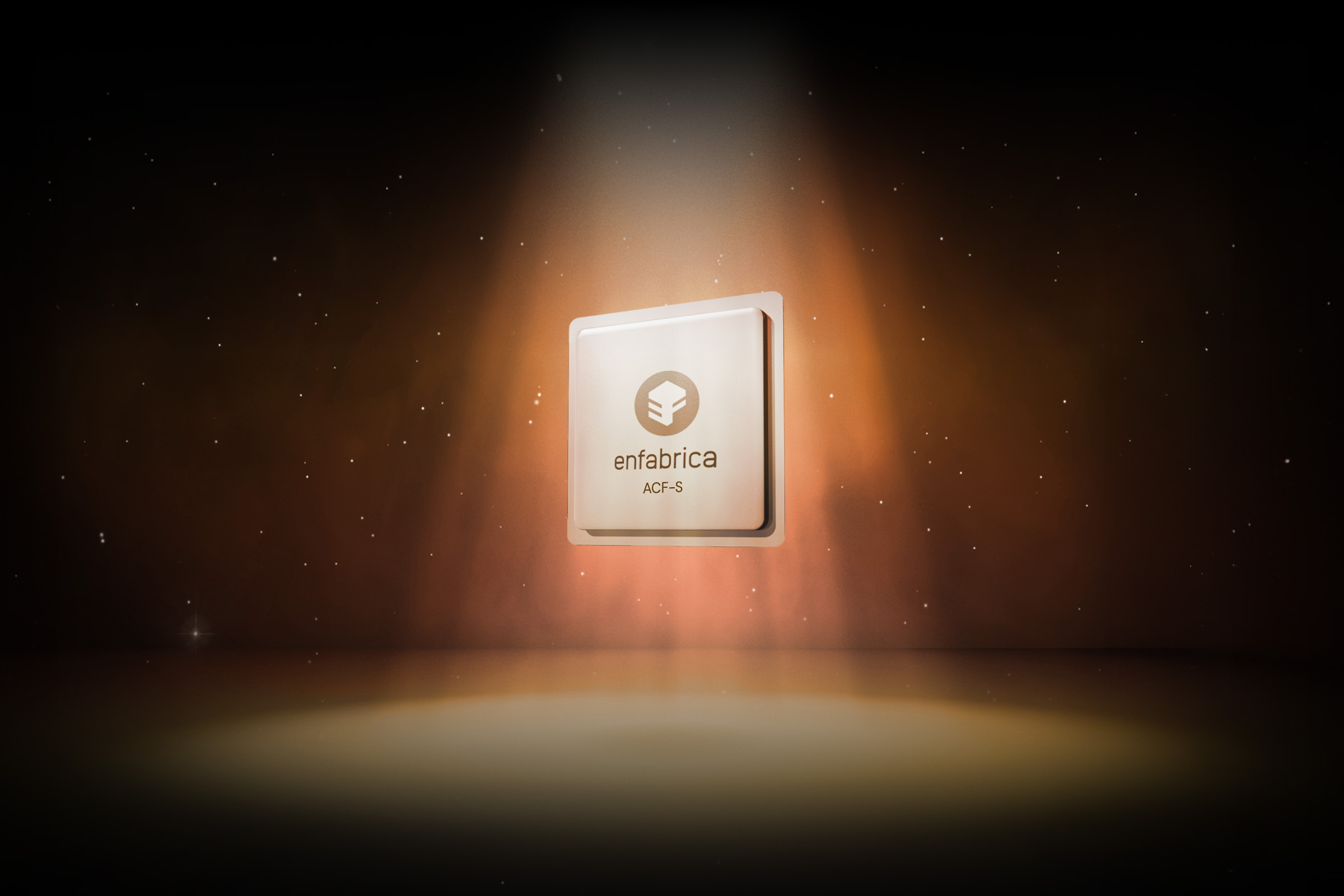
Enfabrica, a leading provider of high-performance networking silicon for accelerated computing and artificial intelligence (AI), has secured $115 million in a Series C funding round. The announcement was made at Supercomputing 2024 (SC24), a key event for the global high-performance computing (HPC) community. The oversubscribed round was led by prominent investors, underscoring growing confidence in Enfabrica’s solutions aimed at transforming AI workloads through specialized networking technologies.

This funding marks a significant milestone for the company, which focuses on delivering innovations in data center infrastructure designed to optimize network performance for compute-intensive AI applications. The company’s solutions address key challenges in AI, including bottlenecks caused by traditional networking methods, by providing high-speed, low-latency connections tailored for the demands of modern AI and machine learning (ML) workloads.

The funds will be used to further enhance Enfabrica’s product portfolio and expand its market presence. CEO and co-founder Dr. Ramin Moghaddam highlighted that the new capital will support the company’s efforts in accelerating the development of next-generation networking technologies and increasing its customer base. Enfabrica’s products have already attracted significant interest from leaders in the tech and AI sectors, with major cloud providers and enterprise customers looking to deploy its silicon to improve their AI capabilities.

According to Enfabrica, its networking solutions are designed to integrate seamlessly with the latest advancements in semiconductor and cloud technologies, offering customers the ability to scale AI workloads more efficiently and at lower cost. These capabilities are crucial as enterprises and research institutions push the boundaries of AI models that require more data processing and faster communication between computing resources.

The need for specialized networking solutions has never been more apparent. AI workloads, especially those in training large-scale models, demand ultra-fast data transfers, precision, and reliability. Traditional networking infrastructure, often based on general-purpose designs, struggles to meet these requirements, leading to inefficiencies that hinder performance. Enfabrica’s networking silicon aims to bridge this gap by offering purpose-built solutions optimized for the specific needs of AI, deep learning, and other advanced computational applications.

Enfabrica’s network solutions are built around a custom silicon architecture designed to handle the large volumes of data generated by AI models. With increasing demand for computational power in AI research, the company’s innovations are timely, aligning with the broader industry trend towards purpose-built hardware that enables breakthroughs in AI performance.

The funding round has drawn attention to the growing importance of specialized hardware in driving AI and machine learning breakthroughs. Companies across the semiconductor, AI, and cloud sectors are racing to develop more efficient and scalable technologies to support the exponential growth in AI use cases, ranging from generative models to autonomous systems. Enfabrica’s contributions to this ecosystem are poised to play a central role in the next phase of AI innovation.

In a statement, Dr. Moghaddam expressed enthusiasm about the funding’s potential to help Enfabrica meet the growing demand for advanced networking infrastructure. He emphasized that AI’s rapid evolution presents an opportunity for companies like Enfabrica to address the scalability and performance challenges faced by AI practitioners.

“We are excited to partner with our investors to drive forward the next generation of networking technologies for AI,” said Moghaddam. “Our focus is to deliver infrastructure that supports the exponential growth of AI workloads, providing our customers with the speed, efficiency, and scalability they need to remain competitive in this rapidly changing market.”

The funding round also highlights the investor community’s increasing interest in infrastructure startups that are positioning themselves as essential players in the AI ecosystem. With the influx of capital, Enfabrica will be able to scale its operations to meet the growing demand for AI-focused network technologies, which are becoming integral to the success of AI applications across industries, including finance, healthcare, and autonomous driving.

As AI and machine learning continue to evolve, Enfabrica’s innovations could help alleviate the data transfer bottlenecks and processing delays that hamper the performance of modern AI systems. The company’s solutions promise to enhance the efficiency of training deep learning models and optimize the interaction between compute nodes in large-scale AI deployments, which could have far-reaching implications for industries that rely on AI-driven solutions.

With the market for AI networking solutions expanding rapidly, Enfabrica is well-positioned to capitalize on the demand for specialized hardware. The company’s Series C funding provides a strong foundation for further advancements in AI networking and positions Enfabrica as a key player in the evolving AI infrastructure landscape.

Artificial intelligence (AI) is advancing rapidly, and its potential integration into cryptocurrencies is growing. According to Jesus Rodriguez, the CEO of IntoTheBlock, AI agents could revolutionize how digital currencies are used in the AI ecosystem. However, challenges remain that could delay the full realization of this vision.

Rodriguez highlighted the possibility of a future where AI agents and cryptocurrencies converge to reshape financial systems. He noted that cryptocurrencies could play a crucial role as the financial backbone of AI networks, enabling seamless, efficient transactions for AI-powered applications. Yet, he stressed that this transformation requires overcoming significant hurdles, such as scalability, regulatory clarity, and interoperability between various blockchain systems.

As AI continues to disrupt multiple industries, from healthcare to finance, its integration with blockchain and cryptocurrencies seems like a logical step. AI agents, capable of autonomously conducting transactions and executing decisions, could enhance the functionality of digital currencies by enabling AI to manage crypto portfolios, optimize investments, and facilitate payments in decentralized ecosystems. The rapid rise of decentralized finance (DeFi) platforms already illustrates the growing role of blockchain in the digital economy, but AI’s potential to manage and interact with these platforms in real-time is what could drive the next phase of crypto’s growth.

However, while the promise is clear, the reality is complex. One of the major challenges lies in improving the scalability of blockchain networks. Rodriguez explained that current blockchain technologies are struggling to handle the massive transaction volumes required by AI-driven applications, which often involve complex computations and large datasets. Blockchain platforms, including Ethereum and Bitcoin, face limitations in transaction speed and costs, making them impractical for real-time AI-driven applications that demand high throughput and low latency.

Regulatory issues continue to pose a significant barrier to the widespread adoption of AI and cryptocurrencies. Governments around the world are grappling with how to regulate digital currencies and ensure their security and stability. The regulatory landscape for crypto is still fragmented, with some regions adopting stringent laws while others are taking a more relaxed approach. For AI-driven cryptocurrencies to become mainstream, there needs to be a cohesive, global regulatory framework that provides both innovation and investor protection.

Rodriguez also pointed to interoperability as another crucial factor in realizing the potential of AI and crypto. Different blockchains operate with varying consensus mechanisms, protocols, and features, which makes it difficult for them to interact seamlessly. To enable AI to work efficiently across blockchain networks, developers need to create solutions that allow different blockchain platforms to communicate and work together without friction. This is especially important for AI agents that may need to access and operate across multiple decentralized platforms in order to execute transactions or access data.

Despite these challenges, there are promising developments on the horizon. Blockchain projects that aim to solve scalability issues, such as Ethereum’s transition to Ethereum 2.0 and the rise of Layer 2 solutions like Polygon, are providing a glimpse into the future of faster, more efficient blockchain networks. Additionally, advancements in AI technology are opening up new possibilities for how AI could operate on decentralized platforms. For example, AI models could be trained on blockchain-based datasets and then used to optimize blockchain transactions or identify patterns in the cryptocurrency market that human traders might miss.

One of the most exciting prospects is the possibility of creating AI agents that can autonomously participate in the crypto market. These AI agents would not only manage investments but could also interact with decentralized applications (dApps), participate in governance decisions, and execute smart contracts without human intervention. As AI systems continue to become more sophisticated, the idea of autonomous crypto agents could significantly reduce the friction and inefficiency in the current market, offering benefits such as improved liquidity, faster transaction times, and more accurate price predictions.

However, Rodriguez cautioned that the integration of AI into the crypto ecosystem requires more than just technical advancements. “The underlying infrastructure needs to be robust enough to handle the new demands of AI and crypto integration. It’s not just about faster blockchains; it’s about creating a whole new ecosystem that can support both AI and crypto at scale,” he said. This includes creating user-friendly tools for developers, as well as ensuring that AI-powered systems are transparent and accountable, which will be crucial for building trust among users and investors.

Looking forward, the role of AI in cryptocurrency could become even more prominent as both technologies evolve. AI’s ability to process vast amounts of data and make autonomous decisions is ideally suited for the highly dynamic and data-driven world of cryptocurrency. Whether it’s helping users optimize their portfolios or powering decentralized finance applications, AI could help crypto achieve greater utility in everyday transactions and financial services.

Rothschild & Co. has appointed a seasoned Swiss banker to head its newly established wealth management office in Dubai, marking a significant expansion in the Middle East’s rapidly growing wealth management sector. The move reflects the firm’s strategic intent to strengthen its presence in a region that has seen an increasing concentration of affluent individuals and families.

The new office, located in Dubai International Financial Centre (DIFC), aims to provide tailored wealth management services to high-net-worth individuals (HNWIs) and ultra-high-net-worth individuals (UHNWIs) across the Gulf region. With an eye on the UAE’s growing market, Rothschild & Co. is poised to leverage its global expertise to cater to the unique needs of wealthy clients in the Middle East.

The Swiss banker, whose identity remains undisclosed, brings over two decades of experience in wealth management, having previously worked with top-tier financial institutions in Switzerland and other global financial hubs. His appointment underscores Rothschild’s commitment to ensuring that its Middle Eastern clients receive personalized, high-quality advisory services, particularly in managing cross-border wealth, succession planning, and complex family office structures.

Rothschild & Co.’s decision to set up a dedicated office in Dubai is an indication of the firm’s optimism regarding the region’s increasing appeal to investors. Over the past decade, the UAE has become a leading global financial center, attracting not just affluent individuals from across the globe but also major financial institutions seeking to tap into the region’s burgeoning wealth. The region has consistently witnessed growth in the number of high-net-worth individuals, driven by the country’s successful diversification of its economy, rapid urbanization, and its position as a key financial hub for businesses and wealthy families from Europe, Asia, and Africa.

The Dubai office will be pivotal in further extending Rothschild & Co.’s network, which already has a strong presence in key global cities. Rothschild’s wealth management business has long been focused on providing a highly personalized approach to managing wealth, with expertise in both traditional and alternative asset classes. The move into Dubai comes at a time when family offices and private wealth management services are gaining increased importance in the region, particularly among younger generations of wealthy individuals seeking to preserve and grow their wealth for future generations.

Rothschild & Co. is not the only global financial institution eyeing Dubai’s growing wealth management market. Several other international banks have expanded their operations in the region, with private banking and wealth management services seeing strong demand. The city has become a magnet for both business executives and wealthy investors, many of whom are seeking a base in Dubai due to its tax advantages, business-friendly regulations, and cosmopolitan lifestyle.

One of the key factors behind this shift is the increased number of high-net-worth individuals from Asia and Europe who are seeking to establish a presence in Dubai, either for business, lifestyle, or financial reasons. The UAE’s wealth management market has grown alongside its economic diversification and its expanding role as a hub for international investment, especially in sectors such as technology, real estate, and infrastructure.

This influx of capital is being supported by Dubai’s increasing attractiveness as a safe haven for wealth amid global economic uncertainties. In addition to its stable regulatory environment, Dubai’s tax-friendly policies, such as the absence of income tax and its favorable business laws, are a draw for investors looking for more favorable conditions to manage their wealth. Moreover, with Dubai’s strategic geographical location between Europe, Asia, and Africa, it serves as a natural gateway for investors looking to access emerging markets.

Rothschild’s wealth management office is also set to benefit from the growing importance of ESG (environmental, social, and governance) investing in the Middle East. The firm is already a recognized player in sustainable investment management, and its Dubai office will focus on guiding clients toward investments that align with their values, particularly in green energy, real estate, and sustainable technologies.

Rothschild & Co.’s expansion into Dubai also ties in with its broader strategy of enhancing its global wealth management capabilities. The firm has consistently sought to expand its client base in emerging markets while strengthening relationships with existing clients in mature markets. This approach is designed to cater to the growing demand for wealth management services that combine personalized advice with a global perspective, ensuring clients can navigate the complexities of international markets and investments.

Dubai’s status as an economic powerhouse in the Middle East makes it a critical component of Rothschild & Co.’s long-term growth strategy. The city’s status as a luxury destination and its role in the development of major infrastructure projects across the region further solidify its appeal as a wealth management hub. As the city continues to grow in prominence as a business and financial center, it is likely that more global wealth managers will follow Rothschild’s lead in establishing a presence in the UAE.

The MOU will establish the Security Technology Experience Centre (STEC), a dedicated hub for delivering training and upskilling initiatives to security professionals SINGAPORE – Media OutReach Newswire – 20 November 2024 – Canon Singapore (Canon Singapore Pte. Ltd.) today announced a strategic partnership with Temasek Polytechnic to advance the professional development of security personnel in Singapore. The Memorandum of Understanding (MOU), signed between both parties and witnessed […]

OPPO enhances ColorOS 15 with Google’s leading AI capabilities ColorOS 15 will include the Google Gemini app and Circle to Search with Google on OPPO devices SHENZHEN, CHINA – Media OutReach Newswire – 19 November 2024 – OPPO is bringing advanced AI experiences, Google Gemini, and Circle to Search with Google, to its upcoming ColorOS 15. “With ColorOS, our goal has always been to create an easy-to-use, […]

Supported by the Ministry of Education, Faber-Castell’s Score A annual programme continues to revolutionize education, inspiring students nationwide through creative learning techniques and inclusive opportunities. The Score A workshops saw a record-breaking three-year high in participation, reaching 6,714 teachers and 20,854 creative notetaking entries from students across Malaysia. This year, Faber-Castell introduces the Educator’s Elite League, a new initiative with 322 participating teachers at present, to measure […]

India’s Ministry of Electronics and Information Technology is set to unveil voluntary ethical guidelines for artificial intelligence and generative AI firms by early 2025. These guidelines are expected to outline a framework encouraging responsible innovation while addressing societal concerns linked to the misuse of AI technologies.

As AI transforms industries and public services, the ethical ramifications of its deployment have come under scrutiny. Recognizing the need for oversight, the Ministry has been crafting a non-binding code that promotes transparency, accountability, and fairness in AI applications. This initiative aims to mitigate risks such as algorithmic bias, misinformation propagation, and threats to user privacy, which are becoming critical issues globally.

Government officials have emphasized that the voluntary nature of these guidelines allows for flexibility and innovation while encouraging adherence to ethical standards. Unlike regulations, this approach does not impose strict mandates but seeks to foster collaboration between government bodies, tech companies, and civil society. AI firms participating in the development process have voiced support for the guidelines, stating that they align with global best practices while considering local nuances.

The framework’s primary focus areas include ensuring fairness in AI-driven decision-making processes, safeguarding data privacy, and establishing mechanisms for identifying and addressing misuse. It also underscores the importance of explainability, enabling users to understand how AI systems make decisions. By encouraging companies to adopt these principles, the Ministry hopes to set a precedent for ethical AI development in the global arena.

As AI-powered systems become integral to governance, education, healthcare, and financial services, concerns about their unchecked application have grown. Experts warn of potential pitfalls, such as reinforcing societal inequalities through biased algorithms or enabling large-scale surveillance through advanced data analytics. By addressing these challenges, the guidelines aim to strike a balance between innovation and ethical responsibility.

India’s initiative mirrors global efforts to establish ethical standards for AI. The European Union’s AI Act, currently under deliberation, seeks to regulate AI systems based on their risk levels, while the United States is exploring sector-specific guidelines. India’s voluntary approach, however, aims to create a conducive environment for AI innovation without stifling technological progress.

While the proposed framework has been welcomed by many stakeholders, some experts caution against relying solely on voluntary adherence. They argue that enforceable regulations may be necessary to ensure compliance and protect public interests effectively. Proponents of a regulatory approach highlight the potential for misuse by entities unwilling to adopt ethical practices.

India’s burgeoning AI ecosystem, fueled by startups and global tech giants, has made the country a critical player in the global AI landscape. Industry leaders see the guidelines as a strategic step towards aligning India’s AI ecosystem with international standards, enhancing its competitiveness in the global market. Additionally, ethical AI practices are expected to boost public trust and acceptance of AI-driven innovations.

HONG KONG SAR – Media OutReach Newswire – 19 November 2024 – Global business leaders, policymakers and innovators have dropped anchor in Asia’s world city for Hong Kong Maritime Week 2024 (HKMW) (November 17 – 23), an annual flagship event comprising conferences, exhibitions and networking activities under the broad theme of “Navigating to a Greener Future”. The theme of Hong Kong Maritime Week 2024 is “Navigating to […]

Trend to join and support France’s much-anticipated AI Action Summit in February HONG KONG SAR – Media OutReach Newswire – 19 November 2024 – Trend Micro Incorporated (TYO: 4704; TSE: 4704), a global cybersecurity leader, today announced it will partner with Paris Peace Forum to play a pivotal role in guiding global leaders as they establish secure frameworks for AI adoption and implementation. Committed to advancing security […]

Ali & Sons, the official Audi dealership in Abu Dhabi and Al Ain, has unveiled the opening of pre-orders for the highly anticipated Audi Q6 e-tron. This new electric model represents a significant leap in the automaker’s electrification strategy, offering a combination of cutting-edge technology, sustainable performance, and luxury design. Audi has firmly positioned the Q6 e-tron as one of its most advanced electric vehicles, with numerous […]

VISHNU RAJA
RYO YAMADA
HITORI GOTOH
IKUYO KITA