News related to
power

Lambda, a leader in GPU-accelerated AI computing, has announced an ambitious expansion of its AI research program alongside the introduction of a new grant initiative for academic institutions. The company aims to double the size of its research team and provide crucial funding to support GPU-intensive academic projects, setting the stage for new breakthroughs in artificial intelligence. This expansion comes as Lambda positions itself as a pivotal […]

NEOM Media has teamed up with Hakawati Entertainment to propel Saudi Arabia’s film industry into the global spotlight, signaling a transformative step in the kingdom’s creative sector. The strategic collaboration aims to produce up to nine feature films and build a world-class production services division within the NEOM region.

This ambitious partnership is poised to enhance Saudi Arabia’s position as a key player in the global entertainment industry. By leveraging NEOM’s futuristic infrastructure and Hakawati’s extensive expertise in film, television, and literary management, the initiative promises to set a new standard for production in the region. The deal highlights the growing significance of Saudi Arabia’s Vision 2030, which prioritizes the diversification of the economy through sectors like media and entertainment.

The partnership focuses on creating high-quality cinematic productions that can appeal both regionally and globally. With access to NEOM’s state-of-the-art facilities, the collaboration aims to attract international talent and filmmakers. The new production division is expected to provide cutting-edge services, positioning Saudi Arabia as a top destination for film and television production in the Middle East.

Hakawati Entertainment, known for its pivotal role in advancing the local media landscape, brings a wealth of experience to the table. The company’s founder and CEO, who has worked on a variety of major film projects, emphasized the significance of this alliance in shaping the future of entertainment in the Kingdom. “This partnership allows us to combine world-class infrastructure with the storytelling traditions of the region, creating films that resonate globally,” said the CEO.

A major goal of the venture is to not only produce films but also foster the development of local talent. The initiative is expected to create thousands of jobs across multiple sectors, including production, creative development, and technical services. Training and mentorship programs will be integral to the project, empowering young filmmakers and actors and helping to build a sustainable, self-sufficient entertainment ecosystem.

Saudi Arabia’s growing interest in the media sector is a direct result of Crown Prince Mohammed bin Salman’s Vision 2030, which aims to reduce the country’s dependency on oil and develop new industries. As part of this vision, Saudi Arabia has been investing heavily in entertainment, sports, and culture to position itself as a global hub for creativity and innovation.

This partnership comes at a time when Saudi Arabia is already making significant strides in the global film industry. Earlier initiatives, such as the opening of cinemas in the kingdom after a decades-long ban, have brought international attention to the country’s evolving entertainment sector. The establishment of the Saudi Film Commission, which supports local filmmakers and fosters a creative economy, further demonstrates the country’s commitment to becoming a powerhouse in the film industry.

The partnership with NEOM is another critical step in the country’s broader strategy to attract international film productions and create a thriving local media ecosystem. The NEOM region itself, which is part of a larger $500 billion megacity project, promises to be a hub for technological innovation and sustainability, making it an attractive location for global production companies looking for state-of-the-art facilities and infrastructure.

Industry experts believe that this collaboration has the potential to revolutionize the Middle Eastern film market. Saudi Arabia’s growing film industry is well-positioned to tap into a vast, untapped market in the region, which has long been dominated by international players. As the entertainment industry in the Middle East becomes increasingly diverse and competitive, the region is on the brink of producing more high-quality films that reflect its unique cultural heritage while appealing to international audiences.

The partnership with Hakawati Entertainment also plays a crucial role in fostering Saudi Arabia’s position as a cultural and economic force in the region. By focusing on both local production and international collaborations, the kingdom is establishing itself as a place where creative minds from around the world can come together to tell powerful stories. The partnership aligns with broader regional efforts to promote the film industry and strengthen cultural ties across the Arab world.

A major cryptocurrency transaction occurred today when a whale deposited 1.2 million Dogwifhat (WIF) meme coins, valued at approximately $3.47 million, into the Coinbase exchange. This move has drawn attention to the coin’s substantial price surge over the past year.

The whale originally acquired the 1.2 million Dogwifhat tokens 11 months ago for $393,000, purchasing them at an average price of $0.3275 per token. At the time, Dogwifhat was still in its early stages of market entry. However, the meme coin has since experienced a significant rise in value, leading to a remarkable profit for the whale, who is now looking at a return of over $3 million—equating to a 790.58% increase.

This development highlights the continuing volatility and speculative nature of the meme coin market, where such trades can yield enormous returns or losses in short periods. Dogwifhat, like other meme coins, has gained traction largely through social media and online communities, where the power of viral marketing often dictates price movements more than traditional fundamentals.

The surge in Dogwifhat’s value can be attributed to a variety of factors. One significant influence has been the active promotion of the token by its community, bolstered by celebrity endorsements and viral internet trends that have propelled its visibility. As with other meme-based cryptocurrencies, there is often a heightened sense of community-driven hype, which can cause rapid and dramatic price fluctuations.

While some investors and traders view these kinds of investments as speculative, the recent deposit into Coinbase brings attention to the larger narrative surrounding meme coins. These tokens often operate on the fringes of the cryptocurrency market, with value driven less by underlying technology and more by community sentiment, social media influence, and market speculation.

Dogwifhat is part of a growing category of meme coins that includes more prominent examples like Dogecoin and Shiba Inu. Both coins have seen dramatic rises in value, thanks in large part to high-profile endorsements from figures such as Elon Musk, who has referred to Dogecoin as “the people’s crypto.” Despite their volatile nature, meme coins continue to attract investors looking for high-risk, high-reward opportunities in the crypto space.

The Coinbase transaction is also notable because it points to a broader trend of meme coins gaining institutional recognition. As cryptocurrency exchanges like Coinbase continue to list more meme coins, the legitimacy of these tokens in the eyes of institutional investors is being solidified. This shift is reflective of the growing maturity of the digital asset space, where regulatory clarity and mainstream adoption are becoming more prevalent.

However, despite the hype surrounding meme coins, many experts caution against treating these tokens as long-term investments. The lack of fundamental value and heavy reliance on speculative trading can lead to rapid losses, particularly when the market sentiment shifts or when broader economic factors affect cryptocurrency valuations.

The continued rise of meme coins like Dogwifhat underscores a larger theme in the crypto market—the blending of internet culture and digital finance. Social media-driven tokens are attracting an increasingly diverse range of investors, from seasoned traders looking for quick profits to retail investors hoping to capitalize on the next big trend. This phenomenon has raised questions about the sustainability of meme coin markets and their place in the future of digital finance.

Some critics argue that meme coins can be dangerous, as they promote a speculative environment where price surges may not always correlate with any real-world use case or technological advancement. Additionally, the decentralized nature of cryptocurrency markets means that whale traders and large holders can have an outsized impact on the price, leading to unpredictable volatility.

Nonetheless, meme coins continue to play a significant role in the overall cryptocurrency ecosystem. They contribute to the diversity of digital assets available on the market and have become a way for individuals to engage with the rapidly evolving world of blockchain and cryptocurrency without the traditional barriers to entry.

For the whale who made the $3 million profit from their Dogwifhat investment, today’s move represents the culmination of months of speculative trading. It also highlights a growing trend of early investors in meme coins reaping substantial rewards. However, it remains unclear whether the price of Dogwifhat will continue to rise, or if it will eventually face a downturn as market trends shift.

BANGKOK, THAILAND – Media OutReach Newswire – 11 December 2024 – The Asia Corporate Excellence and Sustainability (ACES) Awards 2024 brought together some of the most forward-thinking organisations and individuals from across Asia, highlighting their outstanding contributions to innovation, leadership, sustainability, and social impact. Since its inception in 2014, the ACES Awards has grown to become one of the region’s most esteemed accolades, consistently celebrating excellence and […]

The TON DLT Foundation has officially announced its incorporation under the Abu Dhabi Global Market’s (ADGM) Distributed Ledger Technology (DLT) Foundations Framework. This strategic move marks a pivotal step in advancing blockchain innovation and regulation within a globally recognized hub for financial and technological development.

As part of its ambitious plan to facilitate widespread adoption of the TON Blockchain, the foundation has set a clear target to empower 500 million users by 2028. To achieve this, it will focus on accelerating core technological advancements and expanding the blockchain’s footprint across the Middle East, North Africa (MENA), and Asia-Pacific (APAC) regions. The foundation’s operations will emphasize enhancing TON’s scalability, usability, and developer ecosystem.

ADGM has emerged as a leading jurisdiction for DLT entities, fostering an ecosystem that combines progressive regulatory measures with robust compliance standards. Its DLT Foundations Framework has been instrumental in attracting innovative blockchain projects, positioning Abu Dhabi as a key player in global blockchain adoption. The TON DLT Foundation’s decision to establish itself within ADGM underscores the market’s reputation as a conducive environment for growth and innovation in the blockchain sector.

The foundation’s presence in the MENA and APAC regions aims to capitalize on the rapid digital transformation underway in these areas. By focusing on these markets, TON seeks to tap into the burgeoning interest in blockchain technology, driven by both public and private sector initiatives. The foundation is expected to work closely with regional stakeholders to promote blockchain adoption, highlighting its potential to streamline financial services, enhance transparency, and foster innovation.

Argentina has approved the use of cryptocurrency-based exchange-traded funds (ETFs), signaling a transformative step in the nation’s financial sector. This move permits investors to engage in assets like Bitcoin, Ethereum, and gold, broadening Argentina’s investment landscape and aligning it with global market standards.

The introduction of these ETFs comes under the libertarian leadership of President Javier Milei, whose policies emphasize decentralization and financial innovation. By embracing crypto ETFs, Argentina positions itself as a forward-thinking player in a rapidly evolving global financial ecosystem. The initiative aims to attract both domestic and international investors, diversifying portfolio options and fostering economic growth.

Crypto ETFs provide a structured way to invest in volatile assets by bundling cryptocurrencies into a single financial product traded on exchanges. This development holds particular significance in a country grappling with inflation and limited access to traditional foreign investment instruments. By enabling the public to invest in alternative assets, the measure seeks to empower individuals and enhance market participation.

The country’s Comisión Nacional de Valores (CNV) played a central role in approving these ETFs, marking a pivotal regulatory shift. The CNV has outlined strict compliance measures to ensure transparency and mitigate risks associated with cryptocurrencies. These steps reflect a balancing act between innovation and safeguarding investor interests, particularly amid global concerns about the volatility and regulatory challenges of digital currencies.

Market analysts view this decision as a strategic alignment with international financial trends, where cryptocurrency ETFs have gained traction in regions like North America and Europe. Argentina now joins a league of nations pioneering regulated access to digital assets, furthering its ambition to modernize its financial infrastructure.

This approval aligns with President Milei’s broader economic agenda, which includes fostering a free-market economy and reducing state intervention. His administration’s focus on financial decentralization resonates with the ethos of cryptocurrency, which advocates for autonomy and borderless transactions. The president has frequently highlighted the potential of digital currencies to address economic challenges, including hyperinflation and currency devaluation, issues that have long plagued the Argentine economy.

Cryptocurrency adoption in Argentina has seen substantial growth in recent years, driven by a combination of economic instability and technological advancements. With limited trust in traditional banking systems, many Argentines have turned to cryptocurrencies as a hedge against inflation and currency depreciation. The legalization of crypto ETFs is expected to amplify this trend, making digital assets more accessible to a broader audience.

The move also aligns with the global shift towards integrating blockchain technology into traditional finance. Experts suggest that Argentina’s adoption of crypto ETFs could catalyze further innovations in the Latin American financial market, setting a precedent for neighboring countries to follow. This regional influence could spur economic collaboration and attract tech-focused investments across borders.

SINGAPORE – Media OutReach Newswire – 10 December 2024 – Organised by the Hong Kong Chinese Orchestra and presented by Chinachem Group, the “One Beat, One World: Connecting Through the Drum” Carnival and 5G Live Concert wrapped up triumphantly yesterday (8 December) at the Art Park in West Kowloon Cultural District. Now in its second year, the drumming extravaganza featured world-class drummers and dancers delivering a spectacular […]

Advertisements

BEIJING, CHINA – Media OutReach Newswire – 10 December 2024 – The innovative environmental governance model of China’s Kubuqi Desert has gained international recognition, establishing itself as a benchmark for combating desertification and addressing climate change worldwide. At the heart of this success is the Three-North Shelterbelt Forest Program, one of the world’s largest ecological initiatives. Since its inception in 1978, this monumental project has built a […]

Gulf nations have shown a growing interest in exploring Mongolia’s vast critical mineral resources, which are essential to global supply chains, particularly in green technologies. This shift in focus was underscored by Mongolian Prime Minister Oyun-Erdene Luvsannamsrai in a recent address, highlighting the potential for stronger cooperation between Mongolia and Gulf states in the mining and energy sectors. Mongolia is rich in critical minerals, including rare earth […]

Abu Dhabi-based CYVN has finalized an agreement to acquire McLaren’s automotive division, marking a significant shift for the renowned British car manufacturer. The deal, valued at an estimated £1.2 billion, aims to secure McLaren’s future in the high-performance sports car sector, while ensuring its long-term growth and innovation. This agreement also signals the latest chapter in McLaren’s ongoing restructuring efforts, which have been crucial in navigating the challenges of global economic uncertainty and the shifting dynamics of the automotive market.

CYVN, a prominent investment group from the UAE with interests in luxury and high-tech industries, has been actively seeking strategic acquisitions to expand its portfolio in the automotive sector. The buyout of McLaren’s automotive business, which produces some of the world’s most coveted hypercars, aligns with CYVN’s goal to further solidify its presence in the global luxury market. McLaren’s automotive arm, known for its innovative designs and engineering prowess, will now be under the strategic guidance of CYVN’s management, which is expected to inject fresh capital and technological expertise.

The deal comes after a period of financial restructuring for McLaren, which has faced mounting debt and a need for investment to sustain its position in a competitive market. Over the past few years, McLaren has been exploring various avenues to maintain its financial health while continuing to produce high-performance cars that blend cutting-edge technology with luxury. The acquisition deal is expected to provide McLaren with the necessary funds to stabilize its operations and drive forward its plans for innovation, particularly in electric vehicle development and other eco-friendly technologies.

The automotive industry is undergoing a major transformation, with manufacturers pivoting towards sustainability, electrification, and advanced technologies. This shift has been a focal point for McLaren in recent years, with the brand aiming to integrate hybrid and electric powertrains into its lineup. The acquisition by CYVN is seen as an opportunity to accelerate these ambitions, as the investment group has already expressed interest in expanding McLaren’s electric vehicle capabilities.

For CYVN, the purchase represents a strategic move to gain a foothold in the ultra-luxury car market, which has shown resilience despite global economic fluctuations. The growing demand for high-end, bespoke vehicles, particularly among the wealthy elite in emerging markets, has created a favorable environment for investment in this sector. McLaren, with its strong brand heritage and established presence in key markets, presents an ideal acquisition target for CYVN to further enhance its standing in the global luxury goods and automotive industries.

This acquisition also positions McLaren to tap into new markets, particularly in Asia and the Middle East, where demand for luxury cars has been increasing. The UAE, a key hub for high-end automobiles, is expected to play a central role in McLaren’s continued expansion. The deal could potentially lead to new manufacturing facilities or partnerships within these regions, further strengthening McLaren’s market presence.

The automotive sector, particularly the luxury segment, has witnessed a surge in consolidation and strategic partnerships in recent years. Industry experts suggest that the combination of CYVN’s financial backing and McLaren’s engineering expertise could create a powerful synergy capable of rivaling the industry’s largest players. As competition intensifies, especially with the push towards sustainable technologies, automakers must remain agile, investing in innovation while maintaining profitability. McLaren, with its deep engineering heritage and now bolstered by CYVN’s resources, is positioned to play a significant role in the next generation of high-performance vehicles.

Although the deal was welcomed by many industry observers, it also raises questions about McLaren’s future identity. The brand, once fully independent, now faces the challenge of aligning its operations and vision with the broader strategic goals of its new owner. The transition may involve shifts in McLaren’s production processes, management structure, and product offerings. However, the emphasis on maintaining McLaren’s engineering excellence and brand prestige is expected to remain a top priority for CYVN.

McLaren’s existing leadership, including CEO Michael Fleischmann, is expected to retain their positions, although the influence of CYVN’s management will likely be felt across key areas of the business. The company has reiterated its commitment to preserving the iconic status of its automotive division, ensuring that future models will continue to offer the exceptional performance and design that McLaren fans have come to expect.

Partnership launched to transition Nguyen Gia Livestock Production Cooperative’s 50,000 hens to 100% certified cage-free production systems, providing solutions for Vietnamese companies to meet their cage-free commitments. HANOI, VIETNAM – Media OutReach Newswire – 10 December 2024 – Global Food Partners (GFP) has partnered with Nguyen Gia Livestock Production Cooperative, led by Mr. Nguyen Huu Tue, one of North Vietnam’s largest egg producers, to spearhead the country’s […]

BANGKOK, THAILAND – Media OutReach Newswire – 10 December 2024 – Jeffrey C. Lim, President of SM Prime Holdings, Inc., has been instrumental in transforming SM Prime into a leading property conglomerate, a journey now recognized with the Eminent Leaders in Asia Award at the Asia Corporate Excellence & Sustainability (ACES) 2024 Awards. An exceptional moment of recognition: Jeffrey Lim, President of SM Prime Holdings, Inc. (left […]

KUALA LUMPUR, MALAYSIA – Pinion Newswire – 9 December 2024 – In 2024, OctaTrader has emerged as a popular trading platform, demonstrating a six-fold year-on-year growth in its user base since its launch in late 2022. Recognized for its seamless and user-friendly experience, OctaTrader now introduces “Space,” a sophisticated analytics hub integrated into its platform, catering to traders worldwide. Introducing Space: Elevating Decision-Making for Traders Launched in […]

AI Lab opened synchronously to drive Hong Kong forward a new milestone of “AI Plus” HONG KONG SAR – Media OutReach Newswire – 9 December 2024 – Cyberport’s Artificial Intelligence Supercomputing Centre (AISC), first of this kind currently in Hong Kong, officially commences operations, and the AI Lab is also open concurrently. The opening ceremony of the AISC and AI Lab was held today at AI Lab […]

Matein Khalid The late summer and autumn of 2024 may well go down in history as the Berlin Wall moment for the Middle East as the collapse of the nightmarish Assad dynastic dictatorship will have a seismic geopolitical fall out across the region. Iran has lost its land bridge/weapon supply conduit to its proxy militia Hezbollah, itself decapitated and militarily degraded by the IDF in Lebanon. Baathist […]

To truly make a difference, scientific innovation must translate into tangible benefits for society. VinFuture’s award criteria reflect this commitment to recognizing research with real-world applications. HANOI, VIETNAM – Media OutReach Newswire – 9 December 2024 – Prof. Richard Friend, Professor of Physics at the University of Cambridge (UK), Chair of the VinFuture Prize Council, expressed his enthusiasm for this year’s groundbreaking awards. He noted that the […]

The United States government has approved the export of cutting-edge artificial intelligence (AI) chips to the United Arab Emirates (UAE) under a deal involving Microsoft and the Emirati technology firm G42. This decision comes after a prolonged review, and the deal underscores growing interest in enhancing the UAE’s AI capabilities. Microsoft has invested heavily in G42, forming a partnership to push forward the development of AI technologies in the UAE, but the approval has sparked debates over security risks and potential misuse of the technology.

Microsoft’s $1.5 billion investment in G42 this year not only includes a minority stake but also a strategic partnership that integrates Microsoft’s cloud services with G42’s AI applications. This collaboration is expected to enhance the UAE’s role as a leading player in AI development, especially in areas such as healthcare, government services, and autonomous systems.

However, the deal has faced scrutiny from U.S. lawmakers, who expressed concerns over G42’s potential links to China. The fears center on the possibility of U.S. technology being leveraged by adversarial nations, particularly given G42’s connections to powerful players in the Middle East. U.S. officials have raised alarms about the company’s ties to the Chinese government and its military, fearing that advanced AI systems could inadvertently benefit Beijing or other entities of strategic concern to the U.S.

To mitigate these concerns, the U.S. government imposed strict conditions on the export. Among the most notable restrictions, personnel from countries subject to U.S. arms embargoes, including China, are prohibited from accessing the Microsoft-operated facility in the UAE. Additionally, the deal specifically blocks individuals linked to the Chinese government or organizations based in China from using the technology. These safeguards are designed to ensure that sensitive U.S. technology is not misappropriated by entities that could pose a threat to national security.

Despite these precautions, the deal has ignited a broader conversation about the global race to develop and deploy AI technologies. U.S. officials have repeatedly warned that AI advancements, particularly in fields like military applications and weapons technology, could have significant national security implications. In light of this, the Biden administration has taken steps to bolster oversight of AI development, with mandatory disclosures required from developers of large-scale AI systems regarding the potential security risks of their technologies.

G42, which is partially owned by Abu Dhabi’s sovereign wealth fund and chaired by Sheikh Tahnoon bin Zayed Al Nahyan, has tried to reassure critics by emphasizing its compliance with international standards on AI and its commitment to transparency. However, the company’s efforts have not fully alleviated concerns, with many observers questioning whether the restrictions will be sufficient to prevent sensitive technology from falling into the wrong hands.

The partnership with Microsoft is seen as a major boost for the UAE’s ambitions to position itself at the forefront of AI research and development. The country has long sought to diversify its economy beyond oil, and AI is seen as a key pillar of this transformation. Yet, as this deal shows, the international implications of such partnerships are complex and multifaceted. While the UAE stands to benefit from access to some of the world’s most advanced AI technologies, the potential security risks associated with the transfer of such capabilities remain a point of contention.

The United States government has granted approval for the export of advanced artificial intelligence (AI) chips to the United Arab Emirates (UAE), marking a significant development in the global AI hardware market. This decision, part of a strategic agreement with Microsoft, enables the UAE to enhance its technological infrastructure and further its ambitions in the field of AI and data science. The chips in question are designed […]

Saudi Arabia has taken a significant step toward its environmental ambitions by officially launching the National Sustainability Committee. The initiative, which aligns with the Kingdom’s Vision 2030 reform program, aims to spearhead the country’s efforts in sustainability, focusing on comprehensive environmental reforms across various sectors. The committee’s formation is a direct response to the growing global demand for sustainable development practices, as well as the Kingdom’s commitment […]

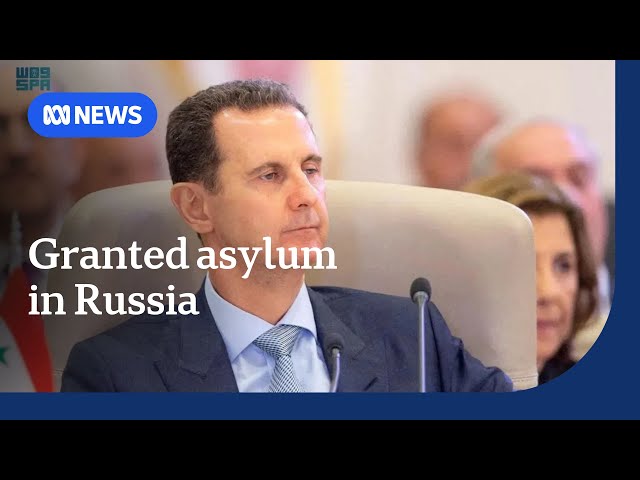
By Nitya Chakraborty The already war ravaged West Asian region has entered into a new phase of geo political turmoil with the ouster of the Syrian President Bashar-al Assad Government and the President fleeing from Damascus on Sunday to Moscow and granted asylum there by the Russian Government. The defeat of the Syrian Bath Party […]

New supply to weigh on office sector rental levels, while core retail high street rents continue to recover Grade A office year-to-date (YTD) net absorption as at mid-November recorded 1 million sq ft, with overall rents down by 5.9% in the same period. Rents are forecast to experience further downwards pressure in the 7%–9% range in 2025. Prime retail high street store leasing momentum slightly picked up […]

Oil prices have seen a notable uptick in recent weeks as escalating political tensions and shifting alliances in Syria continue to have a significant impact on the region’s oil production and global energy markets. As the influence of Bashar al-Assad’s regime wanes in the wake of Syria’s civil conflict, key players in the Middle East are positioning themselves to capitalize on the country’s vast energy resources, contributing to global price fluctuations.

Syria, once a minor oil producer in the Middle East, has become a focal point of geopolitical struggles. Despite being marred by years of civil war and under heavy international sanctions, the country still holds a considerable amount of oil, mostly concentrated in its northeastern region. For years, the Assad regime has relied on these oil fields for revenue, yet the ongoing conflict has severely hampered production and distribution capabilities.

One of the main factors contributing to the current rise in oil prices is the shifting control over Syria’s oil fields. While the Assad regime’s hold over these assets has weakened, both Kurdish forces and various regional actors have taken advantage of this power vacuum. The Kurdish-led Syrian Democratic Forces (SDF), with support from U.S. military forces, have been managing oil extraction in the northeast. However, their trade has been fraught with complications, as they have continued to sell crude to both Iraq’s Kurdistan Regional Government (KRG) and indirectly to the Assad regime, albeit under clandestine circumstances.

This complex trade network has drawn attention from global powers, with Washington’s policy fluctuating between trying to limit Assad’s access to these resources while also preventing the rise of other regional powers, including Russia, from exploiting the vacuum. U.S. efforts to maintain influence over the oil-rich regions have been complicated by the increasing involvement of Russian companies, such as Gulfsands Petroleum, which is now positioning itself to gain access to Syria’s energy assets. This has raised concerns that a shift toward Russian control could stabilize Assad’s regime financially and politically, but at the cost of U.S. objectives in the region.

As these power struggles unfold, oil prices have responded to market uncertainty. The Kurdish-controlled Syrian oil fields, despite being heavily damaged by the conflict, continue to produce, although at lower volumes compared to pre-war levels. However, the trade of oil at below-market prices has become more common, especially with the involvement of entities like Delta Crescent Energy. The U.S. company, which was initially granted a license to help the Kurdish-controlled Autonomous Administration of North and East Syria (AANES) boost its oil exports, faced significant challenges, including a lack of progress in securing long-term contracts. The Biden administration’s decision to revoke Delta Crescent’s license earlier this year has left the situation even more uncertain, and it remains to be seen whether the U.S. will allow new energy companies to enter the market.

Simultaneously, global oil prices have been influenced by shifts in Syria’s energy landscape. The ongoing conflict, the role of U.S. sanctions, and the intervention of Russia in the region’s oil trade have all contributed to price increases, as the Middle East remains a volatile hub for energy production. Additionally, international sanctions against Syrian oil exports have inadvertently created opportunities for black-market trading, often circumventing established sanctions regimes. As a result, global oil markets are left grappling with the complex realities of these geopolitical maneuvers.

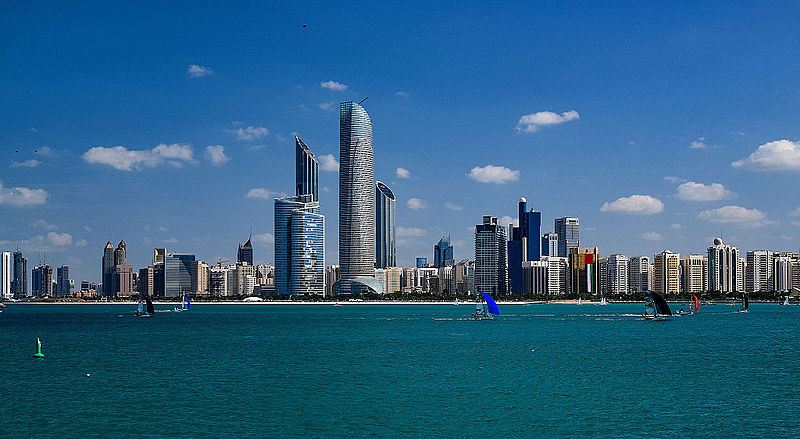
Abu Dhabi is steadily positioning itself as a global financial hub, attracting an increasing number of international bankers, investors, and financial institutions. The capital of the United Arab Emirates (UAE) has long been known for its oil wealth, but in recent years, its economic diversification strategies have begun to bear fruit, transforming it into a key player in the world’s financial markets. This shift is no longer just a future possibility; it is happening now, with rising interest from top-tier banking executives seeking to leverage the city’s infrastructure, favorable regulatory environment, and strategic position at the crossroads of Europe, Asia, and Africa.

As part of its ambition to become a leader in global finance, Abu Dhabi has made significant strides in enhancing its financial services ecosystem. Financial institutions, including major international banks, are increasingly opening branches and expanding operations in the city, attracted by its strategic location and investor-friendly policies. The UAE capital has also established itself as a center for private equity, wealth management, and Islamic finance, sectors where it continues to see consistent growth.

The financial sector in Abu Dhabi has grown rapidly, not just due to its historical advantages but because of deliberate policy decisions made by the government. For example, the Abu Dhabi Global Market (ADGM), a financial free zone established in 2015, has been pivotal in attracting foreign investment. ADGM offers a robust regulatory framework, tax exemptions, and a business-friendly environment that allows for greater ease of doing business compared to other regions in the Middle East.

Another factor drawing attention is Abu Dhabi’s growing role as a leading center for sustainable finance. The UAE has positioned itself as a key player in the global push towards greener investments, with Abu Dhabi at the forefront of green bonds and other sustainable financial products. In addition to the nation’s investment in renewable energy projects like the massive solar farm at Mohammed bin Rashid Al Maktoum Solar Park, the UAE has been a significant proponent of integrating environmental, social, and governance (ESG) criteria into investment strategies.

Abu Dhabi’s rise as a financial powerhouse is not only benefiting the city’s banks but also drawing the attention of global investment funds, particularly those looking to invest in markets with high growth potential. Financial giants from New York to London are setting up operations to tap into the rapidly growing wealth in the Gulf region, with Abu Dhabi being a prime location. The city’s appeal is also reinforced by its relatively low tax environment, particularly for foreign businesses, and the increased liberalization of the banking sector. This has helped make Abu Dhabi a go-to destination for global funds seeking to access emerging markets with fewer barriers.

The UAE government has long supported policies that encourage the diversification of the economy beyond oil, and banking and finance have become pivotal to this transformation. The establishment of the Financial Services Regulatory Authority (FSRA) has played an essential role in strengthening the regulatory framework, providing international businesses with confidence in operating within the emirate’s borders. This system offers a well-defined legal framework, based on international best practices, which ensures transparency and stability in the financial sector.

Abu Dhabi is seeking to capitalize on the global demand for fintech, especially with the increased adoption of digital financial services. Many leading global fintech companies have established a presence in the emirate, while government-backed initiatives continue to promote innovation in the sector. The growth of digital banking, blockchain technologies, and cryptocurrency is becoming more pronounced, positioning the city as an attractive destination for tech-driven financial services. The authorities in Abu Dhabi are keen to foster an ecosystem conducive to fintech startups, leveraging the city’s burgeoning tech infrastructure and access to venture capital funding.

In addition to financial services, Abu Dhabi’s ambitions are evident in its wealth management strategies. With a high concentration of wealthy individuals and families, Abu Dhabi has seen a surge in the demand for sophisticated wealth management services. The city’s wealth managers, private banks, and family offices are increasingly seeking to provide tailored services that cater to the unique needs of their clients. As such, Abu Dhabi is establishing itself as a key player in the high-net-worth individual (HNWI) market, attracting wealthy clients from the Gulf region and beyond.

International investors, particularly from Europe and Asia, are closely monitoring the developments in Abu Dhabi as they seek to capitalize on the economic growth that the emirate is experiencing. Many analysts view the city as one of the best places to invest in the Middle East, noting its ability to offer competitive returns and stability, especially in comparison to other regional markets that have seen geopolitical instability in recent years. Moreover, the city’s efforts to embrace innovation, sustainability, and diversification are making it an increasingly attractive destination for both traditional investors and those seeking to invest in cutting-edge sectors like green technologies and digital finance.


HONG KONG SAR – Media OutReach Newswire – 9 December 2024 – Zero Fintech Group (00093.HK) is thrilled to announce a strategic financing deal with Standard Chartered Bank (Hong Kong) Limited (“Standard Chartered”) (02888.HK) to enhance A.I. financing solutions for X Wallet. In 2024, registered users of the X Wallet App have seen an impressive uplift of 209% year-over-year, with monthly active users growing by 224%. This […]

VISHNU RAJA
RYO YAMADA
HITORI GOTOH
IKUYO KITA