SINGAPORE – Media OutReach Newswire – 12 January 2026 – SL Aesthetic Group celebrates its 22nd anniversary, marking its growth from a single clinic into a multi-brand medical aesthetics and healthcare group.
Founded in Singapore in 2003, the Group has grown to encompass five specialised brands operating more than twenty outlets across Singapore and the region.
SL Aesthetic Clinicoffers doctor-led skin, face and body treatments, and is one of Singapore’s longest-running medical aesthetics clinic.
SkinLab The Medical Spa, a dermatology-focused medical spa, specialises in medical-grade facials and skincare products for sensitive skin.
TrichoLab, a dedicated hair and scalp health brand specialising in medical hair loss solutions.
Euphie (Malaysia) is the Group’s Malaysia-based extension comprising Euphie Skin Solutions and Euphie Clinic, delivering medically supervised aesthetic care.
The Group has served more than 100,000 patients, with care provided by a team of 12 doctors and more than 100 trained specialists.
Over the past two decades, the concept of beauty and wellness has broadened into a more holistic approach to personal care—one that goes beyond aesthetics to support overall wellbeing. People are placing greater emphasis on long-term health, from their mental health and nutrition to their physical appearance. This shift has driven growing demand for preventive, medically supervised services that integrate aesthetics with broader health concerns.
In response to these changing needs, SL Aesthetic Group has expanded its medical services beyond skin and hair treatments, introducing more than 40 new offerings across its five specialised brand portfolios, including women’s health services.
Dr Kelvin Chua, Founder and Senior Medical Director of SL Aesthetic Group, said: “Reaching 22 years reflects the continuity of care we have built over time. As patient expectations change, our focus remains on delivering medically supervised services that support long-term health and well-being.”
As part of this expansion, the Group launched Prologue The Lifestyle Medical Clinic and Prologue Centre for Women’s Wellness in 2025. Prologue The Lifestyle Medical Clinic focuses on preventive care for chronic conditions, supported by artificial intelligence–enabled health screenings for early detection of conditions such as dementia and cancer. Meanwhile, Prologue Centre for Women’s Wellness addresses women’s health needs across different life stages, including perimenopause, menopause, and postpartum recovery.
Within Singapore, the group strengthened its physical presence with the opening of its tenth SL Aesthetic Clinic and SkinLab The Medical Spa outlet at iMall in Marine Parade, as a response to strong and sustained demand from patients in the eastern region.
Regionally, SL Aesthetic Group marked a milestone as its Malaysia-based brand, Euphie — comprising Euphie Skin Solutions and Euphie Clinic — celebrated its first anniversary. Building on this foundation, the Group plans to open an additional outlet in Malaysia, extending its medically supervised services to a wider patient base.
Looking ahead, SL Aesthetic Group plans to continue expanding its clinical footprint while maintaining regulatory compliance, clinical standards, and patient safety.
The issuer is solely responsible for the content of this announcement.
About SL Aesthetic Group
SL Aesthetic Group is one of Singapore’s longest-established medical aesthetic groups, with a presence in Singapore and Malaysia. The Group houses a diverse portfolio of brands, including SL Aesthetic Clinic, SkinLab The Medical Spa, TrichoLab, PROLOGUE, and Euphie (Malaysia).
Founded in the 2000s, SL Aesthetic Group specialises in skin and hair health, women’s wellness, and holistic medicine. Across its clinics and outlets, the Group offers a comprehensive range of FDA-approved aesthetic and medical treatments, all supervised by trained and certified healthcare professionals holding Certificates of Competency (COC) recognised by the Singapore Medical Council’s Aesthetic Practice Oversight Committee (APOC).
By K Raveendran Oil prices have jumped roughly six percent in the span of a week, pushing benchmarks to around $63 a barrel and jolting a market that had grown accustomed to softer expectations closer to $50. The move has been swift enough to prompt talk of an over-reaction, not least because traders have already […]
A software flaw in Apple’s iOS 26 has caused photographs shared from Android devices to display with an unexpected red tint when viewed on iPhones, triggering complaints across user forums and social platforms and underscoring persistent friction between the two mobile ecosystems. Users began reporting that images sent from Android phones via common messaging and sharing methods appeared noticeably warmer or reddish on iPhones running iOS 26, […]
Apple has rolled out a new subscription package aimed at video producers, podcasters and social media professionals, launching a “Creator Studio” bundle priced at $12.99 per month as the company deepens its push into the creator economy and recurring services revenue. The bundle brings together a suite of Apple-developed applications focused on video editing, audio production and graphics, integrating tools that were previously sold separately or bundled […]
HONG KONG SAR – Media OutReach Newswire – 13 January 2026 – Today, KGI has released its 2026 Global Market Outlook, covering markets in the US, Mainland China, Hong Kong, Taiwan, and Singapore.
(From left) James Chu, Chairman at KGI Securities Investment Advisory; James Wey, Head of International Wealth Management at KGI; Cusson Leung, Chief Investment Officer at KGI
After a turbulent year of trade disruptions and policy uncertainty under President Trump, investors face new questions. China has unveiled its 15th Five-Year Plan, as policymakers aim to support domestic growth amid global challenges. The market outlook for 2026 is shaped by interest rate decisions, economic resilience, and shifting international dynamics.
Under this backdrop, we propose the “LEAD” strategy for 2026:
Liquidity Shift
Earnings Focused
Adding Credit
Diversified Assets
Cusson Leung, Chief Investment Officer at KGI, says: “Looking ahead to 2026, investors can adopt a LEAD strategy: L stands for Liquidity Shift, benefiting from a weakening US dollar and interest rate cuts, with funds expected to flow to non-US dollar and Asian currencies; E stands for Earnings Focused, focusing on earnings growth to support valuations and allocating to US, European, and Japanese stocks; A stands for Adding Credit, locking in the credit of leading companies and increasing holdings of A-rated investment grade bonds; and D stands for Diversified Assets, responding to the upward trend in both stocks and bonds by including alternative assets to optimize asset allocation.”
Macro & US Markets The US economy will experience a more pronounced downturn in 4Q25, which will extend into 1H26, and this will have a negative impact on consumption, slowing investment activity. Nevertheless, AI-driven productivity gains should provide some support, with US GDP growth in 2026 forecast at 2.2%. The eurozone will see moderate growth, with Germany benefiting significantly from fiscal expansion and economic improvement. Japan’s economy will strengthen on domestic demand, aided by additional fiscal stimulus. China has demonstrated resilience under trade protectionism in 2025. With inflation risks easing and labor market risks rising, the US Fed cut the interest rates in September 2025, with a total reduction of 75 bps in 2025, followed by an additional 50-75 bps in 2026.
Regarding US stocks, AI-driven productivity gains and cost reductions should sustain solid profitability, with S&P 500 earnings projected to grow by 13.55% year-on-year (YoY) in 2026. However, higher risk premiums may cap valuation upside, leading us to project a year-end target of 7,650 points. Market performance will reflect risk-driven declines in 1Q26, stabilize and recover in 2Q26, and rally significantly around the midterm elections in 4Q26. By sector, among AI-related themes we favor technology, semiconductors, utilities (on higher power demand), machinery for advanced manufacturing, and industrial REITs. Non-AI beneficiaries include aerospace and defense (on higher military spending), pharmaceuticals (on tariff benefits), and capital market segments (supported by active investment banking). As for fixed income, US economic weakness and Fed rate cuts will drive Treasury yields lower, with 10-year yields expected to fall to 3.5-3.7% by 2Q26. We recommend allocating to US Treasuries or high-rated investment-grade corporate bonds in 1H26, then rotating into high-yield bonds in 2H26 as policy rates and economic conditions reach a bottom.
James Chu, Chairman at KGI Securities Investment Advisory, says:“AI is triggering a new productivity revolution, supporting economic growth and strengthening corporate earnings. While the US economy is expected to slow, a recession remains unlikely, and the short-term impact of tariff policies should gradually fade by the first quarter of 2026. Although the Fed may shift from cutting rates at every meeting to cutting at alternating meetings, the overall environment remains a rate-cutting cycle. In a non-recession backdrop, lower interest rates should continue to support equity market performance.”
Mainland China and Hong Kong Markets In terms of the macroeconomy, with the conclusion of trade agreements among many countries, risks have subsided. However, due to external drag, China’s GDP growth is expected to slow slightly to 4.6% in 2026. In 2026, investors should focus on four key areas for Hong Kong and mainland China markets: (1) In the consumption sector, domestic demand continued to be the core growth driver, contributing more than half of GDP. As the “trade-in” effect diminishes, the central government is expected to implement the “15th Five-Year Plan” and economic conference plans, launching a new round of subsidies covering culture, entertainment, and sports to continuously boost consumer spending. (2) In the financial market, risk appetite has increased. Given the narrowing spread between bond yields and fixed deposit rates, large amounts of savings are flowing into the capital market seeking returns. The fundamentals of the banking and insurance industries have bottomed out, and the credit structure is accelerating its shift from real estate to supporting the real economy. (3) Regarding the issue of “anti-involution,” the PPI remains weak, and capacity reduction has become a focus. Compared to 2015, this round involves more downstream private enterprises and needs to consider employment, presenting greater challenges. While industry consolidation is expected to be lengthy, the impact is controllable and beneficial for long-term healthy development. (4) Regarding new quality productive forces, this will replace real estate and infrastructure as the main investment focus. Digital infrastructure supports AI and embodied intelligence, and humanoid robots are expected to see commercialization in 2026, “iPhone moment.” Leading companies with core technological autonomy in innovative drugs will enjoy higher valuation premiums.
Overall, we are optimistic on Hang Seng Index. We expect the Federal Reserve’s interest rate cuts to drive fund inflows to the Hong Kong and mainland stock markets. Based on an upward revision of the forward PE ratio to 13.5x and 8% earnings growth, we set a target of 30,000 points for the Hang Seng Index by the end of 2026, representing a potential upside of approximately 14%. As confidence recovers, the investment style is expected to shift from defensive to growth stocks. Recommended 12 stocks: XPeng Motors (9868), UBTECH (9880), Tencent Holdings (700), Alibaba (9988), China Hongqiao (1378), AIA Group (1299), Ping An Insurance (2318), China Merchants Bank (3968), Akeso Biopharma (9926), Pop Mart (9992), Tencent Music (1698), and Sino Land (83).
Cusson Leung, Chief Investment Officer at KGI, says: “2026 marks a crucial turning point for the Chinese economy. While the market anticipates GDP growth to slow to 4.6%, “new quality productive forces,” resembling humanoid robots, is taking over as a new growth engine. The most critical signal in the market is the “awakening” of idle cash—massive savings are flowing from low-interest fixed deposits to the capital market seeking returns. With risk appetite returning and policy support intensifying, now is the time to shift investment strategies from “defensive” to “growth.” Driven by both valuation repair and earnings growth, we are optimistic that the Hang Seng Index will reach 30,000 points, and the allocation value of Hong Kong and mainland China stocks has reappeared.”
Taiwan Market Compared to the dot-com era bull run, which lasted almost five years, the current AI frenzy has been around for about three years, suggesting that the uptrend is still in its middle phase and could extend through 2026.
AI plays are trading at high PEs, such valuations are backed by strong fundamentals. In fact, the PEG ratio of Taiwan’s AI supply chain has yet to surpass 1x. We estimate that aggregate earnings of AI plays will grow by 21% YoY in 2026, following impressive upticks of 35% in 2024 and 43% in 2025. AI stocks now account for more than 60% of TAIEX earnings, and with the ongoing AI arms race, overall TAIEX earnings growth is projected to accelerate from 14% in 2025F to 20% in 2026.
Although the AI frenzy should keep the bull market intact, volatility will rise in tandem due to: (1) substantial cumulative gains, and the fact that valuations are approaching historic highs; (2) policy and political uncertainty surrounding the US midterm elections; and (3) potential changes in the US Fed’s rate-cut pace. We expect the TAIEX to repeat a “smile-curve” pattern, featuring continued strength in 1Q26, followed by healthy corrections in 2Q-3Q26 before closing the year with a renewed upswing.
We think investors need to pay attention to two major themes. The first is a broad-based product spec upgrade trend across the AI supply chain, which will drive the industry into a new growth phase, with beneficiaries including foundries, GPU and ASIC designers, advanced packaging (such as CoWoS), and ODMs, as well as testing interfaces, memory, thermal solutions, CCL, ABF substrates, PCBs, switches, and power component suppliers amid strong AI computing demand and ongoing GPU platform upgrades. The second is diversification and defensive asset allocation. Innovations in consumer electronics, such as foldable iPhones and smart wearables, will provide growth opportunities, while companies with resilient domestic demand and stable high dividend yields offer a balanced strategy combining growth and income. Overall, investors should strike a balance between growth and resilience against volatility in their portfolios, in the face of market fluctuations.
James Chu, Chairman at KGI Securities Investment Advisory, says:“The solid earnings growth driven by AI and still reasonable valuations form a strong foundation for the ongoing bull market in Taiwanese equities. With AI adoption accelerating across enterprises and consumers, demand for computing power is rising rapidly. Yet supply remains constrained by chip and power bottlenecks, meaning hardware suppliers are likely to face continued shortages through 2026. Taiwan’s AI supply chain is set to remain a key beneficiary, particularly those tied to next-generation specification upgrades.”
Singapore Market In 9M25, the overall performance of Singapore’s economy was better than expected as the global trade tensions eased after the US pivoted on its reciprocal tariffs and reached deals with its major trading partners. The manufacturing, wholesale trade and finance & insurance sectors remained the growth pillars of the Singapore economy, and each sector delivered decent growth. In particular, manufacturing’s growth has been robust, driven by the electronics, transport engineering and biomedical manufacturing clusters. The full year outlook is upbeat, as the growth momentum shall continue till the end of the year.
Looking ahead, the global economic outlook for 2026 suggests slower GDP growth for most of Singapore’s key trading partners, including China and the Eurozone, largely due to the impact of US tariffs, which will temper demand for Southeast Asian exports, though US growth is expected to remain resilient from AI investment. Consequently, Singapore’s outward-oriented sectors, particularly manufacturing and trade-related services, are projected to expand at a slower pace than in 2025, although the electronics and related sectors will benefit from AI demand, while some precision engineering and biomedical output may moderate domestically, the construction sector is set to grow, but consumer-facing sectors are likely to remain subdued. However, the relatively low interest rates and continuous government support shall buffer the impact of the slowdown, and the capital market will still benefit from the upward re-rating catalysts.
Chen Guangzhi, Head of Research at KGI Singapore, says: “Thanks to trade de-escalation and the AI wave, Singapore experienced significant economic expansion in 2025. Proactive government initiatives turbo-charged the equity bull run, and this strong momentum is expected to deliver an optimistic economic outlook for 2026.” Hashtag: #KGI #MarketOutlook
The issuer is solely responsible for the content of this announcement.
KGI
KGI* has been a leading financial institution in Asia since 1997. Our scope of business encompasses wealth management, brokerage, fixed income, and asset management. We are committed to offering a comprehensive range of financial products and services to corporate, institutional, and individual clients throughout Asia. Backed by KGI Financial Group, we have a robust footprint in Asia, covering Taiwan, Hong Kong, Singapore, Indonesia, and Thailand^.
*KGI refers to KGI Asia Limited and its affiliates. ^an investee enterprise of KGI Securities, not a subsidiary.
DISCLAIMER
All the information contained in this document is not intended for use by persons or entities located in or residing in jurisdictions which restrict the distribution of this document by KGI Asia Limited (“KGI”), or any other affiliates of KGI. Such information shall not constitute investment advice, or an offer to sell, or an invitation, solicitation or recommendation to subscribe for or invest in any securities, insurance or other investment products or services nor a distribution of information for any such purpose in any jurisdiction. In particular, the information herein is not for distribution and does not constitute an offer to sell or the solicitation of any offer to buy any securities in the United States of America, or to or for the benefit of United States persons (being residents of the United States of America or partnerships or corporations organised under the laws of the United States of America or any state, territory or possession thereof). All the information contained in this document is for general information and reference purpose only without taking into account of any particular investor’s objectives, financial situation or needs and may not be redistributed, reproduced or published (in whole or in part) by any means or for any purpose without the prior written consent of KGI. Such information is not intended to provide any legal, financial, tax or other professional advice and should not be relied upon in that regard.
All investments involve risks. The prices of securities fluctuate, sometimes dramatically. The price of a security may move up or down, and may become valueless. It is as likely that losses will be incurred rather than profit made as a result of buying and selling securities.
Bond investment is NOT equivalent to a time deposit. It is NOT protected under the Hong Kong Deposit Protection Scheme. Bondholders are exposed to a variety of risks, including but not limited to: (i) Credit risk – The issuer is responsible for payment of interest and repayment of principal of bonds. If the issuer defaults, the holder of bonds may not be able to receive interest and get back the principal. It should also be noted that credit ratings assigned by credit rating agencies do not guarantee the creditworthiness of the issuer; (ii) Liquidity risk – some bonds may not have active secondary markets and it would be difficult or impossible for investors to sell the bond before its maturity; (iii) Interest rate risk – When the interest rate rises, the price of a fixed rate bond will normally drop, and vice versa. If you want to sell your bond before it matures, you may get less than your purchase price. Do not invest in bond unless you fully understand and are willing to assume the risks associated with it. Please seek independent advice if you are unsure.
You are advised to exercise caution and undertake your own independent review, and you should seek independent professional advice before making any investment decision. You should carefully consider whether investment is suitable in light of your own risk tolerance, financial situation, investment experience, investment objectives, investment horizon and investment knowledge.
No representation or warranty is given, whether express or implied, on the accuracy, adequacy or completeness of information provided herein. In all cases, anyone proposing to rely on or use the information contained herein should independently verify and check the accuracy, completeness, reliability and suitability of the information. Simulations, past and projected performance may not necessarily be indicative of future results.
Information including the figures stated herein may not necessarily have been independently verified, and such information should not be relied upon in making investment decisions. None of KGI, its affiliates or their respective directors, officers, employees and representatives will be liable for any loss or damage of any kind (whether direct, indirect or consequential losses or other economic loss of any kind) suffered or incurred by any person or entity due to any omission, error, inaccuracy, incompleteness or otherwise, or any reliance on such information. Furthermore, none of KGI, its affiliates or their respective directors, officers, employees and representatives shall be liable for the content of information provided by or quoted from third parties.
Members of the KGI group and their affiliates may provide services to any companies and affiliates of such companies mentioned herein. Members of the KGI group, their affiliates and their directors, officers, employees and representatives may from time to time have a position in any securities mentioned herein.
Average petrol prices across the United States have dropped to about $2.79 a gallon, marking the lowest national level in roughly five years and delivering tangible relief to households after a prolonged period of volatility at the pump. Data compiled from nationwide fuel surveys show the decline has been broad-based, with most states reporting steady week-on-week falls as winter demand ebbs and supply conditions improve. The slide […]
HO CHI MINH CITY, VIETNAM – Media OutReach Newswire – 12 January 2026 – Ho Chi Minh City Development Commercial Bank (HDBank, ticker symbol: HDB) has successfully issued a second tranche of international green bonds worth US$50 million to the Dutch Entrepreneurial Development Bank (FMO) and British International Investment (BII), the UK’s development finance institution and impact investor, completing its $100 million international green bond initiative in 2025.
HDBank’s international green bond programme strengthens funding diversification and supports sustainable, green and inclusive finance initiatives in Vietnam.
The announcement was made at “The USD100 Million Green Bond Issuance Disclosure Ceremony” recently held between HDBank and its green bond investors including FMO, BII and the International Finance Corporation (IFC) – a member of the World Bank Group in the presence of the Deputy Consul General of the Netherlands and representatives from the British Consulate General in Ho Chi Minh City.
The bonds included $30 million privately issued to FMO and $20 million to BII. The first tranche was issued to IFC, which facilitated the participation of FMO and BII in the second tranche.
The bonds have a three-year term, are non-convertible and unsecured and issued without warrants.
Nguyen Huu Dang, HDBank’s CEO, said: “Sustainable development goals lie at the heart of HDBank’s strategy, which is centred on delivering the best value for customers, partners and the community. This international green bond initiative marks an important stepping stone on our journey towards achieving those goals.”
The issuance help diversify HDBank’s funding sources, support its sustainable growth strategy and create a foundation for it to continue attracting additional international capital for green finance, sustainable development and inclusive finance initiatives in Vietnam.
This, in turn, helps customers access capital to deploy solar energy projects, electric vehicles, green buildings, and other energy-saving solutions.
Projects financed by the green bond proceeds must undergo rigorous screening, meet environmental and social risk management requirements, and comply with eligibility criteria under the Bank’s Sustainable Finance Framework. These projects are expected to reduce approximately 102,000 tons of CO₂ over 10 years, improve environmental quality and contribute to Vietnam’s Net Zero 2050 commitment.
Weichuan Xu, IFC’s lead for the Financial Institutions Group in Vietnam, Cambodia and Lao PDR, said the issuance marked a significant step in expanding HDBank’s climate finance portfolio and advancing Vietnam’s economic and social progress.
“The funds raised will support projects that foster sustainable industries, generate jobs and strengthen communities,” he added.
Representatives from FMO and BII also highlighted the transaction as a strong signal of the growing readiness and potential of Vietnam’s sustainable finance ecosystem, helping attract more capital for climate-responsible projects.
With this milestone, HDBank reinforces its commitment to sustainable finance and the long-term prosperity of its customers, partners and the community, while expanding its presence on the global financial map.
Hashtag: #HDBank
The issuer is solely responsible for the content of this announcement.
New targets outlined for 2030 following the successful conclusion of the 25×25 sustainability targets
HONG KONG SAR and SHANGHAI, CHINA – Media OutReach Newswire – 12 January 2026 – Hang Lung Properties Limited (SEHK stock code: 00101) (“Hang Lung” or the “Company”) today announces a new phase in its sustainability journey, unveiling 20 refreshed 2030 targets that build on its success in achieving its 25 x 25 Sustainability Targets.
Launched in 2021, the 25 x 25 targets defined Hang Lung’s agenda to the end of 2025 across four priorities: Climate Resilience, Resource Management, Wellbeing, and Sustainable Transactions. The Company has achieved its earlier ambitions, and exceeded targets related to greenhouse gas emissions reduction, renewable energy, and energy efficiency. Establishing such a concrete and robust set of targets also helped the Company develop practices in sustainability innovation and continual improvement.
Building on this success, now with expanded data, greater organizational maturity, and heightened ambition, Hang Lung’s refreshed 2030 targets reflect its position as an industry leader in sustainability.
The 20 targets for 2030 continue to be organized under the four priorities that define Hang Lung’s approach to sustainability, including the below highlights:
Climate Resilience: Among the first real estate companies in Asia to have near- and long-term targets fully aligned with the Science Based Target initiative’s Buildings Criteria and its emission reduction pathway (1.5°C). Also, Hang Lung is the first real estate company in Asia to establish a Climate Value-at-Risk target.
Resource Management: The first real estate company in Asia to formulate a target for biodiversity net gain (10%) on all new development projects and major renovations, supporting urban ecosystems and enhancing green spaces.
Wellbeing: Generate at least HK$40 million in social value through community investments.
Sustainable Transactions: Collaborate with tenants representing 25% of our leased floor area through our sustainability partnerships program.
Collaboration across the value chain remains central to Hang Lung’s approach, extending beyond traditional metrics. Hang Lung aims to partner with suppliers and tenants through quantifiable targets to drive progress upstream and downstream. In addition, the Company is committed to supporting innovation in standards development to facilitate impactful sustainability initiatives across sectors and jurisdictions.
Mr. Adriel Chan, Chair of Hang Lung Properties and Chair of the Sustainability Steering Committee, commented: “We are excited to embark on this next phase of our sustainability journey, reflecting Hang Lung’s growing role not just as a leader in sustainability action, but also in sustainability thought leadership. By working closely with partners across our value chain, we are confident that we can deliver on these commitments and continue to foster excellence in sustainable development in Asia.”
Mr. John Haffner, Deputy Director – Sustainability, added: “Over the past several years, we have seen how ambitious targets focus our efforts and help develop a culture of innovation. Building on our achievements and lessons learned, our 2030 targets are sharper and more data-driven, and will help us achieve greater impact in our communities.”
Full details of the 25 x 25 wrap-up and the new 2030 targets will be shared in Hang Lung’s 2025 Sustainability Report to be released in March. The report will provide further insights into the Company’s achievements, lessons learned, and emerging plans to support the refreshed 2030 targets, inviting partners and the wider public to join forces in shaping a sustainable future.
Appendix Overview of 2030 Sustainability Goals and Targets
Priority
2030 Goals
2030 Targets
Climate Resilience
Reduce carbon footprint in line with science and adapt to a changing climate
1. In-use operational emissions: 56.1% per m2 reduction in scope 1, 2 and 3 in-use operational GHG emissions of owned and leased buildings from a 2023 base year.
2. Upfront embodied emissions: 42% reduction in upfront embodied emissions from a 2023 base year.
3. Renewable electricity: 70% of our landlord’s electricity consumption across the portfolio provided by renewable electricity.
4. Adaptation: 10% reduction in our Climate Value-at-Risk compared to the absence of implemented adaptation measures.
Resource Management
Drive efficient and circular use of natural resources and help regenerate nature
5. Energy Use Intensity: 10% reduction in the landlord’s energy use intensity from a 2023 base year.
6. Operational Waste: 35% recycling of municipal solid waste generated from operating properties.
7. Construction Waste: 90% recycling of construction waste generated from construction sites.
8. Water: 8% reduction in freshwater intensity from a 2023 base year.
9. Biodiversity: 10% biodiversity net gain on all new development projects and major renovations with landscape renovation.
Wellbeing
Foster safe, inclusive and healthy spaces that enhance quality of life for all stakeholders
10. Health and safety: Maintain zero work-related fatalities, serious injuries, and occupational diseases for employees and contractors. Maintain a Lost Time Injury Rate of 1.5 or below for employees and contractors.
11. Indoor air quality: Maintain, more than 90% of the time, PM2.5, TVOC and CO2 levels below levels defined in the RESET Air standard.
12. Employee engagement: Maintain an employee engagement survey rating greater than or equal to the 75th percentile.
13. Diversity: At least 5% of our workforce across the portfolio is comprised of people from diverse backgrounds.*
14. Diversity: Maintain Female-to-Male pay ratio of 1:1; maintain gender balance in management positions.
15. Social impact: Create at least HK$40 million in social value through our community investments.
Sustainable Transactions
Collaborate with key stakeholders across our value chain to advance our sustainability priorities
16. Tenant electricity intensity: Benchmarking provided to 100% of tenants across the Chinese Mainland portfolio and work with tenants towards a 10% reduction in their electricity intensity from a 2023 base year.
17. Tenants: Tenants representing 25% of our leased floor area in applicable Chinese Mainland and Hong Kong properties participate in our tenant sustainability partnerships program.
18. Suppliers: Regularly conduct ESG risk screening for 100% of active suppliers and provide ESG assessments for suppliers covering 50% of spending.
19. Procurement: 15% of spending on operational procurement qualifies as sustainable procurement.
20. Standards development: Undertake at least three innovative initiatives in standards development to help accelerate learning and sustainability impact.
* Our definition of diverse background includes people with disabilities and ethnic minorities.
Hashtag: #HangLungProperties
The issuer is solely responsible for the content of this announcement.
About Hang Lung Properties
Hang Lung Properties Limited (SEHK stock code: 00101) creates compelling spaces that enrich lives. Headquartered in Hong Kong and Shanghai, the Company manages a portfolio of over 3.5 million square meters of retail, office, residential, and hotel properties across Hong Kong and mainland China.
The Company’s diverse portfolio in Hong Kong includes office towers and malls in prime districts, as well as luxury residential developments in prestigious areas. In mainland China, under the signature “66” brand, the Company’s mixed-use and retail developments are regarded as premium landmarks, strategically located in the hearts of key cities of Shanghai, Shenyang, Jinan, Wuxi, Tianjin, Dalian, Kunming, Wuhan, and Hangzhou.
The Company is recognized for pioneering sustainability in the real estate industry, with an MSCI ESG rating of AA and inclusion on CDP “A List” for Climate Change. The Company powers 80% of its operating properties in the Mainland with renewable energy, with a net zero commitment by 2050.
Dubai’s financial regulator will bar privacy-enhancing cryptoassets from operating inside its main international finance hub from January 12, 2026, sharpening the emirate’s stance on anti-money laundering and sanctions compliance while tightening how stablecoins can be issued and used. The decision by the Dubai Financial Services Authority applies within the Dubai International Financial Centre and prohibits regulated firms from trading, holding, promoting or facilitating privacy tokens and transaction-obfuscation […]
African carriers outperformed global peers as air travel demand climbed to a November peak, underscoring a broad-based recovery in cross-border movement and a steady recalibration of airline capacity. International travel drove the expansion, with revenue passenger kilometres rising 7.7% year on year, while total international capacity increased 7.1%, lifting the load factor to 84.0%, the highest recorded for the month. The data point to a market where […]
By Nantoo Banerjee The theatres of state-sponsored piracy are expanding, from the traditional Red Sea, Gulf of Oman, Somali Basin to the Black Sea and now the Atlantic. The recent US seizure of Russian-flagged oil tanker, Marinera, originally known as the Bella-1, after pursuing the vessel for weeks across the Atlantic, may be considered as […]
Greenlogue/AP Abu Dhabi Future Energy Company PJSC – Masdar has signed a long-term power purchase agreement for a 150-megawatt solar photovoltaic project in Angola, marking its first contracted power deal in the country and extending the company’s African portfolio at a time when regional governments are accelerating grid expansion and energy diversification. The agreement covers the Quipungo Solar PV project, located in Angola’s southern region, and was […]
Samsung Electronics has warned that a tightening supply of memory chips risks pushing up prices for televisions, smartphones and home appliances, broadening the impact of a global shortage driven by surging demand for artificial intelligence hardware. The caution underscores how constraints in a core component are rippling across consumer electronics at a time when manufacturers are racing to invest in AI-centric products. Speaking on the outlook […]
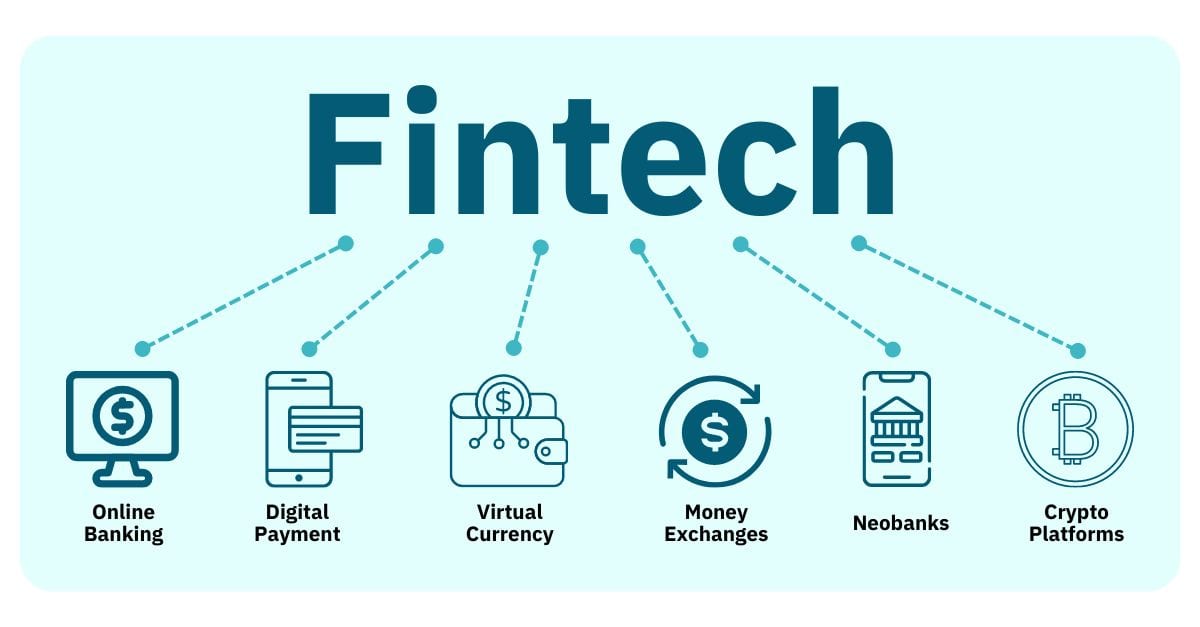
Bengaluru | Banking-as-a-Platform is moving from concept to commercial backbone across the country’s financial system, as lenders open their digital rails to fintech partners and reposition themselves as infrastructure providers rather than closed institutions. The model allows banks to expose core capabilities—accounts, payments, lending, compliance and data—through secure application programming interfaces, enabling third parties to build, distribute and monetise financial products at speed.
This shift has gathered momentum as regulatory digital public infrastructure, rising smartphone penetration and instant payments have converged. Unified Payments Interface volumes continue to expand across peer-to-peer and merchant transactions, while account aggregation frameworks allow consent-based data sharing that reduces onboarding friction and credit assessment time. Against this backdrop, platform-led banking is emerging as a scalable engine for fintech growth, changing how products are designed, priced and distributed.
Large lenders and new-age banks have invested heavily in API layers that sit atop legacy cores, separating product logic from distribution. This architectural change allows fintechs to “plug” into regulated balance sheets without becoming banks themselves, “play” by composing features such as KYC, payments or credit scoring, and “scale” nationally without building costly compliance stacks. For banks, the appeal lies in fee income, wider distribution and better utilisation of capital through co-lending and embedded finance.
Executives across the sector say the platform approach has shortened product launch cycles from months to weeks. Consumer lending, merchant credit, wealth distribution and cross-border remittances have been early beneficiaries, with embedded finance extending to ride-hailing, e-commerce, logistics and software-as-a-service platforms. Small enterprises, long constrained by paperwork and collateral requirements, are gaining access to working capital through cash-flow based underwriting that draws on real-time transaction data.
The commercial logic is reinforced by economics. API monetisation—charging per call, per transaction or via revenue sharing—creates annuity-like income streams for banks. Fintechs gain variable cost structures that align expenses with growth. Analysts note that platforms with high uptime, predictable latency and robust documentation are attracting repeat developers, creating network effects similar to cloud marketplaces.
Regulatory guardrails remain central to the model’s credibility. Data localisation rules, customer consent standards and outsourcing guidelines shape how banks expose systems and how partners handle information. Supervisors have emphasised accountability, making licensed entities responsible for customer outcomes even when services are delivered through partners. This has pushed banks to strengthen vendor risk management, audit trails and incident response, while fintechs have had to mature governance and security practices.
Competition among banks has intensified around developer experience. Dedicated sandbox environments, self-serve onboarding and standardised APIs are becoming differentiators. Some lenders have carved out platform subsidiaries to attract talent and ring-fence technology risk, while others have partnered with specialist middleware firms to accelerate rollout. Public sector banks, once seen as slow movers, are also modernising stacks to participate in ecosystem distribution rather than cede ground.
The platformisation trend is reshaping balance-sheet strategies. Co-lending arrangements allow banks and non-bank financiers to share risk, with fintechs originating and servicing loans using data-driven models. In payments, banks are focusing on high-volume, low-cost rails while fintechs compete on user experience and value-added services. Wealth platforms are distributing mutual funds, bonds and insurance through APIs that streamline compliance and reporting.
Challenges persist. Legacy core systems can constrain throughput, requiring phased migrations that test execution discipline. Cybersecurity threats rise with greater connectivity, demanding continuous monitoring and zero-trust architectures. Pricing APIs too aggressively risks discouraging innovation, while underpricing leaves money on the table. There is also the question of differentiation: as APIs commoditise, banks must decide where to invest for unique value, whether in data analytics, sector-specific products or risk pricing.
Talent remains a pressure point. Demand for engineers fluent in financial protocols, security and scalable systems outstrips supply, pushing up costs. Cultural change inside banks—shifting from project delivery to product thinking—has proven as important as technology. Successful platforms tend to empower cross-functional teams, publish clear roadmaps and treat external developers as customers.
Publisher Hooded Horse has imposed a blanket ban on the use of AI-generated assets across all games it releases, marking one of the clearest industry rejections of generative art tools at a time when many studios are experimenting with them. The policy applies to every stage of development and is written directly into publishing contracts, making compliance a legal as well as creative requirement. The stance was […]
Government authorities are moving to compel smartphone manufacturers to submit portions of their operating system source code for mandatory security audits, escalating a standoff with global technology companies that warn such a requirement could undermine intellectual property protections and user privacy. The proposal, under discussion within policy circles in New Delhi, reflects mounting concern about cyber intrusions, supply-chain vulnerabilities and the growing role of mobile devices in payments, governance and national security.
Officials familiar with the matter say the plan would require vendors selling smartphones in the country to make critical software components available for inspection by government-approved laboratories. The focus would be on core operating system layers, firmware and security modules rather than consumer-facing applications. Proponents argue that access to code is essential to verify whether hidden vulnerabilities, backdoors or insecure update mechanisms could be exploited by hostile actors.
The push has brought the government into direct tension with companies such as Apple and Samsung, whose devices dominate the premium and mass-market segments. Executives and industry representatives have privately conveyed resistance, arguing that exposing proprietary code, even to auditors bound by confidentiality, creates unacceptable risks of leaks and reverse engineering. They also contend that global platforms already undergo extensive third-party security testing and comply with international standards.
At the heart of the debate is whether national security imperatives justify a departure from prevailing global norms. Countries including China and Russia operate regimes that allow state scrutiny of technology products, though often under opaque processes that foreign firms say are difficult to reconcile with commercial safeguards. Western regulators have largely relied on certification frameworks, vulnerability disclosure programmes and cooperation with vendors rather than direct access to source code. India’s approach, if formalised, would place it closer to the former camp, potentially setting a precedent for other large emerging markets.
Government officials counter that smartphones have become gateways to sensitive data far beyond personal communications. Devices are routinely used for digital identity verification, financial transactions and access to public services. Any systemic weakness could have cascading effects. They also point to a rise in sophisticated cyber operations attributed by security researchers to state-linked groups, arguing that reliance on vendor assurances is no longer sufficient.
The proposal is understood to be steered by the Ministry of Electronics and Information Technology, which has expanded its remit in cybersecurity and digital governance. Policy discussions have examined models ranging from escrow-based code access, where source material is held by a trusted intermediary, to controlled on-site inspections without code being copied. Each option presents trade-offs between assurance and exposure.
Industry bodies warn that mandatory disclosure could chill investment and complicate product launches. Smartphone operating systems are developed on global codebases, updated frequently and protected by layers of licensing agreements with component suppliers. Altering that structure for a single market risks fragmenting development and delaying security patches. There are also concerns about reciprocity: once one jurisdiction demands code access, others may follow, multiplying compliance burdens.
Privacy advocates occupy an ambivalent position. Some support deeper scrutiny to ensure devices do not surreptitiously collect or transmit data. Others caution that state access to low-level software could itself become a vector for abuse if oversight is weak. They stress the need for transparent audit criteria, independent supervision and clear limits on how findings are used.
The commercial stakes are significant. India is one of the world’s largest smartphone markets by volume and a critical manufacturing hub under production-linked incentive schemes. Companies have invested heavily in assembly plants and local supply chains, betting on policy stability. A protracted dispute over code access could influence decisions on future capacity and research investment, even if an outright exit is unlikely.
Control over personal photo archives stored in Apple’s iCloud has taken on sharper relevance as users look for greater autonomy over their data, and a small open-source project has emerged as a practical response to that demand. icloudpd, a Python-based command-line utility, allows users to download and synchronise photos and videos from iCloud to local storage, offering an alternative to Apple’s tightly integrated ecosystem. Developed originally […]
China’s commerce authorities have set out plans to reinforce the country’s legal and regulatory architecture governing trade, placing export controls and supply-chain risk management at the centre of economic policy for the year ahead. The agenda, outlined by the Ministry of Commerce of the People’s Republic of China, reflects Beijing’s determination to shield domestic industries from external shocks while maintaining its position as a pivotal node in global manufacturing and logistics networks.
Officials said the push will focus on tightening the legal framework that underpins foreign trade, improving the design and enforcement of export control mechanisms, and strengthening early-warning systems to guard against disruptions. The ministry described supply-chain resilience as a strategic priority, arguing that legal certainty and predictable controls are essential to sustaining economic stability amid persistent geopolitical tensions and shifting global demand.
Export controls have become a particularly sensitive policy lever for China as advanced technologies, critical minerals and dual-use goods face growing scrutiny worldwide. Over the past two years, Beijing has expanded the scope of its export control regime, introducing licensing requirements and compliance obligations that mirror, in some respects, measures imposed by other major economies. Officials now say further refinement is needed to close loopholes, clarify enforcement standards and ensure that rules are aligned with broader industrial and security objectives.
The commerce ministry’s policy outline also emphasises the need to improve coordination among regulators, customs authorities and law-enforcement agencies. By streamlining oversight and information-sharing, Beijing aims to reduce regulatory fragmentation that businesses have long complained adds cost and uncertainty to cross-border operations. Officials argue that a more coherent system will help enterprises navigate compliance requirements while allowing the state to respond more swiftly to emerging risks.
Legal experts in China note that the emphasis on statutory clarity signals a shift away from ad hoc administrative guidance towards more formalised rules. This approach, they say, could provide companies with clearer expectations, particularly foreign-invested firms that often struggle to interpret policy signals. At the same time, stronger legal backing for export controls may give regulators broader discretion to act when national security concerns are invoked.
The policy direction comes as global supply chains continue to recalibrate. Trade frictions, sanctions regimes and technology restrictions have prompted multinational companies to reassess sourcing strategies, diversify production bases and build redundancy into logistics networks. China, while seeking to retain its manufacturing dominance, has also encouraged domestic firms to reduce exposure to external vulnerabilities by investing in upstream capabilities and alternative markets.
Officials have framed the new priorities as part of a broader effort to balance openness with security. While reaffirming commitments to trade facilitation and market access, the commerce ministry stressed that safeguarding key sectors and technologies remains non-negotiable. This dual emphasis reflects guidance from top leadership that economic policy must serve both development and security goals, a theme repeatedly highlighted in speeches by Xi Jinping.
Industry analysts say the strengthened export control regime is likely to have uneven effects across sectors. Producers of high-tech components, rare earths and advanced materials may face tighter scrutiny, while exporters of consumer goods could see limited direct impact. However, the broader compliance environment may become more demanding, requiring companies to invest in legal expertise, internal controls and supply-chain mapping.
Foreign chambers of commerce in China have previously urged authorities to ensure transparency and proportionality in export control enforcement. Businesses worry that ambiguous rules or retroactive application could disrupt contracts and undermine confidence. The commerce ministry has sought to address these concerns by signalling that legal reforms will be accompanied by clearer guidance and procedural safeguards, though details on implementation timelines remain limited.
Beyond export controls, the policy outline highlights risk prevention across trade finance, logistics and overseas investment. Officials pointed to the need for monitoring mechanisms that can detect stress points early, whether arising from financial volatility, shipping bottlenecks or regulatory changes abroad. Strengthening such systems, they argue, will help Chinese firms adapt more quickly and reduce the likelihood of cascading disruptions.
BYD has begun integrating advanced LiDAR sensing into some of its lowest-priced electric vehicles, a move that signals a sharp escalation in the race to make assisted and autonomous driving features available to mass-market buyers. The Chinese automaker has confirmed that models including the Seagull and Dolphin will carry LiDAR-based perception as part of its proprietary “God’s Eye” driver-assistance system, despite starting prices that hover around the […]
Google has unveiled a Universal Commerce Protocol designed to allow artificial intelligence agents to search, recommend and complete purchases across multiple retail platforms, marking a strategic push to standardise how online shopping works in an era of increasingly autonomous digital assistants. The announcement was made at the 2026 National Retail Federation conference, where technology providers and merchants gathered to outline priorities for the year ahead. The protocol […]
Walmart plans to scale its drone delivery programme with Alphabet-owned Wing, aiming to serve about 40 million people across the United States by 2027 as it pushes automated logistics deeper into everyday retail. The expansion is designed to shorten delivery times for small items to under 30 minutes and sharpen competition with Amazon in fast fulfilment. The retailer intends to add drone operations to roughly 150 additional […]
JPMorgan Chase has played down claims that stablecoins pose a systemic threat to the banking sector, diverging from warnings issued by banking trade groups that argue the growth of yield-bearing digital tokens could drain deposits and undermine credit creation across the United States. The debate intensified after the American Bankers Association sent a letter to the U. S. Senate cautioning that certain stablecoins, particularly those offering interest […]
Ethereum co-founder Vitalik Buterin has warned that decentralised stablecoins, long promoted as a trust-minimised alternative to fiat-backed tokens, continue to suffer from deep structural weaknesses that have yet to be resolved. His assessment underscores persistent concerns around price benchmarks, oracle security and incentive design, at a time when stablecoins are becoming more central to crypto markets and policy debates. Buterin’s comments centre on the challenge of maintaining […]
A widening gap between alarmist rhetoric and practical policymaking around artificial intelligence is threatening investment and innovation, according to Jensen Huang, who has urged governments, industry and the public to move beyond what he describes as “AI doomerism”. Speaking amid accelerating deployment of large-scale models across industries, the chief executive of Nvidia said exaggerated fears were distorting debate and already discouraging capital flows into technologies with […]




 By K Raveendran Oil prices have jumped roughly six percent in the span of a week, pushing benchmarks to around $63 a barrel and jolting a market that had grown accustomed to softer expectations closer to $50. The move has been swift enough to prompt talk of an over-reaction, not least because traders have already […]


 https://www.kgi.com.hk/en/
 https://www.linkedin.com/company/kgi-hongkong/
 https://www.facebook.com/KGI.HongKong?mibextid=JRoKGi&rdid=a4NoCGXY72nFghtQ&share_url=https%3A%2F%2Fwww.facebook.com%2Fshare%2F15kKKLreMr%2F%3Fmibextid%3DJRoKGi#

 https://www.instagram.com/kgi.hongkong?igsh=MTI5ems1ZzNlZ3YyMQ==



 Bengaluru | Banking-as-a-Platform is moving from concept to commercial backbone across the country’s financial system, as lenders open their digital rails to fintech partners and reposition themselves as infrastructure providers rather than closed institutions. The model allows banks to expose core capabilities—accounts, payments, lending, compliance and data—through secure application programming interfaces, enabling third parties to build, distribute and monetise financial products at speed.