Just in:
Rahul addresses League’s INDIA bloc grievances
// Jaiedco and Golden Bridge Announce Strategic Collaboration for a New Dubai Islands Development // Saudi Arabia schedules multinational top-up tax for 2027 // Sui activates Hashi Bitcoin lending across partner network // Padmini follows Padmaja for ‘ghar vapsi’ // Phancy Announces Business Performance for the Nine Months Ended September 30, 2026 // ED searches five districts in probe against hawala // Toward a Shared Future for Humanity: Rethinking Civilizational Exchange // Fungal toxins detected across 212 UK plant-based products // Egypt’s African Union trade climbs to $8.2 billion // Ex-minister named accused in Messi visit fraud case // Diabetes Malaysia And Alpro Pharmacy Set National Record With 11,007 Most Blood Glucose Screenings Conducted Across Malaysia In Just 48 Hours // Singapore regulator cautions against AI access to bank logins // Crypto market loses $150 billion amid broad sell-off // Dubai Introduces SHARH, an AI-Powered Platform Helping Entrepreneurs Buy, Sell and Manage Businesses in the UAE // PayerMax and ShopeePay Strengthen Strategic Partnership to Advance Digital Payment Collaboration in Southeast Asia // Bail refused to 17-year old in Abhiram murder // Promoting Common Human Development Through Exchanges and Mutual Learning Among Civilizations // Technology at Work, Heritage for All: The “Chinese Approach” to Safeguarding the Leshan Giant Buddha // Saudi defences destroy three Houthi missiles targeting Riyadh //

News related to
prove no

Abu Dhabi Fund for Development has advanced regional energy integration by extending AED 752 million to the Gulf Cooperation Council Interconnection Authority, supporting the expansion of the UAE’s national grid interconnection with the wider GCC electricity network. This strategic financing, signed at ADFD headquarters in Abu Dhabi, aims to enhance cross-border power exchange and reinforce regional energy reliability. The deal facilitates construction of a 96 km, 400 kV double-circuit overhead transmission […]

Sheikh Hamdan bin Mohammed bin Rashid Al Maktoum has greenlit an ambitious slate of strategic initiatives aimed at bolstering Dubai’s stature as a global epicentre for education, business, and eco‑development. The moves—from visa reforms and international academic partnerships to air‑quality drives and governance frameworks—signal a broad shift aligned with the emirate’s Education Strategy 2033 and Economic Agenda D33. At the heart of the agenda is Dubai’s higher‑education transformation. With 37 […]

Dubai residents can now view their personal credit report and credit score directly within the DubaiNow app following a newly launched integration with Etihad Credit Bureau. The partnership enables users to access crucial credit information with a single tap—bringing financial insights closer to everyday urban life.

Officials emphasise that this move reflects a strategic direction toward seamless digital service delivery. Marwan Ahmad Lutfi, Director General of Etihad Credit Bureau, underscored the bureau’s commitment to national digital transformation, noting the use of advanced APIs to simplify user access to credit data. Matar Al Hemeiri, CEO of Digital Dubai Government Establishment, added that the integration reinforces Dubai’s position as a hub for digital innovation and aligns with the “We the UAE 2031” vision for a connected, smart society.

DubaiNow, developed by Digital Dubai, offers over 300 services — ranging from bill payments and health records to official documentation. The inclusion of credit reports and scores builds on its role as a one-stop platform for private and government services. This feature eliminates the need for separate logins or visits to multiple platforms—credit information is now readily accessible to users seeking clarity on their financial standing.

Earlier, Etihad Credit Bureau successfully integrated with Abu Dhabi’s TAMM platform, and this step represents a widening push across emirates to bridge credit services with digital portals. Sources highlight that such integrations are part of a broader effort to promote financial literacy, transparency, and empowered decision‑making among residents. Access to credit scores supports informed borrowing and better personal finance management.

Although specific usage metrics have not been disclosed, industry analysts see significant potential. By delivering real-time credit insights directly inside an app used daily by millions, the integration might reduce friction in credit awareness, which could lead to more responsible lending and borrowing—even small improvements in payment discipline or credit visibility can have outsized impact on personal financial health.

Affordability remains a factor: Etihad Credit Bureau’s website lists the cost of a personal credit report at AED 84, with a standalone credit score costing AED 10.50. However, it is not yet clear whether these fees apply within DubaiNow or if special rates have been arranged for app users. Users should check within the app for pricing details.

Security is paramount. Etihad Credit Bureau employs stringent data encryption and authentication measures to protect sensitive credit information. DubaiNow leverages UAE Pass for identity verification, ensuring that only authorised individuals access their own financial data.

The integration occurs amid rapid digital government expansion across the Gulf, where unified platforms are central to delivering frictionless user experience. By adding credit insights to DubaiNow, authorities anticipate a future where financial and administrative services converge—expected to boost efficiency for users and public institutions alike.

Going forward, observers expect Etihad Credit Bureau to extend integration to further emirate-level services and fintech platforms, creating a comprehensive, country-wide credit information network. Proponents argue such a system would enhance economic resilience by embedding credit awareness into everyday digital interactions.

Two of Dubai’s Top 20 Real Estate Professionals Come from the Same Brokerage Dubai, UAE – June 2025: With thousands of agents competing in one of the world’s fastest-paced property markets, Dubai real estate has become as much about standing out as it is about selling. In this competitive climate, brokerages are pressured to offer more than just a desk—they must offer vision, support, and leadership. That’s […]

Claudia, a newly released open‑source graphical user interface for Anthropic’s Claude Code, brings a visually intuitive layer to the traditionally command‑line driven tool. Developed by YC‑backed Asterisk, this desktop application enables developers to manage projects, run interactive AI agents, and track progress—all through a local, privacy‑focused interface. The interface addresses growing frustrations among developers using Claude Code’s text‑only environment. Asterisk’s design employs Tauri for cross‑platform deployment, along […]

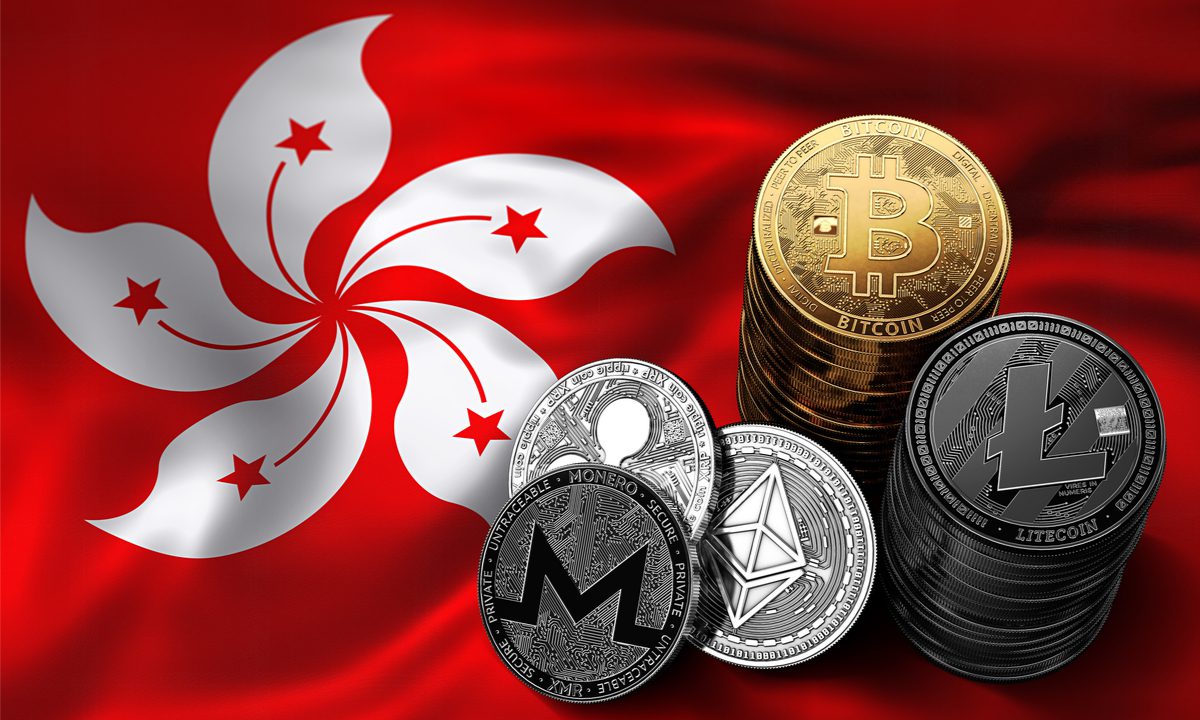
Hong Kong’s government on 26 June issued its Policy Statement 2.0 on the development of digital assets, signalling a decisive push to position the city at the forefront of the global crypto landscape. The statement introduces the comprehensive “LEAP” framework—Legal, Expand, Advance, People—underlining a mission to develop a trusted, innovative, and deeply integrated ecosystem for digital assets.

The regulatory reforms assign explicit oversight roles: the Securities and Futures Commission will licence digital asset exchanges, custodial and dealing services, while the Hong Kong Monetary Authority will govern bank-related activities in the sector. In addition, licensing regimes for stablecoin issuers and custodians are scheduled to commence on 1 August 2025, designed to strengthen anti‑money‑laundering safeguards, investor protection, and transparency in stablecoin issuance.

Central to Policy 2.0 is a commitment to tokenisation of traditional financial instruments and real‑world assets. The government will regularise issuance of tokenised government bonds, streamline stamp‑duty treatment for tokenised ETFs, and legislate to support tokenisation of assets such as precious and non‑ferrous metals, and renewable energy products. These bids aim to boost liquidity and broaden market access, aligning with existing initiatives such as the HK$6.8 billion in green bond token issuances since 2022.

Stablecoins also feature prominently, with proposals to pilot licensed stablecoins in public sector uses. Market consultation is seeking input on integrating these instruments into government operations and cross‑border payments, underpinned by stricter regulatory clarity. Tax incentives for private investment vehicles and family offices trading digital asset securities are expected in the 2025–26 fiscal year, aligning digital and traditional financial regimes.

International alignment is embedded in the blueprint. Hong Kong’s framework adheres to global standards—covering anti‑money‑laundering as per FATF, Basel Committee prudential supervision, IOSCO’s policy recommendations, and OECD crypto‑asset tax transparency measures. Complementary pilot schemes include HKMA’s “Project Ensemble” wholesale central bank digital currency trials, LME‑backed tokenisation of metal assets in Hong Kong warehouses, and a Cyberport‑sponsored incubator scheme to finance blockchain startups.

Since unveiling its original 2022 policy, the government has approved licences for over a dozen digital asset platforms, including nine trading licences and OTC frameworks, and supported tokenised bond issues by both government and corporate entities. Financial Secretary Paul Chan and SFC chief Julia Leung emphasise that this next phase marks a departure from pilot testing, transitioning toward institutionalisation and global competitiveness.

Industry leaders responded positively. Legal and compliance expert Cora Ang described the framework as “a strategic win” that aligns regulatory clarity with stablecoin and tokenisation growth. HashKey CEO Xiao Feng noted the city is entering a “new stage of maturity”, transitioning from sandbox environments to a substantive digital assets regime. Historical drivers such as the JPEX OTC fraud prompted regulators to enforce tighter custody and trading separation to protect investors.

Notably, fintech legal advisers in Hong Kong report surging demand. Firms are actively supporting issuance of tokenised gold and digital bonds, as banks like Bank of Communications and Zhuhai Huafa Group deploy digital debt instruments via licensed platforms. Meanwhile, legal specialists continue to advocate for derivatives, margin‑lending, and institutional frameworks targeted at professional investors.

Hong Kong’s strategic deployment of Policy 2.0 underlines a competitive counterbalance to rival jurisdictions such as Singapore, Dubai, and the US, each advancing their own crypto regulatory frameworks. The city’s alignment with global financial standards—alongside tailored incentives and public‑sector engagement—signals a comprehensive, forward‑leaning posture in digital asset finance.

GUIYANG, CHINA – Media OutReach Newswire – 27 June 2025 – Eco Forum Global Guyang 2025 will be held in Guiyang, Guizhou from July 5th to 6th. Guizhou, located in the southwest of China, is using an ecological pen to paint a gorgeous green picture along her mountains and rivers. From an ‘Experimental Zone’ to a ‘Pilot Zone’, Guizhou has embarked on a new path of green […]

Advertisements

A decision by Abu Dhabi National Oil Company to slash July shipments of its flagship Murban crude has led to significant trading losses for equity partners hedging their positions, with estimates reaching $12 per barrel. The move stunned major stakeholders, including BP Plc and TotalEnergies SE, forcing abrupt reshuffling in the derivatives market and weighing on profitability metrics. The volume cut, amounting to approximately 3–4 million barrels […]

Dubai’s Roads and Transport Authority has completed a trio of targeted road improvements in Business Bay, seeking to significantly enhance traffic flow, safety, and capacity in the high-density mixed-use district. The works — spanning arterial streets, service roads and bridge access — are part of a wider strategic plan to upgrade Dubai’s road network in line with growing urban demands. At the heart of the project is […]

Understanding Asian Cancers and Diabetes Through an Asian Lens SINGAPORE – Media OutReach Newswire – 27 June 2025 – Tanoto Foundation today announced the funding of two transformative, Singapore-based medical research projects focused on diseases that disproportionately affect Asian populations: prevalent and aggressive cancers, and young-onset Type 2 diabetes. The multi-year initiatives aim to generate data-driven insights that can accelerate diagnosis, improve patient outcomes, and guide public […]

KUALA LUMPUR, MALAYSIA – Media OutReach Newswire – 27 June 2025 – Octa, a globally regulated and trusted broker since 2011, was recently named ‘The best CFD broker 2025’ by the AllForexRating.com portal. Having amassed more than 10 industry awards in 2025 only, Octa is recognised for its quality e-brokerage services and proprietary trading platform OctaTrader. Carried out by AllForexRating.com, the Forex Brokers Award yearly highlights brokers’ […]

Continued Gross Profit Margin and Net Operating Cash Flow improvements albeit difficult market conditions HONG KONG SAR – Media OutReach Newswire – 26 June 2025 – HONMA Golf Limited (“HONMA”; together with its subsidiaries, the “Group”; HKEx stock code: 6858), one of the world’s most prestigious golf brands, announces its consolidated annual results for the year ended 31 March 2025 (the “Period”). Financial Highlights Due to economic […]

Ghana’s parliament has given approval to a $2.8 billion debt restructuring agreement with 25 creditor nations, including China, France, the United States, Germany and the United Kingdom. This authorisation is vital for unlocking further disbursements from a $3 billion IMF-backed bailout programme initiated in May 2023. Lawmakers, endorsing the restructuring unanimously, approved measures under a memorandum of understanding signed in January 2025 that reschedule debt payments falling due between 20 December 2022 and […]

HONG KONG SAR – Media OutReach Newswire – 24 June 2025 – SiegFund, a fintech–driven proprietary trading platform, has officially completed its brand upgrade and will now operate as SiegPath, serving proprietary traders worldwide and ushering in a new chapter in global expansion. To further strengthen its rebranding, SiegPath has simultaneously launched its brand-new official website, built with a user-centric approach and equipped with a range of […]

U.S. lawmakers have advanced the GENIUS Act, a federal bill setting strict requirements for stablecoin issuers that could significantly challenge Tether’s dominance. The legislation mandates full backing with cash or U.S. Treasuries, monthly audits by registered firms, transparency of reserves, anti-money laundering safeguards and U.S. registration for issuers with over $10 billion in circulation. Circle’s USDC stands to gain, while Tether’s model faces serious scrutiny if it intends to access U.S. markets.

Tether currently holds approximately $155 billion in USDT tokens, backed in part by volatile assets such as Bitcoin and gold—as well as commercial paper and loans. It discloses reserves via quarterly attestations, though it has never undergone a full independent audit, despite promises since 2017. In contrast, the GENIUS Act requires liquidity in U.S.-based financial institutions and audited transparency certified by company executives, holding them personally liable.

Experts warn that Tether now faces a strategic choice: overhaul its reserve holdings, comply with audits and potentially register under U.S. regulations—or abandon ambitions in the U.S. and pivot towards offshore markets. After relocating its corporate headquarters to El Salvador, Tether appears poised to leverage regulatory gaps via reciprocal agreements—though critics argue this is unlikely to satisfy U.S. authorities.

Steve Gannon, a lawyer specialising in digital assets, suggested that Tether is unlikely to enter U.S. markets until regulations are finalised, as adaptation would require extensive investment in compliance infrastructure. CoinDesk analysis emphasises that foreign issuers could qualify only if regulated by approved jurisdictions and maintain U.S.-based reserves, with oversight from the Office of the Comptroller of the Currency.

By contrast, Circle is well-positioned. USDC is fully backed by cash and Treasury bills, audited monthly and issued by a U.S.-based firm. Following the Senate’s approval of the GENIUS Act, Circle’s share price surged, reflecting investor confidence in its compliance-readiness.

The GENIUS Act also seeks to tighten anti-money laundering and counter-terror financing protocols by integrating stablecoins under the Bank Secrecy Act, with monthly certifications and criminal penalties for lapses. It includes explicit restrictions on stablecoin issuance by lawmakers and their families.

Critics have flagged potential loopholes, warning that offshore entities like Tether could continue servicing U.S. customers through decentralised exchanges—sidestepping rigorous Elm Salvador or other offshore jurisdictions. The Senate bill also bans stablecoins from offering interest, limiting yield-bearing models favoured by some existing issuers.

On financial markets, increased demand from compliant issuers is expected to boost U.S. Treasury purchases. Currently, around $200 billion of assets backing stablecoins are held in Treasuries and repos. Even a modest uptick in USDC issuance could drive multibillion-dollar incremental purchases. A recent study found Tether holds nearly 1.6% of all U.S. Treasury bills, contributing to yield compression equivalent to tens of billions in annual government savings.

Yet uncertainty remains. The GENIUS Act must clear the House and be signed into law, with possible amendments—especially regarding foreign issuance pressures and scope of AML provisions. Senate Banking Committee Democrats have warned of national security risks if the bill doesn’t close offshore loopholes, fearing illicit finance actors could exploit weakly regulated channels.

Tether’s CEO Paolo Ardoino has signalled exploration of a U.S.-compliant stablecoin variant, which would align reserves and governance with federal standards. However, no official timeline has been provided.

Stablecoin proponents say the GENIUS Act brings much‑needed clarity, potentially paving the way for mainstream adoption and institutional participation. Yet critics fear regulatory shortcuts may invite private stablecoins into a system without equal access for central bank digital currencies.

The stakes are high. Tether’s strategic response will shape the competitive landscape. Will it meet U.S. standards or cede space to compliant rivals like Circle? The passage of the GENIUS Act may mark a turning point in crypto policy and redefine stablecoin leadership.

Abu Dhabi sovereign investor ADQ is negotiating the acquisition of a 35 percent stake in Limagrain’s vegetable seeds unit, forging a strategic partnership focused on developing hard‑climate‑resilient crops. The envisioned alliance includes joint research and development initiatives in the UAE, designed to accelerate innovation in seeds tailored to extreme conditions. The proposed investment centres on Limagrain Vegetable Seeds, the vegetable‑seed division of France‑based cooperative Limagrain, a global market […]

Mashreq Bank has inaugurated a representative office in Türkiye, marking a significant stride toward enhancing financial collaboration between the Gulf and Turkish markets. This strategic move is central to Mashreq’s initiative to channel risk capacity and capital flows directly to Turkish banks and corporates. Dubai’s Mashreq is already a familiar correspondent to Turkish financial institutions, actively participating in syndicated loans, trade finance, payments, treasury services and capital […]

Malaysia has officially unveiled the Startup ASEAN platform during its tenure as ASEAN chair, establishing a fully operational digital gateway designed to unite entrepreneurs, investors and ecosystem enablers across Southeast Asia. The launch—following a developmental blueprint initiated in 2024—unlocks access to regional markets, capital, talent and data, with an aspirational target of onboarding at least 10,000 startups by year-end.

The platform’s roll‑out represents phase two of the ASEAN Startup Technology Ignite initiative. Development and a soft launch took place in 2024, while the newly announced phase includes capacity‑building programmes and a Startup ASEAN summit. A third phase commencing in 2026 will see the establishment of an ASEAN Centre of Excellence dedicated to early‑stage ventures.

Minister of Science, Technology and Innovation Chang Lih Kang described the platform as a “strategic enabler” born from collaborative efforts among all ASEAN member states. He highlighted its role in bridging fragmented access to finance, talent and market opportunities. At the launch in Putrajaya, he underlined that approximately 5,000 startups have already joined and affirmed the year‑end goal of doubling that number.

ASEAN Secretary‑General Dr Kao Kim Hourn echoed these commitments, stating that the platform exemplifies deeper regional integration and presents “unprecedented opportunities” through technology. He noted that the platform extends to ecosystem builders and government institutions, reflecting ASEAN’s dedication to fostering inclusive innovation.

Cradle Fund Sdn Bhd, appointed by Malaysia’s MOSTI, is spearheading implementation. Its group chief executive, Norman Matthieu Vanhaecke, emphasised that the platform transcends mere technology: it is designed to generate meaningful partnerships, foster cross‑border initiatives and catalyse growth across the region. He said it will track metrics such as startup onboarding, investment activity and regional collaboration, aiming to involve 2,000 investors and 500 strategic partners by 2025.

Dr Kao highlighted the context underpinning this push. Southeast Asia hosts over 680 million people—more than half under 35—with a combined GDP exceeding US$3.9 trillion and a digital economy projected to surpass US$1 trillion by 2030. Kuala Lumpur’s leap into the top 20 emerging startup hubs, ranking 18th in the Global Startup Ecosystem Report 2025 by Startup Genome, provided a credible basis for regional leadership.

CupTuring beyond connecting stakeholders, the platform is set to host a suite of programmes. Already underway are collaborative initiatives with international partners such as South Korea and China, and plans include additional regional market‑access sessions and mentorship opportunities. The launch event featured a video tour with startup success narratives and a regional market access session, ASEAN CrossConnect, which paired ten seasoned mentors with participating startups.

The platform’s ecosystem metrics are compelling: as of the launch, more than 4,000 startups and 1,087 investors were registered, contributing to an ecosystem valued at over US$131.2 billion.

Governments from less developed ASEAN nations were assured of equal standing on the platform. Chang emphasised its borderless design, allowing any startup with internet access to connect with markets and investors across the region.

The Startup ASEAN initiative traces back to 2023, when ASEAN leaders approved a framework empowering Cradle to lead policy development, ecosystem readiness, and cross‑sector partnerships. The recent formal launch marks the first major deliverable of the Ignite initiative under Malaysia’s ASEAN chairmanship.

Experts view the initiative as a timely response to ASEAN’s broader economic integration agenda, reflected in recent high‑level declarations such as the Kuala Lumpur Declaration. The new platform aligns with ASEAN Community Vision 2045, aiming to strengthen innovation, connectivity and socio-economic resilience.

PUTRAJAYA, MALAYSIA – Media OutReach Newswire – 26 June 2025 – Malaysia today launched the Startup ASEAN platform, marking the full-scale rollout of a bold, unified digital gateway to connect and empower startups across ASEAN. Spearheaded by the Ministry of Science, Technology and Innovation (MOSTI) and executed by Cradle Fund Sdn Bhd (Cradle), the platform’s regional launch underscores Malaysia’s commitment under its 2025 ASEAN Chairmanship to fostering […]

Dubai has welcomed 8.68 million international visitors between 1 January and 31 May 2025, reflecting a 7 per cent increase compared with the 8.12 million who arrived during the same period in 2024, according to the Tourism Performance Report from the Dubai Department of Economy and Tourism. In May alone, the city hosted 1.53 million international tourists.

Western Europe emerged as the largest source market, supplying approximately 1.917 million visitors—or 22 per cent of the total. Trailing behind were Russia, the Commonwealth of Independent States and Eastern Europe with around 1.396 million tourists. South Asia contributed 1.242 million visitors, while the Gulf Cooperation Council countries accounted for 1.275 million. The Middle East and North Africa numbers reached 989,000, with Southeast and Northeast Asia, the Americas, Africa and Australia following with 9 per cent, 7 per cent, 4 per cent and 2 per cent shares respectively.

Hotel inventory expanded slightly, reaching 825 establishments with 153,356 rooms by the end of May, up from 822 hotels offering 150,202 rooms a year earlier. Occupancy averaged 83 per cent across the five-month span, climbing two percentage points from 81 per cent in 2024. Total occupied room nights reached 19.09 million, a 4 per cent increase over the previous year’s 18.34 million.

Average visitor stays remained steady at 3.8 nights—even as room rates climbed. The average daily rate rose to AED 620, while revenue per available room increased to AED 513, marking a 7 per cent improvement.

These figures follow a landmark 2024 for Dubai, which attracted a record 18.72 million international overnight visitors—an increase of 9 per cent compared to 17.15 million in 2023. At the close of 2024, hotel capacity stood at 832 properties with 154,016 rooms, confirming the city’s commitment to expanding hospitality infrastructure.

Analysts attribute this growth to strengthened global connectivity, robust destination marketing campaigns and a curated events calendar. In Q1 2025, Dubai recorded a 3 per cent year‑on‑year rise in visitor numbers from 5.31 million in the first quarter of last year. Regional data from the same period finds Western Europe contributing 22 per cent, CIS and Eastern Europe 17 per cent, and GCC countries 15 per cent.

Commenting at the Arabian Travel Market expo, Issam Kazim, CEO of Dubai Corporation for Tourism and Commerce Marketing, underlined the role of tourism as a gateway for inward investment, talent and trade. He highlighted new partnerships with Amadeus, Premier Inn Middle East and Hyatt, plus training collaborations between the Dubai College of Tourism and Marriott, aimed at enhancing Emirati workforce participation.

Industry observers note that average daily rates in the hospitality sector climbed to AED 647 in Q1, underpinned by stronger ADR and occupancy figures. Sustainable tourism initiatives also gained traction; over 150 hotels have since earned the Dubai Sustainable Tourism Stamp—a 118 per cent year‑on‑year increase.

Dubai’s appeal spans an array of demographics. While Western Europe remains the single largest source market, growth from South Asia, the GCC, CIS countries, and Southeast Asia reflects diversified outreach efforts. Leisure, business travel and high-profile events are all contributing factors.

Capacity expansion has run in parallel with evolving demand. Investments continue not just in hotel rooms but in broadening the tourism ecosystem—spanning cultural attractions, entertainment venues and transport links. Airport infrastructure upgrades and added flight routes further bolster access for key markets.

Despite the sustained momentum, the industry faces challenges including seasonal weather variations, geopolitical volatility and budget competition from other destinations. However, Dubai’s consistently high ADR and RevPAR metrics suggest healthy pricing power across its hospitality sector.

The emirate’s strategy emphasises quality over quantity, focusing on richer, high-yield tourism segments including luxury experiences, MICE, health tourism and eco‑conscious travel. This is aligned with the broader economic vision outlined under the Dubai Economic Agenda, aiming to double the size of the economy by 2033.

Continued collaboration between government bodies, private-sector operators and international partners is central to sustaining this trajectory. As global travel rebounds from pandemic-era disruption, Dubai is leveraging its infrastructure depth, event portfolio and marketing muscle to strengthen its position in the upper echelons of global tourist destinations.

Economic projections for 2025 remain positive. With visitor numbers tracking ahead of last year’s pace and average daily rates increasing, tourism is projected to deliver significant contributions to GDP and related sectors such as transport, retail, entertainment, F&B and real estate.


By Saifur Rahman Global credit rating agencies Moody’s Investors Service, Standard and Poor’s and Fitch Ratings have assigned ‘AA’ rating with stable outlook for the UAE economy, despite the regional tension. This comes right after the cessation of the military conflict in the region that significantly reduces security, political and economic risks. Standard and Poor’s (S&P Global) on June 17 has assigned ‘AA/A-1+’ long- and short-term foreign […]

 Small and medium-sized companies need more than just spreadsheets and simple systems to be competitive in today’s fast-paced, digital market. They need a single platform that makes finance, operations, sales, and customer support easier. That too, while still being able to grow and provide them real-time data.    Microsoft Dynamics 365 Business Central helps small and medium-sized enterprises run their businesses more effectively. It works well with Office […]

Qatar Islamic Bank has rolled out the QIB Junior App, marking the nation’s inaugural “figital” banking solution tailored for children and teenagers. The new app enables guardians to supervise allowances, instil sound financial habits and foster independence, all while maintaining comprehensive parental oversight.

The launch reflects a broader shift in digital finance, blending app-based convenience with in-branch oversight—a hybrid model dubbed “figital.” Users can schedule pocket money, set spending limits and receive instant notifications whenever funds are used. The app also features age-appropriate financial literacy content, including interactive quizzes and short videos designed to teach smart saving and responsible spending.

Banking executives emphasise that QIB Junior aims to instil healthy money habits from an early age. Parents retain full control, with the ability to approve transactions and view spending history, alleviating concerns about safety and oversight. The platform integrates with existing QIB Minor and Misk accounts, allowing seamless fund transfers and real-time tracking via the parent’s primary banking app.

Industry analysts note the banking sector’s growing emphasis on early engagement. By introducing youth to structured money management within parental guardrails, banks hope to foster long-term customer loyalty and financial resilience. This user-centric, educational approach aligns with global trends, where banks in Europe and North America have increasingly introduced junior accounts to promote early financial inclusion.

According to the bank’s statements, the Junior App is now available on major app stores and follows recent enhancements to QIB’s digital services, including fully digital account opening and an Instant School Fee Payment feature. These developments reflect QIB’s ambition to maintain leadership in financial innovation within the region.

QIB is channeling significant resources into digital transformation, investing in AI and data analytics to deliver personalised experiences. The Junior App’s gamified features and secure allowance tools showcase QIB’s strategic shift towards targeting emerging customer segments while reinforcing its fintech credentials.

Parental feedback, gathered during pilot testing, was notably positive. One mother commented that the app “helps my son learn budgeting without losing oversight,” highlighting the dual focus on education and control. QIB reports high pilot engagement and suggests the full roll-out may include future enhancements like goal-setting tools and savings competitions among users.

Qatar’s regulatory environment supports such innovations. The central bank has encouraged development of fintech solutions aimed at youth, aligning with national financial literacy initiatives. QIB anticipates collaboration with schools and educational bodies to embed the app in classroom programmes.

Other banks in the region are beginning to follow suit. Emirates NBD and Mashreq have introduced junior banking features, though none combine learning modules, parental controls and standalone app functionality on par with QIB’s offering. QIB has therefore positioned itself at the forefront with its comprehensive figital solution.

Air India and IndiGo have recommenced services to the UAE after a suspension triggered by airspace closures amid the Israel–Iran conflict. Airlines halted operations on Monday following triggered restrictions from missile strikes on the U.S. Al Udeid Air Base in Qatar. With Gulf skies now reopening, the carriers have initiated phased resumption of flights, prioritising passenger safety and adjusted routing measures.

Reinstatement efforts began on Tuesday, with most Air India flights to and from the Middle East set to resume by 25 June. The airline confirmed European routes would also come back online, and services to the U.S. East Coast and Canada are slated to recommence “at the earliest opportunity”. IndiGo echoed this approach, stating operations through Gulf countries had “stabilised”, albeit with some flights rerouting around closed Iranian airspace, which may cause extended journey times. Air India Express has similarly resumed select West Asian routes, including those from Delhi and Mumbai to Muscat, Riyadh, Jeddah and key UAE destinations.

The sudden airspace closure followed Iran’s missile assault on Qatar’s Al Udeid base in retaliation to U.S. bombings of Iranian nuclear sites. Multiple states, including the UAE, Kuwait, Bahrain, Iraq and Qatar, sealed their skies, incurring over 160 flight diversions. Airlines including Air India, IndiGo, Gulf carriers, and major European operators were forced into rerouting, cancellations and prolonged airborne holds.

In Bengaluru, Kempegowda International Airport experienced significant disruption on Monday, as 21 international flights were either cancelled or diverted. Six incoming flights and ten departures were scrapped, while five services arriving from the Middle East were rerouted to Bengaluru. The affected flights included services from IndiGo, Air India, Akasa Air, Kuwait Airways and Gulf Air, connecting destinations such as Doha, Abu Dhabi, Jeddah, Kuwait, London, Dubai, Dammam and Bahrain. IndiGo has since issued advisories encouraging passengers to verify their itineraries via the airline’s app or website.

Airspace closures prompted widespread disruptions across India. At Delhi’s Indira Gandhi International Airport, 48 flights were cancelled. The closures also affected routes beyond the Gulf, with Air India suspending services to Europe, the East Coast of North America and Canada. Such decisions followed safety concerns reminiscent of past incidents involving civilian aircraft in conflict zones.

Air India’s messaging emphasised the phased nature of the restoration plan. The airline noted that most flights to the Middle East would resume by 25 June and affirmed regular updates to passengers via official channels. Delays and reroutings may continue temporarily as the network stabilises. The airline pledged to avoid airspace deemed unsafe by international aviation authorities. IndiGo’s CEO framed the resumption as “prudent and progressive”, committed to using the safest routes amid ongoing monitoring.

Industry experts highlight the additional burden on airlines due to these disruptions. Longer flight paths translate to higher fuel consumption and operational costs. Rival carriers in Europe and the Middle East have already adopted detours to bypass Israeli, Iraqi and Jordanian airspace, citing financial impacts and tighter margins. Brent crude oil briefly climbed to around $70.80 per barrel following the regional skirmishes, adding strain on airline fuel budgets.

Passenger advocacy groups have urged transparency from carriers during this phase. With unforeseen diversions and cancellations, travellers seek clarity on compensation, rerouting options and timely notifications. Airline platforms are now investing in real-time advisory systems to minimise frustration and smooth operational turbulence.

The current easing of tensions appears tied to a ceasefire agreement brokered by the United States, accepted by both Israel and Iran. Although hostilities continue in limited form, the reopening of Gulf airspace indicates improved conditions for aviation. Travel experts caution, however, that volatility may persist if diplomatic progress stalls or military exchanges recur.

For Indian travellers, the resumption of Middle East routes is particularly timely. The Gulf region is a major employment and transit hub, hosting millions of Indian nationals. Restored connectivity affects not only personal travel but also supply chains, cargo links and business routes vital to India’s economic relations with Gulf partners.

Looking ahead, most Indian airlines face a dual challenge: restoring pre-conflict schedules while preparing contingency plans for renewed tensions. Many are exploring additional over-water routes, flexible flight planning and enhanced coordination with aviation regulators. These efforts aim to ensure that in the event of future disruptions, passenger inconvenience is minimised and safety remains paramount.

VISHNU RAJA
RYO YAMADA
HITORI GOTOH
IKUYO KITA