News related to
prove no

Global equity funds attracted sizeable inflows in the final week of 2025, reflecting sustained investor confidence as artificial intelligence-driven gains and expectations of resilient corporate earnings buoyed risk appetite across major markets. Fund flow data compiled from multiple tracking agencies showed investors adding billions of dollars to equity-focused vehicles, extending a trend that had strengthened through the closing quarter of the year.

The late-year surge followed a period of steady gains in global stock indices, underpinned by enthusiasm around productivity improvements linked to AI adoption and comparatively stable macroeconomic conditions in several advanced economies. Technology-heavy markets led the inflows, with North America and parts of Asia drawing particular interest, while Europe also registered net additions after earlier bouts of volatility tied to growth concerns.

Market participants pointed to a recalibration of expectations around monetary policy as another driver. With major central banks signalling that the peak of the tightening cycle had passed, investors appeared more willing to increase exposure to equities, especially companies positioned to benefit from automation, data analytics and cloud computing. Portfolio managers noted that the narrative around AI had broadened beyond a narrow group of mega-cap technology firms, supporting inflows into diversified equity funds rather than only thematic products.

Corporate earnings guidance also played a role in shaping sentiment. As the reporting season unfolded, many large firms indicated that margins were holding up better than feared, aided by cost discipline and selective price increases. While earnings growth varied by sector, analysts highlighted that consensus forecasts for the coming quarters stabilised after repeated downgrades earlier in the year, giving investors greater confidence to deploy capital before year-end.

Flows into emerging market equity funds showed a more nuanced picture. Some regions benefited from improving external balances and easing inflation pressures, which encouraged selective inflows, while others continued to see outflows amid currency volatility and geopolitical uncertainty. Asset managers said global investors remained discriminating, favouring markets with credible policy frameworks and exposure to global technology supply chains.

Bond funds, by contrast, recorded more modest movements during the same period, with some investors reallocating from fixed income to equities as yields plateaued. Mixed flows into money market funds suggested that cash levels remained elevated, reflecting a degree of caution even as equity allocations rose. This balance underscored what strategists described as a “measured optimism” rather than an unqualified risk-on shift.

Industry data indicated that passive equity funds and exchange-traded funds accounted for a significant share of the inflows, highlighting the continued appeal of low-cost vehicles tracking broad indices. Active equity funds also saw net subscriptions, particularly those with mandates focused on innovation, healthcare and industrial automation, sectors viewed as long-term beneficiaries of technological change.

Regional allocation patterns revealed that United States-focused funds captured the largest share of new money, supported by strong performance in technology and communication services stocks. Asia-Pacific equity funds followed, aided by signs of recovery in key economies and policy measures aimed at supporting growth. European equity funds experienced steadier, though smaller, inflows as investors weighed valuation appeal against ongoing structural challenges.

Market analysts cautioned that the momentum seen at the end of the year did not eliminate underlying risks. Valuations in some AI-linked stocks were described as demanding, leaving markets vulnerable to corrections if earnings failed to meet elevated expectations. Geopolitical tensions, trade policy uncertainty and uneven global growth were also cited as factors that could test investor confidence in the months ahead.


Abu Dhabi has enacted two federal decree laws reshaping the legal architecture of the country’s capital markets, signalling a renewed push to strengthen regulatory independence, align oversight with global standards and reinforce investor confidence in one of the region’s most active financial hubs. The twin decree laws, covering the Capital Market Authority and the broader regulation of capital markets, form part of a wider programme aimed at […]

Arabian Post Staff -Dubai High-refresh 1440p gaming has settled into a clear sweet spot for PC players, balancing visual fidelity with frame rates that comfortably exceed 100 frames per second in demanding titles. Entering 2026, the market for graphics cards capable of driving 1440p monitors at 144Hz and beyond has become more stratified, shaped by architectural advances, shifting pricing strategies and a growing focus on memory capacity […]

  Tuba, an artificial intelligence-driven healthcare benefit management platform, has been accepted into NVIDIA Inception, a global programme designed to support technology start-ups developing advanced AI solutions. The move places Tuba among a curated group of early-stage companies working with high-performance computing, data science and machine learning tools to scale products in complex sectors such as healthcare, finance and advanced manufacturing. The company’s entry into the programme […]

Tether has expanded its balance-sheet exposure to bitcoin with a purchase of close to $800 million worth of the cryptocurrency, lifting its total holdings to more than 96,000 tokens and reinforcing a strategy that ties the world’s largest stablecoin issuer more closely to the digital asset market. The acquisition, disclosed in company statements and blockchain data tracked by market analysts, forms part of Tether’s policy of allocating […]

Poor sleep is being tied to measurable acceleration in brain ageing, with new longitudinal and imaging-based research indicating that chronic sleep disruption can add up to three years to the brain’s biological age. The findings place sleep quality alongside blood pressure, metabolic health and physical activity as a central determinant of long-term cognitive resilience, with implications for dementia risk and everyday mental performance. The work draws on […]

Arabian Post Staff -Dubai Emirates strengthened its standing in 2025 as the world’s largest international airline, carrying 55.6 million passengers across almost 180,580 flights and reinforcing Dubai’s role as a central hub for long-haul air travel. The carrier said the scale of its operations during the year equated to circling the Earth more than 29,000 times, underlining the breadth of its global network at a time when […]

Advertisements

El Salvador has signalled an ambitious push to fuse its Bitcoin experiment with a broader artificial intelligence drive by 2026, underscoring President Nayib Bukele’s intent to position the country as a technology-forward outlier in Latin America despite persistent scepticism from multilateral lenders and sections of the domestic business community. Government officials have framed the coming two years as a consolidation phase, building on the decision taken in […]

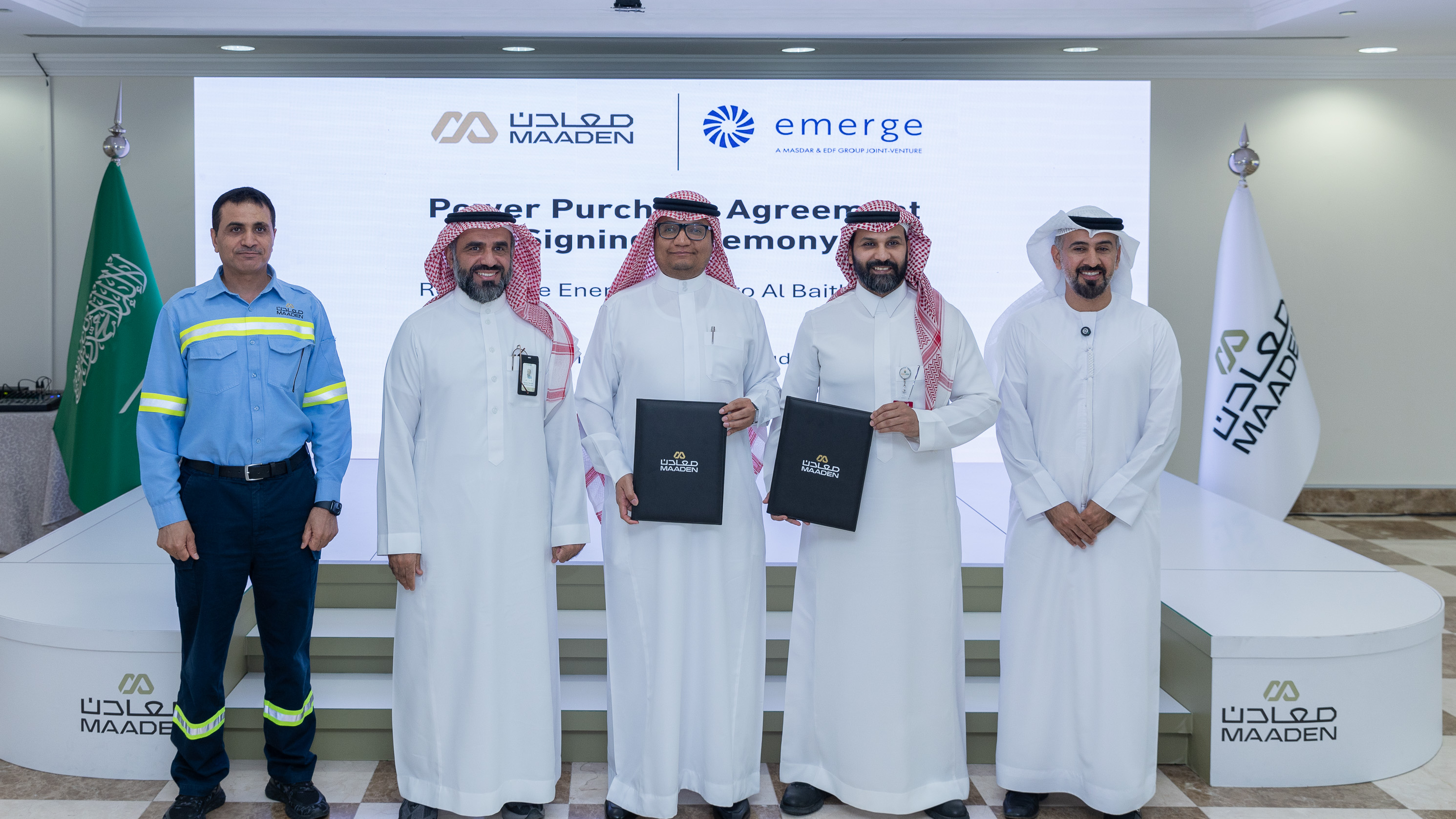
Saudi Arabian Mining Company, widely known as Saudi Arabian Mining Company, has outlined plans to establish a joint venture with Midana Exploration Pay Ltd to advance minerals exploration, development and mining across licensed areas of the kingdom, in a move that underscores the country’s push to expand its non-oil resource base.

Under the proposed structure, the joint venture will be capitalised initially at $5 million, with Maaden holding a controlling 50.1% stake and Hancock owning the remaining 49.9%. The vehicle is expected to focus on early-stage exploration as well as the development and eventual sale of mineral resources identified within approved concession blocks, subject to regulatory clearances.

The announcement comes as Saudi Arabia accelerates efforts to map and commercialise its estimated multi-trillion-dollar mineral endowment, a pillar of the Vision 2030 strategy aimed at diversifying fiscal revenues and building domestic industrial supply chains. Officials and industry executives have repeatedly highlighted underexplored deposits of gold, copper, zinc, phosphate, bauxite and rare earth elements as areas of strategic interest.

Maaden, majority owned by the Public Investment Fund, has over the past decade evolved from a single-commodity operator into a diversified mining champion spanning gold, aluminium, phosphate fertilisers and industrial minerals. The proposed partnership with Hancock signals a renewed emphasis on upstream exploration, an area that demands specialised geological expertise, patient capital and risk-sharing arrangements.

Hancock, through its local exploration arm, has built a portfolio of prospecting licences and geological data across several regions of the kingdom. Industry observers say its familiarity with Saudi Arabia’s licensing framework and field operations complements Maaden’s balance sheet strength, project development experience and access to downstream markets.

According to people familiar with the matter, the joint venture is designed to move swiftly from desktop studies to on-ground surveys, including geophysical mapping and targeted drilling. Any commercial discoveries would then be evaluated for standalone development or integration into Maaden’s existing asset base, depending on scale, mineral type and infrastructure considerations.

The modest initial capital reflects the early-stage nature of the venture, with provisions allowing for additional funding rounds as projects advance. Mining analysts note that exploration budgets often expand sharply once priority targets are identified, particularly for metals linked to energy transition technologies such as copper and battery minerals.

Saudi Arabia has spent heavily on geological surveying over the past few years, releasing high-resolution data to attract private and foreign investors. The Ministry of Industry and Mineral Resources has also reformed the mining law to streamline licensing, strengthen environmental oversight and provide longer concession terms, measures that have been welcomed by global miners.

Within this policy backdrop, Maaden’s majority stake ensures strategic alignment with national priorities while allowing its partner operational flexibility. The 50.1-49.9 split also gives Maaden consolidation rights over any successful projects, a factor likely to reassure lenders and potential offtake partners at later stages.

Market participants see the joint venture as part of a broader trend of collaborative exploration models in the kingdom, where state-backed entities pair with specialised firms to spread risk and accelerate discovery timelines. Similar structures have been adopted in other resource-rich jurisdictions seeking to build domestic mining ecosystems without shouldering all the geological risk alone.

Environmental and social governance considerations are expected to feature prominently as projects move forward. Saudi regulators have tightened requirements around land rehabilitation, water use and community engagement, and Maaden has publicly committed to aligning new developments with international sustainability benchmarks.

SINGAPORE – Media OutReach Newswire – 31 December 2025 – Asian Agri reaffirmed its commitment to sustainable palm oil development by recognising its scheme smallholders in Riau and Jambi through the 2024 Certified Palm Oil Premium Sharing Programme. The appreciation event, held at Hotel Santika, Bukittinggi, West Sumatra, highlighted the consistent efforts of smallholders in applying sustainable plantation practices aligned with international certification standards.

The programme generated approximately Rp5.5 billion in premium sharing, which will be distributed to 76 Village Unit Cooperatives (KUDs), benefitting more than 30,000 smallholders. The initiative underscores Asian Agri’s long-term commitment to improving smallholder welfare while advancing environmentally responsible palm oil management.

Head of Partnership at Asian Agri, Rudy Rismanto, said RSPO certification plays a critical role in expanding market access for smallholder-produced palm oil.

“Through RSPO certification, palm oil produced by our partner smallholders can be accepted in global markets, including Europe, which requires sustainably produced products,” Rudy said. “The premiums received are reinvested to improve productivity, upgrade infrastructure, strengthen KUD facilities and support alternative sources of income. In this way, sustainability delivers tangible economic benefits for smallholders.”

Rudy emphasised that Asian Agri’s sustainability approach goes beyond environmental stewardship to include social and economic impact.

“Through strong collaboration with smallholders, we ensure that sustainable practices also translate into improved livelihoods. This reflects Asian Agri’s philosophy of creating benefits for society, the environment, customers, and ultimately the company itself—so that sustainability and prosperity grow together.”

Representing partner cooperatives, Subiyono, Head of Karya Bersama KUD, said the premium sharing scheme has delivered clear and measurable benefits.

“The premium has provided meaningful support to both smallholders and the cooperative,” he explained. “In 2026, we plan to allocate these funds to improve and maintain roads that serve as the main access routes for transporting Fresh Fruit Bunches to palm oil mills. Better infrastructure will help ensure smoother operations for smallholders.”

Karya Bersama KUD is currently participating in a replanting partnership with Asian Agri. The replanted oil palm area, now 49 months old, has achieved an average productivity of 2 tons per hectare per month.

Similarly, Waluyo, Head of Makmur Rezeki KUD, highlighted how the premium strengthens institutional capacity while supporting sustainable practices.

“The funds are allocated to strategic priorities, including improvements to fertiliser and herbicide warehouses, road upgrades, provision of personal protective equipment (PPE) for smallholders, and the installation of owl nesting boxes as part of natural pest control,” he said. “These initiatives enable more environmentally friendly and efficient plantation management.”

According to Waluyo, the programme also reinforces smallholders’ commitment to sustainability.

“This support not only improves cooperative facilities and operations but also strengthens members’ dedication to sustainable practices. We hope Makmur Rezeki KUD can continue to grow together with Asian Agri, so the benefits can be felt more widely by our members and surrounding communities.”

Through the Certified Palm Oil Premium Sharing Programme, Asian Agri, a member of the RGE group of companies founded by Sukanto Tanoto, continues to invest in the long-term resilience of smallholders and cooperatives, ensuring that sustainable palm oil development delivers enduring social, economic, and environmental benefits for generations to come.
Hashtag: #RGE #AsianAgri #CSR #palmoil #Indonesia #smallholders #sustainability #RSPO #certification #KUD


The issuer is solely responsible for the content of this announcement.

About Asian Agri

Founded in 1979, Asian Agri is one of Indonesia’s foremost companies in crude palm oil production, managing over 100,000 hectares of oil palm plantations and employing over 20,000 people.

As a pioneer of the Indonesian Government’s Smallholder Transmigration Core Plantation Programme (PIR-Trans), Asian Agri has partnered with 30,000 scheme smallholders in Riau and Jambi, who collectively manage 60,000 hectares of oil palm plantations. The company also fosters partnerships with independent smallholders to enhance their welfare and drive socio-economic growth.

Committed to sustainable practices, Asian Agri upholds a zero-burning policy and implements plantation best management practices to help smallholders boost productivity, increase crop yields, and improve supply chain traceability while supporting their journey towards certification. Asian Agri’s mills leveraged advanced technology and self-generated green energy to minimize greenhouse gas emissions.

Asian Agri’s plantations, as along with their scheme smallholder plantations, are full Roundtable on Sustainable Palm Oil (RSPO) and International Sustainability & Carbon Certification (ISCC) certified, underscoring the company’s commitment to responsible and sustainable palm oil production.

Please visit Asian Agri’s for more information.

By Ashis Biswas Within the South Asian context, a noticeable coarsening of diplomatic discourse among four countries has occurred, following the violent regime change in Bangladesh, a brief encounter involving India and Pakistan and sporadic skirmishes between Pakistan and Afghanistan. A new political alignment, whose contours will be clearer after the Bangladesh general elections, is […]

The article Disturbing Decline Of Diplomacy Across South Asia Bodes Ill For All appeared first on Latest India news, analysis and reports on Newspack by India Press Agency).

A sharp fall in Iran’s rial has triggered demonstrations in the heart of Tehran, exposing mounting pressure on household budgets and traders as prices of basic goods accelerate amid tightening financial conditions and long-running sanctions. State television on Monday broadcast blurred footage it described as limited unrest by merchants at Grand Bazaar, while videos circulating on social media indicated wider participation, with shopkeepers pulling down shutters and […]

Venezuela has begun shutting oil wells in its prolific Orinoco Belt after storage filled up and inventories swelled, a move that underscores the operational strain facing the state producer as financial pressure from Washington tightens. The cutbacks, which started on 28 December, are set to lower heavy crude output by at least a quarter in the belt that holds the world’s largest known oil deposits, according to people familiar with internal operations.

Petroleos de Venezuela SA, known as PDVSA, is aiming to bring Orinoco production down to about 500,000 barrels a day, the people said. That reduction equates to roughly 15% of the country’s total output of around 1.1 million barrels a day. The wells were idled as tanks reached capacity and export bottlenecks left little room to keep pumping.

The Orinoco Belt, stretching across eastern Venezuela, has been the backbone of the nation’s oil recovery over the past two years as PDVSA revived projects, leaned on foreign partners and relied on intermediaries to place barrels abroad. Heavy crude from the belt requires blending and specialised handling, making storage constraints particularly acute when exports slow or logistics falter.

The curtailment comes amid a renewed effort by the Donald Trump administration to financially squeeze Caracas. Measures have focused on limiting cash flows and tightening scrutiny of trade channels that had allowed Venezuelan oil to reach global markets. While PDVSA has navigated sanctions for years through complex trading arrangements, the latest actions have reduced the room for manoeuvre.

Operationally, the impact is immediate. Engineers have prioritised shutting wells with higher water cut or maintenance needs, while keeping strategic upgraders running to preserve reservoir integrity. Restarting heavy-oil wells can be costly and time-consuming, raising the risk that some output may not return quickly even if conditions improve.

For the government in Caracas, the setback dents a fragile rebound that had lifted production from historic lows. Oil remains the main source of hard currency, funding imports and social spending. Lower volumes threaten fiscal plans at a time when inflation has moderated but public finances remain stretched.

Internationally, the cuts add a layer of uncertainty to heavy crude markets. Refineries in Asia and the United States Gulf Coast have relied on Venezuelan grades as substitutes for similar barrels from elsewhere. Traders said tighter availability could widen discounts and prompt buyers to seek alternatives from Canada or the Middle East.

PDVSA’s partners in the Orinoco Belt, including joint ventures with foreign companies, are also affected. Output reductions translate into lower liftings for partners and could complicate investment decisions. Several projects had been ramping up after maintenance and drilling campaigns, betting on stable export routes.

The government has framed the situation as a temporary adjustment driven by logistics rather than geology. Officials argue that reserves remain intact and that production can rebound once storage is freed and exports normalise. Behind the scenes, PDVSA has been exploring options to lease additional floating storage and accelerate shipments to Asia, though payment and insurance hurdles persist.

Analysts note that the episode highlights structural weaknesses. Venezuela’s oil infrastructure has suffered years of underinvestment, leaving little buffer when trade flows are disrupted. Power outages, pipeline leaks and equipment shortages have repeatedly constrained operations, forcing stop-start cycles that erode efficiency.

In the broader geopolitical context, the pressure campaign reflects Washington’s leverage over energy finance and shipping. Even when licences allow limited trade, banks, insurers and carriers often tread cautiously, amplifying the impact on producers like PDVSA. The result is a stopgap approach that prioritises managing bottlenecks over long-term optimisation.

PANAMA CITY, PANAMA – Media OutReach Newswire – 29 December 2025 – AZX, a next-generation decentralized exchange (DEX) built on the trading-optimized AZ Axis blockchain network, announced the launch of its Beta testing, introducing groundbreaking performance capabilities and innovative features designed to bridge the gap between traditional finance and decentralized trading.

AZX represents a technological leap in decentralized trading infrastructure. It is an order-book DEX built on Axis technology, an infrastructure designed for trading. The platform can now achieve an impressive P99 latency of under 20 ms. Backed by professional market-making teams, AZX also provides robust orderbook liquidity, providing a solid on-chain solution for high-frequency and professional trading scenarios that demand speed, precision, and reliability. It demonstrates remarkable achievement in critical performance indicators for decentralized exchanges.

AZX is committed to lowering the entry barrier to DeFi and addressing the challenges in accessibility. It introduces a revolutionary onboarding process, which allows users to register with an email address and get their automatically generated on-chain addresses. AZX also supports logging in via multiple popular wallets, building a seamless, secure, and user-friendly entry point. Such a design makes significant progress in the accessibility of DeFi and professional trading, and is a ground-breaking innovation to realize the mass adoption of DeFi with improved usability, while preserving its core feature of self-custody.

The launch is also accompanied by a comprehensive contributor rewards program that enables users to accumulate points through trading and submitting feedback as early contributors. It reflects a mature, community-driven product development model that goes beyond technical testing.

Hashtag: #cryptoexchange #Bitcoin #Crypto #Exchange #AZX #DeFi


The issuer is solely responsible for the content of this announcement.

About AZX

is a high-performance order-book DEX built on the innovative Axis technology. Aiming to ““, AZX envisions providing feasible solutions to the fundamental challenges in cross-ecosystem asset flow and integration, offering a compelling long-term narrative around financial infrastructure innovation. As an auditable, high-performance bridge connecting traditional finance and decentralized finance, AZX positions itself at the forefront of the next evolution in global finance, with an ultimate ambition that goes beyond building another crypto DEX: to empower users and developers with the foundational layer to compose financial applications that were previously impossible.

KINSHASA, CONGO – Media OutReach Newswire – 29 December 2025 – Vingroup today announced the signing of a trilateral Memorandum of Understanding (MoU) with Kinshasa (Democratic Republic of Congo) and Exposure SARL, establishing a comprehensive cooperation framework to support the development of a sustainable, modern, and accessible urban transportation system in Kinshasa. The agreement represents an important step forward in advancing urban infrastructure modernization and accelerating the green transition in the capital of the Democratic Republic of Congo.

From left to right: Mr. Fely Lukwaka Samuna, Director of Exposure Sarl; Ms. Nguyen Hoang Phuong, CEO of Vingroup Africa; Mr. Fiston Lukwebo Musengo, Provincial Minister for Public–Private Partnerships, Trade and Industry; and Mr. Jésus-Noël Sheke Wa Domene, Provincial Minister for Planning, Budget, Transport and Urban Mobility, at the signing ceremony.

Under the MoU, Vingroup, Exposure, and the City of Kinshasa, through its relevant authorities, will collaborate to study and promote the procurement and deployment of VinFast’s fully electric vehicles, including electric buses, electric cars, and electric scooters, to meet the transportation needs of the city and its residents. In parallel, the parties will jointly develop a comprehensive electric mobility ecosystem encompassing charging infrastructure and after-sales services.

To support the transition to electric mobility, the cooperation will focus on modernizing and greening Kinshasa’s transportation system across public transport services, mobility solutions for government officials and civil servants, and transportation options for the general public.

Vingroup, through its subsidiary VinFast, will provide detailed commercial and technical proposals for vehicle fleets, including buses, cars, and scooters. Exposure will be responsible for developing a detailed preliminary business plan for vehicle procurement and infrastructure development, as well as initiating the necessary local administrative and legal procedures for importation, distribution, and operations. Meanwhile, the City of Kinshasa will review and propose appropriate incentive mechanisms, covering tax policies, regulatory frameworks, and access to infrastructure, to encourage the development and adoption of green mobility. A designated focal authority will also be appointed to manage and oversee the electric bus fleet.

During the initial phase, expected to run from now through the end of Q1 2026, the parties have agreed on a roadmap to conclude formal contracts to operationalize the above objectives. Under this roadmap, VinFast is expected to supply approximately 500 electric buses and 1,000 electric cars for public fleet operations in Kinshasa. Over the same period, VinFast and Exposure plan to implement supply and distribution agreements to introduce between 10,000 and 20,000 electric cars and between 50,000 and 100,000 VinFast electric scooters to the local market.

In pursuit of a comprehensive green ecosystem, the parties will cooperate in developing an extensive charging station network and an authorized service workshop system, ensuring stable operations and convenience for electric vehicle users.

Specifically, Vingroup reaffirmed its commitment to sustainable development and positive local impact through knowledge transfer and human resource development. These initiatives include training programs for drivers, technicians, and on-site operations personnel, as well as technical design support for electrified transportation infrastructure. Exposure will undertake technical and economic assessments of the charging network and vehicle maintenance and repair facilities. For its part, the City of Kinshasa has committed to supporting land allocation, identifying locations for charging stations, and ensuring reliable power supply solutions, thereby establishing a solid infrastructure foundation for Vingroup’s green mobility ecosystem in the city.

Mr. Jésus-Noël SHEKE WA DOMENE, Provincial Minister of Planning, Budget, Public Service, Employment, Tourism, Transport and Urban Mobility, representative of the City of Kinshasa stated: “The City of Kinshasa highly values our cooperation with Vingroup in advancing green and smart mobility solutions. This is a strategic step aligned with the city’s sustainable urban development vision, aiming to reduce environmental impacts, improve transportation infrastructure, and deliver long-term benefits to our citizens. We believe this partnership will help transform Kinshasa into a dynamic, modern, and livable city in the region.”

Mrs. Phuong NGUYEN, General Director of Vingroup Africa shared: “Vingroup is honored to partner with the City of Kinshasa on the journey toward building a modern, civilized, and sustainable living environment. The deployment of green and smart mobility solutions will not only gradually transform Kinshasa’s urban transportation landscape, but also create long-term, tangible value by improving quality of life for residents and supporting the city in achieving its future sustainable development goals.”

Previously, the Government of Kinshasa and Vingroup also signed a Memorandum of Understanding to explore large-scale urban development projects in the Democratic Republic of Congo. Under the MoU, the two parties will jointly study and develop a large riverside urban project covering approximately 6,300 hectares, strategically located within the capital’s urban expansion plan.

The mega urban development is expected to include residential areas, villas, hospitals, schools, shopping centers, hotels, entertainment complexes, and future government and ministerial offices, positioning it as a new tourism destination and a landmark of Kinshasa’s development. The city is expected to allocate land for the project in accordance with the agreed cooperation framework.

These strategic agreements underscore Vingroup’s international vision and growing global presence, reaffirm its pioneering role in green mobility, and further deepen economic cooperation between Vietnam and the Democratic Republic of Congo, as both countries pursue green growth and sustainable development.

Vingroup is Vietnam’s largest private conglomerate, operating across six core sectors: Industrials & Technology, Real Estate & Services, Infrastructure, Green Energy, Culture and Social Enterprises, guided by the vision of “To Create a Better Life for People”.

With a strong track record, scale, and proven capabilities, Vingroup continues to expand its international footprint. The Group was recognized by TIME magazine (USA) in the “TIME World’s Best Companies 2025” list, ranking among the world’s top 1,000 companies for outstanding contributions to sustainable development, innovation, and global impact.Hashtag: #Vingroup

The issuer is solely responsible for the content of this announcement.

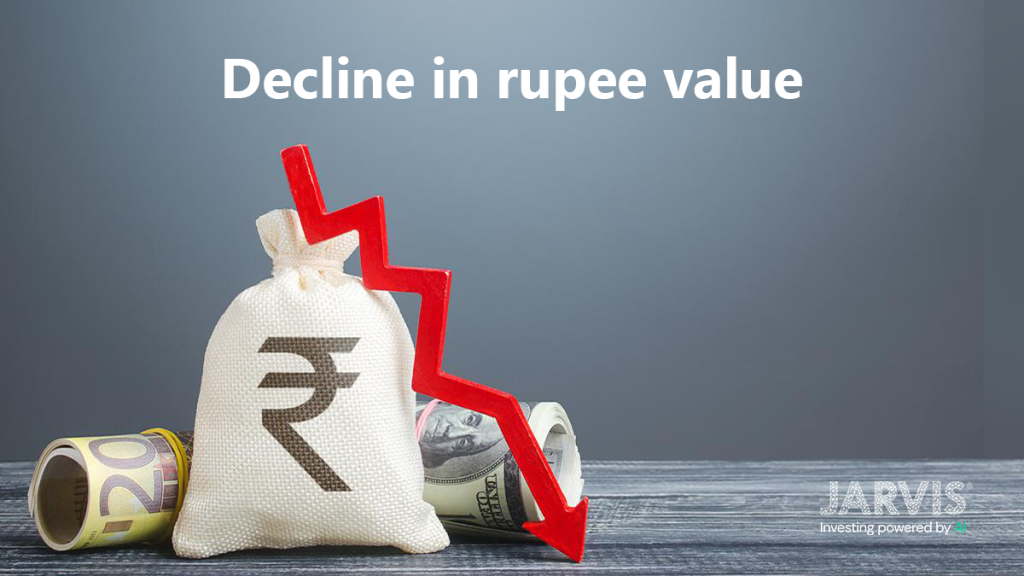
By Nantoo Banerjee It does not make sense for India to deplete its hard-earned foreign currency reserves to temporarily protect the Rupee’s exchange value. In fact, Indian Rupee’s downturn vis-à-vis other major currencies has not adversely impacted the country’s impressive economic growth, at least for the present. On the contrary, it has made exports cheaper […]

The article Rupee Decline May Not Be Bad For Economy Now appeared first on Latest India news, analysis and reports on Newspack by India Press Agency).

An SUV that delivers both sophistication and an industry-leading peace-of-mind ownership experience.

DUBAI, UAE – Media OutReach Newswire – 29 December 2025 – Middle Eastern buyers have long gravitated toward vehicles that project elegance, presence, and purpose. As electric mobility accelerates across the region, design continues to be a major factor in purchase decisions. VinFast responds to this expectation with the VF 8, an electric SUV whose aesthetic is rooted in European sophistication yet thoughtfully shaped to resonate with Middle Eastern roads, lifestyles, and sensibilities.

VF 8 photo

The VF 8’s exterior was developed around a design philosophy VinFast calls “Dynamic Balance”. Rather than relying on overt aggressiveness, the VF 8 uses tension between smooth surfaces and crisp lines, balancing gentle curves with sharper transitions to create a silhouette that feels modern without chasing trends, a consideration particularly relevant in the Middle East.

Its LED lighting signature, highlighted by a full-width tail lamp and the recognizable V-shaped graphic, establishes a strong visual identity from a distance. Confident proportions and a purposeful stance allow the vehicle to project stability on wide highways and in dense city environments.

Inside the VF 8, VinFast has created a cabin that blends practicality with an understated, premium feel. A panoramic sunroof brightens the interior and creates a sense of openness that local buyers often value. Premium vegan leather, color-selectable ambient lighting, and a streamlined dashboard contribute to a cabin that feels calm and contemporary. At the center of this environment is a 15.6-inch floating infotainment display that anchors the cockpit while reducing physical clutter. The seats, spacious in both rows, are designed with long-distance comfort in mind, and ventilation and heating functions in the Plus variant provide flexibility across seasonal shifts in the region.

Design and engineering intersect to elevate everyday usability. The VF 8’s aerodynamic profile supports range efficiency and improves ride stability. Wide outward visibility, paired with intelligent LED lighting, enhances confidence during night driving and intercity travel. The vehicle’s smart functionalities, including update capability and advanced driver-support technologies, are built into the design in a way that maintains the cabin’s clean, minimal aesthetic without overwhelming the driver.

The VF 8’s design narrative is strengthened by an ownership experience that has become one of VinFast’s defining attributes. Its long-term warranty coverage extends for ten years or 200,000 km on the vehicle, alongside a ten-year battery warranty with unlimited mileage, delivering assurance that resonates strongly with Middle Eastern buyers who prioritize durability and long-term value. This is reinforced by a comprehensive aftersales framework that includes five years of free scheduled service up to 100,000 km, 24/7 roadside assistance with mobile service support, guaranteed access to replacement parts around the clock, and the inclusion of home charging solutions with access to DC fast-charging networks. Together, these policies align with the SUV’s design intention: a vehicle created not only to be admired, but to be lived with confidently for years.

This positioning comes as VinFast closes out one of the most consequential years in its history. The company has inaugurated its Subang manufacturing plant in Indonesia, marking a major expansion of its global production footprint, while momentum in Vietnam continues to accelerate. With record monthly deliveries and multiple models leading their respective segments, VinFast is on track to finish the year as the best-selling automotive brand in its domestic market, underscoring the speed and scale of its transition from an emerging EV player to an established market leader.

Hashtag: #VF8 #VinFast

The issuer is solely responsible for the content of this announcement.

About VinFast

VinFast (NASDAQ: VFS), a subsidiary of Vingroup JSC, one of Vietnam’s largest conglomerates, is a pure-play electric vehicle (“EV”) manufacturer with the mission of making EVs accessible to everyone.

VinFast’s product lineup today includes a wide range of electric SUVs, e-scooters, and e-buses. VinFast is currently embarking on its next growth phase through rapid expansion of its distribution and dealership network globally and increasing its manufacturing capacities with a focus on key markets across North America, Europe and Asia.

Learn more at:

Federal vehicle safety regulators have opened a probe into the emergency door release mechanism on the Tesla Model 3 following complaints that occupants may struggle to exit the vehicle during power failures or after crashes, raising concerns about passenger safety in critical moments. The National Highway Traffic Safety Administration said its Office of Defects Investigation has begun a preliminary evaluation after receiving reports that the manual door […]

A wave of AI-generated videos circulating on social platforms has drawn regulatory and public attention after Meta removed a cluster of manipulated clips tied to public discourse in India, underscoring the accelerating threat posed by deepfakes and the strain on existing cybersecurity defences. The action has reignited debate over platform accountability, election integrity, and the pace at which safeguards are keeping up with generative tools.

Meta said the videos breached its policies on manipulated media and deceptive practices, adding that enforcement teams had detected coordinated behaviour designed to amplify misleading narratives. The company did not detail the creators or precise reach, but independent analysts tracking social traffic reported that some clips had amassed hundreds of thousands of views before moderation. The removals came amid heightened scrutiny of AI-driven misinformation as synthetic video and audio tools become cheaper, faster and harder to spot.

Security specialists warn that the technical leap in realism has lowered the barrier for malicious actors. Diffusion models and voice-cloning systems can now produce convincing footage with minimal training data, enabling impersonation, fabricated statements and false evidence. The risk profile extends beyond politics to financial fraud, reputational attacks and social engineering. Banks and insurers have flagged a rise in scams that combine deepfake video calls with stolen personal data to bypass verification checks.

India’s digital ecosystem amplifies the challenge. With one of the world’s largest online populations and intense engagement on short-video platforms, manipulated content can travel rapidly across languages and regions. Fact-checking groups say the velocity of sharing often outpaces verification, while takedowns, even when swift, can struggle to contain copies and re-uploads. Researchers at leading institutes have documented how watermark removal, compression artefacts and cross-platform reposting degrade detection signals.

Government authorities have been pressing technology companies to strengthen guardrails. Draft rules under the Information Technology framework emphasise due diligence for intermediaries, traceability of originators in defined cases, and clearer disclosures for synthetic media. Officials have also signalled expectations for labelling AI-generated content and responding promptly to lawful takedown requests, while balancing free expression and privacy. Industry groups argue that clarity on standards and timelines is essential to avoid uneven enforcement.

Meta has highlighted investments in detection and transparency, including classifiers trained to identify AI artefacts, partnerships with academic labs, and labels applied when confidence thresholds are met. The company also points to cross-platform threat sharing through industry forums to flag emerging manipulation techniques. Critics counter that adversarial innovation is moving faster than defensive models and that labels can be stripped or ignored, especially when content is shared outside original platforms.

Election experts say the stakes are rising as campaigns increasingly rely on video to reach voters. Even short-lived false clips can shape perceptions, sow doubt or distract from substantive debate. Studies of prior electoral cycles show that corrections often fail to reach the same audiences as the initial misinformation, leaving residual effects. Civil society organisations have urged a layered response that combines platform enforcement, rapid response hotlines, and public education on media literacy.

Cybersecurity firms are adapting with multi-signal approaches that fuse video forensics, network analysis and behavioural cues. Techniques include analysing eye-blink patterns, head-pose consistency, acoustic fingerprints and temporal anomalies, alongside monitoring coordinated posting patterns. Yet experts caution that no single method is foolproof. As generative systems learn to mimic these signals, defenders must iterate continuously, increasing costs for both sides.

The economic dimension is also coming into focus. Advertising clients are wary of brand adjacency to manipulated content, prompting demands for stronger brand-safety assurances. Meanwhile, startups offering verification, provenance tracking and content authentication are attracting investment. Standards bodies are promoting cryptographic provenance frameworks that embed origin metadata at creation, though adoption remains uneven across devices and platforms.

Security researchers have demonstrated how widely deployed service robots can be commandeered without physical contact, raising concerns about safety, surveillance and supply-chain exposure as robots spread across factories, warehouses and public spaces. The findings were showcased at a major hacking conference in Shanghai, where white-hat teams revealed that certain commercial robots could be hijacked through low-cost attacks using voice commands or short-range wireless links. At the event, […]

  Bitcoin could set a fresh all-time high in the first half of 2026, according to forward-looking projections outlined by digital asset manager Grayscale, which argues that a maturing market structure, institutional demand and macroeconomic tailwinds are aligning for another leg higher after the current cycle plays out. The outlook, published as part of Grayscale’s industry expectations for 2026, places Bitcoin’s next peak within the opening six […]

Bitcoin’s upward momentum has softened after a sharp recovery phase, while XRP has slipped to about $1.86, underscoring a pause in risk appetite even as exchange-traded fund assets linked to XRP reach roughly $1.25 billion. The divergence highlights a market grappling with profit-taking, regulatory recalibration and shifting liquidity conditions across major digital assets. Bitcoin’s price action shows signs of consolidation following a rebound that drew fresh inflows […]

A London-based stablecoin infrastructure startup is seeking to accelerate how banks and regulated fintechs move money across borders after securing $1.45 million in pre-seed funding, underscoring growing institutional interest in blockchain-based settlement that aligns with European compliance rules. Nodu said the round was led by Digital Space Ventures and will be used to expand operations across Europe, hire engineering and compliance specialists, and deepen partnerships with regulated […]

BNW Developments has unveiled the Tonino Lamborghini Residences on Al Marjan Island, marking the first time the Italian luxury lifestyle brand has anchored a residential project in Ras Al Khaimah and setting a new benchmark for branded waterfront living in the northern emirate. The launch positions the privately held developer behind what it describes as Ras Al Khaimah’s largest private real estate venture at the centre of a market drawing growing international investor interest.

The project brings together BNW Developments and Tonino Lamborghini, the brand founded by the son of the legendary Italian carmaker, to deliver a design-led residential community that blends Italian heritage with contemporary coastal architecture. Planned as a large-scale, master-planned development, the residences are set on Al Marjan Island, a man-made archipelago that has emerged as the emirate’s most prominent tourism and lifestyle hub.

Executives involved in the announcement said the collaboration reflects a deliberate strategy to move beyond conventional luxury offerings towards globally recognised branded residences that command long-term value. For Ras Al Khaimah, the development underscores a shift towards higher-end projects aligned with the emirate’s tourism and economic diversification agenda, particularly as hospitality, leisure and residential segments converge along the coastline.

The Tonino Lamborghini Residences are being positioned as ultra-luxury waterfront homes, with interiors inspired by Italian craftsmanship and modern European aesthetics. Design elements are expected to reflect the brand’s signature language, incorporating bespoke materials, curated finishes and lifestyle-focused amenities. While detailed specifications and unit pricing have not been formally disclosed, the developer has indicated that the project targets high-net-worth buyers seeking branded homes with strong rental and capital appreciation potential.

BNW Developments has expanded rapidly within Ras Al Khaimah’s real estate sector, capitalising on policy reforms, infrastructure spending and rising tourism flows. Al Marjan Island, in particular, has become a focal point for premium residential and hospitality investments, supported by new resorts, entertainment attractions and improved connectivity. Property consultants tracking the market say branded residences on the island are increasingly appealing to overseas buyers from Europe, Asia and the wider Middle East, drawn by comparatively attractive entry prices and long-term growth prospects.

The arrival of Tonino Lamborghini adds another internationally recognised name to the island’s evolving skyline, reinforcing a trend in which global lifestyle brands are lending their identity to residential projects across the UAE. Analysts note that branded developments typically command a premium over non-branded counterparts, supported by perceived quality assurance, curated services and brand-driven design consistency.

Industry observers also point to Ras Al Khaimah’s regulatory environment and measured approach to development as factors supporting sustained demand. Unlike more saturated markets, the emirate has emphasised phased growth, balancing tourism expansion with residential supply. This has helped maintain pricing discipline while attracting developers focused on differentiated offerings rather than volume-led construction.

For BNW Developments, the Tonino Lamborghini partnership is intended to elevate its profile beyond a regional developer into a player capable of executing globally benchmarked luxury projects. Company officials have described the residences as a long-term investment in brand equity, aligning the developer with an internationally known lifestyle name while contributing to the emirate’s ambition to compete with established luxury destinations.

Tonino Lamborghini’s leadership has framed the project as a natural extension of the brand’s presence in hospitality, accessories and interior design, translating its identity into a residential environment shaped by coastal living. The brand’s involvement is expected to extend beyond naming rights to include design oversight and lifestyle integration, a factor often scrutinised by buyers in the branded residences segment.

VISHNU RAJA
RYO YAMADA
HITORI GOTOH
IKUYO KITA