News related to
stablecoin

HONG KONG SAR – Media OutReach Newswire – 14 March 2025 – UU Wallet, a leading global Web3 payment platform, recently announced that it has officially obtained the Money Services Business (MSB) license from the United States. This makes UU Wallet one of the few digital financial service platforms that combines robust security capabilities with global compliance credentials. The approval of this license signifies that UU Wallet […]

Abu Dhabi-based technology investment firm MGX has invested $2 billion in Binance, marking the first institutional backing for the world’s largest cryptocurrency exchange. This unprecedented move underscores the growing convergence between traditional finance and the digital asset industry. The investment, finalized on March 12, 2025, was transacted entirely in stablecoins—a category of cryptocurrencies pegged to traditional fiat currencies. While the specific stablecoin utilized remains undisclosed, this method […]

The U.S. Treasury Department has initiated discussions with leading cryptocurrency custody firms to determine the most secure methods for managing the nation’s Strategic Bitcoin Reserve. These talks underscore the government’s commitment to integrating digital assets into its financial infrastructure while ensuring their security.

Earlier this month, President Donald Trump signed an executive order establishing a government-held Bitcoin reserve, marking a significant shift in the administration’s approach to digital currencies. The reserve is primarily composed of approximately 200,000 bitcoins seized through criminal and civil proceedings, with the intent to retain these assets as a store of value. This move aims to create a “digital Fort Knox,” reflecting the growing importance of cryptocurrencies in the global financial landscape.

In light of this development, the Treasury Department engaged with executives from three prominent crypto custody firms to discuss best practices for safeguarding the reserve. Anchorage Digital, a leading crypto custodian, confirmed its participation in these meetings. Nathan McCauley, CEO of Anchorage, noted that Treasury officials were keen to understand the intricacies of securely storing a national Bitcoin reserve and the implications for stablecoins and market structure. He remarked, “The Treasury Department is asking all the right questions. It’s clear that Treasury officials are treating this move into the digital asset space with care, recognizing that the United States is quite literally writing history.”

These consultations are part of the Treasury’s broader effort to develop a comprehensive strategy for managing and securing digital assets. A source familiar with the discussions indicated that the department is in the early stages of formulating its approach and is actively seeking insights from industry experts. The current consensus among industry leaders suggests that involving third-party custodians may be a prudent interim solution. This approach would allow the government to leverage existing expertise in crypto asset management while it builds internal capabilities for potential self-custody in the future. Self-custody refers to the practice of independently holding cryptocurrencies in cold wallets, secured by private keys, without relying on external custodians.

The establishment of the Bitcoin reserve has sparked discussions about the potential benefits and challenges of integrating digital assets into national reserves. Proponents argue that holding Bitcoin could serve as a hedge against inflation and enhance the country’s financial resilience. However, critics caution about the volatility of cryptocurrencies and the complexities involved in their secure storage and management.

The Treasury’s proactive engagement with industry experts reflects a cautious and informed approach to these challenges. By consulting with established crypto custody firms, the government aims to implement robust security measures and operational protocols to protect its digital assets. This strategy is crucial to mitigate risks associated with cyber threats and to ensure the integrity of the nation’s financial holdings.

The move to establish a Bitcoin reserve also aligns with broader global trends of governments and institutions exploring the adoption of digital assets. As cryptocurrencies become increasingly mainstream, the need for secure and regulated custody solutions has become more pronounced. The U.S. government’s initiative may set a precedent for other nations considering similar measures, potentially influencing global standards for digital asset management.

While the Treasury Department has not publicly disclosed specific details of its custody strategy, the ongoing consultations indicate a deliberate and methodical approach. The involvement of reputable firms like Anchorage Digital suggests that the government is prioritizing security and leveraging industry best practices. This collaboration between public institutions and private crypto custodians could pave the way for more integrated and secure financial systems in the digital age.

Nasdaq-listed video-sharing platform Rumble has made a significant move into the cryptocurrency market by acquiring 188 Bitcoin for $17.1 million. This purchase aligns with the company’s strategic plan to diversify its treasury holdings and embrace digital assets.

The acquisition was executed at an average price of $91,000 per Bitcoin, reflecting Rumble’s commitment to integrating cryptocurrency into its financial strategy. This initiative is part of a broader plan to allocate up to $20 million of the company’s cash reserves into Bitcoin, signaling a robust endorsement of the leading cryptocurrency.

Rumble’s Chief Executive Officer, Chris Pavlovski, has been vocal about the platform’s dedication to decentralization and free expression. The investment in Bitcoin aligns with these principles, as cryptocurrencies are often associated with decentralized financial systems. Pavlovski’s vision for Rumble includes leveraging blockchain technology to enhance the platform’s infrastructure and user experience.

The company’s foray into cryptocurrency is not an isolated event. In December 2024, Rumble secured a substantial $775 million strategic investment from Tether, the prominent stablecoin issuer. Tether agreed to purchase approximately 103.3 million shares of Rumble’s Class A common stock at $7.50 per share. This investment was structured to support Rumble’s growth initiatives and included a self-tender offer for up to 70 million shares of its Class A common stock at the same per-share price. The transaction was designed to maintain Pavlovski’s controlling stake in the company, ensuring that the platform’s core values and strategic direction remain intact.

Tether’s investment in Rumble underscores a shared vision between the two companies, focusing on decentralization and the promotion of free speech. Paolo Ardoino, Tether’s Chief Technology Officer, expressed enthusiasm about the partnership, highlighting the potential for collaboration in areas such as advertising, cloud services, and crypto payment solutions. This alliance positions Rumble to compete more effectively with established video-sharing platforms by offering unique features that integrate cryptocurrency and blockchain technology.

The infusion of capital from Tether has had a positive impact on Rumble’s market performance. Following the announcement of the investment, Rumble’s shares experienced a significant surge, reflecting investor confidence in the company’s strategic direction and its potential for growth in the digital media landscape.

Rumble’s decision to allocate a portion of its treasury into Bitcoin is indicative of a growing trend among corporations to diversify their balance sheets with cryptocurrency holdings. This strategy is often employed as a hedge against inflation and currency devaluation, providing companies with an alternative store of value. By embracing Bitcoin, Rumble aligns itself with other forward-thinking companies that recognize the potential of digital assets to preserve capital and enhance financial flexibility.

The integration of Bitcoin into Rumble’s financial strategy may also lead to new opportunities for user engagement and platform development. Potential initiatives could include enabling cryptocurrency transactions for premium services, rewarding content creators with digital assets, or developing blockchain-based features that enhance transparency and security. These innovations could differentiate Rumble from competitors and attract a broader audience interested in the convergence of media and cryptocurrency.

However, Rumble’s venture into the cryptocurrency space is not without risks. The volatile nature of Bitcoin’s price could impact the company’s financial statements, introducing variability in asset valuations. Additionally, regulatory scrutiny of cryptocurrencies continues to evolve, and companies engaging in digital asset transactions must navigate a complex and shifting legal landscape. Rumble will need to implement robust risk management and compliance strategies to mitigate these challenges effectively.

The partnership with Tether also brings both opportunities and potential challenges. While Tether’s investment provides substantial capital for growth, the stablecoin issuer has faced regulatory scrutiny and questions regarding its transparency and reserve backing. Rumble must ensure that its association with Tether does not adversely affect its reputation or regulatory standing. Clear communication with stakeholders and adherence to regulatory requirements will be crucial in maintaining trust and credibility.

Tether, the issuer of the USDT stablecoin, has frozen approximately $27 million linked to the Russian cryptocurrency exchange Garantex. This decisive move has led Garantex to suspend its trading and withdrawal services, marking a significant escalation in the enforcement of international sanctions against Russia.

Garantex announced the suspension on its official Telegram channel, stating, “Tether has entered the war against the Russian crypto market and blocked our wallets worth more than 2.5 billion rubles.” The exchange, previously sanctioned by both the United States and the European Union, has been accused of facilitating transactions that circumvent international financial restrictions.

The European Union included Garantex in its 16th sanctions package against Russia on 24 February 2025, accusing the crypto exchange of being closely associated with EU-sanctioned Russian banks and responsible for circumventing EU sanctions. This marked the first time the EU directly sanctioned a cryptocurrency exchange, highlighting the bloc’s commitment to closing loopholes in the enforcement of financial restrictions.

Tether’s action to freeze the USDT assets underscores the increasing scrutiny on cryptocurrency platforms that are perceived to be aiding sanctioned entities. Stablecoins like USDT are often used to facilitate transactions in the digital asset space due to their peg to traditional currencies, making them a focal point in the enforcement of financial sanctions.

The implications of Tether’s freeze are profound for Garantex’s users, who now face uncertainties regarding their assets on the platform. This development also sends a clear message to other cryptocurrency exchanges operating in jurisdictions with lax regulatory oversight: compliance with international sanctions is imperative, and failure to do so can result in significant operational disruptions.

The broader cryptocurrency market is likely to feel the ripple effects of this incident. Regulatory bodies worldwide may intensify their oversight of digital asset platforms to ensure adherence to international financial norms. Exchanges may need to bolster their compliance mechanisms to avoid similar punitive actions, potentially leading to a more regulated and transparent cryptocurrency ecosystem.

Japan has officially approved Circle’s USD Coin as the first dollar-pegged stablecoin to be legally distributed in the country, marking a significant milestone in the nation’s cryptocurrency landscape. This development comes as SBI VC Trade, a subsidiary of financial conglomerate SBI Holdings, secured regulatory approval under the Financial Services Agency’s revised regulations to list and distribute USDC.

SBI VC Trade’s registration as an Electronic Payment Instruments Business Operator under Japan’s updated regulatory framework allows the exchange to handle stablecoin transactions. This approval positions USDC as the only global dollar stablecoin authorized for use in Japan. Circle CEO Jeremy Allaire highlighted this achievement, stating that USDC is now “the first and only global dollar stablecoin to become approved for use in Japan.”

The exchange plans to initiate USDC transactions with selected users on March 12, following scheduled system maintenance. This phased rollout aims to ensure compliance with local regulations while enhancing Japan’s digital asset landscape. SBI VC Trade’s CEO, Tomohiko Kondo, emphasized the company’s commitment to expanding USDC adoption and offering secure, compliant digital payment solutions.

Japan’s stance on stablecoins has undergone a significant transformation since 2023, when regulators lifted a long-standing ban on foreign stablecoins. The FSA recently approved a policy report recommending the relaxation of stablecoin-related regulations, paving the way for licensed intermediaries to handle foreign stablecoins under strict oversight.

SBI Holdings has been an active player in the crypto sector, forging partnerships with major U.S. companies like Ripple. The company’s exchange arm, SBI VC Trade, currently supports various cryptocurrencies, including Bitcoin. The integration of USDC into its offerings signifies a pivotal moment for Japan’s crypto market, potentially enhancing cross-border transactions and digital asset innovation.

Circle’s USDC has been gaining global regulatory recognition and is currently the only major stablecoin compliant with the European Union’s Markets in Crypto-Assets regulations. This compliance gives it a competitive advantage over other stablecoins in the region. The approval in Japan further solidifies USDC’s position in the global market, reflecting a growing trend toward regulatory acceptance of stablecoins.

The rivalry between Circle’s USDC and Tether’s USDT has been a focal point in the cryptocurrency industry. Tether, the industry leader, has faced criticism for its opaque practices and alleged associations with criminal activities, while Circle promotes regulatory compliance and transparency. Allaire’s efforts to push for regulations aim to undermine Tether, which some believe threatens the anti-establishment ethos of crypto. As Circle gains ground, Tether relies on allies in the pro-crypto Trump administration, with Commerce Secretary Howard Lutnick as a key figure. The rivalry is heating up as new regulations and legislations emerge, potentially reshaping the future landscape of the $3 trillion crypto industry.

SBI VC Trade’s move to list USDC aligns with Japan’s broader efforts to embrace digital innovation while ensuring financial stability. The country’s regulatory framework aims to balance the benefits of digital assets with the need to protect consumers and maintain market integrity. This approach reflects a cautious yet progressive stance toward integrating stablecoins into the traditional financial system.

The introduction of USDC into Japan’s market is expected to have a ripple effect on the adoption of digital currencies in the region. Businesses and consumers may find new opportunities for efficient transactions, remittances, and financial services. The stablecoin’s approval could also encourage other countries to reevaluate their regulatory approaches to digital assets, potentially leading to broader acceptance and integration worldwide.

SBI VC Trade’s strategic move to integrate USDC into its platform demonstrates the company’s commitment to staying at the forefront of digital finance. By offering stablecoin transactions, the exchange aims to provide seamless and efficient digital payment solutions to its customers. This initiative aligns with the global trend of financial institutions exploring blockchain technology and digital currencies to enhance their services.

The collaboration between Circle and SBI VC Trade underscores the importance of partnerships in the evolving digital asset ecosystem. By working together, these companies are setting a precedent for how traditional financial institutions and fintech firms can collaborate to bring innovative solutions to market. This partnership also highlights the potential for stablecoins to bridge the gap between traditional finance and the emerging digital economy.

As SBI VC Trade prepares for the official rollout of USDC, the company is poised to play a significant role in shaping the future of digital payments in Japan. The exchange’s efforts to integrate stablecoin transactions into its financial offerings reflect a broader commitment to embracing technological advancements while adhering to regulatory standards. This approach ensures that innovation is balanced with responsibility, fostering trust and confidence among consumers and investors alike.

Tether, the prominent stablecoin issuer, has appointed Simon McWilliams as its new Chief Financial Officer , marking a pivotal move towards achieving a comprehensive financial audit. This strategic decision underscores Tether’s commitment to bolstering transparency and aligning with regulatory standards in the rapidly evolving cryptocurrency landscape.

McWilliams, a seasoned finance executive with over two decades of experience, has a distinguished track record in guiding large investment management firms through meticulous audits. His expertise is expected to play a crucial role in steering Tether towards its goal of a full financial audit, a milestone that has significant implications for the company’s credibility and the broader stablecoin market.

This leadership change also involves Giancarlo Devasini, the former CFO and a key figure in Tether’s inception, transitioning to the role of Chairman of the Group. Devasini’s new position will allow him to focus on macroeconomic strategies, guiding Tether as it continues to support the U.S. financial system while advancing digital asset adoption globally.

Tether has been a dominant force in the stablecoin market, offering users a means to move money between cryptocurrencies without exposure to price volatility. Stablecoins like Tether’s USD₮ are designed to maintain a constant value by being pegged to traditional currencies, providing a stable medium of exchange in the often-volatile cryptocurrency market.

The appointment of McWilliams is a significant step towards addressing longstanding calls for greater transparency within the stablecoin sector. Tether has previously set benchmarks for transparency through quarterly attestations with BDO, a top five global independent accounting firm. However, a full audit would provide a more comprehensive verification of reserves, thereby enhancing financial integrity and building trust among users and regulators alike.

This move comes at a time when regulatory bodies worldwide are intensifying scrutiny of stablecoins, given their growing prominence in the global financial system. By proactively pursuing a full audit, Tether aims to strengthen its position as a trusted partner in the expanding role of cryptocurrencies and the U.S. dollar.

In tandem with this leadership change, Tether has been preparing for broader strategic initiatives. The company recently relocated to El Salvador after securing a Digital Asset Service Provider license, signaling its intent to expand its global footprint and engage more deeply with regulatory frameworks.

Paolo Ardoino, CEO of Tether, expressed confidence in McWilliams’ appointment, stating, “Simon’s expertise in financial audits makes him the perfect CFO to lead Tether into this new era of transparency. With his leadership, we are moving decisively toward a full audit, reinforcing our role in supporting U.S. financial strength and expanding institutional engagement.”

The cryptocurrency industry has been under increasing pressure to enhance transparency and regulatory compliance. Tether’s initiative to undergo a full financial audit sets a precedent that could influence other stablecoin issuers to adopt similar measures, thereby elevating industry standards.

As Tether embarks on this new chapter, the focus will be on how effectively the company can navigate the complexities of a full financial audit and meet the heightened expectations of regulators and users. McWilliams’ extensive experience in financial audits is anticipated to be instrumental in achieving these objectives, potentially setting new benchmarks for transparency and accountability in the stablecoin market.

Advertisements

Binance, a leading cryptocurrency exchange, has announced it will discontinue trading pairs involving stablecoins that do not comply with the European Union’s Markets in Crypto-Assets regulation for users in the European Economic Area by March 31, 2025. This decision aligns with the EU’s efforts to establish a standardized regulatory framework for crypto-assets, aiming to enhance transparency and consumer protection.

The affected stablecoins include Tether , First Digital USD , TrueUSD , Pax Dollar , Dai , Augmint Euro Token , TerraUSD , TerraClassicUSD , and PAX Gold . Binance has advised its EEA users to convert their holdings in these non-compliant stablecoins to those that meet MiCA standards, such as USD Coin and Euro Coin , or directly to euros.

The MiCA regulation, which came into force in June 2023, seeks to create a cohesive regulatory environment for crypto-assets across the EU. It introduces stringent requirements for stablecoin issuers, including maintaining adequate reserves and adhering to transparency and consumer protection standards. Stablecoins are categorized under MiCA as either e-money tokens , which reference a single official currency, or asset-referenced tokens , which are linked to multiple assets.

Circle’s USD Coin and Euro Coin are among the few stablecoins that have achieved MiCA compliance. This compliance ensures their continued availability and use within the EEA. In contrast, prominent stablecoins like Tether and MakerDAO’s Dai have not met MiCA requirements, leading to their delisting from platforms operating within the EU.

Binance’s move is part of a broader trend among cryptocurrency exchanges to align with the new regulatory landscape. Other exchanges, such as Crypto.com and Kraken, have also announced plans to delist non-compliant stablecoins to adhere to MiCA standards. For instance, Crypto.com has outlined its intention to halt deposits of certain stablecoins by January 31, 2025, with full delisting scheduled for March 31, 2025. Similarly, Kraken is preparing to remove Tether and four other stablecoins from its platform in the EEA to comply with the regulations.

The European Securities and Markets Authority has set a deadline of March 31, 2025, for digital asset firms to ensure compliance with MiCA. This regulatory push underscores the EU’s commitment to fostering a secure and transparent crypto market, mitigating risks associated with stablecoins, and protecting investors.

MiCA’s implementation has also spurred the development of new compliant stablecoins. Dutch fintech company Quantoz Payments, for example, is set to launch two stablecoins, EURQ and USDQ, both licensed by the Dutch Central Bank as e-money tokens. These developments indicate a shift towards regulated digital finance in Europe, providing consumers with more secure and compliant options for digital payments.

The Open Network has witnessed a remarkable expansion in its ecosystem, primarily driven by the rapid adoption of Tether’s USDT stablecoin. Since its integration in April 2024, the circulating supply of USDT on the TON blockchain has soared to approximately $1.5 billion within a span of ten months, marking the fastest growth of any stablecoin on a blockchain to date.

This swift adoption underscores the synergistic partnership between TON and Tether, aiming to enhance peer-to-peer payment solutions, especially within Telegram’s extensive user base. The seamless integration of USDT has not only bolstered transaction volumes but also significantly increased user engagement within the TON ecosystem.

In response to this burgeoning demand, Tether has introduced the Legacy Mesh system, a bridge-free multichain liquidity solution. Launched on February 11, 2025, the Legacy Mesh connects USDT deployments across multiple blockchain networks, including TRON, Ethereum, Arbitrum, Ink, Berachain, and TON. This initiative aims to unify the $138 billion USDT market, facilitating seamless liquidity movement and enhancing the overall efficiency of stablecoin transactions.

The decentralized finance landscape on TON has also experienced substantial growth. Protocols such as STON.fi and DeDust.io have been instrumental in this expansion, with daily average trading volumes on TON’s decentralized exchanges escalating from just over $2 million to $21.4 million by December 2024. USDT plays a pivotal role in this ecosystem, accounting for over 25% of decentralized exchange volumes, thereby providing users with a stable medium of exchange and a reliable store of value.

Further enriching the TON ecosystem, Factorial Finance, a TON-based lending protocol, announced the launch of USDT borrowing services against Toncoin on February 19, 2025. This development offers users enhanced financial flexibility, allowing them to leverage their Toncoin holdings to access USDT liquidity. Since its inception, Factorial Finance has attracted over $11 million in total value locked, reflecting the growing confidence of users in TON’s DeFi offerings.

The strategic collaboration between TON and Tether has not only accelerated the adoption of USDT but has also positioned TON as a formidable player in the blockchain arena. The rapid growth trajectory of USDT on TON exemplifies the increasing demand for stable and efficient digital payment solutions, particularly within platforms boasting large user bases like Telegram.

In a significant advancement for the United Arab Emirates’ financial sector, Hubpay, a cross-border payments platform, has partnered with Aquanow, a leading digital asset infrastructure provider, to launch the nation’s first fully regulated cryptocurrency payment gateway tailored for businesses and small to medium-sized enterprises . This collaboration enables companies across various sectors—including real estate, manufacturing, and general trading—to securely accept cryptocurrency payments alongside traditional fiat transactions.

The introduction of this regulated crypto payment facility comes in the wake of the UAE Central Bank’s Payment Token Services Regulation , which was enacted on 6 July 2024. The PTSR establishes a comprehensive framework for digital payment services in the UAE, particularly those involving cryptocurrency ‘payment tokens’ or ‘stablecoins’. Under this regulation, entities offering payment token services must obtain appropriate licensing or registration from the Central Bank to operate within the country.

Aquanow, recognized for its comprehensive trading and payment solutions in the digital asset space, has been awarded a Virtual Asset Service Provider license by Dubai’s Virtual Assets Regulatory Authority . This license authorizes Aquanow to offer broker-dealer services, management and investment services, and lending and borrowing services related to virtual assets within the Emirate. The partnership with Hubpay leverages Aquanow’s licensed infrastructure to facilitate seamless and secure cryptocurrency transactions for businesses operating in the UAE.

The UAE has been proactive in positioning itself as a global hub for the cryptocurrency industry. Government-owned licensing firm KIKLABB in Mina Rashid, Dubai, now accepts cryptocurrency payments—including Bitcoin , Ethereum , and Tether —for various trade licenses and visas. Additionally, the Dubai Financial Services Authority has announced plans to develop a comprehensive crypto-regulatory framework, further solidifying the nation’s commitment to embracing digital assets.

Singapore’s fintech investment recalibrated to US$1.3 billion in 2024, in line with global shifts toward sustainable growth. Crypto and blockchain investment increased 22 percent in H2’24 to US$267 million, driven by AI-integrated solutions. AI-powered fintech surged, with investment jumping from US$24 million in H1’24 to US$160 million in H2’24, reflecting demand for regtech and automation. H2’24 fintech deal value grew 41 percent, reflecting a shift toward high-value, […]

PayPal Holdings Inc. is set to enhance the adoption of its stablecoin, PayPal USD , by integrating it into merchant payment systems and global payout services by 2025. This strategic move aims to provide over 20 million small and medium-sized merchants with the option to utilize PYUSD for vendor payments, thereby streamlining transactions and reducing reliance on traditional banking systems.

The forthcoming bill payment product will enable merchants to settle invoices using PYUSD, facilitating faster and more cost-effective cross-border transactions. By leveraging blockchain technology, PayPal intends to minimize currency conversion fees and expedite settlement times, offering a competitive edge in the global payments landscape.

In addition to merchant payments, PayPal plans to incorporate PYUSD into its global payout platform, Hyperwallet. Acquired by PayPal in 2018, Hyperwallet specializes in mass payments, assisting organizations in disbursing funds to contractors, freelancers, and sellers worldwide. The integration of PYUSD is expected to be operational in the first half of this year, enabling businesses to execute bulk payments with increased efficiency and reduced costs.

Alex Chriss, PayPal’s Chief Executive Officer, emphasized the company’s commitment to practical blockchain applications, stating, “We’ve been talking about blockchain for a decade—these concepts will never become real until you actually start consuming them. I think that’s what we’re achieving.” This initiative reflects PayPal’s broader strategy to incorporate digital currencies into its suite of financial services, positioning itself at the forefront of the evolving digital economy.

The introduction of PYUSD into PayPal’s ecosystem is poised to offer several benefits to merchants and service providers. By adopting the stablecoin, businesses can mitigate the volatility often associated with cryptocurrencies, ensuring stable value in transactions. This stability is particularly advantageous for small and medium-sized enterprises engaged in international trade, as it simplifies accounting processes and enhances financial predictability.

The use of PYUSD can lead to significant cost savings. Traditional cross-border payments often involve multiple intermediaries, each imposing fees that accumulate, increasing the overall cost of transactions. By utilizing PYUSD on a blockchain platform, PayPal aims to eliminate unnecessary intermediaries, thereby reducing transaction fees and making international commerce more accessible to a broader range of businesses.

The integration with Hyperwallet further extends PYUSD’s utility beyond merchant transactions. Freelancers, contractors, and other gig economy workers stand to benefit from faster and more reliable payments. Traditional payment methods can be slow, especially for international transfers, often taking several days to process. With PYUSD, payouts can be processed more swiftly, providing workers with quicker access to their earnings and improving overall financial liquidity.

PayPal’s strategic focus on PYUSD comes at a time when the global payments industry is increasingly embracing digital currencies. The company’s extensive user base and established trust in the financial technology sector position it well to drive mainstream adoption of stablecoins. By integrating PYUSD into everyday financial transactions, PayPal is not only enhancing its service offerings but also contributing to the broader acceptance and utilization of digital currencies in the global economy.

In an unprecedented cyberattack, cryptocurrency exchange Bybit has suffered a $1.5 billion theft, marking the largest crypto heist to date. The U.S. Federal Bureau of Investigation has intensified its search for Park Jin Hyok, a North Korean hacker linked to the Lazarus Group, suspected of orchestrating this massive breach.

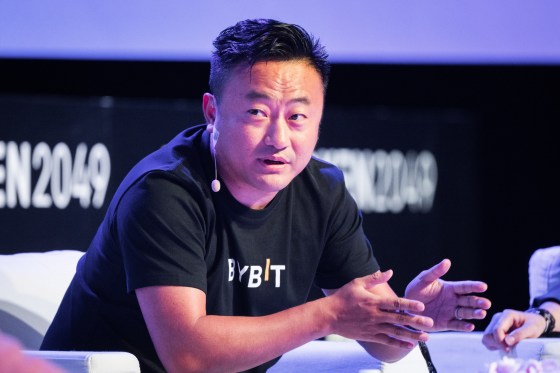
Bybit reported that during a routine transfer between digital wallets, an attacker manipulated the process, diverting approximately $1.5 billion worth of Ethereum to an unidentified address. CEO Ben Zhou assured customers that their remaining assets are secure, though withdrawal requests may experience delays. Zhou emphasized the company’s financial resilience, stating that Bybit can absorb the loss and remain solvent even if the stolen funds are not recovered.

The FBI has identified the Lazarus Group, also known as APT38, as the entity responsible for this theft. This group, comprising North Korean state-sponsored cyber actors, has a notorious history of high-profile cybercrimes. Park Jin Hyok, a key member, is allegedly involved in several significant cyber intrusions, including the 2014 Sony Pictures hack and the 2017 WannaCry ransomware attack. The FBI’s wanted list describes Park as a state-sponsored programmer involved in some of the costliest computer intrusions in history.

In response to the breach, Bybit has taken swift measures to mitigate the impact. The company conducted a fresh audit and restored its reserves to a 1:1 ratio within 72 hours of the incident. Blockchain analytics firm Lookonchain reported that Bybit purchased approximately 266,700 ETH, equivalent to $742 million, over two days to replenish its reserves. Zhou confirmed this development, stating that Bybit has fully closed the Ethereum gap caused by the hack.

The cryptocurrency community has been closely monitoring the movement of the stolen funds. Analysts have noted that the hackers face challenges in liquidating the stolen Ethereum due to potential blacklisting by major stablecoin issuers like Circle and Tether. This situation has led to discussions about the possible bullish impact on Ethereum’s price, as the removal of a significant amount of ETH from circulation could affect market dynamics.

This incident has raised concerns about the security of cryptocurrency exchanges and the broader implications for the market. Following the hack, major cryptocurrencies experienced declines. Bitcoin’s price dropped by 0.4% to $95,822, while Ethereum’s price decreased by 4% to $2,698. These downturns are attributed to a combination of the Bybit hack and broader macroeconomic and geopolitical events.

The Bybit heist surpasses previous major cryptocurrency thefts, including the $610 million Poly Network hack in 2021 and the $540 million Ronin Network breach in 2022. These recurring incidents underscore the persistent security challenges within the cryptocurrency industry. In 2024 alone, over $2 billion was lost to hacking, marking the fourth consecutive year of billion-dollar thefts in the sector.

The FBI’s pursuit of Park Jin Hyok and the Lazarus Group highlights the ongoing efforts to combat state-sponsored cybercrimes. The agency has previously linked the group to various cyberattacks, including the $41 million theft from Stake.com in 2023. These actions are part of a broader strategy to hold malicious cyber actors accountable and prevent future incidents.

KUALA LUMPUR, MALAYSIA – Media OutReach Newswire – 25 February 2025 – Over the past few years, the strategic endorsements, enigmatic tweets, and business manoeuvres of Elon Musk have caused shock waves in the cryptocurrency market with wild price fluctuations. Today, he is creating a native cryptocurrency on the X platform under the temporary name, X Money. Source: Shutterstock When and if it happens, the project can […]

The Dubai International Financial Centre has officially recognised USDC and EURC as approved stablecoins, marking a significant advancement in the integration of digital currencies within the region’s financial ecosystem. This move aligns with DIFC’s commitment to fostering innovation while ensuring robust regulatory oversight in the rapidly evolving digital asset landscape.

USDC and EURC, issued by Circle, are stablecoins pegged to the US dollar and the euro, respectively. They are designed to maintain a stable value by being fully backed by their respective fiat currencies, providing a reliable medium of exchange in the digital economy. Circle has ensured that both USDC and EURC comply with the European Union’s Markets in Crypto-Assets regulations, obtaining an Electronic Money Institution licence from France’s Autorité de Contrôle Prudentiel et de Résolution . This compliance underscores Circle’s commitment to adhering to stringent regulatory standards, enhancing the credibility and acceptance of its stablecoins in global markets.

The recognition of these stablecoins by DIFC is a strategic move to position Dubai as a leading hub for digital finance. By incorporating USDC and EURC into its financial framework, DIFC aims to attract a broader spectrum of fintech companies and investors seeking a regulated environment for digital asset transactions. This initiative is expected to facilitate seamless cross-border transactions, reduce reliance on traditional banking systems, and promote financial inclusion by providing accessible digital payment solutions.

Dubai’s proactive approach to digital asset regulation is evident in its comprehensive framework governing crypto tokens. The Dubai Financial Services Authority has established clear guidelines for the issuance and use of crypto tokens within DIFC, ensuring that only recognised tokens meeting specific criteria are permitted. This regulatory clarity is designed to mitigate risks associated with digital assets, such as fraud and market volatility, thereby fostering a secure environment for investors and users.

The inclusion of USDC and EURC in DIFC’s recognised list of stablecoins is anticipated to have a profound impact on the financial landscape of the United Arab Emirates . It offers businesses and consumers a stable and efficient medium for transactions, potentially reducing transaction costs and enhancing the speed of financial operations. Moreover, it aligns with the UAE’s broader vision of embracing digital transformation and becoming a global leader in fintech innovation.

Industry experts view this development as a positive step towards the mainstream adoption of digital currencies in the region. The regulatory endorsement by a reputable financial centre like DIFC not only boosts confidence among existing crypto enthusiasts but also encourages traditional financial institutions to explore and integrate digital assets into their services. This convergence of traditional and digital finance is poised to unlock new opportunities for economic growth and diversification in the UAE.

However, the integration of stablecoins into the financial system is not without challenges. Regulatory bodies must continuously monitor and adapt to the dynamic nature of digital assets to address potential risks such as money laundering, cybersecurity threats, and market manipulation. Collaborative efforts between regulators, financial institutions, and technology providers are essential to establish robust safeguards and ensure the integrity of the financial system.

In the global context, the recognition of USDC and EURC by DIFC reflects a growing trend of regulatory acceptance of stablecoins. Jurisdictions worldwide are acknowledging the potential benefits of stablecoins in enhancing payment systems and promoting financial inclusion. The European Union’s MiCA regulations, for instance, provide a harmonised regulatory framework for crypto assets, aiming to protect consumers and ensure financial stability. Circle’s compliance with these regulations and its subsequent recognition by DIFC exemplify how adherence to regulatory standards can facilitate the integration of digital assets into mainstream finance.

In a staggering blow to the cryptocurrency industry, Dubai-based exchange Bybit has fallen victim to a cyberattack resulting in the theft of approximately $1.5 billion in Ethereum tokens. This incident, occurring during a routine transfer between digital wallets, is now considered the largest digital heist in history.

The breach transpired as Bybit conducted a standard operation, moving assets from a cold wallet—offline storage designed to safeguard funds—to a warm wallet used for daily transactions. During this process, malicious actors manipulated the transfer, seizing control of the cold wallet and diverting 401,000 Ethereum tokens to an unidentified address. Blockchain analytics firms, including Arkham Intelligence, have traced the stolen funds, revealing that $1.36 billion in Ethereum was swiftly liquidated from associated accounts.

Bybit’s CEO, Ben Zhou, addressed the crisis, assuring clients that the exchange remains solvent and that all customer assets are backed on a one-to-one basis. He emphasized that unaffected wallets and withdrawal processes continue to operate normally. To mitigate the impact on users, Bybit has implemented bridge loans to cover any unrecovered funds and has launched a recovery bounty program, offering up to 10% of the reclaimed amount to ethical hackers assisting in the retrieval efforts.

The magnitude of this theft has prompted a surge in withdrawal requests, with over 350,000 submissions flooding the platform. While this influx has the potential to cause processing delays, Zhou noted that the rate of withdrawals has begun to decelerate. In response to the breach, Bybit is collaborating with law enforcement agencies and cybersecurity experts to trace the perpetrators and enhance its security infrastructure to prevent future incidents.

Speculation regarding the identity of the attackers has intensified, with some experts pointing towards North Korea’s notorious Lazarus Group. This collective has been implicated in previous high-profile cryptocurrency thefts, including the pilfering of $1.7 billion in 2022 and $800 million in 2024. While these allegations remain unconfirmed, the pattern of large-scale crypto heists attributed to state-sponsored actors raises significant concerns about the security of digital assets on global trading platforms.

In a related development, cybersecurity firm CertiK has identified another suspicious transfer involving approximately $49.5 million from an unverified Ethereum contract. The recipient address has been observed converting these funds into the stablecoin DAI. The community speculates that this incident may be connected to the Infini platform, a stablecoin digital bank, though official confirmation is pending.

These consecutive breaches underscore the vulnerabilities inherent in the rapidly evolving cryptocurrency landscape. As digital assets become increasingly mainstream, the imperative for robust security measures and regulatory oversight grows more pressing. The Bybit hack serves as a stark reminder of the potential risks investors face and the necessity for exchanges to implement stringent protective protocols to safeguard user funds.

In the wake of these events, the cryptocurrency market has experienced notable fluctuations. Ethereum’s value witnessed a temporary decline of approximately 4%, reflecting investor apprehension following the breach. Market analysts advise stakeholders to exercise caution and remain informed about security practices employed by exchanges to mitigate exposure to such risks.

Bybit’s commitment to reimbursing affected users and bolstering its security framework aims to restore confidence among its clientele. However, the broader implications of this unprecedented theft continue to reverberate throughout the digital currency ecosystem, prompting a reevaluation of security standards and the adoption of more resilient measures to combat the escalating threat of cyberattacks targeting cryptocurrency platforms.

As investigations proceed, the collaboration between cryptocurrency exchanges, cybersecurity firms, and regulatory bodies will be crucial in addressing the challenges posed by increasingly sophisticated cyber threats. The lessons gleaned from the Bybit incident are poised to inform future strategies aimed at fortifying the security of digital assets and ensuring the integrity of the burgeoning cryptocurrency market.

Societe Generale-FORGE , a subsidiary of the French banking group Societe Generale, has launched its Euro-backed stablecoin, EUR CoinVertible , on the Stellar blockchain network. This development positions EURCV as one of the first Euro-denominated stablecoins fully compliant with the European Union’s Markets in Crypto-Assets regulations.

The integration of EURCV into the Stellar network aims to enhance the efficiency of cross-border transactions and financial applications. Stellar’s blockchain infrastructure is recognized for its scalability, speed, and cost-effectiveness, making it a strategic choice for SG-FORGE’s digital asset expansion. This move is part of SG-FORGE’s broader multichain strategy, which includes plans to deploy EURCV on other blockchain platforms such as Solana and the XRP Ledger.

Denelle Dixon, CEO of the Stellar Development Foundation, highlighted the significance of this collaboration, stating that the launch of EURCV on Stellar represents a substantial advancement in digital payments. By combining Stellar’s robust blockchain technology with a trusted MiCA-compliant stablecoin, users are provided with a more efficient means to store and transfer value across borders, facilitating the adoption of this new form of money by individuals and businesses.

SG-FORGE’s commitment to regulatory compliance is evident in its adherence to the MiCA framework, which is designed to provide a clear and harmonized regulatory environment for crypto-assets within the European Union. By ensuring that EURCV meets these stringent regulatory standards, SG-FORGE offers users enhanced security and transparency in their digital transactions.

The decision to utilize the Stellar network was influenced by several technical advantages. Stellar’s architecture supports thousands of operations per second, ensuring that EURCV can handle high transaction volumes efficiently. Transactions on Stellar are typically completed within seconds, a critical feature for real-time financial applications. Additionally, the low transaction costs on the Stellar network make it ideal for micropayments and cross-border transfers, further enhancing the utility of EURCV in various financial contexts.

Guillaume Chatain, Chief Revenue Officer at SG-FORGE, emphasized the alignment between Stellar’s approach and SG-FORGE’s mission to promote broader adoption of stablecoins within the financial system. The collaboration with Stellar is expected to facilitate seamless integration of EURCV into a diverse network of financial institutions, asset managers, and traditional finance entities already connected to the Stellar ecosystem.

This expansion of EURCV onto the Stellar network is anticipated to open new avenues for users and businesses to access a secure, transparent, and scalable digital Euro stablecoin. The combination of MiCA regulatory assurance with Stellar’s robust blockchain infrastructure marks a significant milestone in the evolution of digital assets in Europe.

SG-FORGE’s strategic move comes at a time when the European Union is intensifying its regulatory oversight of crypto-assets. The MiCA regulations, which came into effect in January 2025, require stablecoin issuers to comply with specific standards to operate within the EU. This regulatory environment aims to protect investors and ensure the stability of the financial system, prompting issuers like SG-FORGE to align their offerings with these new requirements.

The launch of EURCV on Stellar is expected to have a positive impact on the adoption of digital assets among institutional investors. By providing a MiCA-compliant stablecoin, SG-FORGE addresses the growing demand for regulated digital assets that can be seamlessly integrated into traditional financial systems. This development is poised to enhance the credibility and acceptance of digital currencies in mainstream financial markets.

In addition to its regulatory compliance and technical advantages, EURCV’s deployment on Stellar is set to benefit from the network’s existing features, including its built-in decentralized exchange. This functionality allows for decentralized transactions between end-users on various cryptocurrencies, facilitating the integration of EURCV into a wide range of financial applications and services.

As SG-FORGE continues to advance its multichain strategy, the successful integration of EURCV on the Stellar network serves as a model for future deployments. The company’s proactive approach to regulatory compliance and technological innovation underscores its commitment to providing secure and efficient digital asset solutions in the evolving financial landscape.

The collaboration between SG-FORGE and Stellar exemplifies the potential of combining traditional financial expertise with cutting-edge blockchain technology. As digital assets become increasingly integral to the global financial system, initiatives like the EURCV stablecoin on Stellar are paving the way for more inclusive and efficient financial services.


Cryptocurrency exchange Kraken has announced plans to delist five stablecoins for users in the European Economic Area to align with the European Union’s Markets in Crypto-Assets regulations. The affected stablecoins are Tether , PayPal USD , Tether EURt , TrueUSD , and TerraUSD Classic . The delisting process will occur in phases, culminating in the full removal of these assets by 31 March 2025.

The MiCA regulations, which came into full effect on 30 December 2024, establish a comprehensive legal framework for crypto-assets within the EU. These regulations introduce stringent requirements for stablecoin issuers, including the necessity for asset-backed reserves and adherence to operational standards. Algorithmic stablecoins, such as TerraUSD Classic, are explicitly prohibited under MiCA due to their lack of traditional asset backing.

Kraken’s decision to delist these stablecoins reflects its commitment to regulatory compliance within the EEA. The exchange has outlined a phased approach to minimize disruption for its users. Spot trading for the affected assets will cease on 24 March 2025, at 12:00 PM UTC, with all open orders being closed at that time. Users holding these stablecoins are advised to convert or withdraw their assets before 31 March 2025, after which any remaining balances will be automatically converted into a compliant equivalent stablecoin.

This move by Kraken is part of a broader trend among cryptocurrency exchanges adjusting their offerings to meet the new regulatory standards set by MiCA. Other major platforms, such as Crypto.com and Coinbase, have also taken steps to delist non-compliant stablecoins within the EU market. These actions underscore the significant impact MiCA is having on the operational strategies of crypto service providers in the region.

The delisting of Tether’s USDT is particularly noteworthy, given its status as one of the most widely used stablecoins globally. Tether has faced scrutiny over its reserve practices and transparency, and its decision not to comply with MiCA’s stringent requirements has led to its removal from several European platforms. In contrast, competitors like Circle’s USD Coin have chosen to align with the new regulations, potentially positioning themselves more favorably within the EU market.

The implementation of MiCA aims to enhance consumer protection and market integrity within the European crypto-asset space. By enforcing strict compliance standards, the EU seeks to create a more secure and transparent environment for both investors and service providers. However, these regulations also present challenges for existing crypto businesses, particularly those operating with models that do not meet the new compliance criteria.

The global stablecoin market has reached a record valuation of over $215 billion, reflecting a significant surge in demand for these digital assets. This growth is largely driven by the increasing adoption of stablecoins such as Tether and USD Coin , which collectively dominate the market.

Data from Alphractal indicates that the stablecoin market capitalization has risen by 73%, escalating from $121.18 billion in August 2023 to $211 billion as of January 31, 2025. This upward trajectory underscores the pivotal role stablecoins play in providing liquidity and stability within the cryptocurrency ecosystem.

USDT maintains its position as the largest stablecoin by market capitalization, recording an all-time high of $140 billion in December 2023. As of January 31, 2025, its market cap stands at $139.4 billion, accounting for approximately 63.84% of the total stablecoin market. Despite this dominance, USDT’s market share has experienced a slight decline, decreasing from 67.5% to 64.9% over the past month.

Conversely, USDC has exhibited substantial growth, with its market capitalization increasing by over 120% from a low of $24.1 billion on November 14, 2023, to $53.4 billion by January 31, 2025. This surge has elevated USDC’s market share to 24.6%, positioning it as a formidable competitor in the stablecoin sector. The heightened demand for USDC is evidenced by its trading pairs reaching an all-time high daily volume of $20 billion on January 18, 2025.

The Solana blockchain has also experienced a remarkable increase in stablecoin supply, largely attributed to the launch of the TRUMP memecoin on January 18, 2025. This event spurred a 73.6% surge in Solana’s stablecoin supply, culminating in an all-time high of $11.1 billion by the end of January. The influx of capital and record-breaking decentralized exchange trading activity on Solana have been significant contributors to this growth.

In a strategic move, Tether, the issuer of USDT, has announced plans to relocate its headquarters to El Salvador. This decision aligns with El Salvador’s initiative to establish itself as a hub for digital currency trading. Tether’s CEO, Paolo Ardoino, along with other co-founders, are set to move to the country following the acquisition of a digital asset service provider license. This relocation marks the first time Tether will establish a physical headquarters, transitioning from its previous incorporation in the British Virgin Islands.

The burgeoning stablecoin market has not gone unnoticed by regulators, who express concerns about the potential risks these digital assets may pose to the broader financial system. The rapid expansion of stablecoins, which serve as a bridge between the crypto universe and traditional financial markets, necessitates increased scrutiny to ensure financial stability and consumer protection.

MANSA, a fintech company specializing in cross-border payment solutions, has secured $10 million in funding to address liquidity challenges in global transactions. The funding round was led by Tether, the issuer of the stablecoin USDT, with participation from Polymorphic Capital, Octerra Capital, Faculty Group, and Trive Digital.

The investment comprises a $3 million pre-seed round and an additional $7 million in liquidity funding from institutional investors, including corporate backers and quantitative funds. MANSA plans to utilize these funds to expand its operations into Latin America and Southeast Asia, regions that often face liquidity constraints in cross-border payments.

Co-founded by CEO Mouloukou Sanoh and Nkiru Uwaje, MANSA aims to revolutionize global payments by integrating blockchain technology to facilitate real-time, on-chain transactions. This approach seeks to make cross-border payments faster, more efficient, and cost-effective, thereby eliminating the limitations of traditional financial systems.

“Securing $10 million in pre-seed and liquidity funding marks a significant milestone in our mission to transform the way money moves,” said Sanoh. “By bringing payments on-chain and leveraging efficient liquidity solutions, we are addressing critical challenges in cross-border transactions—making payments faster, cheaper, and more reliable worldwide.”

Paolo Ardoino, CEO of Tether, expressed support for MANSA’s objectives, stating, “MANSA’s vision for addressing liquidity challenges in cross-border payments aligns with our mission to create a more efficient and inclusive financial system. By leveraging USDT for real-time settlements and instant payouts, MANSA is solving critical pain points for payment companies operating in emerging markets.”

Since its launch in August 2024, MANSA’s stablecoin-based payment solution has processed over $27 million in transaction volume on-chain, with nearly $11 million in January 2025 alone. This growth underscores the increasing demand for efficient and reliable cross-border payment solutions.

The company’s expansion into Latin America and Southeast Asia is poised to provide businesses and individuals in these regions with access to faster and more affordable payment options. By scaling its liquidity infrastructure and developing strategic partnerships with financial institutions and payment providers, MANSA aims to bridge existing gaps in the global payment landscape.

In addition to its technological advancements, MANSA is committed to financial inclusion and innovation. The company’s solutions are designed to address global liquidity shortages, offering a more accessible way for businesses and individuals to transact across borders. This approach is particularly beneficial in emerging markets, where traditional financial systems often fall short in meeting the needs of the population.

The use of stablecoins in cross-border transactions offers several advantages, including reduced settlement delays and lower transaction costs. By transacting on-chain, businesses can conduct seamless cross-border payments without the inefficiencies associated with traditional financial systems. This method also provides a viable alternative for import-heavy economies facing shortages of fiat currencies, enabling businesses to access digital dollars at scale and bypass local currency restrictions and capital controls.

Binance.US has announced the resumption of USD services, enabling eligible customers to deposit and withdraw USD via bank transfers starting February 19, 2025. This development marks a significant milestone for the cryptocurrency exchange, which has faced considerable regulatory hurdles in recent years.

In June 2023, the Securities and Exchange Commission filed a lawsuit against Binance.US, alleging violations of securities laws, including the offering of unregistered investment products and engagement in anti-fraud practices. This legal action led to the suspension of USD deposits and withdrawals on the platform, severely impacting its operations and customer base.

Interim CEO Norman Reed has been vocal about the challenges posed by regulatory pressures. In a December 2024 letter to the community, Reed emphasized the company’s commitment to restoring USD services, stating, “With 2025 approaching, our number one priority remains providing our community with the best experience and resources in crypto. To that end, we are focused on restoring USD services, so that users can easily move money into and out of Binance.US.”

The path to resuming USD services has been fraught with obstacles. Following the SEC’s lawsuit, Binance.US experienced a significant outflow of funds and customers, leading to a 70% reduction in its workforce. The company also faced the revocation of its money transmitter licenses in seven states due to non-compliance with regulatory requirements.

Despite these setbacks, Binance.US has been actively working to rebuild its infrastructure and restore customer trust. The company has engaged in extensive legal proceedings, providing numerous depositions and fulfilling hundreds of document requests. Reed noted, “Over the past 17 months, Binance.US has engaged in the discovery process, giving hours of depositions and fulfilling hundreds of document requests. Tellingly, the SEC has not presented any evidence of wrongdoing to date despite maintaining a careful watch over the company.”

In a strategic move to address ongoing legal challenges, Binance and the SEC filed a joint motion in February 2025, requesting a 60-day pause in their legal case. This pause aims to allow the SEC’s newly formed crypto task force to influence the outcome of the case, potentially facilitating a resolution.

The resumption of USD services is expected to have a positive impact on Binance.US’s user base and the broader cryptocurrency market in the United States. By restoring these services, the platform aims to attract new users and regain the confidence of existing customers. Reed expressed optimism about the future, stating, “I strongly believe that 2025 will be a breakout year for Binance.US, and our teams are hard at work building a comeback story for the ages.”

In addition to reinstating USD services, Binance.US plans to expand its product offerings in the coming months. The platform currently supports 160 cryptocurrencies and offers staking for over 20 different assets, positioning itself as a competitive player in the U.S. crypto market.

Stablecoin transactions have witnessed a significant surge over the past year, with the Solana and Base networks emerging as prominent platforms for these digital assets. Solana accounted for approximately $1.8 trillion in new stablecoin volume, while Base facilitated around $1.5 trillion, underscoring their growing influence in the cryptocurrency ecosystem.

The overall stablecoin market experienced remarkable growth, with total transfer volumes reaching $27.6 trillion in 2024. This figure surpasses the combined transaction volumes of traditional payment giants Visa and Mastercard by 7.68%. The expansion reflects a broader shift towards digital financial systems, as users and institutions increasingly adopt stablecoins for various transactions.

A significant portion of this activity is attributed to automated trading bots. In 2024, bot-related transactions constituted approximately 70% of the total stablecoin transfer volume. On networks like Solana and Base, this figure was even higher, with bots accounting for 98% of the volume. These bots engage in high-frequency trading and arbitrage, contributing to the liquidity and efficiency of the markets but also raising questions about market dynamics and the role of automation in trading.

Solana’s rise to prominence in the stablecoin sector is notable. In January 2024, Solana surpassed both Tron and Ethereum to become the most active blockchain for stablecoin transfers. This surge is partly due to Solana’s high throughput capabilities, enabling rapid and cost-effective transactions, which have attracted a growing number of users and developers to its platform. Additionally, Solana’s stablecoin market capitalization experienced a significant increase, reaching $11.7 billion, a 116% rise over a 30-day period. This growth was influenced by various factors, including the introduction of meme coins such as TRUMP and MELANIA, which spurred increased activity and liquidity on the network.

Base, a layer-2 network developed by Coinbase, also demonstrated substantial growth. In the fourth quarter of 2024, Base’s stablecoin transaction volume surpassed that of Ethereum, highlighting the network’s scalability and appeal to users seeking efficient transaction solutions. Base attracted $7.8 billion in stablecoin inflows throughout the year, retaining $3.5 billion as net inflows. This influx indicates a strong confidence in Base’s infrastructure and its potential to support a wide range of decentralized applications and financial services.

The stablecoin supply expanded by 59% during this period, exceeding $200 billion and representing 1% of the total U.S. dollar supply. This increase signifies a growing trust in stablecoins as a medium of exchange and store of value within the digital economy. USDC emerged as the dominant stablecoin for on-chain transactions, accounting for 70% of the total transfer volume. However, its influence slightly waned in the third quarter due to a temporary decline in decentralized finance activity. Conversely, Tether’s USDT saw its total transfer volume more than double, although its market share decreased from 43% to 25% over the year.

The dominance of Ethereum and Tron in hosting stablecoins decreased from 90% to 83%, with networks like Solana, Base, Arbitrum, and Aptos capturing the remaining share. This diversification indicates a competitive landscape where multiple blockchains are enhancing their capabilities to attract stablecoin activity. The shift suggests that users and developers are exploring alternative platforms that offer unique advantages, such as lower fees, faster transaction times, or specialized features tailored to specific applications.

Hong Kong’s Securities and Futures Commission has granted a license to Bullish, a prominent virtual asset trading platform, marking a significant milestone in the city’s ambition to become a leading hub for digital assets. This approval allows Bullish to operate within Hong Kong’s regulated framework, offering trading services to both institutional and retail investors.

The SFC’s decision to license Bullish is part of a broader strategy to enhance Hong Kong’s competitiveness in the global digital asset market. Financial Secretary Paul Chan announced that, to date, nine digital asset trading platform licenses have been issued, with eight additional applications under review. This initiative underscores the city’s commitment to fostering a robust and secure environment for virtual asset trading.

Julia Leung, the SFC’s Chief Executive, highlighted that the regulatory body is evaluating the introduction of new cryptocurrency products, including derivatives and margin lending, specifically tailored for professional investors. Speaking at Coindesk’s Consensus Hong Kong 2025 conference, Leung emphasized that these considerations aim to expand the range of services available to investors, thereby solidifying Hong Kong’s position as a regional digital assets hub.

Bullish’s entry into Hong Kong’s regulated market is expected to enhance the city’s digital asset ecosystem. The platform, known for its innovative trading solutions, integrates advanced technologies to provide deep liquidity and secure transactions. By obtaining the SFC license, Bullish demonstrates its commitment to adhering to stringent regulatory standards, offering users a trustworthy platform for virtual asset trading.

The SFC has been proactive in refining its regulatory framework to accommodate the evolving digital asset landscape. In January 2025, the commission introduced a streamlined licensing process for virtual asset trading platforms. This new procedure requires a single external assessment report, replacing the previous two-phased assessment, thereby expediting the approval process for applicants. This move aims to attract more virtual asset service providers to establish operations in Hong Kong, contributing to the city’s growing digital economy.

Hong Kong’s efforts to position itself as a digital asset hub come amid increasing global competition. Jurisdictions such as Singapore and Dubai are also vying for prominence in the virtual asset sector, offering regulatory incentives and establishing comprehensive frameworks to attract blockchain and cryptocurrency enterprises. Hong Kong’s strategic approach, characterized by rigorous regulatory oversight combined with industry-friendly policies, seeks to balance investor protection with innovation.

The city’s regulatory advancements have coincided with notable movements in the cryptocurrency market. Bitcoin, the leading cryptocurrency, experienced a significant surge, reaching an all-time high of $109,071 in January 2025 before stabilizing around $96,000. This upward trajectory reflects growing investor confidence and increased institutional adoption of digital assets. Analysts attribute this trend to favorable regulatory developments and the mainstream acceptance of cryptocurrencies as a legitimate asset class.

In addition to licensing trading platforms, Hong Kong is advancing regulations for stablecoins—digital currencies pegged to stable assets like fiat currencies. The SFC is formulating guidelines to govern the issuance and management of stablecoins, aiming to mitigate risks associated with their use and ensure financial stability. This regulatory clarity is anticipated to encourage the development of stablecoin projects within the region, further diversifying Hong Kong’s digital asset offerings.

Market participants have responded positively to these regulatory developments. The introduction of new licensed platforms is expected to enhance market liquidity and provide investors with a wider array of trading options. Furthermore, the presence of regulated entities like Bullish is likely to attract institutional investors seeking compliant and secure avenues for digital asset exposure. This influx of institutional capital could contribute to the maturation and stabilization of the cryptocurrency market in Hong Kong.

Tether co-founder Reeve Collins is lending his support to Pi Protocol, a new venture aiming to introduce a yield-bearing stablecoin in the latter half of 2025. This initiative seeks to launch on both the Ethereum and Solana blockchains, offering users an opportunity to earn profits through the USI token.

Pi Protocol plans to mint stablecoins via smart contracts, utilizing real-world assets as collateral. This approach is designed to provide stability and transparency, addressing common concerns associated with digital currencies. Participants in the protocol will have the chance to earn profits in the form of USI tokens, which are integral to the platform’s ecosystem. Additionally, the project intends to introduce governance tokens, enabling users to partake in decision-making processes and influence the protocol’s future developments.

Reeve Collins, renowned for co-founding Tether—the widely used stablecoin pegged to the U.S. dollar—brings a wealth of experience to Pi Protocol. His involvement is anticipated to bolster confidence in the project, given his history of successful ventures in the blockchain space. Collins has previously co-founded BLOCKv, a platform for creating and distributing non-fungible tokens , and has been instrumental in pioneering digital marketing and blockchain technologies.

The decision to deploy Pi Protocol on both Ethereum and Solana blockchains is strategic. Ethereum, known for its robust smart contract capabilities, offers a vast and established user base. Solana, on the other hand, has been gaining traction due to its high throughput and lower transaction costs. Notably, Solana’s decentralized finance ecosystem has seen significant growth, with stablecoin inflows increasing by 129.4% in the first month of 2025, bringing the total balance to $11.7 billion. This surge indicates a growing interest in Solana’s offerings and positions it as a formidable platform for new projects like Pi Protocol.

The integration of RWAs as collateral is a noteworthy aspect of Pi Protocol’s design. By anchoring the stablecoin to tangible assets, the project aims to mitigate volatility and enhance trust among users. This methodology aligns with emerging trends in the crypto industry, where platforms are increasingly exploring asset-backed tokens to bridge the gap between traditional finance and digital assets.

As the project progresses towards its anticipated launch in the second half of 2025, stakeholders and potential users are keenly observing its development. The collaboration of seasoned professionals like Reeve Collins with innovative blockchain solutions underscores the evolving landscape of decentralized finance and the continuous efforts to introduce stable, yield-generating financial instruments in the crypto space.

In the broader context, the introduction of Pi Protocol’s stablecoin contributes to the diversification of digital financial products available to users. As blockchain technology matures, the fusion of real-world assets with digital tokens presents new avenues for investment and financial management, potentially reshaping traditional economic models.

VISHNU RAJA
RYO YAMADA
HITORI GOTOH
IKUYO KITA