News related to
stablecoin

Hong Kong’s regulatory landscape for stablecoins is expected to undergo significant transformation with new frameworks anticipated by the end of the year. This marks a substantial step in the Hong Kong Monetary Authority’s (HKMA) broader plan to establish the city as a central player in the digital asset ecosystem. Through an upcoming licensing scheme, the HKMA intends to create a structured environment for fiat-backed stablecoins, ensuring stringent oversight that would apply not only to domestic issuers but also to overseas companies actively marketing stablecoins to the Hong Kong public. This regulatory approach aligns with Hong Kong’s ambition to become a global hub for virtual assets while maintaining a secure environment for investors.

The proposed framework follows Hong Kong’s recent initiatives to regulate virtual asset exchanges and has sparked interest from key industry figures, including Circle’s CEO, who identified Hong Kong as a strategic market for USD Coin (USDC). The stablecoin issuer has shown readiness to engage with Hong Kong’s new regulations, positioning itself for early compliance as the city shapes a potentially influential model for stablecoin governance worldwide.

The core of the HKMA’s strategy targets fiat-referenced stablecoins, distinguishing them from algorithmic or arbitrage-backed digital currencies, which are less likely to meet the agency’s stringent requirements. Under the proposed system, stablecoin issuers must uphold the stability of their currencies by maintaining equivalent reserve assets in segregated accounts, preferably held in Hong Kong–based financial institutions. This approach is intended to prevent destabilization risks seen with algorithmic stablecoins and offers an added layer of financial assurance by linking reserves to the value of the Hong Kong dollar or other fiat currencies.

In setting these standards, the HKMA is seeking to build consumer confidence in stablecoins as reliable digital alternatives to traditional currency. The proposed licensing requirements include a mandated HK$25 million in capital and the presence of a registered office in Hong Kong, requirements that aim to ensure operational transparency and accountability. Additionally, stablecoin issuers will need to meet rigorous internal controls, including risk management practices for handling and safeguarding reserve assets, similar to standards seen in traditional banking and finance.

The HKMA’s approach reflects the “same activity, same risk, same regulation” principle, which mandates that entities offering similar financial services be subject to comparable oversight regardless of their digital or traditional format. This regulatory alignment is intended to create an even playing field, further solidifying Hong Kong’s appeal as a stablecoin issuance and trading center. With the HKMA as the principal regulatory authority, the agency is positioned to enforce these new rules, impacting not only issuers but also entities involved in the stablecoin distribution network.

This framework brings with it an extraterritorial element, meaning that foreign stablecoin issuers could fall under Hong Kong’s regulatory scope if they issue stablecoins pegged to the Hong Kong dollar or target Hong Kong consumers. This provision seeks to limit risks associated with cross-border stablecoin transactions, which can complicate efforts to maintain monetary stability and secure reserves. Overseas issuers operating within Hong Kong’s jurisdiction will be required to obtain the necessary licenses, ensuring that foreign entities adhere to Hong Kong’s regulatory standards when they conduct business with local investors.

The HKMA’s efforts also highlight a broader trend in Asia toward more precise stablecoin regulations. With Japan recently setting its own regulations, Hong Kong is looking to offer a competitive regulatory framework that could draw international digital asset firms to establish operations within the city. This move reflects Hong Kong’s attempt to balance innovation with investor protection, a challenging dynamic as central banks worldwide navigate the complexities of digital finance.

As the regulatory framework unfolds, industry leaders like Circle’s Jeremy Allaire have recognized the advantages of a structured stablecoin ecosystem in Hong Kong, citing its role as a key market for USDC, one of the most widely used fiat-backed stablecoins globally. Circle’s interest in Hong Kong underscores the potential of the market and the appeal of the city’s stable regulatory environment, which could provide stability and growth opportunities for USDC and similar stablecoins within Asia.

Hong Kong’s proactive stance contrasts with the regulatory approaches seen in many Western jurisdictions, where stablecoin legislation remains in preliminary stages or subject to extensive legislative debate. The HKMA’s framework positions Hong Kong as a leader in digital currency regulation, providing a model that could inform stablecoin policies in other regions. By requiring stablecoin reserves to be held in highly liquid and low-risk assets, the proposed guidelines aim to create a safeguard against market volatility and instill confidence among users and investors alike.


The cryptocurrency market is witnessing a surge of interest in emerging tokens that analysts predict could follow the trajectory of previous meme coin successes. Among the multitude of digital currencies, four specific coins are currently drawing heightened attention for their potential explosive growth. As investors scour the market for the next big opportunity, the community is eager to identify which tokens may rise to prominence in the same way as the now-famous PEPE coin.

At the forefront of this emerging trend are Shiba Inu (SHIB), Floki Inu (FLOKI), Dogecoin (DOGE), and the newly launched meme-inspired currency, Wojak (WOJAK). These coins, while tethered to the whimsical and often unpredictable nature of meme culture, demonstrate fundamental characteristics that have sparked interest from seasoned and novice investors alike. Analysts point to a combination of community engagement, social media momentum, and unique branding strategies as pivotal elements influencing these cryptocurrencies’ potential success.

Shiba Inu, which started as a playful homage to Dogecoin, has evolved into a prominent player within the meme coin arena. Its community-driven approach and decentralized nature have facilitated a loyal following, leading to significant price fluctuations that investors seek to capitalize on. The Shiba Inu ecosystem continues to expand with initiatives such as ShibaSwap, which allows users to trade various tokens within its platform. Moreover, the introduction of Shiba Inu’s own decentralized stablecoin, TREAT, has further bolstered its position as a multifaceted player in the crypto landscape.

Floki Inu, another meme-based cryptocurrency, has made significant strides in establishing its identity beyond mere speculation. With a focus on utility, Floki Inu aims to integrate its currency into a wider array of applications, including play-to-earn gaming and NFT marketplaces. The project has garnered attention through strategic marketing campaigns, including sponsorships and partnerships that elevate its visibility within the crowded crypto space. The growing community of Floki enthusiasts continues to push for adoption and usability, which could enhance its value proposition.

Dogecoin remains a staple in the cryptocurrency market, often regarded as the benchmark against which other meme coins are measured. Originally created as a joke, Dogecoin’s robust community and high-profile endorsements from celebrities and industry leaders have propelled it into mainstream recognition. As new projects and tokens emerge, Dogecoin continues to hold its ground, aided by ongoing developments such as increased transaction capabilities and collaborations with prominent brands, which sustain its relevance and appeal.

The newly minted Wojak coin represents the latest wave of meme-inspired cryptocurrencies seeking to tap into the cultural zeitgeist surrounding internet memes. Named after the Wojak meme, a character symbolizing various emotions, this coin has quickly gained traction among meme enthusiasts. Early adopters are eager to explore its potential for both profit and community engagement. With social media buzz fueling its initial momentum, Wojak coin is positioning itself as a fresh contender in the meme coin landscape.

Market analysts suggest that the rise of these four cryptocurrencies reflects a broader trend within the digital currency space, characterized by the intersection of meme culture and financial speculation. As investors become increasingly adept at identifying emerging opportunities, the excitement surrounding these coins serves as a testament to the evolving dynamics of the crypto market.

A pivotal factor in the success of these tokens is their ability to harness community involvement and social media presence. Platforms like Twitter and Reddit play a crucial role in shaping perceptions and driving investment decisions, as enthusiastic communities rally around these coins to promote their growth. The viral nature of meme coins creates a feedback loop, where hype can lead to increased investment, which in turn fuels further hype, creating a self-sustaining cycle.

However, the volatility of meme coins poses inherent risks for investors. Many experts caution that the speculative nature of these investments can lead to sharp price fluctuations and potential losses. The market is rife with examples of tokens that have skyrocketed in value only to plummet just as dramatically, underscoring the importance of thorough research and a cautious approach to investing in cryptocurrencies.

As the cryptocurrency landscape continues to shift, investors are advised to stay informed about market trends and the underlying technologies of the coins they consider. The evolution of Shiba Inu, Floki Inu, Dogecoin, and Wojak coin illustrates the fluid nature of the crypto market, where the next potential success story can emerge from unexpected corners.

Tether, the prominent stablecoin issuer known for USDT, is set to roll out a new digital asset pegged to the United Arab Emirates Dirham (AED) on the TON blockchain. This strategic move reflects Tether’s ambition to diversify its offerings and capitalize on the Gulf region’s growing interest in stable digital currencies, offering an alternative to dollar-dominated assets. The development highlights the UAE’s evolving regulatory environment, which is increasingly favorable for cryptocurrency adoption, positioning the Gulf state as a major digital finance hub.

The proposed Dirham-backed stablecoin seeks to address the demand for a localized digital currency in the UAE, allowing for easier access to UAE Dirham transactions for users in the region. With full backing in AED reserves held locally, Tether is aiming to reassure users about the coin’s stability and security, a critical factor given regulatory scrutiny of stablecoins globally. Phoenix Group, a UAE-based tech and investment firm, is collaborating with Tether on this project, leveraging the UAE’s technological framework to build a secure ecosystem around the new stablecoin. Tether’s CEO Paolo Ardoino emphasized that the AED-pegged coin is set to cater to users within and beyond the UAE, meeting the increasing need for Dirham-denominated transactions in both personal and business spheres.

The launch on the TON blockchain is noteworthy, as TON has gained traction as a flexible and scalable blockchain platform, offering fast, efficient transactions that are increasingly attractive to enterprises looking for seamless digital payment solutions. This marks Tether’s first stablecoin on TON, adding to its existing range across other platforms. This Dirham-pegged coin will not only diversify Tether’s blockchain presence but also underscore the TON blockchain’s growing relevance in the crypto space, as more businesses seek adaptable infrastructure for their digital financial operations.

The International Air Transport Association (IATA) has announced its plans to incorporate digital currencies into its financial settlement systems, signaling a significant shift in how the aviation industry conducts transactions. This move aims to enhance operational efficiency and cater to evolving consumer preferences in a rapidly digitizing world.

With a growing interest in digital currencies, particularly cryptocurrencies and stablecoins, IATA’s initiative addresses the need for more flexible payment methods within the airline sector. The association’s director general, Willie Walsh, emphasized that adopting digital currencies could facilitate quicker settlements, reduce transaction costs, and improve overall customer experience.

As airlines seek innovative ways to optimize their operations post-pandemic, integrating digital currencies presents an opportunity to streamline payment processes. Currently, many airlines and travel-related companies are grappling with the challenges of legacy systems that often hinder speed and efficiency. Walsh stated that integrating digital currencies aligns with the industry’s push towards modernization and technological advancement.

Digital currencies have gained traction in various sectors, but the aviation industry remains cautious due to regulatory uncertainties and the volatile nature of many cryptocurrencies. However, IATA believes that working closely with regulators will ensure that the introduction of digital currencies into financial systems complies with existing laws and regulations.

Emerging trends in the financial landscape are shaping the future of payments in aviation. With a significant portion of travelers expressing interest in using cryptocurrencies, airlines must adapt to meet this demand. Research indicates that younger generations, particularly millennials and Gen Z travelers, are more inclined to use digital currencies for purchases. By embracing these payment methods, airlines can attract a tech-savvy customer base that values flexibility and innovation.

IATA’s move also reflects a broader trend across various industries exploring blockchain technology and digital assets. Companies are increasingly recognizing the potential of blockchain to enhance transparency and security in transactions. This technology allows for secure, real-time processing of payments, reducing the risks associated with fraud and chargebacks.

Several airlines have already begun to experiment with accepting cryptocurrencies. For example, major carriers like AirAsia and Lufthansa have launched initiatives allowing customers to book flights using Bitcoin and other digital currencies. These pioneering efforts indicate a growing willingness among airlines to adapt to changing market conditions and consumer preferences.

The pandemic has accelerated the digital transformation across industries, with contactless payment options becoming a necessity rather than an option. IATA’s strategy to integrate digital currencies is in line with this trend, enabling airlines to offer a seamless and secure payment experience for travelers.

While the potential benefits are significant, challenges remain. Regulatory frameworks surrounding digital currencies vary widely across countries, creating complexity for airlines operating in multiple jurisdictions. IATA is actively engaging with international regulators to address these concerns and promote a cohesive approach to digital currency adoption.

Industry experts believe that for digital currencies to gain widespread acceptance in aviation, robust standards and guidelines must be established. These standards would address issues such as security, interoperability, and compliance with anti-money laundering regulations. Collaboration among stakeholders, including airlines, payment providers, and regulatory bodies, will be crucial in developing a sustainable framework for digital currency transactions.

As the aviation industry grapples with rising operational costs and fluctuating fuel prices, digital currencies may offer a more stable alternative for financial settlements. Stablecoins, which are pegged to traditional currencies or commodities, could provide airlines with a hedge against volatility, enabling more predictable budgeting and planning.

The adoption of digital currencies is not just about payment processing; it also opens avenues for innovative loyalty programs and customer engagement strategies. Airlines could leverage blockchain technology to create more transparent and efficient loyalty schemes, allowing customers to earn and redeem rewards in digital currency.

As IATA moves forward with its plans, collaboration with technology providers and financial institutions will be essential. By partnering with fintech companies, airlines can access the necessary infrastructure and expertise to integrate digital currencies seamlessly into their existing systems.

Customer education will play a vital role in the successful implementation of digital currency payment options. Airlines will need to inform travelers about the benefits, risks, and practicalities of using digital currencies for purchases. This initiative could also foster a greater understanding of blockchain technology and its applications in aviation.

A remarkable milestone occurred on October 26 when Base achieved a record in stablecoin trading volume, momentarily eclipsing major blockchain platforms such as Solana, Ethereum, and Tron. The platform accounted for an impressive 30.06% of the total stablecoin volume, marking a significant shift in the landscape of digital asset trading.

Base, a layer-2 solution built on the Ethereum blockchain, has gained traction for its scalability and low transaction fees, making it an attractive option for traders and developers alike. The recent surge in stablecoin activity can be attributed to a confluence of factors, including growing interest in decentralized finance (DeFi) and the increasing acceptance of cryptocurrencies by mainstream financial institutions.

Alongside the stablecoin volume milestone, Base also set a new benchmark in daily transactions, recording 5.6 million transactions on the same day. This figure represents a notable 20% increase from the previous month, underscoring the growing engagement of users with the platform. The impressive transaction volume reflects not only heightened trading activity but also a broader trend toward the adoption of blockchain technology.

Several key players have contributed to Base’s success in the stablecoin market. The integration of various decentralized applications (dApps) on its platform has enhanced user experience and attracted a diverse range of users. Developers are increasingly building on Base due to its compatibility with Ethereum, allowing for seamless integration of existing Ethereum-based dApps while benefiting from lower gas fees and faster processing times.

The momentum gained by Base comes in the context of an evolving stablecoin landscape. Traditional stablecoins like Tether (USDT) and USD Coin (USDC) continue to dominate, yet alternative stablecoins and newer entrants are making significant inroads. This shift illustrates the dynamic nature of the cryptocurrency market and highlights Base’s ability to position itself as a formidable player amid these changes.

Partnerships with financial institutions have played a crucial role in Base’s ascent. Collaborations with firms that support crypto transactions have bolstered user confidence and expanded the platform’s reach. As institutional adoption of cryptocurrencies continues to grow, platforms like Base are well-positioned to capitalize on the increased demand for efficient, reliable trading environments.

The surge in daily transactions can also be linked to the rising popularity of yield farming and liquidity provision within the DeFi space. Users are incentivized to engage with platforms that offer competitive yields, prompting a surge in transaction volume as liquidity pools are funded and manipulated to optimize returns. This trend reflects a broader shift toward decentralized financial services, where users can take greater control of their assets without intermediaries.

Market analysts observe that Base’s focus on user experience has been instrumental in its growth. Simplifying the process of trading and providing users with intuitive interfaces has lowered barriers to entry for newcomers to the crypto space. Educational initiatives and community engagement have also played a role in fostering a sense of trust and loyalty among users, which is vital in an industry often marred by volatility and uncertainty.

The competitive landscape for stablecoins and blockchain platforms remains fierce. As Base continues to expand its user base and enhance its offerings, attention must be paid to regulatory developments that could impact the broader market. The regulatory environment for cryptocurrencies and stablecoins is evolving, with various jurisdictions exploring frameworks that could affect operations and user engagement. This regulatory scrutiny emphasizes the importance of compliance and the need for platforms like Base to adapt to changing legal landscapes.

Innovative features are also on the horizon for Base as it looks to maintain its growth trajectory. Enhancements to its infrastructure, including scalability improvements and security measures, are in development to ensure that the platform can handle increasing transaction volumes without compromising performance. Continued investment in technology will be crucial for sustaining user trust and engagement, particularly as competitors vie for market share.

With the upcoming U.S. presidential election casting a shadow over global financial markets, cryptocurrency stands out as an asset class poised for high volatility based on the election’s outcome. As former president Donald Trump reenters the electoral scene against Vice President Kamala Harris, crypto investors are paying close attention to how a Trump win could reshape cryptocurrency regulation and performance, particularly for Bitcoin and other key digital assets.

Historically, presidential election cycles have shown significant influence on cryptocurrency market behavior, especially for Bitcoin. Data from previous elections indicates that Bitcoin prices tend to experience substantial movements post-election, irrespective of the winning candidate. Following the 2020 election, for example, Bitcoin’s value surged, marking an increased interest among investors amid the heightened economic uncertainty tied to COVID-19 relief measures and concerns over inflation. However, as the 2024 election approaches, Trump’s potential return to the presidency introduces a new level of uncertainty that differs markedly from 2020. According to a report by Bitwise Asset Management, Bitcoin’s value could rise by an estimated 10.7% should Trump secure victory. Conversely, a Harris win is forecasted to prompt a similar decline, likely due to her administration’s alignment with current regulatory approaches under President Joe Biden.

Regulatory policies in the U.S. have tightened considerably over the past year, with the SEC leading several enforcement actions aimed at crypto firms, exchanges, and initial coin offerings (ICOs). As such, Trump’s stance on cryptocurrency, which has previously wavered, now appears more lenient compared to Harris. During Trump’s previous administration, oversight was relatively hands-off, providing crypto investors a fertile environment for market growth, albeit without structured guidelines. In contrast, Harris is expected to continue Biden’s approach, emphasizing consumer protection through regulatory frameworks, a trend currently contributing to restrained market enthusiasm among retail investors. Observers suggest that Trump’s promise to relax crypto regulations could rekindle enthusiasm among retail and institutional investors, who view clearer guidelines and reduced scrutiny as conducive to growth in both valuation and adoption rates of cryptocurrencies.

Crypto market responses are also anticipated to align with Bitcoin’s Halving cycle, a built-in scarcity feature that reduces block rewards by half approximately every four years, with the most recent event occurring in April 2024. Historically, Bitcoin rallies have closely followed Halvings, influenced further by investor interest in assets with perceived scarcity. Analysts expect this dynamic to be heightened under a Trump presidency, as reduced regulation coupled with supply restrictions could make Bitcoin a more attractive inflation hedge. Conversely, a continuation of current regulatory trends under a Harris administration might suppress these price escalations, as crypto businesses face heightened scrutiny and potential restrictions on stablecoin and DeFi protocols.

Market watchers note that alongside Bitcoin, certain altcoins such as Dogecoin and Cardano could be notably impacted by the election result. Both coins have shown sensitivity to Trump’s political narratives, especially as Dogecoin, with its origins as a meme asset, often aligns with social and speculative trends. Cardano, known for its environmentally-conscious proof-of-stake model, may also benefit from a shift in sentiment toward alternative digital assets under Trump’s policy approach, which is expected to favor financial deregulation broadly. Meanwhile, Ethereum and other blockchain projects emphasizing regulatory compliance may perform better under Harris’ administration, whose regulatory approach aligns with a systematic scrutiny of decentralized finance ecosystems.

Despite these speculations, experts caution that market sentiment may experience only short-lived spikes based on the election outcome. The long-term impact, they argue, hinges on substantial regulatory actions and the economic policies pursued post-election, especially concerning inflation and recessionary pressures. Crypto market reactions have been muted in the face of uncertainty over potential policy shifts, given that many investors prefer tangible policy enactments over rhetoric.

Economic fundamentals also play a role in investor strategies, with inflation rates, interest rate hikes, and the potential for recession forming a significant backdrop. Analysts at Coinbase Research point to the likelihood of heightened volatility for both traditional and digital assets amid interest rate adjustments and global economic challenges. The Federal Reserve’s monetary policy, particularly regarding interest rate hikes, remains a critical factor, as crypto’s inverse relationship to interest rates often leads to valuation adjustments in line with broader financial markets. Should a Trump administration adopt an expansionary fiscal stance, this may lower interest rates, encouraging borrowing and spending in financial markets, including crypto. A more cautious fiscal policy from Harris could contribute to slower crypto market growth, potentially accelerating a shift toward stablecoins as a hedge against market swings.

Record breaking forum with over 2,600 participants and 150,000 online visits, facilitated over 350 fundraising matches HONG KONG SAR – Media OutReach Newswire – 26 October 2024 – The annual Cyberport Venture Capital Forum 2024 concluded yesterday. The two-day forum, themed Innovation Challenger: Building New Venture Visions, brought together international venture capital experts, investors, and representatives from the Cyberport start-up community. Alongside the main event were the […]

Advertisements

Celebration of Cyberport Investors Network’s 7th Anniversary with Total Investments Surpassing HK$2.5B and Membership Exceeding 200 HONG KONG SAR – Media OutReach Newswire – 24 October 2024 – The Cyberport Venture Capital Forum 2024, a premier annual event in the global venture capital scene organised by Cyberport, was inaugurated today. The two-day event, themed “Innovation Challenger: Building New Venture Visions”, brings together over 90 globally influential venture […]

Tether, the prominent stablecoin issuer, has presented a groundbreaking proposal to the Turkish government, aiming to tokenize the country’s vast boron reserves. Turkey controls over 70% of the world’s boron, a key mineral used in industries such as glass, ceramics, and detergents, making the potential of tokenization a significant step toward enhancing global trade and accessibility.

The initiative reflects growing interest in tokenizing real-world assets (RWA) across various sectors, including commodities. By converting boron into digital tokens, Tether envisions creating a more liquid and accessible market for this valuable resource, attracting international investment and streamlining the supply chain. This proposal aligns with Turkey’s increasing focus on blockchain technology and digital assets, as seen in its evolving regulatory framework for cryptocurrencies and blockchain applications.

Boron has long been a strategic resource for Turkey, given its extensive industrial applications, ranging from fertilizers to high-tech industries like aerospace. The ability to tokenize boron could potentially make it easier for international businesses to invest in and trade the commodity, reducing barriers associated with traditional supply chains.

This initiative follows Tether’s broader efforts to expand its influence in Turkey. The company has been deepening its presence in the country through partnerships and collaborations, particularly with BTguru, a Turkish think tank, to explore various real-world asset tokenization cases. By leveraging Turkey’s regulatory advancements, Tether hopes to create a sustainable model for tokenizing commodities like boron, further integrating blockchain technology into the country’s financial and industrial ecosystems.

Tokenization of boron also introduces the possibility of fractional ownership, where smaller investors could participate in the boron market, which has historically been reserved for large corporations and governments. Through blockchain technology, these tokens would be securely traded on digital platforms, offering transparency and efficiency that traditional commodity markets lack. The potential benefits for Turkey could be substantial, as it could position the nation as a leader in both the boron market and blockchain innovation.

Tether’s exploration of tokenized commodities aligns with a broader trend in the cryptocurrency sector, where companies are increasingly looking at RWAs as a major growth avenue. Industry analysts suggest that real-world asset tokenization could unlock trillions of dollars in value globally by making traditionally illiquid assets more accessible. Turkey’s boron, due to its critical industrial applications and strategic importance, represents an ideal candidate for tokenization.

The proposal comes at a time when Turkey is actively reforming its regulatory environment for digital assets. The country’s parliament recently passed a crypto bill that aims to regulate the use of digital assets, requiring exchanges to obtain licenses from the Capital Markets Board, Turkey’s financial regulator. This move indicates Turkey’s growing commitment to fostering a secure and transparent digital economy, laying the groundwork for future initiatives like the tokenization of boron.

Tokenization could also offer Turkey new revenue streams. By opening the boron market to a wider array of international investors and reducing trading barriers, the government could generate additional capital, which could be used to support infrastructure and development projects. However, the success of such an initiative would depend on regulatory clarity and the establishment of secure digital marketplaces that protect investor interests.

Though Tether has not provided a specific timeline for the implementation of this project, the company has expressed optimism about the potential for its success. By collaborating with Turkish entities and aligning with the government’s regulatory framework, Tether hopes to create a seamless transition from traditional boron markets to a tokenized future.

Siam Commercial Bank (SCB) has made history by becoming the first bank in Thailand to incorporate stablecoins for cross-border payments, a significant advancement in the country’s financial technology landscape. This pioneering move is part of a partnership with the fintech company Lightnet, which aims to enhance the efficiency and speed of international money transfers, particularly in the Southeast Asian region.

SCB’s initiative signals a major shift toward digital currencies in traditional banking, responding to a growing demand for more streamlined and cost-effective payment solutions in an increasingly interconnected world. The integration of stablecoins, which are digital currencies pegged to stable assets like fiat currencies, offers a way to mitigate the volatility typically associated with cryptocurrencies. By leveraging stablecoins, SCB can facilitate faster transactions and reduce fees, making it a compelling option for businesses and consumers engaged in cross-border trade.

This strategic partnership is not merely an isolated development but part of a broader trend among financial institutions worldwide embracing blockchain technology and digital currencies to remain competitive. SCB’s move aligns with the Thai government’s digital economy initiatives, which promote the adoption of innovative technologies to enhance the country’s financial infrastructure. The use of stablecoins is expected to streamline the payment processes significantly, allowing users to transfer funds in real-time, a stark contrast to traditional methods that often take several days to complete.

Lightnet, founded in 2018, has been at the forefront of integrating blockchain technology into the financial services industry. The company utilizes a decentralized network that connects various payment platforms, enabling users to send and receive funds across borders seamlessly. By collaborating with SCB, Lightnet aims to expand its operations in Thailand and enhance the overall efficiency of financial transactions within the region.

As part of this partnership, SCB will leverage Lightnet’s blockchain infrastructure to facilitate transactions in stablecoins, thus providing a secure and efficient method for cross-border payments. This approach not only positions SCB as a leader in fintech innovation within Thailand but also enhances its competitive edge against other banks and financial institutions in the region that are yet to adopt similar technologies.

The implications of this partnership extend beyond mere transactional efficiency. By adopting stablecoins, SCB is responding to the needs of businesses that require faster and more reliable payment methods to meet the demands of global trade. This move may also inspire other financial institutions in Thailand and across Southeast Asia to explore similar partnerships with fintech firms, fostering a more dynamic and competitive banking landscape.

Experts have noted that the adoption of stablecoins in the banking sector can significantly impact the remittance market, particularly in regions like Southeast Asia, where a substantial portion of the population relies on cross-border remittances for their livelihoods. Traditional remittance services often impose high fees and lengthy processing times, making stablecoin-based solutions an attractive alternative for those seeking more affordable and efficient options.

The integration of stablecoins aligns with the broader trend of digital transformation within the banking sector, as more institutions recognize the necessity of evolving to meet changing consumer expectations. The COVID-19 pandemic has accelerated the shift towards digital payments and online banking, prompting banks to adopt new technologies to enhance customer experience and streamline operations.

This development also raises questions about regulatory frameworks surrounding digital currencies in Thailand and the broader Southeast Asian region. As banks like SCB begin to incorporate stablecoins into their operations, regulators will need to establish clear guidelines to ensure the safety and security of these transactions. The Thai government has already indicated its intention to create a conducive environment for fintech innovations, but balancing regulation with the need for innovation will be crucial as the industry evolves.

The implications of SCB’s adoption of stablecoins are profound, potentially reshaping the landscape of cross-border payments in Thailand and beyond. As this initiative gains traction, it may pave the way for increased collaboration between banks and fintech companies, fostering an ecosystem where innovative solutions can thrive.

This partnership could stimulate greater interest in stablecoins among consumers and businesses, driving broader adoption across various sectors. With SCB leading the charge, it is likely that other banks will follow suit, recognizing the benefits of integrating digital currencies into their payment systems.

The market capitalization of PayPal’s PYUSD stablecoin has dropped significantly, falling by 40% from over $1 billion in August to approximately $618 million in a span of just 90 days. This substantial decline appears to be largely attributed to a reduction in the circulating supply of PYUSD on the Solana blockchain, which has been a critical platform for its trading and usage.

PYUSD, introduced by PayPal in August 2023, was designed to provide users with a reliable digital currency that could facilitate transactions and offer a means of value storage within the PayPal ecosystem. Despite its initial success, this latest decline raises concerns regarding the stablecoin’s stability and acceptance in a competitive market, particularly as other cryptocurrencies and stablecoins vie for market share.

One of the main factors behind the market cap decline is the reduced circulating supply on Solana. As a blockchain that supports rapid transactions and lower fees, Solana has been integral to PYUSD’s utility. However, the supply reduction indicates a shrinking user base or decreased demand for the stablecoin within this ecosystem. Market analysts suggest that a diminished supply can lead to reduced confidence in a stablecoin’s ability to maintain its value, potentially triggering a sell-off by investors.

The broader cryptocurrency market has experienced volatility, influencing investor sentiment and trading behavior. PYUSD’s market cap reduction is reflective of the challenges faced by many digital currencies in maintaining stable values amid fluctuating demand. Competing stablecoins, particularly Tether (USDT) and USD Coin (USDC), continue to dominate the market with larger market capitalizations and established user bases. These competitors have managed to sustain trust among investors, unlike PYUSD, which is now seen as struggling to find its footing in the rapidly evolving cryptocurrency landscape.

Despite these challenges, PayPal remains committed to its digital currency initiatives. The company has reiterated its vision of integrating cryptocurrencies into its services and enhancing user experiences with digital payments. Experts believe that PayPal’s established reputation and extensive user base provide a unique advantage, which could be leveraged to revitalize the PYUSD stablecoin.

The declining market cap has led to increased scrutiny from regulatory bodies as well. Governments and financial institutions worldwide are keenly observing how companies like PayPal navigate the complex regulatory landscape surrounding digital currencies. The fallout from PYUSD’s market cap reduction may prompt additional regulatory oversight, emphasizing the importance of transparency and stability in the cryptocurrency sector.

Analysts are closely monitoring user engagement with PYUSD. As digital payments continue to evolve, the preference for cryptocurrencies as a transactional tool could reshape how users interact with stablecoins like PYUSD. PayPal’s integration of PYUSD within its platform could be pivotal in reigniting interest and expanding its user base. The company’s ability to innovate and adapt to market changes will be crucial in determining the future of its stablecoin offerings.

The decline in PYUSD’s market cap also underscores broader trends within the cryptocurrency market. The stablecoin sector has faced increased competition, with various projects emerging to meet diverse consumer needs. User preferences are shifting towards stablecoins that not only provide price stability but also facilitate seamless integration within broader financial ecosystems. This trend poses a challenge for established players like PayPal, which must continuously innovate to retain relevance in the market.

The dynamics of the cryptocurrency landscape are changing rapidly, with traditional financial institutions entering the space and offering their own digital currencies. These developments are creating a more competitive environment, which may further impact the performance of PYUSD and other stablecoins.

A resurgence of optimism in the crypto market is gaining momentum, as JPMorgan analysts predict significant growth for Bitcoin and other cryptocurrencies, driven by a range of geopolitical and financial factors. The prospect of Donald Trump’s return to the U.S. presidency in 2025 has emerged as a key element in the bank’s optimistic outlook. Trump’s potential win is seen as a possible catalyst for regulatory shifts that could provide greater clarity and support for digital assets, with Bitcoin expected to be one of the primary beneficiaries.

While political developments are central to JPMorgan’s forecast, other significant factors are also influencing its stance. The winding down of the Mt. Gox and Genesis liquidation processes could lead to reinvestment in the market. Moreover, the potential resolution of the FTX bankruptcy case is another critical factor, as recovered assets from the exchange may be reinvested, bringing additional liquidity and stability to the crypto ecosystem.

The bank’s analysts have pointed to the rising market capitalization of stablecoins as a further indication of growing institutional confidence in the sector. Stablecoins, which provide a bridge between the fiat and crypto worlds, are increasingly being viewed as essential components of the global financial system. Their expanding role may support broader market stability, enhancing the appeal of cryptocurrencies as viable assets in traditional finance.

JPMorgan’s analysis also aligns with broader market sentiments, where Trump’s increasing odds in the upcoming 2024 presidential election have sparked renewed enthusiasm within the crypto space. His policies, particularly his prior statements on deregulation and economic growth, are viewed as favorable to a pro-crypto agenda. This has driven a rally in crypto stocks, including key players like Marathon Digital and Coinbase, with many seeing Trump’s potential presidency as a boost to the digital currency industry.

Ethena Labs has put forward a proposal to include Solana (SOL) in the collateral pool for its stablecoin, USDe. If approved, this move would position SOL alongside Bitcoin (BTC) and Ethereum (ETH) as part of Ethena’s diversified collateral strategy. The incorporation of SOL aims to enhance the stability and utility of USDe while tapping into the growing Solana ecosystem.

The proposal reflects Ethena Labs’ ongoing efforts to strengthen its product offerings and enhance the robustness of its stablecoin. Currently, USDe is backed by BTC and ETH, both of which have established themselves as reliable digital assets within the cryptocurrency market. By adding SOL, Ethena Labs hopes to leverage the asset’s increasing popularity and the broader developments in the Solana network.

Solana has garnered significant attention in recent years for its high throughput and low transaction costs. As the demand for efficient blockchain solutions grows, Solana has positioned itself as a leading contender. This is particularly relevant as various decentralized finance (DeFi) projects increasingly look for scalable solutions. Ethena Labs’ move to integrate SOL into USDe’s collateral mix could also signal a growing acceptance of diverse assets within the stablecoin market.

The proposal has sparked discussions among stakeholders within the cryptocurrency community, with many viewing it as a strategic alignment with current market trends. Several analysts believe that including SOL could help stabilize USDe by providing an additional layer of security and liquidity. Solana’s unique consensus mechanism, which allows for faster transaction speeds, could contribute positively to the stability of USDe, particularly during times of market volatility.

Industry experts point out that the successful integration of SOL will depend on regulatory compliance and market acceptance. Ethena Labs has emphasized its commitment to maintaining high standards of compliance and risk management as it navigates the complexities of including a new asset in its collateral pool. The company has also sought feedback from its community to ensure that all perspectives are considered before moving forward with the proposal.

The growing interest in Solana has not only been driven by its technological capabilities but also by its expanding ecosystem of projects and partnerships. As more developers build on Solana, its utility and value proposition are expected to increase, making it an attractive asset for collateralization. Ethena Labs’ strategic move could also encourage other stablecoin issuers to consider similar integrations, reflecting a broader trend of diversification in the stablecoin market.

Competitors in the space are also monitoring Ethena Labs’ proposal closely, as it may set a precedent for how stablecoins can adapt to the evolving cryptocurrency landscape. With the market continually shifting, the addition of diverse assets to stablecoin collateral pools could become increasingly common. This could help to further legitimize various cryptocurrencies as viable options for collateralization, enhancing their overall market presence.

The proposal for SOL’s inclusion in USDe collateral comes at a time when the stablecoin market is experiencing significant growth. With various stablecoins gaining traction among investors and users, the demand for innovative collateral strategies is paramount. By diversifying its collateral mix, Ethena Labs aims to enhance the resilience of USDe, providing greater confidence for users seeking stability in their digital assets.

Solana’s reputation as a scalable and efficient blockchain solution aligns with Ethena Labs’ objectives of improving the performance of its stablecoin. With SOL’s potential to contribute to faster transactions and lower fees, Ethena Labs is positioning itself to capture a segment of the market that values efficiency and innovation.

As discussions surrounding the proposal unfold, Ethena Labs has reaffirmed its commitment to transparency and stakeholder engagement. The company plans to conduct a thorough analysis of community feedback and regulatory implications before finalizing its decision on including SOL in USDe’s collateral framework. This approach underscores the importance of aligning business strategies with the expectations of users and regulators in the rapidly evolving cryptocurrency ecosystem.

The addition of SOL to Ethena Labs’ collateral mix would not only signify a strategic move for USDe but could also influence broader market dynamics. As stablecoins continue to gain popularity among traders and investors, the integration of diverse assets could reshape the landscape of digital currencies. Ethena Labs’ proactive approach reflects a growing recognition of the need for stablecoins to adapt to market changes while maintaining their core functions.

A cryptocurrency whale has reportedly lost $55 million to a phishing scam, underscoring the ongoing vulnerabilities in the decentralized finance (DeFi) space. The incident, which took place in August, involved the unsuspecting crypto holder signing an unverified transaction that transferred ownership of their funds to a malicious address. The attackers quickly moved the assets, exchanging stablecoins for Ether, in a well-coordinated cyber theft.

Blockchain security firms have highlighted the increasing sophistication of phishing tactics targeting digital asset holders. These attacks, often disguised as legitimate transaction prompts, trick victims into surrendering control of their crypto wallets. This case is a stark reminder for users to remain vigilant, double-check transaction requests, and refrain from signing unknown contracts.

HONG KONG SAR – Media OutReach Newswire – 10 October 2024 – Today, IX Asia Indexes announced the 2024 3rd quarter review of ixCrypto Index Series and IX Digital Asset Industry Index Series. The constituent changes will be effective on 18th October 2024 (Friday). The results of the constituent review and exchange review are as follows: 1. Constituent Review – ixCrypto Index Series 1.1. ixCrypto Index (“IXCI”) […]

Coinbase has taken steps to delist certain stablecoins from its European platform as the European Union’s Markets in Crypto Assets (MiCA) regulatory deadline approaches. MiCA, which was officially adopted in 2023, is set to introduce a sweeping regulatory framework aimed at managing the cryptocurrency market within the EU. One of its key objectives is ensuring transparency, consumer protection, and compliance, particularly in stablecoin issuance and circulation. As […]

Focusing on OTC Trading, Security Token Offerings, and Real-World Asset Tokenization HONG KONG SAR – Media OutReach Newswire – 4 October 2024 – Hong Kong Virtual Asset Exchange (HKVAX) has obtained Type 1 (dealing in securities) and Type 7 (providing automated trading services) licences from the Securities and Futures Commission (SFC), along with the Anti-Money Laundering and Counter-Terrorist Financing Ordinance (AMLO) licence to operate a virtual asset […]

BBVA, one of Spain’s leading financial institutions, is pushing ahead with plans to introduce its own stablecoin next year in a collaboration with Visa. This initiative is part of Visa’s sandbox program designed to assist companies in developing tokenized assets. BBVA’s new stablecoin aims to streamline digital transactions, focusing on providing a secure settlement layer for asset tokenization, particularly in areas like real estate and private credit […]

Bybit, one of the prominent global cryptocurrency exchanges, has officially launched indices trading on its MetaTrader 5 (MT5) platform, allowing users to engage in major financial markets using USDT. This new offering includes access to key indices such as the China A50, Dow Jones, NAS100, Nikkei, and Hang Seng. The service, which went live on October 2, 2024, marks a significant expansion of Bybit’s trading capabilities, giving […]

Creditors of FTX Dotcom have overwhelmingly backed a reorganization plan aimed at resolving one of the largest financial collapses in cryptocurrency history. Over 94% of the affected creditors voted in favor of the proposal, marking a significant step towards restructuring the beleaguered cryptocurrency exchange. This plan was submitted by FTX’s debtors following months of legal battles and negotiations, reflecting a major attempt to repay debts owed to […]

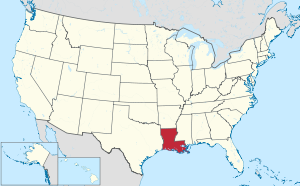
Louisiana has taken a significant step in embracing cryptocurrency by allowing residents to use Bitcoin, Bitcoin Lightning, and USD Coin to pay for state services. This development marks Louisiana as the first U.S. state to officially accept cryptocurrency payments for public services, a move that has both local and national implications.

The state has partnered with Bead Pay, a payment processing platform, to facilitate these transactions. The system automatically converts cryptocurrency payments into U.S. dollars, ensuring that the state does not hold or manage volatile digital assets directly. This approach helps mitigate risks while still offering a progressive payment option to residents. The introduction of cryptocurrency payments is expected to provide more flexibility for taxpayers and businesses in Louisiana, especially given the growing popularity of digital currencies across various sectors.

Louisiana’s decision to move forward with cryptocurrency adoption aligns with global trends where more governments and businesses are recognizing the potential of blockchain technology. Many see this as a pivotal moment in expanding the role of decentralized finance, particularly in public sector services.

For citizens using these digital currencies, payments can be made from private wallets in a secure, decentralized manner. The blockchain-based transactions ensure transparency and traceability, which proponents of cryptocurrency argue are critical advantages over traditional payment methods. Critics, however, point to concerns regarding regulation, price volatility, and the broader implications for monetary policy.

By accepting Bitcoin, Bitcoin Lightning, and USD Coin, Louisiana is tapping into some of the most widely used and stable cryptocurrencies on the market. Bitcoin remains the largest and most well-known, while Bitcoin Lightning offers faster and cheaper transactions. USD Coin, a stablecoin pegged to the value of the U.S. dollar, is often favored by users seeking minimal fluctuations in value.

The partnership with Bead Pay provides the infrastructure needed for the state to convert these payments to fiat currency, ensuring the government receives a predictable revenue stream. This development is part of a broader trend where more states and municipalities are exploring ways to integrate blockchain technology into their operations, but Louisiana has gone further by fully implementing it for state services.

While this initiative is still in its early stages, the successful rollout could encourage other U.S. states to adopt similar measures. Louisiana’s decision comes at a time when the use of cryptocurrencies is steadily rising in popularity among both investors and everyday consumers. Bitcoin and other digital assets have been gaining wider acceptance in industries ranging from finance to retail, and now, with Louisiana’s move, the public sector is beginning to explore its benefits.

This groundbreaking policy shift could have far-reaching effects on the future of payments and finance, not just within Louisiana but across the country. It signifies a growing openness to digital assets in mainstream financial systems, a trend that is likely to expand as more states and businesses see the advantages of offering crypto-based payment options.

Ethena Labs, the issuer of the USDe stablecoin, has confirmed a security breach involving its website domain. Although the underlying USDe protocol remains intact, the company has issued a warning advising users to avoid interacting with its front-end interface until further notice. The attack on Ethena Labs’ website came to light after users reported unusual activity. According to the company’s statement, the breach affected only the website’s […]

The partnership will kick off with the soft launch of the dtcpay Visa Infinite Card for ultra high net worth individuals SINGAPORE – Media OutReach Newswire – 18 September 2024 – dtcpay, a digital payments solutions provider, and Visa (NYSE: V), a world leader in digital payments have announced a partnership agreement to drive digital payments transformation in Singapore. This partnership aims to integrate dtcpay’s digital payments […]

The U.S. Securities and Exchange Commission (SEC) has recorded an extraordinary rise in enforcement actions against crypto firms in 2024, hitting an all-time high of $4.7 billion. This marks a remarkable 3,000% increase from the $150.3 million imposed in 2023. The dramatic surge stems primarily from the record-setting settlement of $4.47 billion with Terraform Labs and its co-founder Do Kwon in June 2024, a key factor that has positioned this as a landmark year for regulatory actions in the cryptocurrency sector.

The SEC’s latest move has underscored its increasingly aggressive stance on the cryptocurrency industry, as regulators seek to rein in unlawful practices that have characterized parts of the market. Terraform Labs and Kwon were at the center of one of the biggest collapses in crypto history, when their TerraUSD (UST) stablecoin, designed to maintain parity with the U.S. dollar, dramatically lost its peg in May 2022. The crash of UST led to a massive fallout, wiping out the value of its sister token, Luna, and causing billions in investor losses, leading to the ongoing “crypto winter” that has gripped the market.

The Terraform Labs case has been particularly high-profile due to the scale of the alleged fraud and the SEC’s claim that Kwon and his company misled investors through deceptive marketing about UST’s stability. The regulatory body’s settlement with Terraform Labs requires the firm to pay $4.05 billion in disgorgement and penalties, while Kwon personally faces an additional $80 million penalty. Both parties have also been permanently barred from offering or selling crypto assets in the future, a significant blow to Kwon’s standing in the industry.

Terraform Labs’ downfall has been closely followed by multiple legal battles and ongoing bankruptcy proceedings since January 2024, which complicates the company’s ability to fulfill the financial penalties imposed by the SEC. Kwon, who has also been facing criminal charges and extradition requests from several countries, is currently in legal limbo. His situation adds another layer of complexity to the enforcement of the settlement, although the SEC has emphasized the importance of holding key actors in the crypto space accountable.

While Terraform Labs’ collapse and its legal ramifications have dominated headlines, the SEC’s crackdown on crypto firms goes far beyond this case. Throughout 2024, the SEC has ramped up investigations and enforcement measures against several other digital asset companies. Many firms have faced fines for a wide range of violations, including unregistered securities offerings, fraud, and failure to comply with anti-money laundering regulations. The sharp rise in enforcement actions reflects the SEC’s broader push to impose greater regulatory scrutiny on the nascent industry, aiming to protect investors and foster greater transparency.

The substantial penalties meted out this year stand in stark contrast to previous years, signaling a paradigm shift in the SEC’s approach toward digital assets. Enforcement actions against cryptocurrency companies, particularly those involved in dubious or illegal operations, have been increasingly severe, sending a clear message to the industry about the regulator’s willingness to act decisively. This escalation has been further driven by SEC Chair Gary Gensler’s firm belief that most crypto assets fall under the category of securities, making them subject to the same laws as traditional financial instruments.

Crypto industry players have responded to the SEC’s assertive posture with a mixture of compliance, resistance, and uncertainty. Some companies are working to align their practices with regulatory expectations, while others have mounted legal challenges to argue that the SEC’s approach to defining and regulating digital assets is overly broad. This ongoing tension between regulators and industry stakeholders has raised important questions about the future of cryptocurrency regulation in the U.S. and beyond.

Looking ahead, the SEC is expected to continue targeting crypto firms that are found to be operating outside legal bounds. The regulator has been increasingly collaborating with other federal agencies and international regulators to address cross-border issues in the crypto space. With the global nature of digital assets, enforcement actions are likely to extend beyond U.S. borders, particularly in cases involving companies like Terraform Labs, whose operations spanned multiple countries and jurisdictions.

VISHNU RAJA
RYO YAMADA
HITORI GOTOH
IKUYO KITA