News related to
stablecoin

Hong Kong’s Securities and Futures Commission has granted a license to Bullish, a prominent virtual asset trading platform, marking a significant milestone in the city’s ambition to become a leading hub for digital assets. This approval allows Bullish to operate within Hong Kong’s regulated framework, offering trading services to both institutional and retail investors.

The SFC’s decision to license Bullish is part of a broader strategy to enhance Hong Kong’s competitiveness in the global digital asset market. Financial Secretary Paul Chan announced that, to date, nine digital asset trading platform licenses have been issued, with eight additional applications under review. This initiative underscores the city’s commitment to fostering a robust and secure environment for virtual asset trading.

Julia Leung, the SFC’s Chief Executive, highlighted that the regulatory body is evaluating the introduction of new cryptocurrency products, including derivatives and margin lending, specifically tailored for professional investors. Speaking at Coindesk’s Consensus Hong Kong 2025 conference, Leung emphasized that these considerations aim to expand the range of services available to investors, thereby solidifying Hong Kong’s position as a regional digital assets hub.

Bullish’s entry into Hong Kong’s regulated market is expected to enhance the city’s digital asset ecosystem. The platform, known for its innovative trading solutions, integrates advanced technologies to provide deep liquidity and secure transactions. By obtaining the SFC license, Bullish demonstrates its commitment to adhering to stringent regulatory standards, offering users a trustworthy platform for virtual asset trading.

The SFC has been proactive in refining its regulatory framework to accommodate the evolving digital asset landscape. In January 2025, the commission introduced a streamlined licensing process for virtual asset trading platforms. This new procedure requires a single external assessment report, replacing the previous two-phased assessment, thereby expediting the approval process for applicants. This move aims to attract more virtual asset service providers to establish operations in Hong Kong, contributing to the city’s growing digital economy.

Hong Kong’s efforts to position itself as a digital asset hub come amid increasing global competition. Jurisdictions such as Singapore and Dubai are also vying for prominence in the virtual asset sector, offering regulatory incentives and establishing comprehensive frameworks to attract blockchain and cryptocurrency enterprises. Hong Kong’s strategic approach, characterized by rigorous regulatory oversight combined with industry-friendly policies, seeks to balance investor protection with innovation.

The city’s regulatory advancements have coincided with notable movements in the cryptocurrency market. Bitcoin, the leading cryptocurrency, experienced a significant surge, reaching an all-time high of $109,071 in January 2025 before stabilizing around $96,000. This upward trajectory reflects growing investor confidence and increased institutional adoption of digital assets. Analysts attribute this trend to favorable regulatory developments and the mainstream acceptance of cryptocurrencies as a legitimate asset class.

In addition to licensing trading platforms, Hong Kong is advancing regulations for stablecoins—digital currencies pegged to stable assets like fiat currencies. The SFC is formulating guidelines to govern the issuance and management of stablecoins, aiming to mitigate risks associated with their use and ensure financial stability. This regulatory clarity is anticipated to encourage the development of stablecoin projects within the region, further diversifying Hong Kong’s digital asset offerings.

Market participants have responded positively to these regulatory developments. The introduction of new licensed platforms is expected to enhance market liquidity and provide investors with a wider array of trading options. Furthermore, the presence of regulated entities like Bullish is likely to attract institutional investors seeking compliant and secure avenues for digital asset exposure. This influx of institutional capital could contribute to the maturation and stabilization of the cryptocurrency market in Hong Kong.

Tether co-founder Reeve Collins is lending his support to Pi Protocol, a new venture aiming to introduce a yield-bearing stablecoin in the latter half of 2025. This initiative seeks to launch on both the Ethereum and Solana blockchains, offering users an opportunity to earn profits through the USI token.

Pi Protocol plans to mint stablecoins via smart contracts, utilizing real-world assets as collateral. This approach is designed to provide stability and transparency, addressing common concerns associated with digital currencies. Participants in the protocol will have the chance to earn profits in the form of USI tokens, which are integral to the platform’s ecosystem. Additionally, the project intends to introduce governance tokens, enabling users to partake in decision-making processes and influence the protocol’s future developments.

Reeve Collins, renowned for co-founding Tether—the widely used stablecoin pegged to the U.S. dollar—brings a wealth of experience to Pi Protocol. His involvement is anticipated to bolster confidence in the project, given his history of successful ventures in the blockchain space. Collins has previously co-founded BLOCKv, a platform for creating and distributing non-fungible tokens , and has been instrumental in pioneering digital marketing and blockchain technologies.

The decision to deploy Pi Protocol on both Ethereum and Solana blockchains is strategic. Ethereum, known for its robust smart contract capabilities, offers a vast and established user base. Solana, on the other hand, has been gaining traction due to its high throughput and lower transaction costs. Notably, Solana’s decentralized finance ecosystem has seen significant growth, with stablecoin inflows increasing by 129.4% in the first month of 2025, bringing the total balance to $11.7 billion. This surge indicates a growing interest in Solana’s offerings and positions it as a formidable platform for new projects like Pi Protocol.

The integration of RWAs as collateral is a noteworthy aspect of Pi Protocol’s design. By anchoring the stablecoin to tangible assets, the project aims to mitigate volatility and enhance trust among users. This methodology aligns with emerging trends in the crypto industry, where platforms are increasingly exploring asset-backed tokens to bridge the gap between traditional finance and digital assets.

As the project progresses towards its anticipated launch in the second half of 2025, stakeholders and potential users are keenly observing its development. The collaboration of seasoned professionals like Reeve Collins with innovative blockchain solutions underscores the evolving landscape of decentralized finance and the continuous efforts to introduce stable, yield-generating financial instruments in the crypto space.

In the broader context, the introduction of Pi Protocol’s stablecoin contributes to the diversification of digital financial products available to users. As blockchain technology matures, the fusion of real-world assets with digital tokens presents new avenues for investment and financial management, potentially reshaping traditional economic models.

Cryptocurrency giant Tether has embarked on an ambitious venture beyond digital finance, investing $200 million to acquire a majority stake in Blackrock Neurotech, a leading brain-computer interface company. This strategic move, executed through Tether’s venture division, Tether Evo, signifies the company’s commitment to advancing neurotechnology and making it accessible to a broader audience.

Blackrock Neurotech, based in the United States, specializes in developing neural implants that enable direct communication between the human brain and computers. These devices have the potential to revolutionize the lives of individuals with neurological disorders by restoring motor functions and facilitating control over digital interfaces. Notably, Blackrock Neurotech has achieved significant milestones, including restoring speech for an ALS patient through a BCI implant, enabling communication at a rate of 62 words per minute.

Paolo Ardoino, Tether’s Chief Technology Officer, emphasized the importance of democratizing access to such transformative technologies. He stated that Tether is committed to developing BrainOS as an open-source platform, collaborating with universities worldwide to ensure the technology remains in the public domain. This approach aims to prevent monopolization by a few entities and promote widespread adoption and innovation in the BCI field.

The development of BrainOS is poised to position Tether as a significant player in the neurotechnology sector, directly competing with companies like Neuralink. Founded by Elon Musk, Neuralink has been at the forefront of BCI innovation, recently implanting its device in a third human patient. This patient, paralyzed from the neck down, has been able to control digital devices through thought, marking a significant advancement in the practical application of BCI technology.

Standard Chartered Bank Limited , Animoca Brands, and HKT have announced a joint venture to issue a stablecoin pegged to the Hong Kong dollar . The consortium plans to apply for a license from the Hong Kong Monetary Authority under the region’s new regulatory framework for stablecoins.

This strategic partnership aims to leverage the unique strengths of each participant. SCBHK will provide its robust banking infrastructure and governance, having previously engaged in all of HKMA’s tokenised money projects. Animoca Brands, a leader in Web3 and blockchain technologies, will explore use cases within the digital asset ecosystem. HKT, a prominent telecommunications service provider, intends to integrate the stablecoin into its mobile wallet offerings, enhancing both domestic and cross-border payment solutions.

Mary Huen, Chief Executive Officer of SCBHK and Greater China & North Asia, expressed enthusiasm about the initiative, stating that the bank looks forward to becoming one of the first issuers of an HKD-backed stablecoin in collaboration with its strategic partners.

The move comes as Hong Kong intensifies its efforts to establish a comprehensive regulatory environment for digital assets. The government published the Stablecoins Bill in December 2024, outlining a statutory framework for stablecoin issuance and operations. The bill is currently under review by the Legislative Council’s Bills Committee. Key features of the proposed regime include stringent licensing requirements, operational standards, and reserve management protocols for stablecoin issuers.

Bill Winters, Group Chief Executive of Standard Chartered, highlighted the significance of this development, noting that digital assets are here to stay and that the development of different forms of tokenised money is integral to the advancement of this industry. He emphasized that stablecoins play a critical role in the overall digital asset ecosystem.

Yat Siu, Co-founder and Executive Chairman of Animoca Brands, commented on the collaboration, stating that this partnership aims to foster the growth of the Web3 ecosystem in Hong Kong by providing a trusted and regulated stablecoin that can be used across various applications and services.

HKT’s Group Managing Director, Susanna Hui, added that integrating the HKD-backed stablecoin into HKT’s mobile wallet services will offer customers a seamless and secure payment experience, further enhancing Hong Kong’s position as a leading digital economy.

The introduction of an HKD-backed stablecoin is expected to provide a stable and secure medium of exchange within the digital asset market, potentially reducing volatility and fostering greater trust among users and investors. This initiative aligns with global trends, as jurisdictions worldwide are increasingly focusing on regulating stablecoins to ensure financial stability, security, and compliance with existing financial systems.

Industry analysts suggest that the success of this venture could position Hong Kong as a pioneer in regulated stablecoin issuance, potentially setting a precedent for other financial hubs. The collaboration between a traditional banking institution, a blockchain innovator, and a telecommunications giant exemplifies a multifaceted approach to digital finance, combining traditional financial expertise with cutting-edge technology and widespread consumer reach.

The market for fan tokens has seen a sharp increase following Tether’s recent investment in Juventus Football Club, with Juventus’ fan token skyrocketing by 200%. Other fan tokens, including those for Lazio and Porto, have also experienced significant surges, indicating a broader trend in the digital sports economy.

Tether’s strategic move has underscored the growing intersection between cryptocurrency and traditional sports, particularly through fan engagement platforms. The investment, part of a broader collaboration between the stablecoin issuer and the renowned Italian football club, has spurred considerable trading activity in fan tokens. Fan tokens, which allow supporters to engage more directly with their teams, vote on specific club decisions, and access exclusive content, have gained traction in recent years, with Tether’s backing providing a clear signal of the potential for digital assets in the sports world.

The JUV token, which has been a popular asset in the fan token market, saw a massive uptick in value following news of Tether’s involvement. This surge, marking a 200% increase in its value, signals a potential shift in how investors view the future of sports and entertainment-linked digital currencies. The token’s growth is attributed to increased interest in Juventus, a club with a vast global following, combined with the legitimacy of Tether’s investment backing the token’s credibility in the market.

Similar trends have emerged for other fan tokens. Tokens associated with Lazio and Porto, two other prominent European football clubs, have seen significant increases in value. Lazio’s token saw a 150% increase, while Porto’s fan token surged by over 180%. These jumps are being attributed to a combination of factors, including renewed interest in football clubs’ digital assets and the growing confidence in fan tokens as legitimate, tradable assets.

Industry experts suggest that Tether’s investment could be a turning point for the fan token ecosystem. By investing in established football clubs, Tether is effectively bridging the gap between the cryptocurrency world and traditional sports institutions, providing further validation to the idea of fan tokens as serious investment assets. With large-scale entities like Juventus now involved, fan tokens are no longer seen merely as speculative digital assets, but rather as a tangible way for fans to interact with their teams in a more integrated manner.

The fan token market, while still niche, is rapidly expanding. According to reports, more than 50 football clubs, including some of the largest European clubs, have issued their own tokens. These tokens serve as a new form of digital engagement, where supporters can vote on club-related decisions, participate in exclusive events, and even access limited-edition merchandise. This innovation is a response to the increasing demand for fans to have a more personal and interactive experience with their favourite teams.

While Tether’s involvement has driven much of the attention towards Juventus’ JUV token, the growth of fan tokens is not limited to the Italian club. Other clubs have begun to explore the benefits of incorporating blockchain technology into their fan engagement strategies. The success of Juventus and its token could lead to similar investments in the fan token market from other major cryptocurrencies or financial institutions. In particular, as more major players in the cryptocurrency space align themselves with sports teams, fan tokens may grow to become a fundamental part of sports-related finance.

The market’s response also highlights the speculative nature of fan tokens. With their inherent volatility, fan tokens are a high-risk investment, with value fluctuations influenced by a variety of factors including the performance of the associated team, the success of the fan token platform itself, and broader market conditions within both the sports and cryptocurrency sectors. The price increases of the JUV, Lazio, and Porto tokens demonstrate the impact of such factors, and many investors see these tokens as a way to capitalise on the popularity of sports, particularly as clubs continue to tap into the growing potential of cryptocurrency-based ecosystems.

The surge in fan token prices suggests that more football clubs may turn to digital assets as a revenue stream. The innovative model allows clubs to earn additional income while simultaneously offering fans new ways to connect with their teams. For clubs like Juventus, which have extensive international followings, the digitalisation of fan engagement via blockchain offers an expanded reach, attracting both traditional fans and a younger, tech-savvy audience more inclined to engage with digital assets.

Aston Martin Aramco Formula One Team has entered into a groundbreaking multi-year sponsorship agreement with cryptocurrency exchange platform Coinbase, marking a significant milestone in the integration of digital finance within elite motorsport. This partnership is distinguished by its financial arrangement: the entire sponsorship fee will be transacted in USD Coin , a stablecoin pegged 1:1 to the U.S. dollar.

This collaboration represents the first instance of a Formula One team publicly announcing the full payment of a partnership using a stablecoin. By embracing USDC for this transaction, Aston Martin signals a forward-thinking approach to financial operations, highlighting the efficiency and global reach of cryptocurrency in high-stakes industries.

Jefferson Slack, Managing Director of Commercial at Aston Martin Aramco, expressed confidence in the alliance, stating, “This partnership shows the trust and confidence we place in Coinbase’s expertise as a leader in digital finance. By transacting this deal fully in USDC, we’re signaling our commitment to innovation, building a sustainable, forward-thinking relationship with Coinbase.”

Coinbase’s branding will feature prominently on Aston Martin’s AMR25 race cars, specifically on the halo and rear-wing end plates, as well as on the racing suits of drivers Fernando Alonso and Lance Stroll throughout the upcoming Formula One season. This visibility aligns with Coinbase’s strategy to expand its global presence and promote the adoption of digital currencies across diverse audiences.

Gary Sun, Vice President of Marketing at Coinbase, highlighted the significance of this venture: “This is a huge moment for Coinbase, marking the first time we’ve invested in a sports partnership entirely in cryptocurrency. It’s also our debut in Formula One, and we’re thrilled to align with a sport that values pushing boundaries with transformative ideas and technology.”

The decision to utilize USDC for the sponsorship underscores the practical benefits of stablecoins in large-scale transactions, offering stability, reduced transaction costs, and seamless cross-border payments. While Coinbase remains open to transacting in various cryptocurrencies based on partner preferences, the selection of USDC for this deal reflects its suitability for substantial financial agreements.

This partnership emerges amidst a growing trend of cryptocurrency integration within Formula One. In June 2021, Crypto.com secured a multi-year deal with Formula One, later expanding its involvement with a significant nine-year, $100 million agreement in 2022, which included naming rights to the Miami Grand Prix. Individual teams have also embraced the crypto movement; for instance, Red Bull Racing has collaborated with platforms like Bybit and Mysten Labs to enhance fan engagement through blockchain technology.

Aston Martin’s alliance with Coinbase not only enhances the team’s financial portfolio but also paves the way for innovative, blockchain-based fan engagement initiatives. As the season progresses, supporters can anticipate unique on-chain experiences designed to deepen their connection with the team and the sport.

Blockchain.com, a prominent digital asset exchange, has appointed Justin Evans as Chief Financial Officer and Mike Wilcox as Chief Operating Officer as it advances towards a potential initial public offering . Evans, formerly the head of crypto investment banking at Goldman Sachs Group Inc., brings extensive experience in financial strategy and capital markets. Wilcox, who previously served as Chief Financial Officer at Velocity Global and was an investment manager at Point72 Asset Management, adds significant operational expertise to the team.

These strategic hires align with Blockchain.com’s objective to position itself for a public listing, capitalizing on the growing institutional adoption of cryptocurrencies and a more favorable regulatory environment. The company joins a cohort of cryptocurrency firms aiming to enter public markets, reflecting a broader trend within the industry.

In parallel, other major cryptocurrency firms are also exploring public listings. BitGo, a cryptocurrency custodian services provider, is reportedly considering an IPO as soon as the second half of this year. The firm is in discussions with potential advisers, although no final decision has been made. BitGo, founded in 2013, serves over 1,500 institutional clients across 50 countries and processes approximately 8% of global Bitcoin transactions by value. In 2023, the company raised $100 million, achieving a valuation of $1.75 billion.

Similarly, Gemini, the cryptocurrency firm backed by the Winklevoss twins, is considering an IPO as early as this year. This move underscores the increasing trend of cryptocurrency companies seeking public listings to access broader capital markets and enhance transparency.

The momentum for crypto-related IPOs is further evidenced by Circle Internet Financial’s plans. The company, known for issuing the stablecoin USDC, announced its intention to relocate its headquarters from Boston to New York City’s One World Trade Center in early 2025, ahead of its planned IPO. This relocation signifies the cryptocurrency industry’s deeper integration with traditional financial hubs.

The surge in IPO considerations among cryptocurrency firms is influenced by several factors, including increased institutional adoption of digital assets and evolving regulatory landscapes. The U.S. IPO market experienced significant growth in 2024, with companies raising over $41 billion, marking the most successful year since 2021. This resurgence is anticipated to continue into 2025, driven by favorable economic conditions and a more supportive regulatory environment.

However, not all major players are rushing to go public. Companies like SpaceX and OpenAI, despite substantial investor interest, are expected to delay their public offerings due to strong private funding. This trend indicates that while the IPO market is becoming more attractive, some firms prefer to remain private, leveraging ample private capital to fuel their growth.

In the retail trading sector, eToro has submitted confidential filings to the U.S. Securities and Exchange Commission for an IPO in New York, potentially valuing the company at over $5 billion. This move follows eToro’s previous attempt to go public in 2022 via a $10.4 billion deal with a blank-check company, which was halted due to unfavorable market conditions.

The increasing number of cryptocurrency and fintech firms pursuing public listings reflects a strategic shift towards greater transparency, regulatory compliance, and access to capital. As the industry matures, these public offerings are poised to reshape the financial landscape, bridging the gap between traditional finance and the burgeoning digital asset economy.

Advertisements

South Korea’s Financial Services Commission has unveiled a structured plan to permit corporate entities to engage in cryptocurrency transactions through real-name accounts. This initiative, set to commence in the first half of 2025, aims to integrate corporate participation in the digital asset market while ensuring regulatory oversight.

The FSC’s strategy involves a three-phase rollout. Initially, non-profit organizations, law enforcement agencies, and cryptocurrency exchanges will be granted access to real-name accounts. This move is designed to facilitate activities such as the conversion of platform fee income into fiat currency for exchanges and the handling of confiscated assets by law enforcement. However, exchanges will be subject to government guidelines to prevent market volatility.

In the subsequent phase, slated for the second half of 2025, professional investment entities—including listed companies and registered investment institutions—will be authorized to participate in crypto asset trading. These entities must adhere to stringent anti-money laundering protocols and undergo evaluations by banks and crypto exchanges to ensure compliance.

The final phase envisions extending crypto investment capabilities to general enterprises. This stage remains under long-term consideration and is contingent upon the successful implementation of preceding phases, as well as the establishment of comprehensive regulations encompassing stablecoins, exchange operations, and cross-border crypto transaction monitoring.

FSC Vice Chairman Kim So-young emphasized the importance of a cautious and measured approach, stating that the policy’s implementation must be gradual and carefully monitored to prevent market disruptions. He highlighted the necessity of clear AML guidelines to maintain market integrity throughout the rollout process.

This policy shift addresses longstanding challenges within South Korea’s crypto industry, particularly for small and mid-sized exchanges that have struggled with liquidity constraints. By enabling corporate accounts, these exchanges are expected to enhance their operational capabilities and competitiveness within the market.

Mutuum Finance, a decentralized lending protocol, is garnering significant attention in the decentralized finance sector. The platform’s presale phase has seen substantial participation from prominent investors, driven by projections of a 1300% increase in token value by its official launch.

The platform offers a dual-market approach: Peer-to-Contract and Peer-to-Peer . In the P2C market, transactions are automated through smart contracts, providing a secure method for users to supply or borrow assets. This market accepts only tokens that meet stringent safety and risk criteria, such as stablecoins like USDT or established assets like ETH, ensuring a safer environment for users aiming to minimize risk while earning or accessing funds. Conversely, the P2P market enables direct user-to-user transactions, allowing the exchange of a broader range of tokens, including newer or higher-risk assets like memecoins and recently launched cryptocurrencies. While these tokens carry higher risks, they also offer opportunities for users seeking potential higher returns. Both markets are powered by smart contracts, ensuring transactions remain secure, decentralized, and efficient across the platform.

The presale is structured across multiple stages, with the initial phase pricing MUTM tokens at $0.01. Early investors have the opportunity to secure tokens at this entry point, with the price set to increase in subsequent stages, culminating in a launch price of $0.06. This structure offers early participants a potential 1100% return by the time of the platform’s official launch. For instance, an investment of $1,200 at this stage could potentially grow to $13,200 at launch.

Analysts predict further price growth post-launch, driven by the platform’s live beta release and increasing community interest. Anticipated listings on top-tier centralized exchanges could further enhance the token’s value, with projections suggesting an additional 1100% increase or more.

To engage and reward its community, Mutuum Finance has announced a $100,000 giveaway. The prize pool will be divided among 10 winners, each receiving $10,000 worth of MUTM tokens. Participants are required to follow Mutuum Finance on social media platforms and actively engage with the community. Detailed instructions for participation are available on the official website.

Tether, the prominent stablecoin issuer behind USDT, has announced the launch of a new artificial intelligence software development kit platform designed to drive the convergence of AI and cryptocurrency. The move positions Tether as a key player in blending these two transformative technologies, aiming to reshape the cryptocurrency landscape with AI-powered solutions. The new platform is expected to facilitate the development of AI-driven applications and services that […]

Donald Trump’s administration is making significant strides towards shaping the future of cryptocurrency regulation in the United States, with new initiatives aimed at establishing the country as a leader in the global digital asset market. At the heart of this push is the creation of a National Bitcoin Reserve, a plan intended to secure Bitcoin’s position as a foundational pillar of the U.S. financial system. Alongside this, a comprehensive set of pro-crypto regulations is being crafted, promising to reshape how digital assets are treated under American law.

Trump’s crypto czar, David Sacks, has been vocal in driving this initiative, positioning the U.S. to be at the forefront of the digital revolution. Speaking to a gathering of industry leaders, Sacks emphasised the importance of a robust regulatory framework that would not only protect investors but also provide a clear roadmap for businesses and startups in the crypto space. His statements have echoed the administration’s intent to balance innovation with security, fostering a thriving digital economy.

The National Bitcoin Reserve, a key component of this strategy, aims to establish a large-scale reserve of Bitcoin, ensuring that the U.S. government holds a significant stake in the leading cryptocurrency. Proponents argue that this move would reinforce the dollar’s dominance in the global financial market, positioning Bitcoin as a safe and stabilising asset. The plan has already garnered attention from financial experts, some of whom see it as a potential game-changer, strengthening the U.S. dollar while also promoting the mainstream adoption of cryptocurrency.

Alongside this reserve, the Trump administration is working on a comprehensive package of regulations that would provide clarity and stability to the rapidly evolving crypto landscape. These regulations are set to address a range of concerns, from tax treatment to anti-money laundering measures, ensuring that cryptocurrency transactions are conducted in a secure and transparent manner. Sacks has stressed the need for a regulatory environment that encourages innovation while preventing misuse, striking a delicate balance between growth and security.

This shift in policy comes at a time when the global cryptocurrency market is experiencing rapid growth, with governments around the world racing to establish their regulatory frameworks. In Europe, regulators are moving towards stricter rules aimed at controlling the industry, while countries like China have adopted an outright ban on crypto mining and trading. Against this backdrop, Trump’s administration is aiming to position the U.S. as a haven for crypto businesses, creating an environment where innovation is encouraged, and regulatory certainty is assured.

The role of the U.S. government in this new crypto ecosystem has been a subject of much debate. Critics of the plan argue that such a large government stake in Bitcoin could lead to potential conflicts of interest, with the government holding too much influence over the digital asset market. Others have expressed concerns about the lack of international coordination on crypto regulations, fearing that differing approaches could create barriers to global crypto trade. However, Sacks remains confident that the National Bitcoin Reserve will not only benefit the U.S. economy but will also set a positive precedent for other nations looking to integrate digital currencies into their financial systems.

Key to this vision is the backing of the U.S. Senate and House, where bipartisan support for crypto regulation has been steadily growing. Lawmakers have recognised the economic potential of digital assets and the need to create a framework that fosters innovation while ensuring investor protection. This shift in legislative attitude has led to the formation of a joint committee, aimed at crafting a set of laws that will provide clarity and direction for the future of cryptocurrency in the U.S. The committee is expected to work closely with the Department of Treasury and other federal agencies, ensuring that all aspects of the crypto market are addressed in the new regulatory framework.

While the proposed regulations are still in the early stages, they are set to cover a wide range of issues. The focus will be on ensuring that cryptocurrency transactions are transparent, that businesses comply with tax requirements, and that anti-money laundering protocols are in place. Additionally, the regulations will seek to address the volatility of digital assets, with some proposing the creation of stablecoins as a more secure alternative for everyday transactions. Stablecoins, which are pegged to the value of traditional currencies like the U.S. dollar, have been gaining traction in the crypto space as a way to reduce volatility and encourage mainstream adoption.

Another key element of the plan is the proposed tax incentives for crypto businesses. The Trump administration is looking to create a favourable tax environment for companies in the digital asset space, including tax breaks for startups and incentives for blockchain-based innovations. This approach is designed to attract the best and brightest minds in the crypto world to the U.S., boosting the country’s competitiveness in the sector. With many countries struggling to balance regulatory control with business incentives, the U.S. is positioning itself as a global leader in crypto innovation.

As part of the broader strategy, Trump’s team has also been working to enhance collaboration with the private sector, bringing together industry leaders, financial institutions, and technology experts to create a cohesive and forward-thinking crypto ecosystem. Sacks has highlighted the importance of public-private partnerships in ensuring that the regulatory framework is both effective and practical, reflecting the needs of the rapidly changing digital asset landscape.

Circle has launched Paymaster, a new on-chain utility designed to simplify the payment of gas fees on Arbitrum and Base networks using USDC. The tool, which allows developers to integrate this service into their applications, aims to streamline the transaction process and reduce friction for users interacting with decentralized applications .

Paymaster offers a significant advantage for developers by allowing them to cover gas fees for their users, making transactions smoother and more cost-effective. This feature removes the typical barrier of needing Ether for transaction fees on Ethereum Layer 2 solutions, opening the door for a wider range of users who may not hold ETH but possess USDC. For users of Arbitrum and Base, this means they can conduct transactions without worrying about Ethereum gas fees.

Although Paymaster charges a 10% fee on each gas transaction, it offers a promotional period where the service is free until June 30, 2025. This strategic move is aimed at encouraging widespread adoption of the tool and attracting developers to integrate it into their applications during the promotional window. By removing the upfront costs associated with using the service, Circle hopes to increase the number of dApps leveraging Paymaster for smoother user experiences and broader accessibility.

The introduction of Paymaster comes as part of a broader trend of developing more user-friendly, accessible tools for the growing decentralized finance ecosystem. One of the ongoing challenges for the DeFi sector has been the complexity and cost associated with transaction fees, particularly on Ethereum-based networks. By introducing Paymaster, Circle is aiming to reduce some of these barriers, helping to bring the benefits of blockchain technology to a larger, more diverse group of users.

This launch also highlights Circle’s continued efforts to play a leading role in the broader blockchain ecosystem, particularly in the realm of stablecoins. USDC, Circle’s stablecoin, is already widely used across multiple networks, and the ability to use it for gas payments on Layer 2 solutions like Arbitrum and Base could increase its utility and solidify its position as a preferred digital dollar for decentralized applications.

By enabling gas fee payments in USDC, Circle is helping to reduce the friction that users and developers face when interacting with blockchain applications. It addresses the need for a more accessible way for users to participate in the growing ecosystem without needing to convert assets into ETH, simplifying the user experience and promoting the broader adoption of blockchain technology.

Developers stand to benefit from Paymaster as well, as it provides a way to ensure users can interact with their applications without worrying about transaction costs. This could make it easier for new users to enter the space, as the upfront costs for interacting with decentralized applications are often seen as a significant barrier to entry.

The promotional period of Paymaster being free until mid-2025 also serves as a clear invitation for developers to experiment with the tool and incorporate it into their applications without the concern of initial fees. By offering this incentive, Circle hopes to build a solid foundation of users and developers before the 10% fee becomes effective, which could lead to more long-term integration of Paymaster into various blockchain ecosystems.

As blockchain and crypto technology continue to evolve, the launch of services like Paymaster reflects the ongoing trend of trying to make the space more user-friendly and less daunting for new participants. With the promise of smoother transaction experiences and reduced costs, this service is expected to have a significant impact on the future development of decentralized applications and blockchain use cases.

Utah is moving forward with legislation that would permit the state to invest a portion of its public funds in cryptocurrencies. The Utah House Economic Development Committee approved the bill, known as HB 230 or the Blockchain and Digital Innovation Amendments, by an 8-1 vote on January 28. Introduced by Representative Jordan Teuscher, the bill allows the state treasurer to allocate up to 5% of certain public funds into “qualifying digital assets,” including cryptocurrencies with a market capitalization exceeding $500 billion and approved stablecoins. The bill now proceeds to the full House for a vote. If approved, it will move to the Senate and, if passed there, will be sent to Governor Spencer Cox for final approval. Governor Cox has previously demonstrated support for cryptocurrency initiatives, having signed a bill in 2022 to establish a Blockchain and Digital Innovation Task Force in Utah. The proposed legislation also includes provisions for secure custody solutions, qualified custodians, and exchange-traded products to manage the digital assets. Additionally, it grants the treasurer the authority to engage in staking and lending of crypto assets under specific conditions and prohibits state and local governments from restricting the acceptance of cryptocurrencies as payment for legal goods and services. If the bill passes all necessary hurdles, it is slated to come into effect on May 7.

Kentucky is also taking steps to integrate cryptocurrency into its financial strategy. Representative TJ Roberts announced plans to introduce the Bitcoin Strategic Reserve Act in the coming weeks. Roberts aims to position Kentucky as the “Crypto Capital of the World” by removing sales tax on precious metals and establishing a Bitcoin reserve. He argues that inflation and flawed federal policies have made it necessary for states to take control of their financial future. The proposed legislation seeks to strengthen Kentucky’s economy by creating a strategic reserve of Bitcoin, potentially enhancing the state’s financial stability and attracting crypto-related businesses. Roberts’ initiative reflects a broader trend among U.S. states exploring the integration of cryptocurrencies into their financial systems.

These developments in Utah and Kentucky are part of a growing movement among U.S. states to incorporate cryptocurrencies into their financial frameworks. Lawmakers in South Dakota have also announced plans to introduce similar legislation to establish a Bitcoin reserve. Representative Logan Manhart stated his intention to bring forward a bill in the South Dakota House to create a strategic Bitcoin reserve, emphasizing the opportunity for proactive government action in this area. This initiative aligns with efforts in other states, such as Wyoming and Massachusetts, which have introduced Bitcoin-related legislation since December 2024.

Ripple has minted 3.2 million RLUSD stablecoins at its RLUSD Treasury on January 29, following the issuance of 1,050,000 RLUSD stablecoins on January 28. This brings the total RLUSD supply outstanding to 77,208,201, with a market value of approximately $83.21 million. The reserves backing RLUSD are primarily composed of U.S. Treasury Bills, government money market funds, and cash deposits with U.S. financial institutions. This development underscores Ripple’s commitment to enhancing the utility and adoption of its stablecoin in the digital finance ecosystem.

The RLUSD stablecoin, launched in December 2024, is a centralized stablecoin issued by Ripple’s subsidiary under the approval of the New York Department of Financial Services. It is pegged 1:1 to the U.S. dollar and is designed to facilitate instant global payments, seamless on/off ramps, and access to real-world assets. The stablecoin operates on both the Ethereum and XRP Ledger blockchains, enabling its use in decentralized finance applications across these platforms. Ripple’s strategic move to launch RLUSD aims to provide a stable and efficient digital asset for cross-border payments and other financial services.

In addition to the recent minting, Ripple has secured listings for RLUSD on several prominent cryptocurrency exchanges, including Bitstamp, Uphold, Bullish, Independent Reserve, Moonpay, Bitso, and Coinmena. The stablecoin has also been listed on the high-leverage trading platform Margex, where it is available as collateral for trading crypto pairs. These listings are expected to enhance RLUSD’s liquidity and accessibility, further promoting its adoption in the cryptocurrency market.

To bolster the stability and reliability of RLUSD, Ripple has adopted the Chainlink standard for providing high-quality pricing data. By leveraging Chainlink’s Price Feeds, RLUSD’s pricing data is now available on the Ethereum mainnet, allowing developers to integrate RLUSD into their DeFi applications for use cases such as trading and lending. This integration aims to enhance the utility of RLUSD across the on-chain economy and support its adoption within the DeFi ecosystem.

DP World has launched a multi-currency stablecoin aimed at transforming cross-border trade payments. This initiative seeks to reduce settlement costs, enhance transparency, and expedite transaction times for international businesses.

The company is collaborating with leading financial institutions and technology providers to address inefficiencies in traditional cross-border payment systems. By leveraging blockchain technology, DP World aims to offer a more efficient and secure alternative to conventional banking methods.

The stablecoin solution is designed to simplify and accelerate cross-border payments, ultimately helping businesses in emerging economies navigate the complexities of global trade and unlock new growth opportunities. This initiative is part of DP World’s broader strategy to offer end-to-end solutions for its customers and facilitate seamless global trade.

Sultan Ahmed bin Sulayem, DP World’s group chairman and CEO, emphasized the significance of this development, stating, “By introducing stablecoin-based payment options, we are not just addressing a critical gap in the trade ecosystem but also reaffirming our commitment to innovation and leadership in global commerce. This initiative aligns with DP World’s broader mission to enhance trade flows and economic development in regions that need it most.”

The new payment system is designed to drastically reduce settlement costs and times for cross-border transactions. For example, a textile manufacturer in Ethiopia that exports raw cotton to an Indian fabric producer currently faces significant delays in receiving payments due to the traditional correspondent banking systems, which require multiple intermediaries. This process often leads to settlement times extending over several days, or even weeks. By adopting stablecoin-based payments, DP World aims to streamline this process, reducing both the time and cost associated with cross-border transactions.

The initiative also seeks to improve financial accessibility for businesses of all sizes. In the Ethiopian example, the textile supplier faces cash flow constraints that limit its ability to scale operations or meet new orders. Similarly, the Indian fabric producer is often unsure whether shipments will be dispatched on time due to payment delays. The stablecoin solution will provide more predictable, real-time transactions that can help both businesses plan and manage their operations more efficiently.

HONG KONG SAR – Media OutReach Newswire – 23 January 2025 – Financial Secretary of the Hong Kong Special Administrative Region (SAR), Paul Chan, is among nearly 3,000 political leaders, financial officials and business elites attending the World Economic Forum (WEF) Annual Meeting in Davos, Switzerland. Hong Kong SAR’s Financial Secretary, Paul Chan, speaks at the “2025 Davos-Caixin CEO Luncheon” in Davos, Switzerland. Promoting Hong Kong’s advantages […]

A Landmark Achievement Following HKbitEX VATP License Approval HONG KONG SAR – Media OutReach Newswire – 15 January 2025 – Pioneer Asset Management Limited (“Pioneer“), a subsidiary of Tykhe Capital Group Limited (the “Group” or “Tykhe Capital“), a leading Real-World Asset (RWA) and Security Token Offering (STO) innovator in the APAC region, announces the launch of Hong Kong’s first tokenized USD money market fund (TMF Token) (the […]

HONG KONG SAR – Media OutReach Newswire – 13 January 2025 – VT Markets, an award-winning financial services provider, today releases its 2025 Q1 Economic Outlook. The report highlights how the dual tailwind of favourable policies and market dynamics will propel the cryptocurrency sector into a new era of mainstream adoption. The report also underscores the transformative strides achieved by cryptocurrencies in 2024, which sets the stage […]

HONG KONG SAR – Media OutReach Newswire – 10 January 2025 – Today, IX Asia Indexes announced the 2024 4th quarter review of ixCrypto Index Series and IX Digital Asset Industry Index Series. The constituent changes will be effective on 17th January 2025 (Friday). The results of the constituent review and exchange review are as follows: 1. Constituent Review – ixCrypto Index Series 1.1 ixCrypto Index (“IXCI”) […]

HONG KONG SAR – Media OutReach Newswire – 10 January 2025 – Today, IX Asia Indexes announced the 2nd Half 2024 Review of the IX Digital Asset Industry Classification System (“DAICS®“), aiming to provide the professionals worldwide with a transparent and standardized classification scheme to determine sector and exposure of particular digital assets. DAICS® classifies digital assets into 2 main categories: a) Cryptocurrencies and b) Asset Backed […]

Cryptocurrencies continue to revolutionize the financial world, with stablecoins standing at the forefront of this evolution. The $205 billion market for stablecoins is now approaching a level of mainstream integration that could redefine how digital assets are utilized in daily transactions and financial services.

Stablecoins, digital currencies pegged to assets like the U.S. dollar or gold, have gained significant traction over the past few years, driven by their stability compared to volatile cryptocurrencies like Bitcoin or Ethereum. Unlike their counterparts, stablecoins aim to maintain a fixed value, making them more attractive to investors and consumers looking for reliability in the crypto space. The potential for mainstream adoption lies not just in their price stability but in their growing use cases across sectors ranging from decentralized finance (DeFi) to remittances and even digital identity verification.

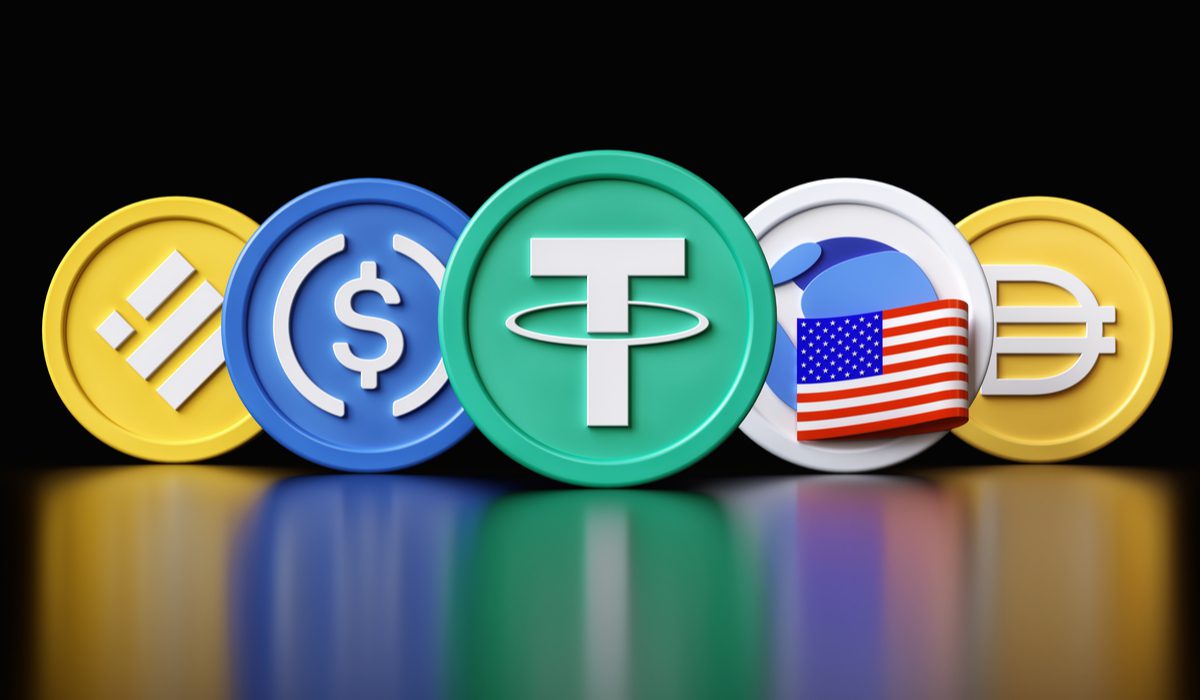
Tether (USDT), USD Coin (USDC), and Binance USD (BUSD) dominate the stablecoin market, each playing a crucial role in driving the sector’s growth. As the overall cryptocurrency market reaches new milestones, these stablecoins continue to provide the foundation for many of the transactions and liquidity movements that are essential to the ecosystem’s functionality. In fact, stablecoins now account for over 10% of the entire cryptocurrency market capitalization, a trend that is only expected to grow as more institutional players enter the space.

The increasing use of stablecoins has caught the attention of both regulators and traditional financial institutions. Governments around the world are exploring ways to regulate stablecoins, driven by concerns over financial stability, anti-money laundering (AML), and countering the financing of terrorism (CFT). Despite this, the rise of stablecoins is seen as inevitable by many experts, as they offer an alternative to traditional fiat currencies, especially in regions with unstable economies or where access to banking services is limited.

One of the most compelling arguments for the mainstream integration of stablecoins is their utility in cross-border payments. Traditional remittance channels often carry hefty fees and take several days to process. Stablecoins offer a faster, cheaper, and more transparent alternative, allowing users to transfer funds across borders in real time at a fraction of the cost. This has made them particularly popular in emerging markets, where they have the potential to provide financial inclusion to the unbanked and underbanked populations.

Beyond payments, stablecoins have also become integral to decentralized finance (DeFi), a sector that has exploded in popularity over the past few years. DeFi platforms offer a wide range of financial services, such as lending, borrowing, and trading, without the need for intermediaries like banks or brokers. Stablecoins are often used as collateral for these services, providing a level of security for both borrowers and lenders. The appeal of DeFi is growing rapidly as more individuals look for alternatives to traditional financial systems, and stablecoins have proven to be a critical part of this shift.

Stablecoins are increasingly being explored as a solution to the volatility of cryptocurrencies in the world of digital assets. While the prices of Bitcoin, Ethereum, and other cryptocurrencies can fluctuate wildly, stablecoins provide a more predictable store of value. This makes them an attractive option for investors who are seeking to hedge against the market’s ups and downs, as well as for businesses looking for stability in their crypto transactions. The ability to maintain a stable value also positions stablecoins as a potential bridge between traditional finance and the cryptocurrency world.

Financial giants like JPMorgan and BlackRock are also positioning themselves to leverage stablecoins and blockchain technology to streamline their operations. JPMorgan’s recent experimentation with blockchain-based stablecoins in its payment systems is a testament to the growing mainstream interest in this sector. Similarly, BlackRock, the world’s largest asset manager, has expressed interest in stablecoin-backed investment products. These high-profile endorsements signal that stablecoins are not just a niche technology but could soon become a core component of global financial infrastructure.

The rise of central bank digital currencies (CBDCs) is expected to further accelerate the adoption of stablecoins. While CBDCs are government-backed digital currencies that function similarly to stablecoins, they could eventually coexist alongside private sector stablecoins, creating a hybrid ecosystem. Central banks are actively researching and piloting CBDCs, and the success of stablecoins in the private sector may provide a blueprint for the development of these digital currencies.

Despite the optimism surrounding stablecoins, several challenges remain. Regulatory uncertainty is one of the biggest hurdles facing the market. While stablecoins are seen as a way to democratize finance, they are also under scrutiny from regulators who worry about the potential for systemic risk. There is growing pressure for stablecoins to comply with traditional banking regulations, including Know Your Customer (KYC) and Anti-Money Laundering (AML) standards. This could result in more stringent requirements for stablecoin issuers, potentially stifling innovation in the space.

Concerns over the transparency and security of stablecoin reserves have been raised. In 2022, Tether, the largest stablecoin issuer, came under fire for allegedly misrepresenting the composition of its reserves, which raised questions about the stability of the entire market. Although Tether and other issuers have taken steps to improve transparency, the issue of trust remains a critical challenge for the long-term viability of stablecoins.

Another concern is the environmental impact of stablecoins, particularly those that rely on energy-intensive blockchain networks. While many stablecoins are built on the Ethereum network, which has faced criticism for its high energy consumption, newer stablecoin projects are increasingly turning to more energy-efficient blockchains like Solana and Avalanche.

Video-sharing platform Rumble has announced a $775 million strategic investment from cryptocurrency firm Tether, marking a significant collaboration between the digital content and crypto sectors.

Tether has agreed to purchase approximately 103.3 million shares of Rumble at $7.50 per share, totaling $775 million. Rumble plans to allocate $250 million of this investment to support growth initiatives, with the remaining funds designated for a self-tender offer to repurchase up to 70 million shares of its Class A common stock at the same price.

Following the transaction, CEO Chris Pavlovski will retain his controlling stake in Rumble. Pavlovski has committed to tendering shares but does not intend to sell more than 10 million. The investment and tender offer are expected to close in the first quarter of 2025.

Rumble’s shares responded positively to the announcement, rising 41% to $10.17 in after-hours trading.

Tether, known for issuing the world’s largest stablecoin by market capitalization, has faced regulatory scrutiny in the past. Despite this, the company continues to expand its influence in the digital finance sector.

Rumble, positioning itself as a free-speech alternative to platforms like YouTube, has experienced growth in user engagement and revenue. In the third quarter, the company reported a 39% year-over-year increase in revenue, reaching $25.1 million, alongside a rise in monthly active users and narrowed losses.

This investment aligns with Rumble’s recent strategic decisions, including plans to add Bitcoin to its balance sheet, reflecting a deeper integration with the cryptocurrency ecosystem.

Cryptocurrency exchanges across the European Union are preparing to delist stablecoins that fail to comply with the forthcoming Markets in Crypto-Assets (MiCA) regulations, set to be fully enforced by December 30, 2024. Notably, Tether’s USDT, the world’s largest stablecoin by market capitalization, is among those facing delisting due to non-compliance with MiCA’s stringent requirements.

MiCA aims to establish a comprehensive regulatory framework for crypto-assets within the EU, enhancing transparency, consumer protection, and market integrity. A key provision mandates that stablecoin issuers obtain an e-money license, ensuring tokens are fully backed by reserves held in independent banks and that issuers maintain robust transaction monitoring systems. Tether has not yet secured this license, rendering USDT non-compliant under the new regulations.

In response, major cryptocurrency exchanges operating in the EU have announced plans to delist USDT and other non-compliant stablecoins. Coinbase Europe, for instance, has informed its users of the impending delisting, advising them to convert their USDT holdings into compliant alternatives such as USD Coin (USDC) or Euro Coin (EURC), both issued by Circle and fully compliant with MiCA standards. This move is in line with Coinbase’s commitment to adhere to regulatory requirements and ensure the security of its users’ assets.

The delisting of USDT is expected to have significant implications for the European cryptocurrency market. USDT has been a cornerstone of crypto trading, providing liquidity and a stable store of value for traders and investors. Its removal could lead to reduced liquidity, increased trading costs, and potential disruptions in the market. Market participants are concerned that the absence of USDT may hinder trading activities and slow the growth of the crypto ecosystem within the EU.

Tether’s non-compliance stems from its current operational structure, which does not align with MiCA’s requirements for reserve backing and regulatory oversight. The company has faced scrutiny over the transparency and adequacy of its reserves, with critics alleging insufficient backing for the tokens in circulation. Tether has previously defended its practices, asserting that its tokens are fully backed and that it operates with a commitment to transparency and regulatory compliance.

The implementation of MiCA represents a significant step toward the formalization and regulation of the cryptocurrency industry within the EU. By enforcing strict compliance standards, the EU aims to mitigate risks associated with crypto-assets, including fraud, money laundering, and market manipulation. The regulation also seeks to foster innovation by providing clear guidelines and a stable regulatory environment for businesses and investors.

However, the delisting of prominent stablecoins like USDT raises questions about the balance between regulation and market dynamics. While regulatory compliance is essential for market integrity and consumer protection, the sudden removal of widely used assets could disrupt market operations and negatively impact users who rely on these tokens for trading and value transfer.

Exchanges are taking steps to minimize disruption by offering users options to convert their USDT holdings into compliant alternatives. For example, Coinbase has facilitated the transition by providing seamless conversion services and detailed guidance to its users. Other exchanges are expected to implement similar measures to ensure a smooth transition and maintain user trust.

ZBD, a fintech company specializing in Bitcoin Lightning Network payments, has obtained regulatory approval from the Dutch Authority for the Financial Markets (AFM) for its application under the European Union’s Markets in Crypto-Assets (MiCA) framework. This approval positions ZBD among the first to operate under MiCA regulations, enabling the company to offer a comprehensive suite of cryptocurrency custody and exchange services across the EU upon the license’s activation on December 30, 2024.

The MiCA regulation, set to be fully implemented by the end of December 2024, aims to establish a unified legal framework for crypto-assets within the EU. Its objectives include enhancing consumer protection, ensuring market integrity, and fostering innovation within the digital finance sector. The regulation mandates that all crypto-asset service providers (CASPs) obtain authorization to operate within the EU, thereby standardizing requirements across member states.

In the Netherlands, the AFM oversees the implementation of MiCA. The Dutch government has been proactive in aligning national legislation with the EU framework, initiating consultations on the MiCA Implementation Act as early as July 2023. Notably, the Dutch legislator has proposed reducing the transitional period for registered crypto service providers from the standard 18 months to six months. This adjustment requires companies to expedite their compliance efforts to meet the earlier deadline.

ZBD’s successful navigation of the regulatory landscape underscores its commitment to compliance and positions it favorably within the competitive EU market. By securing AFM approval, ZBD is authorized to provide a broad range of crypto-related services, including custody solutions and exchange operations, to clients throughout the European Union. This development is particularly significant as the MiCA framework is expected to facilitate greater participation from traditional financial institutions in the crypto sector, promoting innovation while ensuring legal certainty.

The broader European crypto industry is actively preparing for MiCA’s implementation. Countries like France and Germany have introduced measures for a simplified authorization procedure, while others, including Estonia and the Netherlands, anticipate a more straightforward process for entities already authorized or registered under existing national laws. This harmonization effort aims to create a cohesive regulatory environment across the EU, reducing barriers to entry and fostering cross-border collaboration among crypto service providers.

The impending enforcement of MiCA has prompted various stakeholders to adjust their strategies accordingly. For instance, Tether, a prominent issuer of stablecoins, has invested in Dutch firm Quantoz to develop MiCA-compliant stablecoins, signaling a move to bolster compliance and compete within the regulated EU market.

VISHNU RAJA
RYO YAMADA
HITORI GOTOH
IKUYO KITA