News related to
unit

LONDON, UNITED KINGDOM – Media OutReach Newswire – 19 September 2024 – Dusit Central Park, a complete mixed-use development in Bangkok’s Super Core CBD, the newest project among Thailand’s Top 5 Tallest Buildings, has made its international showcase at the CTBUH 2024 International Conference in London – Paris. The project is developed in partnership with Dusit Thani Public Company Limited, Thailand’s leading hospitality and real estate development […]

A sudden spike in Bitcoin’s value has wiped out more than $200 million in liquidated positions, with the majority being attributed to short positions. The cryptocurrency surged by over 6%, surpassing the $63,300 mark within the last 24 hours. This significant rally has taken traders by surprise, marking another episode of volatility in the digital asset market.

The liquidation wave hit both long and short positions, but it was primarily short sellers who bore the brunt of the surge. Data indicates that $155.5 million of the total liquidations came from short positions, as traders betting against Bitcoin’s price movement were forced to close their positions when the cryptocurrency rallied. Such liquidations typically occur when traders borrow funds to amplify their positions but fail to meet margin requirements when prices move against their bets.

Bitcoin’s value has been fluctuating for weeks, but this sharp upward movement has renewed optimism in the broader crypto market. Analysts are pointing to various potential triggers, including increased institutional interest, favorable regulatory discussions, and a growing sentiment around Bitcoin as a store of value. As the asset crossed the $63,300 threshold, market confidence seemed to grow, further driving the price upward.

A notable factor contributing to the rally is the anticipation of Bitcoin exchange-traded funds (ETFs) gaining approval in the United States. There has been mounting speculation that regulators might finally approve a Bitcoin ETF, potentially opening the floodgates to billions of dollars in institutional capital. Although no official decision has been made, the market’s optimism about a positive outcome is reflected in the current price action.

The broader crypto market has also been riding the coattails of Bitcoin’s rise, with altcoins experiencing gains. Ethereum, the second-largest cryptocurrency by market capitalization, saw a modest increase as well, though it did not match Bitcoin’s sharp surge. Altcoins generally follow Bitcoin’s lead, and positive price action in the dominant cryptocurrency often pulls the entire market upward.

While short sellers were hit hard, some long positions were also liquidated. Market data shows that approximately $44.5 million of long positions were liquidated alongside the much larger short liquidation. This can occur when traders leverage long positions too aggressively and are forced to liquidate as prices fluctuate. However, the overwhelming majority of liquidations came from traders betting against the rally, underscoring the sudden and unexpected nature of Bitcoin’s price movement.

The impact of Bitcoin’s rise extended beyond just the liquidations. Trading volumes on major cryptocurrency exchanges surged, with significant buying activity observed during the rally. The market’s enthusiasm was evident as Bitcoin pushed through psychological resistance levels, emboldening investors who had been hesitant to enter the market amidst fears of regulatory crackdowns and global economic uncertainty.

Some analysts argue that the surge may also be tied to macroeconomic factors. Inflation concerns continue to dominate headlines, particularly in the United States, where the Federal Reserve has been wrestling with policy decisions aimed at controlling inflation without stifling growth. Bitcoin, often referred to as “digital gold,” has been seen by some as a hedge against inflation, which could explain the renewed interest from institutional investors. As inflation concerns mount, assets like Bitcoin, which are perceived as scarce and decentralized, have attracted attention from investors looking for alternatives to traditional financial instruments.

Despite the optimism, the market remains volatile, and experts caution against overconfidence. Bitcoin’s history of rapid price swings has caught both retail and institutional investors off guard in the past. While the current rally is encouraging, it is unlikely to be without pullbacks, as traders reassess their strategies and market conditions evolve.

The surge also raises questions about the future of short trading in the cryptocurrency space. Shorting Bitcoin has become a popular strategy for traders who anticipate downward price movements, but the inherent volatility of the market makes it a risky bet. As this recent wave of liquidations shows, unexpected price jumps can quickly unravel short positions, leading to substantial losses for traders who misjudge the market’s direction.

Regulatory developments remain one of the most critical factors influencing Bitcoin’s trajectory. Governments worldwide are grappling with how to regulate digital assets, and any hint of regulatory clarity or approval for Bitcoin ETFs could dramatically shift market sentiment. However, the market also faces the possibility of increased regulation, particularly in regions like the European Union and China, which have both taken steps to tighten their grip on cryptocurrency trading and mining.

Additionally, institutional adoption of Bitcoin continues to be a key driver of its price movement. More asset managers, hedge funds, and corporations are including Bitcoin in their portfolios, viewing it as a long-term investment. This growing institutional interest has been pivotal in Bitcoin’s rise over the past year, and the latest surge only adds to the narrative that the cryptocurrency is maturing from a speculative asset to a mainstream financial instrument.


Erenhot Port, the largest land port on the China-Mongolia border, has witnessed increasing trade and people-to-people exchanges between the two countries. This year, by Sept. 5, Erenhot highway and railway ports recorded over 1.75 million inbound and outbound trips, up 95 percent year on year. Many Mongolian residents are coming to China to receive education and medical services. The popularity of Mongolian goods among Chinese consumers has […]

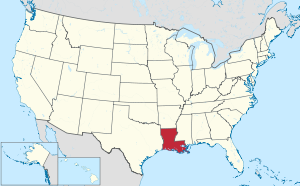
Louisiana has taken a significant step in embracing cryptocurrency by allowing residents to use Bitcoin, Bitcoin Lightning, and USD Coin to pay for state services. This development marks Louisiana as the first U.S. state to officially accept cryptocurrency payments for public services, a move that has both local and national implications.

The state has partnered with Bead Pay, a payment processing platform, to facilitate these transactions. The system automatically converts cryptocurrency payments into U.S. dollars, ensuring that the state does not hold or manage volatile digital assets directly. This approach helps mitigate risks while still offering a progressive payment option to residents. The introduction of cryptocurrency payments is expected to provide more flexibility for taxpayers and businesses in Louisiana, especially given the growing popularity of digital currencies across various sectors.

Louisiana’s decision to move forward with cryptocurrency adoption aligns with global trends where more governments and businesses are recognizing the potential of blockchain technology. Many see this as a pivotal moment in expanding the role of decentralized finance, particularly in public sector services.

For citizens using these digital currencies, payments can be made from private wallets in a secure, decentralized manner. The blockchain-based transactions ensure transparency and traceability, which proponents of cryptocurrency argue are critical advantages over traditional payment methods. Critics, however, point to concerns regarding regulation, price volatility, and the broader implications for monetary policy.

By accepting Bitcoin, Bitcoin Lightning, and USD Coin, Louisiana is tapping into some of the most widely used and stable cryptocurrencies on the market. Bitcoin remains the largest and most well-known, while Bitcoin Lightning offers faster and cheaper transactions. USD Coin, a stablecoin pegged to the value of the U.S. dollar, is often favored by users seeking minimal fluctuations in value.

The partnership with Bead Pay provides the infrastructure needed for the state to convert these payments to fiat currency, ensuring the government receives a predictable revenue stream. This development is part of a broader trend where more states and municipalities are exploring ways to integrate blockchain technology into their operations, but Louisiana has gone further by fully implementing it for state services.

While this initiative is still in its early stages, the successful rollout could encourage other U.S. states to adopt similar measures. Louisiana’s decision comes at a time when the use of cryptocurrencies is steadily rising in popularity among both investors and everyday consumers. Bitcoin and other digital assets have been gaining wider acceptance in industries ranging from finance to retail, and now, with Louisiana’s move, the public sector is beginning to explore its benefits.

This groundbreaking policy shift could have far-reaching effects on the future of payments and finance, not just within Louisiana but across the country. It signifies a growing openness to digital assets in mainstream financial systems, a trend that is likely to expand as more states and businesses see the advantages of offering crypto-based payment options.

Canada’s central bank has ended its pursuit of a central bank digital currency (CBDC), known as the “digital loonie,” following nearly five years of investigation into its feasibility. This decision marks a significant pivot in Canada’s financial strategy, as the bank’s research did not yield a conclusive justification for continuing with the digital currency project. The Bank of Canada, which had been exploring the potential of a […]

Newly appointed CEO Henry Shin strengthens leadership team and expands wealth management offerings tailored to the region’s fast-growing mass affluent population HONG KONG SAR – Media OutReach Newswire – 19 September 2024 – WRISE Prestige, an affiliated company of WRISE Group, today announced its renewed commitment to meeting the evolving needs of the growing mass affluent base through the strengthening of its leadership team in Hong Kong. […]

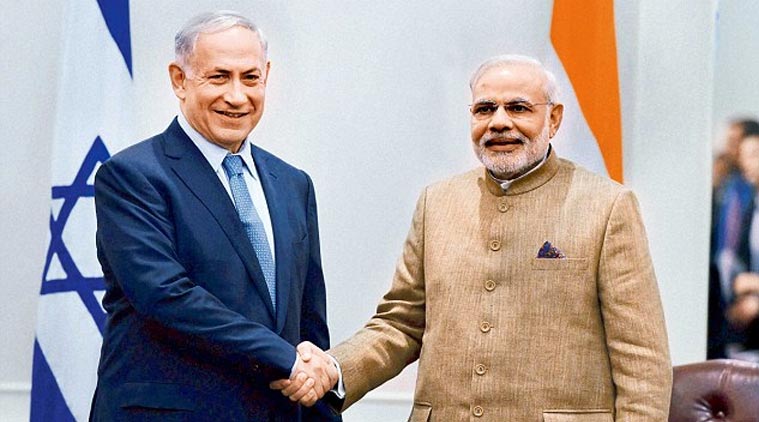
By Nitya Chakraborty What is happening to Indian foreign policy during the third term of the Prime Minister Narendra Modi? Is India a vassal state to the United States in 2024 disconnecting all its political links with the country’s BRICS partners? On September 18, a day after our PM’s 74th birthday and completion of 100 […]
Advertisements

Bybit, the world’s second-largest cryptocurrency exchange by trading volume, has announced its sponsorship of Ethereum’s first-ever protocol-wide “Attackathon.” This collaboration marks a significant step in Bybit’s expanding influence in the blockchain security domain, as it aligns with Ethereum to fortify the network’s security. Bybit’s move to sponsor the event comes as part of its broader strategy to foster innovation and collaboration within the crypto ecosystem, while also […]

Abu Dhabi’s Gulf Capital and Kazakhstan’s QIC have joined forces to establish an $800 million fund aimed at boosting investments across Central Asia. The newly created fund is set to target key sectors such as infrastructure, energy, and technology, addressing the growing investment opportunities in the region.

The initiative marks a significant collaboration between two prominent investment entities. Gulf Capital, a leading alternative investment firm based in Abu Dhabi, and QIC, Kazakhstan’s sovereign wealth fund, are leveraging their respective expertise to drive economic development in Central Asia. This partnership reflects a broader trend of increased investment interest in the region, driven by its strategic location and abundant natural resources.

Central Asia has emerged as a focal point for international investors due to its potential for economic growth and development. The region’s strategic positioning as a bridge between Europe and Asia, coupled with its rich reserves of natural resources such as oil and gas, makes it an attractive destination for investment. The new fund aims to capitalize on these factors by channeling capital into projects that can drive long-term economic benefits.

The $800 million fund will focus on several key areas. Infrastructure development is a major priority, with investments planned for projects that enhance connectivity and support regional integration. This includes improvements to transportation networks, such as highways and railways, which are crucial for facilitating trade and economic activity.

Energy projects are another significant focus of the fund. Central Asia’s energy sector offers substantial opportunities for development, with the region possessing considerable reserves of oil, gas, and renewable energy sources. The fund will target projects that enhance energy production and distribution, supporting the region’s energy needs and promoting sustainable development.

Technology and innovation are also on the agenda. The fund aims to invest in technology startups and innovation hubs that can drive digital transformation in Central Asia. By supporting the growth of technology-driven businesses, the fund seeks to foster an environment conducive to innovation and entrepreneurship.

The establishment of this fund is expected to have a positive impact on the regional economy. By attracting substantial capital inflows, the fund will support job creation, infrastructure development, and technological advancement. These investments are likely to enhance economic growth and improve living standards in Central Asia.

The partnership between Gulf Capital and QIC represents a strategic alignment of interests and resources. Gulf Capital brings extensive experience in managing alternative investments and executing complex transactions, while QIC provides a strong presence in the Central Asian market and deep knowledge of the region’s economic landscape.

Both Gulf Capital and QIC have a track record of successful investments and a shared vision for fostering economic development. Their collaboration on this fund underscores their commitment to driving growth and creating value in Central Asia. The fund is anticipated to attract additional investment from other international investors, further boosting the region’s economic prospects.

Central Asia’s investment climate has been increasingly favorable, with governments in the region implementing reforms to improve the business environment and attract foreign investment. The new fund is well-positioned to leverage these positive developments and contribute to the region’s economic transformation.

As the fund begins its operations, it will likely focus on identifying high-potential projects and opportunities that align with its strategic objectives. The emphasis will be on projects that offer substantial returns on investment while contributing to the broader economic goals of the region.

Cloud Leader Unveils 100 Open-sourced Qwen 2.5 Multimodal Models and New Text-to-Video AI Model to Bring Visual Creations to a Higher Level Revamped Cloud Infrastructure is Introduced to Maximize Values for Customers HANGZHOU, CHINA – Media OutReach Newswire – 19 September 2024 – Alibaba Cloud, the digital technology and intelligence backbone of Alibaba Group, today announced it has released over 100 of its newly-launched large language models, […]

Saudi Arabia’s ambitious push toward electric vehicles (EVs) faces a significant challenge with the need to establish a comprehensive charging infrastructure. Industry leaders assert that to support the Kingdom’s transition to electric mobility, charging stations must be located approximately every 100 kilometers along major highways and urban areas. This development is crucial as Saudi Arabia, one of the world’s largest oil producers, aims to diversify its energy […]

The United Arab Emirates has introduced a groundbreaking regulation requiring private joint-stock companies to include women on their boards of directors. This mandate, unveiled this week, marks a significant step in the country’s ongoing efforts to enhance gender diversity within the corporate sector.

The new rule stipulates that at least one woman must occupy a position on the board of directors in every private joint-stock company operating within the UAE. This initiative is part of a broader strategy to foster inclusive leadership and align with international standards on gender equality in the workplace.

UAE Minister of State for Advanced Sciences Sarah bint Yousif Al Amiri emphasized that this move reflects the country’s commitment to advancing gender parity across all sectors. The regulation is expected to encourage companies to recognize the value of diverse perspectives in decision-making processes, which could drive innovation and improve overall business performance.

The introduction of this regulation is not an isolated measure but part of a comprehensive agenda aimed at achieving gender balance in leadership roles. Over the past few years, the UAE has implemented various policies to promote women’s participation in the workforce, including initiatives to support women entrepreneurs and enhance their representation in governmental and private sector positions.

Several prominent business leaders and industry experts have welcomed the new mandate. They argue that including women on boards is crucial for bringing diverse viewpoints to strategic discussions, which can lead to more balanced and effective decision-making. This move aligns with global trends where companies are increasingly recognizing the importance of gender diversity for better governance and financial outcomes.

While the UAE has made considerable progress in promoting women’s rights and opportunities, some critics suggest that the effectiveness of such regulations will depend on their implementation and the commitment of companies to truly embrace gender diversity. There are concerns about the potential for tokenism if the roles are not accompanied by meaningful influence in decision-making processes.

Nevertheless, the regulation is expected to have a positive impact on the corporate landscape. Studies have shown that gender-diverse boards are associated with improved financial performance, enhanced corporate reputation, and greater innovation. By setting clear requirements for board composition, the UAE aims to set a precedent for other countries in the region and beyond.

The government’s strategy includes not only regulatory measures but also supportive initiatives to help companies comply with the new requirements. Training programs and resources will be made available to assist firms in identifying and appointing qualified female candidates for board positions. This support is intended to ensure that the mandate does not merely become a symbolic gesture but leads to tangible improvements in gender diversity.

As the UAE continues to position itself as a leader in business and economic development, this regulation underscores its commitment to creating an inclusive and equitable business environment. The emphasis on gender diversity reflects a broader understanding that economic growth and social progress are intertwined, and that diverse leadership teams are better equipped to address complex challenges and drive sustainable success.

The future of technology in the Middle East may hinge on the outcomes of the upcoming U.S. presidential election, as candidates Kamala Harris and Donald Trump present markedly different visions for foreign policy and economic engagement. Their policies could significantly influence the region’s technological landscape, which has seen accelerated growth in recent years. Kamala Harris, the current Vice President, has been a proponent of international cooperation and […]

Gold prices have hit a historic peak, driven by the U.S. Federal Reserve’s recent decision to cut interest rates. The move, aimed at stimulating economic growth, has sparked a surge in demand for gold, traditionally seen as a safe-haven asset in times of economic uncertainty. The Fed’s decision to lower the benchmark interest rate was influenced by persistent economic concerns, including weaker-than-expected growth figures and ongoing global […]

Abu Dhabi Investment Authority (ADIA), one of the world’s largest sovereign wealth funds, has entered a strategic partnership with Polus Capital Management, a leading global private equity firm. This collaboration is set to enhance ADIA’s investment portfolio with a focus on diversified financial assets and innovative market opportunities. The move underscores ADIA’s commitment to expanding its global investment reach and tapping into emerging markets. ADIA’s investment in […]

Investcorp, a global investment management firm, has announced the acquisition of three industrial real estate properties in the United States, marking a significant expansion in its North American portfolio. The deal, valued at $300 million, underscores Investcorp’s strategic focus on high-growth sectors within real estate and reflects its confidence in the US industrial market’s long-term potential. The acquisition encompasses three state-of-the-art logistics facilities strategically located in key […]

Stonepeak Infrastructure Partners, a leading US-based investment firm with assets totaling $71 billion, has announced its strategic expansion into Abu Dhabi. This move marks a significant milestone for Stonepeak as it broadens its investment footprint in the Middle East’s growing infrastructure sector.

The firm’s decision to enter Abu Dhabi aligns with its broader strategy to capitalize on the region’s robust economic growth and its commitment to infrastructure development. Stonepeak’s expansion is set to enhance its presence in the Middle East, a region recognized for its substantial investments in infrastructure and energy projects.

Abu Dhabi, the capital of the United Arab Emirates, has become an increasingly attractive destination for global investors due to its stable economic environment and ambitious development plans. The emirate has been actively investing in infrastructure projects that support its Vision 2030 goals, which focus on diversifying the economy away from oil dependence and fostering sustainable development.

Stonepeak’s entry into Abu Dhabi is anticipated to bring substantial benefits to both the firm and the region. The investment firm, known for its focus on infrastructure and real assets, will likely engage in various projects, including energy, transportation, and utilities, leveraging its extensive expertise and global network. This move is expected to create new opportunities for collaboration with local stakeholders and further support Abu Dhabi’s development initiatives.

The expansion is also seen as a strategic maneuver to tap into the region’s growing infrastructure needs. With ongoing projects and planned developments in sectors such as renewable energy, transportation, and urban infrastructure, Abu Dhabi presents a fertile ground for investment. Stonepeak’s presence in the region will likely contribute to the acceleration of these projects and enhance their execution.

In recent years, the UAE has made significant strides in attracting international investment. The government’s focus on creating a favorable business environment, coupled with its strategic location as a gateway between Europe, Asia, and Africa, has positioned the country as a key player in the global investment landscape. Abu Dhabi, in particular, has been at the forefront of these efforts, consistently ranking high in global indices for ease of doing business and investment attractiveness.

Stonepeak’s expansion into Abu Dhabi also reflects a broader trend among global investment firms seeking to diversify their portfolios and explore emerging markets. The firm’s move is part of a larger pattern of international investors looking to capitalize on the economic opportunities presented by the Middle East’s infrastructure boom.

The timing of Stonepeak’s expansion is noteworthy, given the UAE’s ongoing efforts to enhance its infrastructure capabilities in preparation for future growth. The country is investing heavily in projects that aim to improve connectivity, enhance urban living conditions, and support sustainable development. Stonepeak’s involvement in these initiatives is expected to contribute to the successful realization of these goals.

Additionally, Stonepeak’s entry into the Abu Dhabi market is expected to foster greater collaboration between international and local players in the infrastructure sector. This collaboration can lead to the exchange of knowledge, best practices, and innovative solutions, ultimately benefiting both parties and supporting the emirate’s long-term development objectives.

As Stonepeak embarks on this new chapter in Abu Dhabi, its focus will likely be on identifying and capitalizing on high-impact projects that align with its strategic objectives. The firm’s extensive experience in managing infrastructure investments positions it well to make a meaningful contribution to the region’s development and growth.

The expansion also highlights Abu Dhabi’s growing importance as a hub for global investment and infrastructure development. The emirate’s proactive approach to creating a conducive investment environment and its strategic vision for future growth make it an attractive destination for international investors looking to make a significant impact in the region.

Arabian Post Staff -Dubai Dubai, Abu Dhabi, and Riyadh are on track to become major global hubs for the ultra-wealthy, according to the latest findings from Henley & Partners’ Centi-Millionaire Report 2024. The forecast indicates that the number of residents in these cities with liquid investable assets exceeding $100 million is set to surge by over 150% by 2040. Currently, Dubai leads the trio with a centi-millionaire […]

Dubai’s strategic focus on medical tourism has intensified, driven by a new Memorandum of Understanding (MoU) signed between the Dubai Health Authority (DHA) and the Dubai Department of Economy and Tourism (DET). The MoU is set to bolster the city’s already formidable reputation in healthcare by expanding its role as a premier destination for medical tourists. This collaboration aligns with Dubai’s broader economic agenda, particularly the D33 strategy, aimed at enhancing the emirate’s position across key sectors.

One of the most significant objectives of this agreement is to attract investments into Dubai’s healthcare sector. Authorities are targeting a global audience of medical tourists by leveraging advanced healthcare facilities and promoting top-quality services. Dubai’s existing infrastructure, along with its geographic advantage at the crossroads of Europe, Asia, and Africa, plays a critical role in enhancing its attractiveness to international patients seeking high-quality medical care. The DHA’s Director General, Awadh Seghayer Al Ketbi, emphasized that this MoU is part of a broader vision to solidify Dubai’s position as a global leader in medical tourism, attracting investments and showcasing the emirate’s medical capabilities.

Dubai has already witnessed a strong surge in medical tourism over the past year, drawing 691,478 medical tourists in 2023, with expenditures on healthcare services exceeding AED 1.034 billion. This marks an increase from the previous year, demonstrating the emirate’s growing appeal in the global healthcare landscape. Dubai has positioned itself as a prime destination for advanced treatments across specialties, including orthopedics, cardiology, oncology, and cosmetic surgery. Hospitals in the city are also seeing a rise in demand for wellness programs, preventive care, and medical check-ups, catering to international patients looking for comprehensive healthcare solutions.

The impact of this surge in medical tourism extends far beyond healthcare. The influx of international visitors has fueled revenue across sectors such as aviation, hospitality, and retail, with indirect revenues surpassing AED 2.305 billion. The city’s medical tourism infrastructure is further strengthened by initiatives like the Al Safeer Congress Ambassador Programme, which works to attract major medical conferences and meetings to Dubai, solidifying its position as a medical knowledge hub. This combination of world-class facilities and strategic networking places Dubai at the forefront of the medical tourism industry globally.

As part of the DHA and DET’s collaboration, the two entities plan to establish networks of international partnerships, further driving innovation and knowledge sharing within the medical field. The collaboration also seeks to streamline investment opportunities for foreign and local stakeholders, ensuring that the healthcare sector remains a robust engine of economic growth. These efforts will likely lead to the introduction of more state-of-the-art hospitals and specialized medical centers, enhancing the overall quality of life for residents and international visitors alike.

Dubai’s continued investment in smart healthcare solutions and digital health is another critical factor contributing to its success in attracting medical tourists. By adopting advanced technology, the city is setting a benchmark for medical innovation, from AI-driven diagnostics to telemedicine and remote care services. These technological advancements offer convenience and enhanced patient care, which is a significant draw for medical tourists from around the world.

Additionally, the DHA has implemented several regulatory reforms aimed at simplifying business registration for investors and ensuring compliance with local laws, thus encouraging further growth in the medical tourism sector. These reforms are part of a broader effort to make Dubai a more attractive environment for medical professionals and investors, allowing the healthcare industry to expand rapidly and meet the demands of a growing international patient base.

In this increasingly competitive global medical tourism market, Dubai’s ability to offer a unique blend of cutting-edge medical care, luxury hospitality, and tourism experiences sets it apart. The city offers patients not only access to world-class medical treatment but also the opportunity to recover in a luxurious environment, with easy access to Dubai’s numerous leisure and cultural attractions.

HRE Development, a key player in the UAE’s real estate market, has announced the launch of SkyHills 2, an ambitious mixed-use development located in Jumeirah Village Circle (JVC). This project follows the success of SkyHills and demonstrates the company’s growing influence in Dubai’s evolving property sector. The project is slated to see an investment of AED 10 billion over the next three years, positioning itself as one […]

Located in the heart of Ras Al Khaimah, Mira Coral Bay marks a new chapter in the emirate’s luxury lifestyle segment The project of significant investment stands out for its expansive land area, prestigious brands, and substantial Gross Floor Area. Mira Coral Bay boasts one-of-a-kind architecture and facilities that are inspired by the surrounding environment and the natural form of coral. RAS AL KHAIMAH, UAE – Media […]

SolarWinds is set to present an expanded suite of IT management and observability solutions at GITEX 2024, showcasing innovations designed to enhance digital performance and IT operations. The technology firm, renowned for its comprehensive monitoring tools, will offer live demonstrations at its booth (#H8-C15), emphasizing advancements in full-stack observability, database management, and IT service management (ITSM). The focus at this year’s event will be the integration of […]

BEIJING, CHINA – Media OutReach Newswire – 18 September 2024 – On September 13, the 2024 High-Quality Development Promotion Conference, themed “Invest in E-Town, Create the Future,” took place. Beijing Economic-Technological Development Area (Beijing E-Town, or BDA) showcased its achievements in high-level openness through various segments, including investment promotions, recognition of foreign enterprises, awards for international industrial parks, and signing ceremonies for enterprises entering the E-Town Comprehensive […]

Cybersecurity research reveals a staggering 70% increase in Distributed Denial of Service (DDoS) attacks across Gulf countries since the beginning of the year. The escalation highlights a troubling trend, with the UAE and Saudi Arabia being the primary targets. The UAE faces 40% of the region’s total DDoS incidents, while Saudi Arabia encounters 26%, indicating a concentrated focus of cybercriminal activities on the region’s most significant economies. […]

VISHNU RAJA
RYO YAMADA
HITORI GOTOH
IKUYO KITA