News related to
unit

A strategic pivot is unfolding in Saudi Arabia’s oil policy, as the kingdom plans to move away from its unofficial target of $100 per barrel. This decision comes as the nation gears up to increase its oil production in an effort to regain market share, even if it results in lower prices for crude oil. The new approach signals a significant shift in the dynamics of the global oil market, as Saudi Arabia navigates a complex landscape influenced by geopolitical tensions and fluctuating demand.

The Organization of the Petroleum Exporting Countries (OPEC), under Saudi Arabia’s leadership, has been actively involved in adjusting oil production levels to stabilize prices. Alongside allies, including Russia, the group—collectively referred to as OPEC+—has implemented production cuts to support oil prices amid a volatile market. However, as the world economy continues to recover from the impacts of the COVID-19 pandemic, demand for oil has risen, prompting Saudi Arabia to reconsider its pricing strategy.

Market analysts suggest that Saudi Arabia’s decision to increase output could be driven by a desire to regain dominance in the oil market. The kingdom has faced stiff competition from countries like the United States, which has ramped up shale oil production in recent years. Additionally, OPEC’s recent efforts to control supply have not completely offset the impacts of rising production elsewhere, leading to a complex interplay of market forces that has prompted Saudi leaders to reassess their tactics.

As part of this shift, Saudi Arabia may be looking to reclaim its traditional role as a price setter in the global oil market. By increasing production, the kingdom aims to attract buyers who may have turned to other suppliers during periods of elevated prices. This move could potentially drive prices lower in the short term, but analysts argue that such a strategy might be necessary to secure long-term market share.

The ramifications of this decision extend beyond Saudi Arabia, impacting global oil prices and economies that heavily rely on oil revenues. Lower oil prices could benefit consumers and industries that depend on energy, potentially spurring economic activity. However, for oil-dependent economies, particularly those within the Gulf Cooperation Council (GCC), decreased prices could pose budgetary challenges and necessitate adjustments in fiscal policies.

Experts emphasize that this approach reflects a pragmatic response to shifting market conditions. While Saudi Arabia has historically maintained a price target to ensure stable revenues, the current global landscape necessitates a more flexible strategy. The kingdom’s readiness to accept lower prices signals an acknowledgment of the realities of modern oil markets, where rapid changes in supply and demand dynamics can lead to volatility.

Saudi Arabia’s internal dynamics also play a crucial role in this strategic recalibration. The kingdom has been investing heavily in diversifying its economy away from oil dependence, as outlined in its Vision 2030 plan. This initiative seeks to develop sectors beyond hydrocarbons, such as tourism and technology, aiming to create a more resilient economy. By adjusting its oil production strategy, Saudi Arabia may be positioning itself to better support these broader economic ambitions, ensuring that its energy sector remains robust while diversifying revenue sources.

This shift in Saudi Arabia’s oil policy is likely to influence OPEC’s future meetings and decisions. The organization has historically aimed to balance production to maintain price stability, but this new direction may necessitate a reevaluation of OPEC’s collective strategy. The responses from other member countries will be closely watched, as any discord within the group could have profound implications for global oil markets.

As Saudi Arabia prepares for this transition, market observers will be keenly analyzing its impacts on both regional and global levels. The kingdom’s ability to effectively navigate this shift will be critical in determining its position in the evolving energy landscape. Furthermore, the response from major consumers, including China and the United States, will also shape the trajectory of oil prices and production levels.

Dubai-based Emirates Central Cooling Systems Corporation (Empower), a key player in the district cooling industry, is preparing to pass a board resolution that would allow the refinancing of a significant $749 million loan. The move reflects the company’s continued efforts to bolster its financial position, improve liquidity, and maintain a competitive edge in the region’s rapidly expanding energy sector. This step comes amid growing demand for sustainable energy solutions in the UAE and wider Middle East region.

Empower, known for being one of the largest district cooling providers globally, is strategically focused on enhancing its operational capacity. The proposed refinancing plan aligns with Empower’s broader objectives of reducing costs and restructuring debt to optimize its financial structure. The corporation’s board is expected to convene soon to formalize this critical financial decision. Empower’s decision follows years of steady growth, driven by increasing urbanization, coupled with the region’s heightened focus on energy efficiency and environmental sustainability.

The UAE’s district cooling sector has been growing in prominence, thanks to its energy-saving benefits and environmental sustainability. Empower, being a leading name in this industry, has been instrumental in providing large-scale cooling solutions, particularly to Dubai’s residential and commercial sectors. The upcoming refinancing is expected to streamline Empower’s financial obligations, paving the way for further expansion and operational efficiency.

District cooling systems have gained traction as an effective solution to manage the rising cooling demands in hot climates, especially in large urban centers like Dubai. Empower operates over 1.4 million Refrigeration Tons (RT) of cooling capacity, serving a diverse portfolio of clients, including commercial buildings, hotels, hospitals, and residential towers. The company’s ability to offer cooling solutions while minimizing environmental impact has made it a preferred partner for several mega-development projects in Dubai.

Empower has continuously worked towards improving its financial health, evident in its strong financial performance in recent years. The proposed refinancing of the $749 million loan is part of a broader strategy to take advantage of favorable market conditions, ensuring lower interest rates, extended repayment terms, and better liquidity management. This move is seen as an opportunity for Empower to capitalize on its existing market position while exploring potential opportunities for growth within the region.

Market experts view this refinancing deal as a testament to Empower’s sound financial strategy. By lowering its borrowing costs, the company can channel more resources toward infrastructure investments, technology upgrades, and expanding its market reach. The board resolution is expected to mark a key milestone for the company’s next phase of growth, which may include deeper involvement in public-private partnerships, regional expansion, and further investments in sustainable energy solutions.

As urbanization and infrastructure development continue to rise in the UAE, the demand for district cooling services has surged, placing companies like Empower in a prime position to expand their influence. The company’s cooling systems provide significant energy savings compared to traditional air conditioning systems, offering more efficient and sustainable solutions to cooling large urban areas. This aligns closely with the UAE’s long-term goals to achieve sustainability and reduce carbon emissions, as outlined in its national energy strategies.

Dubai’s government has been an active proponent of district cooling systems, recognizing the long-term benefits of energy efficiency and reduced electricity consumption. Empower, as a result, has secured contracts with several of the city’s most prestigious developments, including Dubai Healthcare City, Jumeirah Beach Residences, Business Bay, and the Dubai International Financial Centre. Its reputation for reliability and efficiency has earned it contracts for cooling systems in various large-scale real estate developments across Dubai.

As part of its refinancing initiative, Empower aims to secure more favorable financing terms from lenders, leveraging its strong credit rating and financial history. The deal is anticipated to extend the maturity of the existing loan and reduce its interest rate burden, allowing the company to optimize its capital allocation strategy and increase profitability. The company is also likely to use the refinanced amount to reinvest in its growing operations, including expanding its cooling infrastructure and investing in new technologies that enhance energy efficiency.

The district cooling market in the Gulf region has been expanding steadily, thanks to rising energy consumption driven by urbanization and high temperatures. Empower’s ability to meet the region’s cooling demands while maintaining operational efficiency has set it apart from competitors. As the market leader, Empower’s influence on shaping the district cooling sector in the UAE is expected to continue growing, and the refinancing deal will likely help position the company for continued success in the future.

Beyond financial restructuring, Empower has also made significant strides in promoting environmentally sustainable practices. The company has introduced several initiatives aimed at reducing its carbon footprint, optimizing water usage, and ensuring that its cooling solutions align with the UAE’s vision for a green economy. The integration of renewable energy sources into its cooling processes is among the company’s next objectives, aligning closely with Dubai’s ambitious goals under its Clean Energy Strategy 2050.

Citi has joined forces with Apollo Global Management and Mubadala Investment Company to establish a $25 billion private credit program aimed at seizing opportunities in the rapidly growing direct lending market. This collaboration underscores the increasing significance of private credit in the current financial landscape, as institutional investors look for alternative ways to deploy capital while banks face stricter regulatory constraints on traditional lending.

The initiative is designed to target mid-to-large scale borrowers, focusing on private equity-backed companies that require non-bank financing solutions. As bank lending becomes more restrictive, particularly for higher-risk borrowers, private credit is becoming a preferred route for companies seeking more flexible funding options. The partners are expected to capitalize on this shifting environment, particularly in sectors such as healthcare, technology, and infrastructure, which are increasingly in need of substantial financial backing.

Apollo Global Management, known for its robust expertise in alternative assets, will manage the program, leveraging its well-established private credit platform. Citi, one of the largest financial institutions globally, will act as a strategic partner, providing financing and other related services. Mubadala, a sovereign wealth fund from Abu Dhabi, brings significant capital and a track record of successful global investments, making it a key player in the collaboration.

The trio’s strategic partnership highlights how private markets are becoming more prominent in financing both large-scale deals and middle-market companies. With Citi and Mubadala’s backing, Apollo expects to drive further growth in its private credit business, which has already gained considerable traction in recent years. This deal also reflects how sovereign wealth funds like Mubadala are increasingly turning toward alternative asset classes, including private debt, to diversify their portfolios and achieve higher returns.

Market experts anticipate that the $25 billion program will play a critical role in the direct lending space, helping fill the void left by banks that have scaled back lending due to tighter regulations and capital requirements. The alliance is likely to pave the way for other large institutional investors to consider similar moves, further expanding the private credit market, which has already grown to over $1.5 trillion globally.

Analysts point out that this development reflects broader trends within the financial industry, where the traditional boundaries between banks and asset managers are becoming blurred. By teaming up with Apollo and Mubadala, Citi is effectively expanding its footprint in the private credit space, positioning itself to serve clients who increasingly prefer direct lending to traditional loans.

For Apollo, this partnership is another milestone in its strategy to build out a comprehensive private credit platform. With a combination of Mubadala’s capital strength and Citi’s global reach, Apollo’s credit arm will be better positioned to capture opportunities across multiple geographies and sectors, offering tailored financing solutions that meet the evolving needs of borrowers.

Mubadala, on the other hand, will benefit from the high returns and relatively lower volatility associated with private credit. By entering into this partnership, Mubadala continues to diversify its portfolio, reinforcing its commitment to long-term investments that deliver stable cash flows.

This program also represents a growing trend where large financial institutions and sovereign wealth funds are teaming up with specialized asset managers to tap into high-growth sectors. While the primary focus is on direct lending, it is likely that this partnership will evolve to encompass other forms of private credit over time, including mezzanine financing and asset-based lending.

By aligning their goals, Citi, Apollo, and Mubadala are setting the stage for a new era in private credit. The size and scope of the program suggest that the three partners are prepared to take on large-scale transactions that could reshape the private credit landscape, attracting more investors to this asset class.

Through a combination of technological innovation and a commitment to social responsibility, Vingroup is setting new standards for corporate sustainability in Southeast Asia. HANOI, VIETNAM – Media OutReach Newswire – 27 September 2024 – The role of big corporations in the shift to a sustainable future is a topic widely discussed by many. Vingroup is demonstrating how large corporations can play a pivotal role in creating a […]

New service expands comprehensive care options, delivering personalised nursing care in the comfort of their homes HONG KONG SAR – Media OutReach Newswire – 26 September 2024 – As Hong Kong faces an ageing population, the need for accessible, in-home care has never been more urgent. In response, Quality HealthCare Medical Services Limited (QHMS), one of the private healthcare providers with over 150 years of history, is […]

Two Canadians have lost their lives and three others have sustained injuries in Lebanon as violence escalates between Israel and Hezbollah. This development comes amid rising tensions in the region, prompting heightened international concern over the humanitarian situation.

Global Affairs Canada has confirmed the fatalities, stating that they are aware of the deaths and that officials are prepared to offer consular assistance to the affected families. The agency has refrained from disclosing additional details, citing privacy concerns regarding the individuals involved. Foreign Affairs Minister Melanie Joly expressed her condolences to the families of those impacted, indicating her intention to establish contact with them in the near future.

This tragic incident occurs as clashes between Israeli forces and Hezbollah militants have intensified significantly. Recent days have seen an increase in rocket fire from Lebanon into northern Israel, with the Israel Defense Forces (IDF) responding with airstrikes targeting Hezbollah positions. The ongoing conflict has raised alarm among local and international observers, who are concerned about the potential for a broader regional confrontation.

The situation is further complicated by the humanitarian crisis that has persisted in Lebanon for years, exacerbated by economic instability and the influx of Syrian refugees. The Lebanese government has struggled to maintain control over various armed factions, with Hezbollah, a powerful militant group backed by Iran, increasingly challenging state authority. The group’s involvement in the Syrian civil war and its role in regional conflicts has led to widespread calls for disarmament and a reassessment of its influence.

Reports indicate that the conflict has resulted in civilian casualties and widespread displacement in border areas. Hospitals in southern Lebanon are reportedly overwhelmed with injured civilians, as the ongoing hostilities make it difficult for aid organizations to deliver assistance. Human rights groups have raised concerns over the impact of airstrikes and ground assaults on civilian populations, urging both parties to adhere to international humanitarian law.

In response to the escalating violence, various nations have issued travel advisories urging their citizens to avoid Lebanon. The Canadian government has echoed these warnings, advising Canadians in the region to exercise caution and consider leaving if it is safe to do so. The increasing instability has led to a significant reduction in tourism and foreign investment, further complicating Lebanon’s economic recovery.

The international community has been monitoring the developments closely, with calls for de-escalation from various diplomatic channels. The United Nations has reiterated its commitment to supporting efforts aimed at achieving a ceasefire and facilitating humanitarian access. Nonetheless, achieving a sustainable resolution remains challenging, given the entrenched positions of both Israel and Hezbollah.

Amid these tensions, there have been discussions about the broader implications of the conflict for regional security. Analysts suggest that the hostilities could embolden other militant groups in the area, leading to an unpredictable escalation of violence across borders. There are concerns that Hezbollah’s actions may provoke a more extensive Israeli military response, further destabilizing the already fragile security landscape in the Levant.

In addition, the geopolitical ramifications of the conflict extend beyond Lebanon and Israel. Iran’s support for Hezbollah is viewed as a significant factor in the ongoing tensions, raising alarms among neighboring Gulf states and Israel. The potential for a wider regional conflict involving multiple actors underscores the importance of diplomatic efforts to mitigate hostilities and address underlying grievances.

Canadian officials have been urged to engage with their international counterparts to explore avenues for dialogue and de-escalation. The Canadian government has emphasized its commitment to a peaceful resolution and has called on all parties to exercise restraint. As the situation develops, the safety of citizens abroad remains a top priority, with ongoing assessments of risks and travel advisories being updated accordingly.

A significant collaboration between the Indian Institute of Technology Delhi (IIT Delhi) and Honda Cars India Ltd. (HCIL) is poised to reshape the future of mobility in India. The two entities have entered into a Memorandum of Understanding (MoU) aimed at advancing cooperative intelligence (CI) technologies that could pave the way for safer, more efficient transport systems. This partnership underscores the growing trend of academia-industry collaboration in the rapidly evolving field of intelligent transportation systems.

The MoU brings together the expertise of IIT Delhi’s researchers and Honda’s engineers, particularly those from HCIL and Honda R&D Co., Ltd., a subsidiary focused on research and development. The goal is to conduct joint research on CI technologies that can potentially reduce traffic collisions, enhance road safety, and enable automated driving systems. With India’s road safety record being a significant concern, such efforts to reduce human errors in driving are considered crucial for the future.

India has long struggled with high rates of traffic accidents, largely attributed to human error. The collaboration between IIT Delhi and Honda aims to address these issues through the development of advanced driver-assistance systems (ADAS) and other mobility solutions. ADAS, which involves technologies like adaptive cruise control, lane-keeping assistance, and collision avoidance systems, has the potential to significantly lower the risk of accidents and make roads safer for all users.

While Honda has been a key player in automotive innovation, this partnership marks a significant step in its efforts to explore more complex applications of artificial intelligence (AI) in driving. Honda’s engineers will work closely with IIT Delhi’s faculty and students to explore new algorithms, machine learning models, and data analytics techniques that can improve vehicle decision-making in real-time. The research will also focus on leveraging big data and connectivity technologies to anticipate traffic conditions, respond to sudden changes on the road, and ensure safer driving experiences.

IIT Delhi’s role in this collaboration is equally significant, given its strong reputation for cutting-edge research in artificial intelligence, robotics, and transportation systems. The institution’s researchers are expected to bring advanced expertise in areas like machine learning, sensor technologies, and networked vehicles. This collaboration provides a platform for academic researchers to apply theoretical knowledge to practical challenges faced by the automotive industry.

Through this MoU, both parties are set to explore the concept of cooperative intelligence, which involves enabling communication between vehicles, infrastructure, and other road users to create an interconnected transportation network. The aim is to develop intelligent transport systems that can predict traffic patterns, communicate with surrounding vehicles, and make autonomous decisions that enhance overall road safety. As automated and connected vehicles gain momentum globally, these technologies will play an essential role in the future of mobility.

Cooperative intelligence, as a concept, goes beyond traditional vehicle automation. It focuses on creating systems where vehicles not only respond to their environment but also interact with other vehicles and infrastructure to optimize the flow of traffic and prevent accidents. This vision aligns with Honda’s global initiative to develop “Safety for Everyone” technologies, which seek to eliminate road fatalities by utilizing AI and machine learning tools.

While the research aims to contribute to global advancements in automated driving, there is a particular focus on addressing India-specific challenges. Road conditions in India vary widely, with congested urban streets, rural roads, and highways posing distinct challenges for vehicles. The CI technologies developed under this MoU will need to adapt to these diverse environments. The hope is that future vehicles equipped with CI technologies will not only improve safety on India’s roads but also enhance overall driving comfort and reduce the stress associated with navigating through heavy traffic.

The collaboration also opens doors for students and researchers at IIT Delhi to gain hands-on experience working with real-world automotive challenges. By partnering with Honda, they will have the opportunity to apply their knowledge to cutting-edge projects that could have significant implications for the future of mobility. This real-world experience is expected to help prepare a new generation of engineers and researchers who can contribute to the development of safer and smarter transportation systems, both in India and globally.

As part of the agreement, IIT Delhi and Honda will jointly work on research projects and share intellectual resources. The partnership also allows for the testing and evaluation of prototypes developed as part of the research. This will ensure that the solutions developed are practical, effective, and can be scaled up for real-world application.

The MoU signifies Honda’s commitment to India, a market where it has a strong presence but faces increasing competition from both global and domestic automakers. As the automotive industry shifts towards electric vehicles (EVs) and autonomous driving technologies, partnerships like this one with IIT Delhi are crucial for staying competitive in a rapidly changing landscape. By collaborating with leading academic institutions, Honda aims to maintain its edge in innovation while contributing to the advancement of mobility technologies that are not only relevant to India but also to global markets.

Advertisements

HANGZHOU, CHINA – Media OutReach Newswire – 26 September 2024 – The third Global Digital Trade Expo (GDTE) unveiled its curtain in Hangzhou, capital of Zhejiang province, on September 25, providing significant opportunities for bolstering the growth of digital trade and injecting strong impetus into the high-quality development of the digital economy. With “Digital Trade, Global Access” as its permanent theme, the 5-day expo strives to establish […]

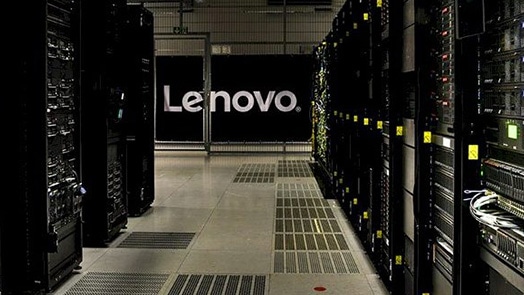
Lenovo has expanded its Neptune liquid-cooling technology to a new line of ThinkSystem V4 servers, offering enhanced efficiency for AI and high-performance computing (HPC) workloads. This new addition is designed to support businesses as they seek to consolidate IT resources, reduce power consumption, and leverage artificial intelligence (AI) for advanced analytics. With Intel® Xeon® 6 processors at its core, the ThinkSystem SC750 V4 supercomputing infrastructure combines peak performance with energy-efficient designs, making it a critical tool for enterprises handling intensive workloads.

The Neptune liquid-cooling ecosystem, which has been pivotal in Lenovo’s growth in the HPC sector, is now even more versatile. Originally focused on large-scale data centers, the technology has been optimized for smaller environments without sacrificing performance. The compact design addresses the growing demand for space-efficient systems that do not compromise on processing capabilities, making it ideal for enterprises managing large data transactions in tight spaces.

Scott Tease, Lenovo’s Vice President and General Manager of High-Performance Computing and AI, emphasized the transformative potential of the new ThinkSystem V4 solutions. He noted that the combination of advanced computing power and the space-optimized liquid-cooling system marks a significant leap forward for enterprises aiming to bring AI use cases to fruition. “Lenovo is helping enterprises of every size and across every industry bring new AI use cases to life based on improvements in real-time computing, power efficiency, and ease of deployment,” Tease said.

The expanded lineup includes solutions that are tailored for AI workloads, with a focus on maximizing real-time data processing and analytics. The use of Intel Xeon® 6 processors enables higher compute density, which is essential for tasks such as AI training, predictive analytics, and large-scale data management. These new systems allow companies to process more data in less time, giving them an edge in industries where speed and accuracy are critical.

Lenovo’s Neptune technology, which utilizes direct-to-node liquid cooling, has been a driving force behind its growth in the HPC space. Unlike traditional air-cooling systems, Neptune provides direct cooling to the most heat-intensive components, significantly reducing the energy required for cooling while maintaining optimal performance levels. The compact nature of the ThinkSystem V4 systems makes it possible for businesses to deploy liquid-cooling technology in environments where space is a constraint, without sacrificing the advantages of the Neptune ecosystem.

The integration of liquid cooling with AI-optimized hardware positions Lenovo to meet the needs of a growing number of enterprises seeking to capitalize on AI technologies. Many organizations face challenges with power consumption and cooling as they scale up their AI operations. Traditional air-cooled systems often struggle to keep up with the increased heat generated by high-performance processors, leading to higher energy costs and reduced efficiency. Neptune’s liquid cooling mitigates these issues, offering a more sustainable solution for AI-driven data centers.

Lenovo has made significant advancements in ease of deployment, allowing enterprises to integrate these high-performance systems with minimal downtime. The SC750 V4 servers are designed for rapid installation, which can help businesses reduce operational disruptions and quickly harness the power of AI for mission-critical applications. This is particularly important for industries such as finance, healthcare, and scientific research, where AI-driven insights can lead to breakthroughs in decision-making and innovation.

The scalability of the Neptune-cooled systems is another highlight of the new ThinkSystem V4 lineup. Enterprises can easily expand their AI and HPC capabilities by adding more nodes to their existing infrastructure without overhauling their cooling systems. This modularity offers businesses the flexibility to scale according to their needs, whether they are running simulations, deep learning models, or real-time analytics.

In terms of power efficiency, the new ThinkSystem V4 solutions deliver a marked improvement over previous iterations. The use of Neptune’s liquid-cooling technology has led to reductions in energy consumption, which translates into lower operational costs for businesses. The efficiency gains are particularly significant for companies managing large data centers, where cooling can account for a substantial portion of energy expenditures.

As AI continues to drive innovation across various sectors, the demand for systems that can handle complex, data-intensive workloads is growing. Lenovo’s ThinkSystem V4 portfolio aims to meet this demand by providing enterprises with the tools they need to scale their AI capabilities efficiently. The combination of Neptune liquid cooling and Intel-powered processing units positions Lenovo as a key player in the evolving AI and HPC landscapes.

LOS ANGELES, US – Media OutReach Newswire – 26 September 2024 – Vingroup has officially signed a memorandum of understanding (MOU) with renowned entertainment industry leaders, Warner Music Group and Indochina Productions. This collaboration paves the way for Vietnam to host world-class music stars, while simultaneously elevating the country’s tourism and cultural image to a global audience of hundreds of millions. These strategic partnerships were formalized within […]

LinkedIn has rolled out an Aadhaar-based identity verification feature for users in India, a move it claims will enhance trust on the platform by increasing profile credibility. The new feature, available through its partnership with HyperVerge, aims to reduce the number of fake or misleading accounts by verifying the authenticity of user profiles. The decision has drawn mixed reactions from netizens, with some welcoming the initiative as a step towards more secure networking, while others have expressed skepticism about its impact on privacy.

The verification process is optional and allows users to authenticate their identity by linking their Aadhaar number to their LinkedIn profile. According to LinkedIn, the feature is expected to increase profile visibility and improve networking opportunities, as verified profiles will be seen as more trustworthy by recruiters and other professionals. The company emphasized that it will not store or share the Aadhaar numbers provided during the verification process, seeking to alleviate concerns about data privacy.

This new identity verification measure comes at a time when online platforms are under increasing pressure to tackle misinformation and fraud. Fake profiles have long been an issue on professional networking sites, with users often being misled by fictitious identities. LinkedIn’s move aligns with a broader push towards greater transparency and accountability in online spaces, a trend that has gained momentum amid growing concerns over data security and the spread of misinformation.

LinkedIn’s official statement claims that verified profiles are more likely to gain visibility, with studies indicating a higher level of engagement for accounts that display some form of identity validation. According to the company, professionals who complete the verification process can expect an increase in connection requests, message replies, and overall profile views. However, the platform has also clarified that non-verified profiles will not be penalized or see any reduction in their visibility.

While some users have embraced the new feature, seeing it as a means to ensure greater professionalism on the platform, others have voiced concerns. Several netizens have questioned the necessity of Aadhaar integration, expressing unease about sharing sensitive identification details with a global platform. Privacy advocates, too, have raised alarms about potential misuse of personal data, despite LinkedIn’s assurances that the Aadhaar information will not be stored or shared.

Experts in cybersecurity have weighed in on the development, noting that while the initiative could bolster security, it also raises important questions about data protection and user consent. One leading cybersecurity analyst remarked that the decision to introduce Aadhaar-based verification should be closely scrutinized, given India’s evolving data privacy laws. The analyst added that while the feature could potentially reduce fraudulent activity, there must be stringent measures in place to ensure that users’ personal information is not exploited.

India has been a key market for LinkedIn, which counts millions of users in the country, from young professionals to seasoned executives. This large user base is also one of the reasons the company has introduced localized features in the past, including Hindi-language support and job tools specifically designed for the Indian market. The Aadhaar-linked verification is seen as the latest in this series of India-specific initiatives.

Despite LinkedIn’s efforts to position the verification feature as a tool for enhancing professional credibility, public opinion remains divided. A large segment of users, particularly those in the tech industry, has voiced support, with some commenting on social media that this step could help filter out fake profiles and create a safer networking environment. Others, however, have expressed their amusement at the notion of Aadhaar verification for a professional platform, with some questioning its relevance in boosting profile views or securing jobs.

Among the critics, concerns about the centralization of sensitive data have taken center stage. Aadhaar, India’s national biometric identification system, has been subject to controversy and legal challenges in the past, with privacy experts warning against its use in private sector applications. LinkedIn’s initiative to use Aadhaar for verification may, therefore, reignite debates over data protection and the role of private companies in handling personal information linked to government-issued identification.

Beyond the privacy concerns, the feature also raises questions about inclusivity. Not all LinkedIn users in India possess an Aadhaar card, and some critics have argued that the feature could inadvertently marginalize those who cannot or choose not to link their Aadhaar details to their professional profiles. LinkedIn has assured users that verification is entirely optional, but the perception that verified profiles may have an advantage could create pressure for professionals to participate, even if they have reservations about sharing their Aadhaar information.

Legal experts have also noted that the introduction of Aadhaar-based verification may lead to new regulatory scrutiny. While the Indian government has actively promoted Aadhaar as a secure and reliable identification system, its use by private companies has raised concerns about potential overreach. LinkedIn’s move could prompt discussions about the extent to which companies should be allowed to use government-backed ID systems for verification, and whether additional safeguards should be implemented to protect users’ privacy.

Anura Kumara Dissanayake has officially taken office as the President of Sri Lanka, following a significant electoral victory. Elected on September 23, 2024, his win comes amid widespread public discontent with previous administrations, primarily due to the ongoing economic crisis affecting the nation. Dissanayake, representing the National People’s Power (NPP), emerged victorious with a campaign focused on anti-corruption and poverty alleviation, garnering considerable support from citizens yearning […]

Financial markets are witnessing a surge in volatility, particularly within the cryptocurrency sector, as global monetary policies aim to suppress instability. Arthur Hayes, a prominent figure in the crypto community and co-founder of BitMEX, has highlighted the rising tension in markets fueled by Federal Reserve rate cuts and aggressive monetary easing. These actions are perceived to encourage further money printing, thereby intensifying market fluctuations and posing risks for traditional assets.

The recent decision by the Federal Reserve to cut interest rates is expected to have significant repercussions on the broader financial landscape. Historically, such moves have led to increased liquidity in markets, enabling easy access to capital. This liquidity, however, also raises concerns about inflation and the long-term stability of fiat currencies. In this environment, Bitcoin has emerged as a crucial alternative asset, often regarded as a hedge against inflation and currency devaluation.

As central banks worldwide adopt policies that favor monetary expansion, the crypto community continues to express optimism. Many investors view Bitcoin as a “release valve” that can provide relief from the pressures of traditional finance. The digital asset’s decentralized nature and limited supply make it an appealing option in times of financial uncertainty. Hayes asserts that Bitcoin’s unique characteristics allow it to thrive in an environment marked by excessive money printing and diminishing trust in fiat currencies.

Despite the ongoing volatility, sentiment within the crypto community remains buoyant. Investors are increasingly looking for opportunities amidst the chaos, with many believing that downturns in traditional markets can serve as catalysts for Bitcoin’s adoption and price appreciation. The concept of Bitcoin as “digital gold” underscores its role as a store of value, especially as institutional interest continues to grow. Major financial institutions are now exploring ways to integrate cryptocurrency into their offerings, reflecting a broader acceptance of digital assets.

The interplay between traditional financial systems and cryptocurrency markets has never been more pronounced. With central banks signaling a commitment to maintain accommodative policies, investors are recalibrating their strategies to adapt to these dynamics. The crypto market is characterized by its capacity to respond swiftly to regulatory changes and macroeconomic developments, making it a focal point for those seeking to capitalize on emerging trends.

Institutional involvement in the cryptocurrency space is also a significant factor contributing to the current volatility. Hedge funds, family offices, and publicly traded companies are increasingly allocating a portion of their portfolios to Bitcoin and other digital assets. This trend highlights a growing recognition of the potential benefits that cryptocurrencies can offer, particularly in terms of diversification and risk management.

The ongoing developments in decentralized finance (DeFi) and non-fungible tokens (NFTs) are reshaping the landscape of digital assets. DeFi platforms have gained traction as alternatives to traditional banking services, offering lending, borrowing, and trading functionalities without intermediaries. This innovation attracts both retail and institutional investors, further driving demand for cryptocurrencies.

Regulatory frameworks continue to evolve as governments and regulatory bodies attempt to navigate the complexities of the cryptocurrency ecosystem. While some jurisdictions have embraced digital assets, others remain cautious, leading to a patchwork of regulations. This uncertainty can contribute to market fluctuations, as investors react to news related to regulatory developments.

Amid this backdrop, it is crucial for investors to conduct thorough research and stay informed about the rapidly changing environment. Understanding the implications of monetary policy shifts, as well as the potential risks associated with cryptocurrency investments, is essential for navigating the complexities of the market. The ability to adapt to market conditions will be a key determinant of success for both individual and institutional investors.

Mark Cuban, the billionaire entrepreneur and owner of the NBA’s Dallas Mavericks, has set his sights on a new target: becoming the head of the U.S. Securities and Exchange Commission (SEC). His ambition to lead the regulatory body was unveiled during a recent podcast appearance, where Cuban expressed his desire to bring about significant changes in the way financial markets are regulated. Known for his outspoken views […]

Meta has announced the launch of Llama 3.2, its groundbreaking multimodal artificial intelligence model, during the recent Meta Connect event. This advancement represents a notable leap in the capabilities of large language models, integrating both text and image processing to enhance user experiences across a diverse range of applications. During the event, CEO Mark Zuckerberg highlighted Llama 3.2 as the company’s first open-source multimodal model, emphasizing its […]

WordPress.org has taken the significant step of denying service to WP Engine, a major managed WordPress hosting provider. This decision raises alarms regarding the security and operational stability of websites reliant on WP Engine’s services, as they could face challenges in maintaining performance and security without direct support from the WordPress.org team. The conflict stems from unresolved issues regarding the way WP Engine handles updates and plugins […]

Two Canadians have lost their lives and three others have sustained injuries in Lebanon as violence escalates between Israel and Hezbollah. This development comes amid rising tensions in the region, prompting heightened international concern over the humanitarian situation. Global Affairs Canada has confirmed the fatalities, stating that they are aware of the deaths and that officials are prepared to offer consular assistance to the affected families. The […]

HKBN Ltd. has made significant strides in its climate action commitment by achieving validation from the Science Based Targets initiative (SBTi). This milestone positions the company at the forefront of corporate sustainability efforts, aiming to substantially reduce its greenhouse gas emissions over the next several years. HKBN has established targets to cut absolute scope 1 and 2 emissions by 50.65% by the fiscal year 2030, using fiscal […]

Building on their successful collaboration at Dusit Princess Kathmandu hotel, both companies aim to introduce more Dusit brands and businesses in Nepal – and throughout the region. BANGKOK, THAILAND – Media OutReach Newswire – 26 September 2024 – Dusit International, one of Thailand’s leading hotel and property development companies, has signed a strategic partnership agreement with Paljor Global Corp Private Limited, a leading Nepalese investment firm and […]

Volet.com, a leading crypto-enabled e-wallet platform, has broadened its offerings by incorporating support for Dash, alongside established cryptocurrencies such as Solana, Polygon, and Avalanche. This strategic enhancement aims to provide users with greater flexibility and competitive pricing for cryptocurrency transactions. The introduction of Dash comes with the platform hosting an Ask Me Anything (AMA) session featuring the Dash development team, allowing users to engage directly with the […]

Abu Dhabi’s wealth fund, ADQ, has successfully raised $2 billion via an international bond issuance, marking a pivotal move for the state-owned holding company as it seeks to enhance its investment footprint across diverse sectors. This bond sale is indicative of ADQ’s strategic financial planning and its role as a significant player in the global financial market. Fully owned by the Abu Dhabi government, ADQ has built a robust portfolio spanning healthcare, utilities, food, and agriculture, among other vital industries.

The bond offering attracted strong interest from global investors, signaling their confidence in the financial stability and investment potential of Abu Dhabi’s sovereign wealth funds. This issuance is particularly noteworthy given the current global economic climate characterized by inflationary pressures and geopolitical uncertainties. Many investors are increasingly inclined toward stable assets, and the bond sale demonstrates ADQ’s capability to meet this demand effectively.

ADQ’s recent financial maneuver follows a series of high-profile investment activities in various sectors, including logistics, technology, and food security. These strategic initiatives align with the broader vision of the Abu Dhabi government to diversify its economy away from oil dependence. Notably, Abu Dhabi controls over 90 percent of the oil reserves in the United Arab Emirates, prompting its sovereign wealth funds to pivot towards non-oil sectors to foster sustainable growth.

The proceeds from this successful bond issuance are expected to bolster ADQ’s liquidity, enabling the fund to pursue further acquisitions and investments in critical industries. This aligns with ADQ’s long-term goals of enhancing the economic landscape of Abu Dhabi while contributing to the UAE’s broader diversification strategy.

The issuance is a clear testament to ADQ’s strategic focus on resilience and adaptability amid global economic challenges. It reflects a calculated approach to raising capital, ensuring that the fund is well-positioned to capitalize on emerging opportunities in a rapidly evolving investment landscape.

The confidence shown by global investors highlights the attractiveness of ADQ as a financial entity, reinforcing the UAE’s position as a key player in international finance. With the growing importance of sovereign wealth funds in the global economy, ADQ’s successful bond sale is a critical step in strengthening its financial stature and expanding its influence.

As the global economy continues to grapple with uncertainties, the bond sale is expected to enhance ADQ’s capacity to make strategic investments that contribute to sustainable economic development. The fund’s commitment to diversifying its portfolio and focusing on sectors that are essential for future growth is set to play a significant role in shaping the economic narrative of Abu Dhabi and the UAE.

ADQ’s diversified investment approach is not only beneficial for its portfolio but also plays a vital role in supporting local economies and enhancing community welfare. By investing in various sectors, including technology and logistics, ADQ is helping to create jobs and stimulate economic activity within the region. This approach not only supports Abu Dhabi’s immediate economic goals but also contributes to the long-term vision of the UAE as a global business hub.

The bond issuance comes at a crucial time for investors, who are increasingly seeking avenues to mitigate risk amid fluctuating market conditions. ADQ’s established reputation and its strategic focus on stability make it an attractive proposition for those looking to invest in the UAE’s economic future.

The bond sale signals ADQ’s readiness to embrace opportunities that arise from changing global market dynamics. As countries navigate the complexities of recovery from economic downturns and geopolitical tensions, funds like ADQ are pivotal in providing the financial backbone needed for growth and resilience.

The success of this bond sale underscores the growing trend of sovereign wealth funds diversifying their portfolios and seeking innovative ways to engage with the global financial markets. As ADQ continues to execute its strategy, its role in shaping not only the economic landscape of Abu Dhabi but also its influence on the broader regional and global financial stages will likely expand.

Investors and analysts will be closely watching how ADQ utilizes the proceeds from this bond issuance. The fund’s ongoing efforts to identify lucrative investment opportunities and expand its portfolio will be critical in determining its success and the overall impact on the UAE’s economy.

Aldar Properties has embarked on a significant hospitality transformation in Abu Dhabi, unveiling plans for a comprehensive investment of AED 1.5 billion. This initiative aims to elevate the emirate’s standing as a premier tourist destination by introducing upscale hotel brands and enhancing the overall visitor experience. Central to this transformation is the rebranding of the Eastern Mangroves hotel, which will be transitioned into a Waldorf Astoria luxury […]

Promoting Unique Rural Experience Tours to the International Market KAOHSIUNG, TAIWAN – Media OutReach Newswire – 26 September 2024 – The Kaohsiung City Government Agriculture Bureau participated in Japan’s largest tourism expo, Tourism EXPO Japan, from September 26 to 29, 2024, promoting the “Kaohsiung One-Day Farmer Experience” to international audiences. The event attracted significant attention from Japanese travelers and tourism industry professionals. The event aims to continue […]

Abu Dhabi’s wealth fund ADQ has successfully raised $2 billion through the sale of bonds in an international offering. The issuance marks a significant financial maneuver by the state-owned holding company, as it aims to expand its influence and continue investing across various sectors. ADQ, fully owned by the Abu Dhabi government, is known for its diversified portfolio, including holdings in healthcare, utilities, food, and agriculture, among others. The bond sale is indicative of the fund’s strategic financial planning and its growing role as a key player in the global financial landscape.

The bond issuance saw robust demand from global investors, reflecting confidence in Abu Dhabi’s sovereign wealth funds and their ability to generate returns. ADQ’s bond sale follows a series of high-profile investment activities in sectors like logistics, technology, and food security. The successful sale comes at a time when the global economy faces inflationary pressures and geopolitical uncertainties, with many investors looking for stable assets.

ADQ’s growing influence is also part of a broader strategy by the Abu Dhabi government to diversify its economy away from oil. Abu Dhabi holds over 90 percent of the United Arab Emirates’ oil reserves, but its sovereign wealth funds, including ADQ, have been at the forefront of efforts to invest in non-oil sectors. The proceeds from the bond sale will likely be used to finance these initiatives, providing ADQ with the liquidity to pursue further acquisitions and investments in key industries.

The offering consisted of a dual-tranche structure, with bonds issued in both five-year and ten-year maturities. According to financial analysts, the decision to offer two tranches allowed ADQ to cater to a broader range of investors with varying risk appetites. The five-year tranche was priced with a yield of 4.6 percent, while the ten-year bonds carried a yield of 5.1 percent. Market participants indicated that the pricing was competitive, given the current global market conditions, and highlighted the attractiveness of Abu Dhabi’s credit rating.

ADQ, established in 2018, has rapidly become one of the region’s most important investment vehicles, supporting the UAE’s efforts to become a diversified economic hub. The wealth fund has been expanding its investments both domestically and internationally, particularly in sectors that are viewed as crucial to the country’s long-term economic growth. In the past few years, ADQ has acquired stakes in various food production companies, energy firms, and digital platforms, positioning itself as a forward-thinking entity that aligns with the UAE’s strategic goals.

The bond sale is also notable for its timing, as global financial markets experience volatility due to macroeconomic factors, such as the tightening monetary policies by major central banks. Despite this, ADQ’s successful issuance signals strong investor confidence in Abu Dhabi’s economic fundamentals. Market experts have pointed out that Abu Dhabi’s sovereign wealth funds, including ADQ, are viewed as safe havens by international investors due to their financial stability and strong government backing.

ADQ’s leadership has consistently emphasized the importance of long-term investments that align with the UAE’s Vision 2030 plan, which aims to reduce the country’s dependence on oil revenues and foster growth in sectors like healthcare, education, and renewable energy. With this bond sale, ADQ is well-positioned to continue its investment strategy, supporting key infrastructure projects and the growth of new industries within the UAE and abroad.

The wealth fund has already been involved in several strategic acquisitions and partnerships, including its move to take full control of Al Dahra Holding, a global agribusiness company, and its stake in the Abu Dhabi National Energy Company, also known as TAQA. These acquisitions have not only expanded ADQ’s portfolio but have also contributed to the UAE’s broader goals of ensuring food and energy security, which have become increasingly important in the wake of global supply chain disruptions.

ADQ’s bond issuance fits into a broader trend of Middle Eastern sovereign wealth funds tapping international debt markets to raise capital. The region’s sovereign wealth funds, including ADQ and the Abu Dhabi Investment Authority (ADIA), have become prominent players in the global financial system, frequently issuing bonds to finance both domestic and international projects. This strategy allows them to maintain liquidity while pursuing aggressive growth strategies across multiple sectors.

The UAE’s sovereign wealth funds are among the largest and most diversified in the world, managing hundreds of billions of dollars in assets. ADQ, despite being a relatively new entity compared to some of its peers, has already made significant strides in aligning itself with Abu Dhabi’s long-term economic objectives. The $2 billion raised from this bond sale will enhance the fund’s ability to continue making strategic investments that support the UAE’s vision of a diversified and sustainable economy.

As global economic conditions remain challenging, ADQ’s ability to attract significant interest from international investors underscores the confidence in Abu Dhabi’s long-term economic strategy and financial stability. The bond sale will likely serve as a blueprint for future issuances by other Middle Eastern sovereign wealth funds as they seek to balance growth with fiscal responsibility.

VISHNU RAJA
RYO YAMADA
HITORI GOTOH
IKUYO KITA
Just in:
BJP-sponsored school exam approval revoked // Fitch maintains UAE rating as 2026 growth persists // Ramayana triggers high tourist traffic to Jatayu rock centre // Hong Kong schedules Gulf-Asia investment forum for 2027 // Bora Group 3Q26: Revenue and Net Income Expansion Continues U.S. Manufacturing and Biologics Footprint Complete; Margin Expansion to Follow as Utilization Improves // US authorities dismantle North Korean cryptocurrency deception infrastructure // ADQ Aviation raises Abu Dhabi Aviation holding to 71.61% // Bitcoin rebounds after weekend plunge wipes billions from cryptocurrencies // Hong Kong International Airport Online Shop Winter Festive Offer // TORRAS Launches Two New iPhone Duo Cases from Its Popular Ostand Series, Addressing Foldable Phone Users’ Concerns About Difficult Stand Positioning and Scratches // China’s Taiwan warning tests Washington’s defence commitments // Danone expands consumer insight capabilities to accelerate nutrition innovation through Southeast Asia R&I Application Lab upgrade // Bahrain broadcasts nationwide safety warnings amid aerial threats // Row over Sabarimala toilet disruption // JCI Names the 2026 Ten Outstanding Young Persons of the World // Regulator demands answers on controversial power deal // Iran claims six-drone operation against US radar in Bahrain // Regulator demands answers on controversial power deal // Govt rejects SIT Pooram report, orders new probe // Bankrupt Indian Business Barons Mostly Live Life King-Size //