

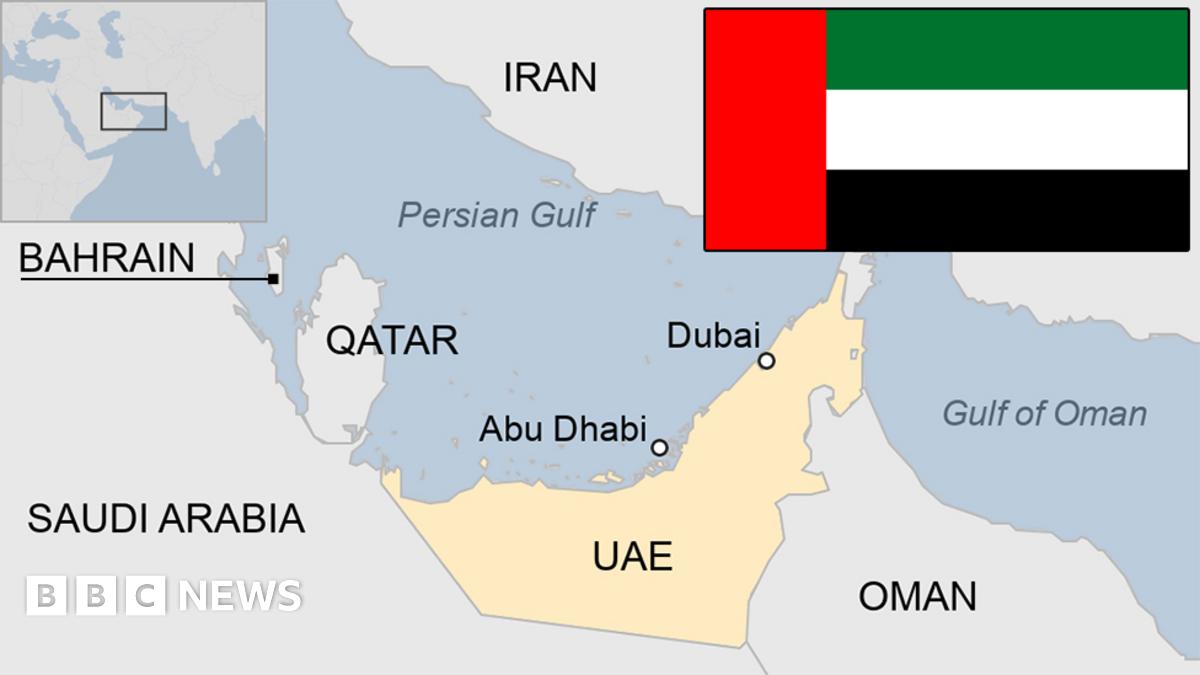
UAE authorities have introduced a targeted corporate tax exemption for specific sports entities, signalling a policy push to deepen the sector’s economic role while aligning regulation with global standards. The Ministry of Finance said Cabinet Decision No of 2026 has been issued under Federal Decree-Law No 47 of 2022 on the taxation of corporations and businesses, creating a carve-out for qualifying organisations operating within the sports ecosystem.
The decision positions sports as a strategic growth sector alongside finance, logistics and advanced industries, reflecting the country’s wider diversification agenda. Officials framed the move as part of a longer-term effort to support sustainable development in sports, encourage professionalisation, and reinforce the UAE’s ambition to operate as a global hub for modern sports systems that combine governance, technology, media and commercial activity.
Under the framework set out by the ministry, eligibility for the exemption will be tied to criteria intended to distinguish genuine sporting and community-focused activity from purely commercial ventures. While detailed implementing guidance is expected, the policy is understood to cover entities such as sports clubs, federations and associations that play a direct role in organising, regulating or developing sporting activity, rather than profit-driven entertainment businesses operating on the margins of sport.
The corporate tax regime introduced in 2023 marked a significant shift for the UAE, which historically levied limited federal taxes outside hydrocarbons and banking. Set at 9 per cent on taxable profits above a defined threshold, the system was designed to meet international transparency and base erosion standards while preserving competitiveness. From the outset, lawmakers indicated that exemptions and reliefs would be used selectively to protect public-interest activities and strategically important sectors.
Sports policy has increasingly intersected with economic planning in the UAE over the past decade. Large-scale investment in professional leagues, combat sports, motorsport, football and endurance events has been paired with infrastructure spending on stadiums, training centres and sports medicine. At the same time, authorities have emphasised grassroots participation, youth development and the integration of sport into health and education strategies.
By reducing the tax burden on qualifying entities, policymakers appear to be seeking to free up resources for reinvestment into facilities, talent development and governance structures. Industry executives say tax certainty is particularly important for non-profit or semi-commercial bodies that rely on sponsorships, membership fees and event revenues, which can fluctuate with economic cycles.
International alignment is another stated objective. Many jurisdictions offer preferential tax treatment to recognised sports bodies on the grounds that they deliver social value and public goods. In Europe, for example, not-for-profit sports associations often benefit from exemptions or reduced rates, provided profits are reinvested into sporting objectives. The UAE’s move brings its framework closer to these models while retaining oversight through federal tax law.
The exemption may also enhance the country’s appeal as a base for international federations and regional headquarters. Global sports organisations increasingly weigh regulatory clarity, tax efficiency and ease of operations when choosing host jurisdictions. Combined with existing incentives in free zones and the UAE’s connectivity, the policy could strengthen its competitive position in attracting governing bodies, leagues and event organisers.
At the same time, the decision raises questions about boundaries between exempt and taxable activity. Sports entities with commercial arms, such as merchandising, broadcasting or venue management, may need to ring-fence activities to ensure compliance. Tax specialists expect guidance to clarify how mixed-income models will be treated and how arm’s-length principles will apply between exempt and non-exempt operations.
The ministry has stressed that the exemption is not a blanket waiver but a targeted measure aligned with policy objectives. This reflects a broader trend in fiscal policy towards precision incentives rather than broad-based concessions. By anchoring the decision within the existing corporate tax law, authorities have signalled that sports entities remain part of the formal tax system, subject to registration, reporting and oversight, even if their tax liability is reduced or eliminated.
Economic analysts note that while the immediate revenue impact of exempting sports bodies is likely modest, the longer-term payoff lies in multiplier effects. Sports events drive tourism, media exposure and consumer spending, while local clubs and programmes support employment, health outcomes and social cohesion. From this perspective, the exemption functions less as a tax giveaway and more as an investment in an ecosystem with spillover benefits.
Follow Arabian Post
Select Arabian Post as your preferred source on Google and MSN News for trusted business news and Arab politics and updates.




