

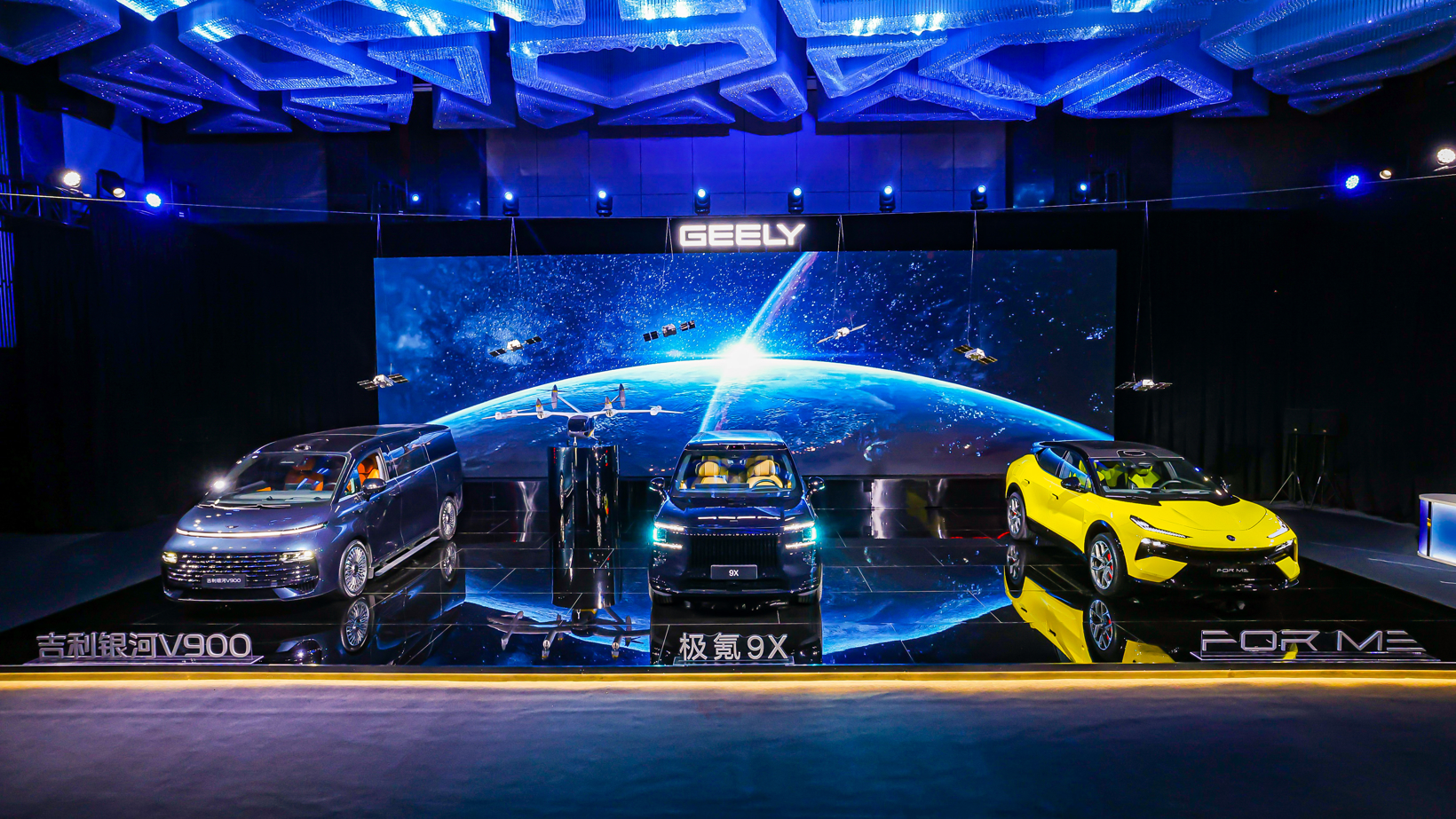
Volvo Cars is moving towards tighter operational links with its Chinese parent group as chairman Li Shufu presses for closer co-operation across brands to cut costs and make better use of factory capacity in an industry weighed down by weak electric-vehicle demand, trade barriers and mounting price pressure. At Volvo’s annual general meeting, Li said the company should work more closely with sister marques including Polestar, Geely Auto and Lynk & Co, and warned that standing alone risked leaving carmakers behind.
The remarks mark a sharper articulation of a strategy that has been building for some time but has gathered pace under chief executive Hakan Samuelsson, who has returned to steer the Swedish carmaker through a more difficult market. Volvo has already agreed to deepen its commercial role within the wider Geely stable, including a deal to become the exclusive importer and distributor of Lynk & Co electric cars in Europe. That arrangement allows Volvo to push additional volume through its dealer network without bearing the full cost of developing new products itself.
Li’s intervention goes beyond sales tie-ups. Bloomberg reported that he wants Volvo to produce models from its Chinese sister brands in Volvo plants, a step that would turn shared manufacturing into a more explicit answer to overcapacity. Reuters, reporting from the AGM, said Li argued for deeper integration across research, development, supply chains and production as global carmakers struggle with a tougher operating environment. The emphasis reflects a broader shift in the auto industry, where manufacturers are trying to spread investment over larger volumes after years of heavy spending on electrification and software.
Geely ties tighten at Volvo
For Volvo, the pressure is coming from several directions at once. The company has been dealing with slowing demand for fully electric cars in some key markets, while tariffs on China-made EVs have complicated sourcing and production decisions for brands tied to Chinese ownership. At the same time, the group has been trying to absorb more than $1 billion in impairments disclosed over the previous year, while keeping product investment under control. Samuelsson has argued that Volvo must exploit the advantages of belonging to a larger industrial network, especially in procurement and technology, if it is to defend margins.
That is already visible in Volvo’s relationship with Polestar, the performance EV brand that also sits within the Geely family. Reuters reported that Volvo is converting roughly $300 million of Polestar debt into equity, lifting its holding to nearly 20%, while Polestar consolidates US production. Production-sharing plans are also being used as a hedge against tariffs: Polestar has said its upcoming Polestar 7 sport utility vehicle will be built at Volvo’s plant in Kosice, Slovakia, from 2028, extending a manufacturing model that could become more common across the group.
The logic is straightforward. Shared architectures, combined purchasing and common manufacturing footprints can lower unit costs in a market where pricing power is under strain. Volvo and Geely had already formalised parts of that approach in 2021, when they announced wider collaboration in powertrains, EV architectures, procurement, autonomous-driving technologies and aftersales, while keeping separate corporate structures. What is changing now is the degree of urgency. Li’s message suggests that co-operation is no longer simply a strategic option but a practical necessity as the industry recalibrates after an over-optimistic bet on the speed of the EV transition.
There are, however, tensions in the approach. Volvo has spent years cultivating its identity as a premium Swedish brand centred on safety, design and engineering discipline. Closer manufacturing integration with Chinese sister brands could raise questions among some investors and customers about brand distinction, particularly in Europe, where political scrutiny of China-linked industrial assets has intensified. Volvo must also navigate the optics of deeper reliance on a parent group based in China at a time when trade relations between Brussels, Washington and Beijing remain strained.
Yet the counterargument inside the Geely camp is that brand identity and industrial integration are no longer mutually exclusive. Shared platforms and common components have long been standard practice across global auto groups, from Volkswagen to Stellantis. Geely’s ambition is to turn its portfolio into a more efficient multinational system without formally collapsing brands into a single structure. Reuters reported that Geely wants to rank among the world’s top five carmakers by 2030, targeting annual sales of 6.5 million vehicles, with about a third generated outside China. Volvo’s factories, dealer base and established name in Europe are central to that ambition.
Follow Arabian Post
Select Arabian Post as your preferred source on Google and MSN News for trusted business news and Arab politics and updates.



