Arabian Post Staff -Dubai
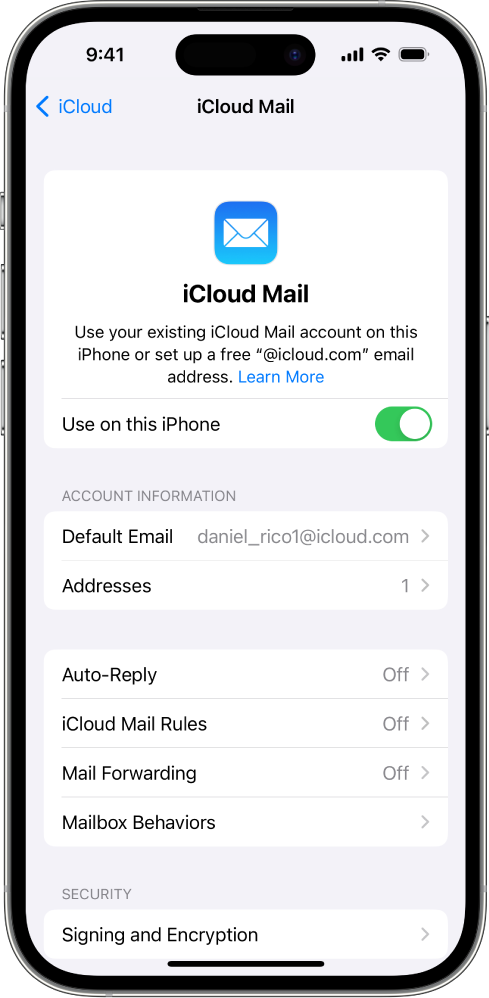
Apple is confronting a £3.8 billion legal claim in the United Kingdom over allegations that its iCloud services engaged in anti-competitive practices. The lawsuit, filed by the UK consumer group Which?, asserts that Apple effectively forced iPhone and iPad users into relying on iCloud for data storage due to the lack of practical alternatives within the iOS ecosystem. This claim suggests that Apple’s ecosystem design intentionally limits competition, disadvantaging consumers.
The case focuses on Apple’s dominance in the digital storage market, alleging that its proprietary iCloud service is not merely one of many options but an indispensable part of the Apple device experience. Critics argue that Apple’s policies steer users away from third-party solutions, locking them into a subscription model with iCloud for functions like photo backups and data synchronization.
Which? claims that Apple’s ecosystem restricts user choice and that the company exploits this dominance to generate revenue through subscription fees. The group has pointed out that customers often lack transparency about their options and are subject to high prices when subscribing to iCloud plans, despite the increasing availability of competitive services.
Apple’s response to these allegations has focused on defending its approach to ecosystem integration. The company insists that its ecosystem design prioritizes user security, seamless functionality, and data privacy, arguing that the iCloud service is an essential part of providing a secure and high-quality user experience. Apple has emphasized that iCloud aligns with industry standards and offers users options, including the ability to manage data storage independently.
Legal experts are watching this case closely, as it is not the first time Apple has faced scrutiny over its ecosystem practices. Similar antitrust accusations have been raised globally, with regulators in Europe and the United States examining Apple’s policies regarding its App Store and other proprietary services. These investigations often focus on whether Apple’s ecosystem operates in ways that unfairly limit competition or impose additional costs on consumers.
The claim comes amid an industry-wide debate on how large technology firms manage their ecosystems. Apple’s case is emblematic of a larger issue: the fine line between innovation in creating seamless, secure environments and the potential for anti-competitive practices that limit consumer choice. As technology companies continue to push for integrated ecosystems, regulators worldwide are grappling with how to balance innovation with market fairness.
Follow Arabian Post
Select Arabian Post as your preferred source on Google and MSN News for trusted business news and Arab politics and updates.