

Arabian Post Staff -Dubai
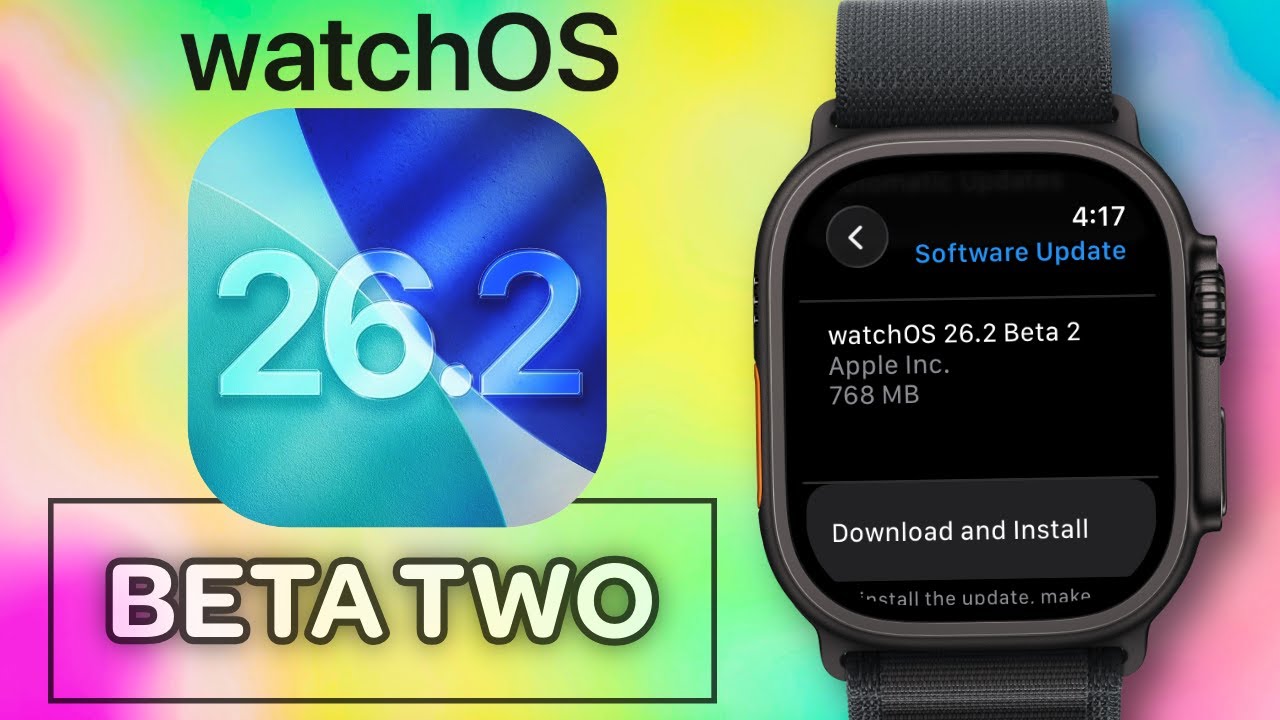
Users of watchOS 26.2 will notice an adjustment in how nightly sleep is assessed and improvements to device connectivity for users in the European Union, among other performance enhancements. The Sleep Score feature has been recalibrated: the top classification is now “Very High” and the thresholds for all bands have been shifted to better reflect typical sleep experiences.
This recalibration stems from new guidelines adopted by American Academy of Sleep Medicine, National Sleep Foundation and World Sleep Society — underlining that a “Very High” score should align more closely with how rested a person actually feels, rather than a purely optimistic label. While sleep data measurement remains unchanged, the new ranges may result in shifts — for example, a night that previously scored “Excellent” may now show up as “High.”
For users in the EU, watchOS 26.2 also modifies how Wi-Fi networks are shared between an iPhone and Apple Watch. This change appears to be driven by compliance with the Digital Markets Act, the European regulation aimed at fostering competition among large technology firms. The update is expected to alter the mechanism of network sharing — though Apple hasn’t publicly detailed the exact technical modifications.
Beyond those two headline changes, the update brings a set of stability and performance refinements. Core background processes have been tightened to reduce app loading inconsistencies, and various bug fixes have been implemented to improve overall reliability. Apple’s release candidate notification suggests these may be the final changes before watchOS 26.2 becomes available broadly to the public, barring any undiscovered issues during developer and beta-tester rollout.
For end-users, the most tangible impact will likely be in the sleep tracking data viewers rely on daily. With the recalibrated Sleep Score, some who previously saw “Excellent” may feel their sleep looks less perfect — but Apple argues the new classification paints a more accurate picture of rest quality. In regions under DMA jurisdiction, the revised Wi-Fi sharing could affect how watches connect to networks, a potentially noticeable change for those who rely on seamless connectivity between iPhone and Apple Watch. Meanwhile, all users stand to gain from improved system responsiveness and fewer bugs, reinforcing watchOS’s overarching goal of balancing advanced health tracking with everyday usability.
Follow Arabian Post
Select Arabian Post as your preferred source on Google and MSN News for trusted business news and Arab politics and updates.



