

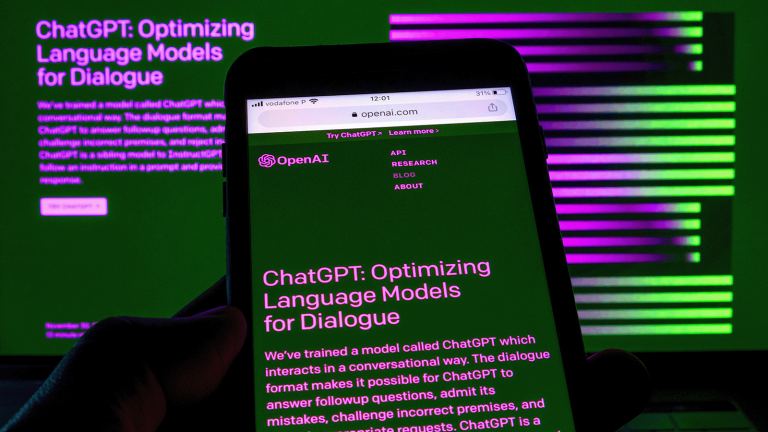
ChatGPT Sites, now available in public beta for eligible ChatGPT users and workspaces, represents a broader shift in web development towards prompt-driven design. The service combines website creation, hosting, storage and deployment in a single environment, allowing entrepreneurs to move from an idea to a working online presence without assembling a conventional development team.
The process begins with a detailed description of the business and the purpose of the site. An owner could ask for a responsive website for a restaurant, consultancy, retailer or professional service and specify pages such as Home, About, Services, Products, Contact and Frequently Asked Questions. ChatGPT can then generate the initial structure, visual layout and functionality.
The quality of that first instruction matters. A useful prompt should explain what the company does, who its customers are, the preferred visual style, the information visitors need and the actions they should be encouraged to take. Providing existing logos, photographs, product information, price lists and business documents can help the system produce a site that more closely reflects the organisation.
Owners can review the website privately before publishing it and request changes conversationally. Instead of editing code, a user might ask ChatGPT to reduce the size of the header, move a booking button higher on the page, create a darker design, improve mobile navigation or add a customer enquiry form.
That approach brings technologies once associated with custom development within reach of smaller businesses. Sites can support interactive web experiences rather than only static pages. Businesses can create calculators, dashboards, directories, project trackers, booking-style interfaces and other lightweight applications where supported.
Data storage can also be incorporated into suitable projects, allowing a site to save information rather than simply display fixed content. This can be useful for applications such as enquiry systems, internal trackers, customer request forms or inventory-related tools. Authentication may be added when supported, while access controls can restrict a site to designated users or make it publicly accessible.
External services can broaden what the website does. A business may need mapping, email delivery, scheduling, analytics, customer management or other services connected through application programming interfaces. Credentials and secret keys should be stored through protected configuration mechanisms rather than embedded visibly in website code.
E-commerce requires particular care. Businesses can build product interfaces and connect supported third-party payment processors, but payment-card information should not be handled directly by the ChatGPT Site. Responsibility for orders, refunds, taxation, deliveries and customer support remains with the merchant.
Custom domains are another important step for businesses seeking a professional identity. Where the feature is available, owners can connect a domain they already control by changing its Domain Name System records. The website can therefore appear under the company’s own address rather than relying solely on the default deployment URL.
Search visibility still requires work after the site is generated. Business owners should provide clear page titles, readable descriptions, logical navigation and original information about their services. Location details are important for companies serving defined geographic markets. Content generated by artificial intelligence should be checked carefully because inaccurate claims, invented testimonials or duplicated marketing language can damage both credibility and search performance.
Mobile performance deserves similar attention. Most small-business customers now encounter companies first through smartphones, making responsive layouts, readable type, efficient images and clearly positioned contact or purchase buttons essential. Owners should test every major page on different screen sizes before publication.
Security and privacy cannot be delegated entirely to automation. Forms collecting names, telephone numbers or email addresses may create data-protection obligations. Businesses serving customers in jurisdictions covered by privacy regulations can need a privacy policy explaining what information is collected, why it is collected, how long it is retained and how users can exercise their rights.
Businesses should also review everything generated before publishing. Automated systems can create technically convincing interfaces that still contain incorrect prices, unsuitable wording or functions that have not been tested adequately. Forms, login systems, external links and integrations should be checked using the same discipline applied to conventionally developed websites.
Follow Arabian Post
Select Arabian Post as your preferred source on Google and MSN News for trusted business news and Arab politics and updates.




