

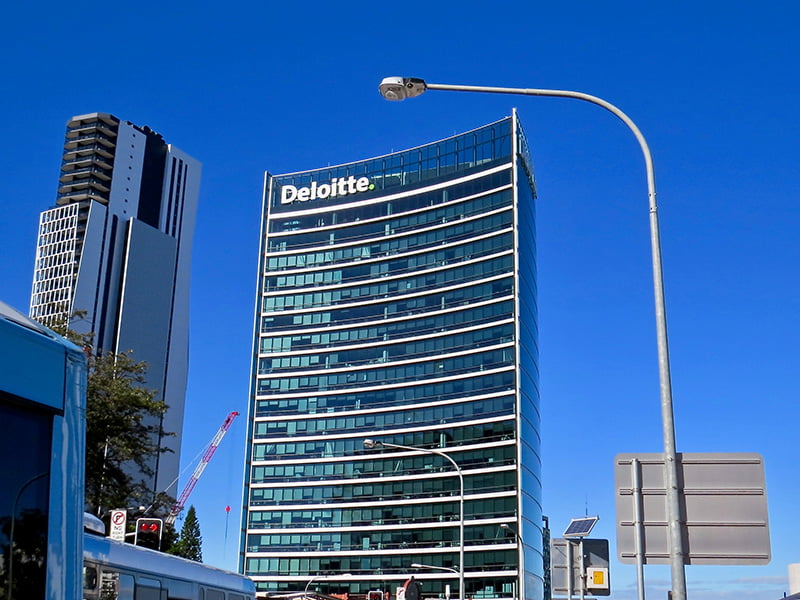
Deloitte has agreed to repay a portion of its contract with the Australian government following the discovery of errors generated by artificial intelligence in a series of reports. The company acknowledged the involvement of Azure OpenAI, a generative AI language system, in producing the erroneous documents, which prompted a review of its practices and the government’s decision to seek financial restitution.
The AI errors were identified in a set of reports produced for the Australian government under a contract aimed at providing consultancy services. These documents, which were supposed to assist in policy planning and analysis, were found to contain critical inaccuracies that led to concerns about the reliability of AI-generated content in sensitive government work. As a result, the Australian government raised the issue, and Deloitte’s failure to meet the expected standards led to the agreement to refund a part of the payment.
This incident has sparked a larger conversation about the increasing use of AI in business and government sectors. While AI tools like OpenAI’s language models are hailed for their potential to streamline operations and enhance productivity, they also raise significant questions about accountability and oversight. The Australian government, while acknowledging the potential of AI, emphasised that such technologies should not replace human expertise in areas where precision and reliability are paramount.
Deloitte’s involvement with AI-generated content is not unique, as many companies are increasingly leveraging such tools to automate complex tasks. However, this case underscores the need for robust safeguards to ensure that AI systems are used appropriately, particularly when dealing with critical government functions. Experts argue that while generative AI systems can be highly effective in many contexts, their deployment in areas like policy advice and public sector consultancy requires careful supervision to prevent errors that could undermine public trust.
The use of generative AI by Deloitte was intended to enhance the efficiency of producing detailed reports, with the promise of saving time and resources. However, the system’s inability to fully understand the nuances of complex policy documents led to the submission of flawed reports. The mistakes were significant enough that the Australian government found them unacceptable, prompting a formal request for financial compensation. Deloitte, in turn, acknowledged the shortcomings and agreed to a repayment.
The incident has sparked debate about the ethical implications of using AI in government contracts. Critics argue that relying on AI systems without sufficient human oversight could jeopardise the integrity of essential government operations. Meanwhile, proponents of AI integration stress that such technologies are a valuable tool when used responsibly and with proper oversight mechanisms in place.
AI in government work presents both opportunities and challenges. On one hand, AI has the potential to revolutionise the way public sector agencies operate, offering improvements in efficiency, cost savings, and service delivery. On the other hand, without proper safeguards, AI systems can produce errors that, if left unchecked, could have serious consequences for public policy and decision-making. The Deloitte case serves as a reminder of the importance of maintaining a balance between leveraging technological advancements and ensuring that these innovations meet the high standards expected in public service.
Follow Arabian Post
Select Arabian Post as your preferred source on Google and MSN News for trusted business news and Arab politics and updates.




