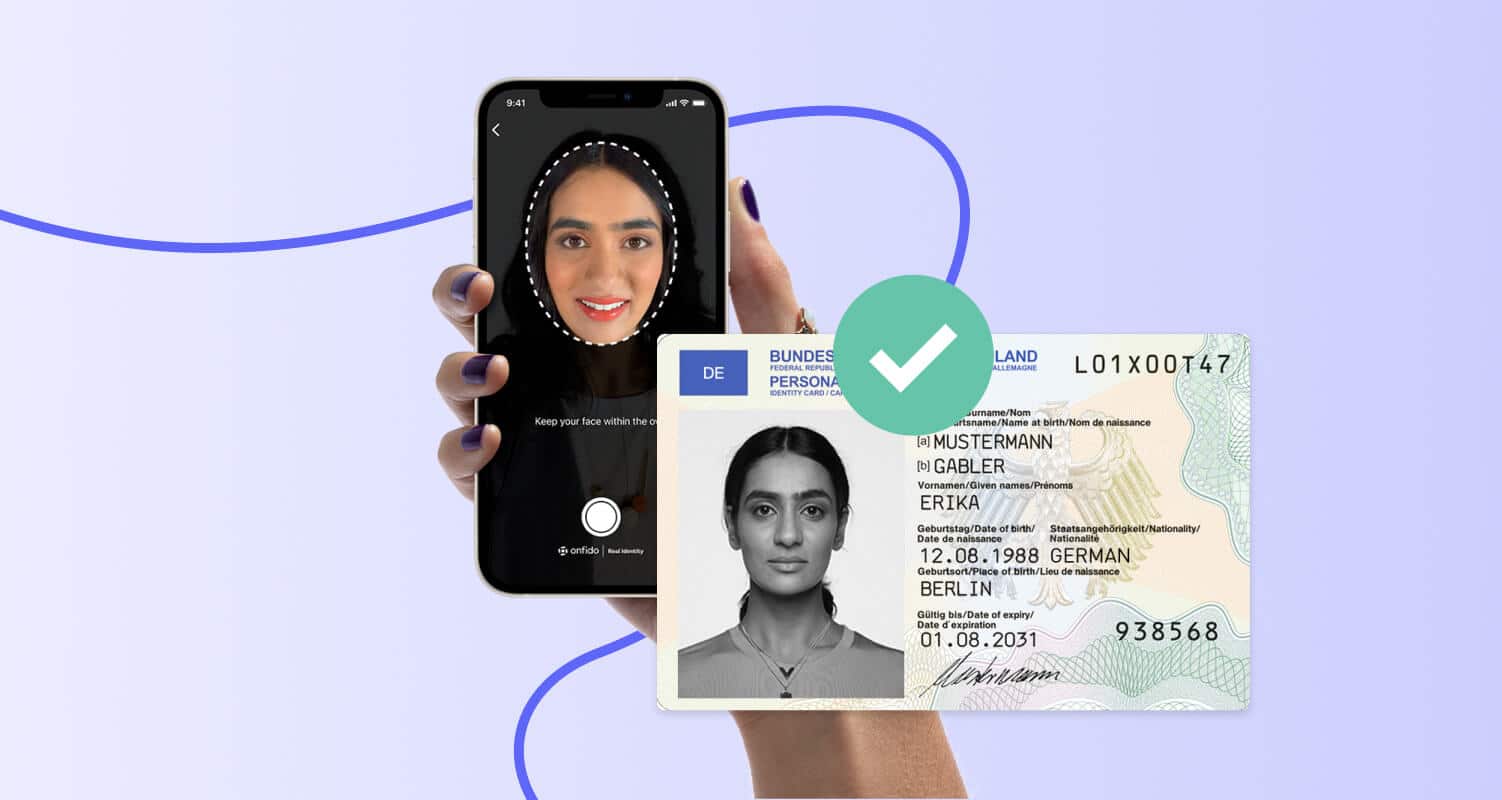
Fragment, a platform built on blockchain technology, has introduced a Know-Your-Customer (KYC) requirement for its services, including the purchase of Telegram usernames, anonymous phone numbers, premium subscriptions, and in-app currency “stars.” This new policy is aimed at increasing user security and compliance with international regulations as cryptocurrency-related platforms face growing scrutiny.
Fragment operates primarily through the TON blockchain, a platform used by various applications, including Telegram. With the integration of blockchain-based phone numbers, users could previously access Telegram without the need for a traditional SIM card, offering a higher degree of anonymity, the platform has now shifted its stance, requiring users to verify their identities to maintain the integrity and security of transactions.
This move aligns with broader trends in the digital and cryptocurrency sectors, where regulatory bodies are imposing stricter rules on platforms that allow for pseudonymous transactions. By requiring KYC, Fragment aims to prevent misuse of its services for illegal activities, such as money laundering and fraud, which have been concerns for many blockchain and crypto platforms. Moreover, the introduction of KYC adds a layer of accountability, ensuring that individuals engaging with its services are properly identified.
The KYC procedure involves submitting personal identification details, which will be verified by third-party services before users can engage in the platform’s transactions. This includes purchasing or transferring usernames, anonymous phone numbers, and the stars used within Telegram’s premium features. It’s a significant shift from the platform’s previous operational model, which emphasized privacy and decentralization.
Telegram’s adoption of blockchain-based phone numbers through Fragment has been a pivotal feature in enhancing user privacy, allowing users to operate without a SIM card or a traditional phone number. This feature appeals to privacy-conscious users, including those in countries with high surveillance. The “No-SIM sign-up” option has been welcomed as a major privacy boost for Telegram users【9†source, Fragment’s introduction of KYC now places its future use under greater regulatory oversight, signaling a change in how blockchain services are operating amid increasing pressure from governments to tighten security and oversight.
The move to KYC also affects the sale of digital assets like usernames and other unique identifiers, which can be valuable on platforms like Telegram. Previously, these digital assets could be bought or sold with relative anonymity, but now users will have to provide personal details, adding a layer of verification that may deter some users who prioritize complete privacy.
By implementing these measures, Fragment is positioning itself as a more compliant entity within the blockchain ecosystem, signaling its readiness to adapt to global standards of financial regulation. While the KYC policy may reduce the anonymity of some users, it may also provide additional security and legal protection for those engaging in transactions on the platform. This move might pave the way for other similar services to adopt stricter compliance measures as blockchain-related industries mature and face greater regulatory scrutiny.
Follow Arabian Post
Select Arabian Post as your preferred source on Google and MSN News for trusted business news and Arab politics and updates.