Arabian Post Staff -Dubai
Qatar is mediating between Tehran and Washington while working alongside Oman on a temporary solution for the strategic waterway. The initiative has gained urgency as commercial traffic through Hormuz remains severely restricted and maritime security deteriorates across adjoining shipping routes.
Qatari Prime Minister Sheikh Mohammed bin Abdulrahman Al Thani said freedom of navigation must be guaranteed without interference and that international shipping routes should not become instruments of political pressure. Doha is also consulting Gulf Co-operation Council members and other regional governments on additional diplomatic channels with Tehran.
Sheikh Mohammed met Saudi Foreign Minister Prince Faisal bin Farhan in Riyadh on Wednesday, with discussions focusing on de-escalation, regional security and the protection of navigation in the Arabian Gulf and Red Sea.
Oman, which has maintained channels with Tehran and Washington throughout the crisis, is central to negotiations over a maritime arrangement. Earlier proposals have envisaged separate routes for vessels entering and leaving the Gulf, with Iran and Oman exercising responsibilities over lanes passing through their respective territorial waters.
Tehran and Muscat have already agreed coordinates for proposed shipping routes. The broader negotiations, however, remain tied to Iran’s demands for concessions from Washington, including sanctions relief, an end to restrictions affecting its ports and assurances against further military action.
Iran maintains that full reopening of Hormuz depends on the United States fulfilling commitments linked to the June 17 memorandum of understanding. The agreement was designed to halt military operations, protect freedom of navigation and provide a framework for addressing wider disputes, including Tehran’s nuclear programme.
The 60-day period envisaged for achieving broader progress expired this week without a settlement. Washington and Tehran have traded accusations over responsibility for the breakdown, leaving Gulf governments attempting to preserve diplomatic channels while containing the economic fallout.
Oman and Japan on Thursday called for a political settlement and stressed that navigation through Hormuz should operate under international law. Omani Foreign Minister Badr Albusaidi reaffirmed Muscat’s commitment to maritime security and opposition to further escalation.
Egypt has also stepped up co-ordination with Qatar. Foreign Minister Badr Abdelatty held discussions with Sheikh Mohammed in El Alamein as Cairo sought to reinforce regional efforts to reduce tensions.
The diplomatic activity coincided with another maritime security incident far from Hormuz. Six armed people boarded a tanker about 136 nautical miles east of Al Mukalla in Yemen after the vessel reported being approached by an unauthorised craft while travelling west through the Gulf of Aden.
The attackers took control and redirected the tanker towards Somalia. No immediate information was available on the safety of the crew. The incident adds another layer of risk for shipping companies already navigating disruption around Hormuz, the Gulf of Aden, Bab el-Mandeb and the Red Sea.
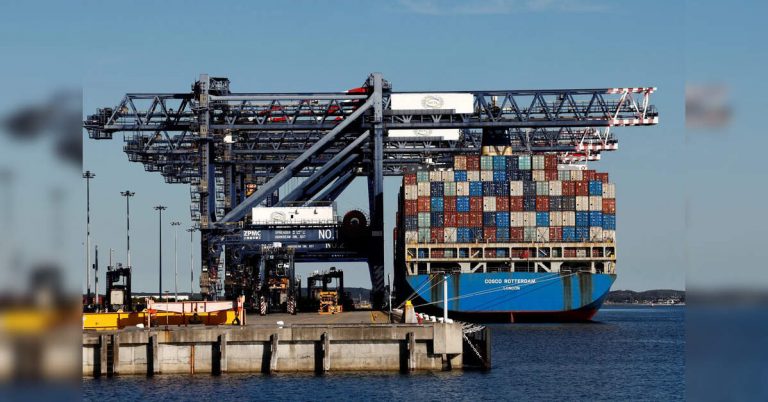
Shipping through Hormuz has fallen dramatically. Only seven commodity vessels passed through the strait on Thursday, down from 14 a day earlier. Four entered the Gulf and three departed, with no very large crude carriers or liquefied natural gas tankers among them. Before the conflict, the passage carried roughly one-fifth of global crude oil and LNG shipments.
Traffic through Bab el-Mandeb also weakened, with 23 vessels passing through on Thursday compared with 34 on each of the previous two days. The combination of restricted routes, security threats and higher insurance costs is reshaping energy transport across the region.
More than 500 commercial vessels have been stranded in the Gulf during the disruption, forcing energy producers and shipping companies to explore alternative arrangements. Tanker demand has surged as exporters seek vessels capable of operating in high-risk waters, while charter rates for some routes have risen sharply.
Economic pressure on Tehran is simultaneously mounting. Central Bank of Iran governor Abdolnaser Hemmati said the country was currently exporting no oil and acknowledged severe restrictions on petroleum sales. Iran is also contending with inflation, currency weakness, energy shortages and constrained access to foreign exchange.
Also published on Medium.
Follow Arabian Post
Select Arabian Post as your preferred source on Google and MSN News for trusted business news and Arab politics and updates.