The initiative brings together more than 140 companies, including Visa, Mastercard, American Express, BlackRock, Coinbase, Stripe, BNY, Standard Chartered, Google, Shopify, Coinbase, Ripple, Fireblocks, Gemini, MetaMask, Emirates NBD and Abu Dhabi Islamic Bank. Open USD, trading under the ticker OUSD, is expected to go live later this year and will be governed by Open Standard, an independent company structured around partner participation.
The project marks one of the largest coordinated moves by established financial and technology groups into stablecoin infrastructure. Unlike stablecoins controlled by a single issuer, Open USD is being positioned as shared infrastructure for businesses that move money across borders, platforms and blockchains. Its backers say the model will allow companies to mint and redeem the token without fees, avoid artificial limits on volume, and share in most of the earnings generated from reserves after a management fee.
The launch comes as stablecoins move deeper into mainstream finance. The sector is dominated by dollar-linked tokens such as Tether’s USDT and Circle’s USDC, which together account for the bulk of global stablecoin supply and trading activity. The entry of card networks, asset managers, fintech platforms and exchanges into a jointly governed model signals a shift from experimental crypto use towards payment infrastructure built for merchants, banks, issuers and global platforms.
Open Standard said Open USD will be designed for payments, trading, treasury flows, remittances, platform payouts, merchant settlement and agentic commerce. Reserves are to be maintained at major financial institutions under US regulatory requirements, a structure intended to reassure banks and payment companies that remain cautious about digital-asset risk.
Visa has framed the project as part of a wider push to bring stablecoins into existing payment rails. The company has already expanded stablecoin settlement pilots across multiple blockchains and has said Open USD gives businesses the governance and reliability needed to move money at scale. Mastercard has also broadened its settlement capabilities to include regulated stablecoins, intraday settlement and weekend options for issuers and acquirers, reinforcing the industry’s move towards always-on settlement.
Stripe’s participation is significant because of its growing stablecoin strategy. The company has been building crypto payment infrastructure after acquiring Bridge, a stablecoin orchestration platform, and is expected to make Open USD a default stablecoin option for businesses running on its systems. That gives the initiative a direct route into online merchants, software platforms and marketplaces.
Coinbase’s involvement adds a notable competitive angle. The exchange has long been closely associated with USDC through its commercial relationship with Circle. Its participation in Open USD suggests that large crypto platforms may now support multiple stablecoin rails rather than relying on one dominant asset. Coinbase’s business chief Shan Aggarwal said stablecoins are the most important development in payments and that customers should have access to the best infrastructure available.
BlackRock’s backing adds institutional weight. Samara Cohen, its global head of market development, said stablecoins could play an important role in digital markets when supported by trusted infrastructure and practical utility. BNY has also pointed to the prospect of stablecoins growing into a much larger market by 2030, reflecting rising interest from custodians and asset-servicing groups in tokenised money.
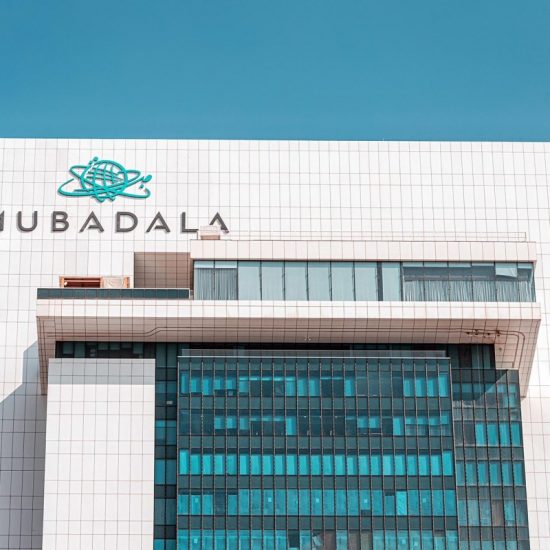
The project also has a Gulf dimension. Emirates NBD, Mashreq, Abu Dhabi Islamic Bank and RAK Bank are listed among participating institutions, placing regional lenders inside a global stablecoin initiative at a time when Gulf financial centres are competing to attract digital-asset infrastructure. For banks, the opportunity lies in faster settlement, cross-border flows and programmable treasury use cases, but adoption will depend on regulation, risk controls and reserve transparency.
Open USD will face strong competition from USDT and USDC, both of which benefit from liquidity, exchange integration and market familiarity. It will also have to prove that collaborative governance can work across companies with different regulatory obligations, commercial interests and technology priorities. The promise of shared reserve economics may help attract distribution partners, but regulators will scrutinise how reserves are held, how redemptions are handled and how operational control is exercised.
Arabian Post – Crypto News Network
Follow Arabian Post
Select Arabian Post as your preferred source on Google and MSN News for trusted business news and Arab politics and updates.