

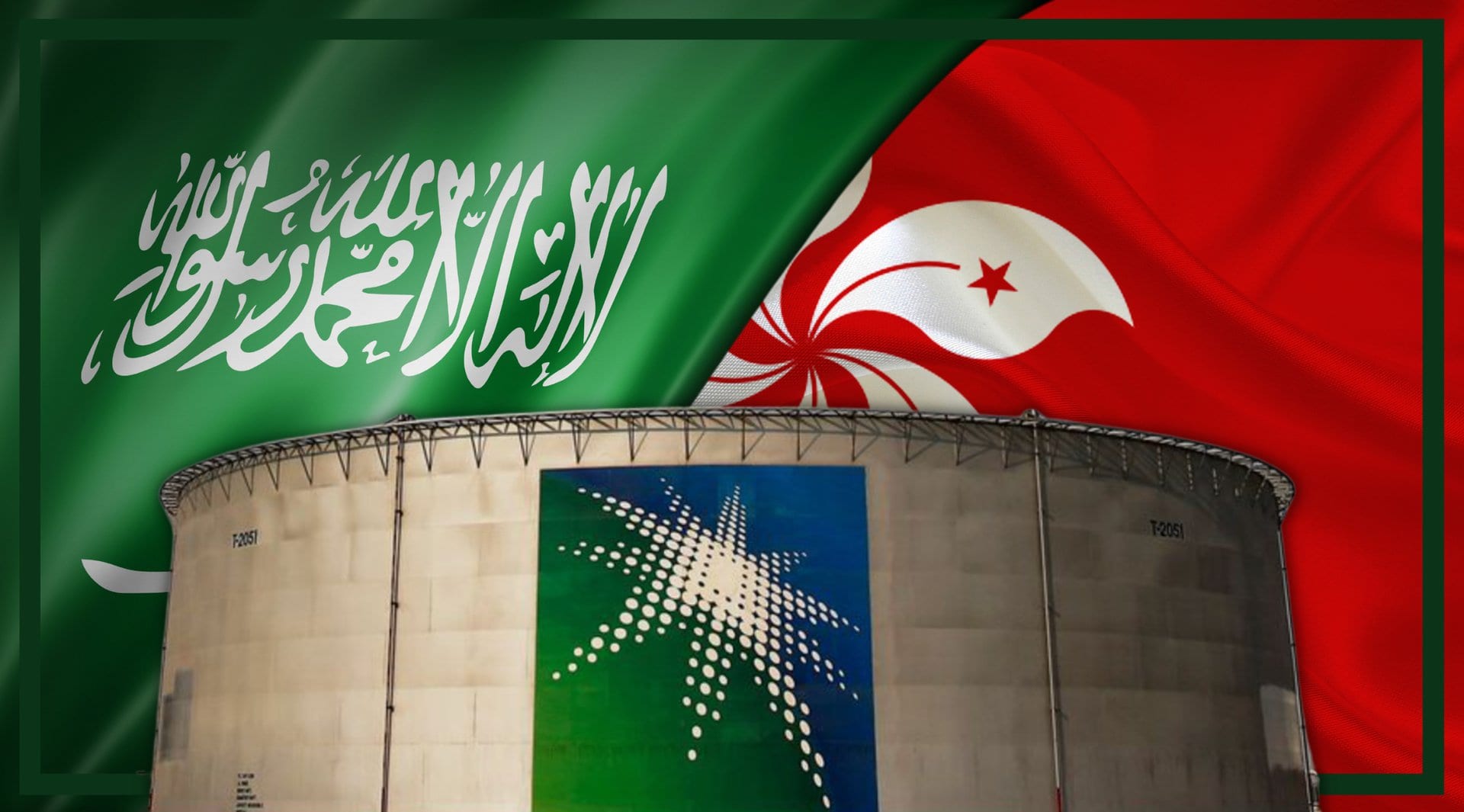
Aluminium Products Company of Saudi Arabia and Hong Kong–based Asia Aluminum Group have inked a master framework agreement to build the largest integrated downstream aluminium industrial complex in the Kingdom, with planned investment reaching up to USD 500 million. The initiative centres on three joint ventures covering aluminium extrusion, modular housing, and solar panel frame manufacturing.
The agreement was signed in Hong Kong by ALUPCO Chief Executive Khaled Abdel-Moneim and AAG Vice Chairman Eric Kwong, in the presence of top representatives from Saudi Arabia’s National Industrial Development Center and Hong Kong’s Belt & Road office. The JVs will see participation from AAG affiliate firms AluHouse and MacMetal.
Under the plan, phase one is to be completed within thirty months, targeting an aluminium extrusion output of 100,000 tonnes annually. Officials regard the project as critical for Saudi Arabia’s strategy to deepen its downstream aluminium capacity, create local jobs, and support clean-energy industries.
Saudi Arabia’s industrial leadership has hailed the project as aligning with national goals under Vision 2030 to diversify the economy beyond hydrocarbons. Mahmoud Al-Asmari, Director of Minerals & Metals at the National Industrial Development Centre, described the venture as “a milestone in advancing the Kingdom’s downstream aluminium targets,” adding that the project is designed to bring global technology, localise high-value supply chains, and reinforce Saudi Arabia’s industrial role.
AAG is one of the world’s largest aluminium extrusion and fabrication groups, with its Hong Kong headquarters and major production presence in Guangdong, China. Its champion and founder, Kwong Wui Chun, has steered the company through decades of expansion. AAG’s product range includes profiles for windows, curtain walls, structural components, and decorative extrusion.
ALUPCO, headquartered in Dammam, is among the region’s leading aluminium extrusion firms. Established in 1975, it operates multiple presses across sites in Dammam and Jeddah, and serves the GCC and wider Middle East market. The firm already exports architectural and structural aluminium systems across the region.
Global analysts view the announcement as a strong signal of Saudi Arabia’s pivot toward deeper industrialisation. The global aluminium extrusion market was estimated at USD 91.4 billion in 2024 and is forecast to expand to more than USD 146 billion by 2030, driven by demand from construction, automotive, and energy sectors.
Still, success hinges on managing raw material supply, energy costs and achieving scale. Aluminium extrusion is energy-intensive; securing steady, competitively priced electricity will be vital. The ability to integrate downstream operations—like modular housing and solar frame production—will test logistical and operational capability.
Follow Arabian Post
Select Arabian Post as your preferred source on Google and MSN News for trusted business news and Arab politics and updates.




