News related to
Abu Dhabi’s

Greenlogue/AP The United Arab Emirates is elevating its contribution to the global clean‑energy shift through an ambitious expansion of solar generation capacity, backed by major state and private entities, spanning domestic projects and international initiatives. Domestically, the Al Dhafra Solar PV project near Abu Dhabi, boasting a capacity of 2 GW, remains one of the world’s largest single‑site solar power plants and significantly bolsters the UAE’s installed solar capacity […]

Sotheby’s will stage its first auction series in Abu Dhabi this December as part of a broader push by the emirate to emerge as an international hub for art and luxury. The event, named Abu Dhabi Collectors’ Week, is set to run from 2 to 5 December and promises to captivate collectors with offerings spanning fine jewellery, rare watches, collector cars and premium real estate. The drive behind […]

A vibrant showcase of Malaysia’s artistic heritage opened at Abu Dhabi’s Cultural Foundation on 26 August 2025, when the Embassy of Malaysia in the United Arab Emirates inaugurated its first-ever cultural exhibition, “To Know Malaysia Is To Love Malaysia: Highlights from the AFK Collection.” The six-month-long presentation occupies a prestigious place in Abu Dhabi’s cultural calendar and signals a renewed focus on cross-cultural engagement.

Ambassadors accredited to the UAE, business leaders, members of the Malaysian community and cultural and media figures attended the reception. Emirati journalist Dr Jamal Al Majaida was among those present as the exhibition was unveiled. The Ambassador of Malaysia to the UAE, H E Tengku Sirajuzzaman Bin Tengku Mohamed Ariffin, described art and culture as “a vital window into Malaysia’s history and diverse heritage, which blends Asian and Islamic civilisations.” He emphasised that the relationship between the two nations extends beyond politics and economics into the realm of cultural dialogue.

A rare array of works from the AFK Collection—an internationally recognised private collection dedicated to Malaysian art—is on display. It spans classical and Islamic‑inspired pieces to bold contemporary creations, offering a panoramic view of Malaysia’s vibrant creative traditions. The exhibition, running from April through to September at the Cultural Foundation, was introduced in April with similarly enthusiastic reception.

The initiative has infused Abu Dhabi’s cultural scene with fresh momentum. Guests lauded the exhibition’s curation and the uniqueness of its pieces, observing that such events foster mutual understanding and strengthen cultural ties. Members of the Malaysian community voiced pride in seeing their heritage celebrated prominently, and many expressed hope that the exhibition evolves into an annual fixture.

Beyond its individual appeal, the exhibition intersects with broader initiatives to highlight Malaysia’s narratives on the global stage. Curators have framed the AFK Collection as offering insight into the country’s cultural shifts, overlooked histories and political movements, positioning the show as more than an art display—but a medium of storytelling and creative diplomacy.

First Abu Dhabi Bank has unveiled a pioneering five‑year Blue Bond worth HKD 390 million, marking the first such issuance by a financial institution in the Gulf. Placed via private placement and backed by an Article 9 investor, the bond signals a bold move into water‑ and marine‑related sustainable financing. FAB’s issuance aligns with its Sustainable Finance Framework 2023 and adheres to the International Capital Market Association’s Green Bond Principles. […]

Greenlogue/AP Abu Dhabi Future Energy Company is poised to receive continued backing from the local government to fuel its expansion in the energy sector. As part of an ongoing commitment to achieve its ambitious target of 100 gigawatts in renewable energy capacity, the Abu Dhabi government will provide regular equity injections for brownfield projects. This financial support underscores the government’s confidence in Masdar’s role as a key […]

Arabian Post Staff Abu Dhabi has experienced a significant 10.3% rise in certificates of origin, underscoring the ongoing expansion of its non-oil exports. This increase highlights the Emirate’s growing role as a regional hub for trade and investment, further diversifying its economic landscape. Certificates of origin are essential documents for businesses, validating that products are manufactured or processed in a specific country. They play a crucial role […]

Greenlogue/AP Emirates Water & Electricity Company has formally invited bids for a new combined-cycle gas turbine power plant—dubbed Taweelah C—designed to be carbon-capture ready. The facility, to be located within the Al Taweelah Power and Desalination Complex around 50 kilometres north-east of Abu Dhabi, is slated to deliver up to 2.5 gigawatts of electricity and is expected to commence commercial operations in the third quarter of 2028. […]

Advertisements

Abu Dhabi’s Department of Culture and Tourism has secured an exclusive deal to establish a series of Sphere entertainment venues across the Middle East and North Africa for a minimum of 10 years. The agreement, as disclosed by the US-based Sphere Entertainment Company, marks a significant milestone in the region’s entertainment landscape. The Sphere concept, first unveiled in Las Vegas in 2023, represents the cutting edge of […]

Aldar Properties has unveiled its latest project, the Fahid Beach Terraces, a luxurious six-building residential community set along a pristine stretch of coastline on Fahid Island, Abu Dhabi. Positioned as the emirate’s first coastal wellness destination, the development promises a new standard of living, combining scenic views with world-class amenities.

The Fahid Beach Terraces feature expansive living spaces, with each unit offering panoramic sea views and access to a private, dedicated beachfront. The community aims to create an idyllic living environment that blends modern comfort with the serenity of nature. The development is situated in close proximity to key leisure and retail destinations, offering both seclusion and accessibility.

At the heart of the community is an exclusive beachfront clubhouse, a central hub for residents. The clubhouse houses an array of wellness-focused amenities designed to promote health and relaxation. These facilities include an outdoor pool, a state-of-the-art gym, and spa services, ensuring that residents can enjoy an elevated lifestyle. Aldar has emphasised that the design of the community integrates the principles of sustainability, creating an eco-conscious living experience.

The Fahid Beach Terraces are also set to offer various recreational options, such as walking paths, yoga areas, and sports courts. These spaces are strategically positioned throughout the community, allowing residents to enjoy both social activities and moments of personal tranquillity.

Aldar’s vision for the project is to offer a complete lifestyle solution. The development is not just about luxurious residences but is aimed at creating a well-rounded living experience with a strong focus on health and well-being. Fahid Island’s unique location along Abu Dhabi’s coastline further strengthens this concept, with the community’s design capturing the essence of both modern living and nature.

The properties within the community are set to cater to high-net-worth individuals seeking a premium living experience. Aldar’s commitment to quality is evident in the materials used throughout the development, ensuring that each home meets the highest standards of craftsmanship. Additionally, the architecture of the buildings reflects contemporary design principles, featuring sleek lines and expansive windows that maximize the views of the surrounding environment.

As part of its larger strategy to cater to the growing demand for luxurious residential spaces in the UAE, Aldar’s Fahid Beach Terraces is expected to set a benchmark for future coastal developments in the region. The project adds to Aldar’s extensive portfolio of premium properties, further cementing the developer’s position as a leading force in the real estate market.

The development is anticipated to attract both local and international buyers, with its focus on wellness and luxury making it a highly desirable location for investors. As the UAE continues to position itself as a global hub for business and leisure, projects like Fahid Beach Terraces offer a glimpse into the future of upscale living, where quality of life and environmental sustainability are paramount.

With the increasing interest in wellness-oriented lifestyles, particularly in the wake of the global pandemic, the Fahid Beach Terraces cater to a demographic that values both health and comfort. The concept of wellness in residential design has grown in importance, and Aldar’s innovative approach to integrating these elements into a luxurious environment speaks to this shift in consumer preferences.

Santos has agreed to extend the exclusive due diligence period for its proposed $18.7 billion acquisition by an international consortium led by Abu Dhabi’s National Oil Company. The extension, which will last until August 22, follows ADNOC’s initial offer made in June to purchase Australia’s second-largest gas producer. The consortium’s offer, priced at $5.76 per Santos share, includes ADNOC’s investment arm XRG, Abu Dhabi Development Holding Company, and the private equity firm Carlyle.

The agreement marks a significant step in ADNOC’s strategy to expand its global portfolio, particularly in the energy-rich Australian market. ADNOC, which has shown increasing interest in diversifying its energy assets, is now in the midst of an exclusive window to scrutinise the deal further. This process allows the consortium to continue its due diligence without competing offers interfering, a critical phase before a final agreement can be reached.

The initial bid, which valued Santos at approximately $18.7 billion, garnered attention for its scale and ambition. The offer of $5.76 per share represents a premium over Santos’ market value at the time the proposal was made. As the deal progresses, market observers are watching closely for any developments that might influence the final terms.

Santos, headquartered in Adelaide, is a key player in the Australian energy sector, with substantial stakes in natural gas fields and LNG projects. The company’s assets are seen as valuable in the context of rising global energy demands, particularly in Asia-Pacific markets. Santos has been working to strengthen its position in the energy sector, with a focus on cleaner energy options while maintaining its role as a major fossil fuel supplier.

The involvement of ADNOC in this deal is particularly noteworthy. ADNOC, already a dominant player in the global oil and gas industry, has been exploring opportunities outside of the Middle East as part of its broader strategy to secure energy assets worldwide. The consortium’s bid for Santos highlights ADNOC’s intentions to further diversify its portfolio, especially in the burgeoning Asia-Pacific energy market.

ADQ, Abu Dhabi’s sovereign wealth fund, has also been actively investing in international markets. Known for its strategic acquisitions, ADQ’s partnership with ADNOC on this deal strengthens its position in global energy investments. Carlyle, a prominent private equity firm, adds another layer of financial muscle to the consortium, indicating the serious intent behind the bid.

The extended due diligence period provides all parties involved the time needed to ensure that the terms of the acquisition are fully evaluated. This includes a detailed analysis of Santos’ financial health, operations, and future prospects. The due diligence process is critical to determining whether the proposed offer is fair and in line with the long-term strategic goals of ADNOC and its partners.

Although the extension has been granted, market analysts remain cautious. They are closely monitoring how global energy market fluctuations might impact the deal’s progression. The energy sector, while lucrative, remains volatile, influenced by factors such as shifting geopolitical landscapes, regulatory changes, and the ongoing transition towards renewable energy sources.

In addition to financial considerations, the deal’s strategic value for ADNOC and its partners cannot be understated. For ADNOC, securing a larger foothold in Australia’s gas sector could provide both immediate returns and long-term stability, particularly in the face of fluctuating oil prices. Furthermore, as global energy companies look to meet the growing demand for liquefied natural gas, the acquisition of Santos could bolster ADNOC’s LNG production capabilities.

Santos’ shareholders will also be closely watching the developments, with many likely to evaluate the offer in light of the company’s future growth potential. Santos has been positioning itself to leverage Australia’s growing demand for LNG, particularly from China and Japan, two of the world’s largest LNG importers. However, concerns over the impact of external factors on the gas market could complicate the evaluation of such an offer.

Emirates Global Aluminium, the largest aluminium producer in the UAE, is moving forward with plans to launch an initial public offering after years of speculation surrounding the potential listing. The company has begun engaging with banks to gather proposals for the offering, which could raise billions of dollars, according to industry sources. Rothschild & Co. has been selected to advise on the deal, although the listing venue […]

Chris Rokos, the founder of Rokos Capital Management, is making strategic moves to expand his $22 billion hedge fund by setting up an office in Abu Dhabi next year. This step signals a growing trend of financial institutions establishing a foothold in the Middle East as they aim to tap into the region’s increasing significance in global finance.

Abu Dhabi’s financial ecosystem has become a key destination for international money managers, with its combination of tax incentives, a favourable regulatory environment, and proximity to key investment markets. By establishing an office in the UAE capital, Rokos Capital aims to leverage these advantages and enhance its trading strategies across various global markets. This expansion also aligns with a broader push by the hedge fund to diversify its operations and build closer ties with key investors in the region.

The decision to set up an office in Abu Dhabi is expected to attract top-tier talent from around the world, as the region continues to see an influx of skilled professionals seeking new opportunities. Furthermore, the move places Rokos Capital in a prime position to access an increasingly wealthy investor base in the Gulf Cooperation Council states, particularly those with significant holdings in sectors like energy and real estate.

The UAE’s capital is rapidly evolving into a financial hub, with its offerings including some of the world’s most competitive tax rates, an open economic environment, and a growing number of financial services firms. Many hedge funds, private equity firms, and sovereign wealth funds are establishing regional offices in Abu Dhabi to capitalise on these benefits and strengthen their connections with the lucrative markets of the Middle East and North Africa.

Several global players have already set up in the UAE as the emirate works to position itself as an alternative to traditional finance centres like London and New York. The UAE government has introduced various reforms designed to attract international investment, including more relaxed laws on foreign ownership and easier access to its financial markets.

Rokos Capital’s decision reflects a broader trend in the industry, with more asset managers shifting focus to the Middle East as an emerging centre of financial activity. The UAE’s commitment to fostering a dynamic business environment, combined with its strategic geographic location, makes it an attractive option for firms looking to strengthen their global presence.

Despite this, the move also indicates the growing competition among global financial firms to establish a footprint in the Middle East. As the region’s financial market continues to expand, the demand for skilled workers and high-quality investment opportunities is expected to grow, making it an essential market for international hedge funds like Rokos Capital.

By establishing operations in Abu Dhabi, Rokos Capital will be better positioned to manage its diverse portfolio, which spans various asset classes and global markets. This move could also bolster the firm’s trading operations in the region and provide increased access to the considerable liquidity available in local financial markets.

While the details of the office’s specific location and operations are yet to be fully disclosed, this expansion is likely to further cement the UAE’s growing role in global finance. As the financial landscape in the Middle East evolves, the presence of international players such as Rokos Capital will play a crucial role in shaping the future of finance in the region.

French artificial intelligence startup Mistral is engaged in discussions to secure up to $1 billion in funding, which could elevate its valuation to $10 billion, according to reports from industry insiders. The company is in talks with several investors and venture capital firms, alongside Abu Dhabi-based MGX, to bolster its growth. This funding will enable Mistral to further develop its large language models and accelerate the commercial […]

Abu Dhabi’s non-oil foreign trade has seen a remarkable surge in the first half of 2025, marking a robust 34.7% growth to AED 195.4 billion compared to AED 145 billion in the same period of 2024. This growth highlights the ongoing strength of the emirate’s economic diversification efforts, underpinned by its expanding infrastructure and logistical capabilities.

The first six months of 2025 saw a significant increase across various trade segments. Non-oil exports jumped by 64%, reaching AED 78.5 billion, up from AED 47.9 billion in the first half of 2024. This surge underscores the growing demand for products manufactured and processed in Abu Dhabi, with key sectors such as chemicals, metals, and machinery playing a pivotal role in this expansion. The rise in exports reflects the emirate’s increasing competitiveness in international markets, driven by its strong manufacturing base and strategic trade agreements with global partners.

On the import front, Abu Dhabi recorded a 15% increase, amounting to AED 80 billion in H1 2025, up from AED 70 billion in the same period last year. This increase in imports is largely attributed to a growing demand for raw materials and technological advancements, as the emirate continues to develop its industrial and technological sectors. Imports have supported the growth of local industries, providing them with the necessary components to maintain high levels of production and innovation.

Meanwhile, re-exports also showed a healthy rise, increasing by 35% to surpass AED 36 billion, compared to AED 26.6 billion during the same period in 2024. Re-exports have become an increasingly vital part of Abu Dhabi’s trade strategy, leveraging the emirate’s strategic location as a key logistics hub. The UAE’s positioning between Asia, Europe, and Africa has made it an essential node for goods flowing to and from global markets. Abu Dhabi’s efficient ports and transport infrastructure further enhance its appeal as a re-export centre, enabling businesses to access regional and international markets more easily.

Key factors contributing to the growth of Abu Dhabi’s non-oil trade include the continuous improvement of its infrastructure, the advancement of logistics services, and the emirate’s strategic positioning as a global trade hub. The development of world-class airports, ports, and transportation networks has facilitated the smooth movement of goods, bolstering trade flows and enhancing the efficiency of supply chains. Additionally, the UAE’s free trade agreements with various countries and regions have opened up new markets for Abu Dhabi’s goods, further driving growth.

The performance of the non-oil trade sector is also a testament to the success of the UAE’s economic diversification policies. The country has long sought to reduce its reliance on oil revenues by fostering growth in other sectors such as manufacturing, trade, and services. Abu Dhabi, in particular, has been at the forefront of this push, with substantial investments in infrastructure, innovation, and education.

Abu Dhabi Customs has played a key role in supporting this growth by enhancing border management and customs procedures, making it easier for businesses to trade globally. Customs reforms and the adoption of digital technologies have streamlined the trade process, reducing delays and costs for traders and facilitating smoother transactions across borders.

Alpha Dhabi Holding has reported a significant surge in its second-quarter net profit for 2025, reaching AED 4.53 billion, marking a 118% increase from AED 2.08 billion during the same period in 2024. This growth reflects the investment conglomerate’s strategic positioning in Abu Dhabi’s dynamic market and its diversified portfolio of high-value assets. Revenue for the quarter also saw an uptick, rising to AED 18.4 billion from […]

Arabian Post Staff -Dubai US-based artificial intelligence company Anaconda, Inc. has raised $150 million in a Series C funding round, marking a significant milestone in its expansion plans. Mubadala Capital, the asset management arm of Abu Dhabi’s Mubadala Investment Company, is among the key investors. This round, led by US software investor Insight Partners, aims to accelerate Anaconda’s growth, focusing on new AI capabilities, strategic acquisitions, and […]

Aldar Properties has shattered records in Abu Dhabi’s luxury real estate market by selling an eight-bedroom mansion in the exclusive Faya Al Saadiyat development on Saadiyat Island for Dhs400 million. This sale marks the highest price ever achieved for a residential property in the emirate, further cementing the strong demand for ultra-luxury homes in the UAE capital.

The sprawling property, which covers an area of 6,561 square metres, is situated within the prestigious Saadiyat Beach Golf Club. It offers residents breathtaking panoramic views of the Arabian Gulf, as well as lush greenery that adds to the exclusivity of the location. Its prime beachfront position places the mansion in one of the most sought-after areas for high-net-worth individuals, both locally and internationally.

This transaction follows Aldar’s previous success in the luxury segment, including the sale of a penthouse at the Nobu Residences on Saadiyat Island earlier this year for Dhs137 million. Both sales highlight the increasing appeal of the UAE’s high-end real estate market, particularly among overseas buyers.

Analysts attribute the sustained demand for such properties to a combination of factors, including the UAE’s strong economic performance, favourable government policies, and its status as a global business hub. The country has long been a magnet for wealthy investors, drawn by its tax advantages, world-class infrastructure, and lifestyle offerings.

In addition to these elements, Saadiyat Island itself remains a key driver of Abu Dhabi’s luxury property sector. Known for its cultural landmarks, including the Louvre Abu Dhabi, and its proximity to the city centre, the island has become a prime location for affluent buyers looking for the perfect blend of privacy, comfort, and access to world-class amenities.

The sale of the mansion is also seen as a sign of the growing interest in high-end properties located within exclusive developments that offer an all-encompassing lifestyle. Such properties are increasingly seen as more than just homes but as status symbols, offering unparalleled levels of comfort, privacy, and security.

Market observers also note that there is a broader shift occurring in Abu Dhabi’s property market. While the city has traditionally catered to mid-range and luxury buyers, there is now a distinct increase in the number of ultra-luxury homes being developed, particularly in areas like Saadiyat Island, Al Maryah Island, and Yas Island. This reflects the growing wealth in the region and the changing demands of buyers who are seeking residences that offer an exceptional standard of living.

Beyond luxury, the rise of sustainability and eco-consciousness is also influencing buyer preferences. As a result, developers like Aldar are increasingly incorporating eco-friendly features in their designs, from energy-efficient systems to sustainable building materials. These elements are becoming key selling points for buyers who place value not just on luxury, but also on environmental responsibility.

Despite global uncertainties, the UAE’s property market has managed to remain resilient, driven by continued foreign investment and a steady inflow of expatriates. Property experts predict that the momentum in Abu Dhabi’s high-end market will continue, with further developments expected to emerge in the coming years, particularly in sectors like hospitality and mixed-use real estate.

Aldar’s recent success in the luxury segment is not just a reflection of the company’s ability to capitalise on this growing trend, but also a testament to its reputation as a leader in high-end residential developments. The developer’s ability to push boundaries and redefine luxury living in the UAE capital positions it at the forefront of an increasingly competitive market.

Dubai Land Department has formalised a groundbreaking partnership with Masdar City, paving the way for companies operating within Abu Dhabi’s prominent free zones to acquire land plots and properties under the freehold ownership system in Dubai. This strategic memorandum of understanding aims to provide these companies with a more expansive and regulated pathway to invest in the Dubai real estate market, in line with the emirate’s broader vision to bolster its economic landscape.

The MoU was signed by Majid Al Marri, CEO of the Real Estate Registration Sector at DLD, and Ahmed Baghoum, CEO of Masdar City, during an official event in Dubai. The agreement marks a significant step in enhancing Dubai’s real estate market, which is actively adapting to new investor demands and aims to remain a competitive player on the global stage.

This collaboration is part of a wider effort to increase the attractiveness of the Dubai property market, with a focus on aligning with the Dubai Real Estate Strategy 2033. As part of this strategy, the city aims to enhance its status as a global hub for investment, business, and residential opportunities. By granting companies in Masdar City the ability to own land and property in Dubai, the DLD is encouraging greater foreign investment and further integration of the free zone’s economic sectors with the emirate’s broader financial ecosystem.

The development comes as part of Dubai’s commitment to expanding its investment opportunities across various sectors. This MoU reflects the UAE’s ambition to tap into innovative and sustainable business models, especially in green and technology-driven industries. Masdar City, which has long been recognised as a leader in sustainable urban development, is expected to play a pivotal role in further shaping the region’s real estate future. The partnership also signals a convergence of real estate and green innovation, capitalising on both sectors’ growth trajectories.

Masdar City, known for its focus on sustainability, is home to a growing number of businesses and startups involved in renewable energy, environmental solutions, and green technologies. By facilitating real estate ownership for these companies in Dubai, the DLD is fostering an environment that encourages companies operating in these industries to expand and deepen their investments in the UAE’s economic framework.

For Masdar City, the agreement opens up new opportunities for its tenants, creating a more expansive environment in which businesses can thrive, with the potential for significant capital appreciation as Dubai’s real estate market remains one of the most stable and profitable in the region. This move is also expected to elevate the city’s global competitiveness by promoting a broader base of businesses, both within Masdar and the UAE at large.

The impact of the collaboration extends beyond just Masdar City, as it could set a precedent for similar partnerships with other free zones across the UAE. By allowing companies established in these zones to acquire freehold properties in Dubai, the deal may become a template for expanding the emirate’s real estate portfolio to a wider range of international businesses. This would further diversify Dubai’s economy, making it more resilient to external market fluctuations and better positioned for future growth.

The MoU is also aligned with the Dubai Land Department’s efforts to provide a comprehensive regulatory framework that ensures transparency and ease of investment. By streamlining the process for companies seeking to buy real estate in Dubai, the agreement simplifies procedures that may have previously been perceived as barriers to entry, thereby improving the investment climate in the city.

As global markets continue to shift and adapt to new economic realities, Dubai remains at the forefront of innovation in property ownership models. With its unique approach to offering a blend of residential, commercial, and industrial opportunities, the city continues to cater to a wide range of investors, both local and international.

The collaboration between Dubai Land Department and Masdar City reinforces the UAE’s strategy of creating an attractive and dynamic environment for business, while also ensuring sustainable growth. With the expanding role of free zones in driving the nation’s economy, this move is expected to provide tangible benefits for both Masdar City tenants and the wider Dubai real estate market, positioning the emirate as a leader in global real estate investment.

Abu Dhabi has claimed the top spot among the world’s most tax-friendly cities, followed closely by Dubai, highlighting the UAE’s ascendancy as a magnet for affluent individuals seeking fiscally efficient jurisdictions with legal and political stability. According to Multipolitan’s Wealth Report 2025: The Taxed Generation, the UAE capital outperformed 163 other jurisdictions globally in the newly introduced Tax Friendly Cities Index. Dubai, a longtime competitor in the […]

The UAE Ministry of Finance has introduced Ministerial Decision No. 173 of 2025, establishing clear rules for applying depreciation adjustments to investment properties held at fair value under the corporate tax regime. The decision allows businesses that choose the realisation basis to deduct tax depreciation, addressing a long-standing ambiguity in the treatment of such assets. Under the new rules, eligible taxpayers may deduct whichever is lower: the tax written-down […]

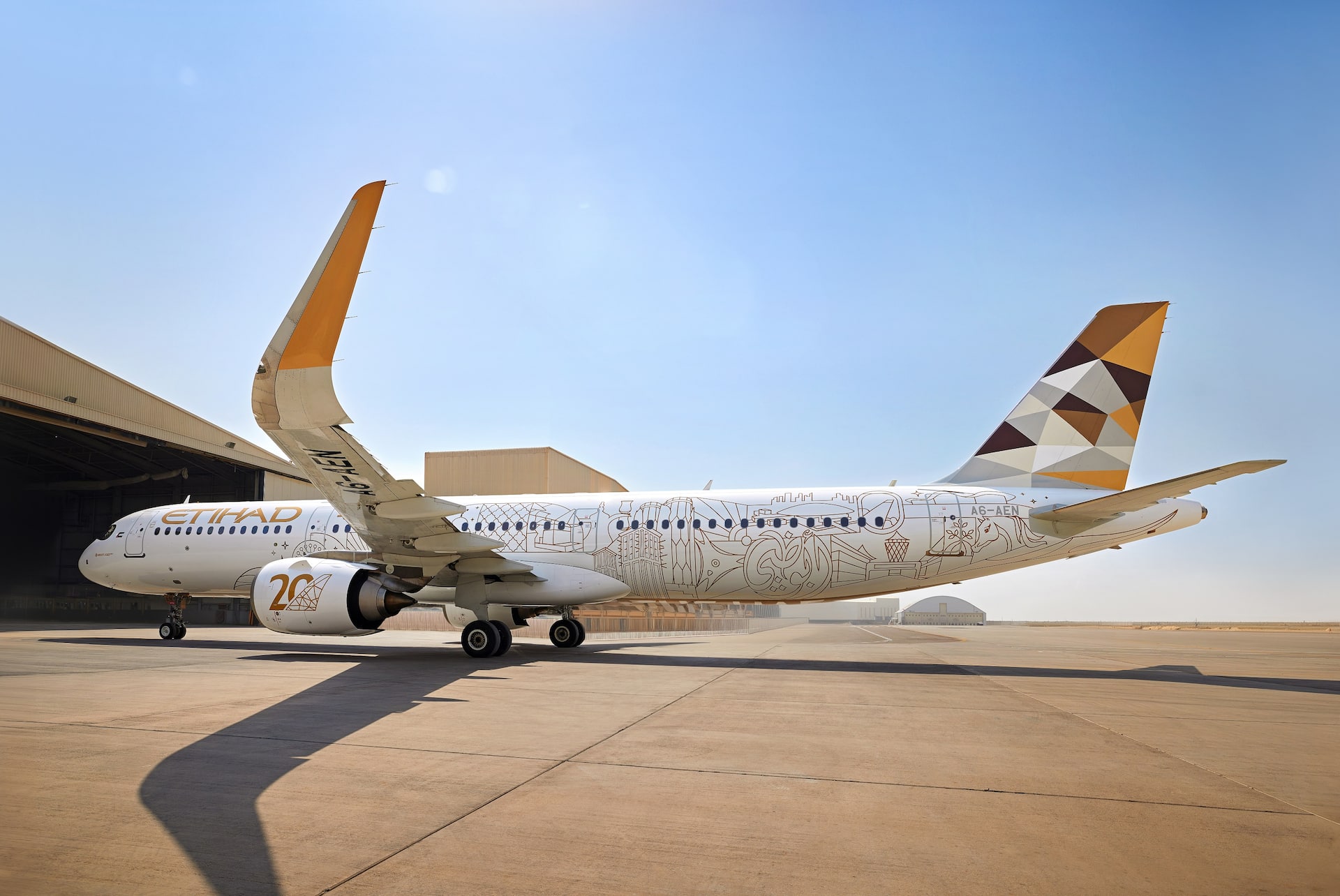
Etihad Airways has surpassed the 20 million annual passenger mark for the first time, boosted by strong first-quarter profit and rising customer satisfaction. The airline’s operating fleet now exceeds 100 aircraft as it intensifies its global expansion and pursues ambitious 2030 targets.

Etihad posted a Q1 profit after tax of AED 685 million, a 30 per cent increase compared to the same period last year. Total revenue rose 15 per cent, supported by growth in both passenger and cargo operations. Passenger revenue alone increased by 16 per cent to AED 5.5 billion, reflecting stronger demand and enhanced flight frequency. The carrier flew 5 million passengers in the quarter, a 16 per cent jump year‑on‑year, with a solid load factor of 87 per cent.

Over the past 12 months, Etihad has carried more than 20 million guests—doubling its annual passenger figures in just 30 months—and is now regarded as the fastest-growing airline in the region. Chief Executive Antonoaldo Neves described this milestone as evidence of “sustained growth driven by expanding demand, a dynamic global network, and a clear strategic focus”.

Customer satisfaction surged to record highs, with Q1 scores up 20 per cent versus a year ago. The airline attributed this to refreshed lounge and inflight menus, improved digital services, high-speed Wi‑Fi, and a revamped website and mobile app.

Etihad’s fleet currently comprises over 100 aircraft, including the return of its seventh Airbus A380 and the delivery of a Boeing 787‑9 with an Emirati crew, alongside its first of three Airbus A350‑1000s. A further 18 aircraft are expected in 2025, highlighted by the introduction of the A321LR narrow‑body fleet on 1 August, which will feature private First Suites, lie‑flat Business seats, 4K entertainment screens, and high‑speed Wi‑Fi across all cabins.

The airline has added 27 new routes so far in 2025 and plans to operate nearly 90 destinations by year‑end. These network additions form part of Etihad’s longer-term strategy to expand its global footprint to over 125 destinations and grow its fleet to more than 170 aircraft, with the aim of carrying 38 million passengers annually by 2030.

Operational efficiency gains also strengthened Etihad’s balance sheet. EBITDA rose 32 per cent to AED 1.4 billion, yielding a 21 per cent margin, while net leverage improved to 1.1×, down from 1.9× in March 2024. Cash flow from operations reached AED 1.8 billion, an 11 per cent improvement.

These developments follow a broader resurgence at Etihad. The carrier turned around from consecutive annual losses of recent years to report a record USD 476 million profit in 2024, flying 18.5 million passengers that year—a 32 per cent increase—and generating revenue of nearly USD 6.9 billion. The Q1 results affirm progress in cost optimisation, network rationalisation and fleet modernisation initiated under CEO Neves since taking the helm in 2022 under Abu Dhabi sovereign fund ADQ.

Looking ahead, Etihad plans to sustain delivery of 20-plus new aircraft annually, including further Boeing 787s and Airbus A350s, to meet projected demand. It is also preparing infrastructure and service upgrades connected to Abu Dhabi’s Zayed International Airport, whose terminal expansion tripled annual capacity to 45 million passengers, reinforcing the city’s role as a global hub.

On the route front, 16 further destinations have been announced for 2025, complementing an already swift rollout of 27 new routes. The A321LR rollout from August will unlock First Class on single‑aisle sectors, with an upgraded passenger experience including concierge transfers, chauffeur services and luggage‑free travel in Abu Dhabi.

Etihad’s turnaround, driven by disciplined execution of its “Journey 2030” strategy, has paid off. With record profits, growing customer satisfaction and a fleet age structure among the youngest globally, the airline is moving ahead of Gulf competitors as a stronger, customer‑centric global carrier.

dnata has introduced six autonomous electric baggage tractors at Dubai World Central – Al Maktoum International Airport, marking a pioneering shift in airport ground operations. The EZTow tractors, designed by TractEasy, tow up to four baggage containers at speeds near 15 km/h, operating at Level 3 autonomy under limited human oversight. By early 2026 the system is set to upgrade to Level 4 self-driving capability. The AED 6 million rollout seeks to enhance […]

Abu Dhabi’s property scene is riding a wave of investor interest and stable growth during the first half of 2025, underpinned by strong infrastructure development and pro-investor policies, according to a fresh analysis by Bayut. Listing prices surged across all segments, rental yields reached double digits in many areas, and transaction volumes remain robust, fueling the capital’s appeal as a reliable investment destination. Listing figures show affordable […]

Abu Dhabi investment giant IHC has finalised the acquisition of eFunder, the digital invoice-financing platform, marking a decisive move into fintech for small and medium enterprises. The platform has been renamed Zelo and is targeting a $250 billion shortfall in SME credit across the Middle East and North Africa. It converts outstanding invoices into cash within 24–48 hours, and has already processed more than 9,000 transactions, deploying over $200 million in funding.

The deal enhances IHC’s strategy to diversify its portfolio into high-growth financial technologies. Zelo will now operate under IHC’s fintech and future-economy division, reinforcing Abu Dhabi’s ambitions as a leading regional hub for digital finance. According to the Abu Dhabi Global Market’s Financial Services Regulatory Authority, Zelo holds a full operating licence, enabling rapid scale across construction, logistics, healthcare, industrial services, and oil and gas industries.

Zelo’s founders, Deepak Sekar and Dhanush Arjun, launched the platform in August 2020 with a mandate to improve access to working capital for SMEs. It gained full FSRA regulatory approval after obtaining in-principle licence in early 2021. The platform achieved more than $100 million in financing across 6,000 transactions during its initial phase, before surpassing $200 million through 9,000-plus deals.

IHC chief executive Syed Basar Shueb emphasised the strategic importance of the acquisition: “SMEs are the backbone of a diversified and future‑ready economy. Through our strategic acquisition of Zelo, we are proud to support a platform that solves one of the most fundamental barriers facing SMEs, access to timely working capital.” He added the rebrand signals “a confident new chapter… aligned with IHC’s long‑term vision of building smart, scalable solutions and dynamic value networks that deliver real and lasting economic impact”.

Dhanush Arjun, CEO of Zelo, reinforced this message, stating: “Zelo exists to eliminate the wait. The wait for payments, the wait for growth, the wait for opportunity. … With IHC’s strategic backing, we’re accelerating that future.” He stressed that converting approved invoices into liquidity within 24–48 hours allows SMEs to avoid the cash flow bottlenecks that often hamper growth.

A study by the World Bank indicates that SMEs in emerging markets often wait between 60 and 120 days to receive invoice payments, inhibiting their capacity to expand or invest in new ventures. IHC’s acquisition directly addresses this challenge by offering digital-first funding with underwriting powered by AI-driven risk scoring and performance analysis.

Regional analysts observe that IHC’s move comes amid intensifying competition in the MENA fintech landscape. State-backed investors and sovereign wealth funds have been increasingly backing financial‑technology startups to accelerate digital transformation. The acquisition strengthens IHC’s position alongside peers in Abu Dhabi and Dubai, including Mubadala’s fintech interests and ADQ-backed projects.

IHC’s publicly listed status on the Abu Dhabi Securities Exchange and its recent earnings report highlighted a strategic pivot towards non‑oil sectors—spanning fintech, AI platforms, decarbonisation, and reinsurance. Zelo’s integration underscores this shift, offering synergies with IHC’s digital economy ambitions.

Within its ADGM base, Zelo plans to roll out new revenue‑based finance products, addressing future receivables in addition to existing invoice financing. The platform aims to expand its geographic footprint beyond the UAE, eyeing expansion into other MENA markets with acute SME credit gaps.

Zelo’s backers include both institutional and private-sector investors. Prior to acquisition, it closed a US$16.5 million Series A round led by IHC in September 2024, secured a multi‑year credit commitment, and earned recognition as a “Future 100 Startup” by the Ministry of Economy and a Deloitte Rising Star.

Market commentators describe this phase as a potential inflection point for fintech in the region. “Invoice finance is one of the fastest routes to unlocking SME potential, and Zelo is well‑positioned,” said a senior analyst. “With IHC’s capital and ecosystem support, rapid scaling is likely.”

Zelo’s existing performance traces a compelling upward curve—it started by funding e-commerce merchants and delivery‑aggregator vendors, then expanded to broader commercial invoices. Its AI‑based underwriting and automated platform enable pre‑approval decisions within 10 minutes and deployment in under 48 hours.

Other regional platforms, such as Dubai’s Beehive and Finvolve, have adopted peer‑to‑peer and supply‑chain financing models. Zelo’s integration through a major listed conglomerate differentiates it through access to IHC’s expansive corporate network and potential for cross‑sector collaboration across its portfolio.

IHC’s LinkedIn statement confirmed completion of the acquisition and rebrand, affirming the company’s commitment to “fintech innovation and SME enablement across the UAE”. The platform’s regulatory credentials, track record and ambition illustrate why it emerged as the firm’s fintech flagship.

Analysts expect Zelo to deepen its product scope in the coming months, potentially introducing dynamic funding and revenue finance solutions. They anticipate that further geographical rollout across GCC and North African markets could begin in early 2026, leveraging ADGM’s regulatory passporting as the platform scales beyond domestic boundaries.


VISHNU RAJA
RYO YAMADA
HITORI GOTOH
IKUYO KITA