News related to
Abu Dhabi’s

Nuveen, the $1.3 trillion global asset manager under the Teachers’ Retirement System of America, forecasts its assets under management in the Middle East to double within three years. Since establishing its first regional office in Abu Dhabi’s Global Market in September 2024, Nuveen has already grown its Middle Eastern portfolio to between $3 and $5 billion. Fadi Khoury, head of Middle East operations, identifies alternative credit as the firm’s […]

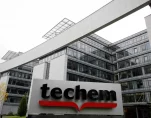
Abu Dhabi’s Mubadala Investment Company, Partners Group, GIC and TPG Rise Climate have agreed a €6.7 billion deal to acquire Techem, the Frankfurt-based energy‑efficiency firm, in a strategic move poised to reinforce digital-first submetering and sustainability in European real estate.

The transaction—set to conclude in the second half of 2025, pending regulatory approvals—will see Partners Group’s infrastructure arm retain a controlling stake, while Mubadala, GIC and TPG Rise Climate take minority positions alongside, marking a rotation in ownership strategy. The sale ends the tenure of the prior consortium including La Caisse and Ontario Teachers’ Pension Plan, which supported Techem since 2018.

Techem, founded in 1952 and based in Eschborn, operates in 18 countries and serves more than 440,000 customers with over 13 million dwellings under its care. Approximately 62 million devices are currently installed across its footprint.

Under Partners Group’s 2018 private equity-led acquisition, Techem grew its sales beyond €1 billion and increased EBITDA by nearly 50%. This expansion solidified its role as a leading provider of submetering services—a crucial component in the decarbonisation of real estate, a sector responsible for around 40% of global CO₂ emissions.

The new ownership strategy aims to deepen digital integration, expand offerings to include smart meters, and capitalise on evolving regulations, rising energy prices and corporate net-zero commitments. “Techem is at the forefront of energy services and is uniquely positioned to drive energy efficiency within the real estate sector,” noted Boon Chin Hau, CIO of GIC Infrastructure, underscoring the group’s confidence in Techem’s strategic outlook.

Abdulla Mohamed Shadid, Head of Energy and Sustainability at Mubadala’s private equity platform, emphasised the importance of helping find solutions to global challenges, reflecting the company’s ongoing shift toward purpose-driven capital deployment. Implementation will include further digitalisation of operations and service expansions tailored to improve building efficiency.

This deal, valued at €6.7 billion, ranks among the year’s largest private‑market transactions globally.

Techem’s technology deploys submetering for heating and water, enabling accurate billing and encouraging lower consumption. Their low‑investment, non‑invasive approach aligns well with landlords and property owners seeking cost-effective energy solutions. Trends in European regulation and growing pressure on emissions reduction give the firm a favourable market tailwind—a factor the new consortium appears ready to exploit.

Despite an earlier attempt by TPG to buy out Techem independently in October 2024, that bid fell through after EU antitrust scrutiny. The current agreement reflects a more collaborative structure that shares risk and maintains continuity under infrastructure stewardship.

Commenting on continuity, Techem’s CEO Matthias Hartmann stated that the company’s strategic direction would remain unchanged, emphasising a steady course under the incoming partners.

The transaction parallels broader investment patterns in smart‑energy firms. Over the past year, GIC has partnered with investors such as EQT to acquire UK smart‑meter provider Calisen—a sign of growing interest in climate‑aligned infrastructure.

With assets under management spanning global private markets, Partners Group leads the infrastructure side with over US$27 billion, while Mubadala and GIC bring sovereign-backed financial clout, and TPG Rise Climate adds dedicated impact‑investment expertise; together they form a powerful alliance geared towards scaling energy efficiency across European real estate.

Masdar City has initiated real‑world testing of Level 4 autonomous vehicles, partnering with smart mobility firm Solutions+, a Mubadala venture. Overseen by Abu Dhabi’s Integrated Transport Centre, the pilot marks a deliberate move in the emirate’s drive to establish itself as a leading smart and sustainable transport hub. The programme involves the registration, safety certification and operational approval of fully autonomous vehicles for deployment across a 2.4 km […]

Greenlogue/AP Abu Dhabi’s renewable energy developer Masdar and Spanish energy giant Iberdrola have announced a joint investment totalling €5.2 billion in the UK’s 1.4 GW East Anglia Three offshore windfarm. The project, located around 69 km off the Suffolk coast, will be equally co-owned—50:50—by both firms and supported by a €4.1 billion financing package arranged by 24 international banks. East Anglia Three forms part of a decade‑long partnership underpinned by a broader […]

European Parliament approved the removal of the United Arab Emirates from its “high-risk third countries” list for money laundering and terrorist financing, a decision aligned with its earlier removal by the Financial Action Task Force in February 2024 and marking a pivotal regulatory victory. This shift reduces the compliance burden on trade and financial flows, enhancing Abu Dhabi’s ambitions to deepen ties with Brussels and attract global investors.

Parliament’s vote endorsed the European Commission’s update to the list, which also saw the UAE’s delisting alongside jurisdictions like Gibraltar, Barbados and Panama, while new entries such as Monaco and Kenya were added. The move followed intense technical dialogue between Emirati authorities and EU institutions, satisfying the bloc’s concerns with enhanced cooperation on financial intelligence sharing and asset recovery.

Mohamed bin Hadi Al Hussaini, the Minister of State for Financial Affairs, described the decision as a “strategic milestone” that underscores global recognition of the UAE’s robust framework. He emphasised that this represents a shift toward positioning the UAE as a transparent, resilient and globally trusted financial centre – a foundation for attracting sustained investment.

These reforms follow a sweeping crackdown on non-compliance, with over AED 339 million in fines levied by the Central Bank on exchange houses, banks and insurers. The fines were part of a wider national strategy enacted under Federal Decree‑Law 20/2018 and its amendments, stretching regulatory oversight to real estate, precious metals, auditing and digital asset sectors.

Hamid Saif Al Zaabi, Secretary‑General of the National Anti‑Money Laundering and Combating the Financing of Terrorism Committee, told WAM that the EU’s removal affirms successful system‑wide integration across public and private sectors. He described the outcome as the result of a sustained national strategy dating back to 2014, supported by Cabinet-approved action plans and ongoing capacity‑building initiatives.

Despite commendations for its progress, Transparency International cautioned that delisting should not be interpreted as full clearance. The organisation noted persistent challenges in real estate safeguards and oversight of politically exposed persons, calling for ongoing vigilance and structured dialogue.

Financial experts note that removal from the EU’s list could yield significant economic dividends. The International Monetary Fund estimates capital inflows may surge by as much as 7.6 per cent of GDP, with foreign direct investment potentially rising by around 3 per cent. Gulf region analysts view delisting as unlocking smoother trade with Europe across sectors such as renewable energy, fintech and digital infrastructure.

Diplomatic messaging framed the delisting as a mutual strategic victory. UAE Minister Ahmed bin Ali Al Sayegh called it “independent recognition” of Abu Dhabi’s dedication to high international standards. EU Ambassador to the UAE Lucie Berger described it as deepening trust and advancing a shared commitment to economic safeguard and global security. Simultaneously, EU trade officials suggested that the move removes political and regulatory barriers ahead of ongoing free trade agreement negotiations with the UAE.

While the FATF had cleared the UAE in early 2024, the EU’s delayed action mirrored its own rigorous oversight cycle. In March 2023, the EU flagged the UAE for strategic deficiencies before launching a renewed process that incorporated enhanced inter-agency cooperation and legal reform.

Next on the UAE’s reform agenda is ensuring resilience in emerging risk domains such as cryptocurrency laundering and cross-border terror financing. Analysts emphasise that maintaining international trust will require sustained enforcement, legislative updates scheduled for later this year and deeper public–private collaboration.

By Saifur Rahman Abu Dhabi Chamber of Commerce and Industry (ADCCI), which represents the private sector of the region’s economic powerhouse Abu Dhabi, said, its new three-year strategy announced in 2024 has started to bear fruits as its membership grew 4.9 per cent to 157,207 between September 2024 and June 2025. Since September 2024, ADCCI has hosted 69 business events with government bodies, welcomed 70 trade and […]

The Securities and Commodities Authority has granted formal approval for licensed portfolio management firms to offer robo-advisory services across the UAE mainland, marking a substantial enhancement to the nation’s digital investing infrastructure.

This federal authorisation extends beyond the jurisdiction of financial free zones such as the Dubai International Financial Centre and Abu Dhabi’s FSRA, bringing all robo-investment services under a unified regulatory umbrella. The move is expected to reinforce protections for retail investors via stricter oversight and compliance requirements.

Under the new regime, firms will deliver automated investment recommendations powered by artificial intelligence and advanced algorithms. These platforms evaluate individual risk profiles to design tailored asset allocations, typically leveraging exchange‑traded funds or index funds at lower cost than conventional advisory channels.

The SCA mandates a comprehensive governance framework: independent IT audits, stringent cybersecurity protocols, periodic algorithm reviews and transparent disclosures of fees and investment risks. Licensed providers will adhere to the existing discretionary and non‑discretionary portfolio management frameworks within client agreements.

SCA CEO Waleed Saeed Al Awadhi described the regulation as a manifestation of the UAE’s strategic digital transformation. He stated that integrating AI into investment decision-making will enhance efficiency and create “smart, sustainable, and secure financial solutions,” reinforcing the UAE’s goal of becoming a world-class financial hub.

Market analysts note that assets under management in global robo-advisory were forecast to reach US $2.06 trillion in 2025, with user numbers hitting 34 million by 2029. In the UAE, platforms such as Sarwa, StashAway and Baraka currently operate under DIFC and FSRA regulation, but this federal licence allows them to onboard mainland clients directly.

Retail investor appetite for technology-driven investment options has surged, as seen in the rising adoption of zero‑commission trading platforms including Robinhood, eToro and Interactive Brokers. The introduction of a federal licence for robo‑advisers is expected to broaden participation further.

Industry experts emphasise both promise and caution. Vijay Valecha, chief investment officer at Century Financial, applauds the harmonisation of regulation across jurisdictions, stating it “provides further protection and transparency to retail investors” and bolsters international competitiveness. Raaed Sheibani of StashAway commented that the clearer regulation framework will “expand digital investing in the UAE” and boost investor confidence.

However, concerns endure regarding the limitations of algorithmic advice. Rupert Connor of Abacus Financial Consultants warned that robo-advisers often lack capacity to handle complex scenarios involving tax planning, inheritance, or behavioural guidance during volatile markets. Financial coach Jay Adrian Tolentino added that algorithm-based systems may miss elements of personal context that can be crucial. Technical vulnerabilities, including outages or system failures, also remain a potential risk.

With stricter federal oversight, the SCA expects a rise in trust and participation from mainland investors, leveraging automation to democratise wealth creation. The initiative aligns with the UAE’s broader “We the UAE 2031” vision of fostering a knowledge-based, resilient economy through fintech innovation.

Advertisements

Dubai and Abu Dhabi have emerged as epicentres of a pioneering surge in electric air taxi trials, with two leading US firms—Joby Aviation and Archer Aviation—making significant strides toward establishing urban air mobility networks in the Emirates. Both pilots mark landmark achievements in eVTOL technology, underscoring the UAE’s ambition to lead the field by the mid-2020s.

Joby Aviation achieved a milestone in Dubai by completing its first manned transition flights. The aircraft executed full vertical take‑off, horizontal cruising and vertical landing sequences, signalling readiness for commercial operations as early as 2026. With a range reaching 160 km and cruise speeds up to 320 km/h, these flights demonstrate capability to transform journeys such as those between Dubai International Airport and Palm Jumeirah—cutting travel time from 45 minutes by road to around 12 minutes by air. Joby’s entry follows a six-year exclusivity agreement with Dubai’s Roads and Transport Authority, aligned with infrastructure build-out including a vertiport at DXB.

Almost simultaneously in Abu Dhabi, Archer Aviation conducted its inaugural test flight of the Midnight eVTOL at Al Bateen Executive Airport. The design, a carbon‑fibre‑skinned craft powered by multiple independent motors and battery packs, was evaluated under extreme climate conditions—high temperatures, humidity and dust—to validate UAE‑specific operational readiness. Emirati authorities, including personnel from the General Civil Aviation Authority, Abu Dhabi Investment Office and Abu Dhabi Airports, observed the flight, reinforcing the regulatory support behind the project.

Archer is impressively backed by institutional investors and strategic partnerships, having raised nearly US$2 billion, including funding from Stellantis, United Airlines and Abu Dhabi’s 2 Point Zero, positioning it well to deploy a “Launch Edition” fleet of air taxis in Abu Dhabi in early 2026. Its Midnight aircraft can accommodate one pilot and four passengers, reach speeds of up to 240 km/h, and recharge rapidly between Flights.

Dubai and Abu Dhabi’s dual-hosting of these test flights underscores a competitive yet complementary approach to cultivating the UAE as a global urban air mobility hub. Joby holds exclusive Dubai rights, while Archer has pledged infrastructure investment in Abu Dhabi, including converting facilities like the Cruise Terminal helipad into dual-use vertiports. Both firms enjoy the government‑backed Smart and Autonomous Systems Council and its SAVI cluster as key enablers.

Challenges persist: both operations require final regulatory approvals, sustainable vertiport rollout, and demonstration of consistent performance under harsh environmental conditions. Financial markets have already factored in execution risks; for example, Morgan Stanley moderated its price target for Joby amid aerospace supply-chain pressures. Yet ambitions remain bold. Joby is advancing FAA certification and aims to launch in other global markets, such as New York and Los Angeles, once Dubai begins operations. Meanwhile, Archer is linking global playbooks, forming networks with United Airlines and gearing for Olympic deployment in Los Angeles.

As both eVTOL manufacturers drive testing deeper into summer, UAE regulators are working in parallel to issue flight clearances. Joby’s vertiport in Dubai is set for Q1 2026 completion, while Aviation Authorities in both emirates coordinate type certifications.

The nation’s progressive embrace of air taxis represents a strategic leap in sustainable urban transit. Quiet, electric, zero-emission profiles align with broader UAE clean‑tech objectives. With ambitions to integrate these vehicles into daily commutes, airport shuttles and even rescue missions, policymakers are betting on airborne mobility becoming a normalised, accessible element of future transport regimes.

Abu Dhabi Securities Exchange has opened the pricing stage for the first blockchain-based digital bond in the Middle East and North Africa, issued by First Abu Dhabi Bank and powered by HSBC Orion, marking a significant leap in regional capital market innovation. Global investors will be able to participate through accounts at the Central Moneymarkets Unit in Hong Kong, Euroclear, Clearstream or via HSBC Orion, either directly or through […]

Primrose Capital Management has obtained in‑principle approval from the Financial Services Regulatory Authority of Abu Dhabi Global Market, marking the inception of its journey toward a full Financial Services Permission. The clearance paves the way for the Singapore‑based quantitative trading firm to establish a regulated presence in the UAE’s leading international financial centre, offering data‑driven investment products to regional institutional investors and family offices. Approval from the […]

Primrose Capital Management has obtained in‑principle approval from the Financial Services Regulatory Authority of Abu Dhabi Global Market, positioning itself for full licencing and regional expansion. The firm plans to recruit portfolio‑engineering and client‑coverage specialists in Abu Dhabi and aims to launch MENA‑domiciled feeder funds in the latter part of 2025. With the Gulf family office sector estimated at approximately $500 billion, Primrose’s data‑driven, machine‑learning strategies in global […]

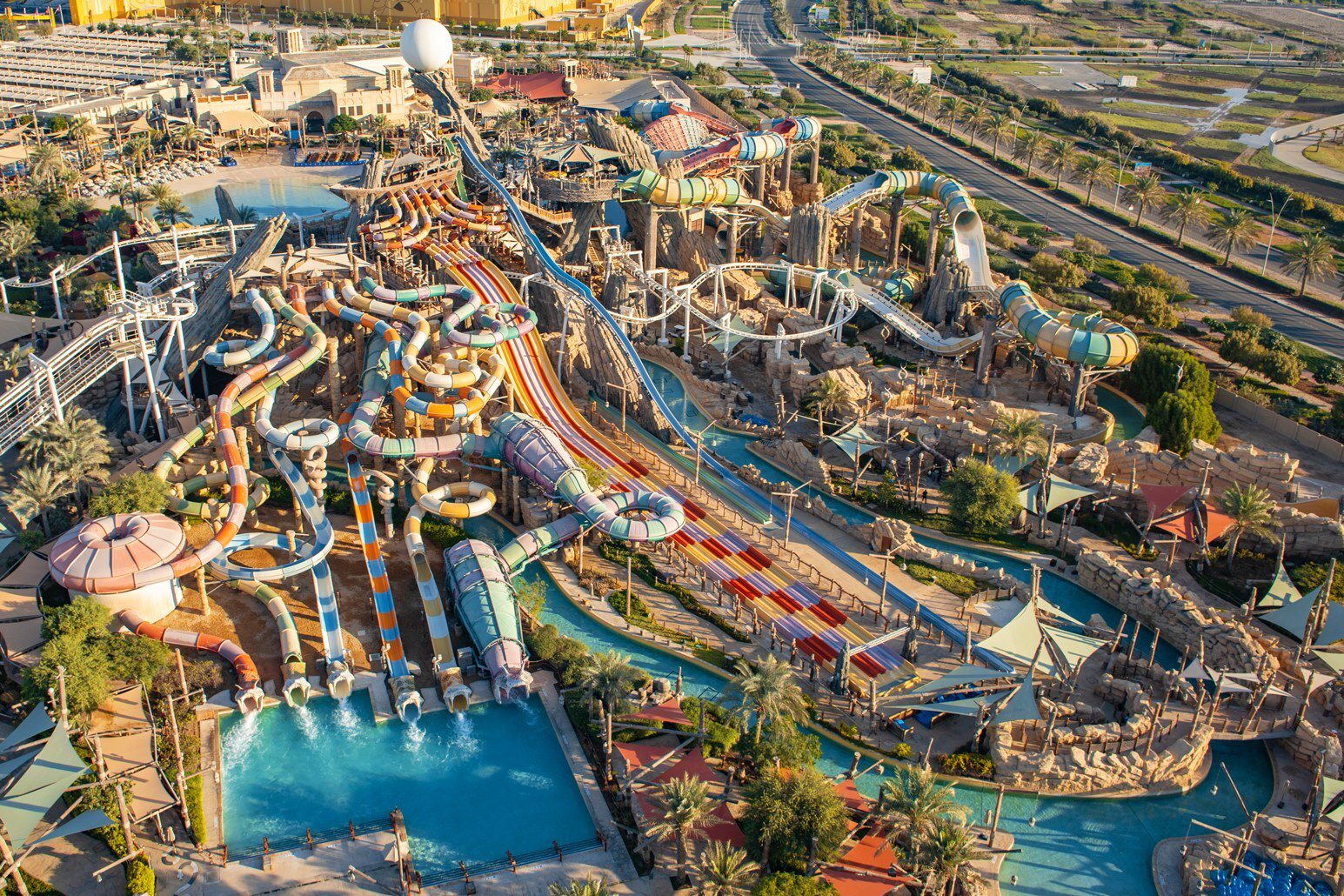
A dramatic expansion at Yas Waterworld has introduced Bandit’s Village, a new adventure zone featuring over 20 attractions, including a massive crocodile-themed slide and a reimagined storyline inspired by classic Arabian tales. The addition marks a significant enhancement to Abu Dhabi’s flagship water park, aiming to draw larger family crowds during the extended summer season.

Unveiled with theatrical flair, the centrepiece ride sends guests plunging through the jaws of a giant crocodile-like creature, a centrepiece built to evoke high drama and immersive storytelling. The new water attractions are framed within an interactive environment designed to transport visitors into the world of the Bandit, a long-standing character in the waterpark’s lore. Park officials confirmed that the development adds both visual spectacle and narrative continuity to the attraction, reinforcing the park’s position as a destination for experiential entertainment.

Spanning several zones and themed in intricate detail, Bandit’s Village includes multiple flume rides, splash pads, climbing features, and water tunnels, all constructed to appeal to children and adults alike. The area has been crafted to extend the duration of visitor engagement, providing more diverse experiences and encouraging longer dwell times. With extended operating hours throughout the peak travel months, the new zone is expected to contribute substantially to footfall and guest satisfaction.

The new expansion reflects Yas Island’s broader strategic emphasis on integrated family entertainment. With Abu Dhabi increasingly positioning itself as a regional leisure destination, the timing of the rollout aligns with efforts to boost tourism traffic, particularly among residents from the Gulf region and international travellers looking for curated family activities. This move is part of a wider pattern of competitive theming and investment by parks on Yas Island to match global leisure benchmarks.

Located within proximity to other major attractions such as Ferrari World and Warner Bros. World, Yas Waterworld has leveraged its thematic strength around Emirati culture and folklore to differentiate itself. The character of the Bandit has played a central role in the park’s storytelling framework since its inception, and the Village serves as an expanded narrative environment where guests can experience the backstory more fully through ride design, queue experiences, and environmental elements.

Guests can expect theatrical elements embedded into the ride sequences, with interactive lighting, sound effects, and character appearances throughout the zone. One of the signature features involves a multi-slide experience that mimics an escape from a bandit ambush, concluding in a dramatic plunge through the crocodilian mouth installation. Park designers have emphasised the attention given to architectural authenticity and atmosphere, using textured stonework, tribal motifs, and animated props to deepen immersion.

The opening of Bandit’s Village also responds to changing visitor expectations in the post-pandemic leisure economy. Analysts tracking theme park trends have noted a shift towards more story-driven and customisable experiences, as audiences seek environments that merge thrill with narrative depth. This aligns with Yas Waterworld’s long-term strategy of building on local cultural roots while embracing global design standards.

With Yas Waterworld already home to over 40 rides and attractions, the new zone increases its offering to more than 60, strengthening its profile as one of the Middle East’s largest water-based theme parks. Management teams behind the expansion have hinted at further phased developments within the Bandit storyline, suggesting that the current unveiling may be the first in a series of immersive expansions.

The Abu Dhabi Securities Exchange has initiated the pricing phase for the MENA region’s first bond underpinned by distributed ledger technology, marking a new era in regional capital markets. The fixed-income instrument, issued by First Abu Dhabi Bank via HSBC Orion, is set to be listed on ADX, promising enhanced operational efficiency, transparency and market access. ADX, the UAE’s largest exchange and the second-largest in the Middle […]

OpenAI will lease approximately 4.5 gigawatts of data centre power from Oracle under a $30 billion‑per‑year agreement set to begin delivering revenue in Oracle’s fiscal year 2028. This significant capacity boost forms part of the expansive “Stargate” initiative—an AI infrastructure venture launched in January aiming to deploy up to $500 billion globally. Oracle plans to construct and expand multiple U. S. data centres to support this deal, including enhancements to its […]

Gulf Cooperation Council stock markets rallied in June, with the S&P GCC Composite Index climbing 3 % on easing Middle Eastern tensions and growing expectations of US interest rate cuts. Investor sentiment strengthened across the region, led by notable gains in Kuwait and Dubai. Kuwait’s All Share Index recorded a 4.2 % rise in June, lifting its year‑to‑date performance to 14.8 %. The consumer‑staples and real‑estate sectors led the charge, […]

Aldar Investment has sealed the acquisition of 17 high‑quality warehousing and light industrial units from Waha Capital for AED 530 million, immediately expanding its net leasable area by 182,500 sq m at Almarkaz Industrial Park in Al Dhafra, Abu Dhabi. The assets, now near full occupancy, welcome a mix of international, regional and government-related tenants, reinforcing Aldar’s logistics footprint across the UAE. The Almarkaz site spans six million sq m and operates under […]

ADNOC Drilling has clinched a five-year oilfield services contract from ADNOC Onshore, valued at up to $800 million, with operations scheduled to commence in the third quarter of 2025. Although the contract’s full value hinges on the volume of services eventually requested, it marks a significant step in the company’s long-term expansion strategy. The announcement extends a streak of high-value awards for ADNOC Drilling, reinforcing its role […]

Abu Dhabi has claimed the top spot, with Dubai close behind, in a ranking of 97 global markets compiled by Cushman & Wakefield in its 2025 Global Data Center Market Comparison. The analysis, which evaluated 20 critical factors—from power availability and fibre connectivity to development pipelines and land pricing—places Abu Dhabi first and Dubai second among emerging data centre markets.

The report highlights a surge in demand for digital infrastructure, driven primarily by hyperscalers, cloud providers and burgeoning AI workloads. Abu Dhabi stands out with exceptional scores for power delivery timelines and cost-effective land, placing it at the very top of the emerging markets category. Dubai, closely following, benefits from robust fibre connectivity and an accelerating development pipeline.

Power availability remains the most pivotal concern across the industry. The study indicates that markets with secure, rapid power delivery attract developer attention, particularly where leading markets are experiencing delays in grid expansion. Abu Dhabi’s superior performance in this metric has become a magnet for hyperscale players and colocation operators alike, while Dubai earns marks for its strategic integration of infrastructure and favourable regulatory policy.

Pre-leasing rates further support the UAE’s ascendancy. Both Abu Dhabi and Riyadh report pre-commitments exceeding 70% on under-construction capacity, a figure surpassing most emerging markets and rivalled only by select Western hubs. This signals strong occupier confidence, as large tenants lock in space well ahead of completion.

Regional momentum is reinforced by Research and Markets, which notes that Abu Dhabi currently accounts for nearly 40% of the UAE’s upcoming data centre power capacity, with an additional 60 MW projected by the end of 2025. Sector observers estimate cumulative investment in UAE-based facilities will approach US $2.5 billion by 2026.

Global trends underscore the link between power constraints and shifting demand. While longstanding markets such as Northern Virginia and Chicago continue to dominate in operational capacity, power scarcity is pushing hyperscalers into newer regions. In Europe and APAC, markets with strong power fundamentals—particularly those offering renewable options—have seen elevated pre-leasing and accelerated construction.

In EMEA, nine of the 97 markets reviewed boast pre-lease ratios above 50%, with Milan and Berlin achieving full commitments on live builds. However, Abu Dhabi’s combination of policy support, infrastructure coordination, and land pricing renders it the leading emerging centre. Dubai’s consistent performance spots it firmly in second place.

Local dynamics also support the UAE’s climb. Emerging Middle Eastern hubs benefit from coordinated government strategies: jurisdictions like Abu Dhabi and Dubai leverage economic zones, expedited permitting, and public-private partnerships to secure both digital and energy infrastructure. These are precisely the variables weighed in the 20-factor comparison.

UAE operators are actively building modern facilities to meet new IT standards and power densities. Major entities—including government-backed developers and international names—are focused on deploying Tier III and IV facilities equipped for high-power AI use‑cases. Expectations of sovereign AI zones are further heightening the appeal of these markets among institutional and hyperscale tenants.

Regional competitors, notably Riyadh, also demonstrate strong demand fundamentals. Yet Abu Dhabi and Dubai maintain a lead in deliverability: Abu Dhabi tops the emerging list overall, with superior scores in pre-leasing, fibre availability, and land affordability. Dubai’s edge lies in its connectivity, depth of occupier demand, and policy predictability.

The broader global picture reveals a shift from established hubs to power-rich emerging sites. Worldwide operational IT load now exceeds 40 GW across the tracked markets, yet established centres still dominate capacity. Emerging markets, particularly in the Middle East, have closed ground fast, thanks to streamlined supply chains, liberal regulatory environments, and readiness for power-intensive workloads.

Abu Dhabi’s population surged by 7.5 per cent in 2024, reaching 4,135,985, fresh figures from the Statistics Centre – Abu Dhabi reveal. This marks a 51 per cent increase since 2014, reinforcing the emirate’s status as a magnet for global professionals and investment, outpacing many established financial centres. That population increase was driven by a 9.1 per cent expansion in the workforce, with professional roles rising 6.4 per cent. The demographic profile shows 54 per cent of […]

Dubai residents can now view their personal credit report and credit score directly within the DubaiNow app following a newly launched integration with Etihad Credit Bureau. The partnership enables users to access crucial credit information with a single tap—bringing financial insights closer to everyday urban life.

Officials emphasise that this move reflects a strategic direction toward seamless digital service delivery. Marwan Ahmad Lutfi, Director General of Etihad Credit Bureau, underscored the bureau’s commitment to national digital transformation, noting the use of advanced APIs to simplify user access to credit data. Matar Al Hemeiri, CEO of Digital Dubai Government Establishment, added that the integration reinforces Dubai’s position as a hub for digital innovation and aligns with the “We the UAE 2031” vision for a connected, smart society.

DubaiNow, developed by Digital Dubai, offers over 300 services — ranging from bill payments and health records to official documentation. The inclusion of credit reports and scores builds on its role as a one-stop platform for private and government services. This feature eliminates the need for separate logins or visits to multiple platforms—credit information is now readily accessible to users seeking clarity on their financial standing.

Earlier, Etihad Credit Bureau successfully integrated with Abu Dhabi’s TAMM platform, and this step represents a widening push across emirates to bridge credit services with digital portals. Sources highlight that such integrations are part of a broader effort to promote financial literacy, transparency, and empowered decision‑making among residents. Access to credit scores supports informed borrowing and better personal finance management.

Although specific usage metrics have not been disclosed, industry analysts see significant potential. By delivering real-time credit insights directly inside an app used daily by millions, the integration might reduce friction in credit awareness, which could lead to more responsible lending and borrowing—even small improvements in payment discipline or credit visibility can have outsized impact on personal financial health.

Affordability remains a factor: Etihad Credit Bureau’s website lists the cost of a personal credit report at AED 84, with a standalone credit score costing AED 10.50. However, it is not yet clear whether these fees apply within DubaiNow or if special rates have been arranged for app users. Users should check within the app for pricing details.

Security is paramount. Etihad Credit Bureau employs stringent data encryption and authentication measures to protect sensitive credit information. DubaiNow leverages UAE Pass for identity verification, ensuring that only authorised individuals access their own financial data.

The integration occurs amid rapid digital government expansion across the Gulf, where unified platforms are central to delivering frictionless user experience. By adding credit insights to DubaiNow, authorities anticipate a future where financial and administrative services converge—expected to boost efficiency for users and public institutions alike.

Going forward, observers expect Etihad Credit Bureau to extend integration to further emirate-level services and fintech platforms, creating a comprehensive, country-wide credit information network. Proponents argue such a system would enhance economic resilience by embedding credit awareness into everyday digital interactions.

Santos has granted a six‑week exclusive due‑diligence period to a consortium led by Abu Dhabi’s National Oil Company, signalling serious progress towards its A$36.5 billion takeover proposal.

The consortium, comprising ADNOC’s investment arm XRG, Abu Dhabi Development Holding Company and private equity investor Carlyle, has placed an all‑cash offer of A$8.89 per share—representing a roughly 28 per cent premium on Santos’s previous closing price. Santos’s board is prepared to endorse the deal, pending satisfactory outcomes from due diligence, no better competing bids and approval by an independent fairness expert.

Should the offer proceed, it would mark Australia’s largest-ever all‑cash corporate takeover and rank among the top three transactions nationally—holding an enterprise value near A$36.4 billion.

The acquisition targets Santos’s LNG assets, including Australia’s Gladstone and Darwin facilities, plus substantial interests in Papua New Guinea’s LNG project and the forthcoming Papua LNG development. XRG aims to build an integrated gas and LNG portfolio capable of delivering 20–25 million tonnes annually by 2035.

Adhering to regulatory requirements, the consortium has signed confidentiality agreements and secured exclusive negotiating rights for this due‑diligence phase.

Santos’s management is forecasting a binding scheme implementation agreement before enabling a shareholder vote needing at least 75 per cent support, as per Australian scheme‑of‑arrangement rules. Shareholder approval will depend on a legal and financial assessment of the offer’s fairness.

While the consortium has pledged to maintain Santos’s Adelaide headquarters, preserve local employment, and continue momentum on major projects like the Barossa LNG development and Moomba carbon‑capture initiative, significant regulatory scrutiny lies ahead.

National oversight will involve multiple bodies: Australia’s Foreign Investment Review Board, ACCC, ASIC, and National Offshore Petroleum Titles Administrator; Papua New Guinea’s Securities and Competition commissions; and the US Committee on Foreign Investment due to Santos’s cross-border interests.

Analysts caution that the central risk is FIRB rejection, given Santos’s control over critical gas infrastructure. Potential remedies, like spinning off assets, may invite legal and decommissioning complexities.

South Australian state officials, including Premier Peter Malinauskas and Energy Minister Tom Koutsantonis, have highlighted the importance of protecting domestic jobs, the company’s base, and energy security—leveraging recent legislative powers to oversee licence transfers.

The political backdrop complicates matters, with Treasurer Jim Chalmers in caretaker mode ahead of a potential election. His decision will pivot on FIRB advice and the national interest implications.

Santos has endured pressures in recent years, including a near‑16 per cent drop in annual profit and a 41 per cent dividend cut in 2024. It also abandoned merger negotiations with Woodside that would have created an A$80 billion energy entity.

The consortium’s revised offer follows an initial A$8.00 bid in March, raised to A$8.60 later that month, and now stands at A$8.89—reflecting sustained negotiations and valuation uplifts. Should the agreement proceed, final receipt of regulatory and shareholder clearances could extend into early 2026.

This transaction underscores ADNOC’s growing appetite for strategic LNG assets in the Asia‑Pacific region and exemplifies broader Middle Eastern investment trends in global energy infrastructure. The outcome will influence the balance of power in Australia’s evolving LNG market and set significant precedents for future foreign investment decisions.

By Saifur Rahman A number of UAE developers are entering the lucrative US$110.83 trillion real estate market in the United States, after their success in the UAE, which saw real estate transactions exceeded Dh893 billion last year. Americans are also one of the top ten nationalities to invest in the UAE’s real estate market where rental yield ranges between 7 to 9 percent. “Emirati investments in the […]

Etihad Rail and the Abu Dhabi Projects and Infrastructure Centre have entered a Memorandum of Understanding to synchronise infrastructure planning and execution across the Emirate. The agreement, signed on 18 June at the Abu Dhabi Infrastructure Summit 2025, is designed to bolster the alignment of Etihad Rail’s projects with Abu Dhabi’s strategic five‑year capital projects plan, ensuring coherent development and efficient deployment of resources. Shadi Malak, Chief Executive Officer of Etihad Rail, […]

Etihad Rail and Abu Dhabi authorities have formalised a strategic partnership aimed at aligning rail infrastructure planning with the emirate’s broader development goals. The initiative centres on coordinated knowledge exchange around studies, designs, engineering, and strategic development, supporting the integration of Etihad Rail’s projects into Abu Dhabi’s urban and economic landscape.

The agreement, endorsed by Sheikh Theyab bin Mohamed bin Zayed Al Nahyan, Chairman of Etihad Rail, underscores the importance of a fully integrated transport ecosystem. Shadi Malak, CEO of Etihad Rail, confirmed that the collaboration spans infrastructure studies, engineering tender layouts and development planning to ensure rail projects dovetail seamlessly with Abu Dhabi’s urban expansion.

This forms part of a broader wave of recent MoUs signed by Etihad Rail during the Global Rail 2024 conference. Memorandums were inked with a range of international entities—from transport‑focused to tech innovators—to enrich its projects. These include partnerships with Presight AI for AI-driven operational insights; RITES Ltd and South Korea’s KNR/KORAIL on engineering and construction expertise; Austria’s WKÖ for planning cooperation; L&T Technology Services for establishing a national mobility innovation centre; as well as technical alliances with IronLev, Nevomo, Hitachi and Singapore’s SBS Transit.

One high‑profile partnership saw Etihad Rail team up with COSCO’s CSP Abu Dhabi CFS—a key freight terminal operator—under an MoU to bolster multimodal connectivity, enhance logistics flows via rail, and reduce CO₂ emissions, aligning with Abu Dhabi’s Net Zero by 2050 target.

The newly reinforced Abu Dhabi alignment focuses on future passenger services and urban sprawl. While Etihad Rail Stage One and Stage Two freight operations stretch more than 900 km across the UAE, passenger services are under preparation. The Abu Dhabi–Dubai high‑speed link, capable of up to 350 km/h journeys in as little as 30 minutes, has moved through tendering and design finalisation phases. Six passenger stations—including Reem, Saadiyat and Yas Islands plus two in Dubai—are to be integrated with metro and bus networks.

Experts highlight the economic uplift from such rail integration. Mohammed Al Shehhi, Chief Projects Officer, noted that the Abu Dhabi–Dubai high‑speed route could add AED 145 billion to GDP over fifty years, enhancing social cohesion and sustainable mobility.

The collaboration also intersects with major sustainability initiatives. The Ghuweifat freight terminal, which handles cargo from the Saudi border, has been solarised in partnership with Masdar and EDF’s Emerge JV—a project designed to cover 85 % of its power needs, saving over 8 500 tons of CO₂. Rail freight services aim to cut emissions in road transport by 21 % annually by 2050—roughly 8.2 million tonnes of CO₂ per year.

On the regional integration front, Etihad Rail, Oman Rail and Mubadala launched Hafeet Rail—a 300 km link through Al Ain to the port of Sohar. With a US $3 billion contract signed in April 2024, trains are expected to run at 200 km/h and connect Abu Dhabi to Omani ports in just over 100 minutes.

Etihad Rail’s development timeline follows a phased rollout. Stage One became fully operational for freight in January 2016. Stage Two launched freight services in February 2023, completing a 900 km network. Passenger services are yet to be scheduled publicly, though station planning and tendering details are advancing rapidly.

Engineer analysts suggest this partnership framework marks a pivotal shift. By embedding knowledge exchange—covering everything from preliminary studies and engineering specifications to strategic transit modelling—Etihad Rail looks to avoid siloed project delivery. Instead, it positions rail development as core to Abu Dhabi’s urban vision, supported by a holistic transport network and sustainable infrastructure policy.

Public sector observers note the involvement of ADQ, through Etihad Rail, aligns with Emirate-level economic strategies such as Abu Dhabi Economic Vision 2030 and broader UAE Vision 2021. The rail strategy supports logistics, tourism growth, environmental goals, and inter-emirate connectivity. It is built to support freight services now and evolve into passenger transport, high-speed travel, and international rail links.

An Abu Dhabi infrastructure planner stated: “This marks a meaningful move from planning rail as a standalone corridor to delivering integrated mobility that ties directly into the emirate’s urban, economic and environmental objectives.”

Rail specialists emphasise digital and technical partnerships as vital. Collaborations with AI, mobility-as-a-service, maglev and autonomous rail firms reflect Etihad Rail’s push toward a technology-driven, future-ready rail network.

VISHNU RAJA
RYO YAMADA
HITORI GOTOH
IKUYO KITA