News related to
Bitcoin

The US Department of the Treasury has issued a formal call for public feedback on cutting‑edge mechanisms that regulated financial institutions might deploy to detect illicit digital asset activity. This request stems from the Guiding and Establishing National Innovation for U. S. Stablecoins Act, signed into law on 18 July 2025, mandating that entities issuing payment stablecoins are treated as financial institutions under anti‑money laundering, sanctions, and related frameworks. The Treasury now seeks input on application programming interfaces, artificial intelligence, digital identity verification, and blockchain analytics as tools to bolster enforcement and transparency. Respondents are invited to submit comments by 17 October 2025.

The Treasury plans to assess submissions to evaluate how these technologies may enhance detection abilities, weigh the associated costs and privacy and cybersecurity implications, and understand operational hurdles. This evaluation will inform a report to Capitol Hill, which will include suggestions for legislative and regulatory action, possibly followed by guidance or rulemaking.

The request arrives on the back of Executive Order 14178, issued in January 2025, advocating for US leadership in digital finance technologies. It also follows the Working Group on Digital Asset Markets report, released in July 2025, which called for stronger AML/CFT and sanctions frameworks, including enhanced public–private cooperation and digital identity measures.

Regulated entities are urged to outline how they are using—or could use—APIs to improve risk detection, for example through real‑time data sharing or transaction monitoring. AI deployment examples might cover systems capable of spotting complex illicit finance networks via large‑scale transaction analysis. Digital identity verification inputs could focus on portable credentials or biometrics, and the blockchain component invites discussion of analytics tools that integrate on‑chain and off‑chain data, as well as efforts to overcome obfuscation techniques.

Treasury’s criteria for evaluating the proposals extend beyond efficacy. Institutions must weigh how sensitive the data is, the privacy implications of collection and analysis, the technological and operational burdens of implementation, and any cybersecurity vulnerabilities.

Industry reactions underscore both opportunity and burden. As the Treasury’s announcement puts it, “innovative tools are critical to advancing efforts to address illicit finance risks but can also present new resource burdens for financial institutions.” Advocacy groups like America’s Credit Unions have endorsed the consultation, framing it as a critical step in aligning stablecoin activity with the GENIUS Act’s one‑year implementation horizon, urging rapid progress toward safe digital asset services for communities.

Law‑firm analysis also points to the broader AML/CFT context. The consulting documents note that the GENIUS Act and its complementary Executive Order seek to fold stablecoin activities into the Bank Secrecy Act framework—bringing them under familiar obligations for AML, sanctions screening, transaction monitoring, and customer due diligence.

The public consultation ends on 17 October 2025. Following that, the Treasury is expected to synthesise the feedback into a report for the Senate’s Banking committee and the House Financial Services committee, and potentially proceed with issuing guidance or initiating rulemaking.

Beyond these regulatory actions, separate developments in the enforcement space illustrate an increasing reliance on technology to combat illicit finance. The IRS’s CI‑FIRST initiative streamlines subpoena processes and heightens data‑sharing with financial institutions to tackle financial crimes, including those linked to illicit trafficking and fraud, using AI and automation.

In parallel, academic innovations continue apace. Recent studies have explored graph neural networks and unsupervised anomaly detection for tracing illicit flows through Bitcoin, offering early malice‑detection frameworks that prioritise interpretability and adaptability—trends that align well with the Treasury’s probe into AI, APIs, identity verification and blockchain monitoring.

Bitcoin remains anchored just above the $113,000 mark and Ethereum hovers near $4,600, as markets digest fresh signals from the Federal Reserve and institutional interest.

Bitcoin has regained footing near $113,000 following a textbook flash crash over the weekend triggered by a whale’s sell‑off of 24,000 BTC, which sparked over $800 million in forced liquidations across crypto markets. Market behaviour since suggests cautious optimism, with support holding firm at around $110,000—analysts now eye this level as a critical foundation for recovery.

On chart terms, traders are watching a breakout above the $115,000 resistance zone. A sustained move beyond $115K could see Bitcoin rally toward $120,000, buoyed by renewed ETF inflows and reduced leverage. Conversely, failure to hold above $110,000 risks a slide toward $108,000 or even $105,000.

Ethereum stands out, gaining about 4 % to trade at approximately $4,589—just shy of its all‑time high—on robust demand and ETF inflows. Meanwhile, the broader crypto market cap has rebounded, edging closer to the $4 trillion mark as 90 of the top 100 coins turn green.

Federal Reserve developments continue to underpin sentiment. A dovish tone from Federal Reserve Chair Jerome Powell at the Jackson Hole symposium earlier this week spurred a surge, lifting Bitcoin to over $124,000—even as markets reeled from that upward spike and a swift correction. Powell’s comment that rate cuts could be on the table by next month reignited risk appetite, adding tailwind to cryptocurrencies and related equity names.

Amid the tumult, technical indicators signal mixed outlooks. Bitcoin’s MACD remains below neutral—suggesting recovery would require improving sentiment —while certain charts hint at a potential bull trap, as the latest price peak was not confirmed by a rise in RSI, pointing to possible fading buying momentum.

Institutional engagement stays strong, underlined by steady ETF inflows. On a single day, Bitcoin and Ethereum ETFs recorded inflows of $88.2 million and $455 million respectively—action that reinforces the plausibility of a rally toward $120,000 should momentum endure.

However, geopolitical and policy risks are never far off. Pressure on the Federal Reserve—particularly from U. S. political manoeuvres—could destabilise markets. Some analysts warn that if Bitcoin fails to reclaim the $111K–$112K zone, further decline toward $100K cannot be ruled out.

Ozak AI’s presale is drawing significant attention, having advanced to its fifth stage at a price point of $0.01 per token. To date, the project has amassed between $2.3 million and $2.4 million in funding while selling more than 800 million $OZ tokens—figures that reflect strong investor interest in its AI-driven infrastructure.

Meanwhile, Maxi Doge has emerged as one of the standout meme coins of the year, igniting investor enthusiasm through both its branding and presale momentum. It has raised in excess of $1.5 million to date and continues to attract strong speculation.

Bitcoin Swift, trading under the ticker BTC3, is finishing its final presale stage with growing fervour. It has gathered more than $1.3 million in funding, with over 5,500 users now onboard. With an early launch slated for 30 August, the project is offering exceptionally high rewards—staging APY at a remarkable 300 per cent, alongside tiered bonus schemes—underscoring its appeal as one of the most aggressive presale opportunities in the crypto market.

Investors are captivated by the prospect of rapid returns across these offerings. Ozak AI’s token structure—with a projected listing price of $1—implies potential gains of up to 100‑fold for early buyers. Maxi Doge, riding on meme culture and social media traction, is similarly projected to deliver returns ranging from 50x up to even 200x, depending on future price performance. Bitcoin Swift stands out by blending immediate yield with a technical roadmap—the APY and bonuses are designed to reward investors even before wider market listing.

These presales differ in their value propositions. Ozak AI combines predictive analytics, decentralised physical infrastructure, and multi‑chain compatibility to deliver utility‑driven use cases. It has also secured partnerships with tech firms such as SINT, Hive, and Weblume, and is undergoing audits by Certik to reinforce smart‑contract security and investor confidence. Maxi Doge derives its momentum from meme‑coin culture: heavy speculation, viral branding, accessible staking mechanisms, and ambitious narratives related to leverage and community growth. Bitcoin Swift merges advanced technology—such as AI‑driven smart contracts, programmable Proof‑of‑Yield rewards, zk‑SNARK privacy, and decentralised identity—with transparency and a defined migration path to its own blockchain in 2026.

Despite the excitement, these investments come with inherent risks. The volatility of presale tokens, regulatory uncertainty, and the nascent nature of many projects mean outcomes could deviate sharply from projections. Analysts caution that early-stage ventures might not always deliver on lofty targets, particularly if adoption fails to materialise or broader market conditions deteriorate. Nevertheless, the blend of community hype, utility integration, and yield incentives continues to draw retail and institutional investors alike.

Metaplanet, a rising star in the global financial landscape, has secured a spot on the FTSE Japan Index as part of the index provider’s upcoming September 2025 Semi-Annual review. This milestone marks a significant achievement for the company, reflecting its growing influence and the wider surge of interest in Bitcoin, of which Metaplanet is a notable accumulator.

The inclusion in the FTSE Japan Index is a noteworthy development for Metaplanet, a firm that has increasingly drawn attention for its strategic investments, particularly in cryptocurrency. By being added to such a prestigious index, the company solidifies its position as a key player in both the financial and digital asset sectors. This move aligns with the broader trend where digital currencies, including Bitcoin, are gradually being embraced by traditional financial markets, despite the volatility and regulatory challenges they often face.

This development also highlights the importance of cryptocurrency in the modern investment ecosystem. Bitcoin, the largest and most well-known cryptocurrency, has continued to capture the imagination of investors globally, with its price trajectory remaining a focal point of market analysts and institutional investors alike. Metaplanet, which has been accumulating Bitcoin in substantial amounts, stands to benefit significantly from this alignment with the FTSE Japan Index, as it opens up new avenues for investment and institutional partnerships.

For Metaplanet, this index inclusion is more than just a symbol of growth—it signals the company’s readiness to compete at a higher level in the global financial arena. The FTSE Japan Index is a barometer of leading Japanese stocks, and Metaplanet’s acceptance onto this index brings it into the fold of internationally recognized entities. This could potentially lead to more widespread institutional adoption of its business model, which is centred on the integration of cryptocurrency into mainstream investment strategies.

Experts suggest that this inclusion is likely to accelerate Metaplanet’s efforts to gain greater market exposure, especially within the highly competitive cryptocurrency sector. With major institutional investors showing increasing interest in Bitcoin as a store of value and a hedge against inflation, Metaplanet’s move to the FTSE Japan Index could drive its market valuation further, benefiting from an influx of both retail and institutional investors who view its role in the crypto market as promising.

While Bitcoin’s price has faced fluctuations, its long-term trajectory continues to be shaped by institutional interest. The broader cryptocurrency market, once considered a speculative investment class, is gaining momentum as a key asset class, with more traditional financial institutions moving towards crypto assets. For Metaplanet, this move is a calculated step in line with these market trends, positioning itself as a leader in the digital asset investment space.

The decision by FTSE to include Metaplanet in its Japan Index signals a shift in the broader financial market’s view of cryptocurrencies. As more companies within the cryptocurrency space are achieving mainstream recognition, it is becoming increasingly clear that digital currencies are not only a passing trend but a growing component of the future financial landscape.

While Metaplanet’s entry into the FTSE Japan Index is a significant milestone, the company’s focus remains squarely on its long-term investment strategy. With a growing portfolio of Bitcoin assets, the company is poised to leverage its inclusion in one of the world’s most prestigious indices to further its ambitions in both traditional financial markets and the digital currency world.

The inclusion could pave the way for Metaplanet to attract further attention from international investors seeking exposure to Bitcoin’s potential growth. As regulatory frameworks for cryptocurrencies continue to evolve, companies like Metaplanet are positioning themselves to navigate these challenges and capitalise on the growing integration of digital currencies into the global financial system.

The cryptocurrency market is witnessing a surge of activity, as Bitcoin Swift makes its way into Stage 6 of its development cycle, and Ethereum continues to hold steady above $3,100. Meanwhile, Bitcoin Hyper, a new player in the presale market, is igniting interest with its presale price hovering just above one cent. This confluence of developments signals a dynamic phase for blockchain technology and its associated assets.

Ethereum, the second-largest blockchain by market capitalisation, has remained resilient in a volatile market. With a focus on upcoming upgrades, such as Ethereum 2.0 and its scalability initiatives, Ethereum continues to attract investors seeking a robust and versatile platform for decentralised applications. Analysts note that Ethereum’s ability to maintain a strong position despite competition from emerging networks speaks volumes about its foundational role in the broader crypto ecosystem. The anticipation surrounding its future upgrades further fuels confidence in its long-term potential.

Bitcoin Swift, which recently entered Stage 6 of its development, is generating significant attention. The coin’s rapid ascent through its various stages has been marked by rising investor confidence, and as it advances to Stage 6, more attention is now being paid to its potential. Backed by a highly ambitious roadmap, BTC3 aims to position itself as a major player in the cryptocurrency space by offering a range of technological advancements, including faster transaction times and a more scalable consensus mechanism. BTC3’s move into Stage 6 marks a crucial point in its development, drawing in investors who see it as a promising competitor in the market.

Bitcoin Hyper, a new entrant in the crypto presale market, has also made waves due to its highly affordable presale price, which currently sits just above one cent. This has led to a significant uptick in investor interest, particularly among those looking for early-stage opportunities in a rapidly expanding market. Despite being in the early stages, Bitcoin Hyper’s project has attracted attention for its innovative features, including a focus on security and privacy for its users. Its low presale price and promising roadmap have set the stage for potential rapid growth.

The rapid growth of Bitcoin Swift and Ethereum has sparked discussions about the evolving competitive landscape within the blockchain sector. Many investors and developers are keen to see how these two will perform as blockchain technology matures. Ethereum’s scalability upgrades are expected to play a pivotal role in its ability to retain its market position and further challenge other blockchain platforms.

At the same time, Bitcoin Swift is looking to carve out its niche by providing solutions that are expected to address some of the scalability issues that have long plagued the cryptocurrency market. The growing demand for faster, more secure transactions is driving interest in Bitcoin Swift, with its features expected to position it as a key player in the crypto space.

Bitcoin Hyper, despite its early presale price, has set ambitious goals to stand out in a crowded marketplace. It is targeting markets where privacy and security are critical, making it an attractive proposition for those seeking a more secure and anonymous way to conduct transactions. Its early success in the presale market demonstrates investor confidence in the potential of the platform, even as it works through its development phases.

Ethereum’s continued dominance in the space is further solidified by its diverse range of use cases, from decentralised finance to non-fungible tokens. As Ethereum prepares to unveil key updates to its network, the platform is expected to enhance its ability to handle a growing number of transactions while reducing gas fees. These upgrades, particularly the Ethereum 2.0 transition, are expected to provide the blockchain with a much-needed scalability boost, keeping it competitive with newer entrants.

Despite the competition, Ethereum’s strong brand and extensive developer community offer it a distinct advantage over some of its rivals. Many blockchain developers are continuing to build on Ethereum due to its robust infrastructure, which supports decentralised applications, smart contracts, and DeFi protocols. As the network transitions to Ethereum 2.0, the platform is poised to capture a larger share of the blockchain market.

While Ethereum looks to expand its capabilities, Bitcoin Swift and Bitcoin Hyper are positioning themselves as innovative disruptors with distinct value propositions. Bitcoin Swift’s focus on transaction speed and scalability, coupled with Bitcoin Hyper’s privacy-first approach, offers compelling alternatives to Ethereum’s more open ecosystem.

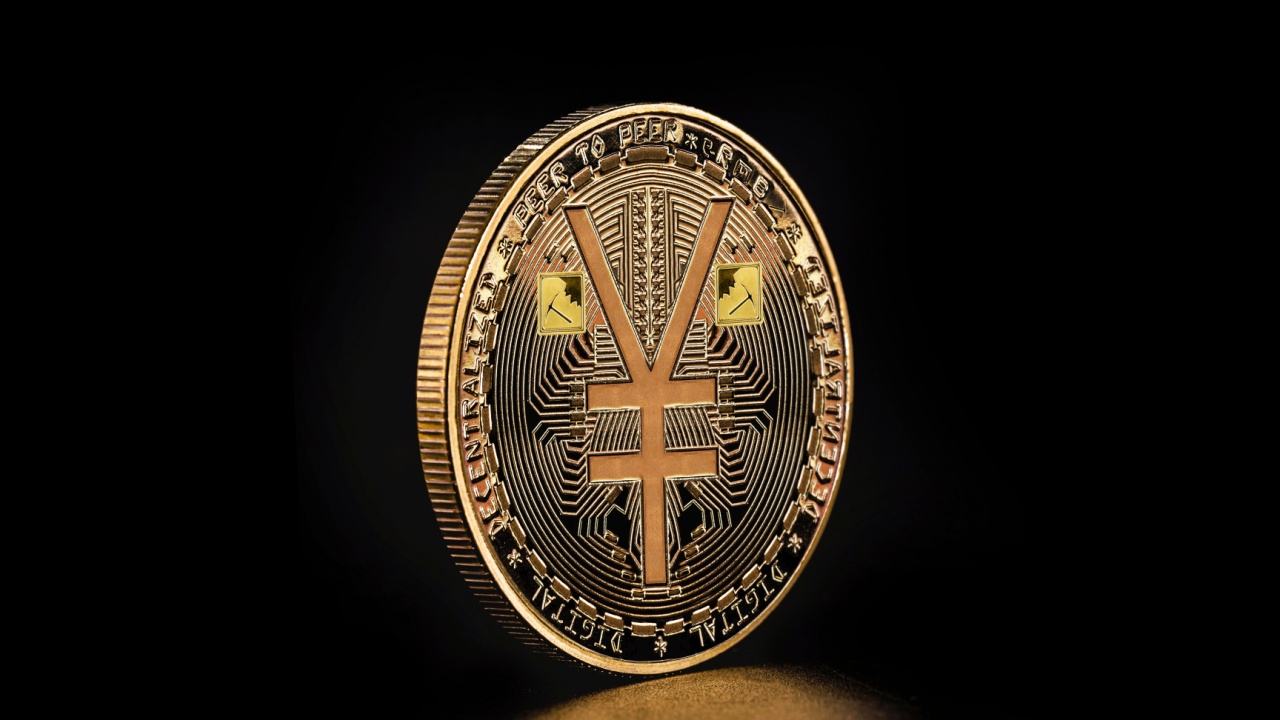
China is reportedly on the brink of a significant policy shift that may see the introduction of yuan-backed stablecoins, a move designed to bolster the international standing of its currency. With global financial markets increasingly leaning towards digital currencies, Beijing’s latest plan could mark a pivotal moment in the international adoption of the yuan.

The Chinese government is set to consider a proposal to allow the issuance of stablecoins pegged to the yuan, which would aim to challenge the dominance of the US dollar and its associated stablecoins in global markets. The proposal, expected to be reviewed by the State Council, reflects Beijing’s ongoing strategy to expand the yuan’s reach beyond its traditional borders, positioning it as a competitor to the greenback.

As part of its broader push for digital currency integration, China could allow key financial hubs such as Hong Kong and Shanghai to be the first to implement the new stablecoin systems. These cities are already at the forefront of China’s broader efforts to foster the growth of digital currencies, and the stablecoin initiative could further solidify their roles as global financial centres.

Discussions surrounding the adoption of yuan-backed stablecoins are expected to feature prominently during high-level meetings, including the upcoming Shanghai Cooperation Organisation Summit. This gathering will provide an important platform for Chinese leaders to outline their vision for the future of digital currencies, while signalling their intent to shape international policy on the use of stablecoins.

The planned move is in direct contrast to China’s earlier stance on cryptocurrency regulation. In recent years, the country has imposed strict measures on the use of private cryptocurrencies, citing concerns about financial stability and capital outflows. The proposed policy reversal regarding stablecoins marks a dramatic shift in strategy, moving from a position of stringent control to one of potential global leadership in digital currency innovation.

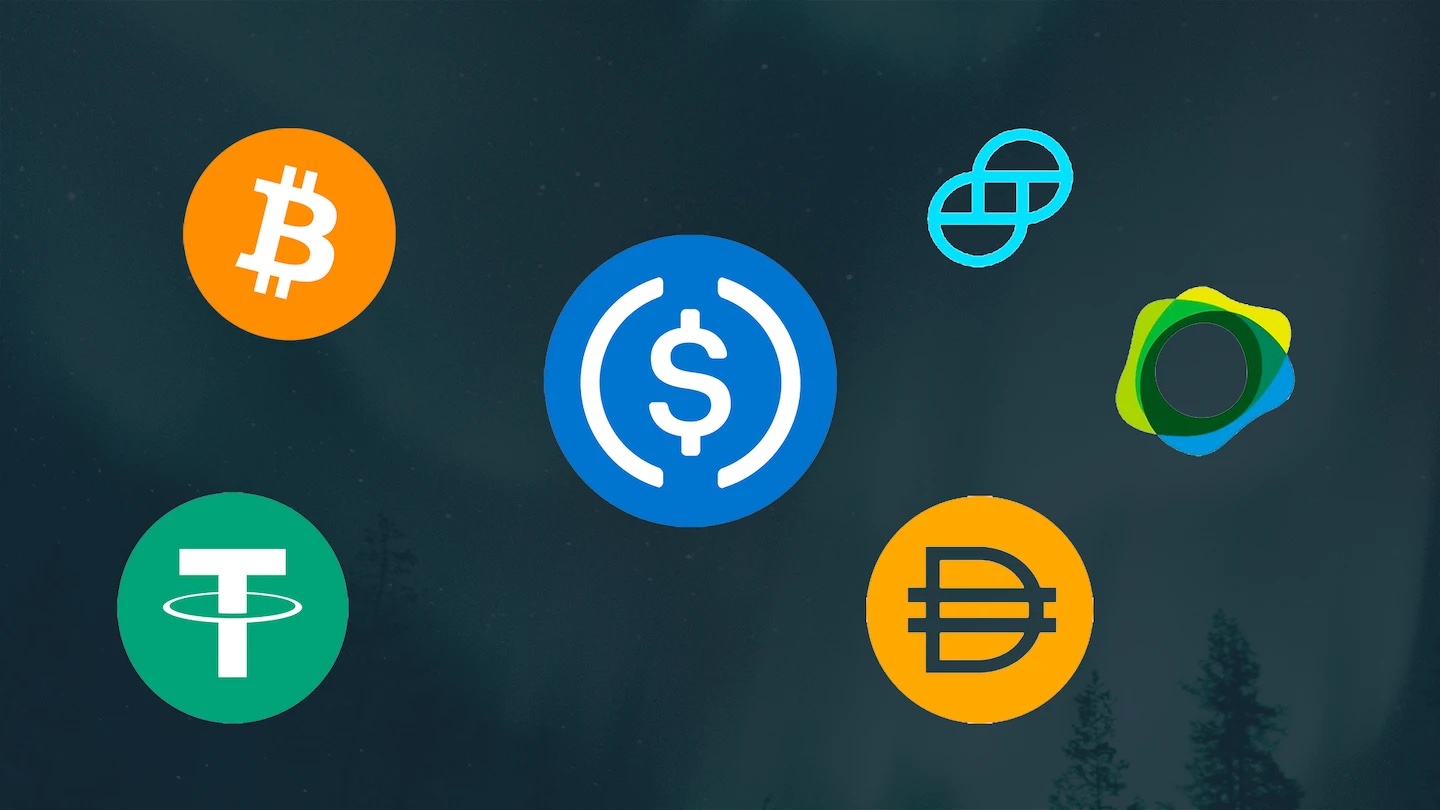
Stablecoins, which are digital currencies pegged to stable assets like fiat currencies or commodities, have become increasingly popular among investors seeking to minimise volatility. In particular, US dollar-backed stablecoins have grown exponentially, with major players like Tether and USD Coin dominating the market. The success of these assets has prompted China to explore ways in which the yuan can gain a similar foothold in the emerging digital economy.

By introducing a yuan-backed stablecoin, China would not only be promoting its digital currency but also attempting to influence how digital currencies are adopted globally. The move could significantly shift the dynamics of international trade and finance, particularly in Asia. As countries continue to look for alternatives to US dollar-dominated systems, China’s push for a digital yuan is increasingly seen as a strategic move to improve its influence over global financial markets.

Key stakeholders in the financial sector have already begun to take notice of China’s evolving stance on digital currencies. Financial institutions operating in Hong Kong and Shanghai are expected to play an integral role in the rollout of yuan-backed stablecoins, with implications for both domestic and cross-border transactions. Additionally, blockchain technology providers are closely monitoring developments in this space, anticipating a surge in demand for stablecoin-related infrastructure as China accelerates its digital currency ambitions.

The anticipated approval of yuan-backed stablecoins would also contribute to the development of China’s central bank digital currency, the digital yuan. While the digital yuan has already been tested in select regions, the integration of stablecoins would expand the use of digital yuan products, making it more accessible to international markets. This could significantly enhance the usability of China’s digital assets, providing a stable, digital alternative to traditional fiat currencies for global trade and investment.

At the same time, China’s global competitors, particularly the United States and the European Union, are likely to view this move with caution. While the yuan-backed stablecoin could disrupt traditional financial systems, it could also prompt a race to establish new regulatory frameworks and digital currencies to safeguard the dominance of the US dollar and the euro in global markets.

Two Prime, a prominent investment firm managing $1.75 billion in assets, has partnered with Figment, the leading independent staking infrastructure provider with over $15 billion staked across 1,000 clients. The collaboration brings forth an innovative offering, enabling institutional investors to access staking across more than 40 protocols, including advanced BTC yield strategies. The agreement marks a significant milestone in the evolution of blockchain-based investments, catering to the growing demand for diversified digital asset yield solutions.

The partnership between Two Prime and Figment blends institutional expertise with cutting-edge blockchain infrastructure. Investors will now be able to simultaneously participate in Proof-of-Work and Proof-of-Stake mechanisms, two foundational components of the cryptocurrency ecosystem. This dual approach allows institutions to enhance their portfolio’s earnings by leveraging the best of both worlds — the robust security of Proof-of-Work systems like Bitcoin and the scalability and yield potential of Proof-of-Stake networks.

Proof-of-Stake, a consensus mechanism used in various blockchain networks, rewards participants who lock their assets in the network, enabling them to validate transactions and secure the blockchain. It is often seen as a more energy-efficient alternative to Proof-of-Work, which relies on miners to solve complex mathematical problems. By combining these two distinct methods, the partnership offers a unique opportunity for institutional investors to diversify their strategies and maximise their returns in an increasingly volatile market.

Two Prime’s strategy is rooted in its deep understanding of institutional investment dynamics, with a focus on building yield strategies tailored for high-net-worth individuals and large-scale investors. The firm has long been a trailblazer in the institutional BTC space, offering clients a comprehensive suite of digital asset products that include structured solutions and yield-bearing strategies. The collaboration with Figment represents a step forward in Two Prime’s mission to create more opportunities for institutional clients to benefit from the growing world of digital assets.

Figment, on the other hand, has built a strong reputation as the largest independent provider of staking services. The company’s impressive track record includes $15 billion staked across multiple blockchain networks, making it a trusted player in the field. Its infrastructure supports a wide variety of clients, from individual stakers to large-scale institutions, offering tools and services that simplify the process of staking digital assets. With the new partnership, Figment expands its reach even further, providing clients with an extensive range of staking options across more than 40 different protocols.

Both firms are capitalising on the increasing institutional interest in digital assets, particularly those that offer steady returns. As traditional financial institutions and wealth managers look to diversify their portfolios, cryptocurrencies have become an attractive option, thanks to their potential for high yields. The ability to generate income through staking adds an additional layer of appeal, allowing institutions to tap into passive income streams while supporting blockchain networks.

The strategic partnership between Two Prime and Figment is poised to redefine how institutions approach digital asset investments. By offering an extensive array of yield strategies that cover both Proof-of-Work and Proof-of-Stake networks, the firms are not only creating new opportunities but are also helping to drive the adoption of blockchain technology in institutional investment circles.

This collaboration comes at a time when the broader cryptocurrency market is showing signs of maturity. With the growing institutionalisation of digital assets, platforms and services that bridge the gap between traditional finance and the world of blockchain are becoming increasingly valuable. Two Prime and Figment’s joint offering positions both firms as key players in this evolving landscape, providing investors with the tools to stay ahead of the curve.

Advertisements

Norway’s Sovereign Wealth Fund, managed by Norges Bank Investment Management, has achieved a new milestone in its investment portfolio with an increased exposure to Bitcoin. This exposure, reaching a record high, is now valued at the equivalent of 7,161 Bitcoin, achieved through investments in companies that hold Bitcoin on their balance sheets. This move signifies a notable shift in the fund’s diversification strategy, as it moves further into the digital asset space.

The fund’s strategy typically involves investing in a broad spectrum of assets, including global equities, bonds, and real estate. However, the rising value of cryptocurrencies and their growing acceptance in mainstream financial markets have prompted the fund to increase its indirect exposure to Bitcoin. NBIM’s current indirect holdings represent a stake in Bitcoin through companies that have embraced cryptocurrency, such as MicroStrategy and Tesla, which have allocated significant portions of their balance sheets to the digital currency.

With Bitcoin’s price having seen significant volatility over the years, the fund’s exposure to the digital asset has raised questions about the risks and benefits of investing in such a volatile commodity. As of the latest figures, the total value of these Bitcoin-linked investments stands at approximately 1,387 Norwegian kroner per Norwegian citizen, based on the current exchange rates and Bitcoin’s market price.

This development underscores the growing integration of digital currencies into traditional investment portfolios. The Norwegian Sovereign Wealth Fund, traditionally focused on more conventional assets, has now ventured into a more speculative investment arena. While the fund’s management has assured that this exposure remains minimal compared to its total assets, the move reflects broader trends within institutional investment.

NBIM’s strategy aligns with increasing interest among large-scale investors in diversifying into Bitcoin and other cryptocurrencies. Over the past few years, several prominent investment funds and financial institutions have adjusted their portfolios to include Bitcoin as a hedge against inflation or as a long-term store of value. These entities view Bitcoin’s finite supply and its potential as an alternative investment vehicle in a world of low-interest rates and global economic uncertainties as key drivers behind their investment decisions.

However, the fund’s Bitcoin exposure remains highly indirect. Instead of holding Bitcoin directly, NBIM’s stake comes from investments in companies like MicroStrategy, whose CEO, Michael Saylor, is a known advocate for Bitcoin. Tesla, another key player in the space, made headlines in 2021 when it disclosed its investment in Bitcoin, which led to an immediate surge in the digital currency’s value.

The Norwegian government, which oversees the fund’s operations, has expressed cautious optimism about its cryptocurrency exposure. While the fund is generally conservative in its investment approach, there is recognition that digital assets could play a role in long-term portfolio diversification. The Fund has made it clear that its current exposure is small and that the risk of loss is something it continues to monitor.

While Bitcoin has proven to be an incredibly volatile asset, some argue that its performance over time, including periods of significant appreciation, has made it an attractive speculative asset. Proponents believe that as Bitcoin becomes more integrated into the financial system and more institutional investors enter the market, its volatility will decrease, and its value will continue to appreciate in the long term. Conversely, critics caution that Bitcoin’s lack of intrinsic value and its exposure to regulatory scrutiny could render it a risky bet for long-term investors.

The Norwegian Sovereign Wealth Fund’s growing interest in Bitcoin is part of a wider trend that is seeing institutional investors increasingly embrace digital currencies. In addition to companies like MicroStrategy and Tesla, several other financial entities have made substantial investments in Bitcoin, such as Grayscale Investments and the publicly traded Bitcoin ETF, which tracks the price of Bitcoin directly.

As this trend continues, it raises broader questions about the role of cryptocurrencies in the global financial system. While Bitcoin and other digital assets were once viewed primarily as speculative investments or a form of digital gold, they are now starting to be considered by more traditional investors as part of a diversified investment strategy. The Norwegian Sovereign Wealth Fund’s increasing exposure to Bitcoin may serve as a bellwether for other institutional investors contemplating similar moves.

Metaplanet has acquired an additional 775 Bitcoin in a substantial move that lifts its total holdings to 18,888 BTC, worth around $1.9–2.2 billion. The purchase, executed at an average price near $120,000 per coin and valued at approximately $93 million, underscores the company’s continued commitment to a Bitcoin-centric treasury strategy at a time when markets are under pressure. The latest figures reflect a return of over 480 percent year-to-date in BTC yield, positioning the firm as a formidable force among global corporate Bitcoin holders.

Metaplanet’s CEO, Simon Gerovich, acknowledged market disappointment amid Bitcoin’s dip back toward $115,000 but emphasised confidence in the company’s strategic foundation and long-term trajectory.

The announcement arrives amid a broader pattern of aggressive accumulation. Earlier in the year, Metaplanet purchased 780 BTC for about $92.5 million, bringing its holdings to 17,132 BTC and solidifying its status as Asia’s largest corporate Bitcoin holder and the seventh-largest globally. Prior to that, it added 1,005 BTC at roughly $107,601 each, overtaking peers to climb the rankings among corporate treasury holders.

Metaplanet’s expansion is part of its ambitious “555 Million Plan,” under which it aims to amass 210,000 BTC—about 1 percent of the total Bitcoin supply—by the end of 2027. The strategy includes issuing significant equity through warrants and share offerings, enabling rapid accumulation while managing shareholder dilution.

This pivot to Bitcoin has dramatically altered Metaplanet’s trajectory. A company formerly focused on hotel operations has emerged as a pioneering corporate treasury vehicle, mirroring the playbook of the US firm Strategy. CEO Gerovich, once a banker at Goldman Sachs Tokyo, has described the company’s strategic focus as a “Bitcoin gold rush,” envisaging Bitcoin serving as collateral to acquire cash-generating businesses in the future.

The firm’s bold asset approach has delivered notable returns, with its stock market value surging hundreds of percent this year and its BTC Yield metric demonstrating impressive growth relative to share dilution.

At a time when Bitcoin is trading near $115,000 after recently testing highs above $118,000, Metaplanet’s latest acquisition exemplifies a strategic bet on long-term appreciation amid short-term volatility. Market observers view its consistent accumulation—regardless of price dips—as a factor that could both tighten liquidity and exacerbate volatility.

Futu Securities International has launched Solana trading on its Futu NiuNiu App in Hong Kong, marking a significant step in expanding access to digital asset markets. The launch comes on the heels of a broader push for crypto adoption across Asia and aims to offer more flexible trading opportunities to the region’s retail investors.

This move positions Futu Securities, an influential brokerage firm, as a key player in the competitive landscape of cryptocurrency trading in Hong Kong. The company has been focusing on bridging traditional financial services with digital asset trading, reflecting a growing trend in the region towards integrating blockchain technology into mainstream investment platforms.

The new trading feature allows users to trade Solana directly, a cryptocurrency known for its high-speed transactions and scalability, which have positioned it as a potential competitor to Ethereum. The decision to add Solana to the platform follows a series of strategic partnerships and product enhancements by Futu, aimed at capturing a share of the rapidly evolving crypto trading market.

Solana’s inclusion is particularly notable given the increasing popularity of decentralized finance platforms and non-fungible tokens, sectors where Solana has made significant strides. Its fast transaction speeds and lower fees have made it a favourable option for developers and traders alike. By offering this asset, Futu Securities provides its customers with greater flexibility to tap into the growth of blockchain-based applications.

The launch also comes at a time when other crypto trading platforms are making similar moves to expand their offerings. The competitive pressure is particularly intense in Hong Kong, a city that is positioning itself as a major hub for digital assets in Asia. Several firms are already catering to the burgeoning demand for cryptocurrency products, prompting regulators to adapt to the new landscape.

Hong Kong’s regulators have taken a balanced approach to crypto oversight, striving to foster innovation while ensuring the protection of investors. This regulatory stance has attracted firms like Futu to launch new offerings with confidence, knowing that the regulatory framework is supportive of such developments.

Futu’s move into the retail Solana trading space also ties into the broader trend of financial firms integrating digital currencies into their portfolios. The platform already offers trading in various other digital assets, including Bitcoin and Ethereum, making Solana’s addition a natural extension of their crypto offerings.

This shift is not isolated to Hong Kong alone. Several other financial institutions in Asia have been exploring ways to incorporate blockchain technology into their traditional business models. Many see digital currencies as a way to diversify their service offerings and attract a new wave of tech-savvy investors who are more inclined to explore innovative financial products.

Futu Securities’ push into the crypto space also follows its international expansion strategy. The company has been actively seeking ways to grow its customer base beyond the borders of mainland China, where stricter crypto regulations have limited access to digital asset markets. By capitalising on Hong Kong’s more open regulatory environment, Futu aims to strengthen its position in the broader Asia-Pacific region.

As retail investors in Hong Kong and across Asia continue to show increasing interest in cryptocurrencies, platforms like Futu NiuNiu are tapping into this growing demand by offering accessible and secure trading options. This aligns with broader trends in the financial industry where the lines between traditional and digital assets are becoming increasingly blurred.

The decision to offer Solana trading comes at a pivotal moment for the cryptocurrency market. Solana has garnered attention as a potential alternative to Ethereum, largely due to its speed and lower costs. With the platform’s growing user base, the ability to trade SOL on a mainstream brokerage app represents an important shift in how digital assets are perceived by traditional investors.

The cryptocurrency market has suffered a significant blow, with over $500 million in liquidations across positions within just one hour. This sharp decline follows the release of the latest U. S. Producer Price Index report, which revealed unexpectedly high inflation figures. The data has dashed investor hopes for imminent interest rate cuts by the U. S. Federal Reserve, sparking widespread panic and a sell-off across multiple crypto assets.

The PPI report, which tracks the change in prices that producers receive for goods and services, showed an uptick in inflation that exceeded analysts’ expectations. The results were particularly alarming given the U. S. Federal Reserve’s ongoing battle to control inflation. As a result, the market now faces a more aggressive stance from the central bank, with investors bracing for potential rate hikes rather than cuts, at least in the short term.

This shift in sentiment has had a dramatic impact on risk assets, particularly in the volatile crypto market. Bitcoin, Ethereum, and several altcoins saw rapid declines in their valuations, with the overall market sentiment turning bearish. Liquidation volumes surged as traders, particularly those with leveraged positions, were forced to sell their assets to cover their margin calls.

Bitcoin, the largest cryptocurrency by market capitalisation, saw a drop of over 5% in just a few hours, while Ethereum and other major altcoins followed suit with steep losses. The sell-off was not confined to smaller coins either; large-cap cryptos that are usually seen as more stable also witnessed significant price drops. Some analysts have warned that the market could continue its downward trajectory if inflation remains persistent and the Fed keeps its hawkish policy stance in place.

The crypto market had previously been showing signs of optimism, especially after recent rallies that saw prices inch higher. Many market participants had hoped that the Federal Reserve, under pressure from slower economic growth, would begin to reduce interest rates in the latter half of 2023, which would typically support riskier assets like cryptocurrencies. However, the latest PPI figures dashed such expectations, leading to a sharp reversal in market sentiment.

The primary concern now is the potential for more stringent monetary tightening, which could further dampen investor appetite for high-risk assets. Rising interest rates often drive capital out of speculative markets, as higher borrowing costs make riskier assets less appealing compared to traditional investments like bonds or equities.

Some analysts are predicting that the current market instability could persist for some time, especially if inflationary pressures continue to be a concern. “Cryptocurrencies are still seen as speculative assets, and as long as inflation remains high and the Fed is tightening, there is little room for these assets to flourish,” said one senior strategist at a leading global investment bank.

The liquidations across the crypto market serve as a stark reminder of the inherent risks of trading in this volatile space. Traders leveraging their positions to maximise profits are particularly vulnerable in such an environment, as even small fluctuations in price can trigger substantial losses. The crypto market’s high leverage environment is often seen as a double-edged sword, where both potential rewards and risks are amplified.

Beyond the immediate price impact, there are broader concerns about how the crypto market might react to further tightening measures by the Fed. If inflation continues to exceed expectations, market participants may be forced to adjust their strategies, potentially driving further price declines.

This shake-up has led to heightened calls for regulation within the crypto space. Industry experts have long argued that greater oversight is needed to protect investors and reduce the risks associated with volatile market movements. The sudden surge in liquidations underscores the importance of establishing clearer guidelines for trading and risk management in cryptocurrencies.

Ripple’s native token, XRP, has experienced a notable uptick in trading volumes, particularly within the Asian markets, indicating a shift towards institutional involvement and regional dominance.

In the past 24 hours, XRP’s trading volume exceeded $9.3 billion, positioning it among the top three cryptocurrencies by market activity. This surge is attributed to several factors, including the resolution of legal disputes and increased institutional interest.

A significant portion of XRP’s trading activity is concentrated in the Asia-Pacific region, with countries like Japan and South Korea leading the charge. South Korea’s Upbit exchange, for instance, has reported substantial XRP trading volumes, surpassing those of Bitcoin and Ethereum on certain days. This trend underscores the growing preference for XRP among retail and institutional investors in the region.

The resolution of Ripple’s legal challenges in the United States has further bolstered investor confidence. With the dismissal of appeals by Ripple Labs and the U. S. Securities and Exchange Commission, the uncertainty surrounding XRP’s regulatory status has diminished, paving the way for increased institutional participation.

The crypto and blockchain job market in 2025 has evolved significantly from the early days of experimentation and speculative investment. As the technologies become more established, companies are now scaling operations, emphasising practical application and implementation rather than simply exploring new concepts. This shift reflects a broader maturing of the industry, where the focus is on delivering tangible results rather than relying on hype.

A key trend that has emerged is the demand for mid-to-senior level roles, particularly in project management and operations. While the number of junior-level positions remains steady, it is the more experienced professionals who are driving growth and innovation. These individuals are not only managing complex projects but also overseeing cross-functional teams, making their roles integral to the success of blockchain and crypto companies. The prominence of senior roles is indicative of an industry that is prioritising strategic leadership over individual contributors. However, it’s important to note that job titles in the sector can sometimes be misleading, with roles such as “blockchain architect” or “crypto strategist” often blending technical and managerial responsibilities.

Emerging markets are becoming significant hotspots for blockchain and crypto employment, with companies offering salary multiples that can be as high as 10 times those in traditional industries. Countries in Asia, Latin America, and parts of Africa have seen a surge in blockchain-related job creation. These markets offer cost-effective, yet highly skilled talent pools, making them attractive for businesses looking to expand their workforce. However, this salary gap also reflects a growing disparity in the global job market, where geography increasingly dictates pay rates. In more developed regions, such as the United States and Europe, salaries are certainly high, but the competition for talent is fierce, and the skill set required is rapidly advancing.

In the engineering space, there has been a notable shift towards project management roles outnumbering developers by a ratio of 2:1. This is a direct response to the complexities of managing blockchain and crypto initiatives, which require not only technical proficiency but also strong organisational skills to ensure that projects run on time and within budget. Project managers are expected to liaise with a variety of teams, coordinate development, testing, and deployment, and ultimately ensure the strategic objectives of the company are realised. As blockchain solutions scale up, project management has become just as vital as coding skills.

Hybrid work is no longer seen as a temporary response to global events but as a long-term norm in the industry. Many companies have implemented a 3-4 day in-office work policy, recognising that while remote work allows for flexibility, physical collaboration remains crucial in high-stakes, fast-moving projects. The hybrid model is seen as a way to balance the benefits of in-person interaction with the convenience of working from home. As companies continue to grow, the ability to collaborate effectively both remotely and in person has become a key factor in employee productivity and satisfaction.

Bitcoin continues to follow the fluctuations of global liquidity, with the broader M2 money supply maintaining a positive correlation with its price movements. Recent data indicates that the cryptocurrency has largely mirrored the ebb and flow of liquidity across financial markets, suggesting that the ongoing dynamics between global monetary policies and Bitcoin’s performance could set the stage for further price gains or potential setbacks in the near future.

The M2 money supply, a key indicator of money in circulation that includes cash, checking deposits, and easily convertible near money, has witnessed significant growth over the past few years. This expansion has been a central feature of global central banks’ responses to economic challenges, including the COVID-19 pandemic and subsequent economic recovery efforts. As governments continue to inject liquidity into their economies through various monetary policies, Bitcoin has benefitted from a favourable environment, with its price often tracking the liquidity’s upward trends.

Bitcoin’s price movements have been closely tied to these liquidity expansions. Historically, periods of increasing global money supply have seen the digital asset rise in tandem, benefiting from increased investor confidence and speculative demand. As central banks keep interest rates low and maintain expansive fiscal policies, the resulting surge in M2 liquidity tends to fuel risk appetite in financial markets, often spilling over into assets like Bitcoin.

However, the current economic climate is marked by signs that this positive correlation might face new challenges. While Bitcoin’s price has largely remained on track with liquidity growth, early signs suggest that a potential correction could be imminent. Some market analysts point to signals such as diminishing returns on investments in certain financial markets, growing inflationary pressures, and tightening monetary policies in select regions as indicators that liquidity-driven asset prices, including Bitcoin, might soon face downward pressure.

The potential for a Bitcoin correction is also being discussed more openly as the cryptocurrency approaches new all-time highs. Historically, Bitcoin has experienced sharp price adjustments after reaching peak levels, driven by a combination of profit-taking, shifting sentiment among institutional investors, and changes in macroeconomic conditions. As a result, while the positive liquidity-Bitcoin correlation remains intact for now, market watchers are increasingly cautious, aware that the prevailing optimism could be replaced by a recalibration in response to evolving economic factors.

At the heart of the concern is the likelihood that the global liquidity boom, fuelled by expansive monetary policies, may be coming to an end. Some central banks, especially in developed economies, have already started to signal their intention to reduce stimulus measures. The United States Federal Reserve, for example, has been gradually winding down its bond-buying programme, a step that many analysts view as the first indication of a potential shift towards tighter monetary conditions. Should this trend continue, it could have significant repercussions for Bitcoin’s price, which has thrived in an environment of abundant liquidity.

Bitcoin’s reliance on speculative investment has always made it vulnerable to shifts in broader financial market conditions. As institutional investors and retail traders adjust their portfolios in response to global liquidity changes, the cryptocurrency market often experiences heightened volatility. A slowdown in liquidity growth, combined with the tightening of fiscal policies, could lead to increased market caution, potentially slowing down Bitcoin’s momentum.

Despite these concerns, Bitcoin’s long-term outlook remains closely intertwined with global liquidity. As central banks continue to maintain expansive monetary policies, the cryptocurrency may still benefit from an influx of capital seeking higher returns in an environment of low interest rates. However, the risk of a market correction should not be underestimated. With rising inflationary pressures in many countries and increasing calls for tighter monetary policies, Bitcoin’s trajectory could experience turbulence in the short term.

Corporate treasuries and investment funds have made significant moves into Bitcoin this year, with a staggering 371,111 BTC purchased since January. This figure, more than three times the amount mined during the same period, signals the growing influence of institutional investors in the cryptocurrency market. These acquisitions come amid an evolving strategy pioneered by Michael Saylor, the founder of MicroStrategy, whose company continues to lead the pack in BTC purchases.

Saylor, an early advocate of Bitcoin, has been vocal about the digital asset’s potential as a hedge against inflation and a store of value, especially in an era of increasing economic uncertainty. MicroStrategy’s strategy of accumulating Bitcoin on its balance sheet has served as a model for other corporate investors looking to diversify their cash reserves. The company currently holds over 150,000 BTC, solidifying its position as the largest publicly traded corporate holder of Bitcoin.

This trend is not limited to MicroStrategy alone. A growing number of public companies have followed suit, with many purchasing Bitcoin as part of their long-term investment strategies. Among the most prominent in this movement are Tesla, which made a significant BTC purchase in early 2021, and Block, the payments company founded by Jack Dorsey. Both have maintained substantial Bitcoin holdings, and their actions continue to inspire others in the corporate sector to consider the digital asset as a viable alternative to traditional assets like cash or bonds.

The accumulation of Bitcoin by public companies and investment funds is also evidenced in the growth of Bitcoin-backed exchange-traded funds. Major ETFs have amassed nearly $151 billion worth of BTC, accounting for a significant 6.47% of the total circulating supply. This figure reflects the increasing mainstream acceptance of Bitcoin and the growing appetite for institutional investors to gain exposure to the cryptocurrency market without the direct complexities of buying and storing the digital asset.

The Bitcoin ETF market has rapidly matured, with various products offering different exposure options. Grayscale Bitcoin Trust and the Purpose Bitcoin ETF, for example, have emerged as key players, providing institutional and retail investors alike with a more accessible way to hold Bitcoin. These funds have not only bolstered institutional interest but also helped legitimize Bitcoin as an asset class in the eyes of traditional finance.

One of the key factors driving this wave of institutional adoption is the desire for better yield in an environment of low-interest rates and rising inflation. Bitcoin’s scarcity, with a maximum supply of 21 million coins, makes it an attractive proposition for funds and corporate treasuries looking for an alternative store of value. As inflation fears continue to loom, particularly in the wake of expansive monetary policies enacted during the COVID-19 pandemic, Bitcoin offers an attractive hedge against potential currency devaluation.

The maturity of the Bitcoin network and its increasing institutional infrastructure, including custodial services, derivatives markets, and improved regulatory clarity, have made it easier for large investors to enter the market with confidence. This growing institutional infrastructure is also helping reduce some of the risks traditionally associated with cryptocurrency investments, such as security concerns and price volatility.

However, not everyone is convinced of the long-term benefits of Bitcoin. Critics argue that the digital asset remains highly speculative, with no inherent value other than what investors are willing to pay. Regulatory uncertainty also continues to cast a shadow over the market, with governments worldwide scrutinizing the use of Bitcoin in financial systems and its role in money laundering and illicit activities.

Dogecoin has experienced an 8% surge, marking a significant price rally as whale activity indicates a potential bullish breakout. The cryptocurrency, a popular memecoin, saw its price rise to 22 cents, driven by a trading volume surpassing 1 billion DOGE. The surge has sparked discussions about institutional interest and the growing potential of DOGE as an asset class.

A sudden uptick in whale activity has drawn attention in the crypto market, as large transactions have been observed over the past few days. These whales, often large investors or institutions, have historically been key drivers in the price movements of cryptocurrencies, and their recent actions suggest confidence in the token’s future price performance. DOGE’s price has fluctuated over the past several months, but this latest rally stands out as one of the most significant in recent times.

The substantial trading volume of over 1 billion DOGE indicates that the recent spike isn’t just a flash in the pan but a substantial market event that could signal further upward momentum. Cryptocurrencies, particularly memecoins like DOGE, often rely on viral moments or sudden shifts in investor sentiment. However, DOGE’s increasing institutional interest suggests that its trajectory may now be shifting towards more long-term viability as a store of value or speculative asset.

The role of institutional investors in this shift cannot be understated. While Dogecoin’s initial rise was largely driven by retail investors and online communities, institutional interest has been gradually increasing, with some financial analysts suggesting that this could stabilize its price fluctuations. This surge in institutional interest could lead to more sustainable growth for DOGE, positioning it as a more prominent asset in the broader cryptocurrency market.

Market analysts suggest that Dogecoin’s recent performance could also be reflective of broader trends in the cryptocurrency space. While Bitcoin and Ethereum continue to dominate the market, memecoins have been gaining traction as part of a growing interest in alternative digital assets. The surge in DOGE’s value is happening amid a wider rally in smaller cryptocurrencies, which are attracting more mainstream investors looking for opportunities beyond the two leading coins.

However, DOGE’s volatility remains a significant factor. Despite the positive momentum, memecoins are notorious for their sharp price swings, and many traders are wary of potential corrections. Still, the ongoing whale movements suggest that DOGE could continue to experience periods of significant growth, with potential for even higher highs if the market sentiment continues to improve.

The latest surge also highlights the changing landscape of cryptocurrency trading, where social media, community-driven movements, and institutional capital increasingly intertwine. DOGE has long been a symbol of internet-driven hype, but with the growing institutional interest, it may be gradually shedding its reputation as just a speculative token.

The price rise has also raised questions about the sustainability of such a rally. While some experts are cautious about the potential for a market correction, others believe that DOGE’s growing adoption could support its price in the long term. With increased exposure from larger market players and retail interest remaining strong, the token could become a more integral part of the crypto ecosystem moving forward.

Michigan’s State Retirement System has significantly increased its investment in Bitcoin, demonstrating confidence in the cryptocurrency’s long-term potential. The fund has tripled its exposure to Bitcoin through the ARK 21Shares Bitcoin ETF, a move that reflects growing interest from institutional investors in digital assets. This increase comes as Bitcoin continues to see heightened attention from both retail and institutional investors, positioning it as a key player in the evolving financial landscape.

The Michigan State Pension Fund, managed by the Michigan Department of Treasury, is one of the largest public pension funds in the United States, with assets exceeding $90 billion. Its decision to increase Bitcoin holdings through the ARK 21Shares Bitcoin ETF is seen as part of a broader trend in which pension funds, endowments, and other institutional investors have begun diversifying their portfolios by including digital assets.

The ARK 21Shares Bitcoin ETF, which is designed to provide exposure to Bitcoin without requiring investors to directly hold the cryptocurrency, has gained traction among institutional investors for its simplicity and regulatory compliance. This ETF allows for Bitcoin exposure in a traditional investment vehicle, offering an avenue for pension funds that may otherwise be restricted from investing directly in cryptocurrencies.

Cryptocurrency has become an increasingly important asset class for institutional investors. A growing number of asset managers have begun to see Bitcoin and other digital currencies not just as speculative investments, but as a hedge against inflation and currency devaluation. Bitcoin’s reputation as “digital gold” has been reinforced by its performance in the face of economic uncertainty, especially in comparison to traditional assets like equities and bonds.

The decision to expand Bitcoin holdings is also linked to the broader trend of pension funds seeking higher returns to meet long-term obligations. With global interest rates remaining low and traditional investments yielding modest returns, pension funds are under growing pressure to diversify their portfolios and consider alternative assets. Bitcoin, with its potential for high returns despite its volatility, has become a prominent choice.

Experts suggest that institutional adoption of Bitcoin is still in its early stages, but the trend is accelerating. Michigan’s State Pension Fund’s move to increase its Bitcoin exposure follows similar actions by other major pension funds and financial institutions. The California Public Employees’ Retirement System, the largest public pension fund in the U. S., has also explored Bitcoin exposure, although in a more cautious manner.

This shift towards digital assets by public pension funds is not without controversy. Some critics argue that the volatile nature of Bitcoin and other cryptocurrencies makes them a risky investment for pension funds, which are tasked with managing the retirement savings of millions of individuals. Concerns about the regulatory landscape and the potential for sudden price swings have prompted calls for greater caution in incorporating cryptocurrencies into institutional portfolios.

However, proponents of the move argue that Bitcoin’s resilience and increasing institutional support make it a sound long-term investment. As blockchain technology continues to mature and the regulatory environment around digital assets evolves, many believe that the risks associated with Bitcoin will be mitigated over time. Moreover, the increasing mainstream adoption of cryptocurrencies by corporations and financial institutions is seen as a positive indicator of their future potential.

The ARK 21Shares Bitcoin ETF itself has become a widely-followed vehicle for gaining Bitcoin exposure. Managed by ARK Invest, a firm known for its focus on disruptive innovation, the ETF holds Bitcoin in a secure manner and allows investors to gain exposure without directly purchasing or storing the cryptocurrency. The ETF has drawn interest from various institutional investors, including pension funds, hedge funds, and family offices, all seeking a regulated and secure method of gaining exposure to the world of digital assets.

Despite the benefits, the decision to triple Bitcoin exposure has sparked some concerns about diversification within the Michigan State Retirement System’s broader portfolio. Critics warn that an overconcentration in any single asset, particularly one as volatile as Bitcoin, could undermine the stability of the pension fund. While Bitcoin has demonstrated substantial returns in recent years, its volatility has also led to significant drawdowns, making it a risky bet for long-term investors.

The pension system’s commitment to Bitcoin, however, signals the growing legitimisation of digital currencies in the traditional financial world. Michigan’s pension fund is not alone in recognising Bitcoin’s potential as part of a diversified portfolio, as other states and private institutions have made similar moves to explore digital assets.

American Bitcoin Corp., a Bitcoin mining firm linked to Donald Trump, is making waves in the financial world with plans to list on the Nasdaq. The move marks a significant step for the cryptocurrency industry, highlighting how major players are seeking to establish more conventional footholds on Wall Street.

Founded in 2021, American Bitcoin Corp. aims to scale up its operations significantly by tapping into public capital markets. The company has stated that it intends to raise substantial funds to expand its mining capacity and enhance its technological capabilities. According to internal reports, the firm has already secured partnerships with several high-profile players in the energy sector to support its ambitious plans.

The firm’s connection to Trump adds a layer of political intrigue to the listing process. Trump, who has long been associated with various business ventures, is reportedly involved in an advisory capacity, lending his brand and strategic expertise to the company’s growth. His endorsement has proven valuable in garnering attention, not only among traditional investors but also among those with a keen interest in the intersection of politics and business.

The move to list on Nasdaq comes at a time when the cryptocurrency mining industry faces increasing scrutiny over its environmental impact and energy consumption. Mining operations like those at American Bitcoin Corp. use vast amounts of energy to secure Bitcoin transactions, a process that has been criticised for contributing to carbon emissions. Despite this, the firm is positioning itself as an environmentally conscious entity, touting its use of renewable energy sources as part of its long-term sustainability plan.

American Bitcoin Corp. is not alone in its ambition to go public. Several other firms in the digital asset space have followed similar paths, capitalising on the growing interest in cryptocurrency and blockchain technology. The listing process for such companies has been characterised by both enthusiasm and caution, as investors weigh the risks and rewards of entering an industry that is still in its infancy.

The company’s decision to enter the public markets through a direct listing rather than a traditional IPO is seen as an indication of its readiness to embrace the evolving financial landscape. A direct listing allows a company to bypass the usual underwriting process, allowing it to raise capital while potentially avoiding the costs and regulatory hurdles that come with a standard IPO. This strategy has been adopted by a growing number of firms in the tech and cryptocurrency sectors, where traditional methods of capital-raising are increasingly viewed as outdated.

There is no doubt that American Bitcoin Corp.’s decision to list on Nasdaq could be a game-changer for the cryptocurrency space. If successful, the company’s public debut could open the door for other mining firms and blockchain-based companies to follow suit, further integrating digital assets into the mainstream financial ecosystem. This would be a significant moment for the cryptocurrency industry, as it continues to move from the periphery of global finance into the centre stage.

However, as with any venture tied to the volatile cryptocurrency market, the risks associated with American Bitcoin Corp.’s listing cannot be ignored. Bitcoin and other digital currencies have faced wild price fluctuations over the years, and while the long-term outlook for the sector remains optimistic, many investors are still cautious about committing to assets that are prone to such dramatic swings. As a result, American Bitcoin Corp. will likely face considerable scrutiny from both the public and regulatory bodies in the coming months.

The company’s plan also raises broader questions about the future of cryptocurrency mining in the United States. With growing concerns over the environmental cost of mining and the regulatory uncertainty surrounding the sector, American Bitcoin Corp. will need to navigate a complex web of challenges in order to maintain its position as a leading player in the industry.

The involvement of high-profile figures like Trump could prove to be a double-edged sword. While his brand brings immediate attention to the company, it could also subject American Bitcoin Corp. to increased political scrutiny, particularly given the polarising nature of his public persona. The firm will need to strike a balance between leveraging Trump’s influence and distancing itself from the controversy that often surrounds his name.

North Korea’s illicit cryptocurrency operations are set to increase dramatically as the country continues to exploit weak regulatory environments and strengthen ties with financially motivated entities across the globe. These operations are increasingly seen as a source of revenue for the regime, particularly as international sanctions continue to cripple the nation’s economy.

Recent investigations have uncovered evidence suggesting that North Korea is employing sophisticated hacking groups to siphon off cryptocurrency from exchanges worldwide. These operations, often carried out through malware and phishing schemes, have become a primary tool for funding the state’s missile and nuclear programmes. The role of cryptocurrency in North Korea’s criminal operations is expected to grow significantly as global demand for digital currencies rises and regulatory frameworks remain fragmented.

The actions of North Korean hackers are not isolated incidents but part of a systematic effort to launder stolen funds through a network of virtual currency exchanges. Many of these exchanges, particularly those based in countries with lax regulations, either knowingly or unknowingly facilitate these criminal activities. Some of the exchanges have been linked to regions in Russia and other parts of Eastern Europe, where crypto regulations are either weak or non-existent. These exchanges have financial incentives to turn a blind eye to illicit transactions, benefiting from the substantial fees charged on cryptocurrency trades.

Even though North Korea’s cyberattack capabilities are well-documented, there is growing concern among cybersecurity experts that cryptocurrency exchanges in developing countries lack the resources and governance structures needed to prevent exploitation. Without sufficient regulatory oversight, these exchanges become prime targets for criminal actors seeking to launder or move stolen cryptocurrency across borders.

The rise of decentralized finance platforms has made this task even easier. DeFi operates on blockchain technology, allowing users to trade cryptocurrencies without the need for traditional intermediaries, such as banks or financial institutions. While this has many legitimate uses, it also opens a pathway for cybercriminals to move stolen funds anonymously. This environment of financial opacity has become a crucial part of North Korea’s ability to evade international scrutiny.

As North Korea adapts to this new financial reality, reports indicate that the country’s leaders are fostering closer relationships with other rogue states and criminal syndicates that are equally interested in using digital currencies to bypass international sanctions. In some cases, these connections are said to involve joint ventures in mining or the laundering of illicit cryptocurrency.

It is not just exchanges that are under scrutiny. Many nations continue to struggle with implementing effective anti-money laundering and know-your-customer regulations, which would require crypto platforms to identify their users and track large transactions. Some countries have made strides in tightening their regulations, but enforcement remains patchy, and criminals continue to exploit these regulatory loopholes.

Even nations with more robust cryptocurrency regulations have found it difficult to keep up with the speed of innovation in the sector. A significant challenge is the fast-evolving nature of blockchain technology, which has given rise to a myriad of platforms and exchanges that operate outside the scope of traditional financial systems. Some experts argue that the global financial system is not adequately prepared to deal with these challenges, particularly when it comes to cybercrime linked to North Korea.

In response to these growing concerns, international coalitions are increasing efforts to combat cryptocurrency crime. This has included greater cooperation among cybersecurity agencies, such as the FBI and Interpol, to track the movements of illicit cryptocurrency. Despite these efforts, the decentralized nature of digital currencies makes it difficult for authorities to trace and seize assets linked to North Korea’s operations.

BitBridge has announced plans to begin acquiring Bitcoin for its balance sheet, with the intention of going public by the end of the third quarter of 2025. The company, which is positioning itself as a key player in the cryptocurrency sector, aims to tap into the growing demand for digital assets by developing an ecosystem centred around Bitcoin. This will include offering BTC-backed loans, potentially reshaping the landscape of crypto-finance.

The company’s move to purchase Bitcoin signals a strategic shift towards greater exposure to digital currencies and aligns with the broader trend of institutional investment in crypto assets. With the recent volatility in the cryptocurrency market, BitBridge is positioning itself to capitalise on the emerging financial opportunities in the blockchain space.

Going public under the ticker symbol #BTTL, BitBridge will offer investors the chance to access a growing market for Bitcoin-backed services and investment vehicles. The decision to acquire Bitcoin directly for its balance sheet highlights a growing trend among crypto-focused firms to integrate the asset into their operations as a long-term investment and financial instrument. This development also mirrors actions taken by large corporations, including payment giants like Tesla, which have previously added Bitcoin to their balance sheets.

Alongside the balance sheet expansion, BitBridge is laying the groundwork for an innovative platform that will offer Bitcoin-backed loans. This new service aims to provide an alternative to traditional lending, leveraging the liquidity of Bitcoin to offer credit solutions for crypto holders. These loans, secured by Bitcoin, could appeal to both individual and institutional clients who may be looking to unlock value from their holdings without selling their digital assets.

The potential for Bitcoin-backed loans to disrupt traditional lending models has garnered attention from experts in the fintech space. By collateralising loans with Bitcoin, borrowers can access liquidity while retaining ownership of their crypto assets. This could prove especially attractive in an environment where cryptocurrency adoption is growing, and more individuals are seeking ways to integrate their holdings into the broader financial system.

One of the critical aspects of BitBridge’s strategy will be its approach to regulatory compliance. As governments around the world begin to refine their stance on cryptocurrency, BitBridge’s ability to navigate the regulatory landscape will be crucial for its success. The company’s move to offer Bitcoin-backed loans will likely draw increased scrutiny from financial regulators, especially as concerns grow over the potential risks associated with crypto-backed lending.

BitBridge is also positioning itself within a competitive space, with several established players already offering similar services. However, the company’s focus on Bitcoin as a core asset distinguishes it from others in the market, potentially allowing it to tap into a niche but growing sector of the cryptocurrency market.

In addition to its focus on Bitcoin, BitBridge has emphasised the importance of security and transparency in its operations. As the crypto ecosystem continues to evolve, concerns about cybersecurity and the protection of assets remain top priorities for both investors and users. BitBridge’s commitment to building a secure and transparent platform is likely to play a significant role in attracting users who are wary of the risks associated with the crypto space.

Crypto scams are becoming more sophisticated, and one of the most common tricks involves scammers attempting to manipulate users into believing they have received fake Bitcoin transactions. While it may sound far-fetched, such scams are far from uncommon. These fraudulent practices can take on various forms, such as dusting, fake screenshots, or misleading tokens, all designed to cause confusion and exploit trust.

A common scam method involves sending small amounts of Bitcoin, often referred to as “dust,” to a victim’s wallet. The amount is intentionally small and seemingly inconsequential, but the scammer’s goal is to make the recipient believe a larger, more significant transaction has occurred. After this initial “deposit,” the fraudster might follow up with a message claiming the deposit was a mistake or part of an investment payout. The victim is then encouraged to send money back, often under the guise of needing to resolve an error.

In other cases, scammers may not even make any transaction at all. Instead, they will provide fabricated screenshots or manipulated receipts that appear to show a Bitcoin deposit on platforms like Coinbase. These images can be easily crafted, making it difficult for an untrained eye to spot the scam. The intent here is simple: to create the illusion of a legitimate transaction, pressuring the victim into acting quickly.

Another tactic that has gained traction involves scammers sending tokens on networks like Ethereum or Tron, which are designed to look like Bitcoin. These tokens often have names similar to Bitcoin or other reputable cryptocurrencies, tricking the user into thinking they are legitimate. However, these tokens hold no actual value and are simply used as part of the scam.

While these methods are designed to deceive, they are not foolproof. Platforms like Coinbase only allow verified blockchain transactions to be displayed within users’ wallets. Thus, it is highly unlikely that scammers can actually deposit fake Bitcoin into your Coinbase account in the form of a legitimate transaction. The key to avoiding falling victim to such scams lies in how you verify and interpret these transactions.

To protect yourself, always cross-check the authenticity of any transactions using the official platform. For Coinbase users, this means verifying the transaction through Coinbase’s platform itself. If something doesn’t look right or feels off, it’s essential to trust your instincts. Never engage with unsolicited messages, and certainly never share your private information or login credentials with anyone who contacts you unsolicited, claiming to be from the support team.

If you suspect that you have fallen victim to a scam or have received a suspicious transaction, it’s important to act quickly. Report the incident to Coinbase or the relevant platform’s support team, and disregard any further communication from the suspected scammer. These fraudulent actors thrive on confusion and manipulation, so staying informed and cautious is essential in protecting yourself.

A statue honouring Satoshi Nakamoto, the elusive figure behind Bitcoin, has been stolen from its site in Lugano, Switzerland. The monument, unveiled in late 2024, had become an iconic representation of the enigmatic creator of the cryptocurrency, whose true identity remains one of the tech world’s greatest mysteries.

The statue, a large sculpture depicting the name “Satoshi Nakamoto” etched into a series of metallic layers, had captivated visitors and crypto enthusiasts alike since its installation. Situated in the heart of Lugano, it symbolised the city’s growing embrace of blockchain technology and cryptocurrency. For many, the statue was more than just art; it was a tribute to the digital revolution that Bitcoin sparked more than a decade ago.

Authorities were alerted to the theft in the early hours of the morning, when a security guard noticed the conspicuous absence of the monument, which had previously stood proudly at the centre of a public park. The area, which had been carefully monitored by surveillance cameras, now bears only the faint traces of the statue’s former presence, leaving behind a curious and eerie emptiness.

Lugano, a city with strong ties to the cryptocurrency world, had seen significant developments in recent years to become a leading hub for blockchain-based businesses. The city’s proactive approach in fostering crypto-related innovation was epitomised by the statue’s unveiling in 2024, making the theft a significant blow to the region’s reputation.

Local police have launched an investigation into the incident, with officials suggesting that the thieves may have targeted the statue for its material value, given its considerable worth as a work of art. The theft of public art is not uncommon, but the involvement of a high-profile piece linked to one of the most famous figures in tech history has drawn international attention.

Security experts have raised concerns over the vulnerability of public art installations, particularly those linked to high-profile and controversial figures. While the statue’s theft may have been opportunistic, some speculate that it could have been taken as a statement against the pervasive influence of cryptocurrency in traditional finance sectors. Others argue that the absence of the statue only reinforces the mystery of Nakamoto’s identity, highlighting the growing divide between Bitcoin’s revolutionary vision and the material world it inhabits.

A spokesperson for the city’s municipal government expressed their regret over the theft and assured the public that they would work closely with law enforcement to identify the perpetrators. “We are committed to preserving our city’s artistic and technological heritage, and we will take all necessary steps to ensure that such an incident does not occur again,” they said in a statement.

The statue’s disappearance has ignited conversations within the cryptocurrency community, with many speculating on the reasons behind its removal. Some see it as an attempt to erase the legacy of Nakamoto, who has long remained an enigma. Others argue that the theft could be a commentary on the volatile and unpredictable nature of cryptocurrency itself.

Lugano had embraced Bitcoin and blockchain technology with open arms, with the city offering various incentives to crypto companies and developers. It became one of the first cities in the world to allow its citizens to pay for public services with Bitcoin. With this deep connection to the digital currency, the theft of Nakamoto’s statue could be seen as a blow to the city’s ambitions to be at the forefront of the global cryptocurrency movement.

While authorities have not yet identified any suspects, there has been no shortage of theories circulating within the tech community. Some believe that the statue could resurface on the black market, where it might fetch a significant price. Others suggest that the theft could be part of a larger movement aimed at discrediting or disrupting the cryptocurrency space.

A landmark federal framework for stablecoins became law on 18 July 2025, when President Donald Trump signed the Guiding and Establishing National Innovation for U. S. Stablecoins Act. The legislation mandates that stablecoins — digital currencies pegged one‑to‑one to the U. S. dollar or short‑term Treasury bills — must be fully backed by liquid reserves, publicly disclose holdings monthly, and comply with anti‑money laundering and consumer protection rules.

The Act clears a path for both banks and approved non‑bank entities to issue payment stablecoins under a dual licensing system, encompassing federal and state oversight. It also creates a formal category for such assets, offering legal clarity that had eluded stablecoin issuers until now.

Despite bipartisan support in Congress — with Senate approval on 17 June and House passage on 17 July — the new law has drawn criticism. Some lawmakers and experts argue it falls short on stricter anti‑money laundering measures and allows big tech firms to issue stablecoins with fewer regulatory hurdles than traditional banks.

Trump lauded the Act during the White House signing ceremony, calling it “a hell of an act” and asserting it will solidify American crypto leadership and support the dollar’s global primacy. He noted the GENIUS Act “creates a clear and simple regulatory framework” capable of unleashing innovation and enhancing payment systems.

Stakeholders across finance and fintech are re-evaluating their strategies. Traditional banks are preparing pilot programmes and exploring partnerships to issue or facilitate stablecoins, while crypto firms like Circle and Coinbase, which have backed U. S. stablecoin issuance earlier, have seen share prices rise following the law’s enactment.

In parallel, the law aims to channel demand into U. S. Treasuries, reinforcing the dollar’s global role. Treasury Secretary Scott Bessent highlighted that requiring asset backing in government debt would deepen Treasury markets. Financial institutions are bracing for increased reserve purchases and adjustments in asset allocation strategies.

The Act introduces rigorous governance: stablecoin issuers must implement reserve audits, adhere to marketing restrictions—such as avoiding government endorsement claims—and prioritise redeeming customer claims ahead of other creditors in insolvency scenarios. It also extends anti‑money laundering obligations under the Bank Secrecy Act, granting treasury authorities power to freeze illicit funds.

Though heralded as a milestone, implementation remains complex. Regulators are expected to issue detailed rules within a year, and the Act’s “effective date” is projected for late 2026, contingent on final regulatory actions or an 18‑month grace period.

Global central banks and fintech players are watching closely. Some expect U. S. leadership in regulated digital currencies could spur innovation overseas, while others warn that insufficient guardrails may encourage regulatory arbitrage. Foreign issuers may enter the U. S. market if they meet rigorous Treasury approval, including comparable home‑jurisdiction oversight and U. S.-based reserve management.

Market response has been immediate: global crypto valuations have surged past $4 trillion, led by strong gains in bitcoin and ether amidst expectations of broader stablecoin integration. Industry experts suggest stablecoins may soon become mainstream payment tools, with major retailers and tech giants like Google, Uber and Apple exploring adoption.

However, voices of caution persist. Critics say the framework could permit big tech to bypass stricter banking regulations, heightening systemic risks, and that consumer safeguards remain inadequate. Transparency International warned the law might provide loopholes exploitable by criminals or hostile regimes.

As rule‑making proceeds and industry adapts, the GENIUS Act marks a fundamental shift in U. S. crypto policy — ushering stablecoins from regulatory limbo into a legalised, structured, but contested future.

KUALA LUMPUR, MALAYSIA – Media OutReach Newswire – 24 July 2025 – Bitcoin (BTC) has been rising almost uninterruptedly over the past three months, setting new all-time highs (ATH) essentially every week since mid-May. According to Coinbase, BTCUSD surpassed the crucial $112,000 mark on 10 July and went on to touch the $123,200 level on 14 July. Since then, the market seems to have entered a period […]

VISHNU RAJA
RYO YAMADA
HITORI GOTOH
IKUYO KITA