News related to
Bitcoin

Governments worldwide collectively hold over 463,741 bitcoins, amounting to approximately 2.3% of the total supply. The United States leads with 198,012 BTC, valued at around $18.3 billion as of April 2025.

This marks a decline from July 2024, when global government holdings stood at 529,591 BTC. The reduction reflects a trend of asset liquidation among several nations.

In March 2025, President Donald Trump signed an executive order establishing the Strategic Bitcoin Reserve. This initiative consolidates seized bitcoins into a national reserve, prohibiting their sale and positioning them as long-term assets.

China maintains approximately 194,000 BTC, primarily from seizures related to the 2019 PlusToken Ponzi scheme. Despite a ban on cryptocurrency activities, these assets remain in state custody.

El Salvador and Bhutan continue to expand their bitcoin reserves through purchases and mining, diverging from the liquidation trend observed in other countries.

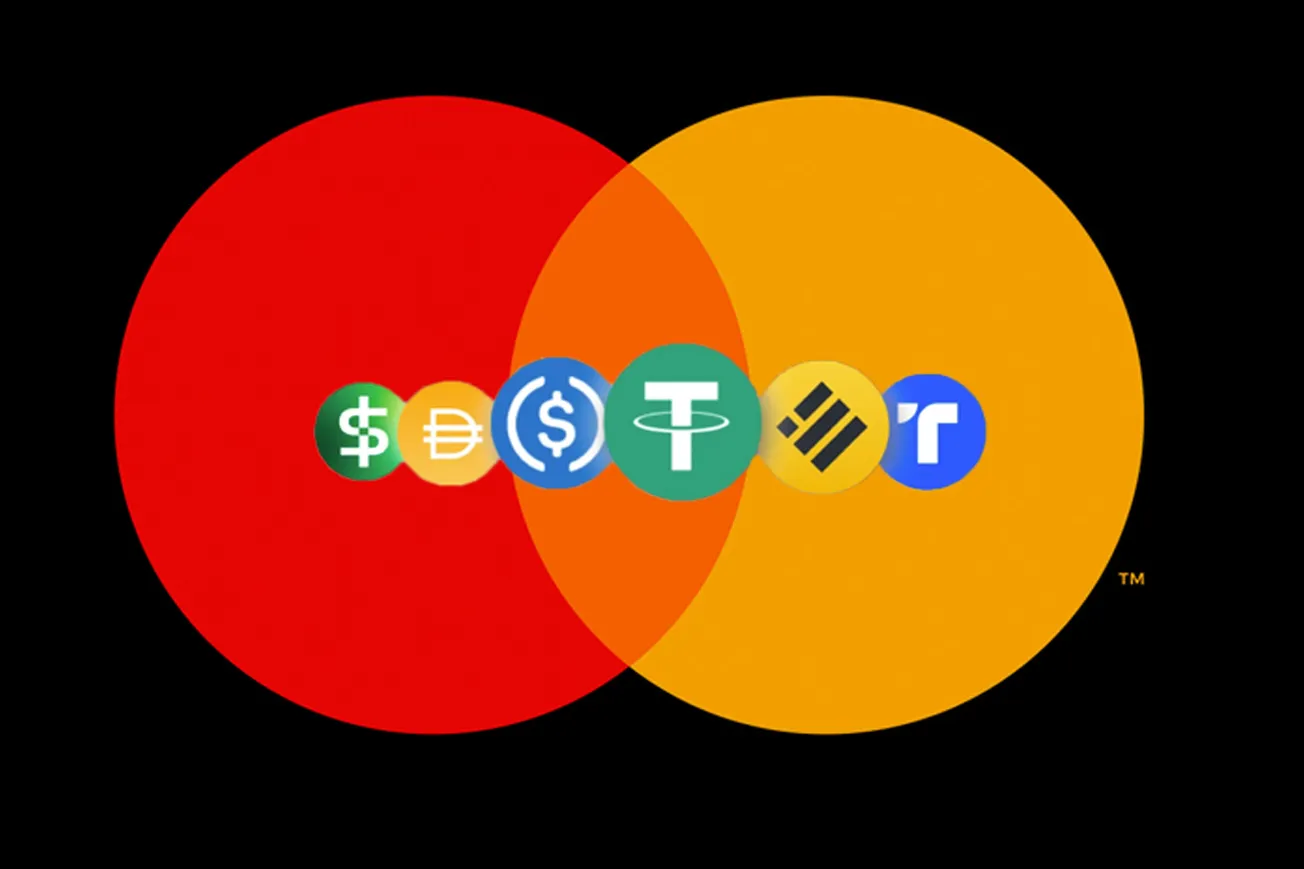
Mastercard has moved to expand its digital asset footprint by unveiling a stablecoin-powered global payment system that aims to bridge traditional finance with blockchain technology. The initiative incorporates wallet integration, card issuance, merchant settlement, and on-chain remittances, signalling a major endorsement for stablecoins within mainstream financial services.

The payments giant will partner with OKX to launch the OKX Card, offering users the ability to spend crypto assets seamlessly through Mastercard’s established infrastructure. The collaboration is positioned to provide cardholders with the option to convert their digital holdings into fiat currency at the point of sale, utilising USDC stablecoins to facilitate transactions in real time.

Mastercard’s broader collaboration also includes Circle, Nuvei, and Paxos, three key players in the stablecoin and blockchain space. The strategy centres on enabling direct merchant settlement using stablecoins, starting with USDC. The move is expected to accelerate merchant acceptance of digital currencies by eliminating the need for fiat conversions and complex intermediary processes.

Raj Dhamodharan, Mastercard’s head of crypto and blockchain, stated that the company is building a “future-proof” payments ecosystem that integrates digital assets responsibly and securely. He emphasised that Mastercard’s framework would ensure compliance with existing regulations and uphold strong consumer protection measures while offering the benefits of blockchain efficiencies.

By embedding stablecoins into payment rails, Mastercard is seeking to address long-standing challenges that have limited wider adoption of digital currencies, including volatility, liquidity management, and interoperability between financial systems. Stablecoins, which are typically pegged to fiat currencies like the US dollar, offer price stability that traditional cryptocurrencies like Bitcoin do not, making them more suitable for everyday transactions.

The OKX Card is expected to launch initially in select markets, with expansion plans to follow based on regulatory approvals and market demand. OKX’s president Hong Fang described the partnership as a “game-changer” that will “empower millions to experience the future of payments today.” The card will allow users to link their crypto wallets directly and spend their digital assets without the need to manually convert them into fiat beforehand.

Mastercard’s collaboration with Circle is particularly noteworthy as Circle’s USDC stablecoin is widely regarded for its regulatory compliance and transparency. Circle CEO Jeremy Allaire welcomed the partnership, highlighting that direct merchant settlement in USDC would reduce transaction costs, enhance speed, and provide greater transparency across payment processes.

Nuvei and Paxos will contribute to strengthening the backend settlement capabilities. Nuvei, a global payment technology firm, brings extensive experience in integrating alternative payment methods for merchants, while Paxos, a regulated blockchain infrastructure platform, provides trusted stablecoin issuance and custody solutions.

This new framework comes at a time when global financial institutions are increasingly exploring digital currencies. The Bank for International Settlements reported an upsurge in central bank digital currency projects globally, with a growing focus on how stablecoins and blockchain could complement traditional payment systems rather than disrupt them.

Mastercard has been experimenting with blockchain and digital assets for several years, conducting pilot programmes with various crypto companies and financial institutions. The company’s partnership with the Reserve Bank of Australia and the Digital Finance Cooperative Research Centre on a central bank digital currency pilot was another key step illustrating its commitment to innovating responsibly within the space.

Mastercard’s stablecoin settlement model follows a successful pilot in Australia, where live transactions using USDC and Mastercard’s network proved the technical viability and regulatory feasibility of using stablecoins for real-world transactions. The pilot included collaboration with Cuscal and Mintable, showcasing the ability to settle card transactions directly on blockchain networks.

Through these developments, Mastercard appears to be positioning itself as a leader among traditional financial service providers seeking to integrate blockchain into their core offerings. This approach not only supports digital asset adoption but also builds bridges between traditional payment providers and emerging decentralised finance ecosystems.

Industry analysts note that Mastercard’s entry into stablecoin-powered payments could force other major payment processors to accelerate their blockchain strategies. Visa, which has been running its own stablecoin settlement pilots, will likely view Mastercard’s moves as a call to action to deepen its blockchain integration efforts to remain competitive.

There are challenges ahead, particularly regarding regulatory clarity. Stablecoins have come under increasing scrutiny from regulators concerned about financial stability, money laundering, and consumer protection risks. Mastercard has indicated that its stablecoin programme will operate within regulated frameworks, ensuring that only stablecoins backed by transparent and compliant reserves are included.

The initiative also highlights growing merchant interest in accepting digital currencies without bearing volatility risks. Direct stablecoin settlement allows merchants to receive payment in a stable asset without relying on third-party crypto-to-fiat conversion services, streamlining operations and reducing costs.

As stablecoins continue to evolve beyond speculative assets into functional financial tools, Mastercard’s system reflects an understanding that digital currencies must serve real-world use cases to achieve mainstream adoption. The company’s ability to integrate stablecoin technology with traditional card networks could significantly alter how digital assets are used in daily commerce.

Mastercard’s latest announcement also underlines a broader industry shift toward interoperability. By supporting transactions across multiple blockchain networks and integrating with different stablecoin issuers, Mastercard aims to create a unified ecosystem where users, merchants, and financial institutions can interact seamlessly across both traditional and digital finance landscapes.

Hashdex, the prominent crypto asset management firm based in Brazil, has launched the world’s first spot XRP exchange-traded fund on B3, the São Paulo-based stock exchange. The ETF, known as the Hashdex XRP Fund , started trading this week, marking a significant milestone not only for Latin America’s evolving crypto landscape but also for the global cryptocurrency investment market.

Trading commenced after months of regulatory processes and product development, during which Hashdex worked closely with Brazil’s Comissão de Valores Mobiliários , the national securities regulator. The fund offers direct exposure to XRP, the digital asset created by Ripple Labs, without requiring investors to manage the underlying cryptocurrency themselves. The launch of XRP11 follows a broader trend of growing institutional acceptance of crypto assets in Brazil, where regulatory frameworks have been more accommodating compared to major markets like the United States.

Hashdex’s move underscores Brazil’s increasingly assertive position as a hub for cryptocurrency innovation. Marcelo Sampaio, CEO of Hashdex, said during the fund’s launch that the introduction of a spot XRP ETF aligns with the company’s mission to “bridge the gap between traditional finance and digital assets”. Sampaio added that the demand for diversified crypto investment vehicles has been consistently growing among Brazilian investors, citing the success of earlier Hashdex crypto ETFs such as HASH11, which tracks a basket of cryptocurrencies.

Brazil’s regulatory environment has played a key role in facilitating this development. The CVM has exhibited a proactive stance towards regulating crypto assets while encouraging innovation. In contrast, regulatory bodies like the US Securities and Exchange Commission have taken a more cautious approach, creating delays and uncertainties around the approval of spot crypto ETFs, particularly for assets beyond Bitcoin and Ethereum.

XRP, the digital token linked to Ripple Labs, has had a complex relationship with regulators globally. A significant development came after Ripple secured a partial legal victory against the SEC, wherein a US federal court ruled that XRP sales on public exchanges did not constitute investment contracts. This ruling, while still subject to ongoing litigation and appeals, provided a degree of clarity that has emboldened issuers like Hashdex to pursue XRP-focused financial products in other jurisdictions.

The Hashdex XRP Fund is structured similarly to traditional ETFs. Units of XRP11 are backed 100% by physically held XRP tokens, which are stored in institutional-grade custody solutions provided by trusted crypto custodians. The fund is priced and settled in Brazilian reals, and its portfolio is independently audited to ensure transparency and security for investors.

The move by Hashdex is seen by analysts as a strategic attempt to cement its leadership in the crypto asset management sector within Latin America. Hashdex has already been at the forefront of innovation, having earlier collaborated with Nasdaq to launch a Bitcoin futures ETF in the United States through a hybrid strategy. The launch of XRP11 marks the company’s first foray into offering single-asset spot ETFs focused on altcoins.

Investor response to the new product has been encouraging. Trading volumes for XRP11 on the first day exceeded initial expectations, indicating substantial appetite among retail and institutional investors for regulated crypto products. Paulo Mesquita, Head of Business Development at Hashdex, commented that “the robust reception signals a maturation of crypto investing in Brazil, with investors seeking broader exposure beyond Bitcoin.”

Attention now turns to the potential for similar products in the United States, where the SEC’s approach to spot crypto ETFs has been cautious, despite recent approvals of Bitcoin spot ETFs involving major financial institutions like BlackRock, Fidelity, and Grayscale. Market participants are closely monitoring whether Hashdex’s success in Brazil might embolden US asset managers to push harder for spot ETFs centred on altcoins such as XRP.

Several experts suggest that the SEC’s attitude towards XRP remains a critical obstacle. James Seyffart, an ETF analyst at Bloomberg Intelligence, noted that “until the regulatory status of XRP is definitively settled in the United States, it is unlikely that a spot XRP ETF will gain approval”. However, he added that legal outcomes favourable to Ripple could eventually open the door to similar products in the American market.

Brazil’s advancement comes at a time when global demand for cryptocurrency investment vehicles continues to evolve. Investors are increasingly seeking exposure to digital assets through traditional financial instruments, particularly those offering regulated, easy access without the complexities of direct crypto ownership. Latin America, driven by countries like Brazil, is emerging as a significant frontier for such innovations, offering lessons for larger markets grappling with regulatory hesitations.

Beyond XRP, Hashdex is reportedly exploring the possibility of launching additional single-asset ETFs focused on other major cryptocurrencies such as Solana and Polygon , depending on market conditions and regulatory developments. Such diversification could position Brazil as a critical player in the next wave of crypto investment products, rivalling traditional centres like the US, Europe, and parts of Asia.

Bitcoin has soared beyond the $100,000 mark for the first time, reaching an intraday high of around $103,400, in a development that has intensified global debate over the future of cryptocurrencies. The breakthrough, which market analysts describe as a psychological milestone, has reignited bullish sentiment across digital asset markets, drawing renewed attention from institutional investors, hedge funds, and policymakers worldwide.

The world’s largest cryptocurrency by market value has been on an upward trajectory for much of 2025, driven by a mix of factors including growing institutional adoption, favourable regulatory signals, and broader macroeconomic uncertainty. Bitcoin’s surge beyond six figures was underpinned by mounting optimism over the expanding utility of blockchain technologies and the increasing use of cryptocurrencies as hedges against fiat currency devaluation.

According to market analysts tracking digital assets, Bitcoin’s advance to above $100,000 has been fuelled by substantial inflows from institutional investors, including pension funds, insurance companies, and sovereign wealth funds, who view Bitcoin as a store of value comparable to gold. Major asset managers have accelerated their crypto allocations after regulatory bodies in key markets such as the United States, Europe, and parts of Asia finalised clearer frameworks that legitimised cryptocurrency investments in traditional portfolios.

The approval of several Bitcoin spot exchange-traded funds earlier this year has played a crucial role in boosting demand. These instruments have allowed a broader set of investors to gain exposure to Bitcoin without the technical complexities of managing private keys and wallets, a development regarded as pivotal in attracting mainstream capital. The cumulative effect has been a substantial increase in Bitcoin holdings among institutional portfolios, pushing the price upward.

Macroeconomic factors have also contributed significantly to Bitcoin’s ascent. Persistent inflationary pressures in major economies, coupled with declining confidence in central bank policies, have pushed investors to seek alternative assets. Bitcoin, with its capped supply of 21 million coins, has increasingly been perceived as an attractive hedge against currency debasement, especially as traditional safe havens like government bonds offer diminished real returns.

The rally has also been amplified by technological advancements and broader acceptance of cryptocurrencies in everyday financial systems. Major payment networks have expanded their support for crypto transactions, and global banks have rolled out crypto custody services, further embedding Bitcoin into mainstream finance. Moreover, blockchain-based innovations such as decentralised finance platforms and tokenised real-world assets have reinforced the legitimacy of the crypto ecosystem, enhancing investor confidence.

Yet, the parabolic rise of Bitcoin has reignited concerns over the sustainability of such rapid gains. Financial experts warn that while Bitcoin’s fundamentals have strengthened compared to earlier bull cycles, the risk of volatility remains elevated. Bitcoin’s history is littered with examples of sharp corrections following euphoric rallies, and many observers urge caution amid the current exuberance.

Critics argue that despite broader acceptance, Bitcoin still faces unresolved issues including scalability challenges, regulatory uncertainty in emerging markets, and environmental criticisms linked to energy consumption from mining activities. Although significant strides have been made towards sustainable mining practices through greater adoption of renewable energy, environmental concerns continue to shadow Bitcoin’s long-term viability narrative.

Regulatory dynamics remain a crucial determinant of Bitcoin’s future trajectory. Authorities in several jurisdictions, while more accommodating than in previous years, continue to explore stricter frameworks to mitigate risks associated with money laundering, tax evasion, and financial stability. How these regulations evolve will likely influence Bitcoin’s path forward, with potential for both supportive policies and restrictive measures that could dampen enthusiasm.

Geopolitical tensions are another variable that could shape Bitcoin’s outlook. Cryptocurrencies have increasingly been utilised in cross-border transactions and capital flight during periods of political instability, which both enhances their perceived utility and invites tighter scrutiny from national governments wary of losing control over financial flows. Analysts note that Bitcoin’s decentralised nature is both its greatest strength and its most persistent regulatory challenge.

On the technological front, developments surrounding Bitcoin’s scalability solutions, particularly the implementation of Layer 2 protocols like the Lightning Network, offer promising pathways to address transaction speed and cost issues. Broader adoption of these solutions could enhance Bitcoin’s practicality as a medium of exchange, further reinforcing its market position.

Market participants are closely monitoring signals from major economies regarding interest rate policies, as shifts in monetary stances could impact Bitcoin’s appeal relative to traditional investment instruments. Any abrupt tightening by central banks could exert downward pressure on speculative assets, including cryptocurrencies, although Bitcoin’s maturing investment narrative may provide some cushion against such moves.

Bitcoin’s milestone has also reignited discourse about the future of digital currencies in the global economy. Central bank digital currencies are progressing towards launch phases in several countries, potentially reshaping the monetary landscape. Although CBDCs differ fundamentally from decentralised cryptocurrencies, their coexistence will test regulatory boundaries and public preferences regarding privacy, control, and financial sovereignty.

Looking ahead, market strategists caution against assuming a linear trajectory for Bitcoin’s price. While structural factors support a more mature and resilient Bitcoin market compared to previous cycles, external shocks, shifts in investor sentiment, and evolving regulatory landscapes can introduce significant volatility. Nevertheless, Bitcoin crossing the $100,000 threshold stands as a symbolic validation of the digital asset class’s growing influence in the global financial system.

Trading volumes across major exchanges have surged alongside Bitcoin’s price rise, highlighting heightened investor interest and suggesting momentum could continue in the short term. However, analysts emphasise the importance of risk management, noting that Bitcoin’s history has repeatedly demonstrated the potential for large price swings even within broader bullish trends.


Advancing Asset Management and Structured Products Offering HONG KONG SAR – Media OutReach Newswire – 28 April 2025 – Victory Securities today announced that it has officially obtained two significant regulatory consent from the Securities and Futures Commission (SFC) of Hong Kong to provide virtual asset (VA)-related products and services: 1) provision of discretionary account management services (DAMS) to retail and professional investors, investing in spot VA, […]

Matein Khalid The last time the U.S. Dollar Index plummeted 9% in the first four months of a year was way back in 1973, when Richard Nixon sat in the White House on the eve of Watergate, the October War in the Sinai/Gulan, the Arab oil boycott and a savage 40% bear market in U.S. equities. Last week provided a respite from the tsunami of greenback selling […]

The Open Network has announced that its Toncoin Bridge, facilitating transfers between the TON blockchain and Ethereum and BNB Smart Chain , will be permanently shut down on May 10, 2025. Post this date, users will no longer be able to bridge Toncoin from TON to these networks. However, assets already bridged will remain claimable. Bridging into TON will still be available temporarily, with a separate end date to be announced.

The Toncoin Bridge has been a pivotal component in TON’s cross-chain interoperability, enabling users to transfer assets between the TON blockchain and Ethereum and BSC. Its discontinuation marks a significant shift in TON’s approach to cross-chain interactions.

In anticipation of the bridge’s shutdown, TON has been promoting alternative bridging solutions. These include platforms like Rhino.fi, Symbiosis, Layerswap, Rubic, Meson.fi, and Retro Bridge, which offer support for a wide range of networks beyond Ethereum and BSC. These alternatives aim to provide users with continued access to cross-chain functionalities, albeit through different channels.

The decision to discontinue the Toncoin Bridge comes amid broader strategic changes within the TON ecosystem. The TON Foundation recently appointed Maximilian Crown, co-founder of MoonPay, as its new CEO. This leadership change follows a $400 million investment from global venture capital firms, signaling a renewed focus on scaling blockchain adoption and integrating with Telegram’s extensive user base.

Market reactions to these developments have been measured. As of April 25, 2025, Toncoin is trading at approximately $3.25, with a market capitalization of around $8.15 billion. While this reflects a decline from its all-time high of $8.27 in 2024, the cryptocurrency has shown resilience amid the evolving landscape. Price Prediction 2025 – 2030 – 99Bitcoins)

Advertisements

Ethereum’s dominance in the cryptocurrency market has dwindled significantly, dropping to just 7.4%, a figure reminiscent of its market standing in 2020. This sharp decline highlights a fundamental shift within the industry, as Ethereum’s market position has steadily eroded in the face of rising competition, particularly from Bitcoin, which continues to lead the digital asset space. The drop in Ethereum’s market share also mirrors a dramatic change in its relative value against Bitcoin, where one ETH now commands only 0.018 BTC, a stark contrast to the 0.08 BTC it once represented in 2021.

Ethereum’s rise as the second-largest cryptocurrency by market capitalisation was primarily driven by its smart contract capabilities, offering developers a platform for decentralised applications . However, its dominance has been challenged by several factors, including network issues, scalability concerns, and the emergence of competing blockchain networks, such as Solana, Polkadot, and Avalanche. These competitors have capitalised on Ethereum’s early technical limitations, offering faster transaction speeds and lower fees, which have attracted both developers and investors seeking more efficient blockchain solutions.

The network’s scalability challenges became particularly evident during periods of high demand, with transaction fees soaring and processing times slowing, which diminished Ethereum’s appeal for many users. These issues contributed to Ethereum’s declining market share and pushed developers to explore alternative blockchain platforms that could handle increased demand without compromising performance. Ethereum’s much-anticipated upgrade to Ethereum 2.0, aimed at improving scalability and reducing transaction costs, has been slow to materialise, leaving room for other blockchain projects to capitalise on Ethereum’s delays.

The broader market conditions also play a role in Ethereum’s reduced market dominance. While the broader cryptocurrency market has grown, Ethereum has not been able to keep pace with Bitcoin, which has consistently been viewed as a store of value akin to digital gold. Bitcoin’s appeal has been further strengthened by institutional investment and its increasing adoption as a hedge against inflation and economic instability. As Bitcoin’s market dominance continues to rise, Ethereum’s relative position has fallen, underscoring the ongoing struggle for supremacy in the evolving cryptocurrency space.

The rise of decentralised finance has shifted some of the focus away from Ethereum, as new platforms have launched to capitalise on the demand for DeFi services. Platforms like Binance Smart Chain , Terra, and others have garnered significant attention and market share due to their ability to offer faster and cheaper alternatives for DeFi applications. These developments have further eroded Ethereum’s previously dominant position, with its role in DeFi projects gradually diminishing as users flock to more efficient alternatives.

The decline in Ethereum’s market dominance also reflects broader trends within the cryptocurrency space, where investors and developers are increasingly focusing on projects that offer more than just a store of value. The rise of non-fungible tokens , for instance, has introduced new applications for blockchain technology that Ethereum has struggled to fully capitalise on. While Ethereum remains a dominant player in the NFT space, its dominance has been challenged by networks like Flow, which offer lower transaction fees and faster speeds for NFT transactions.

Ethereum’s fluctuating dominance also raises questions about the long-term viability of its position in the blockchain ecosystem. Despite its foundational role in the development of decentralised applications and smart contracts, Ethereum’s reliance on a proof-of-work consensus mechanism has become increasingly problematic in an era where energy consumption and environmental concerns are paramount. Ethereum’s transition to a proof-of-stake model, while promising, has faced delays and challenges, allowing other blockchain platforms to emerge as viable alternatives.

Regulatory uncertainty continues to cloud the future of cryptocurrencies, including Ethereum. Governments around the world are still grappling with how to regulate digital assets, and the lack of clear guidelines has led to a degree of caution among investors. This uncertainty has further complicated Ethereum’s prospects, as its network faces increased scrutiny over issues such as gas fees and its environmental impact. Other blockchain projects that prioritise energy efficiency and regulatory compliance have gained favour, putting additional pressure on Ethereum’s market position.

ARK Invest, a leading investment management firm, has updated its bullish price forecast for Bitcoin, now projecting that the cryptocurrency could reach up to $2.4 million by 2030 in a highly optimistic scenario. This marks a significant revision of their previous estimate, reflecting growing confidence in Bitcoin’s long-term potential amid shifting global financial landscapes and evolving market dynamics.

Bitcoin’s price has been hovering around $94,000, a notable position that has sparked renewed investor interest and optimism regarding the cryptocurrency’s future. Despite this, there are signs of a strong sentiment shift among holders, as evidenced by a decline in Bitcoin exchange balances. The reduction in available Bitcoin on exchanges is generally seen as a positive indicator for the asset’s value, suggesting that more investors are choosing to hold their assets in anticipation of future growth.

The recalibration of ARK Invest’s Bitcoin target follows a broader trend of institutional interest in digital assets, with firms increasingly viewing cryptocurrencies not just as speculative assets, but as a legitimate store of value. ARK’s forecast is built on the assumption that the financial system will continue to evolve in a way that supports decentralised finance, with Bitcoin playing a central role in this transformation.

The investment firm’s analysis underscores a vision where Bitcoin is not only a hedge against inflation but also a pivotal component of a digital financial infrastructure that could reshape global markets. The projection is part of ARK Invest’s broader investment thesis that views cryptocurrencies, particularly Bitcoin, as an increasingly integral part of the global economy.

A key factor influencing ARK’s bullish view is the growing trend of institutional adoption, where large-scale investors such as corporations and hedge funds have begun to allocate significant portions of their portfolios to Bitcoin. The institutional narrative around Bitcoin is evolving, with many seeing it as a store of value comparable to gold, particularly in times of economic uncertainty. The investment firm has also pointed out that Bitcoin’s deflationary characteristics, driven by its capped supply, enhance its appeal in an environment where traditional fiat currencies are under pressure from inflationary forces.

Bitcoin’s increasing scarcity is also a central argument in ARK’s optimistic projection. With a fixed supply of 21 million coins, Bitcoin’s scarcity model stands in stark contrast to fiat currencies, which can be printed at will by central banks. As the available supply of Bitcoin continues to decrease due to the halving events, in which the reward for mining new blocks is cut in half, demand for the cryptocurrency is expected to outstrip supply, driving its price upwards. This model has historically led to bull runs, with each halving event triggering price increases in the years that follow.

Bitcoin’s growing network effect is strengthening its role in the global financial system. The increasing number of users, merchants accepting Bitcoin as payment, and the rise of Bitcoin-based financial products, such as futures and exchange-traded funds , all signal that Bitcoin is gaining more mainstream acceptance. As more people and institutions embrace Bitcoin, the more entrenched it becomes in the global economic fabric, creating a reinforcing cycle of adoption and value appreciation.

The reduction in Bitcoin exchange balances indicates a shift in investor behaviour. Investors are increasingly inclined to hold onto their Bitcoin rather than trade it, which is traditionally seen as a bullish indicator. When Bitcoin is held in wallets, it is less likely to be sold in response to short-term price fluctuations, signalling long-term conviction. The lower volume of Bitcoin on exchanges further suggests that the current market is largely driven by strong holders, indicating less volatility and more stability in the asset’s price.

Despite these promising trends, Bitcoin remains a volatile and risky asset, with unpredictable market swings and regulatory uncertainties continuing to pose challenges. Governments around the world have yet to fully regulate the cryptocurrency market, and while some countries have embraced Bitcoin as a legal tender, others have imposed strict restrictions on its use. The future trajectory of Bitcoin will largely depend on how regulators approach digital currencies, particularly regarding concerns over their potential for money laundering, tax evasion, and financial instability.

The Crypto Fear & Greed Index has surged 25 points to 72, marking a significant shift in market sentiment and re-entering the “Greed” zone—a level last observed on February 4, 2025.

This sharp rise from a neutral reading of 47 the previous day and a “Fear” level of 29 a week prior underscores a notable change in investor outlook. The index, ranging from 0 to 100 , is a widely used barometer for gauging emotions driving the cryptocurrency market.

Several factors contribute to this uptick in optimism. Bitcoin’s price stability, particularly its ability to maintain key support levels, has bolstered confidence among traders. Additionally, the sustained inflows into Bitcoin exchange-traded funds suggest growing institutional interest, further reinforcing bullish sentiment.

Altcoins have also played a role in this sentiment shift. Increased investor interest in Ethereum and Solana, along with heightened activity in decentralized finance and AI-powered tokens, indicates a broader enthusiasm beyond Bitcoin.

Macroeconomic elements are influencing this trend as well. Expectations surrounding Federal Reserve rate decisions have impacted risk asset investments, with traditional markets showing signs of recovery. This broader economic context has added to the confidence in the crypto sector.

The Fear & Greed Index’s methodology involves analyzing various market indicators: volatility and market momentum each account for 25% of the index, while social media sentiment and surveys contribute 15% each. Bitcoin’s market dominance and Google search trends make up the remaining 20%. The current readings across these components collectively point toward increased bullish sentiment.

Bitcoin has surged past the $90,000 threshold, reaching $90,468 across major exchanges. This marks a significant rebound, occurring 46 days after the cryptocurrency last touched this level on March 7, 2025.

The rally is attributed to a combination of factors, including renewed institutional interest and favourable policy signals. The inauguration of President Donald Trump has introduced a more crypto-friendly regulatory environment. Notably, the administration’s proposal to establish a strategic Bitcoin reserve has been perceived as a bullish indicator by market participants.

Analysts have observed that the approval of multiple spot Bitcoin exchange-traded funds earlier this year has played a pivotal role in attracting substantial capital inflows. These ETFs have provided traditional investors with a regulated avenue to gain exposure to Bitcoin, thereby enhancing its legitimacy and appeal.

Market sentiment has also been influenced by macroeconomic indicators. The Consumer Price Index data released this month aligned with market expectations, suggesting a stabilising inflationary environment. This has bolstered investor confidence in risk assets, including cryptocurrencies.

Despite the upward trajectory, some caution remains. Betting markets indicate a 61% probability of Bitcoin reaching $110,000 within the year, with diminishing confidence in higher targets. Conversely, there is a notable expectation of potential pullbacks, with some forecasts suggesting a dip to around $70,000.

Technical analysts are closely monitoring key support and resistance levels. The $90,000–$91,000 range is identified as a critical support zone, while resistance is anticipated near the $95,000 mark. Momentum indicators, such as the Relative Strength Index , currently reflect a neutral stance, indicating a balanced market sentiment.

Bitcoin’s price movement remains largely unaffected by Strategy’s multibillion-dollar buying activity, new data reveals. Despite making significant purchases in the cryptocurrency market, Strategy’s impact on Bitcoin’s value has been minimal. The company’s acquisitions, representing approximately 3.3% of the weekly trading volume on average, have not significantly correlated with price fluctuations, underscoring the limited influence of even large-scale institutional players in this volatile market.

The findings raise questions about the extent to which individual institutional actors can sway the broader cryptocurrency market. Despite the scale of its investments, Strategy’s influence seems relatively muted, suggesting that other factors might be driving Bitcoin’s price rather than institutional buying alone. This information highlights the complex dynamics of the cryptocurrency market, where a variety of elements – including market sentiment, global macroeconomic trends, and technological developments – play a more substantial role in influencing price movements.

Bitcoin’s price is often seen as a barometer for the health of the broader cryptocurrency market. As one of the most highly traded and well-known digital assets, it attracts significant institutional interest. Many firms, including Strategy, have made headlines for their sizable acquisitions of Bitcoin in recent years. However, despite the widespread belief that such purchases would lead to substantial price increases, the latest data paints a different picture. Strategy’s involvement represents a fraction of Bitcoin’s total trading volume, suggesting that the asset’s price is driven by a combination of factors beyond just institutional purchases.

Even though Strategy’s purchases are worth billions of dollars, their influence has proven to be minimal in terms of price impact. The data shows that their buying activity correlates weakly with Bitcoin’s price changes, challenging the notion that institutional purchases alone can lead to sustained price rallies or dips. As Bitcoin continues to mature, its price dynamics appear to be governed by a more complex set of interactions involving retail traders, market sentiment, and external economic events.

This revelation is significant for investors and analysts who closely monitor the relationship between institutional investment and Bitcoin’s value. In the past, large-scale acquisitions by firms like Strategy were seen as a potential signal of future price growth. However, the data now suggests that these purchases may be less influential than originally anticipated. With institutional money playing a less decisive role than expected, the spotlight has turned to other factors that could be shaping Bitcoin’s trajectory.

Many experts are beginning to reconsider the role of institutional players in the Bitcoin market. The influence of such firms may not be as potent as initially assumed, as institutional players like Strategy account for a small portion of the total trading volume. The remaining market activity is largely driven by individual traders, speculators, and the broader sentiment in the financial markets. This shift underscores the evolving nature of Bitcoin’s market structure, where retail investors and global economic trends seem to have a more pronounced effect on price fluctuations than institutional purchases.

At the same time, the relatively modest effect of Strategy’s Bitcoin buying also highlights a critical point for investors. Despite the growing interest in Bitcoin and other cryptocurrencies from institutional investors, it is clear that these players may not possess the same level of market-moving power as traditional financial institutions in more established asset classes. For Bitcoin to experience the kind of price surges that some market participants expect, other catalysts – such as widespread adoption, regulatory clarity, or innovations in blockchain technology – may need to come into play.

The data also calls into question the long-term viability of institutional investors as a primary driver for Bitcoin’s price. While these firms are undoubtedly helping to bolster Bitcoin’s credibility as an asset class, their influence on daily price action remains limited. This may shift as institutional investment grows in the coming years, but for now, Bitcoin’s price remains vulnerable to factors outside the control of even the largest buyers.

Bybit, the Dubai-based cryptocurrency exchange, is grappling with the aftermath of a massive cyberattack that resulted in the theft of approximately $1.4 billion worth of digital assets. The breach, attributed to the North Korean-linked Lazarus Group, has been described as the largest in the history of the crypto industry.

The hackers exploited vulnerabilities in Bybit’s cold wallet infrastructure, which is typically considered more secure than online hot wallets. Bybit’s CEO, Ben Zhou, disclosed that the attackers manipulated transaction interfaces and hijacked the cold wallet, redirecting its contents to unidentified addresses. The stolen assets, primarily Ethereum, have been rapidly converted into Bitcoin and dispersed across thousands of wallets to obfuscate their trail.

Zhou provided a detailed breakdown of the stolen funds: approximately 77% remain traceable, 20% have “gone dark,” and 3% have been successfully frozen. The term “gone dark” refers to funds that have been laundered through complex methods, making them untraceable. The traceable portion, roughly $1.07 billion, offers a glimmer of hope for recovery efforts.

The hackers employed sophisticated techniques to launder the stolen assets, including the use of decentralized exchanges like THORChain. Approximately 83% of the stolen Ethereum was converted into Bitcoin and distributed across nearly 7,000 wallets, each holding an average of 1.71 BTC. This fragmentation strategy complicates tracking and recovery efforts.

Bybit has initiated a bounty program to incentivize the recovery of stolen funds, offering up to 10% of the recovered assets to individuals who assist in freezing or retrieving the stolen cryptocurrencies. The exchange has also assured its users that it remains solvent and is taking measures to compensate for any unrecovered coins.

The incident has raised significant concerns about the security of cryptocurrency exchanges and the evolving tactics of cybercriminals. The Lazarus Group, known for its cybercrime operations linked to North Korea, has been implicated in several high-profile crypto thefts in recent years. Their methods often involve spear-phishing attacks and the use of malware to infiltrate systems.

U.S. spot Bitcoin exchange-traded funds have acquired over 529,000 BTC since January 2024, surpassing the 249,725 BTC mined during the same period. This significant disparity highlights a growing supply-demand imbalance in the Bitcoin market.

The surge in ETF acquisitions follows the U.S. Securities and Exchange Commission’s approval of spot Bitcoin ETFs in January 2024. Leading the influx, BlackRock’s iShares Bitcoin Trust attracted $3.23 billion in January 2025 alone, bringing its total assets to $59.39 billion. Fidelity’s Wise Origin Bitcoin Fund also saw substantial growth, with $1.28 billion in inflows during the same month.

By the end of 2024, spot Bitcoin ETFs had amassed over $35 billion in net inflows, with IBIT accounting for $37.31 billion and FBTC for $11.84 billion. The total assets under management across all spot Bitcoin ETFs reached 1.13 million BTC, valued at approximately $107 billion.

The April 2025 Bitcoin halving event further tightened supply by reducing mining rewards from 6.25 BTC to 3.125 BTC per block. Historically, such halving events have led to significant price increases, with previous cycles averaging a 350% rise within a year.

KUALA LUMPUR, MALAYSIA – Media OutReach Newswire – 18 April 2025 – Central Bank Digital Currencies (CBDCs) have moved from being merely theoretical concepts to a stage when dozens of countries throughout the world are actively testing them in various pilot schemes. Designed as a government-backed digital version of fiat money, CBDCs combine the trust of centralised monetary systems with the flexibility of digital payments. Unlike cryptocurrencies, […]

Fifteen publicly listed Bitcoin mining firms collectively sold more than 40% of their mined BTC in March, marking the most significant monthly liquidation since October 2024. This trend underscores the mounting financial pressures faced by miners due to escalating operational costs and evolving market dynamics.

Marathon Digital, one of the largest Bitcoin mining companies, reported selling over 60% of its mined Bitcoin in May, amounting to 390 BTC out of 616 BTC produced. This move reflects a broader strategy among miners to liquidate assets in response to reduced profitability following the Bitcoin halving event in April, which cut mining rewards from 6.25 BTC to 3.125 BTC per block.

Other major players, such as Riot Platforms and CleanSpark, have adopted varied approaches. Riot Platforms disclosed no BTC sales in May despite producing 215 BTC, while CleanSpark sold only a small portion of its 417 BTC production. These decisions highlight the diverse strategies miners are employing to navigate the post-halving landscape.

The sell-off trend is not isolated to a few companies. In February, the combined market capitalization of 15 major Bitcoin mining stocks dropped by $13 billion, reflecting broader market volatility and the challenges miners face in maintaining profitability. Companies like Bitdeer and Hut 8 experienced significant declines in their stock prices, with Bitdeer leading the downturn with a 55% loss.

To mitigate these challenges, miners are exploring various strategies. Marathon Digital is expanding its operations overseas, partnering with the Ministry of Energy and Petroleum of the Republic of Kenya to optimize renewable energy projects. The company also initiated a pilot project in Paraguay to enhance its energy structure, aiming to have 50% of revenues coming from overseas by 2028.

Hut 8, in collaboration with Eric Trump, launched a new Bitcoin mining company named American Bitcoin. This venture focuses on building a significant Bitcoin reserve and plans to go public in the future to enhance capital access. Hut 8 will serve as American Bitcoin’s exclusive infrastructure and operating partner, indicating a strategic shift towards energy and digital infrastructure.

Local governments across China have turned to private companies to offload seized cryptocurrency assets in offshore markets, a move that has sparked concern amid the nation’s ongoing ban on crypto trading. These actions come as part of an effort to generate revenue during an economic slowdown, with figures showing the sale of approximately 15,000 BTC . Reports suggest that around 194,000 BTC are still held within the […]

Anchorage Digital Bank, the only federally chartered crypto bank in the United States, is under investigation by the Department of Homeland Security’s El Dorado Task Force. The inquiry focuses on the bank’s financial practices, particularly its compliance with anti-money laundering regulations. This development follows Anchorage’s recent appointments as a custodian for major crypto products, including those of BlackRock and 21Shares.

The El Dorado Task Force, established to combat financial crimes, has initiated the probe by reaching out to former employees of Anchorage Digital. While specific details of the investigation remain undisclosed, it aligns with the bank’s ongoing challenges in meeting AML compliance standards. In April 2022, the Office of the Comptroller of the Currency issued a consent order against Anchorage for failing to implement an adequate AML program, citing violations of the Bank Secrecy Act.

In response to regulatory pressures, Anchorage has made significant leadership changes aimed at strengthening its compliance framework. In January 2023, the bank appointed Mark duBose as Chief Compliance and Risk Officer and brought in Palmer, a former Department of Homeland Security attorney, to enhance its AML controls. These appointments are part of Anchorage’s broader strategy to address regulatory concerns and reinforce its commitment to compliance.

Despite these efforts, Anchorage’s role in the crypto industry has expanded. The bank has been selected as a custodian for several high-profile crypto exchange-traded funds , including the ARK 21Shares Bitcoin ETF and the 21Shares Core Ethereum ETF. These appointments underscore Anchorage’s growing influence in the institutional crypto custody space, even as it navigates regulatory challenges.

Pi Coin has gained significant momentum, increasing by over 25% in a single day, with its price surpassing $0.75. This surge places Pi Coin among the leading altcoins for the day, reflecting growing optimism in the cryptocurrency community. Over the last 24 hours, Pi Coin has recorded a remarkable 30% rise, with its value climbing approximately 52% over the past week. The recent jump in Pi Coin’s […]

New York State Assembly Member Clyde Vanel has introduced a bill that would permit state agencies to accept cryptocurrencies, including Bitcoin, Ethereum, Litecoin, and Bitcoin Cash, as payment for fines, taxes, and other financial obligations. The proposed legislation, Assembly Bill A2532, aims to modernize the state’s payment systems by integrating digital currencies.

The bill outlines that state agencies could enter into agreements with individuals to accept cryptocurrency payments for various charges, such as fines, civil penalties, rent, rates, taxes, fees, and other financial obligations owed to the state. While it does not mandate agencies to accept digital currencies, it clarifies that they have the legal authority to do so if they choose. Additionally, the legislation allows state agencies to charge a service fee to cover any costs associated with processing cryptocurrency transactions.

Assembly Member Vanel, representing the 33rd District in Queens, has been an advocate for cryptocurrency and blockchain technology. In 2019, he was instrumental in creating a cryptocurrency and blockchain task force to study the potential effects of these technologies on New York’s economy.

The introduction of this bill comes amid a complex regulatory environment for cryptocurrencies in New York. The state has been known for its stringent regulations, notably the BitLicense framework, which imposes strict disclosure and consumer protection requirements on businesses offering cryptocurrency-related services to New York residents. In November 2022, the state enacted a law temporarily halting the renewal of air permits to companies performing cryptocurrency mining operations out of former fossil fuel plants, citing environmental concerns.

HONG KONG SAR – Media OutReach Newswire – 11 April 2025 – Today, IX Asia Indexes announced the 2025 1st quarter review of ixCrypto Index Series. The constituent changes will be effective on 18th April 2025 (Friday) (“the effective date”). The results of the constituent review and exchange review are as follows: 1. Constituent Review – ixCrypto Index Series 1.1 ixCrypto Index (“IXCI”) The number of constituents […]

Taiwan’s Financial Supervisory Commission has announced a temporary ban on short selling, effective from April 7 to April 11, in response to a significant market downturn triggered by newly imposed U.S. tariffs. This measure aims to stabilize the financial markets after the benchmark TAIEX index experienced a 12% decline since the beginning of April.

The U.S. administration, under President Donald Trump, recently imposed a 32% tariff on Taiwanese imports, citing concerns over trade imbalances. This action has had immediate repercussions on Taiwan’s export-driven economy, particularly affecting the semiconductor sector, which is a major contributor to the nation’s exports. In response, the FSC has increased the margin requirement for short selling from 90% to 130% and limited the volume of shares available for such transactions. These steps are intended to mitigate speculative trading and reduce market volatility.

President Lai Ching-te has stated that Taiwan does not intend to retaliate against the U.S. tariffs. Instead, the government plans to collaborate with other Asian nations and engage in negotiations with the United States to seek a reduction or elimination of the imposed tariffs. Lai emphasized Taiwan’s significant contribution to the U.S. economy and proposed increasing Taiwanese purchases of American goods as a strategy to address the trade deficit. A delegation led by the deputy premier, including trade and security officials, is set to initiate these discussions.

The global financial markets have also felt the impact of the U.S. tariffs. Major indices, including the S&P 500, Dow Jones, and Nasdaq, have experienced declines ranging from 2% to 2.5%. In Asia, markets have been particularly affected, with Hong Kong’s Hang Seng index dropping by 13.2% and Taiwan’s TAIEX falling by 9.7%. Commodity markets have not been spared, with oil prices decreasing by 2.7% and cryptocurrencies such as Bitcoin and Ether also experiencing losses.

Bitcoin has experienced a notable decline, falling below the $75,000 mark, a level not seen in five months. Ethereum has also faced a substantial drop, trading below $1,500, reaching its lowest point since March 2023.

As of April 7, 2025, Bitcoin’s price stands at approximately $74,500, marking a decrease of over 10% within the past 24 hours. This decline reflects investor anxiety over escalating trade tensions between the United States and China. China’s recent imposition of retaliatory tariffs in response to U.S. measures has intensified fears of a prolonged trade conflict, potentially leading to a global economic downturn.

Ethereum has mirrored this downward trend, with its price dropping below $1,500. This represents a significant decrease from its position earlier in the year and underscores the broader market’s volatility. The decline in Ethereum’s value is partly attributed to a surge in liquidations, with approximately $890 million in crypto positions liquidated over a 24-hour period. Of these, $758 million were long positions, indicating that many traders were forced to exit their bullish bets at a loss.

The broader cryptocurrency market has not been immune to these fluctuations. Major altcoins have also seen double-digit percentage declines, emphasizing the current instability within the digital asset space. This market turbulence is occurring alongside significant downturns in traditional financial markets, particularly in Asia and Europe. For instance, Japan’s Nikkei 225 index closed 7.8% lower, while China’s Shanghai Composite Index fell by over 7.3%. These substantial drops have triggered circuit breaker events, temporarily halting trading to prevent further losses.

Technical analysis of Bitcoin’s price movement reveals the formation of a “death cross,” a bearish indicator that occurs when the 50-day moving average crosses below the 200-day moving average. This pattern suggests the potential for further declines in Bitcoin’s value. Key support levels to monitor include $74,000, $65,000, and $57,000, each corresponding to previous performance benchmarks and trendlines. Conversely, resistance is anticipated around the $87,000 mark, where significant moving averages converge.

Ethereum’s performance relative to Bitcoin has declined significantly, with the ETH/BTC trading pair reaching its lowest level since March 2020. This downturn reflects Ethereum’s struggle to keep pace with Bitcoin’s recent market dominance.

The ETH/BTC ratio, a key indicator of Ethereum’s value compared to Bitcoin, has fallen to approximately 0.031. This means one Bitcoin is now equivalent to about 32.26 Ether, a stark contrast to previous periods where Ethereum showed stronger performance. This decline is attributed to Bitcoin’s substantial appreciation over the past year, outpacing Ethereum’s growth.

Bitcoin has experienced a remarkable surge, appreciating by approximately 158% over the past year. Its price escalated from around $41,000 in January 2024 to over $107,000. In contrast, Ethereum’s growth has been more modest, with its price increasing by about 35% in the same timeframe, remaining approximately 32% below its all-time high of $4,878 recorded in November 2021.

Several factors contribute to Ethereum’s underperformance relative to Bitcoin. Notably, the re-election of pro-crypto President Donald Trump has been associated with a favorable outlook toward Bitcoin, potentially influencing investor sentiment and contributing to Bitcoin’s price surge. Additionally, the rise of competing smart contract platforms, such as Solana, has intensified competition in the space, drawing attention and investment away from Ethereum.

Market analysts express concerns about Ethereum’s future trajectory. The declining ETH/BTC ratio suggests a shift in investor preference toward Bitcoin, potentially impacting Ethereum’s market position. Some analysts predict that if current trends persist, Ethereum may face further challenges in regaining its previous market dominance.

VISHNU RAJA
RYO YAMADA
HITORI GOTOH
IKUYO KITA