News related to
Bitcoin

Coinbase has launched 24/7 trading for Bitcoin and Ethereum futures through its CFTC-regulated platform, Coinbase Derivatives, marking a significant shift in U.S. crypto market accessibility. This initiative allows traders to engage in futures contracts at any time, aligning with the continuous nature of global cryptocurrency markets.

The move addresses a longstanding gap between traditional U.S. trading hours and the always-on operations of crypto markets. Previously, U.S. traders faced limitations due to fixed market hours, often missing opportunities during off-hours. With this development, Coinbase aims to provide traders with the flexibility to manage risk and seize opportunities without time constraints.

Coinbase’s infrastructure supports this continuous trading model through partnerships with Nodal Clear, a CFTC-regulated clearinghouse, and liquidity providers like Virtu Financial. These collaborations ensure that the platform can handle the demands of round-the-clock trading while maintaining regulatory compliance.

The introduction of 24/7 trading is part of Coinbase’s broader strategy to expand its derivatives offerings. The company has also announced plans to develop perpetual-style futures contracts, which do not have expiration dates, providing traders with additional tools to manage their positions over extended periods.

This expansion into continuous trading comes amid a surge in institutional interest in cryptocurrency derivatives. Derivatives account for a significant portion of global crypto trading volume, and Coinbase’s enhanced offerings aim to cater to this growing demand.

Coinbase’s move also reflects a broader trend of increasing regulatory clarity in the U.S. crypto market. The company’s alignment with regulatory standards, such as operating a CFTC-regulated exchange, positions it to capitalize on the evolving landscape of digital asset trading.

In addition to the launch of 24/7 trading, Coinbase has announced a $2.9 billion acquisition of Deribit, a leading crypto options trading platform. This acquisition is expected to further strengthen Coinbase’s position in the derivatives market and expand its global reach.

Bitcoin’s value soared above $100,000 on Thursday, marking its first return to six figures since February. The cryptocurrency climbed to $101,329.97 by midday, reflecting a 4.7% increase for the day. This resurgence is attributed to a combination of geopolitical developments and shifting regulatory landscapes. A significant catalyst for this uptick was the announcement of a comprehensive trade agreement between the United States and the United Kingdom. The […]

Coinbase Global has agreed to acquire Deribit, the world’s largest bitcoin and ether options trading platform, for approximately $2.9 billion. The transaction comprises $700 million in cash and 11 million shares of Coinbase Class A common stock, marking the company’s most significant acquisition to date.

This strategic move positions Coinbase to strengthen its presence in the burgeoning crypto derivatives market, which has witnessed substantial growth in recent years. Deribit, founded in 2016 and headquartered in Dubai, specializes in options, futures, and spot trading. The platform reported a near doubling of its trading volume in 2024, reaching $1.2 trillion, largely attributed to increased institutional participation following the U.S. elections.

The acquisition aligns with Coinbase’s broader international growth strategy, particularly as the company seeks to expand its services beyond the United States. Deribit’s active license to operate in Dubai offers Coinbase a strategic foothold in the Middle Eastern market, a region that has emerged as a key global hub for blockchain and cryptocurrency businesses amid increasing regulatory pressures in the U.S. and EU.

Greg Tusar, Coinbase’s Vice President of Institutional Product, stated, “This will make us the most comprehensive player in derivatives.” The deal underscores Coinbase’s commitment to diversifying its offerings and catering to the evolving needs of institutional clients.

The acquisition comes amid a surge in crypto-related mergers and acquisitions, fueled by a more supportive U.S. regulatory environment under President Trump. The administration has pledged to advance the country as a “bitcoin superpower,” prompting a wave of deals in the sector. Notably, Kraken agreed to a $1.5 billion deal for NinjaTrader, and Ripple announced a $1.25 billion purchase of Hidden Road.

Coinbase’s previous acquisitions, including One River Digital and Tagomi , have bolstered its service offerings and footprint in the crypto sector. The Deribit deal represents a significant step in Coinbase’s ongoing efforts to expand its global reach and capitalize on the growing demand for crypto derivatives.

Deribit’s CEO, Luuk Strijers, acknowledged the company’s receipt of strategic investment inquiries over time but emphasized that Deribit had not been put up for sale. Despite this, the company engaged Financial Technology Partners to assess potential acquisition offers, reflecting the increasing interest in crypto derivatives platforms.

A significant cybersecurity breach has compromised the LockBit ransomware syndicate, exposing nearly 60,000 Bitcoin addresses and a trove of internal data, including affiliate credentials. This development marks a pivotal moment in the ongoing efforts to dismantle one of the most prolific cybercriminal networks operating globally.

The breach, orchestrated by an international coalition of law enforcement agencies, has provided unprecedented insight into LockBit’s operations. Authorities now have access to a vast array of information detailing the group’s financial transactions, operational structures, and the identities of its affiliates. This intelligence is expected to significantly aid in the prosecution of individuals involved in the ransomware activities.

LockBit, known for its “ransomware-as-a-service” model, has been responsible for over 2,000 attacks worldwide, extorting more than $120 million from victims across various sectors, including healthcare, finance, and critical infrastructure. The group’s business model involved leasing its ransomware tools to affiliates, who would then carry out attacks and share a portion of the proceeds with the core group.

The exposed Bitcoin addresses reveal the extensive financial network underpinning LockBit’s operations. Analysis of these wallets indicates that the group had amassed over $110 million in unspent cryptocurrency, highlighting the scale of their illicit earnings. The transparency afforded by blockchain technology has enabled investigators to trace these funds, potentially leading to further asset seizures and the identification of additional perpetrators.

The breach also uncovered detailed records of LockBit’s internal communications and operational protocols. This information sheds light on the group’s recruitment strategies, target selection processes, and the methods employed to launder ransom payments. Notably, the data suggests that LockBit maintained a hierarchical structure, with a core leadership team overseeing a decentralized network of affiliates.

In response to the breach, several countries have imposed sanctions on key figures associated with LockBit. These measures include asset freezes and travel bans, aimed at disrupting the group’s activities and deterring future cybercriminal endeavors. The sanctions underscore the international community’s commitment to combating ransomware threats and holding perpetrators accountable.

US regulators have opened a new chapter in cryptocurrency regulation, allowing national banks and federal savings associations to engage with digital assets. The move, led by the Office of the Comptroller of the Currency , authorises banks to facilitate cryptocurrency transactions and offer custodial services for crypto assets at their clients’ request. This decision signifies a crucial shift in how traditional financial institutions handle digital currencies and their increasing role in mainstream financial operations.

The OCC’s approval comes after considerable deliberation on the evolving nature of cryptocurrency in the financial ecosystem. With cryptocurrencies now embedded in many aspects of commerce and investment, the regulator’s stance reflects an effort to balance innovation with security. Banks will now be able to buy, sell, and trade cryptocurrencies like Bitcoin and Ethereum, following client requests. This broadens their service offerings and integrates digital currencies into their broader financial products, which can include savings accounts, mortgages, and more.

Banks are also authorised to provide custodial services for digital assets. This means they can store cryptocurrencies on behalf of their clients, ensuring both security and compliance with existing regulatory frameworks. Given the rising demand for secure storage options due to the high value and volatility of cryptocurrencies, this step offers a vital service for both individual and institutional investors.

The OCC also permits banks to outsource certain functions tied to cryptocurrency transactions, such as trading, accounting, and taxation, to third-party providers. However, this outsourcing is subject to stringent risk controls. Banks must ensure that any third-party service providers are vetted thoroughly to safeguard customer funds and data. This measure aims to mitigate risks associated with cryptocurrency’s unpredictable market fluctuations and the increasing occurrence of cyber threats targeting digital assets.

While the new guidelines aim to bolster the legitimacy of cryptocurrencies within the traditional banking sector, they also bring to light various risks that come with such integration. Experts caution that the fast-moving nature of the cryptocurrency market means that banks must maintain a proactive approach to risk management. The volatility and lack of uniform regulatory oversight on digital assets have raised concerns among some financial analysts, who argue that further regulations may be necessary to protect both investors and the financial system at large.

Despite these concerns, the move has been welcomed by several key players in the financial sector, including major banks looking to diversify their offerings in response to the growing influence of cryptocurrencies. Bank executives have expressed confidence that the regulation will foster greater trust among consumers who are hesitant about engaging with digital currencies outside traditional financial institutions. Some argue that the entry of established financial institutions will provide more stability to the crypto market, given the banks’ expertise in risk management and customer protection.

One of the significant advantages of this new policy is its potential to attract institutional investors. Many hedge funds, asset managers, and family offices have been cautious about direct investments in cryptocurrencies due to the lack of a secure, regulated framework. With banks now offering custodial services and transactional capabilities for cryptocurrencies, these investors may find it easier to enter the market.

The move could pave the way for more regulatory clarity around digital assets. The OCC’s decision positions the US as a leading authority on integrating cryptocurrencies into the financial mainstream, setting a precedent that may influence other countries. As digital currencies continue to blur the lines between traditional banking and fintech, regulatory bodies worldwide are closely monitoring the US’s stance to understand its broader implications.

As this development unfolds, the ongoing debate around cryptocurrency regulations will likely intensify. While some advocate for increased oversight to protect consumers and reduce systemic risks, others warn that excessive regulation could stifle innovation and deter investment. The decision by the OCC to empower banks to handle digital currencies highlights the importance of finding a balanced approach, one that allows for innovation while addressing the inherent risks of the crypto market.

The integration of cryptocurrencies into the banking system represents a significant shift in both sectors, but it is unlikely to be without challenges. Financial institutions will have to invest in robust security measures to safeguard digital assets against theft and fraud, while also ensuring compliance with anti-money laundering and know-your-customer regulations. The complexity of cryptocurrency markets also means that banks will need to enhance their internal expertise in blockchain technologies and digital asset management.

The UAE’s blockchain market is expected to experience robust growth, with a compound annual growth rate of approximately 42% from 2025 to 2030. This surge is being driven by strategic government initiatives aimed at harnessing the potential of blockchain technology, positioning the UAE as a global leader in the sector.

The Emirates Blockchain Strategy 2021, alongside the Dubai Blockchain Strategy, has been a key factor in propelling the country’s blockchain ambitions. The UAE government aims to transform Dubai into the first city fully powered by blockchain technology, establishing the city as a central hub for digital innovation. The National Blockchain Strategy, launched to cover the period from 2021 to 2031, outlines a bold vision for the country, with a target to convert 50% of government transactions into blockchain-based systems. This initiative is set to fundamentally reshape the public sector, enhancing transparency, efficiency, and security in governmental operations.

At the heart of this growth is a clear government-driven commitment to blockchain, which has fostered a conducive environment for both local and foreign investors. By encouraging blockchain adoption across various sectors, the UAE has attracted substantial interest from international businesses seeking to tap into this emerging market.

Blockchain’s applications in sectors beyond government administration, such as finance, healthcare, and logistics, are seeing increased adoption across the UAE. The integration of blockchain into these industries promises to revolutionise processes, particularly in terms of data security and automation.

The rise in interest surrounding digital assets, especially cryptocurrencies such as Bitcoin and Ethereum, has further bolstered blockchain’s relevance in the UAE. As a growing hub for cryptocurrency, the UAE’s regulatory bodies have facilitated the establishment of secure environments where blockchain-powered digital assets can thrive. The Abu Dhabi Global Market and Dubai Multi Commodities Centre have set high standards for crypto businesses, ensuring that these ventures operate within a structured, regulated framework. This regulatory clarity has positioned the UAE as a safe and attractive destination for cryptocurrency investors and entrepreneurs.

The surge in blockchain-related developments has also had a ripple effect on startup ecosystems in the UAE. Many tech startups are focusing on blockchain innovations, tapping into the opportunities offered by a market eager for cutting-edge technology solutions. The government has offered various incentives to these startups, making it easier for entrepreneurs to develop and launch blockchain solutions across different industries. This includes support for research and development, tax incentives, and access to venture capital funding.

International investors have also shown significant interest in the UAE’s blockchain market. The country’s stable regulatory environment, coupled with its proactive stance on blockchain integration, makes it an attractive destination for global investors seeking exposure to the digital economy. The UAE’s financial and regulatory bodies, such as the UAE Central Bank, have been instrumental in ensuring that blockchain technologies are seamlessly integrated into existing financial infrastructure, laying the groundwork for future innovations in digital banking and transactions.

The UAE’s focus on blockchain adoption has resulted in collaborations with global technology giants. International companies, especially those from the fintech and tech sectors, are increasingly establishing a presence in the UAE, taking advantage of the region’s favourable business environment. These collaborations are not only elevating the UAE’s technological landscape but also contributing to the global development of blockchain technology.

One of the UAE’s strategic advantages is its ability to position itself as a gateway for the Middle East, Africa, and Asia in terms of blockchain technology. The country’s well-established infrastructure, highly developed financial services industry, and strong governmental support provide an ideal backdrop for the scaling of blockchain-related businesses and projects.

In addition, the UAE is committed to building a strong talent pool in blockchain technology. With the rapid rise of blockchain across industries, there has been a growing demand for professionals with expertise in blockchain development, smart contracts, and digital asset management. The UAE has introduced various educational initiatives to address this demand, including partnerships with international universities and the establishment of blockchain-focused training programmes.

Despite the promising outlook, the UAE’s blockchain market faces challenges, including the need for continuous technological innovation and regulatory adaptation to keep pace with the rapidly evolving sector. The country will need to ensure that its legal and financial infrastructure remains flexible and dynamic, catering to the needs of blockchain developers, crypto investors, and businesses seeking to integrate blockchain into their operations.

The adoption of blockchain technology across various sectors will require overcoming cultural and institutional resistance. Although the government has made significant strides in promoting blockchain, further education and awareness campaigns may be needed to ensure that blockchain’s potential is fully realised across all industries.

Bitcoin outpaced both gold and the S&P 500 in April 2025, surging over 30% to approach $97,200 by month’s end. This performance underscores the cryptocurrency’s growing appeal among institutional investors and its increasing alignment with traditional financial markets.

The rally followed a volatile start to the month, with Bitcoin dipping below $75,000 before rebounding sharply. Analysts attribute this resilience to heightened institutional adoption, bolstered by the proliferation of spot Bitcoin exchange-traded funds and strategic government initiatives. Notably, the United States’ establishment of a Strategic Bitcoin Reserve in March 2025 signaled a significant policy shift, aiming to position Bitcoin alongside traditional reserve assets.

Institutional interest has been further evidenced by major financial entities integrating Bitcoin into their portfolios. BlackRock’s iShares Bitcoin Trust ETF, for instance, has been incorporated into its $150 billion model-portfolio universe, allocating 1% to 2% to Bitcoin. Such moves reflect a broader trend of mainstream financial institutions embracing cryptocurrency as a legitimate asset class.

The correlation between Bitcoin and the S&P 500 has intensified, with recent analyses indicating a peak correlation coefficient of 0.87 in 2024. This suggests that Bitcoin is increasingly behaving like a leveraged version of traditional equity indices, offering amplified returns during market upswings. In 2024, while the S&P 500 rose by 24%, Bitcoin surged by 135%, highlighting its potential for higher alpha in bullish markets.

However, this amplified behavior also implies greater volatility. During market downturns, Bitcoin’s losses can be more pronounced, as evidenced in 2022 when the S&P 500 declined by 19% and Bitcoin plummeted by 65%. Investors are advised to consider this dynamic when incorporating Bitcoin into diversified portfolios.

The U.S. Federal Reserve’s decision to maintain interest rates at 4.25%-4.5% amid economic uncertainties, including a 0.3% GDP contraction in the first quarter, has also influenced market dynamics. Despite these challenges, Bitcoin’s performance suggests a decoupling from traditional economic indicators, driven by its unique supply dynamics and growing institutional demand.

Looking ahead, projections for Bitcoin’s price vary. Standard Chartered anticipates Bitcoin reaching close to $200,000 by the end of 2025, citing parallels with gold’s historic ETF-driven price surge. Similarly, AllianceBernstein forecasts a rise to $200,000 by September 2025, attributing this to increased institutional adoption and the effects of the 2024 Bitcoin halving event. Conversely, analysts at Blockware Solutions present a more conservative base case of $225,000, contingent on favorable macroeconomic conditions and continued corporate adoption.

The global landscape is also shifting, with several U.S. states, including Oklahoma, Texas, Arizona, and Utah, passing laws recognizing Bitcoin as a strategic asset for their state treasuries. Internationally, countries like Japan and Argentina are exploring the integration of Bitcoin into their financial systems, further legitimizing its role on the global stage.

Advertisements

Canaan Inc. , a prominent manufacturer of bitcoin mining hardware, has been identified by Benchmark analyst Mark Palmer as a company with significant growth prospects. Palmer initiated coverage with a ‘buy’ rating and set a price target of $3 per share, suggesting a potential fivefold increase from its current trading price of approximately $0.60. This optimistic outlook is attributed to Canaan’s strategic initiatives in product innovation and global market expansion.

The company has been actively enhancing its product line, notably with the introduction of the Avalon Q, a compact, app-controlled home mining machine delivering 90 TH/s of computing power. This device is designed to cater to individual users, supporting a 110V home power supply, and is part of Canaan’s efforts to make bitcoin mining more accessible to a broader audience.

In addition to product development, Canaan has been expanding its operational footprint. The company reported a month-end deployed hashrate of 6.28 EH/s and an operating hashrate of 5.73 EH/s as of February 2025. These figures represent a sequential increase from the previous month, indicating steady growth in mining capabilities. Canaan’s self-mining operations have also been bolstered through partnerships, such as the joint mining collaboration with Luna Squares in Texas and the upgrade of mining rigs at Stronghold’s Panther Creek facility in Pennsylvania.

Financially, Canaan anticipates total revenues for fiscal year 2025 to range between $900 million and $1.1 billion, reflecting improved market demand and cost optimizations. The company also reported a narrowed gross loss for the fourth quarter of 2024, estimated between $10 million and $6 million, surpassing previous guidance.

Canaan’s strategic moves have not gone unnoticed in the market. The company secured significant orders from major players, including a follow-on order from HIVE Digital Technologies Ltd for 5,000 Avalon A15-194T miners and an agreement with AGM Group Holdings Inc. to provide 2,000 Avalon A15 Hydro Bitcoin mining machines, with an option for the customer to acquire up to 30,000 additional units. These deals underscore the growing demand for Canaan’s mining equipment and its strengthening position in the industry.

The company’s expansion into North America is a strategic pivot aimed at achieving a mining hash rate of 10 EH/s in the region and 15 EH/s globally by mid-2025. This move is complemented by the establishment of a localized team to explore partnerships and opportunities, as well as the implementation of new projects to solidify Canaan’s presence in the North American market.

Canaan’s commitment to innovation is further exemplified by its launch of the Avalon Mini 3 and Nano 3S Bitcoin mining heaters for home use at CES 2025. These devices combine efficient Bitcoin mining with home heating solutions, aiming to democratize cryptocurrency mining for individuals and expand the company’s reach to a wider customer base.

The company’s efforts are supported by a competitive all-in power cost of $0.04/kWh, which is considered industry-leading. This cost efficiency, coupled with the company’s strategic partnerships and product innovations, positions Canaan favorably in the evolving landscape of cryptocurrency mining.

Canaan’s stock performance reflects the market’s response to these developments. The company’s shares are currently trading at approximately $0.60, with a market capitalization of $361.06 million. The stock has experienced fluctuations, with an intraday high of $0.665 and a low of $0.5815, indicating investor interest and market volatility.

Metaplanet Inc., a Tokyo-listed investment firm, has fortified its position in the cryptocurrency market by acquiring an additional 555 Bitcoins, valued at approximately $53.4 million. This purchase was financed through the issuance of zero-coupon bonds to EVO FUND, raising $25 million, which was entirely allocated to the Bitcoin acquisition at an average price of $96,134 per coin.

This strategic move elevates Metaplanet’s total Bitcoin holdings to 2,235 BTC, positioning the company as one of the top 15 publicly traded entities globally in terms of Bitcoin reserves. The firm has set an ambitious target to amass 10,000 BTC by the end of 2025, with a longer-term goal of reaching 21,000 BTC by 2026, aligning with Bitcoin’s capped supply of 21 million coins.

Metaplanet’s aggressive accumulation strategy mirrors the approach of U.S.-based Strategy, formerly known as MicroStrategy, which has been a pioneer in corporate Bitcoin investment. Since adopting the Bitcoin Standard in April 2024, Metaplanet has experienced significant growth, with its market capitalization increasing by 7,000% and its shareholder base expanding to over 50,000.

The company’s financial performance has also seen a substantial boost, achieving a record-breaking 309.82% BTC yield in Q4 2024. Metaplanet measures its performance using BTC yield, focusing on the growth of Bitcoin per share rather than traditional fiat metrics. This approach underscores the company’s commitment to maximizing shareholder value in Bitcoin terms.

To fund its Bitcoin acquisitions, Metaplanet has employed innovative financial instruments, including the issuance of moving strike warrants and zero-coupon bonds. These tools have allowed the company to raise capital without incurring interest-bearing liabilities, thereby optimizing its capital structure and reducing financial risks.

Metaplanet’s CEO, Simon Gerovich, has emphasized the company’s mission to lead the Bitcoin renaissance in Japan and emerge as a global leader in Bitcoin treasury operations. The firm plans to utilize a mix of loans, equity, and convertible bonds to achieve its Bitcoin accumulation goals, reflecting a flexible and strategic approach to capital markets.

The company’s aggressive Bitcoin strategy has not gone unnoticed, with analysts projecting that Bitcoin could reach or surpass $200,000 by the end of 2025. Metaplanet’s bold moves are seen as a response to this bullish outlook, positioning the firm to capitalize on potential market gains.

Metaplanet’s stock performance has mirrored its Bitcoin strategy, with shares surging by over 4,000% in the past year. The company is set to be included in the MSCI Japan Index, a move expected to attract more investors and enhance its market presence.

Florida’s legislative session concluded on May 2 without advancing two significant cryptocurrency investment bills, HB 487 and SB 550, effectively halting the state’s consideration of allocating public funds into Bitcoin. Both measures were indefinitely postponed and withdrawn from further deliberation, marking a notable pause in Florida’s exploration of digital asset integration into state financial strategies.

The proposed legislation aimed to authorize the state’s Chief Financial Officer to invest up to 10% of select public funds, including the General Revenue Fund and the Florida Retirement System, into Bitcoin and other digital assets. Proponents, such as Senator Joe Gruters and Representative Webster Barnaby, argued that such investments could serve as a hedge against inflation and diversify the state’s portfolio. They cited the growing institutional acceptance of Bitcoin by firms like BlackRock and Fidelity as indicative of its potential stability and value.

However, the bills faced substantial opposition from financial experts and lawmakers concerned about the volatility and regulatory uncertainties surrounding cryptocurrencies. Critics highlighted the risks of exposing public funds to an asset class known for significant price fluctuations and potential security vulnerabilities. They emphasized the responsibility of safeguarding taxpayer money through more traditional and proven investment avenues.

The failure of HB 487 and SB 550 reflects a broader hesitancy among U.S. states to embrace cryptocurrency investments for public funds. While some states have explored similar proposals, many have encountered resistance due to the inherent risks and lack of comprehensive regulatory frameworks governing digital assets. Florida’s decision underscores the challenges policymakers face in balancing innovation with fiscal responsibility.

A stablecoin developed by World Liberty Financial, a cryptocurrency venture associated with former U.S. President Donald Trump, is being utilised by an Abu Dhabi-based investment firm to facilitate a substantial $2bn investment in Binance, the world’s leading crypto exchange. The disclosure was made by one of World Liberty’s co-founders on Thursday, shedding light on the growing involvement of the Trump family in the cryptocurrency sector. World Liberty, […]

A coordinated operation by Terengganu police and Tenaga Nasional Berhad has dismantled an illicit bitcoin mining syndicate accused of stealing electricity to power its operations in Hulu Terengganu and Marang districts. The joint raid, codenamed Op Letrik, led to the seizure of 45 mining machines valued at RM225,000. The syndicate allegedly bypassed electricity meters to siphon off power directly from the grid, enabling them to run energy-intensive […]

Bitcoin Solaris, a next-generation blockchain platform, is gaining attention for its claim of being 99% more energy-efficient than Bitcoin, addressing long-standing environmental concerns associated with cryptocurrency mining.

Traditional Bitcoin mining relies on a Proof-of-Work consensus mechanism, which requires miners to solve complex mathematical problems, consuming vast amounts of electricity. Estimates suggest that the Bitcoin network’s annual energy consumption rivals that of some small countries, contributing significantly to global carbon emissions.

In contrast, Bitcoin Solaris utilizes a Proof-of-Stake system, where validators are chosen based on the number of coins they hold and are willing to “stake” as collateral. This method drastically reduces the computational power required, leading to substantial energy savings.

The environmental benefits of PoS systems like Bitcoin Solaris are further enhanced when combined with renewable energy sources. For instance, integrating solar power into mining operations not only reduces carbon footprints but also offers economic advantages. Studies have shown that solar-powered mining farms can save significant amounts of CO₂ emissions annually, equivalent to removing thousands of cars from the road.

The adoption of energy-efficient mining practices is not limited to Bitcoin Solaris. Other blockchain platforms, such as Solana, have also embraced PoS mechanisms, resulting in markedly lower energy consumption per transaction compared to Bitcoin. Solana’s innovative Proof-of-History mechanism further enhances its efficiency, making it an attractive option for environmentally conscious investors and developers.

The shift towards greener blockchain technologies is also influencing the broader energy sector. Cryptocurrency mining operations are increasingly being integrated with renewable energy projects, providing a consistent demand for clean energy and supporting the financial viability of such initiatives. In some cases, excess energy from renewable sources, which would otherwise go unused, is being redirected to power mining activities, optimizing resource utilization.

Innovative approaches are being explored to further reduce the environmental impact of cryptocurrency mining. Researchers are investigating the use of integrated photonics and other advanced technologies to develop more energy-efficient mining hardware. These advancements aim to shift the focus from energy-intensive computations to more sustainable solutions.

Bitcoin has climbed above $90,000, recovering from a sharp decline that followed the November 2024 U.S. presidential election. This rebound has reignited discussions about its potential role as a safe-haven asset, especially as it outperforms gold in the current market environment.

After reaching a low of approximately $74,500 in early April, Bitcoin’s price has surged nearly 25%, erasing a significant portion of its earlier losses. This upward trajectory is attributed to a combination of factors, including renewed investor interest and shifting macroeconomic conditions.

Analysts point to the increasing appeal of Bitcoin as a hedge against traditional financial instruments. Geoff Kendrick, head of digital assets research at Standard Chartered, forecasts Bitcoin reaching $120,000 in the second quarter of 2025. He cites economic uncertainties, such as rising tariffs and questions over Federal Reserve policies, as catalysts driving investors toward Bitcoin over traditional assets like U.S. Treasurys.

The cryptocurrency’s performance has also been bolstered by institutional interest. Upcoming SEC 13F filings are anticipated to reveal increased Bitcoin holdings by pension and sovereign wealth funds. Additionally, the approval of Bitcoin exchange-traded funds earlier this year has facilitated greater mainstream adoption, contributing to its price appreciation.

Comparatively, gold has experienced a more modest performance. While it reached a record high of over $3,500 per ounce in April, its gains have been overshadowed by Bitcoin’s rapid ascent. The Bitcoin-to-gold price ratio, a metric used to compare the value of the two assets, hit a record-breaking 40 in December 2024, reflecting Bitcoin’s growing dominance in the alternative asset space.

Despite these developments, some experts urge caution. Mark Hackett from Nationwide Financial emphasizes that it’s premature to classify Bitcoin as a safe-haven asset due to its historical volatility. He notes that while Bitcoin’s recent performance is promising, it must demonstrate sustained stability and low correlation with traditional risk assets to be considered a reliable store of value.

The broader market context also plays a role in Bitcoin’s resurgence. President Trump’s economic policies, including delayed tariffs, have influenced investor behavior, prompting a reevaluation of asset allocations. As traditional markets grapple with these policy shifts, alternative assets like Bitcoin are gaining traction among investors seeking diversification.

Goldman Sachs is intensifying its commitment to digital assets, with plans to expand crypto lending operations and accelerate efforts in asset tokenization. Mathew McDermott, the bank’s global head of digital assets, has outlined a strategic roadmap that positions the firm at the forefront of blockchain integration within traditional finance.

The bank is preparing to spin off its digital asset platform, GS DAP®, into an independent entity within the next 12 to 18 months. This move aims to foster a more collaborative and decentralized ecosystem, enabling broader participation from industry stakeholders. McDermott emphasized that such a structure would better serve the goal of creating a truly decentralized platform.

Goldman Sachs’ investment in the digital asset space is substantial, having already invested in 11 digital asset companies. These investments span services such as compliance, cryptocurrency data, and blockchain management. The firm’s digital asset team has grown to over 70 members, including a dedicated crypto options and derivatives trading desk.

A significant aspect of Goldman Sachs’ strategy is the tokenization of traditional financial instruments. The bank is leveraging blockchain technologies and smart contracts to enable digital issuance for clients across debt, equities, funds, and derivatives. This approach aims to digitize the end-to-end lifecycle of these assets, enhancing efficiency and liquidity.

McDermott highlighted the benefits of tokenization, noting that digitizing the lifecycle of asset issuance not only improves operational efficiency but also increases liquidity by potentially bringing in a wider group of investors. He pointed out that fractionalizing products and offering them to a broader universe of investors could broaden distribution channels and concentrate more secondary liquidity.

The bank’s involvement in the Canton Network, a public blockchain network developed for financial institutions, underscores its commitment to blockchain integration. Launched in 2023 by a consortium including Goldman Sachs, Microsoft, and Deloitte, the network aims to connect disparate financial systems while meeting regulatory and privacy requirements. In October 2024, a pilot involving 27 market participants, including Euroclear and the World Gold Council, successfully tokenized gilts, eurobonds, and gold on the Canton Network.

Goldman Sachs is also exploring opportunities in the crypto bankruptcy claims market. McDermott indicated that the bank is actively looking at investing in crypto bankruptcy claims, viewing it as a strategic opportunity amid the evolving digital asset landscape.

The bank’s focus on digital assets extends to its own product offerings. In April, Goldman Sachs launched its first bitcoin-secured loan and executed its first bitcoin options trade, marking significant milestones for a major Wall Street bank. These developments are part of the firm’s broader strategy to expand its crypto product suite while adhering to regulatory standards.

Strategy, formerly known as MicroStrategy, reported a substantial first-quarter loss of $4.22 billion, equating to $16.49 per share, as the company intensified its commitment to Bitcoin amidst volatile market conditions. This marks the firm’s fifth consecutive quarterly loss, primarily driven by a $5.91 billion unrealized loss on its cryptocurrency holdings, reflecting the impact of Bitcoin’s price fluctuations on its financial statements.

Despite the financial setback, Strategy expanded its Bitcoin holdings by acquiring an additional 80,715 BTC during the quarter, bringing its total to 553,555 BTC, valued at approximately $52 billion. This aggressive accumulation underscores the company’s unwavering belief in Bitcoin as a strategic asset, even as it grapples with the inherent volatility of the cryptocurrency market.

To finance further acquisitions, Strategy announced plans to issue $21 billion in new shares, a move that signals its intent to deepen its investment in Bitcoin. This equity offering is part of the company’s broader strategy to leverage capital markets in support of its cryptocurrency-focused treasury approach.

The company’s financial performance reflects the challenges of its Bitcoin-centric strategy. Revenue for the quarter stood at $111.1 million, a 3.6% decline compared to the same period last year, falling short of analyst expectations. The adoption of fair value accounting has made Strategy’s earnings more susceptible to Bitcoin’s price swings, introducing significant volatility into its financial reporting.

Despite these challenges, Strategy’s stock has demonstrated resilience, rising 32% year-to-date, outperforming the Nasdaq 100 index, which has declined nearly 6% over the same period. This performance suggests investor confidence in the company’s long-term vision, even as it navigates short-term financial headwinds.

Strategy’s approach has positioned it as a prominent player in the corporate adoption of Bitcoin, holding more than 2.6% of the cryptocurrency’s total supply. The company’s aggressive accumulation strategy and significant equity offerings highlight its commitment to integrating Bitcoin into its corporate treasury, setting a precedent for other firms considering similar moves.

Charles Schwab, one of the largest investment firms globally with over $10 trillion in assets under management, is set to launch spot cryptocurrency trading within the next 12 months. CEO Rick Wurster confirmed the timeline during the company’s first-quarter earnings call, stating that the firm is preparing to offer direct access to digital assets like Bitcoin and Ethereum by April 2026.

Wurster attributed the move to a significant surge in client interest, noting a 400% increase in traffic to Schwab’s cryptocurrency-related content. Approximately 70% of this traffic came from prospective clients, indicating a strong demand for crypto trading services among new investors.

The firm’s decision aligns with a broader trend among traditional financial institutions entering the cryptocurrency market. Morgan Stanley is also preparing to offer crypto trading through its E*Trade platform, aiming for a launch next year.

Schwab’s cautious approach to cryptocurrency is evident in its current offerings, which include indirect exposure through exchange-traded funds and other investment products. The company has previously warned clients about the risks associated with digital assets, emphasizing that cryptocurrencies could become worthless.

Despite these warnings, Schwab has been laying the groundwork for a more direct entry into the crypto space. In 2023, the firm co-founded EDX Markets, a non-custodial cryptocurrency exchange backed by Fidelity and Citadel Securities. EDX Markets began trading Bitcoin, Ether, Litecoin, and Bitcoin Cash, providing a platform for institutional investors to engage in cryptocurrency trading.

The regulatory environment in the United States has become more favorable for cryptocurrency trading under the current administration. The Federal Reserve has eased restrictions, removing supervisory letters that previously discouraged banks from engaging in crypto-related activities. This shift has encouraged financial institutions like Schwab and Morgan Stanley to expand their cryptocurrency offerings.

Schwab’s planned rollout of spot crypto trading is expected to make digital asset trading more accessible to everyday investors through its trusted platform. The firm aims to meet rising investor demand for easier access to cryptocurrencies, positioning itself as a competitive player in the evolving financial landscape.

While the firm is optimistic about the potential of digital assets, it continues to approach the sector with caution. Schwab’s website still warns that crypto investments carry the risk of becoming entirely worthless, asserting that digital assets like Bitcoin lack intrinsic value.

Donald Trump, upon commencing his second term as the 47th President of the United States, proclaimed the onset of a “golden age” for the nation. His inauguration speech outlined an ambitious agenda aimed at reshaping domestic and foreign policies, with immediate and far-reaching implications.

Central to Trump’s address was a commitment to restoring national sovereignty and security. He announced the declaration of a national emergency at the southern border, emphasizing the cessation of illegal immigration. This move aligns with his broader immigration strategy, which includes the suspension of refugee admissions and the initiation of efforts to end birthright citizenship.

In a significant restructuring of the federal government, Trump introduced the Department of Government Efficiency , led by Elon Musk. This new department is tasked with streamlining government operations and reducing bureaucratic inefficiencies. Early reports indicate that D.O.G.E. has already identified potential savings amounting to $150 billion.

Trump’s economic policies focus on revitalizing American industry and addressing trade imbalances. He announced the implementation of steep tariffs, particularly targeting imports from China, Mexico, and Canada. Additionally, he introduced the concept of an “External Revenue Service” to collect tariffs and taxes from foreign entities, aiming to bolster domestic revenue streams.

Environmental regulations underwent immediate revisions, with Trump revoking the electric vehicle mandate and withdrawing from the Paris Climate Agreement. He emphasized a return to fossil fuel production, including the reinstatement of coal mining operations, positioning these actions as measures to protect American jobs and energy independence.

On social policy, Trump declared that the U.S. government would officially recognize only two genders: male and female. He also announced the dismantling of the Department of Education and the repeal of diversity and inclusion measures, advocating for a merit-based, colorblind society.

Internationally, Trump signaled a shift in foreign policy by expressing intentions to reclaim the Panama Canal and by withdrawing from the World Health Organization. He also imposed sanctions on the International Criminal Court, reflecting a broader strategy of redefining U.S. engagement with global institutions.

Notably absent from Trump’s speech was any mention of cryptocurrency or Bitcoin. This omission had immediate repercussions in the financial markets. Bitcoin’s value dropped by 3.2%, and the $TRUMP memecoin experienced a 15% decline. The broader cryptocurrency market saw liquidations exceeding $1.2 billion, marking one of the most significant downturns in the sector’s history.

Dubai hosted the TOKEN2049 crypto conference on Wednesday, drawing approximately 15,000 attendees, including executives from major firms like BlackRock, Goldman Sachs, and Binance. The event, featuring a scheduled appearance by Eric Trump, highlighted both the sector’s resilience and the diminishing enthusiasm surrounding President Donald Trump’s pro-crypto stance.

President Trump, once a sceptic of digital currencies, has positioned himself as a champion of the crypto industry, launching his own cryptocurrency and pledging to ease regulatory constraints. However, the anticipated surge in market performance has not materialised; Bitcoin has declined by over 10% from its peak of $109,225 since Trump’s inauguration, reflecting investor concerns over the pace of policy implementation and broader economic uncertainties.

Despite these challenges, the crypto sector has witnessed significant investment activity. In the first quarter of 2025, global venture capital funding in the industry reached $5.4 billion, marking the strongest performance since mid-2022. Notable deals include Twenty One Capital’s planned $3.6 billion SPAC merger, Ripple’s $1.25 billion acquisition of Hidden Road, and Kraken’s $1.5 billion deal with futures broker NinjaTrader. Galaxy Digital is also set for a Nasdaq listing after securing SEC approval.

Dubai’s emergence as a crypto hub is evident, with initiatives such as Binance receiving a $2 billion investment from Abu Dhabi’s MGX, developers accepting Bitcoin for real estate transactions, and Emirates NBD launching crypto services. The Dubai Multi Commodities Centre has announced plans for a new “crypto tower” by 2027, further cementing the city’s position in the global crypto landscape.

In the United States, the Trump administration has taken steps to foster a more crypto-friendly environment. Regulatory agencies, including the Federal Reserve, FDIC, and OCC, have rolled back previous guidance that urged caution for banks engaging in cryptocurrency activities. The SEC has dropped lawsuits against major crypto firms like Coinbase and Ripple, and a dedicated crypto task force has been established to address the regulatory needs of the evolving digital asset space.

President Trump’s executive order establishing the U.S. Strategic Bitcoin Reserve, holding approximately 200,000 BTC from seizures, has positioned the United States as the largest sovereign Bitcoin holder. However, the announcement initially caused Bitcoin’s price to drop by 5.7% before recovering, indicating market sensitivity to policy developments.

While the administration’s pro-crypto stance has invigorated the market, some investors remain cautious. The launch of Trump-themed cryptocurrencies, such as the $Trump coin, has faced criticism and underperformance, with the coin’s value plummeting by 50% following the debut of a similar token by First Lady Melania Trump.

Eric Trump, son of former U.S. President Donald Trump, has issued a stark warning to the global banking industry: without embracing cryptocurrency, particularly Bitcoin, banks could face extinction within the next decade. In a bold statement, he emphasised that financial institutions must adapt to the evolving landscape of digital finance or risk being rendered obsolete by the rise of decentralised financial systems. Trump’s remarks come at a […]

Strategy has expanded its Bitcoin holdings to 553,555 BTC, narrowing the gap with BlackRock’s iShares Bitcoin Trust , which holds 573,869 BTC. The 20,000 BTC difference underscores the escalating competition between the two entities for the largest institutional Bitcoin treasury.

The latest acquisition by Strategy involved purchasing 15,355 BTC for approximately $1.42 billion at an average price of $92,737 per coin. This purchase was funded through the sale of common and preferred stock, as detailed in a recent SEC filing. The company’s total Bitcoin holdings now represent about 2.6% of the cryptocurrency’s maximum supply of 21 million coins.

Michael Saylor, co-founder and executive chairman of Strategy, has been a vocal proponent of Bitcoin, positioning it as a primary treasury reserve asset. The company’s aggressive accumulation strategy has been facilitated by its “21/21 plan,” aiming to raise $42 billion through equity offerings and fixed-income securities for Bitcoin acquisitions.

BlackRock’s IBIT has also seen substantial growth, with its holdings reaching 573,869 BTC. The ETF has experienced significant capital inflows, including a $1.5 billion influx last week, reflecting growing investor interest in Bitcoin exposure through traditional financial instruments.

The narrowing gap between Strategy and BlackRock highlights the increasing institutional adoption of Bitcoin. Both entities’ substantial holdings signify a broader trend of traditional financial institutions embracing cryptocurrency as a legitimate asset class.

Governments worldwide collectively hold over 463,741 bitcoins, amounting to approximately 2.3% of the total supply. The United States leads with 198,012 BTC, valued at around $18.3 billion as of April 2025.

This marks a decline from July 2024, when global government holdings stood at 529,591 BTC. The reduction reflects a trend of asset liquidation among several nations.

In March 2025, President Donald Trump signed an executive order establishing the Strategic Bitcoin Reserve. This initiative consolidates seized bitcoins into a national reserve, prohibiting their sale and positioning them as long-term assets.

China maintains approximately 194,000 BTC, primarily from seizures related to the 2019 PlusToken Ponzi scheme. Despite a ban on cryptocurrency activities, these assets remain in state custody.

El Salvador and Bhutan continue to expand their bitcoin reserves through purchases and mining, diverging from the liquidation trend observed in other countries.

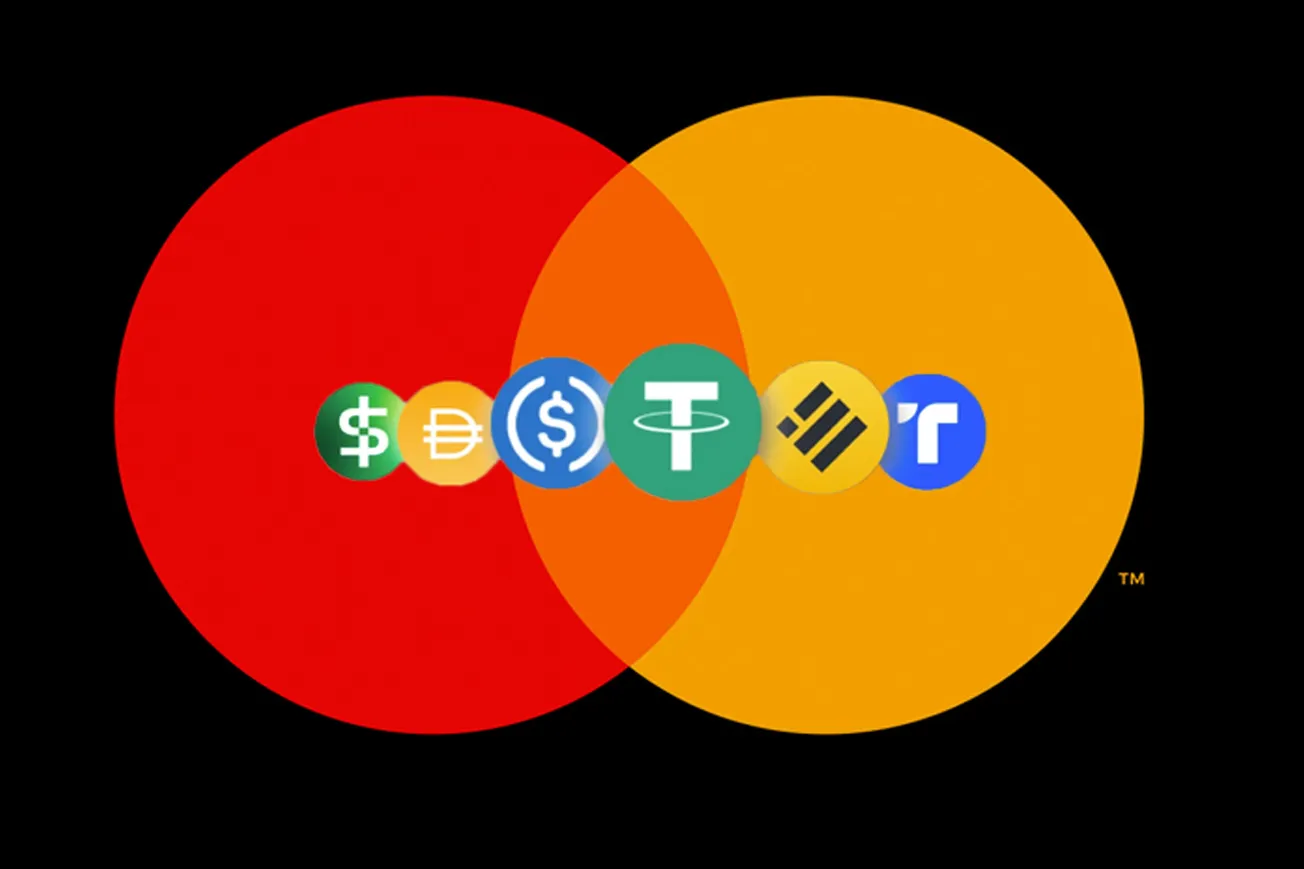
Mastercard has moved to expand its digital asset footprint by unveiling a stablecoin-powered global payment system that aims to bridge traditional finance with blockchain technology. The initiative incorporates wallet integration, card issuance, merchant settlement, and on-chain remittances, signalling a major endorsement for stablecoins within mainstream financial services.

The payments giant will partner with OKX to launch the OKX Card, offering users the ability to spend crypto assets seamlessly through Mastercard’s established infrastructure. The collaboration is positioned to provide cardholders with the option to convert their digital holdings into fiat currency at the point of sale, utilising USDC stablecoins to facilitate transactions in real time.

Mastercard’s broader collaboration also includes Circle, Nuvei, and Paxos, three key players in the stablecoin and blockchain space. The strategy centres on enabling direct merchant settlement using stablecoins, starting with USDC. The move is expected to accelerate merchant acceptance of digital currencies by eliminating the need for fiat conversions and complex intermediary processes.

Raj Dhamodharan, Mastercard’s head of crypto and blockchain, stated that the company is building a “future-proof” payments ecosystem that integrates digital assets responsibly and securely. He emphasised that Mastercard’s framework would ensure compliance with existing regulations and uphold strong consumer protection measures while offering the benefits of blockchain efficiencies.

By embedding stablecoins into payment rails, Mastercard is seeking to address long-standing challenges that have limited wider adoption of digital currencies, including volatility, liquidity management, and interoperability between financial systems. Stablecoins, which are typically pegged to fiat currencies like the US dollar, offer price stability that traditional cryptocurrencies like Bitcoin do not, making them more suitable for everyday transactions.

The OKX Card is expected to launch initially in select markets, with expansion plans to follow based on regulatory approvals and market demand. OKX’s president Hong Fang described the partnership as a “game-changer” that will “empower millions to experience the future of payments today.” The card will allow users to link their crypto wallets directly and spend their digital assets without the need to manually convert them into fiat beforehand.

Mastercard’s collaboration with Circle is particularly noteworthy as Circle’s USDC stablecoin is widely regarded for its regulatory compliance and transparency. Circle CEO Jeremy Allaire welcomed the partnership, highlighting that direct merchant settlement in USDC would reduce transaction costs, enhance speed, and provide greater transparency across payment processes.

Nuvei and Paxos will contribute to strengthening the backend settlement capabilities. Nuvei, a global payment technology firm, brings extensive experience in integrating alternative payment methods for merchants, while Paxos, a regulated blockchain infrastructure platform, provides trusted stablecoin issuance and custody solutions.

This new framework comes at a time when global financial institutions are increasingly exploring digital currencies. The Bank for International Settlements reported an upsurge in central bank digital currency projects globally, with a growing focus on how stablecoins and blockchain could complement traditional payment systems rather than disrupt them.

Mastercard has been experimenting with blockchain and digital assets for several years, conducting pilot programmes with various crypto companies and financial institutions. The company’s partnership with the Reserve Bank of Australia and the Digital Finance Cooperative Research Centre on a central bank digital currency pilot was another key step illustrating its commitment to innovating responsibly within the space.

Mastercard’s stablecoin settlement model follows a successful pilot in Australia, where live transactions using USDC and Mastercard’s network proved the technical viability and regulatory feasibility of using stablecoins for real-world transactions. The pilot included collaboration with Cuscal and Mintable, showcasing the ability to settle card transactions directly on blockchain networks.

Through these developments, Mastercard appears to be positioning itself as a leader among traditional financial service providers seeking to integrate blockchain into their core offerings. This approach not only supports digital asset adoption but also builds bridges between traditional payment providers and emerging decentralised finance ecosystems.

Industry analysts note that Mastercard’s entry into stablecoin-powered payments could force other major payment processors to accelerate their blockchain strategies. Visa, which has been running its own stablecoin settlement pilots, will likely view Mastercard’s moves as a call to action to deepen its blockchain integration efforts to remain competitive.

There are challenges ahead, particularly regarding regulatory clarity. Stablecoins have come under increasing scrutiny from regulators concerned about financial stability, money laundering, and consumer protection risks. Mastercard has indicated that its stablecoin programme will operate within regulated frameworks, ensuring that only stablecoins backed by transparent and compliant reserves are included.

The initiative also highlights growing merchant interest in accepting digital currencies without bearing volatility risks. Direct stablecoin settlement allows merchants to receive payment in a stable asset without relying on third-party crypto-to-fiat conversion services, streamlining operations and reducing costs.

As stablecoins continue to evolve beyond speculative assets into functional financial tools, Mastercard’s system reflects an understanding that digital currencies must serve real-world use cases to achieve mainstream adoption. The company’s ability to integrate stablecoin technology with traditional card networks could significantly alter how digital assets are used in daily commerce.

Mastercard’s latest announcement also underlines a broader industry shift toward interoperability. By supporting transactions across multiple blockchain networks and integrating with different stablecoin issuers, Mastercard aims to create a unified ecosystem where users, merchants, and financial institutions can interact seamlessly across both traditional and digital finance landscapes.


Hashdex, the prominent crypto asset management firm based in Brazil, has launched the world’s first spot XRP exchange-traded fund on B3, the São Paulo-based stock exchange. The ETF, known as the Hashdex XRP Fund , started trading this week, marking a significant milestone not only for Latin America’s evolving crypto landscape but also for the global cryptocurrency investment market.

Trading commenced after months of regulatory processes and product development, during which Hashdex worked closely with Brazil’s Comissão de Valores Mobiliários , the national securities regulator. The fund offers direct exposure to XRP, the digital asset created by Ripple Labs, without requiring investors to manage the underlying cryptocurrency themselves. The launch of XRP11 follows a broader trend of growing institutional acceptance of crypto assets in Brazil, where regulatory frameworks have been more accommodating compared to major markets like the United States.

Hashdex’s move underscores Brazil’s increasingly assertive position as a hub for cryptocurrency innovation. Marcelo Sampaio, CEO of Hashdex, said during the fund’s launch that the introduction of a spot XRP ETF aligns with the company’s mission to “bridge the gap between traditional finance and digital assets”. Sampaio added that the demand for diversified crypto investment vehicles has been consistently growing among Brazilian investors, citing the success of earlier Hashdex crypto ETFs such as HASH11, which tracks a basket of cryptocurrencies.

Brazil’s regulatory environment has played a key role in facilitating this development. The CVM has exhibited a proactive stance towards regulating crypto assets while encouraging innovation. In contrast, regulatory bodies like the US Securities and Exchange Commission have taken a more cautious approach, creating delays and uncertainties around the approval of spot crypto ETFs, particularly for assets beyond Bitcoin and Ethereum.

XRP, the digital token linked to Ripple Labs, has had a complex relationship with regulators globally. A significant development came after Ripple secured a partial legal victory against the SEC, wherein a US federal court ruled that XRP sales on public exchanges did not constitute investment contracts. This ruling, while still subject to ongoing litigation and appeals, provided a degree of clarity that has emboldened issuers like Hashdex to pursue XRP-focused financial products in other jurisdictions.

The Hashdex XRP Fund is structured similarly to traditional ETFs. Units of XRP11 are backed 100% by physically held XRP tokens, which are stored in institutional-grade custody solutions provided by trusted crypto custodians. The fund is priced and settled in Brazilian reals, and its portfolio is independently audited to ensure transparency and security for investors.

The move by Hashdex is seen by analysts as a strategic attempt to cement its leadership in the crypto asset management sector within Latin America. Hashdex has already been at the forefront of innovation, having earlier collaborated with Nasdaq to launch a Bitcoin futures ETF in the United States through a hybrid strategy. The launch of XRP11 marks the company’s first foray into offering single-asset spot ETFs focused on altcoins.

Investor response to the new product has been encouraging. Trading volumes for XRP11 on the first day exceeded initial expectations, indicating substantial appetite among retail and institutional investors for regulated crypto products. Paulo Mesquita, Head of Business Development at Hashdex, commented that “the robust reception signals a maturation of crypto investing in Brazil, with investors seeking broader exposure beyond Bitcoin.”

Attention now turns to the potential for similar products in the United States, where the SEC’s approach to spot crypto ETFs has been cautious, despite recent approvals of Bitcoin spot ETFs involving major financial institutions like BlackRock, Fidelity, and Grayscale. Market participants are closely monitoring whether Hashdex’s success in Brazil might embolden US asset managers to push harder for spot ETFs centred on altcoins such as XRP.

Several experts suggest that the SEC’s attitude towards XRP remains a critical obstacle. James Seyffart, an ETF analyst at Bloomberg Intelligence, noted that “until the regulatory status of XRP is definitively settled in the United States, it is unlikely that a spot XRP ETF will gain approval”. However, he added that legal outcomes favourable to Ripple could eventually open the door to similar products in the American market.

Brazil’s advancement comes at a time when global demand for cryptocurrency investment vehicles continues to evolve. Investors are increasingly seeking exposure to digital assets through traditional financial instruments, particularly those offering regulated, easy access without the complexities of direct crypto ownership. Latin America, driven by countries like Brazil, is emerging as a significant frontier for such innovations, offering lessons for larger markets grappling with regulatory hesitations.

Beyond XRP, Hashdex is reportedly exploring the possibility of launching additional single-asset ETFs focused on other major cryptocurrencies such as Solana and Polygon , depending on market conditions and regulatory developments. Such diversification could position Brazil as a critical player in the next wave of crypto investment products, rivalling traditional centres like the US, Europe, and parts of Asia.

VISHNU RAJA
RYO YAMADA
HITORI GOTOH
IKUYO KITA