News related to
Bitcoin

A proposal urging Microsoft to integrate Bitcoin into its financial reserves faced rejection during the company’s shareholder meeting, reflecting a cautious stance toward cryptocurrency adoption among major corporate players. The resolution, championed by MicroStrategy’s Michael Saylor, highlighted Bitcoin’s potential to augment shareholder value and align with broader technological trends. However, Microsoft’s leadership and a significant majority of its investors opposed the move, signaling concerns about volatility and strategic misalignment.

Michael Saylor, known for steering MicroStrategy toward aggressive Bitcoin investments, presented a compelling case during the meeting. He suggested that Microsoft could enhance its valuation by leveraging Bitcoin as a strategic asset, proposing a reallocation of the company’s $80 billion in cash reserves toward cryptocurrency acquisitions. Saylor argued that this shift could potentially add trillions of dollars to the company’s market value, citing the broader acceptance of Bitcoin among institutional investors and governments.

The proposal drew mixed reactions. While some retail investors, constituting approximately 23.5% of Microsoft’s shareholder base, expressed interest in exploring Bitcoin’s long-term benefits, institutional investors, who hold nearly 70% of Microsoft shares, were more reserved. Prominent shareholders, including Vanguard Group, BlackRock, and State Street, echoed concerns about Bitcoin’s price volatility, regulatory uncertainties, and its alignment with Microsoft’s core business strategy.

Microsoft’s executive team, led by CEO Satya Nadella, also maintained a cautious approach. Despite acknowledging the transformative potential of blockchain and decentralized technologies, the leadership emphasized the importance of prudent financial management and alignment with shareholder expectations. The decision to reject the proposal was reinforced by the belief that Microsoft’s current capital allocation strategies, such as stock buybacks and dividend payouts, deliver more predictable and stable returns.

Michael Saylor’s advocacy for Bitcoin stems from his own company’s extensive experience in cryptocurrency investments. MicroStrategy has acquired over 386,000 Bitcoins since 2020, with its holdings significantly appreciating in value during Bitcoin’s bullish phases. However, this strategy has also exposed the company to criticism and financial risks during market downturns.

The debate surrounding Microsoft’s potential adoption of Bitcoin highlights a broader discussion within corporate America about cryptocurrency’s role in financial and technological ecosystems. While tech-focused companies like Tesla and Square have embraced Bitcoin as a reserve asset, others remain hesitant, prioritizing stability and regulatory compliance over speculative gains.

This shareholder decision underscores the growing polarization over cryptocurrency in corporate governance. While proponents argue that Bitcoin can serve as a hedge against inflation and a catalyst for technological innovation, skeptics warn of its inherent risks and regulatory challenges. As Microsoft moves forward, its rejection of this proposal reaffirms its commitment to traditional financial prudence, signaling a reluctance to adopt untested financial strategies despite evolving market trends.

The rejection may influence broader corporate sentiment toward cryptocurrency adoption, especially among technology giants. It reflects a prevailing view that while blockchain technologies may hold significant promise, their integration into mainstream financial operations remains fraught with challenges. This decision will likely serve as a reference point for other corporations evaluating Bitcoin’s role in their financial frameworks.

Bitcoin experienced one of its sharpest market corrections since 2021, with over $1.6 billion liquidated across the crypto ecosystem in a single day. The cascade of sell-offs led Bitcoin to tumble by more than 10% at its peak, sparking widespread volatility among major cryptocurrencies.

Aggressive selling activity on platforms like Coinbase set the stage for the plunge, beginning just an hour before Bitcoin entered critical price zones. These levels triggered mass liquidations of highly leveraged positions, amplifying the market’s decline. Analysts have pointed to indicators such as surging funding rates and open interest in derivatives markets as evidence of an overheated market ripe for correction.

Ethereum also faced heightened volatility but rebounded with significant buying pressure, signaling continued interest from institutional players. Meanwhile, XRP recorded a sharp 5% drop, with market watchers attributing the decline to concentrated sell-offs, possibly by a major player reducing their holdings. This triggered further liquidations across derivatives platforms, compounding the downward momentum.

The overall liquidity in the market remains a challenge despite the high market caps of leading tokens. The thin order books exacerbated price swings, yet also allowed for rapid recoveries as buyers capitalized on the dip. This trend was particularly evident in Bitcoin, which regained key levels shortly after the drop, trading near $96,500 at press time. Similarly, altcoins like Solana and Cardano saw significant trading activity, reflecting investor optimism despite the turbulence.

Argentina has approved the use of cryptocurrency-based exchange-traded funds (ETFs), signaling a transformative step in the nation’s financial sector. This move permits investors to engage in assets like Bitcoin, Ethereum, and gold, broadening Argentina’s investment landscape and aligning it with global market standards.

The introduction of these ETFs comes under the libertarian leadership of President Javier Milei, whose policies emphasize decentralization and financial innovation. By embracing crypto ETFs, Argentina positions itself as a forward-thinking player in a rapidly evolving global financial ecosystem. The initiative aims to attract both domestic and international investors, diversifying portfolio options and fostering economic growth.

Crypto ETFs provide a structured way to invest in volatile assets by bundling cryptocurrencies into a single financial product traded on exchanges. This development holds particular significance in a country grappling with inflation and limited access to traditional foreign investment instruments. By enabling the public to invest in alternative assets, the measure seeks to empower individuals and enhance market participation.

The country’s Comisión Nacional de Valores (CNV) played a central role in approving these ETFs, marking a pivotal regulatory shift. The CNV has outlined strict compliance measures to ensure transparency and mitigate risks associated with cryptocurrencies. These steps reflect a balancing act between innovation and safeguarding investor interests, particularly amid global concerns about the volatility and regulatory challenges of digital currencies.

Market analysts view this decision as a strategic alignment with international financial trends, where cryptocurrency ETFs have gained traction in regions like North America and Europe. Argentina now joins a league of nations pioneering regulated access to digital assets, furthering its ambition to modernize its financial infrastructure.

This approval aligns with President Milei’s broader economic agenda, which includes fostering a free-market economy and reducing state intervention. His administration’s focus on financial decentralization resonates with the ethos of cryptocurrency, which advocates for autonomy and borderless transactions. The president has frequently highlighted the potential of digital currencies to address economic challenges, including hyperinflation and currency devaluation, issues that have long plagued the Argentine economy.

Cryptocurrency adoption in Argentina has seen substantial growth in recent years, driven by a combination of economic instability and technological advancements. With limited trust in traditional banking systems, many Argentines have turned to cryptocurrencies as a hedge against inflation and currency depreciation. The legalization of crypto ETFs is expected to amplify this trend, making digital assets more accessible to a broader audience.

The move also aligns with the global shift towards integrating blockchain technology into traditional finance. Experts suggest that Argentina’s adoption of crypto ETFs could catalyze further innovations in the Latin American financial market, setting a precedent for neighboring countries to follow. This regional influence could spur economic collaboration and attract tech-focused investments across borders.

Binance has disclosed its 25th proof of reserves, showing mixed movements in the assets held by users. As of December 1, the crypto exchange’s report highlighted shifts across multiple currencies, with some showing significant increases while others experienced declines.

According to the latest data, Bitcoin (BTC) holdings on the platform decreased by 4.68% compared to the previous month, dropping to 580,000 BTC. Ethereum (ETH), however, saw a notable increase of 5.24%, with the total Ethereum reserve rising to 4.9 million ETH. The rise in Ethereum’s balance suggests a continued confidence in the second-largest cryptocurrency, which has maintained its relevance in the market amid shifting investor preferences.

In stark contrast to the fluctuations in BTC and ETH, Tether (USDT) reserves on Binance surged by 20.93%, reaching $25.2 billion. This growth highlights the continued demand for stablecoins, with USDT maintaining its status as a preferred stablecoin for traders and investors seeking to hedge against volatility in the broader crypto market.

Binance’s native token, Binance Coin (BNB), saw a slight decline of 2.15%, bringing the total BNB balance to 37.1 million. Despite this dip, BNB remains one of the key assets on the platform, closely tied to various Binance services and offerings.

The exchange’s regular release of proof of reserves has been part of its ongoing efforts to assure users of the safety and transparency of their holdings. This initiative was initially implemented following the collapse of FTX in late 2022, which triggered widespread concerns over the solvency of cryptocurrency exchanges. Binance, as one of the largest players in the space, has consistently aimed to bolster user trust through these detailed reports, which are generated in collaboration with independent auditors.

The latest proof of reserves report comes at a time when the global crypto market has seen fluctuating trends. After a year of turbulence, some market participants are showing increased caution, while others are taking the opportunity to reinvest in leading assets like Ethereum. The surge in stablecoin reserves, particularly USDT, reflects the market’s ongoing uncertainty and the preference for liquidity that stablecoins provide in volatile conditions.

While Binance has provided more transparency than many of its competitors, the report does not fully dispel concerns about market dynamics. Experts continue to stress the need for enhanced regulatory oversight in the crypto industry, particularly around proof of reserves and the way exchanges report their holdings. Some analysts have raised questions about the accuracy of the data provided in such reports, suggesting that further scrutiny may be necessary to fully ensure the security of user assets.

Binance’s disclosure of its reserves also aligns with broader industry trends. Following FTX’s collapse, exchanges worldwide have been under pressure to increase their transparency and undergo regular audits to prove they hold sufficient assets to cover user deposits. As the crypto market matures, regulatory frameworks are evolving to address concerns over liquidity, security, and the overall stability of the ecosystem.

Cryptocurrency, particularly Bitcoin, is increasingly seen as a disruptive force across global financial systems, with a potential to reshape even the most traditional sectors. In the Middle East and North Africa (MENA) region, where Islamic finance principles govern a large portion of financial activities, Bitcoin could signal a fundamental shift. Islamic finance, based on Sharia law, prohibits earning income from interest or investments in businesses that conflict […]

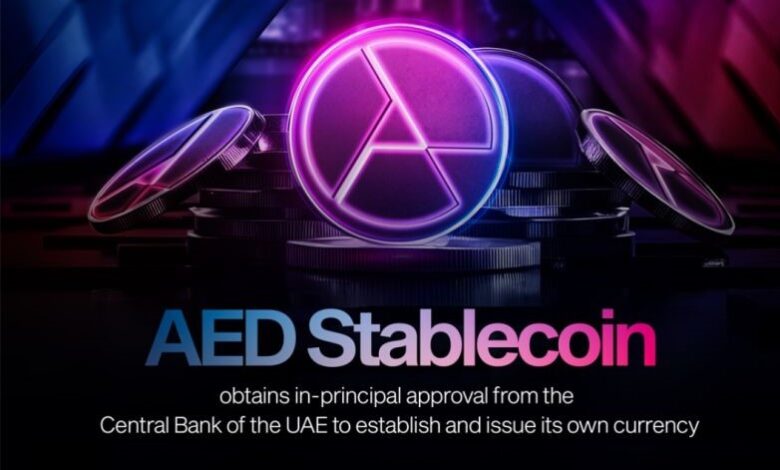
The UAE’s first regulated stablecoin has officially received the final green light from authorities, setting the stage for its anticipated launch across the country. This milestone marks a significant development in the UAE’s push to establish itself as a leading player in the global cryptocurrency market. With this approval, the stablecoin is poised to offer greater security and transparency in digital transactions, contributing to the growth of the digital economy in the region.

The UAE’s financial sector has undergone a significant transformation in recent years, driven by the government’s efforts to modernize its financial infrastructure. This stablecoin approval reflects the country’s ambition to integrate blockchain technology into its financial system and attract global investors looking for a secure digital asset to support transactions. The approval was granted by the UAE’s Financial Services Regulatory Authority (FSRA), which oversees all financial products and services in the Abu Dhabi Global Market (ADGM). This move is seen as part of a broader strategy to encourage the growth of fintech and blockchain-related ventures in the region.

The stablecoin, designed to be pegged to the value of the US dollar, will provide an alternative to more volatile cryptocurrencies such as Bitcoin and Ethereum. By pegging the value of the digital currency to a stable asset, the UAE’s stablecoin aims to mitigate the price fluctuations that often make other cryptocurrencies less attractive for everyday transactions. This stablecoin will be available to both businesses and consumers within the UAE, offering them a more secure, stable, and efficient way to carry out digital payments and trade.

The approval of the stablecoin also aligns with the UAE’s broader goals of expanding its digital economy. The UAE government has placed considerable emphasis on developing blockchain technologies, with the country’s leaders recognizing the potential for these innovations to revolutionize industries such as finance, real estate, and logistics. As part of the UAE’s “Vision 2021” initiative, there have been efforts to establish Dubai as a global hub for blockchain technology and cryptocurrency. These efforts have been amplified by the Dubai International Financial Centre (DIFC), which has introduced new regulations to govern the use of blockchain and cryptocurrency assets.

Industry experts view this approval as a major step forward for the UAE’s financial landscape. With the introduction of the stablecoin, businesses in the UAE will be able to make international transactions more efficiently, with fewer delays and reduced risks compared to traditional banking systems. Additionally, consumers will be able to use the stablecoin to pay for goods and services, facilitating everyday transactions in a secure and stable manner.

The issuance of a regulated stablecoin also brings the UAE in line with other countries that have moved forward with digital currencies. As countries around the world begin to recognize the need for secure, regulated digital currencies, the UAE’s stablecoin will likely gain traction as a reliable alternative for those seeking to move away from unstable fiat currencies. The stablecoin approval comes on the back of similar developments in countries such as China, where the People’s Bank of China has developed its own digital currency, and in Europe, where the European Central Bank has been exploring the creation of a digital euro.

UAE regulators have indicated that the stablecoin will undergo rigorous monitoring to ensure its stability and compliance with the country’s financial regulations. This will involve ongoing audits and checks to ensure that the stablecoin remains fully backed by the US dollar and that it adheres to anti-money laundering (AML) and know-your-customer (KYC) standards. The FSRA’s regulatory oversight is expected to instill greater confidence in users and investors, making the stablecoin a secure asset for transactions and investments.

With its stablecoin now officially approved, the UAE is positioning itself at the forefront of the cryptocurrency revolution. The development signals the country’s commitment to creating a forward-thinking financial system that embraces innovation while ensuring that new technologies are regulated in a way that protects consumers and businesses alike. The stablecoin is expected to become a key component of the UAE’s broader strategy to promote digital transformation, particularly in sectors such as finance, e-commerce, and international trade.

As the UAE becomes one of the first countries in the region to offer a regulated stablecoin, it sets a precedent for other countries in the Middle East and North Africa (MENA) to follow. The move could also position the UAE as a key player in the global cryptocurrency market, attracting international investors and businesses seeking a secure and regulated environment for their digital assets.

Several key figures from the Trump family and its network gathered at a high-profile cryptocurrency event in the Gulf region, where the convergence of digital currencies and the ever-growing market for crypto investments was on full display. The event, widely attended by industry leaders, investors, and political figures, provided a platform to discuss the emerging landscape of cryptocurrency, with a particular focus on Bitcoin, blockchain technology, and their future within global markets.

As the world navigates the evolving world of cryptocurrencies, the Gulf has become a hotspot for discussions around Bitcoin’s potential and the rising interest among both investors and political figures in the region. The event served as a reflection of broader global trends, where prominent political and business figures are increasingly aligning themselves with the digital currency space. For the Trump family and its allies, this marks an intensified involvement in the ever-growing crypto economy, a sector that has captured the attention of major global investors.

Donald Trump’s family members and political allies, including former White House officials and business partners, were seen attending various sessions during the gathering. These figures have been closely linked with the cryptocurrency movement for years, and their participation at the Gulf event highlights the increasing intersection between the digital currency world and high-profile political figures. Their presence not only signals a growing interest in the sector but also indicates how crypto has evolved from a niche technology to a mainstream financial asset.

The Trump family’s involvement in crypto aligns with broader Republican Party figures, some of whom have advocated for fewer regulations and a more lenient approach to crypto markets. Trump himself, while not overtly endorsing cryptocurrency in public statements, has repeatedly shown an interest in economic policies that benefit digital assets, often commenting on the need for more favorable conditions for businesses in the U.S. crypto space.

This growing alignment between the Trump family and cryptocurrency advocates has led to discussions regarding how the family’s network could further influence digital asset regulations. It is an environment that is ripe for policy lobbying and potential investment opportunities, making it a key area of focus for those gathered at the Gulf conference.

The Gulf region, particularly countries like the UAE and Saudi Arabia, has increasingly emerged as a global center for cryptocurrency innovation and regulation. These nations have been proactive in cultivating a crypto-friendly environment, with numerous free zones and financial hubs aimed at attracting digital asset companies and investors. Their push to position themselves as leaders in the digital finance sector is evident through initiatives aimed at creating regulatory frameworks that are conducive to cryptocurrency ventures.

For the Trump family and its allies, the event in the Gulf represents not just an opportunity to network, but also a deeper engagement with the region’s cryptocurrency potential. A number of Gulf-based investors have been vocal about their interest in Bitcoin, often citing its promise as a store of value amidst global economic instability. This is a view that aligns closely with statements made by key Trump allies, who see Bitcoin as a hedge against inflation and a safeguard for the future of financial systems.

While the Trump family’s direct involvement in crypto investments remains largely speculative, many members of their political network are increasingly vocal in advocating for the integration of cryptocurrency into mainstream financial markets. At the Gulf gathering, several key figures in the Trump camp discussed the potential for digital currencies to be integrated into broader financial systems, from asset management to cross-border payments, and even within the governance structures of central banks.

The event also highlighted the expanding role of cryptocurrency in global political and economic spheres. From the Trump family’s interactions with regional investors to the broader geopolitical implications of a burgeoning crypto economy, it is clear that the Gulf is positioning itself as a critical player in the digital finance space. For countries seeking to diversify their economies and establish dominance in future technologies, cryptocurrencies present an undeniable opportunity.

This expansion of crypto’s influence has not gone unnoticed among policy-makers. With growing calls for clearer regulations to protect both investors and the integrity of the financial system, the Gulf event also shed light on the regulatory challenges that come with rapid crypto adoption. Many industry leaders, alongside political figures, are discussing the importance of establishing global standards that could guide the industry in its growth while ensuring that digital currencies do not pose systemic risks to the financial ecosystem.

The Gulf event also served as a backdrop to discussions about the broader economic implications of cryptocurrencies, especially Bitcoin. As more global corporations and governments consider how to integrate digital assets into their financial systems, the Trump family’s growing involvement signals a broader shift in how political figures engage with the crypto industry. This is not just about investment but also about shaping the future of digital finance through favorable policies and regulatory measures.

As the cryptocurrency market continues to mature, it is clear that the involvement of key political figures, such as those from the Trump family, will play a crucial role in influencing both the regulatory landscape and the direction of investment in digital assets. The event in the Gulf was a clear demonstration of the growing interconnections between political figures, investors, and the rapidly evolving world of cryptocurrencies.

Advertisements

Eric Trump, the son of former U.S. President Donald Trump, is set to deliver a keynote address at the Bitcoin MENA conference in Abu Dhabi, marking his debut at a major cryptocurrency event. The conference, one of the most anticipated gatherings of cryptocurrency enthusiasts and investors in the Middle East and North Africa (MENA) region, comes at a time when the global digital asset market is experiencing a surge in both interest and investment.

Bitcoin MENA, which is scheduled to take place in Abu Dhabi in the coming weeks, will bring together industry leaders, investors, regulators, and developers from around the world to discuss the future of digital currencies and blockchain technology. The event is expected to focus on the rapid developments in the cryptocurrency space, regulatory changes, and opportunities for growth, especially in emerging markets.

Eric Trump’s involvement is seen as significant given his family’s established prominence in the political and business arenas. As the executive vice president of the Trump Organization, Eric Trump has been involved in several business ventures, though this marks a rare public appearance in the cryptocurrency sector. His participation is seen as part of a broader trend where mainstream business figures are increasingly engaging with digital assets as part of their investment strategies.

The cryptocurrency market has seen explosive growth over the past few years, with Bitcoin and other digital currencies reaching all-time highs in value. The MENA region, in particular, has emerged as a key player in the global crypto space, with several countries, including the UAE, creating favorable environments for blockchain and cryptocurrency innovations. Abu Dhabi, with its burgeoning tech infrastructure and regulatory framework, has positioned itself as a hub for fintech and digital finance in the region.

The UAE, where Bitcoin MENA is taking place, has been proactive in adopting blockchain technology. The UAE government’s initiative to integrate blockchain into various sectors, including finance, real estate, and healthcare, has been a driving force in the rise of digital assets within the region. The UAE’s progressive stance on cryptocurrencies has attracted significant foreign investment and a growing number of startups focused on blockchain technology.

In particular, the Abu Dhabi Global Market (ADGM), a financial free zone, has been pivotal in shaping the regulatory landscape for cryptocurrencies in the region. ADGM has implemented clear regulations for cryptocurrency exchanges and trading, creating a safer and more attractive environment for investors and businesses. The UAE’s leadership has also signaled its intent to develop the nation into a leading global fintech center, with blockchain technology at the forefront of these ambitions.

The timing of the Bitcoin MENA conference is particularly notable given the broader context of the cryptocurrency market’s performance. Bitcoin, the largest cryptocurrency by market capitalization, recently surpassed $35,000, reaching new heights despite some ongoing concerns around regulatory scrutiny and market volatility. Analysts suggest that the market is entering a new phase, characterized by institutional adoption and growing acceptance of cryptocurrencies as a legitimate asset class.

Several factors have contributed to the rise of cryptocurrency, including the increasing institutional interest in digital assets, as well as the growing recognition of blockchain technology’s potential to revolutionize various industries. Investment firms, hedge funds, and even governments are increasingly looking at ways to incorporate digital currencies into their portfolios, with some countries exploring the creation of central bank digital currencies (CBDCs) as part of their financial strategies.

For Eric Trump, his appearance at the Bitcoin MENA conference aligns with his family’s broader interest in global business opportunities, including those in the tech and finance sectors. Though primarily known for his family’s real estate business, the Trump Organization has diversified its interests into various fields over the years. Eric Trump’s participation is also likely to draw attention from investors who are looking to connect the worlds of traditional business and cryptocurrency.

The UAE’s role as a key player in the digital economy is also attracting increasing interest from global investors, particularly those looking for opportunities in the cryptocurrency and blockchain sectors. The country’s focus on diversifying its economy away from oil dependence has led to a greater emphasis on tech-driven industries, including fintech, artificial intelligence, and digital assets. This approach aligns with the global trend toward digitization and offers promising prospects for growth in the cryptocurrency market.

As Bitcoin and other cryptocurrencies continue to gain traction across the globe, the role of events like Bitcoin MENA will be crucial in shaping the discourse around regulation, innovation, and market development. The conference will provide an opportunity for thought leaders and experts to engage in discussions on the future of digital currencies, including their impact on global financial systems and their potential to disrupt traditional industries.

Bitcoin’s monumental climb to $100,000 had all the trappings of a historic achievement. The cryptocurrency’s value soared as market analysts predicted continued growth, and investors dreamed of an even greater financial revolution. Despite the fanfare surrounding Bitcoin’s rally, an unexpected event in the world of altcoins quickly drew significant attention: the sudden collapse of Hawk Tuah, a cryptocurrency that had captivated many. What was once seen as a promising token has now raised questions about the stability of digital assets and the volatile nature of the crypto space.

Bitcoin’s $100K achievement was anticipated for years by its most ardent supporters, who argue that the cryptocurrency is poised to disrupt traditional finance. Many analysts view Bitcoin as a store of value akin to gold, especially during times of economic instability. A surge in institutional investment and public interest contributed to the rise in Bitcoin’s price, spurred by fears of inflation, the erosion of traditional financial systems, and growing support from government-backed institutions worldwide. As Bitcoin breached the $100K mark, enthusiasts celebrated, hoping the moment would mark the beginning of a new era for digital currencies.

However, while Bitcoin was grabbing the headlines, an altcoin—Hawk Tuah—was making waves for a completely different reason. A social media frenzy about Hawk Tuah’s potential led to an influx of retail investors, many of whom viewed the coin as a shortcut to quick profits. Cryptocurrency enthusiasts, seeking new opportunities outside Bitcoin, were drawn to Hawk Tuah’s marketing promises, with influencers and self-styled financial gurus touting it as a major up-and-comer.

The coin’s rapid ascent was fueled by hype and speculation, yet the rapid downfall was equally abrupt. Less than a week after Hawk Tuah reached its all-time high, it became clear that the project was riddled with issues: broken promises, questionable development practices, and, in some cases, fraud allegations. In an industry plagued by instability and a lack of regulation, the Hawk Tuah crash was a stark reminder of the risks involved in crypto investments.

In many online communities, the collapse of Hawk Tuah overshadowed Bitcoin’s milestone. Enthusiasts who had once been excited about Bitcoin’s price surge seemed far more engaged in analyzing the rise and fall of the altcoin. Even conversations among casual investors and retail participants shifted focus toward the sudden evaporation of Hawk Tuah’s market capitalization. Some even compared the situation to the famous “pump and dump” schemes that have plagued the crypto space for years.

Experts have weighed in on why the drama surrounding Hawk Tuah stole attention from Bitcoin’s $100K moment. For one, the crypto space remains largely unregulated, making it difficult for investors to distinguish between legitimate projects and speculative ventures. As Bitcoin gains more mainstream acceptance, smaller projects like Hawk Tuah leverage social media and influencer marketing to attract the attention of everyday investors, often without offering a transparent roadmap or fundamental utility. These tactics have raised alarms among financial experts, who caution that the lack of due diligence can lead to catastrophic losses.

The emotional allure of altcoins often leads to impulsive decisions, driven by the fear of missing out on the next big thing. Retail investors, many of whom lack the expertise to fully assess the long-term viability of a crypto asset, tend to be drawn in by short-term price movements rather than evaluating the coin’s underlying technology and use case. Hawk Tuah was no exception. As news of its rapid price escalation spread across social media platforms, inexperienced traders piled in, hoping for a fast return.

While Bitcoin’s position as the leader of the cryptocurrency market remains undisputed, the Hawk Tuah debacle serves as a cautionary tale for investors. Even as Bitcoin’s market cap continues to soar, the volatility of altcoins like Hawk Tuah shows that the crypto landscape is still filled with uncertainty. The success of a few digital currencies can overshadow the broader, more dangerous realities of the market. While Bitcoin may continue to rise, the price of altcoins often remains susceptible to the whims of influencers, market sentiment, and, more ominously, scam artists.

For many, the Hawk Tuah disaster is emblematic of a larger issue in the crypto world: the lack of regulation and investor protections. Unlike traditional stocks, which are subject to stringent rules and oversight, the cryptocurrency market operates in a gray area, with minimal regulatory frameworks in place. This allows for rapid price fluctuations and allows unverified projects to thrive. With the crypto sector continually drawing new participants, questions surrounding accountability, transparency, and investor safety are growing louder.

Despite the turbulence in the altcoin market, Bitcoin’s fundamentals remain strong. Institutional adoption, continued mainstream integration, and growing interest from governments around the world are signs that Bitcoin’s rise may not be a fleeting moment but the start of a more stable, established financial instrument. Yet, even with Bitcoin’s increasing legitimacy, the volatility of the broader market continues to pose challenges for investors looking for consistent returns.

Cryptocurrency trading in South Korea shows a clear preference for altcoins, with 93% of transactions in the country involving digital assets other than Bitcoin. This trend starkly contrasts with the U.S., where Bitcoin continues to hold a larger share of the market, accounting for 29.5% of cryptocurrency transactions.

The growing dominance of altcoins in South Korea is reflective of broader trends within the cryptocurrency ecosystem. While Bitcoin remains the first and most recognized cryptocurrency worldwide, the South Korean market has become a hotspot for alternative cryptocurrencies. These digital assets, often referred to as altcoins, have gained significant traction, with a variety of tokens fueling both investment and speculative trading.

The data highlighting this shift reveals a marked preference for altcoins among South Korean investors, who appear to favor the variety and potential for high returns that altcoins offer. This preference may be driven by a combination of factors, including technological innovation, market volatility, and the potential for faster gains that altcoins can provide compared to Bitcoin, which has a more established presence and slower growth trajectory.

Several of these altcoins have gained popularity due to their specific utility in different sectors, from decentralized finance (DeFi) to gaming and non-fungible tokens (NFTs). The South Korean market, known for its high engagement with emerging technologies and trends, has also seen a growing interest in blockchain projects that offer more than just a store of value, making altcoins an attractive option for a broad base of retail investors.

In contrast, Bitcoin still holds significant sway in the U.S. market, accounting for almost a third of all cryptocurrency transactions. The U.S. has historically been a leader in the cryptocurrency space, with early adoption of Bitcoin paving the way for widespread acceptance. Institutional investment in Bitcoin, along with its status as the first cryptocurrency, has helped maintain its dominance in the American market.

Bitcoin’s larger share of the market in the U.S. is often attributed to its role as a store of value and the most recognized cryptocurrency. Despite the rise of altcoins globally, Bitcoin continues to be viewed as a safer, more stable investment option by many, particularly in more developed markets like the U.S. where institutional investors are a key component of the cryptocurrency ecosystem.

South Korea’s crypto trading landscape is also influenced by the country’s government policies and regulatory environment, which have been both restrictive and supportive of the crypto industry. South Korean regulators have implemented measures to curb speculative trading, including restrictions on anonymous crypto trading and a tax on crypto earnings. However, the country has also embraced blockchain technology and is a significant player in the global cryptocurrency market, making it a key area of focus for cryptocurrency exchanges and investors.

The dominance of altcoins in South Korea also reflects broader regional trends in Asia. Countries like Japan and China have had varying levels of cryptocurrency regulation, but South Korea has emerged as a prominent hub for crypto trading in Asia. The country’s crypto exchanges, such as Upbit, Bithumb, and Coinone, are among the largest in the world by trading volume, underscoring the importance of South Korea in the global digital asset market.

The high volume of altcoin transactions in South Korea is also indicative of a more risk-tolerant investor base. Many South Korean traders are known for their willingness to engage in speculative trading, often seeking to capitalize on the volatility of smaller cryptocurrencies. This risk appetite has created a market where altcoins, despite their relative instability compared to Bitcoin, are seen as more appealing due to the potential for higher rewards.

Despite these trends, Bitcoin’s position in South Korea is not negligible. Although it represents a smaller portion of the overall market compared to altcoins, it remains a key asset in the portfolios of many crypto traders. Bitcoin’s continued relevance is supported by its use as a benchmark for the broader cryptocurrency market, as well as its position as the largest and most well-established cryptocurrency.

Global trends in the cryptocurrency market suggest that the preference for altcoins in South Korea could have implications for other markets, particularly in Asia. As cryptocurrencies evolve and new technologies emerge, the demand for more specialized tokens could increase, leading to further shifts in market dynamics. While Bitcoin remains dominant in many regions, the rise of altcoins is a testament to the diversity and innovation that continues to characterize the cryptocurrency space.

The ongoing global competition between Bitcoin and altcoins reflects the broader evolution of the cryptocurrency ecosystem. As new use cases for digital assets continue to emerge, investors in markets like South Korea are looking beyond Bitcoin to find the next big opportunity. This trend highlights the complex and fast-changing nature of the crypto world, where innovation is constant and market preferences can shift rapidly.

The U.S. Securities and Exchange Commission (SEC) has taken steps to halt progress on Solana exchange-traded fund (ETF) applications submitted by multiple issuers. These ETFs, designed to offer investors direct exposure to Solana (SOL), have encountered significant regulatory resistance. This marks a substantial setback for proponents of cryptocurrency-based ETFs within the United States.

At least two of the five firms seeking SEC approval for Solana ETFs, including prominent asset managers like VanEck and 21Shares, were informed their applications under the 19b-4 rule would not proceed. These filings, which represent a request to amend exchange listing rules to accommodate new financial products, are a critical step toward launching ETFs. However, the SEC’s decision to reject these applications indicates the regulatory body’s ongoing unease with the cryptocurrency market. Reports suggest the agency is particularly concerned about the classification of Solana as an unregistered security and its implications for the broader financial system.

The SEC’s scrutiny comes amid heightened attention on cryptocurrencies, with regulators debating whether certain digital assets, including Solana, function as securities or commodities. Solana’s rapid adoption and integration into decentralized finance (DeFi) ecosystems have spurred investor interest, but the ambiguity surrounding its regulatory status has made institutional adoption in the U.S. challenging.

The rejected filings were submitted through the Chicago Board Options Exchange (Cboe) earlier this year. While some issuers remain optimistic that changes in the regulatory environment could reopen discussions, others view the SEC’s stance as a signal that cryptocurrency ETFs, especially those based on altcoins like Solana, will face significant hurdles under the current administration.

International markets, however, have taken a different approach. In Brazil, a Solana-based ETF recently gained approval from local regulators, highlighting the divergence in regulatory attitudes between jurisdictions. This development has provided a glimmer of hope for cryptocurrency advocates, who argue that the U.S. risks falling behind in fostering innovation in digital assets.

The SEC’s position reflects broader challenges faced by cryptocurrency ETFs, with regulatory concerns extending beyond Solana to include issues such as market manipulation, investor protection, and systemic risk. The rejection of Solana ETF filings echoes the agency’s previous denials of spot Bitcoin ETFs, which similarly struggled to address regulatory apprehensions.

Global cryptocurrency trading volumes surged to record highs in November, with spot markets witnessing a transaction volume of $2.7 trillion, marking the most significant activity since mid-2021. This dramatic increase coincided with substantial developments in the political and economic landscape, catalyzing heightened market enthusiasm. Futures trading also experienced a remarkable boost, with Bitcoin and Ethereum futures dominating the derivatives segment.

The momentum in the cryptocurrency market followed the reelection of Donald Trump as U.S. President, a development that fueled optimism around potential regulatory reforms. The departure of SEC Chair Gary Gensler added to this positive sentiment, as his tenure was marked by stringent scrutiny of digital assets. Market participants anticipate a more supportive stance toward cryptocurrencies under the new administration, especially after campaign promises to position the U.S. as a global hub for digital finance.

Bitcoin approached the $100,000 mark for the first time, underscoring a bull run driven by multiple factors. The approval of Bitcoin ETFs in several jurisdictions further encouraged institutional investment, with a combined inflow of $6.87 billion during November. This development was instrumental in providing institutional investors with a more streamlined pathway to crypto exposure, signaling a shift toward mainstream adoption.

The global market cap for cryptocurrencies rose to $3.47 trillion, reflecting robust investor confidence. Exchanges such as Binance and Kraken reported unprecedented activity in perpetual contracts, with altcoins like Solana and Dogecoin showing significant trading volume increases. Dogecoin, often viewed as a speculative asset, briefly surpassed Ethereum in daily trading volumes, highlighting its growing appeal among traders.

Regulatory shifts outside the U.S. also contributed to the rally. Nations in Asia and Europe introduced or committed to frameworks for digital assets, providing much-needed clarity for investors. These developments have encouraged both institutional and retail investors to explore opportunities in the cryptocurrency ecosystem, further driving up trading volumes.

The macroeconomic environment also played a pivotal role. The U.S. Federal Reserve’s decision to ease monetary policy injected additional liquidity into financial markets. Investors flocked to cryptocurrencies as a hedge against inflation, drawn by their scarcity and potential for high returns. This influx of capital was particularly evident in Bitcoin, which saw substantial growth in both spot and futures markets.

Ripple has announced a delay in the launch of its RLUSD stablecoin, clarifying that it will not debut the product today as initially expected. The company, a leading blockchain-based payments firm, cited the need for final approval from the New York Department of Financial Services (NYDFS) before proceeding with the launch.

This postponement has added to the mounting attention surrounding the regulatory landscape for digital assets in the U.S., particularly in the wake of growing scrutiny by state and federal regulators. The RLUSD stablecoin, which is designed to function as a regulated digital dollar, is seen as a key component of Ripple’s strategy to expand its offerings in the cryptocurrency and payments market.

Ripple’s announcement of the delay comes as the company continues to navigate its ongoing legal battle with the U.S. Securities and Exchange Commission (SEC), which has raised questions about the classification of certain cryptocurrencies as securities. Despite this, Ripple remains confident that the stablecoin will eventually receive approval from the NYDFS, a crucial step for its broader plans to integrate stablecoin services within the existing financial ecosystem.

The NYDFS is one of the primary regulatory bodies overseeing cryptocurrency and blockchain-based financial products in New York, a state known for its strict regulations. Ripple’s delay highlights the growing regulatory complexities facing cryptocurrency firms as they seek approval for new products. Stablecoins, in particular, have become a focal point for regulators, due to concerns over their potential to affect the stability of traditional financial systems and facilitate illicit activities.

As the U.S. government tightens its oversight of cryptocurrencies, Ripple’s RLUSD stablecoin represents an attempt to align itself with regulatory expectations, especially as the company aims to create a transparent and fully compliant digital currency. The product is designed to offer greater stability and transparency compared to other digital currencies, with the backing of traditional assets such as the U.S. dollar, which would be held in reserves.

Ripple has emphasized that the RLUSD stablecoin is intended to address several key challenges within the cryptocurrency industry, including volatility and lack of regulatory clarity. By working closely with the NYDFS and other regulators, the company aims to ensure that its new product meets the highest standards of compliance and consumer protection.

This development is just the latest chapter in Ripple’s ongoing efforts to expand its influence within the digital currency space, where competition among firms is intensifying. Ripple’s existing services, including its flagship XRP token, are widely used for cross-border payments, and the addition of a stablecoin product would allow the company to further diversify its portfolio. However, the regulatory hurdles facing Ripple are significant, as the company must satisfy a variety of legal requirements to launch the RLUSD coin.

Stablecoins like RLUSD have gained increasing prominence as more people and businesses look for ways to transact with digital currencies without the extreme price fluctuations associated with assets like Bitcoin or Ethereum. In many ways, the rise of stablecoins has mirrored the growing demand for decentralized finance (DeFi) solutions, which aim to provide financial services without the need for traditional banks or financial institutions.

Despite the popularity of stablecoins, regulators have expressed concerns over the potential for these assets to be used in money laundering, terrorist financing, and other illicit activities. Some U.S. lawmakers have called for stricter oversight of stablecoin issuers, citing the risks posed by unregulated digital currencies. The delay in Ripple’s stablecoin launch underscores the challenges facing all cryptocurrency companies in balancing innovation with compliance in a rapidly evolving regulatory environment.

Ripple’s decision to delay the RLUSD launch also raises questions about the future of digital currencies and their integration into mainstream finance. While the cryptocurrency industry has seen significant advancements in recent years, including the rise of central bank digital currencies (CBDCs) and growing institutional interest, regulatory uncertainty continues to be a major obstacle.

As Ripple awaits approval from the NYDFS, the company is likely to face continued scrutiny from both U.S. regulators and international bodies, as governments around the world grapple with how to regulate cryptocurrencies. The outcome of this approval process could have significant implications not only for Ripple but for the broader stablecoin market, which has grown to become a multi-billion-dollar industry.

Ripple’s ongoing efforts to secure the necessary regulatory approvals for RLUSD reflect the broader trend within the cryptocurrency industry, as companies seek to operate within the bounds of national and international laws. While the company’s legal battle with the SEC may dominate headlines, the approval process for RLUSD could shape the future of Ripple’s product offerings and its relationship with regulators moving forward.

Bitcoin has crossed a major milestone, emerging as the world’s 10th largest asset by market capitalization. This significant shift places the cryptocurrency ahead of both the Australian dollar and the Swiss franc, marking a new chapter in the ongoing evolution of digital assets. The latest surge in Bitcoin’s value showcases its growing influence within the global financial landscape.

The cryptocurrency has made headlines with a substantial increase in its market cap, which now exceeds $500 billion. This has been driven by a combination of factors, including a stronger adoption rate among institutional investors and a renewed interest from retail investors. As the digital currency continues to gain traction, its market value surpasses that of traditional currencies, positioning Bitcoin among the top 10 global assets.

The rise of Bitcoin comes at a time when financial markets are grappling with the volatility of traditional assets and currencies. The Australian dollar and Swiss franc, long seen as safe-haven currencies, are now being overshadowed by the growing dominance of Bitcoin in the financial markets. Bitcoin’s ability to secure its place among the top assets has further solidified its reputation as a digital store of value and an alternative investment class.

What makes this development even more striking is Bitcoin’s ability to challenge conventional asset classes, particularly in the context of growing concerns over inflation and economic instability. Investors are increasingly looking for assets that are decentralized and immune to government manipulation, making Bitcoin an attractive option.

A key contributor to Bitcoin’s rise is the influx of institutional investors, including hedge funds and publicly traded companies, that have begun adding Bitcoin to their portfolios. Large financial institutions like BlackRock, Fidelity, and MicroStrategy have embraced Bitcoin as a legitimate asset, fueling its upward trajectory. These investors view Bitcoin as a hedge against inflation, as it is perceived as being less susceptible to the monetary policies that affect traditional currencies.

At the same time, Bitcoin’s growing acceptance among retail investors has been a significant driver of its value. As more individuals recognize the potential of Bitcoin as both an investment vehicle and a medium of exchange, the demand for the cryptocurrency continues to soar. This has led to a steady increase in Bitcoin’s price and, consequently, its market capitalization.

The rising popularity of decentralized finance (DeFi) platforms has also contributed to Bitcoin’s ascension. DeFi applications, which are built on blockchain technology, are providing users with more ways to earn, borrow, and lend digital assets. As Bitcoin plays a central role in the DeFi ecosystem, its value is becoming increasingly linked to the success of these platforms.

Despite the volatility that has often been associated with cryptocurrencies, Bitcoin’s market dominance is a testament to its resilience. Unlike traditional financial markets, where volatility can be exacerbated by central bank interventions and geopolitical tensions, Bitcoin operates within a decentralized network that is free from government control. This has made Bitcoin a particularly attractive option during times of global uncertainty.

The broader crypto ecosystem, however, remains highly competitive. Ethereum, which ranks second in market capitalization, continues to challenge Bitcoin for dominance in the digital asset space. Despite this, Bitcoin has maintained its position as the leader in terms of market cap, even as other cryptocurrencies such as Binance Coin and Cardano grow in value.

Experts also note that Bitcoin’s status as a store of value is likely to continue strengthening as more people move away from traditional investment vehicles. The ongoing development of Bitcoin-related financial products, such as exchange-traded funds (ETFs) and futures contracts, is helping to integrate the cryptocurrency into mainstream financial markets. This trend suggests that Bitcoin’s role in the global financial system will only expand further in the coming years.

While the current rally in Bitcoin’s market value has garnered attention, analysts remain cautious about the sustainability of its growth. Bitcoin’s price has historically been prone to volatility, with sudden fluctuations often causing uncertainty in the market. Despite this, the long-term outlook for Bitcoin remains optimistic, as its underlying blockchain technology continues to garner support from both institutional and retail investors.

As Bitcoin continues to gain ground, questions remain about its role in the broader economy. While many view it as a hedge against inflation and a store of value, others are concerned about its environmental impact, given the energy consumption associated with mining operations. Moreover, regulatory scrutiny of cryptocurrencies is intensifying in several countries, with governments and financial regulators grappling with how to treat digital assets.

Bitcoin’s rise in market capitalization also highlights the increasing integration of cryptocurrencies into the global financial system. As more financial institutions adopt Bitcoin and other digital assets, it is likely that cryptocurrencies will continue to play an influential role in shaping the future of global finance. The potential for Bitcoin to be used as a widely accepted form of payment, along with its increasing recognition as an asset class, positions it as a key player in the evolution of the financial sector.

Bitcoin has surged past the $100,000 mark, a dramatic milestone that has spurred renewed optimism within the cryptocurrency market. Investors are turning to Bitcoin and other cryptocurrencies as hedge assets, fueled in part by increased political volatility and speculation surrounding Donald Trump’s potential return to the U.S. presidency. As global economic uncertainty continues, Bitcoin’s rise reflects a growing belief among some market participants that digital currencies can offer a secure alternative to traditional financial systems.

The latest rally in Bitcoin’s price comes after months of oscillating values and investor hesitation. Experts suggest that the rally is being driven by a confluence of factors, not least of which is the renewed interest in political events and their possible impact on global markets. As the 2024 U.S. presidential election looms, some analysts believe that the uncertainty surrounding Trump’s political comeback has heightened demand for decentralized assets like Bitcoin. Crypto enthusiasts view Bitcoin not only as a store of value but as a refuge from potential economic instability that could result from geopolitical shifts or policy changes under a Trump administration.

The speculative fever surrounding Bitcoin’s price surge is palpable, with many traders turning to the asset in anticipation of further gains. This surge is also reflective of broader trends in the cryptocurrency market, which has seen an influx of new investors. While the increase in Bitcoin’s price is drawing attention, the market remains highly volatile, with prices fluctuating rapidly in response to news events and investor sentiment.

Despite its rise, Bitcoin’s journey to $100,000 is far from straightforward. In recent months, Bitcoin has faced challenges ranging from regulatory scrutiny to competition from newer digital currencies. Governments around the world, particularly in the U.S., have been examining ways to regulate cryptocurrencies more effectively, a move that could dampen the enthusiasm surrounding digital currencies. In fact, some analysts argue that Bitcoin’s success is intrinsically tied to the regulatory environment, which remains a source of uncertainty for investors. Even so, many investors are betting that Bitcoin will continue to outperform other financial assets as the world faces growing uncertainty in traditional markets.

As the cryptocurrency market gains traction, investors are keenly aware of the potential for further volatility. While Bitcoin’s rise has caught the attention of traditional finance institutions, it remains a speculative asset that offers both high rewards and significant risks. Analysts suggest that Bitcoin’s price is subject to sudden swings, driven by factors ranging from changes in market sentiment to global economic developments. In the case of the current rally, some traders are capitalizing on the geopolitical risks associated with a possible Trump presidency, betting that such an event could lead to higher demand for Bitcoin and other cryptocurrencies.

The role of institutional investors has also become a point of interest as Bitcoin’s price climbs. Traditionally, cryptocurrencies like Bitcoin were seen as the domain of retail investors, but recent years have seen an increasing number of institutional players entering the market. Hedge funds, pension funds, and even central banks are exploring ways to incorporate Bitcoin and other cryptocurrencies into their portfolios. This shift in institutional behavior has provided further legitimacy to the digital currency market, with some analysts predicting that Bitcoin could become an integral part of the global financial system.

Alongside Bitcoin, other cryptocurrencies have also seen increased activity. Ethereum, for instance, has benefitted from technological advancements and growing use cases in decentralized finance and non-fungible tokens (NFTs). However, Bitcoin remains the dominant player in the cryptocurrency space, and its price movements continue to drive sentiment across the sector. The strong correlation between Bitcoin’s price and broader market trends suggests that the cryptocurrency market is closely tied to investor psychology, with Bitcoin often serving as a bellwether for the wider market.

Another factor contributing to Bitcoin’s price surge is the increasing acceptance of the cryptocurrency by businesses and consumers alike. Several high-profile companies have begun accepting Bitcoin as payment, while others are exploring ways to integrate cryptocurrency into their operations. This growing adoption has helped fuel optimism about Bitcoin’s long-term prospects, despite its volatility in the short term. At the same time, Bitcoin’s reputation as a hedge against inflation and economic instability has resonated with many investors, particularly as inflationary pressures persist in major economies worldwide.

However, Bitcoin’s future is far from certain. Its price is highly susceptible to shifts in market sentiment, and some analysts caution that the asset remains speculative at best. While the cryptocurrency market has expanded rapidly over the last few years, it is still in its early stages, and many of the regulatory and technological challenges facing the industry have yet to be fully addressed. Moreover, competition from central bank digital currencies (CBDCs) and other forms of state-backed money could pose a threat to Bitcoin’s dominance in the digital asset space.

Bitcoin has surged to a historic high, edging closer to the $100,000 mark and signaling a broader recovery in cryptocurrency markets. The rally has gained momentum following Donald Trump’s electoral win in early November, with his administration’s anticipated pro-crypto stance sparking investor enthusiasm. This political shift has revitalized the cryptocurrency sector after months of stagnation.

The digital asset reached $99,314, driven by a 4% increase within 24 hours, as recorded during Asian trading hours. Bitcoin’s market capitalization now stands at $1.97 trillion, nearing the $2 trillion benchmark that would signify a pivotal moment for institutional acceptance of cryptocurrencies. Analysts attribute the growth to heightened trading volumes, with approximately $95.84 billion worth of Bitcoin exchanged within a day.

Tron (TRX) has experienced a remarkable surge in its value, skyrocketing by nearly 95% within the past 24 hours. The cryptocurrency’s price surged from $0.22 to more than $0.43, hitting a new all-time high. This dramatic spike comes as part of a broader rally in the altcoin market, where various digital currencies have also seen significant price gains. Analysts suggest that a combination of factors, including market sentiment and upcoming network upgrades, has contributed to the bullish trend surrounding Tron.

The surge in Tron’s price has caught the attention of both retail and institutional investors, as the digital asset’s trading volume has skyrocketed. Data shows a sharp increase in trading activity across major cryptocurrency exchanges. Investors have poured into TRX, driven by the optimism surrounding the coin’s future developments, including network upgrades that promise to improve scalability and efficiency. The sharp upward movement also reflects a broader confidence in the cryptocurrency market as a whole, especially within the altcoin sector, which has been experiencing a resurgence in value.

A significant factor in Tron’s recent price jump has been its integration with decentralized finance (DeFi) protocols and the platform’s growing adoption in the digital asset ecosystem. Tron’s blockchain network, known for its high transaction speeds and low fees, has been a key selling point for DeFi projects looking for cost-effective and scalable solutions. Over the last few months, there has been a marked increase in the number of decentralized applications (dApps) and DeFi platforms being built on the Tron blockchain, contributing to the surge in demand for TRX.

The broader altcoin rally, in which Tron has played a prominent role, comes as Bitcoin’s dominance within the cryptocurrency market has slightly decreased. Altcoins have been gaining ground as investors diversify their portfolios, attracted by the potential for higher returns compared to Bitcoin, which has seen relatively more stable price movements. Ethereum, Cardano, and Solana, along with Tron, have been among the most notable beneficiaries of this altcoin surge, with their prices also reaching new highs in recent trading sessions.

Several market analysts point to the growing institutional interest in cryptocurrencies as another key factor driving the altcoin market. Companies and investment funds are increasingly recognizing the value of blockchain technology and its potential to revolutionize industries ranging from finance to supply chain management. As part of this trend, Tron has garnered attention for its scalability and efficiency, which are highly appealing to both developers and investors looking for innovative blockchain solutions.

Tron’s founder, Justin Sun, has been actively engaging with the crypto community, leveraging social media to promote developments on the network. Sun’s presence and advocacy have helped to boost Tron’s visibility, especially during times of market volatility. The platform’s development team has also focused on strategic partnerships with various blockchain projects, which has further contributed to the growing demand for TRX.

The altcoin market’s growth has been partly fueled by the increasing use of cryptocurrencies in mainstream industries. Several sectors, including gaming, real estate, and digital advertising, are beginning to integrate blockchain solutions into their business models. As a result, the demand for digital assets like Tron has increased, with the altcoin now being viewed by some investors as a key player in the future of decentralized finance.

One of the factors fueling Tron’s growth has been its ongoing improvements to the network’s protocol. Tron’s recent shift to a decentralized autonomous organization (DAO) governance model has empowered its community members to propose and vote on network upgrades. This decentralized decision-making process has created a sense of ownership among TRX holders and further strengthened the commitment to the ecosystem. TRX holders are now more engaged than ever, making the Tron blockchain a more attractive platform for developers and users alike.

As the global economy continues to face uncertainties, the cryptocurrency market, including altcoins like Tron, has become an appealing alternative for some investors. Cryptocurrencies, which are less tied to traditional financial markets, offer a hedge against inflation and currency devaluation. This narrative has gained traction, particularly as inflationary pressures persist in various parts of the world, driving more attention to alternative assets. The rise of cryptocurrencies as an asset class has also been aided by favorable regulatory shifts in certain jurisdictions, adding legitimacy to digital assets and encouraging further investment.

Grayscale Investments has initiated a move to convert its Solana Trust into an exchange-traded fund (ETF), marking a significant step in expanding its ETF offerings. The trust, which was launched in 2021 as a closed-end fund, currently manages $134 million in assets, focusing exclusively on Solana, a blockchain platform known for its speed and low transaction costs. The conversion filing comes as Grayscale continues to build on […]

The supply of Tether (USDT) on the Telegram Open Network (TON) blockchain has skyrocketed more than tenfold since May, with the value of USDT held on the network surging from $100 million to $1.2 billion. This dramatic increase signals both the growing adoption of TON and the growing importance of stablecoins in decentralized ecosystems.

As of December 2024, TON’s integration of USDT is seeing significant traction among both users and projects within the blockchain space. Tether’s growth on the network reflects broader trends in the cryptocurrency industry, where stablecoins continue to gain prominence due to their stability compared to more volatile assets like Bitcoin or Ethereum.

The massive surge in USDT supply comes as the TON blockchain has made considerable strides in attracting decentralized finance (DeFi) applications, exchanges, and users. TON’s unique features, including its high scalability and low transaction fees, make it an attractive option for stablecoin transactions. Experts believe this rapid increase in USDT on the network could further cement TON’s position as a critical infrastructure layer in the world of decentralized finance.

TON’s relationship with stablecoins is not new; however, the scale of USDT’s growth is unprecedented for the network. In May 2024, TON hosted just $100 million in Tether, but by December, this figure had expanded to an impressive $1.2 billion. This rapid increase is viewed by some analysts as an indicator of increasing demand for reliable, decentralized financial products and services, with TON becoming a central player in facilitating such services.

Key industry figures have speculated that the surge in USDT supply is tied to the rise of decentralized finance protocols built on the TON blockchain. These platforms allow users to trade, borrow, and lend cryptocurrency with the stability of USDT, which is backed 1:1 by the US dollar. Stablecoins like USDT provide much-needed price stability, which makes them particularly useful for trading and lending within volatile cryptocurrency markets. With TON’s infrastructure becoming more robust, the ecosystem appears to be maturing rapidly, attracting more liquidity and institutional interest.

In addition to DeFi protocols, centralized exchanges are also becoming key players in the surge of USDT on TON. Exchange platforms have started to offer TON-based USDT as a trading pair alongside other cryptocurrencies. This is particularly important for TON as it enables easier conversion between USDT and more widely used cryptocurrencies like Bitcoin and Ethereum. The seamless liquidity that TON offers for stablecoin transfers is an attractive proposition for both traders and institutional investors, further fueling the growth of USDT on the network.

The surge in USDT supply on TON is also reflective of broader trends in stablecoin use across the cryptocurrency space. Stablecoins have become integral to the global crypto ecosystem, particularly as they provide a less volatile alternative to traditional cryptocurrencies. They are also commonly used for remittances, as their stability makes them a preferred option for cross-border transactions. As cryptocurrency regulations tighten in various jurisdictions, the demand for stablecoins, especially those like USDT, is likely to increase.

The growth of USDT supply on the TON blockchain aligns with the broader trend of stablecoins becoming more entrenched in decentralized financial ecosystems. A critical element of this growth is the increasing acceptance and integration of blockchain-based stablecoins into traditional financial systems. This trend is most evident in regions where cryptocurrency adoption is high, and stablecoins are actively used in cross-border payments, as well as for preserving value in unstable economic environments.

At the same time, the growing prominence of TON as a platform for stablecoin transactions also highlights the increasing competitiveness in the blockchain space. While Ethereum, Binance Smart Chain, and Solana have long been major players in the decentralized finance space, TON is emerging as a strong contender. Its emphasis on scalability, cost-effectiveness, and fast transactions makes it an attractive option for projects that require efficiency and reliability at scale.

As for Tether itself, the surge in USDT supply on TON signals increasing acceptance of the stablecoin within both centralized and decentralized finance ecosystems. Tether’s dominance in the stablecoin market has been firmly established over the past few years, with its market capitalization consistently ranking among the highest of any cryptocurrency. The expansion of USDT on TON represents a new chapter in Tether’s journey, as it expands into new blockchain environments and becomes deeply integrated into the decentralized finance fabric of blockchain networks like TON.

Despite the rapid rise of USDT supply on TON, concerns remain regarding the long-term sustainability of such growth. Some market analysts caution that the exponential rise of stablecoin liquidity on a single blockchain could lead to concentration risk, where a significant portion of the financial activity on the network could become overly reliant on Tether. This could result in instability should Tether ever face a crisis of confidence or face regulatory scrutiny.

However, many in the industry view the current growth in USDT on TON as a positive sign for the broader ecosystem. The significant jump in USDT supply could signal growing confidence in the TON blockchain’s scalability and its ability to handle large volumes of transactions in a decentralized manner. This could open the door for more institutional participation in TON-based DeFi projects and encourage further development of the TON ecosystem, particularly as regulations in major markets evolve.

Tether’s USDT stablecoin has achieved a historic milestone, with its market capitalization surpassing $135 billion. This marks a significant achievement for the world’s largest and most traded stablecoin, which has seen consistent growth and increased usage across various sectors of the cryptocurrency market. This surge in market cap highlights the growing demand for stable assets in a volatile crypto environment and Tether’s continued dominance in the stablecoin arena.

The rise in Tether’s market cap comes amid increasing interest in decentralized finance (DeFi), trading platforms, and cross-border transactions, where stablecoins like USDT play a critical role. USDT is often used by traders as a safe haven during periods of market uncertainty, offering a stable alternative to the volatility of other cryptocurrencies like Bitcoin and Ethereum. The stability of Tether’s value, typically pegged 1:1 to the U.S. dollar, has made it an attractive option for users looking for liquidity while maintaining relative security in their digital asset holdings.

The demand for Tether’s USDT has been particularly notable as it has become an essential liquidity provider on major cryptocurrency exchanges and decentralized platforms. USDT is frequently used as a trading pair for the majority of crypto-to-crypto transactions, thus cementing its role as a key facilitator in the cryptocurrency ecosystem. Its presence across hundreds of exchanges worldwide has contributed significantly to its growing market cap, with billions of dollars being traded daily.

Tether’s ability to maintain its peg to the U.S. dollar has been a subject of scrutiny and debate since its inception. Critics have raised concerns over Tether’s reserves, questioning whether the company has sufficient assets backing every USDT token in circulation. However, Tether has consistently defended its position, asserting that its reserves are fully backed by real assets, and has even undergone audits to demonstrate its financial transparency. Despite these concerns, the demand for USDT continues to grow, bolstered by increasing adoption and its wide acceptance across the crypto space.

Another key factor contributing to the increase in Tether’s market capitalization is the broader adoption of blockchain technology. As digital currencies gain traction among institutional investors, Tether has positioned itself as a key player in facilitating institutional investment in the crypto market. Major players in finance, including hedge funds and asset managers, have increasingly used USDT as a means to trade digital assets while mitigating exposure to price fluctuations in the broader crypto market.

The rise of stablecoins, and specifically Tether, has also been linked to growing interest from regulators and governments. Stablecoins, with their promise of stability and faster settlement times compared to traditional financial systems, have drawn the attention of regulators worldwide. Some jurisdictions have moved to regulate stablecoins as part of their broader efforts to establish a framework for cryptocurrencies. Despite regulatory scrutiny, Tether remains a dominant force, often seen as a bridge between traditional financial markets and the rapidly expanding crypto ecosystem.

Tether’s expansion comes at a time when the cryptocurrency industry is seeing greater institutional involvement. A growing number of companies and investors are turning to blockchain and digital currencies as part of their portfolio diversification strategies. With USDT acting as a stable vehicle in volatile markets, Tether has cemented its place at the heart of this digital transformation, acting as both a safe haven and a gateway for new investment.

The growing interest in DeFi protocols has contributed to the rise in demand for stablecoins like USDT. These decentralized platforms often rely on stablecoins for their liquidity pools, lending services, and transactions. As DeFi platforms expand and more users engage with decentralized applications, the need for reliable, stable assets has only intensified. Tether, being one of the most widely recognized and accessible stablecoins, has benefitted greatly from this trend, further solidifying its position in the market.

Tether’s ability to maintain liquidity and keep its peg to the U.S. dollar has enabled it to capture a significant share of the stablecoin market. As of now, Tether accounts for a substantial portion of the total stablecoin market capitalization, with competitors like USD Coin (USDC) and Binance USD (BUSD) trailing behind. While Tether’s market dominance remains undisputed, competition within the stablecoin sector continues to grow, especially as new players enter the market with varying levels of decentralization and regulatory compliance.

Despite its success, Tether continues to face challenges, particularly in the realm of regulatory compliance. Global financial authorities are focusing on stablecoins, with some countries proposing stricter regulations or even outright bans on certain stablecoins. Tether has taken steps to address these concerns, including efforts to enhance transparency and meet regulatory requirements. However, the regulatory landscape for stablecoins remains uncertain, and Tether’s continued growth will depend on its ability to navigate the shifting landscape.

The growth of Tether’s market capitalization also reflects broader trends in the global financial ecosystem. The increasing adoption of digital assets, the rise of decentralized finance, and the integration of blockchain technology into traditional finance are all contributing factors. As more investors, businesses, and financial institutions adopt digital currencies, the demand for stablecoins like USDT is expected to continue its upward trajectory.

Bitcoin dominance has dropped significantly, falling from 61.53% in November 2024 to 55.24%, marking a substantial shift in the cryptocurrency market. This decline has allowed altcoins to rise, with over 75% of the top 100 altcoins outperforming Bitcoin in recent market trends. The surge in altcoin performance is reflected in the Altcoin Season Index, which has surged to 88 points, signaling a potential shift in investor focus toward alternative cryptocurrencies.

The fall in Bitcoin’s dominance comes at a time when altcoins, including Ethereum, Solana, and newer entrants, have gained traction. Investors, once solely focused on Bitcoin, are now diversifying their portfolios, seeing opportunities in altcoins that offer different use cases and growth potential. Ethereum, the second-largest cryptocurrency by market cap, has benefited from its upgrades and use cases in decentralized finance (DeFi) and non-fungible tokens (NFTs). Similarly, Solana’s faster transaction times and lower fees have made it an attractive alternative for developers and traders alike.

The decline in Bitcoin dominance indicates a broader trend in the market where investors are increasingly seeking higher returns by diversifying their holdings. Bitcoin, long viewed as a store of value, has struggled to maintain its dominance amidst growing competition from altcoins offering more advanced technological solutions. While Bitcoin remains the most recognized cryptocurrency, the emerging competition presents a challenge to its market supremacy.

The rise of decentralized finance platforms, smart contract capabilities, and innovations such as layer-2 solutions have further contributed to the growing popularity of altcoins. These technologies promise greater scalability, lower costs, and faster transaction speeds, which make them more appealing for developers and users alike. In particular, layer-2 networks built on Ethereum, such as Optimism and Arbitrum, have seen increasing use due to their ability to handle transactions more efficiently, leading to greater adoption in sectors like gaming and decentralized exchanges (DEXs).

Ethereum’s network upgrades have played a significant role in shifting the focus away from Bitcoin. Ethereum’s transition to Proof of Stake (PoS) with the Merge in 2022 reduced its energy consumption, which in turn attracted more environmentally-conscious investors. Moreover, Ethereum’s growing role in enabling decentralized applications (dApps) and facilitating the rise of NFTs has contributed to its recent resurgence in market performance.

Solana, with its high throughput capabilities, is emerging as a strong competitor. The blockchain’s fast transaction speeds, scalability, and low fees have made it an attractive option for both developers and users. Additionally, Solana’s ecosystem is growing rapidly with more decentralized applications (dApps) and projects built on the blockchain. These developments have attracted substantial capital and boosted Solana’s position among the top altcoins.

Several newer altcoins such as Polkadot, Cardano, and Avalanche have also garnered attention from both investors and developers. Polkadot’s focus on interoperability between different blockchains allows for a more interconnected decentralized ecosystem, making it a key player in the altcoin market. Similarly, Avalanche’s consensus protocol, which promises to enable faster transaction finality and scalability, has helped it build a solid user base.

The increasing performance of these altcoins has been evident in various metrics, from market capitalization to developer activity and adoption by decentralized finance platforms. As the dominance of Bitcoin wanes, a broader market shift toward alternative cryptocurrencies seems to be underway, with altcoins now commanding a more significant portion of the market share. The Altcoin Season Index, which tracks the performance of the top 50 altcoins in comparison to Bitcoin, has surged to 88 points, indicating that altcoins are now outpacing Bitcoin in the current market environment.

As the altcoin season intensifies, the shifting focus of investors toward these alternative cryptocurrencies may continue. While Bitcoin remains a significant force in the cryptocurrency space, its market dominance is being challenged by altcoins that are gaining relevance due to their innovation, use cases, and technological improvements. The increased performance and adoption of these cryptocurrencies signal a potential new phase for the digital asset market, with altcoins leading the way in growth.

Grayscale Investments has formally applied to launch a Solana-based exchange-traded fund (ETF) on the New York Stock Exchange (NYSE), a move signaling the growing institutional interest in blockchain networks beyond Bitcoin and Ethereum. This filing positions Grayscale among a cohort of financial institutions vying to broaden the accessibility of cryptocurrency investments through regulated markets.

The proposed Solana ETF seeks to enable traditional investors to gain exposure to Solana’s ecosystem without directly owning the cryptocurrency. This initiative aligns with Grayscale’s strategy to expand its suite of single-asset ETFs, having already introduced ETFs for Bitcoin, Ethereum, and other digital assets. The application underscores the maturation of Solana, which is recognized for its high transaction throughput and scalability within the blockchain space.

Grayscale’s filing adheres to NYSE Arca Rule 8.800-E, which governs the listing and trading of digital asset-based securities. This compliance ensures the ETF will maintain stringent custody and trading standards, addressing concerns often raised by regulators about the security of cryptocurrency holdings. Coinbase Custody has been named as the custodian for the fund, leveraging multi-region secure storage of private keys to mitigate risks associated with digital assets.

Solana’s inclusion in an ETF reflects its surging adoption among decentralized finance (DeFi) applications, non-fungible token (NFT) marketplaces, and payment solutions. By bringing Solana into the ETF structure, Grayscale aims to bridge the gap between institutional investors and decentralized blockchain technologies, offering a pathway to diversify portfolios within a regulated framework.

This announcement comes amid a broader wave of applications by asset management firms seeking approval for cryptocurrency ETFs in the United States. Firms such as BlackRock and Fidelity have pursued similar strategies, aiming to address pent-up demand from investors hesitant to navigate the complexities of direct cryptocurrency ownership. The Securities and Exchange Commission (SEC) has recently signaled openness toward such proposals, creating optimism within the crypto industry.

Cryptocurrency trading in South Korea has faced a turbulent period marked by sharp declines in the value of digital assets paired with the Korean won. Bitcoin prices dropped dramatically to $79,167, while XRP fell to $1.89 during a temporary halt in trading activities. This disruption is closely tied to the implementation of martial law by the country’s leadership, which resulted in the complete shutdown of cryptocurrency exchanges and a pause in trading activity.

The declaration of martial law was reportedly aimed at ensuring political stability and security amid escalating tensions. However, it inadvertently led to market panic, affecting both institutional and retail cryptocurrency investors. Exchange operators were forced offline, rendering digital wallets and trading services inaccessible. This scenario disrupted the South Korean cryptocurrency market, one of the most active globally, renowned for its high trading volumes and significant local investor participation.

After the initial shock, trading volumes and prices have shown signs of recovery as exchanges gradually resume operations under stringent monitoring. The impact of these events has shed light on the vulnerabilities of digital asset trading platforms, especially in regions with heightened political risks. Market analysts suggest that the sharp price drops also highlighted the dependence of cryptocurrencies on broader socio-political factors, challenging the perception of these assets as insulated from traditional market influences.

The Korean won has been a key currency in global cryptocurrency markets, with South Korea’s exchanges acting as critical liquidity providers. This is partly due to regulatory clarity and strong local demand for cryptocurrencies. Despite this robust environment, the martial law declaration revealed gaps in crisis management and operational resilience among exchange operators. Stakeholders, including the government and financial regulators, are now exploring policy frameworks to ensure business continuity during unforeseen disruptions.

Bitcoin and XRP, alongside other major cryptocurrencies, saw varying degrees of recovery as investor confidence began to return. Bitcoin’s recovery reflects its status as a benchmark cryptocurrency, while XRP’s performance underlines the impact of regional trading dynamics. Observers have noted increased activity among professional traders leveraging the temporary volatility for speculative gains.

Cryptocurrency regulation in South Korea has been a topic of considerable debate, with authorities historically adopting a proactive stance to safeguard investors while fostering innovation. This latest incident may accelerate efforts to establish a more robust regulatory infrastructure, emphasizing risk mitigation strategies. Potential measures under discussion include mandatory contingency planning for exchanges, stricter capital requirements, and enhanced cybersecurity protocols.

The martial law’s implications extend beyond market disruptions, potentially reshaping global perceptions of South Korea as a hub for cryptocurrency activity. While the immediate focus remains on restoring normalcy in trading, long-term considerations include the balance between ensuring national security and maintaining the country’s competitive edge in blockchain and cryptocurrency innovation. The rapid rebound in trading volumes suggests resilience within the market, although questions linger regarding the sector’s preparedness for similar challenges in the future.

IBIT, a prominent player in the cryptocurrency space, has crossed a significant milestone by accumulating more than 500,000 BTC in its reserves. This achievement places IBIT at the forefront of institutional investors, holding one of the largest Bitcoin stashes worldwide.

The growth of IBIT’s Bitcoin holdings signals not only the company’s expanding influence in the digital asset market but also the ongoing shift toward institutional investment in cryptocurrency. While many traditional investors have historically viewed Bitcoin and similar assets with skepticism, IBIT’s increasing accumulation of BTC highlights a changing trend, with crypto assets now becoming a central part of investment portfolios.

The timing of this move is notable, with Bitcoin’s market volatility and institutional adoption on the rise. As Bitcoin’s price has experienced fluctuations, the growing institutional presence in the market has added a layer of stability and legitimacy to the digital currency. IBIT’s actions are reflective of a broader trend where institutional investors are looking beyond Bitcoin’s price swings and viewing the cryptocurrency as a long-term store of value.

IBIT’s strategy aligns with a growing confidence in the potential of Bitcoin, especially as more companies and financial institutions seek exposure to this volatile yet highly profitable asset class. The company has made headlines not only for its significant Bitcoin holdings but also for its consistent commitment to securing digital assets in a safe and compliant manner. In a space rife with regulatory uncertainty, IBIT’s methodical approach to managing its Bitcoin reserves underscores the increasing sophistication of institutional cryptocurrency investing.

The surge in IBIT’s Bitcoin stash is reflective of an overarching trend in the cryptocurrency industry, where institutional players are playing an increasingly prominent role. Traditional hedge funds, family offices, and large corporations have recognized the value of diversifying their assets into Bitcoin, with the aim of reducing risk and boosting returns. The 500,000 BTC mark comes at a time when several other major players in the industry have followed suit, significantly raising their stakes in Bitcoin as an asset class.

Bitcoin’s market dynamics have changed considerably in recent years, with a notable increase in the volume of institutional investment. As these investors continue to accumulate large quantities of BTC, they inadvertently strengthen Bitcoin’s position within the global financial ecosystem. The digital currency is no longer just a speculative investment but is now seen as a legitimate store of value akin to gold.

IBIT has managed to build its position in the Bitcoin market through strategic acquisitions and partnerships with other major cryptocurrency-related firms. Its growing presence has been fueled by its adherence to a disciplined investment strategy, ensuring its Bitcoin holdings are not only large but also securely stored. This approach has won IBIT the trust of investors and stakeholders alike, many of whom view the company’s success as a blueprint for navigating the complexities of digital asset management.

IBIT’s holdings have been particularly significant when considering the broader trends in Bitcoin’s supply. With the cryptocurrency’s total supply capped at 21 million, large-scale holders like IBIT are seen as key players in the future price dynamics of Bitcoin. By owning over 500,000 BTC, IBIT controls a substantial portion of the available supply, which may influence both the market price and the broader narrative surrounding Bitcoin’s role in the global financial system.

The focus on secure and compliant Bitcoin holdings is an essential aspect of IBIT’s strategy. As regulatory bodies across the world continue to refine their approaches to cryptocurrency, IBIT has positioned itself as a leader in adhering to these evolving standards. This has ensured that its Bitcoin assets remain insulated from regulatory pressures that could potentially jeopardize the security or legality of the holdings.

IBIT’s ability to accumulate such a large amount of Bitcoin has garnered significant attention from investors and analysts. Many view the company’s strategy as indicative of the future direction of the digital asset market, where institutional players will continue to play a dominant role in shaping the supply and demand dynamics of Bitcoin. As Bitcoin’s price continues to rise, driven in part by institutional accumulation, IBIT’s strategic position places it at the center of an increasingly influential market.

The company’s success is also intertwined with Bitcoin’s role as a potential hedge against inflation and economic uncertainty. As central banks around the world continue to adopt expansive monetary policies, Bitcoin has gained recognition as an alternative asset that can serve as a store of wealth. This has contributed to the rise of institutional adoption, as large players seek assets that are less vulnerable to the policies and fluctuations of traditional financial systems.

VISHNU RAJA
RYO YAMADA
HITORI GOTOH
IKUYO KITA