News related to
DP World

By Dr. Gyan Pathak By the Day 9 November 18, the COP30at Belem (Amazonia) under the Brazilian Presidency recorded several achievements, but the two key issues still remain sticking points – financing the climate action, and clear roadmap for phasing out of fossil fuels. We have now three days to go until the last day […]

The article COP30 So Far Have Some Achievements, But Finance Remains A Sticking Point appeared first on Latest India news, analysis and reports on Newspack by India Press Agency).

Google has introduced Gemini 3 Pro, its next-generation multimodal artificial-intelligence model, marking a significant escalation in the company’s ambitions for large-language models. The new system, which expands multimodal integration across text, image and audio inputs, is being rolled out initially to enterprise and developer channels before wider availability. The model appears underpinned by a “1 million-token” context window—according to leak reports—enabling it to process extensive documents and […]

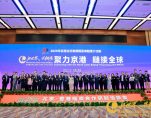
BEIJING, CHINA – Media OutReach Newswire – 18 November 2025 – On November 12, 2025, the thematic investment promotion event “Synergy Between Beijing and Hong Kong, Connecting the World – Towards a Brighter Future with Chaoyang” was successfully held at the Hong Kong Convention and Exhibition Centre. Jointly hosted by the Chaoyang District People’s Government and the Beijing Investment Promotion Service Center, and organized by the Chaoyang […]

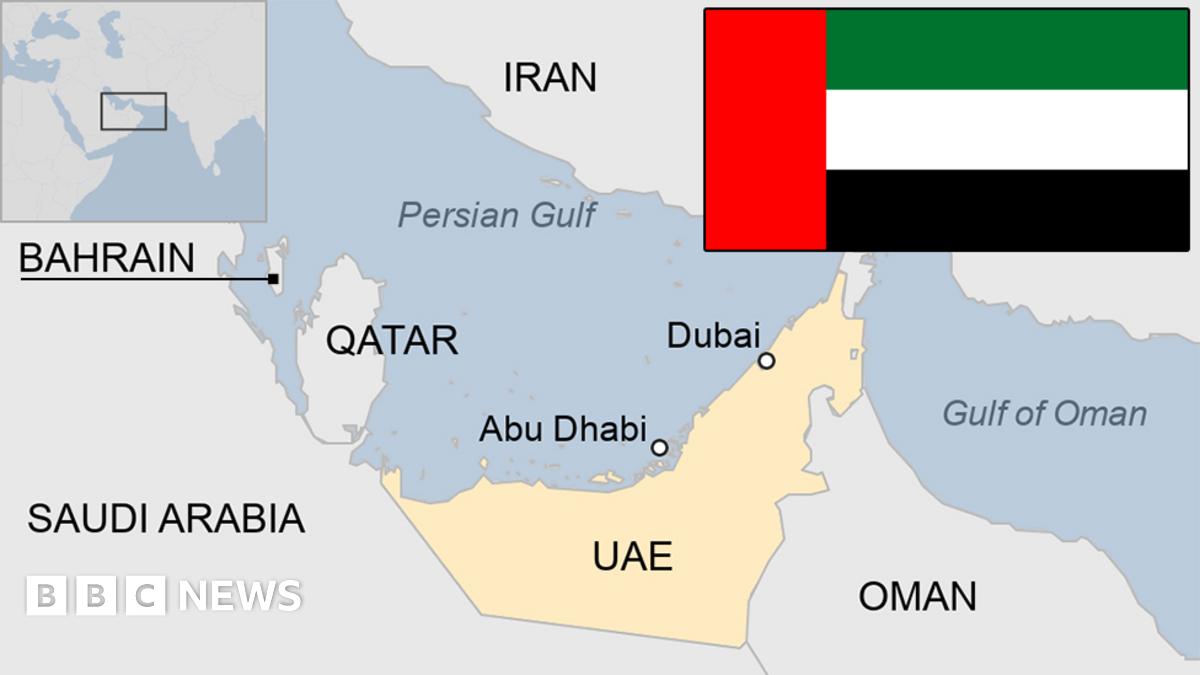
The launch of the UAE’s Financial Inclusion Strategy has been hailed as a pivotal move in advancing economic access for all, not only within the country but also across the broader Middle East and North Africa region. Ousmane Dione, Vice President for the World Bank’s MENAAP region, underscored the significance of the initiative, framing it as a transformative step that will set a precedent for further developments in financial inclusion.

Speaking at the MENA Leaders’ Summit on Financial Inclusion in Abu Dhabi, Dione expressed his enthusiasm for the UAE’s leadership in this area. He noted that the nation’s decision to launch a comprehensive financial inclusion strategy demonstrates its forward-thinking approach, which aligns with global objectives of promoting equal economic opportunities. The event, organised by the Central Bank of the UAE in collaboration with the Arab Monetary Fund and the World Bank, served as a forum for regional leaders to exchange insights on tackling the challenges that hinder financial access in the MENA region.

The UAE’s initiative seeks to enhance financial services for underserved and unbanked populations, including women, low-income households, and small businesses. This strategy is in line with global efforts to bridge the financial inclusion gap, particularly in emerging economies where a significant proportion of the population remains excluded from formal financial systems.

Dione’s remarks highlighted the importance of creating an inclusive financial ecosystem that enables individuals and businesses, regardless of their background or income level, to access essential financial services. The UAE’s strategy addresses several key areas, including expanding digital payment systems, enhancing financial literacy, and ensuring the accessibility of financial services to remote and underserved communities.

The summit, which brought together leaders from across the MENA region, was a significant step towards addressing the region’s financial inclusion challenges. Many countries in the MENA region still face considerable hurdles in achieving universal financial inclusion, such as limited access to banking infrastructure, low levels of financial literacy, and insufficient regulatory frameworks to support digital finance innovations.

A key topic of discussion at the summit was the role of digital technologies in fostering financial inclusion. Mobile banking, digital wallets, and blockchain-based financial services were identified as critical enablers of inclusive financial systems. These technologies provide a means for individuals who lack access to traditional banking services to participate in the financial ecosystem, empowering them to save, borrow, and invest in their futures.

In his comments, Dione acknowledged that while progress has been made in several MENA countries, significant challenges remain. He emphasised the need for continued collaboration among governments, financial institutions, and technology providers to overcome barriers to financial access. The World Bank has committed to supporting regional efforts to enhance financial inclusion, providing technical expertise and financial resources to initiatives like the UAE’s strategy.

The UAE’s leadership in this area reflects its broader ambitions to position itself as a regional and global leader in financial services. Over the years, the country has invested heavily in developing its financial infrastructure, becoming a hub for banking and fintech innovation. The launch of the Financial Inclusion Strategy is a natural extension of these efforts, aiming to ensure that the benefits of economic growth are more equitably distributed.

One of the notable aspects of the UAE’s strategy is its focus on women’s financial empowerment. Women in the MENA region have historically faced significant barriers to accessing financial services, with factors such as cultural norms and limited financial literacy often preventing them from participating fully in the economy. The UAE’s strategy includes targeted measures to increase women’s participation in the financial system, recognising that empowering women is crucial for driving broader economic growth and development.

The event in Abu Dhabi also underscored the growing importance of regional cooperation in tackling financial inclusion challenges. Leaders from various MENA countries exchanged best practices and discussed ways to harmonise regulatory approaches to digital finance. The World Bank’s involvement in the summit highlights its commitment to supporting the region’s efforts to build more inclusive financial systems.

An in‑depth probe by the International Consortium of Investigative Journalists has unveiled a sprawling network of criminal finance powered by cryptocurrencies, highlighting how digital asset platforms, cash‑to‑crypto storefronts and unregulated exchange desks have become central to laundering money for human‑trafficking rings, drug cartels and Russian organised crime groups. The investigation, under the title “The Coin Laundry”, involved more than 100 journalists across 38 news outlets and casts a harsh light on how the crypto‑space has evolved into a parallel shadow financial system.

The core finding of the ICIJ project is that thousands of transactions—ranging from hundreds of millions of dollars—have flowed through crypto platforms that either lacked robust anti‑money‑laundering safeguards or deliberately facilitated anonymity. Some of the biggest cryptocurrency exchanges are shown to have moved hundreds of millions in funds tied to illicit actors even after criminal pleas and enforcement actions. The scale and the reach of the systems uncovered suggest that the digital‑asset industry has matured from niche speculation into a global conduit for organised illicit flows.

The architecture of this criminal system reveals several layers. First, cash‑to‑crypto storefronts operating in places like Dubai, Toronto and other jurisdictions emerge as physical bridges where cash is converted into crypto away from traditional banking rails. These outlets, according to the investigation, serve entities that “have lots of cash they want to offload without using a bank”. Secondly, certain crypto exchanges and wallets have been used to take funds from traffickers, drug networks or Russian criminal gangs, convert them into digital assets, transfer those across borders, then convert back into fiat currencies—often in jurisdictions with weak enforcement. Thirdly, mixers, anonymised cryptocurrencies and opaque wallet‑chains have enabled the origin and destination of funds to be obscured, making law‑enforcement tracking significantly harder.

Criminal networks profiting from these systems include people‑trafficking racks, where victims are moved across borders and payment flows routed via crypto; drug cartels that convert illicit cash into digital tokens to hide funds and move value swiftly; and Russian organised crime groups that make use of sanctions‑evading platforms to transfer funds internationally. The investigation points out how several Russian‑linked exchanges came under scrutiny after moving billions in assets on behalf of sanctioned individuals.

For regulators and law‑enforcement agencies, the ICIJ findings pose a serious challenge. Cryptocurrency was once hailed for its transparency because of blockchain traceability, yet the system has matured into one where anonymisation tools, cross‑jurisdictional flows and cash‑on‑ramps erode that promise. One analysis notes how the boundaryless nature of crypto and cash conversions has “erased national borders” in laundering schemes. The combination of weak regulatory oversight, technological complexity and global jurisdictional gaps means that the crypto sector now offers potentials previously reserved for traditional offshore banking and shell‑company networks.

From a regulatory‑policy perspective the report surfaces key faultlines. Many exchanges either operate in regulatory grey zones or rely on lax “know your customer” checks, enabling high‑risk actors to open accounts and move funds. The ICIJ investigation underscores how crypto to cash workflows are particularly acute in jurisdictions where enforcement is weak or cash‑based storefronts operate with minimal oversight. In India for example, investigators found that 144 cases over three years involved crypto routes used to funnel stolen or illicit cyber‑crime proceeds into global syndicates. That observation underscores how burgeoning crypto markets in emerging economies may be especially vulnerable to exploitation.

Industries beyond crypto feel the fallout. Traditional banking institutions face reputational risk when their clients or connected transactions use crypto intermediaries. Law‑enforcement agencies face mounting costs tracing and investigating these flows when the end‑destination is hidden behind layers of wallets or front businesses. Victims of people‑trafficking or drug networks often find no effective path to recovery, as the digital funds vanish into complex webs. One ICIJ commentary notes that while crypto platforms have profited from these illicit flows, those harmed are “left with little hope of justice”.

The ecosystem enabling this laundering structure demonstrates a careful interplay of legitimate and illegitimate actors. On one side are mainstream crypto exchanges, sometimes guilty of compliance failures or negligent oversight; on the other are fringe services—mixers that convert one token to another to obfuscate origins, anonymous coins such as Monero, and cash‑to‑crypto kiosks possibly operating in jurisdictions with lax enforcement. In the French legal reform context, a law recognising funds passing through anonymisation tools as part of money‑laundering was introduced, acknowledging how tools once fringe are now central to criminal flows.

From the enforcement standpoint the challenge is two‑fold: tracing funds and prosecuting high‑level actors. Blockchain analytics can trace token flows, but when the end‑recipient wallet is converted into cash via shadow exchanges or laundromats, it becomes a near‑impossible task. This is compounded when jurisdictions refuse to cooperate or when the conversion happens in physical storefronts beyond bank controls. One academic note highlights that conventional AML practices struggle to detect “subgraph” laundering patterns that exploit layered wallet behaviour and network effects.

The global regulatory environment currently appears mismatched to the scale of the problem. While policy makers have begun to act—such as the French law targeting anonymisation tools—many jurisdictions lack the statutory frameworks or enforcement resources to address crypto‑laundering at scale. Regulatory gaps are further compounded when major jurisdictions focus only on tokens traded on exchanges rather than on emerging narratives involving cash‑to‑crypto desks, unregulated decentralized platforms or off‑ramp services. One commentator described the flow from cash into crypto as “after tax‑havens, dirty money finds a new home: cryptocurrency”.

From a financial‑crime perspective, the finding that major exchanges still processed illicit funds even after criminal prosecutions signifies systemic weakness. This suggests that bad‑actor networks can rely on deep pockets, jurisdiction shifting and complex intermediaries to keep funds moving. The ICIJ investigation lists two of the world’s largest exchanges moving hundreds of millions in illicit funds after pleading guilty to crimes related to money laundering. These revelations raise questions about whether enough internal controls exist in the high‑volume crypto market and whether enforcement action has produced meaningful change.

The implications for victims of organised crime and for global governance are stark. For people trafficking survivors the money flows support networks that exploit human lives yet vanish into anonymous wallets across jurisdictions, making asset recovery and restitution extremely difficult. For drug‑trafficking networks, the agility and cross‑border speed of crypto conversion process provide large scale advantage. For states dealing with sanctions enforcement, the ability of crypto platforms to host cross‑border flows undermines the effectiveness of sanctions regimes.

While the ICIJ investigation sets out a clearer map of how these systems function, it also signals that the public and private sectors face an urgent need for stronger deterrence. Some proposals include mandatory global standards for exchange KYC/AML, registration of cash‑to‑crypto on‑ramp services, enhanced international cooperation for wallet tracing, seizure frameworks for anonymised funds and real‑time monitoring of conversion windows. A related academic analysis recommends adopting subgraph‑based network detection systems to identify laundering patterns earlier.

Industry players replying to the revelations argue that the bulk of legitimate crypto transactions are untainted and that enhancements to compliance are underway. Exchanges emphasise that transparency is improving with on‑chain traceability and that many illicit flows represent a small fraction of total volume. Some operators point out that regulators themselves are still developing the controls needed for a digital‑asset environment and that over‑regulation risks stifling innovation.

In parallel, a cultural shift is emerging where law‑enforcement bodies increasingly view crypto not just as a speculative market but as a core part of the financial‑crime ecosystem. Tasks once reserved for tracking offshore shell companies or cash couriers now must include tracing smart‑contracts, wallet clusters and token flows across borders. That evolution places a premium on technological capacity, inter‑agency cooperation and jurisdiction‑bridging legal tools.


A delegation from Abu Dhabi’s infrastructure authority wrapped up discussions in Singapore with seven strategic memoranda of understanding aimed at accelerating urban development and smart-city infrastructure. The Abu Dhabi Projects and Infrastructure Centre signed accords with Singapore’s leading construction, engineering and architectural firms to bring advanced modular construction, digital twin technology and sustainable delivery models into a US$54 billion + project pipeline.

The agreements involved Singapore entities such as BCA International, Surbana Jurong, Meinhardt Group, Singapore Institute of Architects, CPG Corporation, Tech Onshore MEP Prefabricators and RSP Architects. Collectively they span built-environment excellence, urban master-planning, engineering consultancy, design collaboration, infrastructure solutions and prefabricated Mechanical, Electrical and Plumbing systems.

Representatives from the Abu Dhabi side included His Excellency Eng. Maysarah Mahmoud Salim Eid, Director General at ADPIC; His Excellency Jamal Abdullah AlSuwaidi, Ambassador to Singapore; Eng. Khulood Al Marzouqi, Acting Executive Director of Infrastructure Regulation & Support at the Abu Dhabi Department of Municipalities and Transport; and Eid Alobeidli, Director of Musataha & Public-Private Partnerships at the Abu Dhabi Investment Office. On the Singapore side, figures such as Kelvin Wong of BCA International and Tiah Nan Chyuan of the Singapore Institute of Architects joined the talks alongside over 400 industry-leaders.

The roadshow, branded under the Abu Dhabi Infrastructure Summit International Roadshow framework and hosted in partnership with Enterprise Singapore and the UAE-Singapore Business Council, showcased Abu Dhabi’s public-private-partnership frameworks, regulatory incentives and capital-project delivery models, while spotlighting Singapore’s global expertise in digitalised construction and sustainable design.

Among the key trends emerging is a strong emphasis on modular construction and design-for-manufacture-and-assembly methods. The Singaporean partners bring capabilities in integrated digital delivery and prefabricated MEP systems which Abu Dhabi is keen to deploy across large-scale urban districts, residential developments and mixed-use master-plans. Eng. Eid described Singapore as “the pinnacle of smart-city innovation and advanced construction methodologies” and said the step sets “concrete pathways for Singaporean expertise to contribute to Abu Dhabi’s ambitious infrastructure agenda”.

The pipeline includes more than US$54 billion in planned infrastructure across Abu Dhabi, signalling opportunities for joint ventures, co-investment and technology transfer. The partnership framework aims to elevate not only individual projects but to build an integrated ecosystem of digital-innovation, sustainability and efficient delivery models. Eid Alobeidli of ADIO emphasised that Abu Dhabi is “developing an integrated ecosystem that leverages world-class infrastructure, digital innovation and proven PPP delivery models to accelerate… transformation into a future-ready global capital.”

From the Singapore side, Heng Teck Thai of BCA International noted that the collaboration “reinforces Singapore’s commitment to global built-environment excellence” and underlined the use of the Green Mark framework as a basis for promoting sustainable and energy-efficient developments in Abu Dhabi and beyond.

The two-day event featured detailed presentations of Abu Dhabi’s major project opportunities, developers’ pipelines and open B2B networking sessions that connected Abu Dhabi stakeholders with Singaporean firms. Site-visits were also conducted, including a tour of Surbana Jurong’s campus and a modular-construction facility by Teambuild ICPH in Singapore, illustrating the hands-on dimension of the partnership potential.

With the formal agreements in place, attention now shifts to the operational phase of collaboration: how Singapore-based firms will transfer technology, how Abu Dhabi will adapt regulatory frameworks for fast-track project delivery and how both sides will structure co-investment and risk-sharing in major infrastructure programmes. Analysts note that successful execution will depend on aligning regulatory regimes, intellectual-property frameworks and local content strategies to maximise the benefits from global-local partnerships.

Observers point to the Gulf–ASEAN axis as gaining momentum in infrastructure cooperation, as the Abu Dhabi-Singapore tie-up could serve as a model for other Gulf states seeking to tap Singapore’s expertise in urban planning, sustainability and smart-technology integration. The signalling effect may help unlock further foreign-direct-investment flows into Gulf infrastructure markets and enhance cross-regional knowledge exchange.

By Nantoo Banerjee It is difficult to grasp the fact that even 78 years after its independence, India, the world’s most populous country, continues to be heavily dependent on imported fertilizer to produce crops to feed its 1.46 billion-plus population. The prospect of a sudden fertiliser price surge ahead of its most important Rabi (winter) […]

The article Fertiliser Import Price Surge May Hit India’s Rabi Crop Output appeared first on Latest India news, analysis and reports on Newspack by India Press Agency).

Advertisements

Dubai’s economy has demonstrated remarkable strength in the first half of 2025, with growth surpassing projections and reaffirming the emirate’s status as a global economic powerhouse. The city’s GDP expanded by 4.4 percent, reaching AED 241 billion, while the second quarter saw a notable 4.7 percent growth, bringing the total GDP for Q2 to AED 122 billion.

Key sectors played a pivotal role in driving this impressive performance. Dubai’s diversified economy, marked by a robust blend of finance, tourism, real estate, and trade, continues to thrive despite global uncertainties. The construction sector also witnessed significant growth, with an influx of infrastructure projects reflecting Dubai’s ambition to maintain its position as a leading global business hub.

One of the standout performers has been Dubai’s financial services industry, which has grown by a substantial margin. This sector’s success is largely attributed to Dubai International Financial Centre, which continues to attract a global clientele seeking access to the region’s thriving markets. With new regulatory reforms and the expansion of digital financial services, the financial services sector remains a cornerstone of Dubai’s economic resilience.

In addition, the real estate sector has shown signs of recovery after a few years of downturn, with both residential and commercial properties seeing increased demand. This growth can be linked to Dubai’s competitive positioning within the global property market, particularly in the luxury and hospitality segments. The city’s focus on international investors and high-net-worth individuals, combined with attractive incentives such as long-term visas and ease of doing business, has further bolstered investor confidence.

Tourism has also been a driving force behind Dubai’s economic growth. The city has seen a steady rise in international visitors, who are drawn to its world-class attractions, shopping festivals, and hospitality offerings. The Dubai Expo 2020, now extended into 2025, has had a ripple effect on the tourism sector, generating further investments and exposure to new global markets. Events and conferences have continued to bring in significant numbers of international guests, contributing to growth in the hospitality, retail, and leisure sectors.

The transportation and logistics sectors have been equally important to Dubai’s continued success. Dubai’s strategic location as a transport and logistics hub for the Middle East, Africa, and Asia continues to give it a competitive edge. Dubai International Airport, which consistently ranks among the world’s busiest airports, has witnessed a surge in passenger traffic, further solidifying its position as a key global aviation hub. Meanwhile, the port sector remains robust, with Dubai Ports World continuing to expand its reach internationally through strategic acquisitions and partnerships.

The emirate’s government has played a significant role in fostering a business-friendly environment, attracting foreign investment and enhancing the ease of doing business. New initiatives such as the Dubai Future Foundation and Dubai 2040 Urban Master Plan have injected fresh momentum into the city’s long-term growth trajectory. Dubai’s commitment to sustainable development, with a focus on green energy and technological innovation, ensures its competitiveness in a rapidly changing global economy.

Dubai’s resilience in the face of global economic challenges speaks to the emirate’s strategic focus on diversification and innovation. The city has managed to stay ahead of the curve by adopting advanced technologies in sectors like finance, healthcare, and education. In particular, the embrace of artificial intelligence, blockchain, and digital innovation has helped Dubai stay at the forefront of global economic trends.

The aeronautical action‑adventure title The Falconeer has received what developer Tomas Sala describes as a “complete re‑imagining,” with the update being offered at no extra cost to all current players. Every major aspect of the game has been overhauled, from art and lighting to performance and environmental systems, signalling a clear pivot in the life of the originally released game. The new edition, dubbed the Revolution Remaster, introduces […]

Discord has rolled out new features to its Family Center, aimed at helping parents gain more control over their teens’ activities on the platform. These updates allow for better visibility and understanding of how teenagers are using Discord, a space primarily designed for communication within gaming and social communities. The Family Center, launched last year, was designed with the intention of offering parents a set of tools […]

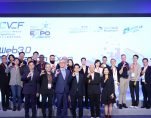
Two-day forum explores AI and blockchain venture capital landscape, unveiling new global capital trends HONG KONG SAR – Media OutReach Newswire – 7 November 2025 – Cyberport’s flagship event, the Cyberport Venture Capital Forum 2025 (CVCF), achieved a record-breaking over 500 deal flows, with more than 2,700 attendees and over 180,000 online views. Themed “The Innovation-Venture Nexus: Igniting Transformative Success”, the two-day forum, together with highlight events […]

A fresh roster of innovators, and increased sums of investment, had global innovators eyeing Hong Kong’s I&T capabilities HONG KONG SAR – Media OutReach Newswire – 7 November 2025 – Hong Kong Science and Technology Parks Corporation (HKSTP) has successfully concluded EPIC 2025 Presented by Cathay and HSBC. Ideas took flight at today’s Grand Finale; NEU Battery Materials brought home the Overall Championship and won the Green […]

Greenlogue/AP A partnership between clean-energy pioneer Masdar and integrated fuels and chemicals company OMV will create a 140 megawatt green-hydrogen electrolyser plant in Bruck an der Leitha, Austria, with operations targeted for 2027. The binding agreement grants Masdar a 49 per cent stake while OMV retains 51 per cent and oversees day-to-day operations. The venture is projected to produce up to 23,000 tonnes of green hydrogen annually, […]

Cyberport Welcomed 10 Listed Companies and 2 Unicorns over the past year Cyberport Investors Network (CIN) Celebrates 8th Anniversary with a Yearly Threefold Growth Cumulative Funds Surpassed HK$4.2 Billion HONG KONG SAR – Media OutReach Newswire – 6 November 2025 – The annual flagship event Cyberport Venture Capital Forum 2025 (CVCF) officially opened today at Hong Kong Cyberport. The two-day forum, themed “The Innovation-Venture Nexus: Igniting Transformative […]

Extends Agentic AI Safety from infrastructure to application with agentless EDR and integrated guardrails to secure next-generation AI factories HONG KONG SAR – Media OutReach Newswire – 5 November 2025 – Trend Micro Incorporated (TYO: 4704; TSE: 4704), a global cybersecurity leader, today announced a new integration with NVIDIA BlueField, which embeds protection directly into the data center layer for more secure and scalable AI factories. This […]

HANOI/ ABU DHABI, VIETNAM – Media OutReach Newswire – 4 November 2025 – The Vietnam Exposition Center (VEC) and dmg events have announced a strategic partnership and launch their first collaborative initiative – a global energy congress and exhibition. Operated under an exclusive brand model, this global event is expected to become a new international platform connecting the renewable energy, power, hydrocarbons, energy storage, hydrogen, low-carbon technology, […]

Matein Khalid Jay Powell has put cold water on a December FOMC rate cut as inflation risk triggers dissent at the Fed. Yet Uncle Jay is now a lame duck and the world awaits his first MAGA Fed Chairman. My bet is on Kevin H as I doubt if even a supine Senate will confirm yes man – Stephen Miran. Why even bother to hold the FOMC […]

The United Arab Emirates has established itself as a leading hub for innovation and the deployment of advanced technology in the energy sector, according to George Bou Mitri, President of Honeywell for the Middle East, Türkiye and Central Asia. Speaking at the sidelines of the Abu Dhabi International Petroleum Exhibition & Conference 2025, he highlighted how the country’s digital transformation initiatives are serving as a global model for sustainable, technology-driven energy systems.

Bou Mitri said the UAE presents a distinctive example of openness, collaboration and synergy between public and private sectors in driving innovations that are making a tangible global impact in the energy industry. “The solutions created here in the UAE extend their influence far beyond its borders,” he commented. He noted that the country is actively integrating advanced technologies across its energy ecosystem, including expanding the use of LNG, hydrogen, solar and developing sustainable aviation fuel and bio-fuel as part of its emissions-reduction drive.

Honeywell is playing a significant role in this transformation. Bou Mitri pointed to the company’s participation in a landmark project with Abu Dhabi National Oil Company for the Ruwais LNG facility, expected to produce about 9.6 million tonnes annually. He also revealed that Honeywell is developing the region’s first fully autonomous control room powered by agent-based artificial intelligence in partnership with Borouge, aimed at managing petrochemical operations without direct human intervention.

Bou Mitri stressed that digital transformation forms the backbone of the sector’s future. He noted that global energy demand is projected to increase by 32 percent by 2050, while electricity demand is expected to grow by more than 75 percent in the same period, necessitating comprehensive tech solutions to balance growth with emission reduction and operational efficiency. He added that the UAE is clearly adopting that approach, emphasising that the country’s facilities are becoming important development grounds for technologies related to emissions management, artificial intelligence applications and workforce productivity improvements through digitalisation.

The autonomous control-room initiative with Borouge stands out as a practical demonstration of this strategy. According to Borouge, the project will deliver the petrochemical industry’s first AI-driven control room at its UAE plant operations and forms part of its “AIDT” programme with a targeted value generation of US$575 million. The collaboration is intended to optimise production, reduce energy use and enhance safety while lowering costs at what is set to be the world’s largest petrochemical site.

The UAE’s positioning as an innovation frontier for energy technologies comes at a time when the industry is under growing pressure to adapt. Emerging themes include the convergence of artificial intelligence, digital twins, autonomous operations, and clean-energy integration. The broader Middle East region is witnessing major energy investment momentum, with expectations of exceeding US$130 billion this year in oil and gas alone, and simultaneous major expansion in clean-energy investments including hydrogen, LNG and carbon capture projects.

For Honeywell, the UAE’s energy ecosystem is a fertile environment for deploying its digital and automation technologies, but challenges remain. Among these are workforce skills deficits — Bou Mitri pointed out that more than 50 percent of the global energy workforce is aged over 45 — and the need to transfer accumulated expertise to a younger generation. In a sector where downtime, operational safety and emissions control have high stakes, the technology must deliver in real-world conditions, not just in controlled test environments.

Critics might point to the scale of investment required, potential cybersecurity and data governance risks as operations become more connected and autonomous, and the difficulty of scaling pilot programmes into full-scale operations across multiple sites. Nonetheless, the UAE’s strategic posture — combining government backing, private-sector capability and a willingness to test and deploy cutting-edge systems — presents a compelling case study for the global energy community.

Abu Dhabi-based energy major Abu Dhabi National Oil Company has sealed three new agreements with US-based robotics specialist Gecko Robotics aimed at embedding artificial intelligence and robotics into its operations while accelerating the development of local skills for nationals. The accords were signed at the ENACT Majlis forum in Abu Dhabi and span a multi-year deployment for ADNOC Gas, a collaboration with the group’s training arm ADNOC […]

Beijing’s decision to eliminate a longstanding value-added tax offset for gold retailers marks a significant shift in policy, poised to raise domestic prices and influence global supply dynamics. From November 1 the Ministry of Finance announced that firms selling gold acquired from the Shanghai Gold Exchange or processed from it may no longer deduct VAT when disposing of the metal, whether in raw bars, coins or jewellery. […]

Dubai is preparing to host one of the region’s largest music festivals when the event runs from 6–9 November at the sprawling Dubai Parks and Resorts complex. Organisers expect over 250,000 attendees and plan more than 100 global artists performing across five stages designed to cover genres from EDM and techno to hip-hop and world music. The move to Dubai Parks and Resorts marks a major expansion […]

Dubai-based global terminal operator DP World has pledged an additional $5 billion in investment to strengthen India’s maritime infrastructure, furthering its long-term commitment to the country. The announcement was made during India Maritime Week 2025, marking a significant boost to the nation’s integrated supply chain network that facilitates both exports and domestic trade. This latest financial commitment follows the signing of five Memoranda of Understanding with prominent […]

BEIJING, CHINA- Media OutReach Newswire – 31 October 2025 – The Annual Conference of Financial Street Forum 2025 was held in Beijing from October 27 to 30. During the four-day agenda, over 400 financial leaders, policymakers and industry experts from more than 30 countries and regions around the world gathered in Beijing’s Financial Street. The core area of Beijing’s Financial Street, covering an area of 2.59 square […]

Forum invites businesses to Lead with Smart Tech towards Innovation, Resilience, and Growth in today’s digital-first economy KUALA LUMPUR, MALAYSIA – Media OutReach Newswire – 29 October 2025 – Canon today announced its upcoming Think Big Klang Valley Series, happening on 12 November 2025 at the Sheraton Petaling Jaya Hotel. Under the theme of ‘Future-Ready Malaysia: Innovation, Resilience, Growth’, the forum will bring together industry leaders and […]

VISHNU RAJA
RYO YAMADA
HITORI GOTOH
IKUYO KITA
Just in:
Saudi fund assets forecast to cross $400 billion // Inpex reaffirms Gulf oil strategy despite shipping constraints // Crescent Enterprises venture arm funds Oyster Therapeutics development // L’OCCITANE Celebrates 50 Years Of Provençal Craftsmanship With Holiday 2026 Collection // Nvidia appoints Colette Kress interim chief after Huang departure // From Dubai to the EU: how UAE-based crypto firms can expand under MiCA // Microsoft restores services gradually but gives no recovery deadline // Sun World Ba Den Mountain marks Vietnam Culture Day, welcoming Cambodian visitors over Bon Om Touk // Lego restores BrickLink marketplace after security investigation // EBANX and Eneba strengthen partnership in Latin America with 138% YoY growth in payment volume // October Food Price Shock Has Far Reaching Consequences // 11 Boutique Xinjiang Wineries to Debut in Singapore // Yicura BioMed Advances Dual Capital and Industrial Strategy: Completes First Closing of Series B Financing Led by Gobi Partners // Microsoft outage leaves Outlook and Teams users disconnected // China Reconciled To U.S. Curbs On Chips Exports, Woos South Korea For Supply // The Honey Trap Is The Headline, The Chip Pipeline Is The Story // TORRAS Launches Two New iPhone Duo Cases from Its Popular Ostand Series, Addressing Foldable Phone Users’ Concerns About Difficult Stand Positioning and Scratches // US resumes flights after nationwide air traffic shutdown // Messi affair SIT finds all-round violations // Salik posts Dhs1.045bn profit despite lower toll traffic //