News related to
DP World

By Nantoo Banerjee The slump in India’s GDP growth rate is understandable. Contrary to the government claims, the job market is down. The income growth, in general, is shrinking. A vast section of consumers are not spending enough, except for wage goods or daily dire necessities, as their real income is not growing. The FMCG […]

HONG KONG SAR – Media OutReach Newswire – 2 January 2025 – Since the global AI boom sparked by ChatGPT in December 2022, the artificial intelligence industry has consistently attracted market attention, with investment enthusiasm only increasing over the past two years. For most, however, the future of AI remains opaque. Despite its prominence, questions persist about the technology’s evolution and its impact on markets and investors. […]

By Nitya Chakraborty from Hanoi Vietnam, the Communist nation with nearly 10 crore population is presently the focus of the big investors of the world including the USA as the nation’s leadership has made a miracle in building a highly skilled youth brigade along with the creation of an investment climate which can compete with […]

Matein Khalid It is an ironic twist of history that the world’s largest Muslim country, an archipelago of 18,000 islands, whose ancient Sumatran kings once funded countless monasteries/temples at Nalanda, the Harvard/Oxford of Vedic India two millennia ago. Sumatra was then known as the kingdom of Srivijaya when Mauryan India’s ruler was Ashoka, imperator of the Magadan superstate. Fast forward 22 centuries and the two best performing […]

Matein Khalid US money center banks/I-banks had their best year in 2024 since the pre-Covid Stone Age. My fav turnaround names Citi and Wells Fargo exceeded my wildest expectations while the prospect of light touch regulation and M&A/IPO underwriting jackpot made Goldman Sachs and Morgan Stanley go ballistic. Despite the post Dec FOMC fireworks, this sector will have winners if bought at the right price even though […]

Elevating Urban Living with Holistic Wellness and Timeless Elegance: Proud Real Estate Redefines Luxury with Romm Convent, Bangkok’s Premier Wellness Residence in the Heart of Convent-Sathorn BANGKOK, THAILAND – Media OutReach Newswire – 30 December 2024 – In the bustling heart of Bangkok’s prestigious Convent-Sathorn area, Proud Real Estate Plc. introduces Romm Convent, a beacon of luxury wellness living designed for the discerning urbanite. Amidst a thriving […]

Manmohan Singh, the former prime minister credited with steering India through one of its most transformative periods of economic reform, has passed away at the age of 92. A technocrat-turned-politician, Singh’s leadership in the late 1990s and early 2000s reshaped India’s global economic standing, laying the foundation for its emergence as a major player in the international arena.

Singh’s legacy as a pivotal figure in India’s economic history is unparalleled. Serving as finance minister in the early 1990s under Prime Minister P.V. Narasimha Rao, he orchestrated bold economic reforms that shifted the country away from a protectionist, state-driven economy to one that embraced liberalization, privatization, and globalization. This shift unlocked India’s vast potential, transforming it into one of the world’s fastest-growing major economies.

Under Singh’s leadership as prime minister from 2004 to 2014, India saw continued economic growth despite facing challenges such as the global financial crisis of 2008. His tenure also marked significant strides in foreign policy, healthcare, and social welfare, although his government was often criticized for inefficiency and corruption scandals. Despite these challenges, Singh’s image as a steady and pragmatic leader remained intact, earning him respect both domestically and internationally.

Born on September 26, 1932, in Gah, a village now in Pakistan, Singh was educated at the University of Cambridge and the University of Oxford, where he earned a doctorate in economics. His early career was steeped in academia and international organizations, including the United Nations and the World Bank, where he worked on developmental issues.

Singh’s journey into politics was unexpected. He was appointed as the finance minister by Rao during a time of severe economic crisis in 1991. Faced with a collapsing economy, Singh oversaw the liberalization of India’s trade policies, the reduction of import tariffs, and the reduction of government intervention in the market. These reforms, considered radical at the time, set India on a path of rapid economic growth that lasted for decades.

His tenure as prime minister began in 2004, when he became the first person from outside the Congress party’s political elite to hold the office. Initially seen as a “reluctant king” — a term used by many to describe his quiet and reserved nature — Singh proved his mettle by leading India through a series of crises. His ability to work within a coalition government, which included various regional and ideological factions, was vital to his success. Singh’s pragmatic approach helped balance India’s need for economic reforms with the demands of social welfare programs.

His government’s accomplishments included the expansion of social security programs, especially in rural areas, and efforts to modernize infrastructure. Singh was instrumental in securing India’s nuclear deal with the United States in 2008, a landmark agreement that further integrated India into the global economic and political system. Despite facing criticism from some quarters about his handling of domestic issues, including rampant corruption within his administration, Singh remained a respected figure in India’s political landscape.

Singh’s calm and measured demeanor stood in stark contrast to the often combative political environment of India. He was regarded as an intellectual, often eschewing the public spotlight and preferring a more subdued form of leadership. His style of governance, however, drew mixed reviews. While some appreciated his cautious approach to reform, others believed he was too passive in confronting challenges within his party and government.

Throughout his tenure, Singh navigated tensions between economic modernization and India’s deeply entrenched social issues. His policies aimed at expanding access to education, healthcare, and rural development were seen as critical in tackling the vast disparities that continue to exist across India’s population. Despite the political hurdles he faced, Singh’s vision for India was one of a globally integrated economy balanced with robust social safety nets.

Following his time as prime minister, Singh continued to remain an influential voice in Indian politics, though his political party, the Congress, faced challenges in the years after his leadership. His tenure, which ended with the 2014 elections, was marked by the rise of new political forces, most notably the Bharatiya Janata Party (BJP) and its leader Narendra Modi, who became prime minister in 2014. While Singh retired from active politics, his thoughts on the country’s future remained highly regarded, often offering critiques of the policies of his successors.

Advertisements

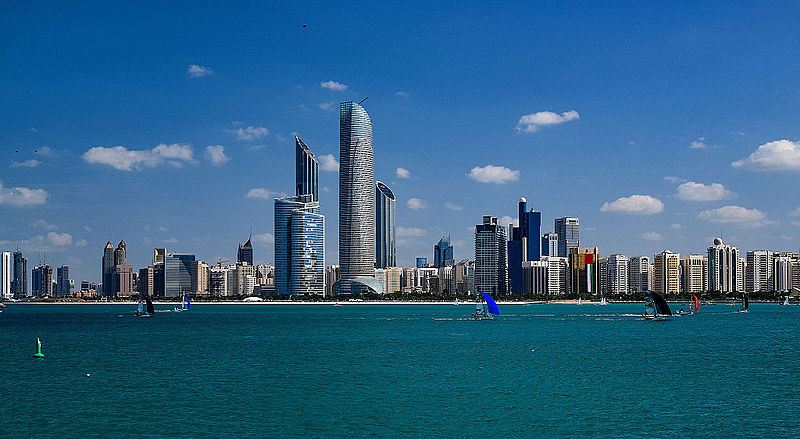
Abu Dhabi’s tourism industry is experiencing significant growth, marked by a substantial increase in visitor numbers and a corresponding expansion of its workforce. From January to October 2024, the emirate welcomed 4.8 million hotel guests, surpassing pre-pandemic figures and achieving a 26 percent increase in international arrivals compared to 2023.

This surge in tourism has been accompanied by a notable rise in employment within the sector. The World Travel & Tourism Council (WTTC) forecasts that by the end of 2024, the UAE’s travel and tourism sector will employ nearly 833,000 individuals, reflecting an increase of more than 23,500 jobs from the previous year.

Abu Dhabi’s ambitious Tourism Strategy 2030 aims to further elevate the sector’s contribution to the economy. The strategy sets a target of attracting 40 million visitors and generating 178,000 new jobs by 2030, which would bring the total employment in the tourism sector to approximately 366,000.

The emirate’s hotel industry has mirrored this upward trend. In the first five months of 2024, Abu Dhabi hotels received over 2.4 million guests, generating revenues totaling AED 3.18 billion. The distribution of hotel guests during this period was as follows: 498,700 in January, 507,400 in February, 433,700 in March, 500,080 in April, and 471,800 in May.

The UAE’s broader tourism sector has also demonstrated robust performance. In the first half of 2024, hotel establishment revenues across the seven emirates increased by 7 percent to reach AED 24.6 billion. The number of hotel guests during this period reached approximately 15.3 million, reflecting a 13 percent growth compared to the same period in 2023.

Abu Dhabi’s commitment to enhancing its tourism offerings is evident in its strategic initiatives and investments. The Department of Culture and Tourism – Abu Dhabi (DCT Abu Dhabi) has been instrumental in promoting the emirate as a premier global destination, focusing on cultural tourism, heritage preservation, and the development of world-class attractions. Notably, more than 3.9 million visitors have engaged with Abu Dhabi’s cultural sites, museums, and landmarks, underscoring the increasing importance of cultural tourism as part of the city’s diverse offerings.

The private sector has also played a pivotal role in this growth trajectory. Etihad Airways, the state-owned Abu Dhabi carrier, reported a 66 percent increase in net profit for the first nine months of 2024, earning AED 1.4 billion compared to AED 814 million in the same period the previous year. This financial upturn is attributed to a 35 percent increase in passenger traffic, with the airline transporting 13.6 million passengers over the year.

The expansion of the tourism sector has had a positive ripple effect on employment. The WTTC forecasts that by 2034, the sector will contribute more than AED 275 billion to the UAE economy, accounting for almost 11 percent of the GDP, and is projected to employ over 928,000 people across the country, with one in nine residents working in the sector.

Abu Dhabi’s strategic vision for tourism is not only focused on increasing visitor numbers but also on enhancing the quality of experiences offered. The emirate is investing in infrastructure development, regulatory improvements, and the advancement of digital transformation in civil aviation to support the ongoing travel recovery and ensure seamless and secure cross-border mobility.

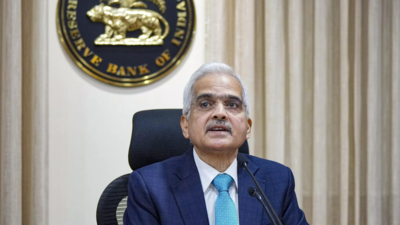
By Nantoo Banerjee It will be unfair to expect much from the new Reserve Bank governor, Sanjay Malhotra, a career bureaucrat and former revenue secretary, in terms of delivery of key functions of a central bank chief such as controlling inflation, stabilizing domestic currency, foreign exchange control and lifting economic growth. If three of his […]

Trend Vision One™ – Email and Collaboration Security is a critical part of Trend’s centralized attack surface risk management (ASRM) platform HONG KONG SAR – Media OutReach Newswire – 23 December 2024 – Trend Micro Incorporated (TYO: 4704; TSE: 4704), a global cybersecurity leader, today announced its positioning as a Leader in the 2024 Gartner® Magic Quadrant™ for Email Security Platforms (ESP). Rachel Jin, Chief Enterprise Platform […]

DP World, the Dubai-based global logistics leader, has issued a $100 million Blue Bond, marking the Middle East and North Africa’s inaugural corporate Blue Bond. This five-year bond, priced at a 5.25% coupon rate, aims to fund sustainable projects in marine transportation, port infrastructure, marine pollution mitigation, and water-positive initiatives. The primary investor in this groundbreaking issuance is T. Rowe Price Associates, Inc., a prominent investment management […]

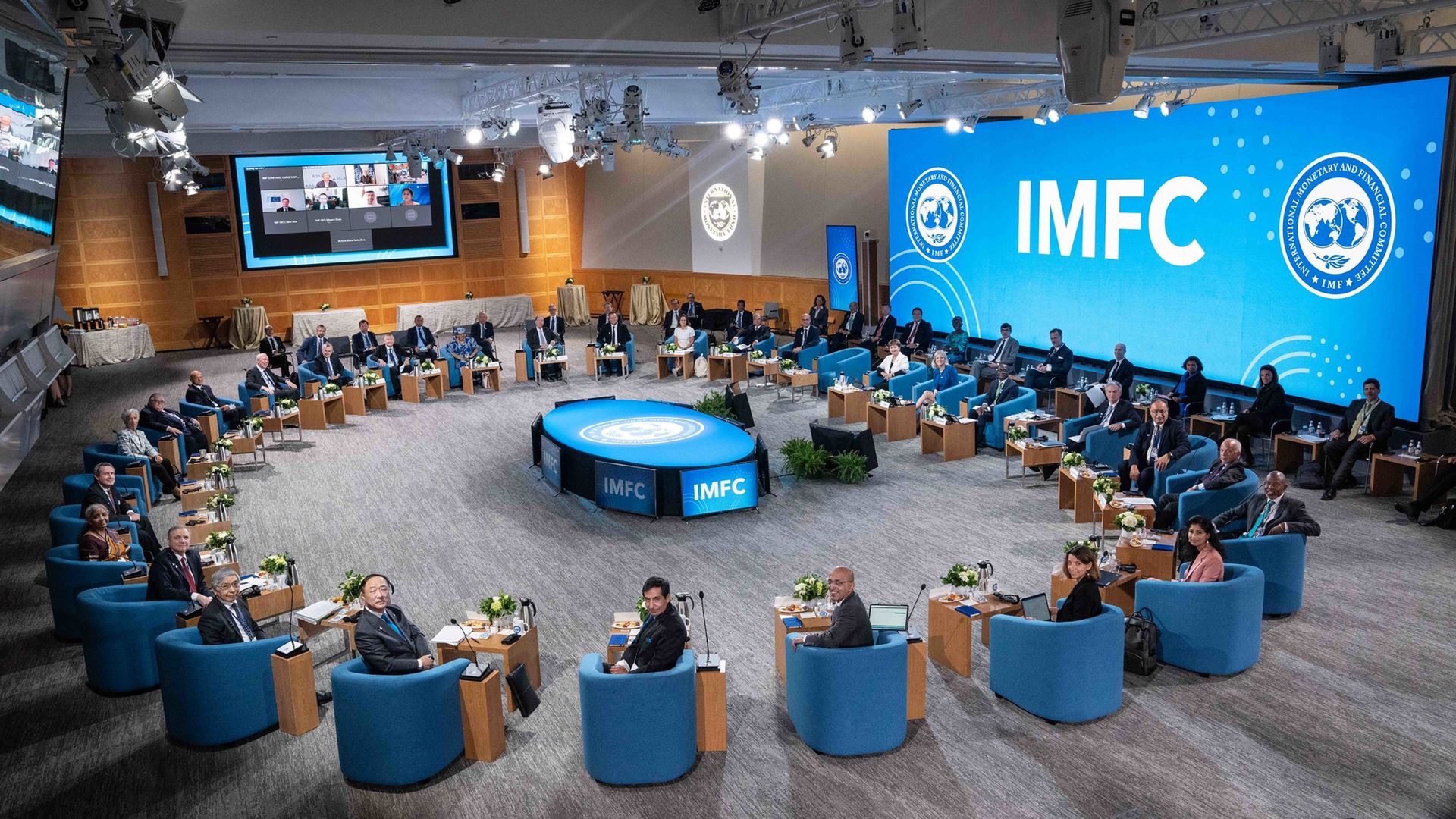
The Gulf economies are expected to continue their upward trajectory despite ongoing geopolitical tensions across the Middle East, according to the latest report from the International Monetary Fund (IMF). The region’s resilience, the IMF suggests, is driven by its diversified economic base, robust fiscal policies, and higher oil prices, which have counterbalanced the adverse effects of regional instability.

While the Middle East remains a hotspot for geopolitical risks, including tensions in Yemen, Syria, and Iran, the Gulf Cooperation Council (GCC) states—namely Saudi Arabia, the UAE, Qatar, Kuwait, Bahrain, and Oman—are poised for solid growth. The IMF’s economic outlook for the Gulf for the upcoming year signals a stable trajectory, with growth projections ranging from 3.2% to 3.5% for most of the member states. This comes on the back of strong economic fundamentals and the region’s strategic efforts to diversify away from oil dependency.

According to the IMF, the GCC’s fiscal prudence and economic diversification initiatives are vital drivers of the positive outlook. Non-oil sectors such as finance, real estate, tourism, and technology have become key contributors to economic growth. Saudi Arabia, for instance, has ramped up its Vision 2030 reform plan, focusing on broadening its economic base and reducing the country’s dependency on hydrocarbons. These efforts have led to an uptick in foreign direct investment and economic activity outside of oil.

The region’s handling of fiscal policies has played a crucial role in shielding it from the negative impacts of external shocks. Governments in the Gulf have generally maintained sound fiscal policies, with substantial fiscal surpluses bolstering state coffers, even as global oil prices fluctuate. For instance, Saudi Arabia and the UAE have used their oil revenues to fund ambitious infrastructure and diversification projects that promote long-term stability.

Saudi Arabia’s economic transformation efforts, notably under the leadership of Crown Prince Mohammed bin Salman, are already yielding results. The kingdom’s GDP has experienced robust growth, especially in non-oil sectors such as entertainment, sports, and tourism. Major projects like Neom, the futuristic city being developed in the northwest, and the Red Sea Project are expected to generate significant economic activity in the coming years. These initiatives reflect a long-term vision to create new economic hubs and reduce reliance on oil.

The UAE, another key player in the Gulf, has also shown a remarkable shift towards diversifying its economy. Dubai’s push to become a global center for technology and finance is starting to pay off, with the city positioning itself as a regional leader in both fintech and blockchain. Abu Dhabi’s focus on renewable energy and clean technologies is further strengthening the UAE’s long-term economic resilience. With such initiatives, the UAE is set to continue its strong performance, with growth forecasts suggesting the economy will expand by 4% over the next year.

Qatar has similarly proven its economic resilience. The country’s investment in liquefied natural gas (LNG) projects has enhanced its export capabilities, enabling it to weather external market fluctuations. Qatar has also shifted its focus to developing a more diverse economy, emphasizing finance, sports, and education, particularly through initiatives like the Qatar National Vision 2030.

The IMF also highlighted that Kuwait and Oman are expected to experience moderate growth, driven by their diversified economies and investments in non-oil sectors, including infrastructure and services. Although Oman has faced fiscal challenges in the past, its recent economic reforms and strategic investments are expected to yield positive results in the coming years. Similarly, Kuwait’s substantial sovereign wealth fund continues to provide a financial cushion, enabling the country to continue its development plans despite challenges.

Despite the ongoing tensions in neighboring countries, the Gulf states have managed to maintain political stability, a crucial element in sustaining investor confidence. The UAE’s role as a neutral hub for international trade, coupled with Qatar’s robust diplomatic efforts, has further insulated the region from potential instability. While conflicts in Yemen, Syria, and Iraq present challenges, the Gulf countries have largely shielded their economies from these disturbances through strong governance and military spending.

The Gulf’s active participation in global energy markets continues to provide it with a cushion against external shocks. Oil remains a crucial driver of revenue, but the higher global oil prices in the past year have supported economic resilience. Saudi Arabia and the UAE have also taken steps to ensure that their energy resources are used sustainably, with the UAE focusing on clean energy initiatives and Saudi Arabia looking to become a leader in green hydrogen production.

The region’s financial markets have also performed admirably in the face of geopolitical risk. Stock exchanges across the Gulf have been showing positive growth, with investors confident in the long-term prospects of the region. The UAE, in particular, has seen a surge in its financial markets, fueled by investor confidence in its economic diversification plans. Furthermore, the region’s strong banking sectors and their adaptation to digital banking and fintech have made them more attractive to foreign investors.

On the global stage, the Gulf has increasingly become a key partner in trade and investment. Its strategic location, at the crossroads of Europe, Asia, and Africa, continues to make it a central hub for international trade. In addition, initiatives such as the GCC’s Free Trade Agreement and the bloc’s involvement in the World Trade Organization (WTO) strengthen its position as a trade powerhouse.


By Saifur Rahman The International Monetary Fund (IMF) on Wednesday said, it will grant US$645 million to support Bangladeshi economy, about US$105 million less than the US$750 million sought by Bangladesh Government to overcome current economic challenges. Of this, around US$426 million will be provided under IMF’s Extended Credit Facility (ECF) and Extended Fund Facility (EFF), while US$219 million will be made available under the Resilience and […]

Kali Linux 2024.4, the latest release of the popular penetration testing and security auditing distribution, introduces several major changes that will impact security professionals and users alike. This new update focuses on improving the user experience, enhancing functionality, and expanding the toolset available to penetration testers. Among the most notable changes are the introduction of GNOME 47, updates to core tools, and the disabling of Pip for […]

KUALA LUMPUR, MALAYSIA – Media OutReach Newswire – 18 December 2024 – 2024 has been a year of contradictory events, significant economic changes, and major political shifts. On a positive note, it was the year when global central banks finally managed to tackle inflation, partly induced by the negative and far-reaching effects of the COVID pandemic and partly by the more recent geopolitical events. After holding borrowing […]

The UAE property market has experienced a significant surge in demand as a growing number of Europeans relocate to Dubai, seeking a dynamic lifestyle and favorable business environment. According to Ali Sajwani, Managing Director of Damac Properties, a leading real estate developer in the region, the shift has been fueled by a combination of factors that make Dubai an increasingly attractive destination for expatriates. These factors include […]

Abu Dhabi-based energy group XRG has entered into a strategic partnership with BP to establish a joint venture aimed at developing a state-of-the-art natural gas platform. The move marks a significant step in the region’s ongoing efforts to expand its energy infrastructure while aligning with global trends towards cleaner energy solutions. This collaboration highlights both companies’ shared commitment to innovating within the natural gas sector, one of […]

Dan Company, a subsidiary of Saudi Arabia’s Public Investment Fund (PIF) specializing in agritourism, ecotourism, and adventure tourism, has entered into a contract with Abdulmohsen Al-Tamimi Contracting Company to develop the first luxury resorts in Al-Ahsa, Saudi Arabia.

The signing ceremony took place at Dan Company’s headquarters in Riyadh, with Chairman Saad Abdulaziz Al-Kroud and Abdulmohsen Al-Tamimi Contracting Company’s Chairman Yousef Abdul Mohsen Al-Tamimi in attendance. The agreement was formalized by Dan Company’s CEO, Abdulrahman Abaalkhail, and Mohammed Abdul Mohsen Al-Tamimi, CEO of Abdulmohsen Al-Tamimi Contracting Company.

This project, branded as Tuaja Luxury Resorts, aims to enhance Saudi Arabia’s hospitality sector by integrating sustainability, innovation, and authentic hospitality. It also seeks to bolster Al-Ahsa’s appeal as a destination for both regional and international tourists.

Spanning 1.8 million square meters, the resort will feature 201 accommodation units, including hotel rooms and high-end villas, some equipped with private pools. The development will offer three distinct experiences:

– Tuaja Premium Farm Resort: Focused on luxury and exploration.

– Tuaja Eco Resort: An eco-friendly retreat emphasizing tranquility and contemplation.

– Tuaja Adventure Resort: Catering to guests seeking adventure and excitement.

Amenities will include diverse dining options featuring a ‘farm-to-table’ experience, a luxurious spa, a central activity area, a community center supporting local artisans, an event hall, and state-of-the-art sports facilities.

Chairman Saad Abdulaziz Al-Kroud stated, “We are pleased to announce the new resort, which aligns with the Kingdom’s efforts to enhance its hospitality and tourism offerings locally and internationally and reaffirms our commitment to contribute to the development of the tourism sector by leveraging the Kingdom’s enchanting natural landscapes and showcasing its rich natural diversity through agri, eco, and adventure tourism.”

Yousef Abdul Mohsen Al-Tamimi, Chairman of Abdulmohsen Al-Tamimi Contracting Company, expressed, “We are delighted to collaborate with Dan Company on this exceptional project, which underscores our unwavering commitment to shaping a sustainable future and actively contributing to the goals of Saudi Vision 2030.”

Dan Company is pursuing LEED (Leadership in Energy and Environmental Design) certification for the resort, emphasizing environmental conservation and sustainability. The project aims to blend modern sustainability practices with local traditions, preserving the region’s natural heritage and culture.

This initiative aligns with Saudi Arabia’s Vision 2030, which seeks to attract 150 million visitors by 2030 and increase the tourism sector’s contribution to the GDP from 6% to 10%. The development is expected to boost the local economy, create job opportunities, and elevate Al-Ahsa’s status as a premier tourist destination.

Abdulmohsen Al-Tamimi Contracting Company has a track record of involvement in significant projects within the Kingdom, including Red Sea Global, NEOM, and Qiddiya. Their collaboration with Dan Company reflects a shared vision to redefine hospitality and tourism in Saudi Arabia.

Al-Ahsa, recognized as a UNESCO World Heritage site, is renowned for its rich cultural and agricultural heritage. The introduction of Tuaja Luxury Resorts is poised to showcase the region’s unique character, offering guests immersive experiences in agritourism, ecotourism, and adventure tourism.

HO CHI MINH CITY, VIETNAM – Media OutReach Newswire – 16 December 2024 – Visa, a global leader in digital payments, convened the Digital Future Forum 2024 in Hanoi, showcasing the latest payment trends and innovations shaping Vietnam’s digital landscape. This forum, part of Visa’s annual client appreciation event, underscored Visa’s commitment to driving Vietnam’s digital transformation, with a focus on AI’s role in enhancing security and […]

By Nantoo Banerjee China’s sudden change of mind to uphold peace and tranquility with India at the Line of Actual Control (LAC) and work for early resolution of outstanding issues should not be read beyond these words as framed at the joint declaration at the end of the 30th meeting of the Working Mechanism for […]
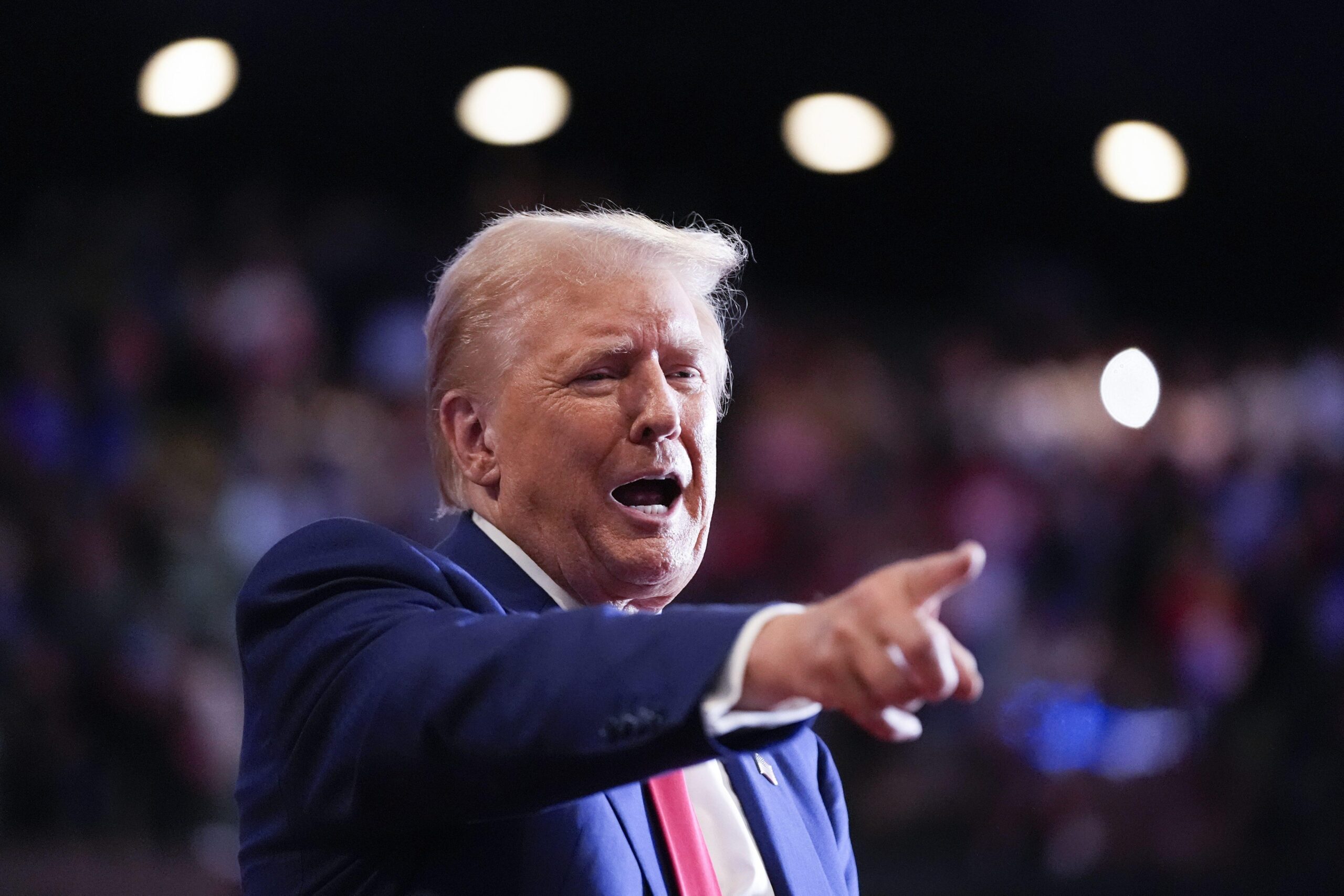
By Dr. Nilanjan Banik On November 30, Mr. Donald Trump posted a threat on his social media, warning that if BRICS countries abandon the US dollar, they would face a 100% tariff. This is not a new threat; similar warnings have also been directed at other regions, including nearshore friendly countries such as Mexico and […]

HANOI, VIETNAM – Media OutReach Newswire – 11 December 2024 – On December 10, 2024, Eximbank proudly joined hands with Visa to officially launch the Visa Direct service, a transformative step in redefining cross-border financial transactions. Held at Eximbank’s Head Office, this prestigious event brought together Eximbank’s leadership, Visa representatives, and distinguished guests to celebrate this innovative milestone. Visa Direct offers an exceptional opportunity for Eximbank customers, […]

FBS Joins Forces with Dignity for Children Foundation to Brighten the Holidays for About 350 Families in Malaysia SINGAPORE – Media OutReach Newswire – 13 December 2024 – FBS, a leading global broker, is honored to support the Dignity for Children Foundation in their heartfelt holiday campaign, Christmas Gift-A-Meal, taking place this December. The initiative aims to bring joy and warmth to families in Malaysia by providing […]

Oman remains steadfast in its commitment to becoming a global leader in green hydrogen production, despite facing a range of challenges in its pursuit of an energy transition. The Gulf nation is tapping into its vast renewable energy potential to position itself as a key player in the emerging green hydrogen market, which could play a pivotal role in global decarbonization efforts. The country’s green hydrogen strategy […]

VISHNU RAJA
RYO YAMADA
HITORI GOTOH
IKUYO KITA