News related to
Investment

Scania has introduced a new 13-litre marine engine designed to offer improved performance and reduced emissions for maritime operations. This latest development underscores the company’s commitment to advancing engine technology and meeting stringent environmental standards.

The new engine is built to deliver higher reliability and operational efficiency. It integrates advanced engineering features aimed at significantly lowering emissions while enhancing overall fuel efficiency. According to Fredrik Järild, Scania’s Head of Sales Power Solutions, this engine represents the pinnacle of the company’s marine engine technology. It addresses the growing demand for sustainable and efficient maritime solutions, offering a robust performance under demanding conditions.

Scania’s new marine engine is engineered to meet the increasing regulations on emissions in the shipping industry. By utilizing state-of-the-art technology, the engine ensures that vessel operators can achieve compliance with environmental standards without compromising on performance. This is particularly crucial as international maritime regulations continue to evolve, emphasizing the need for cleaner and more efficient marine propulsion systems.

The design of the engine focuses on both operational economy and durability. With enhanced fuel efficiency, the engine reduces operating costs for marine operators. Additionally, its robust build ensures longevity and dependable performance in various marine environments, from commercial shipping to recreational boating.

The introduction of this engine aligns with broader industry trends towards greater sustainability and efficiency. As the maritime sector faces mounting pressure to cut greenhouse gas emissions, Scania’s latest offering positions itself as a key player in this transition. The company’s emphasis on advancing engine technology reflects a broader commitment to addressing environmental challenges while supporting the operational needs of its customers.

Scania’s marine engine aims to contribute to a significant reduction in the carbon footprint of maritime operations. By integrating advanced emissions control technologies and optimizing fuel consumption, the engine supports efforts to minimize environmental impact while maintaining high standards of performance and reliability.

The new engine’s launch is part of Scania’s broader strategy to enhance its product lineup with cutting-edge technology that meets the evolving needs of the maritime industry. This includes ongoing investments in research and development to drive innovation and deliver solutions that address both environmental and operational challenges faced by marine operators.

As maritime operations increasingly prioritize sustainability, Scania’s latest engine represents a significant step forward in providing solutions that balance performance with environmental responsibility. The company’s continued focus on developing advanced technologies highlights its role in shaping the future of marine propulsion and contributing to more sustainable maritime practices.

Saudi Arabia has mandated that all bids for its high-profile stadium construction projects be submitted by the end of September. This development is part of the country’s extensive push to revamp its sports infrastructure in line with its Vision 2030 goals, aiming to enhance its global sporting appeal and diversify its economy.

The government’s decision follows a series of strategic moves to boost investment in the nation’s sports sector. The proposed stadiums are integral to Saudi Arabia’s plan to host international sporting events and foster local talent. These projects are expected to attract significant international attention and investment, aligning with the country’s broader strategy to elevate its status as a global sports hub.

The deadline for bid submission, September 30, 2024, has been set to ensure a streamlined and competitive process. This timeline reflects the urgency and scale of the projects, which are anticipated to involve complex architectural and engineering feats. Industry insiders expect a competitive field of international and local firms vying for the opportunity to contribute to this ambitious initiative.

Saudi Arabia’s sports sector has seen substantial growth over the past few years, with investments pouring into various sporting disciplines and facilities. The new stadium projects are expected to play a pivotal role in this growth, providing state-of-the-art venues that could host major international events, including football matches, athletics, and more.

The construction of these stadiums is also expected to drive economic growth by creating job opportunities and boosting local businesses. Furthermore, the projects align with Saudi Arabia’s broader economic diversification goals, reducing its reliance on oil revenues and enhancing its global economic footprint.

Key players in the construction and sports industries are closely monitoring the bid process, anticipating a surge in activity and collaboration opportunities. The projects are likely to involve advanced technologies and sustainable practices, reflecting Saudi Arabia’s commitment to innovation and environmental stewardship.

The September deadline underscores the government’s commitment to expediting these infrastructure developments. As the bid submission period approaches, industry stakeholders are preparing to present their proposals, which will be evaluated based on criteria such as design excellence, sustainability, and project feasibility.

The successful bidders will be tasked with delivering stadiums that not only meet international standards but also contribute to the long-term vision of Saudi Arabia’s sports sector. The outcome of the bidding process will be crucial in determining how quickly and effectively these ambitious projects will progress.

The push for new stadiums is part of a larger trend of increased investment in Saudi Arabia’s sports and entertainment sectors. The country has been actively working to enhance its global sporting presence, as evidenced by its hosting of major sports events and growing interest in international partnerships.

As the deadline approaches, the sports and construction industries remain abuzz with anticipation and preparation. The next few weeks will be critical in shaping the future of Saudi Arabia’s sports infrastructure and its role on the global stage.

Libya’s National Oil Corporation (NOC) has declared force majeure on operations at the El Sharara oil field, a critical asset in the country’s oil production infrastructure. This decision comes as tensions escalate between various factions within the Libyan government, further complicating the nation’s already turbulent political landscape. El Sharara, one of Libya’s largest oil fields, has been a focal point in the ongoing struggle for control over […]

NMDC Energy’s initial public offering (IPO) has experienced a robust demand surge, with the subscription level hitting 14 times the available shares within just four days. This overwhelming response underscores strong investor confidence in the company, which is poised to expand its footprint in the energy sector. The IPO, which began its subscription period on August 30, 2024, offers a total of 50 million shares at a […]

The Saudi Fund for Development (SFD) has finalized a $25 million agreement to support a new renewable energy initiative aimed at enhancing sustainable energy infrastructure. The deal, announced this week, is part of the Kingdom’s broader strategy to diversify its energy portfolio and reduce reliance on fossil fuels. The project, located in an emerging market region, will focus on the development and implementation of solar energy technologies. […]

Adnoc Drilling, the leading oilfield services provider in the Middle East, will be incorporated into MSCI’s flagship indexes, marking a significant milestone for the company and the broader market. This inclusion reflects the company’s robust performance and growing influence in the global energy sector.

The decision by MSCI to add Adnoc Drilling to its indexes highlights the company’s solid financial standing and market position. This move is expected to enhance the visibility of Adnoc Drilling among international investors and potentially increase its stock liquidity. MSCI, a prominent global index provider, bases its selections on a variety of criteria, including market capitalization, liquidity, and sector representation.

Adnoc Drilling’s inclusion in MSCI’s flagship indexes comes as part of a broader rebalancing that MSCI undertakes periodically. The company’s strong financial results and strategic initiatives have positioned it well within the index’s criteria. Recent performance metrics indicate a steady revenue growth and operational efficiency, underscoring the company’s pivotal role in the oil and gas sector.

The company has demonstrated impressive operational capabilities and a commitment to expanding its service offerings. Its diverse portfolio of drilling services and strategic partnerships have been instrumental in its growth trajectory. Analysts have noted that Adnoc Drilling’s inclusion could attract a broader range of institutional investors who rely on MSCI indexes for their investment decisions.

In recent developments, Adnoc Drilling has been focusing on enhancing its technological capabilities and expanding its geographic reach. Investments in cutting-edge drilling technology and sustainable practices have been key components of its growth strategy. This emphasis on innovation aligns with MSCI’s criteria for inclusion, which favors companies with a forward-looking approach and strong market presence.

The impact of Adnoc Drilling’s entry into MSCI’s flagship indexes is likely to be multifaceted. Increased visibility could lead to greater investor interest and potentially boost the company’s stock performance. Moreover, as MSCI indexes are widely followed by global investment funds, Adnoc Drilling’s inclusion could result in a shift in portfolio allocations towards the company.

Industry experts suggest that this development reflects a broader trend of growing investor confidence in companies operating within the oil and gas sector, particularly those demonstrating strong financial health and a commitment to innovation. Adnoc Drilling’s successful integration into MSCI’s indexes positions it as a key player on the international stage, further solidifying its role in the global energy market.

Adnoc Drilling’s addition to MSCI’s flagship indexes is a noteworthy achievement that underscores the company’s strategic importance and operational success. This move is anticipated to have a significant impact on the company’s market presence and investor relations, highlighting its continued growth and influence within the industry.

Metito, a prominent global player in water and wastewater treatment solutions, is currently the focus of acquisition talks with three major investors. This development highlights the ongoing interest in the water sector, which has seen increased investment due to its critical role in addressing global water scarcity and sustainability issues.

The potential acquisition involves three key investment entities: a leading private equity firm, a large infrastructure fund, and a prominent sovereign wealth fund. These investors are reportedly attracted by Metito’s strong market position and its extensive portfolio of projects across emerging markets, including the Middle East, North Africa, and Asia.

Metito has been a significant player in the water treatment industry for over five decades, providing innovative solutions for both municipal and industrial applications. The company’s extensive experience and its track record of successful project execution make it a valuable asset in a sector increasingly driven by technological advancements and environmental regulations.

The private equity firm in negotiations is known for its focus on infrastructure and industrial investments. This firm sees Metito as a strategic addition to its portfolio, given the company’s robust operational capabilities and its growth potential in emerging markets. The infrastructure fund, on the other hand, is interested in Metito’s long-term growth prospects and its potential to contribute to global sustainability goals. The sovereign wealth fund, which has a history of investing in high-impact projects, views Metito as an opportunity to enhance its portfolio with a focus on water infrastructure, an area of increasing global importance.

Industry analysts suggest that the acquisition talks come at a time when the water sector is experiencing heightened activity, driven by growing demand for advanced water treatment technologies and sustainable water management solutions. Governments and organizations worldwide are investing heavily in water infrastructure to address challenges related to water scarcity, pollution, and climate change. This investment trend has heightened interest in companies like Metito, which are well-positioned to capitalize on these emerging opportunities.

As negotiations proceed, the key considerations for the investors will likely include Metito’s financial performance, its strategic fit within their respective portfolios, and the potential for synergies with their existing operations. Additionally, the investors will be evaluating the regulatory landscape and potential challenges associated with acquiring a company with a significant global footprint.

The outcome of these acquisition talks could have substantial implications for the water treatment industry. If the deal proceeds, it could lead to increased investment in Metito’s operations, potentially accelerating the development of new technologies and expanding its reach in key markets. Moreover, it could signal a shift in the investment landscape, with more emphasis on companies that are actively contributing to global sustainability goals.

For Metito, the acquisition could provide an opportunity to enhance its capabilities and expand its impact in the water sector. The company has been actively involved in various high-profile projects and has a reputation for delivering innovative solutions. An acquisition by one of these investors could further strengthen its position and enable it to leverage new resources and expertise to drive future growth.

The ongoing talks between Metito and three prominent investors underscore the increasing interest in the water treatment sector. As the global focus on water sustainability intensifies, companies like Metito are attracting significant attention from investors seeking to capitalize on the sector’s growth potential. The outcome of these negotiations will be closely watched by industry stakeholders and could have a significant impact on the future trajectory of the water treatment industry.

Advertisements

Gulf Cooperation Council (GCC) companies are fortifying their strategies to address a range of economic challenges as investor confidence in the region soars to unprecedented levels. This optimism is driven by the GCC’s robust economic diversification efforts and increasing stability in key markets.

The GCC, consisting of Saudi Arabia, the United Arab Emirates, Qatar, Kuwait, Oman, and Bahrain, has been actively pursuing economic reforms aimed at reducing reliance on oil revenues and fostering sustainable growth. This shift is becoming evident as regional corporates enhance their focus on non-oil sectors, including technology, renewable energy, and healthcare.

Saudi Arabia, the largest economy in the GCC, continues to make significant strides under its Vision 2030 program. Recent developments include the expansion of its non-oil industries and increased foreign direct investment (FDI). The Saudi government is leveraging its fiscal policies to attract global investors and stimulate private sector growth. Key projects such as the Red Sea Development and NEOM are expected to further bolster investor sentiment by showcasing the country’s commitment to innovation and sustainability.

The United Arab Emirates (UAE) is also experiencing a surge in investor confidence, driven by its strategic economic initiatives. The UAE’s efforts to enhance its financial markets, coupled with reforms aimed at improving the ease of doing business, have strengthened its position as a regional investment hub. Initiatives such as the introduction of new visa categories and regulatory adjustments are designed to attract talent and capital, further enhancing the UAE’s appeal to international investors.

Qatar has similarly seen a positive shift in investor sentiment, supported by its ongoing investments in infrastructure and diversification away from hydrocarbons. The country’s emphasis on developing sectors like education, health, and sports has been instrumental in driving economic growth and attracting foreign interest. Qatar’s robust economic policies and strategic investments are poised to sustain its upward trajectory in investor confidence.

Kuwait, Oman, and Bahrain are also adapting to evolving economic landscapes by focusing on fiscal reforms and diversification strategies. Kuwait’s economic plans include substantial investments in infrastructure and the development of its financial sector. Oman is enhancing its economic resilience through initiatives aimed at boosting tourism and small-to-medium enterprises. Bahrain’s economic reforms and investment in financial services are expected to foster a conducive environment for investors.

The overall trend in investor sentiment within the GCC reflects a growing confidence in the region’s economic stability and potential for growth. This shift is attributed to the GCC’s proactive approach in addressing economic challenges, enhancing business environments, and diversifying away from oil dependence. The positive outlook among investors is further supported by strong economic fundamentals and a commitment to long-term development goals.

As GCC corporates navigate these headwinds, they are increasingly focusing on strategic investments and innovation to maintain competitive advantage. The region’s evolving economic landscape presents both opportunities and challenges, requiring companies to adapt to changing market dynamics and leverage emerging trends.

The surge in investor confidence underscores the GCC’s successful efforts in transforming its economies and positioning itself as a global investment destination. With continued focus on diversification and strategic growth, the region is set to maintain its momentum and attract further investment in the coming years.

Singapore has secured the top position in the Henley Crypto Adoption Index for 2024, showcasing its leading role in the global cryptocurrency landscape. The city-state’s rise to the forefront of crypto adoption reflects its robust regulatory framework, innovative financial infrastructure, and growing investment in digital assets. Singapore’s commitment to creating a supportive environment for cryptocurrencies, including clear regulations and a proactive stance towards technological advancements, has solidified […]

UAE and Kuwait have reinforced their diplomatic and economic ties by signing several memoranda of understanding (MoUs) aimed at enhancing cooperation across various strategic sectors. The agreements were finalized during the fifth session of the UAE-Kuwait Joint Higher Committee, held in Abu Dhabi and chaired by UAE Deputy Prime Minister and Minister of Foreign Affairs, Sheikh Abdullah bin Zayed Al Nahyan.

The discussions underscored the significance of deepening collaboration in areas such as industry, trade, renewable energy, transportation, and infrastructure development. Both countries highlighted the importance of these sectors in driving economic growth and diversifying their economies, particularly in the context of shifting global energy dynamics.

Sheikh Abdullah emphasized the strong historical relationship between the two nations and the mutual benefits of the agreements. He noted that the partnership between UAE and Kuwait has always been a cornerstone of stability and progress in the Gulf region. The MoUs, he added, are not just symbolic but represent actionable plans that will have a tangible impact on the economic and social development of both countries.

The Kuwaiti delegation, led by Foreign Minister Sheikh Salem Abdullah Al-Jaber Al-Sabah, echoed these sentiments, stressing the strategic importance of the agreements in fostering long-term cooperation. Sheikh Salem highlighted that these MoUs are aligned with Kuwait’s Vision 2035, which aims to transform the country into a financial and trade hub, with a sustainable and diversified economy.

One of the key areas of focus during the talks was the renewable energy sector. Both UAE and Kuwait have committed to increasing investments in this area, recognizing the critical role of renewable energy in achieving energy security and environmental sustainability. The UAE, with its ambitious clean energy targets, is expected to share its expertise and technological advancements with Kuwait, which is also exploring ways to reduce its dependency on fossil fuels.

Trade and industry were also central to the discussions, with both sides agreeing to enhance bilateral trade relations. The MoUs are expected to facilitate easier access to markets, remove trade barriers, and encourage joint ventures in key industries. This move is anticipated to boost economic activity and create new opportunities for businesses in both countries.

Transportation and infrastructure development were other major topics on the agenda. The two countries plan to collaborate on large-scale infrastructure projects, including the expansion of transportation networks and the development of smart cities. These initiatives are part of broader efforts to modernize infrastructure and improve connectivity within the Gulf region, which is vital for sustaining economic growth and enhancing regional integration.

The UAE-Kuwait Joint Higher Committee has been a key platform for strengthening bilateral relations since its establishment. The committee meets periodically to review the progress of joint initiatives and explore new areas of cooperation. This latest session marked a significant step forward in UAE-Kuwait relations, with both sides expressing optimism about the future of their partnership.

As the global landscape continues to evolve, UAE and Kuwait are positioning themselves as key players in the Gulf region by building on their strong diplomatic ties and expanding their cooperation in critical sectors. The MoUs signed at the fifth session of the Joint Higher Committee are expected to pave the way for further collaboration and contribute to the economic and social development of both countries.

SHENZHEN, CHINA – Media OutReach Newswire – 2 September 2024 – The Plan for Comprehensively Deepening Reform and Opening-up of the Qianhai Shenzhen-Hong Kong Modern Service Industry Cooperation Zone (hereinafter referred to as the “Qianhai Plan”) was officially released on September 6, 2021. Over the past three years, the GDP, fixed asset investment, and imports & exports of Qianhai have grown at an average annual rate of […]

A joint venture between ADNOC Drilling and Alpha Dhabi has secured an expanded stake in Gordon Technologies, marking a significant development in the energy sector. This acquisition comes as part of an ongoing effort to enhance the technological capabilities of ADNOC’s oilfield services, reflecting a broader strategy to strengthen the company’s global presence. Gordon Technologies, a Texas-based firm specializing in Measurement While Drilling (MWD) technology, has been […]

A former senior executive at SHUAA Capital has filed a $6 million lawsuit against the investment banking firm, alleging unpaid labor dues and breach of contract. The legal action, filed in Dubai’s civil courts, has drawn significant attention within the financial community, highlighting ongoing disputes over compensation in the industry. The executive, who held a prominent position at SHUAA Capital, claims that the company failed to fulfill […]

Silal, the agricultural investment firm supported by Abu Dhabi Developmental Holding Company (ADQ), has taken a major step in expanding its portfolio by acquiring a controlling interest in Al Bakrawe Holding. This acquisition reflects Silal’s strategic move to strengthen its foothold in the agricultural sector and enhance its market presence.

Al Bakrawe Holding, a diversified company with interests spanning agriculture, real estate, and industrial sectors, has seen a significant shift in its ownership structure with this transaction. Silal’s acquisition of a majority stake is poised to bring a substantial capital injection and operational expertise to Al Bakrawe’s existing ventures. The deal, valued at an undisclosed amount, is expected to drive growth and innovation within the company’s agricultural and industrial operations.

The acquisition aligns with ADQ’s broader strategy to bolster investments in key sectors that drive economic diversification and sustainable development in the UAE. Silal’s focus on agriculture, particularly in advancing technology and sustainability practices, complements Al Bakrawe’s established market position. This synergy is anticipated to yield enhanced operational efficiencies and expansion opportunities for both entities.

Industry experts note that this deal positions Silal as a pivotal player in the regional agricultural landscape. The firm’s investment is expected to facilitate the introduction of advanced agricultural technologies and practices to Al Bakrawe’s operations, thereby boosting productivity and sustainability. The integration of Silal’s resources and expertise is likely to accelerate the growth trajectory of Al Bakrawe, leveraging innovative solutions to address the evolving demands of the agriculture sector.

The acquisition also underscores ADQ’s commitment to supporting companies that contribute to the UAE’s strategic goals of food security and economic diversification. By backing Silal’s acquisition, ADQ reinforces its role in shaping the future of key industries and promoting sustainable development within the region. The investment is part of a larger trend of strategic acquisitions and partnerships aimed at fostering growth and resilience in critical sectors.

Al Bakrawe Holding, founded in 1992, has established a diverse portfolio with significant investments in agriculture, real estate, and industrial sectors. The company’s agricultural arm focuses on crop production and agro-technology, making it a fitting candidate for Silal’s investment. The acquisition is expected to enhance Al Bakrawe’s capabilities and expand its market reach, leveraging Silal’s expertise in modern agricultural practices.

Silal, on its part, continues to strengthen its investment strategy in line with its mission to revolutionize the agricultural industry. The firm has been actively pursuing opportunities to integrate advanced technology and sustainable practices across its investments. This latest acquisition is a testament to Silal’s strategic vision and its commitment to driving progress in the agricultural sector.

As the integration process unfolds, stakeholders will be keenly observing the impact of this acquisition on both Silal and Al Bakrawe Holding. The deal is likely to set a precedent for future investments in the agricultural sector and further cement ADQ’s role as a key driver of economic growth and diversification in the UAE.

With this strategic acquisition, Silal is poised to make a significant mark on the agricultural industry, enhancing its capabilities and influence in the region. The partnership between Silal and Al Bakrawe Holding is expected to bring about notable advancements and opportunities, reflecting a growing trend of investment and innovation in the UAE’s key sectors.

Saudi Arabia is streamlining its investment framework to attract more foreign capital, aiming to enhance its position as a leading investment destination in the Middle East. The Kingdom’s recent regulatory overhaul is part of a broader strategy to diversify its economy beyond oil dependency and encourage international investors.

The Saudi government has unveiled a series of reforms designed to simplify the process for foreign investors. Key changes include faster approval times for investment projects, reduced bureaucratic hurdles, and more transparent procedures. These measures are expected to lower entry barriers and provide a more predictable business environment for global investors.

This regulatory shift aligns with Saudi Arabia’s Vision 2030 plan, which seeks to transform the nation’s economic landscape by fostering a more robust private sector and reducing its reliance on oil revenues. Vision 2030 is a comprehensive blueprint aimed at diversifying the economy, enhancing public sector efficiency, and developing key industries such as tourism, entertainment, and technology.

In addition to streamlining administrative processes, the Saudi government has introduced new incentives for investors. These include tax breaks, subsidies, and support for infrastructure development in high-priority sectors. By offering such incentives, Saudi Arabia hopes to attract a broad range of international businesses, from technology firms to manufacturing giants.

The Kingdom’s push to attract foreign investment comes amid increasing competition from neighboring countries that are also vying to position themselves as investment hubs. Nations such as the United Arab Emirates and Qatar have implemented their own strategies to lure global capital, making the regional investment landscape highly competitive.

Saudi Arabia’s efforts have already shown some positive outcomes. There has been a noticeable uptick in foreign direct investment (FDI) flows into the country, particularly in sectors that align with the Vision 2030 goals. The influx of foreign capital is not only bolstering the Saudi economy but also contributing to job creation and technological advancement.

Several multinational corporations have announced plans to expand their operations in Saudi Arabia, attracted by the improved investment climate. These companies are setting up new facilities and forming partnerships with local businesses, further integrating Saudi Arabia into the global economic network.

Despite these advancements, challenges remain. Investors still face some risks related to political and economic stability, and ongoing global economic uncertainties could impact investment flows. However, the Saudi government’s proactive approach and commitment to creating a favorable business environment are seen as significant steps toward mitigating these risks.

Saudi Arabia’s regulatory reforms represent a decisive move to solidify its status as a top investment destination. By addressing key barriers to entry and offering attractive incentives, the Kingdom is positioning itself to capture a larger share of global investment flows, thereby supporting its long-term economic transformation goals.

Dubai-based DP World has acquired Hong Kong’s Cargo Services Far East (CSFE) in a strategic move aimed at strengthening its foothold in the retail logistics sector across China. This acquisition, valued at approximately $300 million, highlights DP World’s intent to expand its operations within the Asia-Pacific region, particularly by enhancing its supply chain capabilities to meet the growing demands of the Chinese market.

CSFE, a leading player in retail logistics, provides comprehensive supply chain services, including warehousing, freight forwarding, and distribution, primarily serving major retail brands across Asia. By integrating CSFE’s operations into its global network, DP World is poised to offer end-to-end solutions that cater to the increasingly complex logistics needs of its customers.

The deal aligns with DP World’s broader strategy of diversifying its portfolio beyond traditional port operations. This acquisition is seen as a significant step in DP World’s efforts to position itself as a leading provider of integrated logistics solutions, leveraging CSFE’s established presence and expertise in the region to enhance its service offerings.

This move also reflects DP World’s commitment to expanding its presence in key growth markets. With China’s retail market continuing to grow, the acquisition of CSFE allows DP World to tap into a vast and dynamic consumer base, providing a crucial link between manufacturers and end-users across the region.

The acquisition is expected to enhance DP World’s ability to offer seamless, efficient, and cost-effective logistics solutions, further strengthening its competitive position in the global logistics landscape.

DP World’s acquisition of CSFE comes amid a broader trend of consolidation in the logistics industry, driven by the need to offer more integrated and scalable solutions to customers. As global trade dynamics continue to evolve, DP World’s strategic acquisitions and investments underline its commitment to adapting to these changes and staying ahead in a highly competitive market.

The integration of CSFE into DP World’s network is anticipated to bring significant synergies, including improved operational efficiencies, enhanced service capabilities, and increased market penetration in the Asia-Pacific region. This acquisition is expected to contribute positively to DP World’s financial performance, reflecting the company’s strategic focus on expanding its logistics and supply chain services.

DP World’s acquisition of CSFE marks a critical milestone in its expansion strategy, reinforcing its position as a leading global logistics provider. By leveraging CSFE’s established market presence and expertise, DP World is well-positioned to capitalize on the growing demand for integrated logistics solutions in China and beyond.

This acquisition is also in line with DP World’s vision of becoming an end-to-end logistics provider, offering a full range of services that encompass the entire supply chain, from port operations to last-mile delivery. As the logistics industry continues to evolve, DP World’s strategic investments in key growth markets like China are expected to drive its long-term growth and success.

BEIJING, CHINA – Media OutReach Newswire – 2 September 2024 – From August 23rd to August 28th, the “I Show ASEAN” China-ASEAN Youth Story Collection, initiated by CICG Center for Cultural Communication, embarked on a field visit to Laos and Vietnam. Focusing on overseas projects in ASEAN of China Southern Power Grid, this endeavor encouraged youth groups to actively engage in China-ASEAN industrial collaboration and cultural exchanges […]

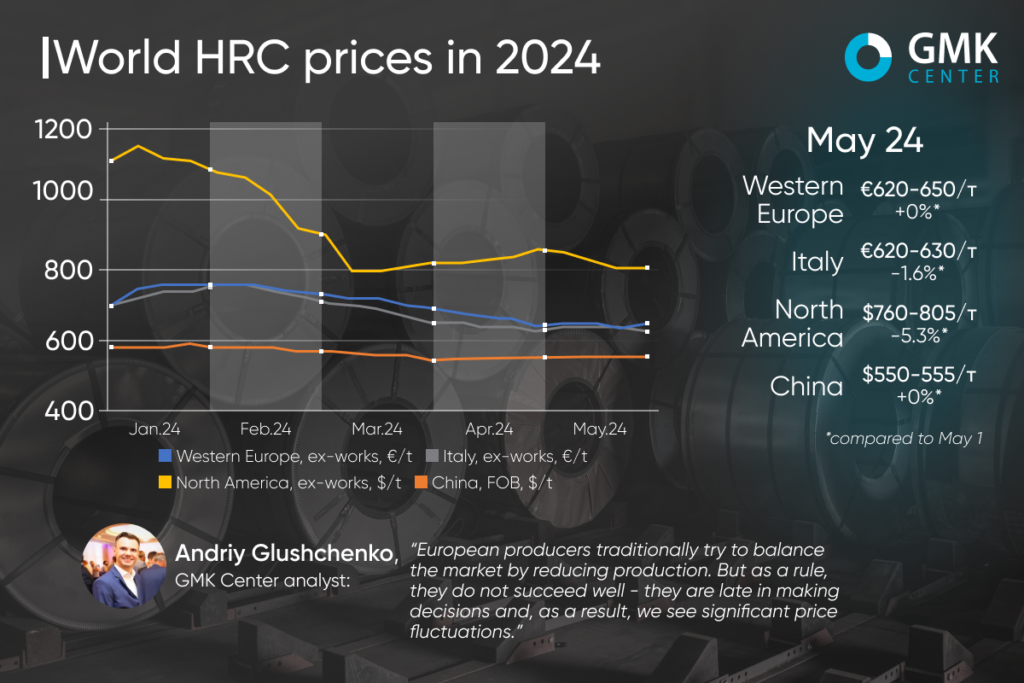
Iron ore prices are projected to maintain stability despite ongoing challenges in China’s steel industry. The steel sector, a major driver of iron ore demand, has faced significant headwinds recently due to declining production and fluctuating market conditions. This downturn has raised concerns about the potential impact on iron ore prices, which have historically been closely tied to the performance of the steel industry.

The steel sector in China, the world’s largest producer and consumer of steel, has encountered a range of issues, including reduced domestic demand, stricter environmental regulations, and economic uncertainties. These factors have led to a decrease in steel production and, consequently, a slowdown in the demand for iron ore. However, despite these challenges, iron ore prices have shown resilience.

Market analysts attribute this stability to several key factors. Firstly, iron ore remains a crucial raw material for steel production, and despite the slowdown, demand has not diminished entirely. China’s commitment to infrastructure projects and construction, although reduced, continues to support a baseline level of demand for steel and, by extension, iron ore. Furthermore, global supply constraints have helped to offset some of the downward pressure on prices. Issues such as logistical disruptions and geopolitical tensions have limited the availability of iron ore from major producing regions, contributing to the price stability.

Additionally, major iron ore producers have adjusted their production strategies to align with current market conditions. Companies in Brazil and Australia, two of the largest iron ore exporters, have implemented measures to manage supply levels and maintain price equilibrium. These adjustments have helped to balance the market and prevent excessive price fluctuations.

Economic indicators also play a role in the outlook for iron ore prices. Despite the slowdown in China’s steel sector, broader economic trends show signs of recovery. Increased investment in infrastructure and technology, coupled with government stimulus measures, could potentially boost steel demand in the future. This anticipated recovery may provide additional support for iron ore prices, as the steel industry begins to rebound.

Investor sentiment and market speculation are other factors influencing iron ore prices. The commodity markets are often driven by investor expectations and perceptions of future trends. As investors remain cautious but optimistic about the global economic recovery, this sentiment can contribute to price stability in the iron ore market.

The overall outlook for iron ore prices remains cautiously optimistic. While the steel sector in China faces significant challenges, the iron ore market has demonstrated resilience due to a combination of supply management, global economic trends, and investor sentiment. As the situation evolves, stakeholders in the iron ore industry will continue to monitor these factors closely to navigate the shifting dynamics of the market.

As the market frenzy surrounding Nvidia’s meteoric rise and subsequent volatility begins to wane, investors should take a moment to appreciate the broader health of the US stock market. While the chipmaker has captivated headlines with its spectacular gains, fuelled by AI hype, the real story may lie in the solid, albeit less glamorous, performance of the broader market. Recent data suggests that US equities are in […]

AlephYa Education, a prominent educational provider across the Gulf Cooperation Council (GCC) region, has announced a significant majority investment from TA Associates. This strategic investment aims to accelerate AlephYa’s growth and enhance its educational offerings, reinforcing its position in the competitive GCC education market. The deal, disclosed earlier today, positions TA Associates as the majority stakeholder in AlephYa Education. This investment is anticipated to provide AlephYa with […]

SINGAPORE – Media OutReach Newswire – 2 September 2024 – The motivation to grow our wealth to prepare for the future is deeply engrained in many Singaporeans, yet does this same tenacity extend to preserving our health for our golden years? Afterall, what is wealth without good health? This question was explored in a recent May 2024 poll1 commissioned by Prudential Singapore. One thousand Singapore residents, aged […]

Star Entertainment, the Australian resort and casino operator, has been suspended from trading on the Australian Securities Exchange (ASX) following its failure to release annual financial results. The suspension, which took effect on Monday, marks a significant setback for the company, already grappling with a series of operational and financial challenges. The delisting comes as a result of Star Entertainment’s inability to meet the ASX’s regulatory requirements. […]

Armacell, a leading player in the flexible foam and engineered foams sector, has fully acquired JIOS Aerogel shares from its joint venture partner JIOS. This move marks a significant shift as JIOS refocuses on the electric vehicle market, while Armacell aims to enhance its aerogel production capabilities.

The acquisition of JIOS’s stake in Armacell JIOS Aerogels Limited (AJA) follows the joint venture’s notable success since its establishment in 2016. Initially set up to leverage JIOS’s patented silica aerogel technology, AJA has thrived under Armacell’s global sales and marketing network. The joint venture has become renowned for its ArmaGel® product line, which serves high-temperature and cryogenic insulation needs in the energy industry.

Armacell’s move to acquire full ownership of AJA aligns with its strategy to expand its presence in the aerogel market. The company’s investment aims to boost its production capabilities at AJA’s facility in Cheonan, South Korea. This plant is currently capable of producing over 700 tonnes of aerogel powder annually, with immediate plans for expansion to meet growing market demands.

The acquisition underscores a broader trend of specialized material companies realigning their business strategies. As JIOS channels its resources toward the burgeoning electric vehicle sector, Armacell is reinforcing its position in the aerogel segment, known for its unparalleled insulation properties. Aerogel, recognized as the world’s lightest solid material, offers superior thermal insulation, making it a valuable asset in various industrial applications.

Armacell’s expansion into a fully integrated aerogel producer highlights the company’s commitment to innovation and market growth. The full acquisition of AJA will enable Armacell to consolidate its position as a leading manufacturer of advanced insulation materials, leveraging the synergies of its established global network and JIOS’s technological expertise.

The move also reflects an increasing focus on strategic partnerships and acquisitions within the industrial materials sector. Companies are adapting to evolving market demands by reconfiguring their portfolios and capabilities to maintain competitive advantage.

The evolution of Armacell’s involvement in the aerogel market signifies a pivotal moment in its growth strategy, setting the stage for new developments in the field of high-performance insulation materials.

The long-anticipated resort and casino complex in Brisbane has officially opened its doors, marking the culmination of over a decade of planning and debate. The development, spearheaded by the Queensland government, represents a significant investment in the city’s tourism and entertainment sector.

The project, which has been a focal point of controversy and debate, is situated in a prime location along the Brisbane River. It features a state-of-the-art casino, luxury hotel accommodations, a variety of dining options, and expansive recreational facilities. The opening of the complex is expected to bolster Brisbane’s status as a major tourist destination and stimulate local economic growth.

The development has been met with mixed reactions. Supporters argue that the resort will drive substantial economic benefits through increased tourism and job creation. It is anticipated to attract both national and international visitors, providing a boost to the local hospitality and retail sectors. The casino alone is projected to contribute millions in revenue annually, further enhancing the economic impact.

Critics, however, have voiced concerns regarding the project’s implications for the community and environment. Some local residents and advocacy groups have expressed apprehension about the potential increase in gambling-related issues and the environmental impact of the large-scale development. The project’s construction has been scrutinized for its effects on local infrastructure and the surrounding ecosystem.

The Queensland government has defended the project, highlighting the rigorous regulatory processes and sustainability measures that have been put in place. Authorities assert that the development will comply with environmental regulations and provide ongoing community support initiatives. The government has also emphasized the importance of the project in maintaining Brisbane’s competitive edge in the global tourism market.

The resort and casino complex features a blend of modern architecture and luxurious amenities. The casino floor includes a wide range of gaming options, from traditional table games to the latest electronic machines. The hotel component offers upscale accommodations with panoramic views of the Brisbane skyline. Additionally, the complex boasts multiple dining venues, ranging from fine dining to casual eateries, as well as entertainment options including live performances and cultural events.

The opening of the complex is expected to have a substantial ripple effect on Brisbane’s economy. It is anticipated to generate thousands of jobs during both the construction and operational phases. Local businesses are expected to benefit from increased foot traffic and spending by visitors. Additionally, the development is poised to contribute to the city’s ongoing efforts to position itself as a leading destination for international events and conferences.

Despite the anticipated economic benefits, the resort and casino have sparked ongoing discussions about the balance between development and community well-being. As the complex begins operations, stakeholders are closely monitoring its impact on local communities and the broader economic landscape. The project’s legacy will likely continue to evolve as it integrates into the fabric of Brisbane’s tourism and entertainment sector.

The launch of Brisbane’s resort and casino complex represents a significant milestone in the city’s development trajectory. As the complex opens its doors, all eyes will be on how it navigates the challenges and opportunities that lie ahead, shaping the future of Brisbane’s tourism and economic landscape.

VISHNU RAJA
RYO YAMADA
HITORI GOTOH
IKUYO KITA