News related to
Investment

ADNOC Distribution has announced an interim cash dividend of $350 million for the first half of the fiscal year, reflecting its strong financial performance and commitment to returning value to shareholders. This decision underscores the company’s robust operational framework and the positive outlook for its growth trajectory in the competitive energy sector. The announcement came during a recent board meeting, where the executives highlighted significant increases in […]

Secures 28 new signings year-to-date in Southeast Asia, with plans to open 28 properties across the region this year SINGAPORE – Media OutReach Newswire – 23 September 2024 – The Ascott Limited (Ascott), the lodging business unit wholly owned by CapitaLand Investment (CLI), today announced 28 new signings year-to-date in Southeast Asia, adding over 3,400 units across its various brands in key destinations. Accounting for more than […]

Huawei has unveiled significant advancements in its fiber to the office (FTTO) technology, launching FTTO 2.0 and a suite of new products tailored for various industries, including education, healthcare, and hospitality. These innovations were announced at HUAWEI CONNECT 2024, with a strong emphasis on enhancing campus networks and transitioning to Wi-Fi 7 standards. The FTTO 2.0 system integrates cutting-edge optical networking technology to support the evolving demands […]

Adnoc Gas has suspended its feed-to-engineering, procurement, and construction (EPC) contest for a significant liquefied natural gas (LNG) project in Abu Dhabi, a move that has raised eyebrows in the energy sector. This decision comes amid shifting market dynamics and strategic reassessments within the company. The LNG project, which was anticipated to enhance Adnoc’s capacity and export capabilities, has been on the radar of industry analysts and […]

Anil Ambani’s Reliance Group is poised for significant changes, with a crucial board meeting scheduled for September 23. This meeting comes at a critical juncture as the company seeks to rejuvenate its business operations and adapt to an evolving market landscape.

The backdrop to this transformation is a series of challenges that Reliance Group has faced in recent years, including financial setbacks and increased competition across various sectors. Analysts view this meeting as a pivotal moment for Ambani to outline strategic decisions that could reshape the company’s future. There are expectations for announcements that may include restructuring plans, investment strategies, and potential divestitures aimed at streamlining operations.

The financial health of Reliance Group has been under scrutiny, particularly following reports of mounting debt levels and a decline in share prices. As of late, the company has seen its stock fluctuate amidst concerns regarding its ability to maintain profitability across its diverse portfolio, which includes telecommunications, energy, and retail. Addressing these financial concerns is likely to be at the forefront of discussions during the upcoming board meeting.

Market experts believe that the company’s trajectory could benefit from a renewed focus on core competencies while possibly divesting from less profitable segments. This strategic pivot could enable Reliance to consolidate its position in key markets, particularly in technology and consumer services. The telecom arm, Jio, has been a standout performer, yet there is pressure to ensure that growth in this sector is sustainable.

The board is expected to explore potential partnerships and alliances that can enhance Reliance’s competitive edge. Collaborations in technology and sustainability initiatives are particularly pertinent, given the global shift towards eco-friendly practices and digital innovation. Such partnerships may help the company not only to tap into new revenue streams but also to bolster its reputation as a forward-thinking enterprise.

Ambani’s leadership style has historically been characterized by bold moves and a willingness to embrace risk. His approach to this board meeting will likely reflect a blend of innovative thinking and practical solutions to the challenges at hand. This combination could set the stage for a comprehensive overhaul of the group’s operational framework, aligning it more closely with market demands.

In addition to strategic shifts, the upcoming board meeting is likely to address governance and operational efficiencies. Ensuring that Reliance Group remains agile and responsive to market changes will be crucial in maintaining investor confidence. The potential for leadership changes within the company could also be on the agenda, with discussions about empowering a new generation of executives to drive innovation.

Investors and market analysts are keenly observing these developments, as they may indicate Reliance Group’s future direction. There is a shared sense of anticipation surrounding how Ambani will communicate these strategies and whether he will provide specific timelines and actionable steps. A clear vision articulated during the meeting could significantly impact investor sentiment and the company’s stock performance.

The competitive landscape in which Reliance operates is rapidly evolving. With increasing pressures from both domestic and international players, the company must adopt a more aggressive stance to defend its market share. Analysts suggest that this might involve a focus on enhancing digital offerings and improving customer engagement across its platforms.

As Reliance Group prepares for this critical meeting, stakeholders are looking for signs of a proactive strategy that addresses not only immediate concerns but also long-term growth aspirations. Anil Ambani’s ability to pivot and reposition the group will be essential for its survival and success in an increasingly complex business environment.

The significance of this board meeting cannot be understated, as it represents a potential turning point for Reliance Group. The decisions made on September 23 may very well shape the future of one of India’s most influential conglomerates, influencing market dynamics and setting precedents for corporate governance in the region.

AM Green Technology and Solutions B.V., part of the AM Green Group, has finalized agreements to acquire Chempolis Oy, marking a significant step in its push toward sustainable fuel solutions. The acquisition of Chempolis, a biofuel technology company, aligns with AM Green’s strategy to strengthen its presence in the global energy transition market. AM Green plans to invest approximately $1 billion over the next three years to scale up the production of Sustainable Aviation Fuel (SAF) through Chempolis’ next-generation second-generation bio-refinery technology.

The acquisition is positioned to transform AM Green into a major player in the renewable fuels sector, focusing on producing over half a million metric tonnes per annum (MTPA) of SAF. The deal, formalized in a binding agreement, is seen as part of the broader industry trend toward decarbonizing the aviation sector, where SAF has gained increasing attention due to its potential to significantly reduce carbon emissions.

AM Green’s Chief Executive Officer described the acquisition as a “pivotal moment” for the company. He emphasized that the technology provided by Chempolis will allow for a more environmentally friendly approach to fuel production, particularly in the aviation industry, which is under mounting pressure to meet global carbon reduction targets. “This acquisition underscores our commitment to providing innovative, scalable solutions for energy transition. Chempolis’ bio-refinery technology is uniquely positioned to make a meaningful impact in the effort to decarbonize global airline operations,” he noted.

Chempolis is known for its cutting-edge, second-generation bio-refining technology that converts agricultural residues into biofuels. Unlike first-generation biofuels that rely on food crops like corn and sugarcane, second-generation biofuels are made from non-food sources, offering a more sustainable alternative without competing with global food supplies. By integrating Chempolis’ expertise, AM Green aims to rapidly scale its biofuel production to serve the growing global demand for SAF.

The aviation industry is facing increasing scrutiny over its environmental impact, with SAF emerging as a key solution to mitigate carbon emissions from flights. SAF is recognized for its ability to reduce greenhouse gas emissions by up to 80 percent compared to traditional jet fuel, depending on the production process. Many airlines, particularly in Europe and North America, have begun to incorporate SAF into their operations as part of broader sustainability goals. However, production volumes remain limited, with high costs and supply chain challenges posing obstacles to widespread adoption.

AM Green’s investment will help address these issues by ramping up SAF production and reducing costs through economies of scale. The company plans to leverage Chempolis’ technology not only in its own operations but also through a global licensing model. This strategy will enable other industry players to adopt the bio-refining technology, thus expanding the reach of SAF production beyond AM Green’s facilities. The aim is to create a broader ecosystem of bio-refineries around the world, working together to meet the aviation sector’s decarbonization targets.

Experts have noted that the acquisition reflects the growing competition among companies to acquire advanced biofuel technologies as the world shifts toward renewable energy sources. The airline industry is projected to face stricter environmental regulations in the coming years, driving the demand for alternative fuels. SAF, which can be blended with conventional jet fuel and used in existing aircraft without modifications, is seen as a practical solution to reduce emissions in the near term, while longer-term innovations like electric and hydrogen-powered planes remain under development.

AM Green’s $1 billion investment will be crucial in scaling up SAF production, which is still in its early stages. Currently, SAF represents less than 1 percent of total jet fuel consumption, but analysts predict that figure will rise significantly over the next decade as more airlines commit to sustainable fuel alternatives. By integrating Chempolis’ technology, AM Green is positioning itself to play a leading role in this transition.

The company also intends to partner with airlines and airports to facilitate the adoption of SAF on a global scale. In addition to producing SAF, AM Green plans to develop an extensive bio-refinery network, providing licensing opportunities for other companies interested in utilizing Chempolis’ technology. This approach could help lower the entry barriers for SAF production, making it more accessible and affordable for a wider range of stakeholders.

The bio-refinery technology that Chempolis offers is designed to be highly versatile, capable of processing various types of biomass, including agricultural residues, municipal waste, and forestry by-products. This flexibility allows for a more sustainable and diversified feedstock supply, reducing reliance on any single resource. Moreover, the technology is known for its efficiency in converting raw materials into usable fuels, minimizing waste and environmental impact.

Oman’s Nama Power and Water Procurement Company (Nama PWP) has identified several prominent utility developers to spearhead the construction of five large-scale wind energy projects. This initiative marks a significant step in the nation’s efforts to diversify its energy sources and enhance sustainability. The competitive process saw strong interest from major players in the energy sector, with Saudi Arabia’s Acwa Power, Japan’s Sumitomo and Itochu, France’s TotalEnergies […]

Advertisements

The EDGE Group, a prominent defense technology firm based in the UAE, has unveiled a new subsidiary named FADA, dedicated to advancing the nation’s space capabilities. This strategic move positions EDGE as a key player in the burgeoning space sector, which is rapidly gaining traction in the Middle East. The establishment of FADA reflects a growing ambition to not only enhance domestic capabilities but also contribute to global space initiatives.

FADA aims to serve as a comprehensive platform for developing satellite technologies and associated services. This initiative is part of a broader national effort to establish the UAE as a leader in space exploration and satellite manufacturing. By leveraging advanced technologies and expertise, FADA is expected to facilitate significant advancements in both military and civilian space applications.

The UAE has made considerable strides in the space domain over the past decade, highlighted by the successful launch of the Hope Probe to Mars in 2020. This achievement underscored the nation’s commitment to becoming a notable player in international space exploration. With the introduction of FADA, EDGE is poised to build upon these foundations by providing a focused entity that can accelerate the development of sophisticated space solutions tailored to both local and international needs.

The new company will focus on several key areas, including satellite design and manufacturing, space systems integration, and ground control solutions. By centralizing these capabilities under one roof, FADA aims to streamline operations and foster innovation in space technologies. The establishment of this entity not only showcases EDGE’s commitment to diversifying its portfolio but also highlights the UAE’s strategic vision for expanding its footprint in the space sector.

FADA’s operations will align with the UAE’s long-term goals outlined in its National Space Strategy. This strategy emphasizes the importance of developing indigenous capabilities to ensure that the UAE can independently manage and operate sophisticated space systems. FADA will play a crucial role in achieving these objectives by focusing on research and development, as well as collaborating with global partners to enhance technological expertise.

One of the pressing needs in the space sector is the development of small satellite technologies. FADA is set to focus on this area, capitalizing on the global trend towards miniaturization and cost-effective satellite solutions. These small satellites are increasingly being used for a variety of applications, including Earth observation, telecommunications, and scientific research. By investing in these technologies, FADA aims to provide affordable solutions for both government and commercial entities.

FADA’s establishment is likely to attract significant investment into the UAE’s space sector. As the global market for satellite technologies continues to expand, the UAE is strategically positioned to become a hub for research, development, and manufacturing. The presence of FADA can foster partnerships with international firms, thereby enhancing the local industry’s capabilities and promoting knowledge transfer.

The leadership at EDGE has emphasized that the launch of FADA is not just about expanding the company’s business portfolio, but also about contributing to the national interest. By developing local talent and fostering innovation, FADA seeks to empower a new generation of engineers and scientists in the UAE. This aligns with the government’s vision of cultivating a knowledge-based economy, wherein homegrown talent plays a pivotal role in driving technological advancements.

Collaboration with academic institutions and research organizations will be crucial for FADA’s success. The company is expected to engage in partnerships that foster research initiatives, enabling the integration of cutting-edge technologies into its projects. Such collaborations will ensure that FADA remains at the forefront of innovation in the space sector, while also contributing to the educational and professional development of the local workforce.

The global landscape of space exploration is characterized by an increasing number of private-sector participants. FADA’s entry into this domain may inspire similar initiatives within the region, fostering a competitive environment that could spur technological advancements and operational efficiencies. The presence of multiple players can lead to an ecosystem that encourages innovation and rapid development of new space technologies.

Australia is set to implement regulations requiring cryptocurrency firms to secure financial services licenses, aligning the legal status of many digital assets with that of traditional financial products. This significant move reflects the growing recognition of cryptocurrencies as essential components of the financial landscape and aims to enhance consumer protection and reduce systemic risks associated with the volatile crypto market. The Australian Securities and Investments Commission (ASIC) […]

MicroStrategy has distinguished itself as a formidable player in the financial landscape, outperforming every company in the S&P 500 since it adopted a Bitcoin-centric investment strategy. This remarkable trajectory has positioned the firm at the forefront of the digital asset revolution, highlighting the potential of cryptocurrencies as a viable asset class. The firm, which specializes in business intelligence software, made headlines in 2020 when it began purchasing […]

A substantial issuance of $6.8 billion in government treasury bonds and Islamic treasury sukuk highlights the UAE’s robust financial strategy amidst evolving economic conditions. This move reflects the country’s commitment to maintaining liquidity and enhancing its fiscal stability. The recent bond sale is aimed at meeting the growing funding requirements while also strengthening investor confidence in the UAE’s economic landscape.

The issuance comprises $4 billion in treasury bonds and $2.8 billion in sukuk, with varying maturities catering to a wide array of institutional and retail investors. The Ministry of Finance announced that the bonds have received a favorable response from both domestic and international markets, indicating strong demand for UAE government securities. The issuance will be used to finance various developmental projects, including infrastructure, healthcare, and education, aligned with the UAE’s long-term strategic vision.

Analysts highlight that this latest move is part of a broader trend where regional governments are increasingly turning to capital markets for financing. This approach allows for greater flexibility and efficiency in raising funds, particularly in a time when global interest rates are fluctuating. By tapping into both conventional bonds and sukuk, the UAE is also catering to a diverse investor base, which is critical for maintaining liquidity in the market.

The demand for the sukuk component of the issuance underscores the growing interest in Sharia-compliant investments. Sukuk, which are Islamic financial certificates similar to bonds, have been gaining traction as more investors seek ethical investment opportunities that align with Islamic finance principles. The success of this issuance may lead to more offerings in the future, further diversifying the UAE’s financial instruments available in the market.

As the UAE navigates through global economic uncertainties, this issuance is a strategic maneuver to bolster its fiscal position. The government has emphasized its commitment to financial prudence, ensuring that public debt remains sustainable and manageable. This careful approach is intended to foster a stable economic environment, which is crucial for attracting foreign investment and stimulating economic growth.

Emerging trends in the global bond market also play a significant role in shaping the UAE’s financial strategies. With the backdrop of rising interest rates in several economies, the UAE’s issuance at competitive yields is likely to appeal to investors looking for relatively stable returns. The bonds are expected to have strong performance, particularly given the UAE’s favorable credit ratings and economic fundamentals.

Key players in the bond market are closely monitoring this issuance as it sets a benchmark for future government and corporate debt offerings in the region. Market participants expect that the success of this sale will encourage other Gulf Cooperation Council (GCC) nations to undertake similar measures, further enhancing the depth and liquidity of the regional bond markets.

The UAE’s proactive approach in issuing bonds and sukuk is indicative of its efforts to adapt to the changing economic landscape. This initiative comes as the nation continues to diversify its economy away from oil dependency, focusing on sectors such as technology, renewable energy, and tourism. By ensuring robust funding mechanisms through bond issuances, the UAE is positioning itself to support these strategic sectors effectively.

The Ministry of Finance has also indicated that proceeds from this issuance will be channeled into sustainability initiatives, aligning with the UAE’s commitment to achieving the United Nations Sustainable Development Goals. This focus on sustainability not only resonates with global investor sentiment but also enhances the UAE’s reputation as a leader in green finance.

Investor sentiment remains positive, bolstered by the UAE’s track record of timely payments and a commitment to fiscal discipline. Analysts believe that the bond issuance will further reinforce the UAE’s status as a regional financial hub, attracting both local and international investors looking for secure investment opportunities.

OQ Exploration and Production (OQEP) is poised to secure up to 780 million Omani riyals, equivalent to $2.03 billion, through its upcoming initial public offering (IPO) on the Muscat Stock Exchange (MSX). The company has announced an indicative price range of 370 to 390 Omani baisas per share, which places its overall valuation at approximately 3.12 billion Omani riyals. This substantial IPO reflects OQEP’s strategic growth initiatives and ambitions in the oil and gas sector.

The offering consists of 2 billion shares, accounting for 25% of OQEP’s total issued share capital. The final share price will be determined through a book-building process, allowing for flexibility based on investor demand. This move is part of OQEP’s broader strategy to enhance liquidity and attract diverse investment into its operations.

Key players in this IPO include six anchor investors who have collectively committed to purchasing 20% of the offering at the final subscription price, which will not exceed 390 Omani baisas per share. These investors are a mix of local and regional financial entities, including Al-Hosn Investment Company SAOC, Bank Dhofar SAOG, Mars Development and Investment LLC, Oman National Investments Development Company SAOC, Salim & Partners LLC, and the Social Protection Fund. Their backing is expected to provide a robust foundation for the IPO, ensuring substantial initial interest.

OQEP operates under the umbrella of OQ, Oman’s integrated energy company, and focuses on exploration and production activities that are pivotal to the Sultanate’s economy. With an emphasis on enhancing production capacities and exploring new opportunities, OQEP is strategically positioned to capitalize on market dynamics in the energy sector.

The IPO marks a significant milestone for OQEP as it seeks to raise capital for various projects aimed at boosting production and operational efficiencies. The funds raised will likely be directed towards enhancing existing assets and investing in new ventures that align with the Sultanate’s long-term energy strategy. OQEP’s commitment to sustainability and responsible resource management is also expected to play a critical role in shaping its future projects.

In the broader context, the IPO reflects the ongoing trend of privatization and market liberalization in Oman. The government’s efforts to diversify the economy beyond oil and gas are increasingly evident in the financial markets, encouraging local and foreign investment. This IPO is anticipated to attract a wide array of institutional and retail investors, furthering Oman’s economic objectives.

Market analysts predict that the IPO will garner significant interest, particularly given the strong backing from established investors. This could potentially set a precedent for future offerings in Oman, highlighting the country’s evolving capital markets. The success of OQEP’s IPO could stimulate further public offerings in the energy sector and beyond, contributing to a more dynamic investment environment.

As the book-building process commences, investor sentiment will play a crucial role in determining the final valuation and success of the IPO. Market conditions, including global oil prices and regional economic stability, will also influence investor decisions and the overall performance of OQEP post-IPO.

Arabian Post Staff -Dubai Global semiconductor powerhouses TSMC and Samsung Electronics are reportedly exploring significant chip manufacturing ventures in the United Arab Emirates, with potential investments exceeding $100 billion. This development marks a strategic move as both companies seek to bolster their production capabilities amid a growing demand for chips worldwide. The discussions between TSMC and Samsung reflect a broader trend in the semiconductor industry, where supply […]

Germany’s top envoy to Canada has issued a stark warning regarding the future of natural gas demand in Europe, suggesting that the continent’s appetite for Canadian exports is poised to diminish. This statement arrives amid ongoing discussions about energy supply amid Europe’s shifting focus towards renewable energy sources and greater energy independence. The envoy highlighted a significant transformation in Europe’s energy landscape, emphasizing a strategic pivot away […]

Saudi Arabia has emerged as the leading G20 nation in international tourism growth during the initial seven months of 2024, setting remarkable benchmarks in both tourist numbers and tourism revenue. According to data released by the UN Tourism Barometer at the recent G20 Tourism Ministerial Meeting in Belem, Brazil, the Kingdom recorded an impressive 73% increase in international tourist arrivals compared to the same period in 2019. Equally striking, international tourism revenues soared by 207%, signaling a robust recovery and expansion of the sector post-pandemic.

This surge aligns with Saudi Arabia’s ambitious Vision 2030 initiative, which aims to diversify the economy away from oil dependency by promoting tourism and entertainment. The Kingdom’s strategic investments in infrastructure and its efforts to enhance the overall visitor experience have played a crucial role in attracting global travelers. Significant projects, such as the NEOM city and various mega resorts along the Red Sea, exemplify Saudi Arabia’s commitment to creating world-class tourism destinations.

Tourism has been identified as a key pillar for economic diversification, providing job opportunities and stimulating local economies. The Kingdom’s strategic location, rich cultural heritage, and unique offerings, such as historical sites, desert experiences, and modern entertainment complexes, contribute to its appeal. The government’s proactive measures to streamline visa processes, including the introduction of e-visas and a visa-on-arrival system for certain nationalities, have further facilitated travel to the country.

Riyadh, the capital, has seen a notable influx of international tourists, bolstered by high-profile events and festivals. The Saudi Seasons initiative, which hosts a variety of cultural and entertainment events throughout the year, has attracted millions of visitors. Additionally, major sporting events, such as the Saudi Arabian Formula E race and international concerts, have significantly enhanced the Kingdom’s visibility on the global tourism map.

The report highlights that several other G20 countries also witnessed growth in their tourism sectors, but none matched the scale of Saudi Arabia’s advancements. Countries like Mexico and Italy showed positive trends, with increases in both tourist arrivals and revenues, yet their figures fell short in comparison to the Kingdom’s exponential growth rates.

Emerging trends within the tourism sector suggest a shift in traveler preferences. Tourists are increasingly seeking immersive cultural experiences and sustainable travel options. Saudi Arabia’s focus on heritage tourism, particularly through its UNESCO World Heritage sites like Al-Ula and Diriyah, aligns with these trends. The government has invested in preserving and promoting these sites, allowing visitors to engage deeply with the Kingdom’s history and traditions.

The Kingdom is positioning itself as a hub for eco-tourism. Initiatives such as the Red Sea Project aim to create a sustainable tourism model that minimizes environmental impact while maximizing visitor engagement with the natural beauty of the region. This focus on sustainability resonates with a growing segment of travelers who prioritize environmental responsibility in their choices.

Key players in the Saudi tourism landscape include both state-owned and private enterprises. The Saudi Tourism Authority plays a central role in promoting the Kingdom as a premier tourist destination, while private companies are rapidly emerging to offer diverse travel packages, accommodations, and experiences tailored to international tourists. Collaborative efforts between these entities are vital for ensuring the seamless integration of services and maintaining high standards of hospitality.

Despite the optimistic growth trajectory, challenges remain. The global tourism industry is still navigating the complexities introduced by the COVID-19 pandemic, including changing travel restrictions and health regulations. Additionally, geopolitical factors in the region can influence tourist perceptions and decision-making. The Kingdom must continue to cultivate a safe and welcoming environment to maintain its competitive edge.

Market analysts suggest that the momentum seen in the first half of 2024 could pave the way for sustained growth, provided that the Kingdom continues to innovate and adapt to changing market dynamics. As the global tourism landscape evolves, Saudi Arabia’s commitment to enhancing its offerings and promoting itself effectively on the world stage will be critical in attracting and retaining international visitors.

The collaboration between various sectors—government, hospitality, transport, and cultural organizations—will be essential for creating a cohesive tourism strategy. This integrated approach not only enhances visitor experiences but also maximizes the economic benefits derived from tourism, fostering community development and cultural exchange.

A significant collaboration between Abu Dhabi Commercial Bank (ADCB) and the Abu Dhabi Housing Authority (ADHA) is set to transform housing finance for Emiratis, offering housing loans of up to Dhs500,000. This initiative aims to support beneficiaries of the ADHA’s housing loan program, which offers loans reaching Dhs1.75 million, facilitating access to home ownership in the capital.

The ADCB has designed this offering to enhance affordability for Emirati families, enabling them to secure loans at competitive interest rates while benefiting from flexible repayment terms. The financial institution is focusing on creating accessible pathways for those looking to purchase or renovate homes, which is particularly crucial in a market where property prices continue to rise.

This partnership reflects a broader strategy by the government of Abu Dhabi to promote home ownership among its citizens. The ADHA’s housing loan program serves as a critical framework, providing essential financial support to eligible Emiratis seeking to invest in real estate. By offering loans that are both substantial and manageable, the initiative addresses one of the key challenges facing many Emirati families today: securing adequate funding for housing.

Further enhancing the appeal of the program, the ADCB’s initiative allows for a streamlined application process, aiming to reduce bureaucratic hurdles. Eligible applicants can expect a rapid turnaround on their loan applications, with decisions often made within days. This efficiency is critical in a market characterized by fast-paced transactions, ensuring that potential homeowners can act quickly on their property purchases.

The collaboration also underscores the importance of community engagement in addressing housing challenges. By aligning with the ADHA, ADCB demonstrates a commitment to the economic welfare of Emiratis. This partnership is not only about providing loans but also about fostering a sense of belonging and community development, essential components in building sustainable urban environments.

Market analysts have noted the growing demand for housing solutions tailored to Emiratis. As the population expands and housing needs evolve, financial institutions are urged to innovate. ADCB’s initiative is a timely response to these trends, positioning the bank as a leader in socially responsible lending practices. By prioritizing Emirati needs, ADCB not only enhances its brand but also contributes to the socio-economic fabric of the region.

Emerging trends in the UAE housing market indicate a shift toward more family-oriented and affordable housing options. Many Emiratis are now looking for properties that provide not just shelter, but also community amenities that cater to families. The ADCB’s housing loan program aligns with this trend, as it supports the purchase of properties in developments designed with family living in mind.

In addition to the competitive loan amounts and favorable terms, ADCB has also emphasized its commitment to financial education. By offering resources and workshops for potential homeowners, the bank aims to empower Emiratis with the knowledge needed to make informed financial decisions. This approach not only supports individual financial literacy but also enhances overall market stability.

The housing market in Abu Dhabi has been on a growth trajectory, bolstered by government initiatives aimed at boosting local ownership. Recent reports indicate a rise in property transactions, suggesting that more Emiratis are taking advantage of available financing options. This trend points to a positive outlook for the housing sector, as banks like ADCB continue to innovate and respond to the needs of the community.

Key players in the real estate and financial sectors are closely monitoring this partnership’s impact on the housing market. The collaboration is expected to set a precedent for future initiatives aimed at enhancing access to housing for Emiratis. As the demand for affordable housing continues to rise, more banks may look to follow ADCB’s lead, developing tailored products that cater specifically to Emirati families.

The ADCB initiative underscores the UAE’s broader vision of fostering a thriving economy where citizens can achieve home ownership. Government efforts are increasingly focused on creating environments where families can invest in their futures, thereby enhancing the overall quality of life in the region. This alignment of financial services with government housing policies illustrates a strategic approach to addressing the challenges faced by local populations.

Stakeholders in the real estate market, including developers and policymakers, recognize the importance of such partnerships in driving economic growth. By facilitating access to financing, the ADCB and ADHA are collectively contributing to a sustainable housing ecosystem that meets the evolving needs of Emiratis. The initiative not only promotes home ownership but also encourages responsible lending and investment practices among financial institutions.

As the collaboration unfolds, it is likely to yield insights into best practices for housing finance in the region. The emphasis on community engagement, accessibility, and financial education may serve as a model for other financial institutions aiming to enhance their offerings. With the right support, Emiratis can navigate the complexities of home buying, paving the way for a more stable and prosperous future.

The World Bank has announced a record allocation of $42.6 billion towards climate finance in fiscal year 2024, marking a significant milestone in its efforts to support the global transition to clean energy. This represents a 10% rise from the previous year’s $38.6 billion, a testament to the institution’s ongoing commitment to addressing climate challenges in developing and emerging markets. The bank’s latest financial commitment is part of a broader strategy aimed at directing 45% of its total financing toward climate-related projects, a target it is closing in on.

This surge in climate financing has been largely directed towards green infrastructure, sustainable agriculture, renewable energy projects, and climate resilience measures, particularly in developing countries that are most vulnerable to the impacts of climate change. While the increased funding highlights progress, it still falls short of the trillions required annually to meet global climate goals. Experts have emphasized that for the world to reach net-zero emissions, particularly in emerging markets, there will need to be a substantial increase in both public and private sector investment.

Efforts by the World Bank to prioritize climate finance have come at a critical juncture, with climate-related disasters and global energy transitions becoming more urgent. The $4 billion increase compared to last year underscores the scale of financial mobilization required, yet it also highlights the significant funding gaps that still exist. Many developing countries face considerable challenges in accessing affordable financing to transition to cleaner energy sources, with the cost of capital often prohibitive for large-scale investments.

As governments worldwide continue to set ambitious decarbonization targets, developing economies are grappling with the competing demands of reducing emissions while fostering economic growth. The World Bank’s climate finance aims to bridge this gap, with projects that not only focus on reducing emissions but also enhancing climate resilience and supporting sustainable development initiatives.

The $42.6 billion record in 2024 is seen as a positive step forward, but analysts warn that much more must be done to meet the ambitious targets set by international climate agreements, such as the Paris Agreement. The International Energy Agency (IEA) estimates that to reach global net-zero emissions by 2050, annual investments in clean energy will need to rise to around $4 trillion. This underscores the need for more innovative financing mechanisms, stronger international collaboration, and the involvement of the private sector to mobilize the required capital.

The World Bank has been lauded for its leadership in climate finance, but the scale of the challenge demands broader participation from global financial institutions. Its financing structure, which blends grants, concessional loans, and guarantees, is designed to attract private investment and de-risk projects in developing economies. However, concerns remain that the current pace of financing may not be sufficient to prevent the worst impacts of climate change, particularly in regions that are already experiencing severe climate shocks.

OpenAI’s GPT-4, a leading AI language model, has sparked discussions regarding its environmental impact, particularly in terms of water usage. A recent study reveals that the model consumes the equivalent of three water bottles to generate just 100 words of text. This revelation has raised concerns amid growing scrutiny over the resource demands of advanced artificial intelligence systems. The study highlights the intricate relationship between AI development […]

India’s foreign exchange reserves have surged to an unprecedented level of $689.458 billion, marking a crucial milestone for the country’s economic positioning in global markets. The reserves, which reflect the country’s ability to meet external obligations and provide a buffer against financial instability, increased by $223 million in the week ending September 13. This rise has further cemented India’s status as one of the largest holders of foreign currency reserves worldwide, positioning it as a key player in the global financial arena.

Despite this substantial increase in the overall reserves, the composition of these reserves presented a more nuanced picture. Foreign currency assets (FCA), which form the largest component of the reserves, witnessed a reduction of $515 million. These assets, held in different currencies such as the U.S. dollar, euro, pound sterling, and Japanese yen, are a critical indicator of India’s foreign currency holdings and are often affected by currency fluctuations and interest rates in international markets. The decline in FCA was offset by other components of the reserves, particularly the significant increase in gold reserves.

Gold reserves saw a sharp rise of $899 million during the same period, underscoring the metal’s continued relevance as a safe haven asset. This increase suggests that India’s central bank may be looking to diversify its holdings in response to broader global uncertainties. Gold, traditionally regarded as a hedge against inflation and economic instability, has been gaining renewed attention among global central banks. As countries face the challenges of rising geopolitical tensions and economic fluctuations, gold’s role as a stabilizing force has once again come into focus.

While the rise in gold reserves was notable, other components of India’s foreign exchange holdings, such as Special Drawing Rights (SDRs) and the reserve position with the International Monetary Fund (IMF), experienced marginal declines. SDRs, which represent a basket of international currencies and serve as a supplementary reserve asset allocated by the IMF, dropped by $50 million. Similarly, the country’s reserve position in the IMF, which allows access to international liquidity and contributes to global financial stability, recorded a decrease of $111 million.

The overall uptick in reserves comes at a time when India’s economic outlook remains relatively resilient compared to other emerging markets. The reserves serve not only as a tool for defending the rupee in times of volatility but also as an indicator of investor confidence in India’s macroeconomic stability. A stronger reserve position allows India to better manage external shocks, such as oil price fluctuations, trade imbalances, and global financial turbulence.

India’s reserves are now among the highest globally, trailing only China, Japan, and Switzerland. This latest achievement reflects the country’s efforts to build a robust foreign exchange buffer since the economic reforms of the 1990s. Since then, successive governments have prioritized strengthening the reserves to safeguard the country from external vulnerabilities. The rise in reserves has also been fueled by sustained foreign investment inflows and a healthy current account balance in previous quarters, driven in part by a recovery in global demand for goods and services after pandemic-induced disruptions.

Analysts have pointed out that India’s reserve accumulation strategy is likely to be shaped by several factors in the coming months. Global interest rate trends, particularly in the United States, will have a significant impact on foreign currency assets, while commodity prices, especially crude oil, will influence the country’s import bill. Moreover, ongoing geopolitical tensions, trade uncertainties, and inflationary pressures in major economies will also affect the Reserve Bank of India’s (RBI) approach to managing these reserves.

The central bank has maintained a cautious approach toward managing the reserves, intervening in the forex market to curb excessive volatility in the rupee’s value. A stable and sufficient level of reserves allows the RBI greater flexibility in implementing monetary policy and defending the currency against external shocks. With inflationary pressures rising globally and the U.S. Federal Reserve tightening its monetary policy, India’s reserve position will play a critical role in maintaining domestic economic stability.

In the past, India has faced challenges related to its foreign exchange reserves, particularly during the 1991 balance of payments crisis, when reserves had dwindled to just a few weeks’ worth of imports. The crisis marked a turning point in India’s economic policy, leading to structural reforms that opened the economy to greater foreign investment and trade. Since then, India has steadily accumulated reserves, reaching new highs over the years. The importance of a strong forex reserve was highlighted again during the global financial crisis of 2008 and the economic shocks caused by the COVID-19 pandemic, where countries with stronger reserves were better able to weather financial market disruptions.

As of the latest data, India’s forex reserves provide an import cover of approximately 10 months, which is well above the internationally recommended threshold. This gives India a comfortable cushion to meet its external payment obligations and insulate the economy from global shocks. The reserves also provide a buffer to support the rupee, which has faced depreciation pressures amid fluctuating oil prices and changes in global investor sentiment.

Going forward, experts suggest that India’s focus should remain on maintaining a balanced reserve composition. While the accumulation of foreign currency assets is crucial, ensuring diversification through gold and other assets will provide added protection against global market volatility. Moreover, with India being a major importer of crude oil, fluctuations in energy prices will continue to play a significant role in determining the country’s forex reserve levels.


Joint Effort Aims to Accelerate Growth and Expansion of Thai Companies in Singapore SINGAPORE – Media OutReach Newswire – 19 September 2024 – SUNRATE, an intelligent global payment and treasury management platform, announced that it has signed a memorandum of understanding (MOU) with the Singapore-Thai Chamber of Commerce (STCC Thailand) to empower Thai companies seeking to scale and operate in Singapore. As part of the partnership, members […]

India’s climate tech sector is facing significant funding challenges, according to a report by IIMA Ventures and MUFG Bank. Despite the country boasting over 800 climate tech startups, the ecosystem is grappling with limited access to capital, which is hampering innovation in critical areas such as renewable energy, carbon capture, and sustainable agriculture. The findings highlight a growing concern over the sector’s future, as it seeks to […]

President Joe Biden convened with key Indo-Pacific leaders on Saturday, reaffirming the United States’ commitment to bolstering regional maritime cooperation and countering the growing strategic influence of China. During the summit with the leaders of India, Australia, and Japan, Biden underscored the importance of the Quadrilateral Security Dialogue (Quad), a security coalition increasingly focused on ensuring the stability of the Indo-Pacific region, both economically and militarily. Biden’s […]

Brazil’s video game market is set to take the spotlight as GamesIndustry.biz kicks off its Brazil Games Week. The event will highlight the latest trends and challenges shaping the gaming ecosystem in Latin America’s largest economy. Over the week, key discussions will unfold around the growing potential of the Brazilian gaming industry, with a focus on both the opportunities for developers and the hurdles the industry faces. […]

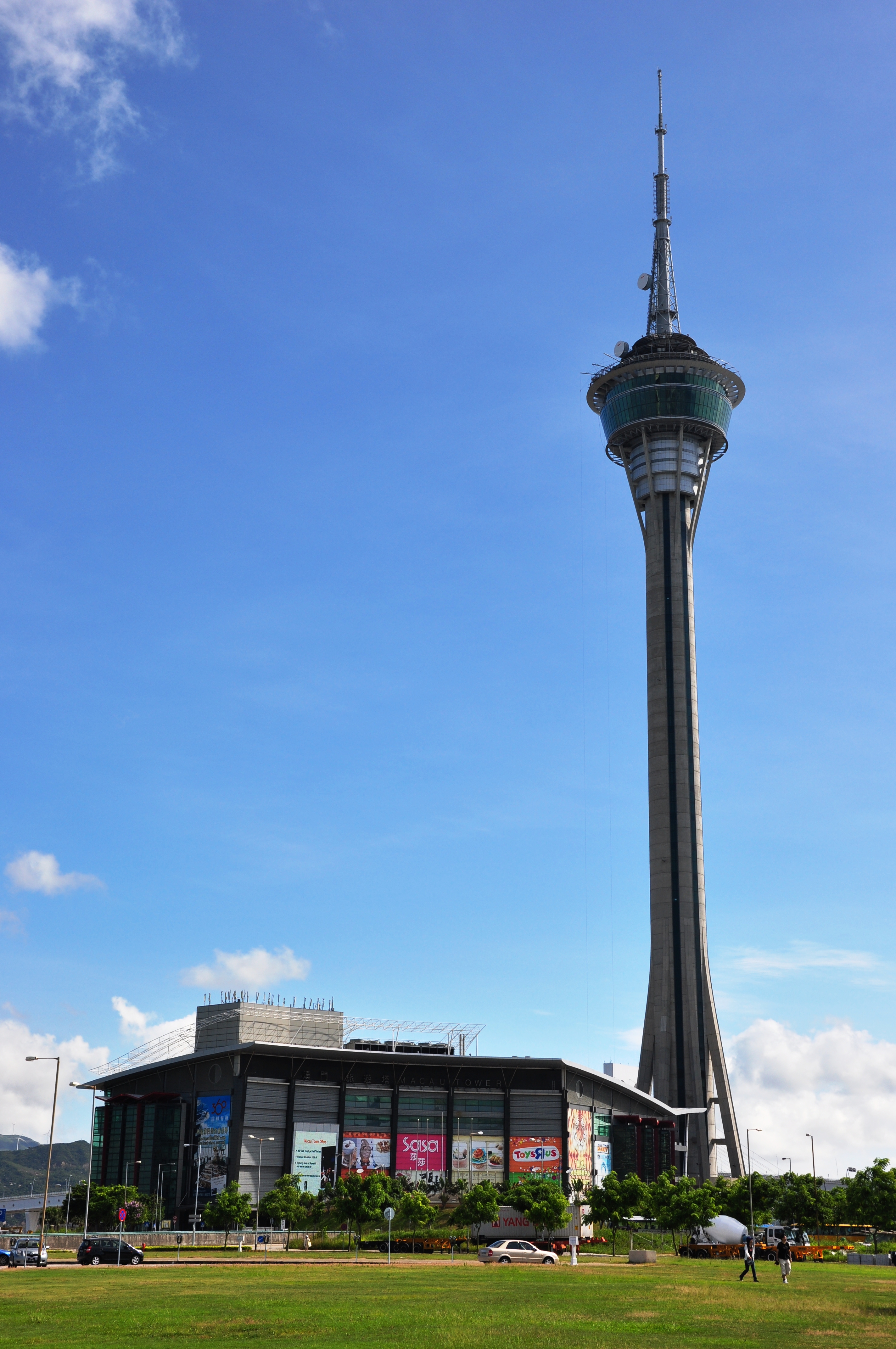
Macau, long recognized as the world’s casino capital, is pivoting towards economic diversification as concerns mount over the sustainability of its gaming-centric economy. The territory, heavily reliant on its vibrant gambling industry, is now witnessing a push from key leaders to embrace broader economic avenues in light of recent challenges, including regulatory pressures and shifting global economic dynamics.

Sam Hou Fai, a former judge and leading contender for the role of Macau’s next chief executive, has emerged as a prominent advocate for this diversification strategy. Emphasizing the urgent need for change, he has openly criticized the rampant expansion of the gaming sector, labeling it “barbaric” and detrimental to the territory’s long-term viability. Hou Fai’s vision encompasses not only an expansion of tourism beyond gaming but also the development of cultural, technological, and entertainment sectors that can provide stable revenue streams independent of the fluctuating fortunes of gambling.

The challenges facing Macau’s economy are manifold. Following the COVID-19 pandemic, the territory has seen a dramatic decline in tourist arrivals, particularly from mainland China, which accounted for a significant portion of its gaming revenues. This downturn has illuminated the risks of an economy overly reliant on a single industry. Furthermore, the Chinese government’s tightening of regulations surrounding gambling and its crackdown on illicit activities linked to the gaming industry have led to uncertainty, prompting both local stakeholders and investors to reconsider their strategies.

As part of this broader push for economic resilience, Macau has initiated various initiatives aimed at enhancing its attractiveness as a destination for non-gaming tourism. These include the development of cultural and heritage tourism, which seeks to showcase Macau’s rich history and blend of Portuguese and Chinese cultures. Events such as the Macau International Fireworks Display Contest and the Macau Arts Festival are being promoted to draw visitors who may not be interested in gambling but are keen on experiencing the local culture.

The shift towards diversification is also backed by the Macau government, which has unveiled plans to allocate substantial funds towards infrastructural projects that enhance connectivity and accessibility. This includes the expansion of public transport networks and the enhancement of facilities to accommodate large-scale international events. By investing in infrastructure, Macau aims to position itself as a competitive hub for business, conventions, and exhibitions, catering to a broader audience.

Tech innovation is another focal point in Macau’s diversification efforts. The government is actively encouraging the growth of tech startups and digital industries, aiming to harness the potential of emerging technologies such as artificial intelligence and blockchain. Initiatives to support entrepreneurship and attract foreign investment in tech sectors are being prioritized, with the goal of creating a sustainable ecosystem that supports job creation and economic growth beyond gambling.

Furthermore, Macau’s geographic location offers unique opportunities for expanding its role as a trade and logistics hub within the Greater Bay Area, a region comprising Hong Kong, Guangdong province, and Macau. This initiative aligns with China’s broader economic strategy, promoting interconnectedness among cities within the region. By leveraging its advantageous location and existing infrastructure, Macau seeks to establish itself as a key player in regional supply chains, thereby attracting businesses that are looking to expand their operations in Asia.

While the road to diversification presents numerous challenges, including resistance from entrenched gaming interests and the need for skilled labor in emerging sectors, the momentum for change is palpable. Sam Hou Fai’s leadership and advocacy are crucial in navigating these complexities, as he seeks to foster a collaborative environment among various stakeholders, including businesses, government entities, and the community at large.

The evolving landscape of Macau’s economy also reflects broader global trends. Many economies that have traditionally relied on a narrow set of industries are recognizing the importance of resilience and adaptability in an increasingly volatile world. The push for diversification is not just about mitigating risks; it is also about seizing new opportunities in a post-pandemic era characterized by shifting consumer preferences and technological advancements.

VISHNU RAJA
RYO YAMADA
HITORI GOTOH
IKUYO KITA