Just in:
UK competition watchdog examines Meta publisher contract terms // US intelligence suspects Megaspeed executive of Chinese espionage // Hill’s Enhances Cat and Dog Food with Prebiotics to Support Senior Pet Health in Hong Kong // CPM role in Mammootty cyber attacks ruled out // Anchored in Data Sovereignty, the Engagement Enables the Legal Sector to Adopt Generative AI Safely and Confidently // Binance estimates $6.3 billion impact from security breach // Lancet researchers seek global health emergency recognition for climate // PSC probe closes in on chief // Lancet researchers seek global health emergency recognition for climate // 10 CENTS CAPITAL Completes US$20 Million Financing and Sets Out a Phased Deployment Plan // Polymarket restores trading after third-party security breach // Ex-Kochi police chief rejects judicial interference // Sharjah Islamic Bank’s $500 million sukuk joins Nasdaq Dubai // A Better Start, Ready for the Day: Green SM Elevates the Urban Mobility Experience in the U.S. // Crown Workspace wins Gold and special Trinity recognition at HR Vendors of the Year Awards 2026 // 10 CENTS CAPITAL Completes US$20 Million Financing and Sets Out a Phased Deployment Plan // IBS Proposes HK$563 Million Acquisition of AI Chip Enterprise // 10 CENTS CAPITAL Completes US$20 Million Financing and Sets Out a Phased Deployment Plan // Mumbai to host global blockchain leaders at November conference // Lancet researchers seek global health emergency recognition for climate //

News related to
Investment

Seef Properties, a leading developer of retail and entertainment hubs in Bahrain, has entered into a strategic collaboration with Majd Investment Company, a prominent Saudi-based investment firm. The partnership aims to bring a major mixed-use project to Dammam, a rapidly growing city on the eastern coast of Saudi Arabia. The venture, valued at approximately $132 million (BD 50 million), is set to become Seef’s first undertaking in Saudi Arabia, marking a significant milestone for the Bahraini developer as it expands its footprint into the Saudi market.

The new development, which will combine residential, retail, and entertainment spaces, is part of Seef Properties’ broader strategy to diversify its portfolio and tap into the expanding opportunities within the Gulf region. The project is expected to cater to the increasing demand for modern living spaces and high-quality commercial venues in Dammam, which is witnessing significant urban growth due to its strategic location and ongoing economic development.

Seef Properties’ entry into Saudi Arabia aligns with the Kingdom’s Vision 2030, which aims to diversify the economy, reduce dependence on oil revenues, and foster the growth of various sectors including retail, tourism, and real estate. The partnership with Majd Investment Company, which has a strong presence in the Saudi market, is expected to streamline the execution of the project, leveraging local expertise and resources to ensure its success.

The Dammam development is set to feature a variety of amenities including retail outlets, dining options, entertainment centers, and modern residential units. It is designed to serve as a comprehensive lifestyle destination that integrates shopping, leisure, and living spaces in a dynamic urban environment. The project will not only enhance the local real estate market but also attract regional and international investors looking to capitalize on the expanding consumer base in the region.

Majd Investment Company, known for its diverse portfolio of investments across real estate and various other sectors, will play a key role in the development, providing strategic input, financial backing, and guidance throughout the project lifecycle. The collaboration with Seef Properties brings together two major players in the regional real estate and investment sectors, combining Seef’s extensive experience in developing large-scale retail and entertainment projects with Majd Investment’s in-depth understanding of the Saudi market.

The announcement of the partnership comes at a time when the Saudi real estate sector is experiencing a surge in demand driven by various factors, including population growth, urbanization, and government initiatives to enhance infrastructure. Dammam, as one of the major urban centers in the Eastern Province, is well-positioned to benefit from these trends. The city’s proximity to key industrial hubs, its growing commercial landscape, and the ongoing expansion of its transportation networks make it an attractive location for large-scale developments.

Seef Properties’ entry into the Saudi market represents a strategic move to capitalize on the evolving real estate landscape in the region. By partnering with Majd Investment Company, Seef gains access to critical local market knowledge, which will help mitigate potential risks and ensure the project aligns with the demands of Saudi consumers. The partnership is also expected to enhance Seef’s competitive edge in the region, offering a unique value proposition to investors, retailers, and consumers alike.

This collaboration highlights the increasing trend of cross-border partnerships within the Gulf Cooperation Council (GCC) region as companies seek to leverage each other’s strengths to tap into new markets. The real estate sector, in particular, has seen a surge in joint ventures and strategic alliances as developers look to diversify their portfolios and expand into neighboring countries with high-growth potential.

The Dammam project is expected to create numerous job opportunities and contribute to the local economy, further cementing its importance as a key part of Saudi Arabia’s Vision 2030 plan to create a vibrant, sustainable economy. The project will also contribute to the development of the region’s retail and entertainment sectors, which have been identified as key drivers of economic growth.
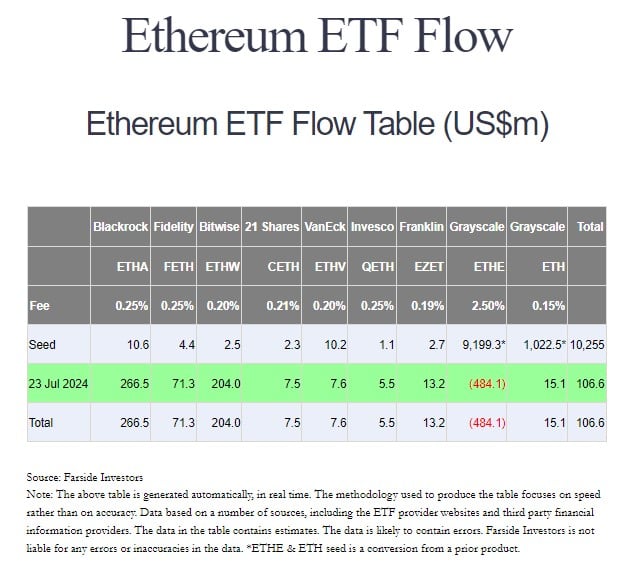

Ethereum spot ETFs experienced an extraordinary surge in inflows last week, with net inflows reaching a record $515 million, driven largely by BlackRock’s Ethereum ETF (ETHA). This marks a significant milestone for the digital asset market, particularly as Ethereum’s spot ETFs continue to gain traction among institutional investors.

The biggest beneficiary was BlackRock’s ETHA, which attracted over $500 million of the total, reaffirming its dominance in the burgeoning sector of cryptocurrency-linked investment vehicles. This ETF has garnered significant attention, reflecting growing institutional confidence in Ethereum, despite the asset’s volatility compared to Bitcoin. The inflows into ETHA have been particularly notable given the widespread competition in the market, with other Ethereum spot ETFs, such as Grayscale’s ETHE and Fidelity’s FETH, also drawing substantial investments, though not on the same scale.

The surge in Ethereum ETF inflows is seen as a positive sign of mainstream acceptance of the cryptocurrency, with institutional players seeking exposure to Ethereum’s value proposition. BlackRock’s strong performance is part of a broader trend of large financial institutions moving into the crypto space, with BlackRock leading the charge after its success with Bitcoin ETFs. The company’s Ethereum ETF has become one of the most popular in the market, a testament to BlackRock’s well-established presence and trust among investors.

This trend comes amidst a series of positive developments in the cryptocurrency sector, with regulatory frameworks slowly taking shape and increased clarity surrounding the investment vehicles that offer exposure to digital assets. Analysts believe the influx of institutional capital into Ethereum ETFs will help stabilize the market, providing a more structured path for retail investors and pushing Ethereum further into the spotlight as a key player in the world of digital finance.

Despite the record-breaking inflows, the Ethereum spot ETF sector remains under scrutiny from some quarters. Experts are watching closely to determine whether this spike in investments will be sustained, as Ethereum’s price has historically been more volatile than Bitcoin. The success of Ethereum ETFs could, however, signal a shift in how traditional financial markets view cryptocurrency, making it a more mainstream asset.

The ETF market for Ethereum is still evolving, and with large players like BlackRock driving momentum, its future looks increasingly intertwined with the broader financial ecosystem. As more institutional investors and crypto-focused funds enter the space, the legitimacy and long-term viability of Ethereum-linked ETFs will be tested. However, last week’s influx proves that the appetite for such products is growing steadily, and Ethereum may be positioned for greater integration into global financial markets in the years to come.

The Bitcoin Fear and Greed Index surged to an extraordinary 90 on November 17, signaling an ‘Extreme Greed’ sentiment in the cryptocurrency market. This mark, which has only been seen three times in the past, reflects heightened optimism and a surge in speculative investment, as traders and investors appear more eager than ever to embrace the volatile market. The last time this index hit a similar level was nearly three years ago, and analysts are closely monitoring this sudden spike to assess its long-term implications on Bitcoin’s price trajectory.

This sharp increase in market sentiment has stirred up both excitement and caution among market observers. The last occasions the Fear and Greed Index reached such high numbers were in 2019 and 2020, periods of rapid price increases followed by corrections. The cryptocurrency community is now wondering if history will repeat itself or if Bitcoin has entered a new era of sustained bullish behavior.

The Fear and Greed Index, a tool designed to gauge market sentiment on a scale from 0 to 100, reflects the psychological mood of investors by measuring factors like price volatility, trading volume, social media activity, and surveys. When the index reaches extreme values like 90, it often signals that the market is overheated, making it vulnerable to a pullback or sudden correction. However, for many Bitcoin enthusiasts, these numbers can also be a signal of continued upward momentum.

Historically, periods of extreme greed have been followed by significant price swings. For instance, the 95 reading from June 26, 2019, coincided with a massive rally that saw Bitcoin’s price rise from around $3,500 to $13,800 within a span of just six months. Similarly, in December 2020 and January 2021, Bitcoin saw a steady climb, crossing the $40,000 mark after months of extreme greed in the market.

The trend in 2021 was particularly notable as Bitcoin reached an all-time high above $60,000 in April, but quickly fell back under $30,000 by July. This marked a period of high volatility, demonstrating how quickly the market can shift from euphoria to fear. Investors have long debated whether these rapid cycles of boom and bust are an inherent part of Bitcoin’s behavior or whether the cryptocurrency has reached a level of maturity that will temper these fluctuations.

With the Fear and Greed Index at 90, the market is again facing similar conditions. The latest surge comes amid growing institutional interest in Bitcoin, as companies like MicroStrategy, Tesla, and Square have all made substantial investments in the digital currency. This institutional involvement has provided a degree of legitimacy to Bitcoin, which was once seen primarily as a speculative asset. Now, as more hedge funds and financial firms enter the space, many are predicting that Bitcoin’s volatility may decrease, although the current spike in sentiment would suggest otherwise.

Further driving this bullish sentiment is the recent activity in the broader cryptocurrency market, which has seen impressive growth across altcoins as well. Ethereum, the second-largest cryptocurrency by market capitalization, has also been gaining traction, partly due to its role in decentralized finance (DeFi) and its upcoming network upgrades aimed at improving scalability. This has led to a renewed interest in the broader crypto ecosystem, with Bitcoin often viewed as a bellwether for the entire market.

Some analysts, however, remain cautious, warning that extreme greed could lead to a price correction. The market’s unpredictable nature is amplified by external factors such as government regulations and macroeconomic conditions. In the past, China’s crackdown on cryptocurrency mining and trading has led to sudden market drops, and recent discussions around U.S. regulatory measures have raised concerns over potential tightening of crypto policies.

The Fear and Greed Index is also influenced by public sentiment and media coverage. Bitcoin has garnered increased attention from mainstream media outlets, particularly as the price of Bitcoin has soared in 2024. This media coverage has sparked a new wave of retail investment, with more individuals entering the market without fully understanding the risks involved. The growing presence of social media influencers in the cryptocurrency space has further amplified these feelings of optimism, with prominent figures encouraging followers to invest in Bitcoin as a hedge against inflation or as a means of achieving significant returns.

Despite the overwhelming sense of optimism, some are warning that the Bitcoin market remains highly speculative. Bitcoin’s inherent volatility means that even small shifts in investor sentiment can cause large fluctuations in price. The high levels of greed recorded on the index could be a precursor to another sudden sell-off, where a rapid rise in price triggers profit-taking and causes a sharp decline. This cycle of fear and greed is something that Bitcoin investors have experienced multiple times in the past, and while each cycle offers new lessons, it remains a constant in the world of cryptocurrency.

What stands out about this particular surge in the Fear and Greed Index is the context in which it occurs. Bitcoin has shown resilience amid global economic uncertainty, and many investors now view it as a store of value, similar to gold. With inflation fears, currency devaluation, and geopolitical tensions rising around the world, more individuals are turning to Bitcoin as a hedge, driving up demand and fueling the optimism reflected in the index.

Global climate goals are facing an escalating challenge as the 1.5°C target, a key ambition set under the Paris Agreement, increasingly appears unattainable. Despite decades of concerted global efforts, the pace of emissions reductions has remained insufficient to halt the ongoing rise in global temperatures. Many experts now argue that it is time to reassess strategies and focus on more adaptable and pragmatic climate solutions. The central […]

Abu Dhabi Catalyst Partners (ADCP) has entered into a strategic partnership with Investindustrial, a prominent European investment firm, to accelerate growth and innovation in the Middle East and North Africa (MENA) region. The collaboration, which is set to combine ADCP’s deep regional expertise with Investindustrial’s robust investment portfolio, marks a significant milestone for both firms as they aim to strengthen the economic ecosystem across the region. Under […]

Citigroup has forecast significant challenges for emerging markets (EMs) as US trade policies under Donald Trump are expected to disrupt global economic growth. Analysts believe that the resulting strength of the US dollar could put further pressure on EM assets. Despite these hurdles, Saudi Arabia is predicted to remain largely insulated from these trade risks. The financial giant upgraded the kingdom’s status to “overweight” from “underweight,” highlighting […]

Mergers and acquisitions (M&A) activity in the Middle East and North Africa (MENA) region has been notably strong in 2024, with the UAE and Saudi Arabia emerging as the dominant players, driving a significant share of the regional deal flow. A combination of strategic investment initiatives, favorable business regulations, and robust economic frameworks has positioned these two countries as key contributors to the growing M&A landscape.

The first half of 2024 saw the total M&A activity in the MENA region reach $49.2 billion, with a 12% increase in deal value compared to the previous year. Both the UAE and Saudi Arabia accounted for a substantial portion of this growth, with the UAE in particular benefiting from its business-friendly environment. The UAE’s reputation as a hub for cross-border investments, particularly in sectors such as real estate, energy, and technology, has been key to its position as a leader in regional M&A activity. The country’s strong legislative framework, along with the ease of doing business, has attracted both regional and international investors.

In Saudi Arabia, M&A deals have largely been driven by the government’s Vision 2030 reform plan, which focuses on diversifying the economy and reducing dependency on oil. This vision has led to a surge in infrastructure and energy-related deals, as well as investments in sectors like tourism, healthcare, and entertainment. Major sovereign wealth funds like Saudi Arabia’s Public Investment Fund (PIF) have been instrumental in facilitating these high-value transactions.

An interesting trend in the region has been the growing dominance of sovereign wealth funds in driving M&A. These funds, which include the Abu Dhabi Investment Authority (ADIA), Mubadala, and PIF, have been actively acquiring stakes in both domestic and international markets. They are increasingly playing a pivotal role in shaping the region’s investment climate, particularly in high-growth sectors such as insurance, real estate, and energy.

Noteworthy transactions include the acquisition of a 60% stake in Zhuhai Wanda Commercial Management Group by a consortium including Mubadala and ADIA, valued at $8.3 billion. Another significant deal saw Abu Dhabi Future Energy Company (Masdar) acquire a 67% stake in Greek company Terna Energy for $2.9 billion. These transactions are part of a broader strategy of cross-border investments aimed at expanding the MENA region’s global influence.

Despite fluctuations in global oil prices, the MENA region’s M&A market has demonstrated resilience, supported by stable oil revenue streams and continued government infrastructure spending. Industry experts attribute the growth to the diversification efforts by governments and a strategic push to invest in sectors beyond oil and gas.

Insurance and real estate are among the sectors that have seen the most M&A activity, driven by factors such as the growth in tourism, major infrastructure projects, and the rising middle class. These sectors, which traditionally account for a significant portion of M&A transactions, have attracted investments that reflect both short-term returns and long-term strategic goals.

The shift towards cross-border M&A activity has also been a defining characteristic of the market in 2024. Cross-border deals accounted for 52% of the total deal volume, with outbound investments, particularly from the UAE and Saudi Arabia, directed largely towards the United States, which remains a preferred target market. The growing influence of MENA-based investors in international markets reflects a broader trend of increased economic diversification.

This surge in M&A activity aligns with broader economic trends within the MENA region, where countries like the UAE and Saudi Arabia continue to build economic power through diversification and international partnerships. Local economic policies are tailored to foster an attractive investment climate, which has been crucial in maintaining the momentum of M&A deals.

Advertisements

The US-based private capital software platform sets up base in Sydney as part of Investment NSW’s efforts to grow New South Wales into a thriving global hub for business. SYDNEY, AUSTRALIA / SINGAPORE – Media OutReach Newswire – 14 November 2024 – Carta today announced its expansion into the Australian market, marking a significant milestone in the company’s roadmap to connect more startups and investors with its […]

The Abu Dhabi Securities Exchange (ADX) has reached a historic milestone, nearing a valuation of $1 trillion, driven by strategic investments from key players like Sheikh Tahnoon bin Zayed Al Nahyan. As one of Abu Dhabi’s deputy rulers and the UAE’s national security adviser, Sheikh Tahnoon has been pivotal in shaping the economic trajectory of the region, leveraging assets across diverse industries to fuel growth.

Entities under Sheikh Tahnoon’s control, including the International Holding Company (IHC), contribute significantly to the benchmark FTSE ADX General Index. As of the first quarter of 2024, these firms accounted for approximately 65% of the index’s weight. IHC, a conglomerate with investments spanning global ventures like Elon Musk’s SpaceX and local enterprises, has seen an exponential rise in valuation—up over 400-fold since 2019. Currently, the company is worth around $240 billion, underscoring the magnitude of Abu Dhabi’s economic diversification efforts.

ADX has climbed the ranks among global stock exchanges, now positioned as the 17th largest, surpassing markets like Spain and Brazil. Its trajectory highlights the success of the UAE’s broader strategy to reduce reliance on oil revenue, emphasizing international investments and bolstering domestic financial infrastructure. Sheikh Tahnoon’s leadership and the robust performance of his firms have positioned Abu Dhabi as a critical financial hub, attracting global investors.

Hong Kong’s first spectacular pyrotechnic show at a shopping mall 2,024 dazzling pyrotechnics light up Sha Tin’s night sky A day of exciting free activities, 300 shopping discounts and mega events to boost the local economy HONG KONG SAR – Media OutReach Newswire – 17 November 2024 – In a year that marks the 75th anniversary of the founding of the People’s Republic of China, Sun Hung […]

Chinese President Xi Jinping has expressed a willingness to engage with former U.S. President Donald Trump to enhance bilateral relations between the two largest global economies. This statement came during a recent conversation with U.S. President Joe Biden, underscoring China’s interest in improving its ties with Washington amid ongoing economic and political tensions. Xi’s remarks suggest a strategic shift in Beijing’s approach, highlighting the potential for renewed cooperation with the U.S., particularly through its past leadership.

The relationship between China and the U.S. has been marked by friction, especially under the Trump administration, with trade wars, tariffs, and rising geopolitical concerns. Trump’s confrontational stance towards China on issues like trade deficits, intellectual property theft, and human rights has left a lasting impact. However, Xi’s latest comments reflect an openness to revisiting this complex relationship. The Chinese leader’s readiness to collaborate with Trump, despite his previous criticism of the U.S. policies, signals a potential thaw in the ongoing diplomatic and economic stalemate.

This shift comes at a time when both China and the U.S. are facing significant domestic and international challenges. China, with its slowing economy, has been actively seeking to stabilize its global standing, particularly as the U.S. remains a central economic and political competitor. For the U.S., rebuilding ties with China could be crucial for securing long-term economic interests and addressing global issues such as climate change and regional security in Asia.

Experts are now speculating about the implications of Xi’s willingness to engage with Trump, especially considering the former president’s influential position within the Republican Party. A strengthened relationship between China and the U.S. could offer new avenues for trade and investment, particularly as both countries navigate a complex global landscape post-pandemic. However, this move also raises questions about the future of U.S. foreign policy and how the Biden administration will respond to such overtures from Beijing.

As the world’s two largest economies, China and the U.S. remain at the center of global discussions on economic policy, trade, and security. Any shift in their relationship could have significant consequences for the global market, regional stability, and international diplomacy. Xi’s offer to work with Trump suggests that Beijing is exploring all possible avenues to improve its standing on the world stage, while the U.S. will need to carefully consider its next steps in navigating this evolving dynamic.

SINGAPORE – Media OutReach Newswire – 15 November 2024 – TDCX, an award-winning digital customer experience (CX) solutions provider for technology and blue-chip companies, has been honored by the Financial Times (FT) as one of the Best Employers in Asia-Pacific (APAC) 2025. This inaugural award, conducted in partnership with Statista, recognizes TDCX’s commitment to creating an exceptional work environment for its employees. TDCX’s strong workplace practices have […]

Lenovo Group, the world’s largest PC maker, has announced plans to establish a state-of-the-art manufacturing facility in Saudi Arabia. This move aligns with the Kingdom’s Vision 2030 strategy, which seeks to diversify the economy by developing its technology and manufacturing sectors. The new facility, which will focus on assembling and producing personal computers and IT equipment, is expected to strengthen Lenovo’s foothold in the Middle East while driving local job creation and technical skill development.

Set to be located in the King Abdulaziz City for Science and Technology (KACST) area, the factory underscores the growing importance of Saudi Arabia as a strategic hub for global technology companies. Lenovo’s decision to invest in this region comes as demand for PCs and enterprise IT solutions continues to grow across the Gulf Cooperation Council (GCC) countries. With an annual production capacity estimated to reach tens of thousands of units, the plant will play a key role in meeting the technology needs of government entities, enterprises, and individual consumers in the region.

The factory is expected to generate hundreds of jobs for Saudi nationals, with Lenovo committing to knowledge transfer and training programs aimed at fostering local expertise in advanced manufacturing processes. This initiative aligns with the Kingdom’s Saudization goals, which prioritize the integration of local talent into key economic sectors. Lenovo’s executives emphasized that the plant would not only serve regional markets but also have the potential to export products to neighboring countries, further positioning Saudi Arabia as a technological hub for the wider Middle East.

Lenovo’s partnership with local entities and stakeholders, including the Ministry of Investment and the Saudi Industrial Development Fund, highlights the collaborative approach that has characterized its entry into the market. By leveraging Saudi Arabia’s supportive regulatory environment and infrastructure, the company aims to streamline operations and maximize efficiency in its production pipeline. This collaboration marks another milestone in Saudi Arabia’s efforts to attract foreign direct investment into its high-tech industries, a key pillar of Vision 2030.

The timing of Lenovo’s announcement coincides with a global shift in manufacturing trends, as companies seek to diversify their supply chains and mitigate risks associated with overdependence on specific regions. Lenovo’s Saudi factory will help the company reduce logistical complexities and ensure supply chain resilience, especially in a post-pandemic world where disruptions to global trade have underscored the need for localized production hubs.

While Lenovo has long been a dominant force in the global PC market, this investment represents its first manufacturing venture in Saudi Arabia. It signals the company’s intent to deepen its engagement with Middle Eastern markets, which have experienced steady growth in digital adoption and IT spending. Analysts believe this move could serve as a blueprint for other tech companies looking to expand their presence in the region.

The announcement also reflects the Kingdom’s broader ambitions to become a leader in emerging technologies such as artificial intelligence, robotics, and cloud computing. Saudi Arabia’s investments in smart cities like NEOM and other large-scale infrastructure projects are expected to drive demand for IT hardware and services, providing a robust market for companies like Lenovo to tap into. Additionally, the factory’s establishment could catalyze the development of ancillary industries, such as component manufacturing and logistics, further enriching the local economy.

Observers note that Lenovo’s move could pave the way for increased competition among technology companies in the region, prompting other global players to explore similar opportunities. This competitive environment is likely to benefit end-users by improving access to cutting-edge technology and reducing costs through localized production.

As the factory’s construction progresses, Lenovo plans to roll out community engagement programs aimed at fostering innovation and interest in technology among Saudi youth. These initiatives, including internships and partnerships with local universities, are intended to ensure that the Kingdom’s workforce remains equipped to meet the demands of a rapidly evolving digital economy.

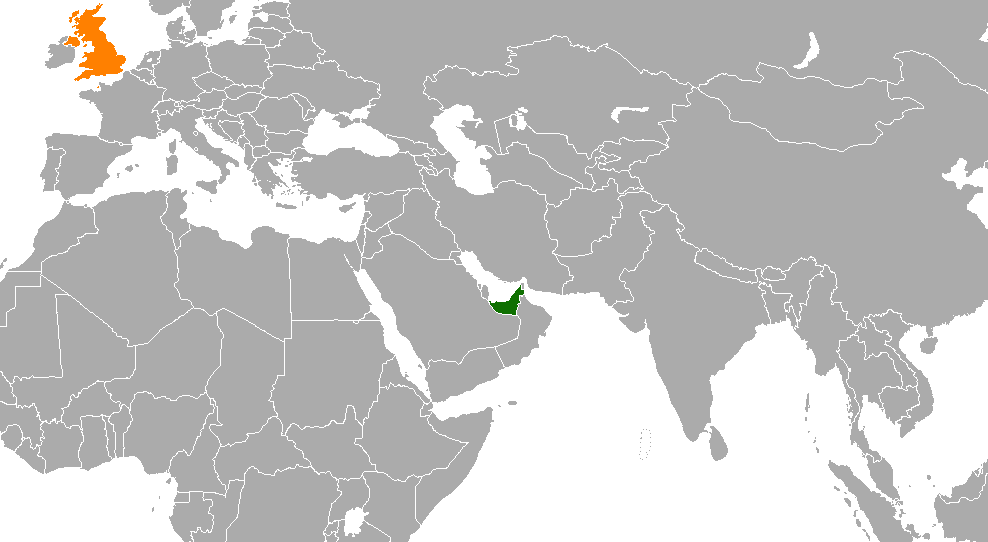
An increasing number of British residents, particularly high-net-worth individuals (HNWIs), are seeking a move to the UAE, drawn by the nation’s tax-friendly environment and strategic economic opportunities. This trend is amplified by the UK’s proposed reforms targeting non-domiciled residents and heightened post-Brexit challenges.

The UK government is set to introduce significant changes to its tax structure for non-domiciled individuals starting April 2025. This will extend taxation to global income after a four-year grace period, a measure projected to generate £2.7 billion annually by 2028. Coupled with stricter immigration rules and economic uncertainty, these changes are driving more residents to explore overseas options.

The UAE, particularly Dubai, has emerged as a top destination for British expatriates. Offering zero income tax, world-class infrastructure, and diverse investment opportunities, the UAE provides a stark contrast to the rising tax burdens in the UK. According to reports, the UAE is poised to attract 6,700 millionaires in 2024 alone, solidifying its status as a global hub for affluent expatriates.

Dubai’s real estate market exemplifies the appeal for British investors. Property transactions involving UK nationals surged by 43% in the first quarter of 2024 compared to the same period last year. The city’s attractive rental yields, high-quality developments, and residency incentives such as the Golden Visa make it a compelling choice for long-term investment and relocation. British buyers now feature prominently in popular neighborhoods like Palm Jumeirah and Dubai Marina, underscoring the UAE’s pull amid shifting global economic landscapes.

The migration trend also reflects broader changes in the UK’s workforce dynamics. Brexit-related policies have curtailed the mobility of skilled professionals and tightened visa regulations, affecting sectors like healthcare and technology. Simultaneously, Dubai’s robust economy, driven by tourism, tech, and real estate, offers a stable environment for career growth and entrepreneurship.

MSB, Backbase and SmartOSC announce partnership in signing ceremony HANOI, VIETNAM – Media OutReach Newswire – 15 November 2024 – Backbase, creator of the Engagement Banking Platform, today announces that Maritime Commercial Joint Stock Bank (MSB), has made a strategic investment in the Backbase Engagement Banking Platform, with local implementation support from Backbase’s partner, SmartOSC, a premium digital enabler. This milestone marks a pivotal step in MSB’s […]

HO CHI MINH CITY, VIETNAM – Media OutReach Newswire – 15 November 2024 – Cake by VPBank (Cake), Vietnam’s largest digital bank by user base, revenue and product variety, announced the launch of its first fully cloud-based Card Management System (CMS) in collaboration with Visa. The new cloud-based CMS utilizes Visa Cloud Connect on Google Cloud infrastructure as its access model to the Visa network. This innovative […]

As the cryptocurrency market experiences continued volatility, a new wave of digital assets has caught the attention of investors looking for potential winners in the next bull run. Among the notable projects gaining traction are AurealOne (DLUME), DexBoss (DEBO), 5thScape (5SCAPE), Arbitrum (ARB), Immutable X (IMX), Chainlink (LINK), and VeChain (VET). These tokens are not only driving innovation in blockchain and decentralized finance (DeFi) but also positioning themselves at the forefront of the expanding digital economy.

AurealOne (DLUME) has rapidly emerged as a promising contender within the decentralized finance space. Built on the Ethereum blockchain, AurealOne’s primary focus is to create a seamless integration between traditional finance and blockchain technologies. Its utility token, DLUME, facilitates fast, low-cost transactions and offers liquidity options that appeal to investors seeking a robust alternative to traditional financial systems. This combination of ease-of-use, scalability, and long-term sustainability has made AurealOne a standout project in the DeFi ecosystem. Experts predict that AurealOne will play a key role in bridging the gap between institutional investors and the growing crypto market.

Similarly, DexBoss (DEBO) is aiming to make a significant impact within the decentralized exchange (DEX) market. The platform focuses on offering innovative solutions for decentralized trading, providing liquidity to users through automated market-making (AMM) protocols. DexBoss stands out due to its emphasis on user experience and security. The platform leverages advanced encryption protocols, ensuring that user funds and transactions are safeguarded from potential vulnerabilities. As the decentralized finance landscape continues to evolve, DexBoss is positioned to become a major player due to its commitment to offering efficient and secure trading solutions.

5thScape (5SCAPE) represents another important project within the DeFi sphere. 5thScape focuses on the development of decentralized applications (dApps) and its potential to power a new generation of blockchain-based platforms. The platform aims to increase interoperability between various blockchains, offering a solution to one of the key limitations faced by many decentralized applications today: the lack of cross-chain compatibility. With a focus on scalability and decentralized governance, 5thScape’s token 5SCAPE is gaining attention as a long-term investment. Industry experts predict significant growth for 5thScape as it continues to enhance its technology and attract developers to build on its ecosystem.

On the layer-2 scaling front, Arbitrum (ARB) has emerged as a leading contender in the race to enhance Ethereum’s scalability. Arbitrum leverages an optimistic rollup technology that significantly increases transaction throughput while reducing gas fees. By optimizing Ethereum’s existing infrastructure, Arbitrum has the potential to make decentralized applications more accessible and efficient. As Ethereum continues to be the dominant smart contract platform, layer-2 solutions like Arbitrum are vital for improving the network’s capacity and maintaining its competitive edge.

Immutable X (IMX) has also garnered significant attention due to its focus on the growing non-fungible token (NFT) market. Immutable X offers a layer-2 solution for NFTs, providing faster, more affordable minting and trading while maintaining the security and decentralization that Ethereum is known for. Immutable X aims to be the go-to platform for large-scale NFT applications by addressing key issues in the NFT space, such as high gas fees and slow transaction times. With the rise of NFT-based gaming and digital collectibles, Immutable X is set to be a major player in the sector, offering a scalable and eco-friendly solution for the growing demand in digital assets.

Chainlink (LINK), long regarded as one of the most reliable decentralized oracle networks, continues to solidify its position as an essential part of the blockchain infrastructure. Chainlink provides real-world data to smart contracts on any blockchain, bridging the gap between the digital and physical worlds. The network’s decentralized oracles ensure that smart contracts can operate without relying on a single source of truth, which adds a layer of trust and security to decentralized applications. As more enterprises and DeFi protocols look to integrate smart contracts into their operations, Chainlink is expected to maintain its crucial role in the ecosystem, further increasing demand for LINK tokens.

VeChain (VET) stands out in the blockchain space due to its focus on supply chain management and enterprise solutions. By leveraging blockchain technology, VeChain enables businesses to track products through their entire lifecycle, from production to delivery. The platform provides an immutable, transparent record of transactions that can be used to verify the authenticity and quality of products. As supply chain issues continue to be a global challenge, VeChain’s innovative approach to enhancing efficiency, transparency, and accountability in logistics has earned it recognition across various industries. VeChain’s growing partnerships with major corporations suggest that it has the potential to become a leading force in enterprise blockchain applications.

What makes these projects especially attractive is their ability to innovate beyond the basic principles of cryptocurrency. They are not merely digital assets; each project represents a unique contribution to the blockchain ecosystem, whether through scaling solutions, NFTs, or enterprise applications. Their development is centered around providing tangible solutions to real-world problems, such as high transaction fees, slow processing times, and lack of interoperability between blockchains.

Masdar, the clean energy powerhouse based in the United Arab Emirates, has announced plans to develop a 1GW wind farm in the Mingbulak region of Uzbekistan. This significant renewable energy project underscores Masdar’s ongoing expansion in Central Asia, positioning the company as a key player in the region’s transition toward sustainable energy. The wind farm, located in one of the country’s most promising areas for wind energy […]

Lulu Retail’s long-awaited debut on the Abu Dhabi Securities Exchange (ADX) failed to live up to expectations as its shares closed flat on the first day of trading. Despite initial excitement and substantial oversubscription, the hypermarket operator’s stock showed little movement, highlighting a shift in investor sentiment after the IPO frenzy. The Lulu Retail Holding Company, which raised AED 1.7 billion in the UAE’s largest IPO of […]

As COP29 convenes in the United Arab Emirates, the growing urgency surrounding climate finance has emerged as one of the central themes of discussions. With world leaders absent from the talks, the focus has shifted to the pressing need for increased financial commitments to address the impacts of climate change, particularly for vulnerable nations. Despite the absence of key global figures such as German Chancellor Olaf Scholz […]

The UAE real estate market delivered strong performance in the third quarter of 2024, marked by an uptick in both residential and commercial sectors. As per the latest insights from Asteco, a leading property consultancy, key markets across the Emirates displayed resilience, with Dubai and Abu Dhabi continuing to see heightened demand for both sales and rentals. Despite global economic uncertainties, the property landscape in the UAE […]

Saudi Arabia has further solidified its leadership in global green energy initiatives by signing a groundbreaking pact with Central Asian nations at COP29, amplifying efforts to address climate challenges and push for a greener future. This move, which underscores Riyadh’s commitment to transitioning to renewable energy, involves cooperation with countries such as Kazakhstan, Uzbekistan, and Turkmenistan. The deal aims to foster energy interconnections, share technology, and invest […]

Abu Dhabi’s sovereign wealth fund, the Abu Dhabi Investment Authority (ADIA), is significantly increasing its allocations to private equity in a strategic pivot to enhance long-term returns. This move underscores ADIA’s growing interest in high-risk, high-reward investment opportunities as it adapts to global market shifts. The fund’s decision comes at a time when traditional investment avenues are facing unprecedented volatility and when private equity is seen as […]

The U.S. Securities and Exchange Commission (SEC) has postponed its decision on whether to approve the listing of options for spot Ethereum exchange-traded funds (ETFs), now pushing the deadline to December 3, 2024. The delay comes shortly after the SEC granted approval for options trading related to 11 Bitcoin ETFs, signaling continued regulatory cautiousness in the evolving cryptocurrency investment space.

Originally set for October 19, the decision to allow the Chicago Board Options Exchange (Cboe) to list options for multiple Ethereum-based ETFs was pushed back. This move follows growing anticipation in the market, particularly among Ether investors, who are keen on further legitimizing cryptocurrency assets in mainstream financial markets. Industry analysts speculate that the postponement reflects the SEC’s careful approach to ensuring robust regulatory frameworks around digital assets.

The SEC’s stance could also influence the broader trajectory for cryptocurrency investment products, particularly as more traditional financial instruments, such as ETFs, are introduced into the crypto market. Analysts point out that the approval of Bitcoin ETF options has set a precedent, but Ethereum-based products continue to face heightened scrutiny due to the perceived volatility and regulatory complexity surrounding Ether, the second-largest cryptocurrency by market capitalization.

This latest delay has sparked mixed reactions in the cryptocurrency space. Some market participants view the SEC’s caution as a sign of the agency’s thoroughness, ensuring that all necessary safeguards are in place before fully opening the door for such products. Others argue that the delay could signal further uncertainty for Ethereum as it continues to compete with Bitcoin in the growing crypto-investment market.

VISHNU RAJA
RYO YAMADA
HITORI GOTOH
IKUYO KITA