News related to
Investment

India and the United Arab Emirates (UAE) are poised to reexamine their existing trade agreement this week, according to informed sources. This strategic review is part of a broader effort by both nations to enhance economic ties and address any gaps in their trade relations.

The bilateral trade agreement, which was initially signed in 2022, has been a cornerstone of the economic partnership between India and the UAE. Over the past two years, the agreement has facilitated significant trade flows, with the UAE emerging as one of India’s key trading partners. However, both governments recognize the need to update the terms of the agreement to reflect the evolving economic landscape and emerging trade dynamics.

The discussions are expected to focus on several key areas. First, there will be a review of tariff schedules and trade barriers to ensure that they align with current market conditions. Both India and the UAE aim to reduce trade impediments and enhance market access for businesses in both countries. Additionally, the review will likely address issues related to customs procedures and regulatory practices to streamline trade processes and minimize delays.

Another significant aspect of the review will be the exploration of new sectors for cooperation. As global trade patterns shift, both nations are keen on diversifying their economic engagements. The UAE, known for its strategic location and advanced infrastructure, is looking to bolster investments in sectors such as technology, renewable energy, and infrastructure development. India, with its burgeoning market and technological expertise, is seen as a valuable partner in these areas.

The discussions are also anticipated to cover the impact of recent global economic trends on bilateral trade. Factors such as fluctuations in commodity prices, supply chain disruptions, and geopolitical developments have influenced trade dynamics globally. Both India and the UAE are expected to evaluate how these factors have affected their trade and explore ways to mitigate potential challenges.

In preparation for the review, both governments have been engaging with industry stakeholders to gather insights and feedback. This consultative approach aims to ensure that the revised agreement addresses the needs and concerns of businesses operating in both countries. The input from various sectors will be crucial in shaping the final terms of the agreement and fostering a mutually beneficial trade environment.

The trade review comes at a time when global trade agreements are under increasing scrutiny. Countries around the world are reassessing their trade policies to adapt to changing economic conditions and to safeguard their national interests. For India and the UAE, this review represents an opportunity to reaffirm their commitment to a strong economic partnership and to position themselves strategically in the evolving global trade landscape.

India and the UAE have a history of collaborative efforts beyond trade. The two nations have worked together on several initiatives, including joint ventures and strategic investments. This review of their trade agreement is expected to further strengthen their economic ties and pave the way for new areas of cooperation.


SocialFi platforms like Farcaster, Lens, and Friend.Tech, which once promised to revolutionize social interactions through decentralization, have experienced a significant decline in user engagement in the latter half of 2024. The platforms, heralded as the next frontier in digital communication, now face a stark reality as their user bases shrink and activity dwindles.

Farcaster, launched with high hopes for a decentralized social experience, aimed to offer a more user-controlled environment compared to traditional social media giants. However, recent metrics reveal a steep drop in active users and engagement. According to internal data and blockchain analytics, Farcaster’s daily active users have plummeted by over 60% since mid-2024. Despite efforts to re-engage users through updates and feature enhancements, the platform’s growth trajectory has reversed sharply.

Lens, another major player in the SocialFi space, envisioned itself as a decentralized alternative to mainstream social networks, with an emphasis on content ownership and monetization. The platform initially attracted attention for its innovative approach to user data and content control. Nevertheless, Lens has struggled with declining user interaction, attributed to a combination of technical issues, limited mainstream appeal, and competition from more established social platforms. Analytics suggest that Lens’s user engagement has decreased by approximately 50% over the past few months.

Friend.Tech, which aimed to integrate social interactions with cryptocurrency incentives, has also witnessed a significant downturn. The platform’s unique selling proposition was to blend social networking with financial benefits through its native token. Despite early enthusiasm and initial investment, Friend.Tech’s user activity has suffered due to a combination of fluctuating token values, regulatory uncertainty, and a lack of sustained interest from the broader community. Current data shows that the platform’s active user base has contracted by nearly 70% since the peak of its popularity.

The decline of these SocialFi platforms can be attributed to several factors. Initially, the promise of decentralization and control over personal data attracted a substantial user base. However, as the novelty wore off, many users returned to established social media networks that offer greater functionality, familiarity, and convenience. The challenges inherent in building a robust decentralized social network, including user experience issues, scalability, and regulatory hurdles, have further contributed to the platforms’ struggles.

Moreover, the broader market sentiment towards decentralized technologies has shifted. The rapid evolution of blockchain and cryptocurrency technologies has led to a saturation of projects and platforms, making it difficult for any single initiative to stand out. The SocialFi sector, in particular, has faced scrutiny over the sustainability of its business models and the long-term viability of its decentralized approach.

China’s self-driving car industry, a rapidly advancing sector fueled by technological prowess and substantial investments, is now testing its limits on the global stage. As autonomous vehicle manufacturers from China seek to establish a foothold in international markets, they encounter significant challenges, primarily related to data privacy and regulatory compliance. Guangzhou-based WeRide is at the forefront of this expansion. The company’s autonomous vehicles have recently showcased their […]

Emaar the Economic City (Emaar EC), the developer behind the ambitious King Abdullah Economic City (KAEC) project, has announced a comprehensive capital optimisation strategy valued at 8.7 billion Saudi riyals ($2.32 billion). The plan, which includes restructuring existing debt and reducing the company’s capital, aims to improve the company’s financial standing as it navigates the complexities of developing one of the region’s largest economic hubs. Emaar EC’s […]

A fleet of innovative air taxis is set to transform transportation in the United Arab Emirates, with over 400 test flights completed ahead of the anticipated 2025 launch. This new mode of transport promises to drastically cut travel time between Dubai and Abu Dhabi, reducing the journey from 60-90 minutes to a mere 10-20 minutes. The air taxis, designed to carry up to four passengers, are being […]

ASK Private Wealth, the advisory and family office arm of the Blackstone-backed ASK Asset and Wealth Management Group, is targeting non-resident Indians (NRIs) and overseas citizens of India (OCIs) with a new fund aimed at raising $100 million. The launch of this fund marks a significant strategic move by the firm to tap into the growing demand for investment in Indian capital markets by high-net-worth individuals based abroad, particularly in the Gulf Cooperation Council (GCC) region.

This newly launched ASK Wealth Advisors (ASKWA) India Opportunities Fund is specifically designed to cater to the investment preferences of NRIs and OCIs. Somnath Mukherjee, Chief Investment Officer and Senior Managing Partner at ASKWA, emphasized that the fund offers an opportunity for wealthy Indians abroad to capitalize on India’s economic growth while diversifying their portfolio. The fund, he explained, is part of a larger strategy to connect with the wealthy diaspora, particularly in the GCC, where there is a sizable population of ultra-high-net-worth individuals (UHNWIs).

ASKWA is seeking to tap into this demographic as NRIs in the Gulf region have consistently shown a strong inclination towards investing in India. The fund will primarily focus on a diversified portfolio of Indian equities, targeting sectors that are expected to benefit from the country’s robust economic growth trajectory. Mukherjee noted that India’s capital markets have shown significant resilience and continue to offer attractive long-term returns for investors. The fund aims to provide a channel for NRIs to participate in India’s growth story, particularly as global economic trends continue to favor emerging markets like India.

The GCC region, particularly countries like the United Arab Emirates (UAE), Saudi Arabia, and Qatar, remains a key source of investment for ASKWA. Mukherjee highlighted that the firm has already seen substantial interest from potential investors in these markets, with many NRIs in the GCC seeking exposure to the Indian stock market. He stated that the UAE has emerged as a hub for wealth management and investment services, attracting a large number of wealthy NRIs looking for efficient ways to manage and grow their wealth.

Mukherjee further explained that ASKWA has ambitious plans to strengthen its presence in the UAE. The firm is exploring the possibility of setting up a physical office in the UAE to better serve its clients in the GCC region. This strategic expansion is part of ASKWA’s broader goal of deepening its engagement with NRI investors, ensuring that they have access to tailored financial solutions that meet their unique investment needs. The GCC, with its concentration of wealthy NRIs, represents a significant market for the company’s growth plans.

The fund launch comes at a time when India is seeing a steady inflow of capital from NRIs worldwide. With Indian equities performing well over the past few years and the country’s economy showing signs of steady growth, NRI investors are increasingly looking at India as a key destination for their investments. Mukherjee noted that the India Opportunities Fund is poised to take advantage of this trend, offering NRI investors a structured and well-managed investment vehicle.

According to wealth management experts, the interest in Indian equities is expected to grow further, given the Indian government’s focus on economic reforms, infrastructure development, and digital innovation. These factors are expected to drive growth in sectors such as technology, financial services, and consumer goods, all of which are key areas of focus for the new ASKWA fund. The fund’s strategy will revolve around investing in blue-chip companies as well as high-growth sectors, providing a balanced risk-return profile for investors.

Mukherjee also emphasized that ASKWA is committed to maintaining high standards of governance and transparency in managing the fund, ensuring that investors’ interests are protected. He assured potential investors that the fund would be managed with a long-term perspective, focusing on delivering sustainable returns over time. This approach, Mukherjee said, aligns with the investment philosophy of many NRIs, who tend to have a long-term horizon when it comes to their investments.

The India Opportunities Fund is expected to attract a wide range of NRI investors, from those seeking growth opportunities in Indian equities to those looking for a reliable way to diversify their investment portfolios. ASKWA has already begun reaching out to its existing NRI clients, with initial feedback indicating a strong interest in the fund. The firm is confident that it will be able to raise the $100 million target, given the level of interest from the GCC and other key markets.

A new study shows that Saudi Arabia and the wider Gulf Cooperation Council (GCC) are outpacing global counterparts in the adoption and usage of artificial intelligence (AI), both at the government and workforce levels. This trend is part of the broader vision of the GCC, particularly Saudi Arabia, to establish itself as a global leader in AI. Saudi workers, compared to their international peers, are utilizing AI […]

Advertisements

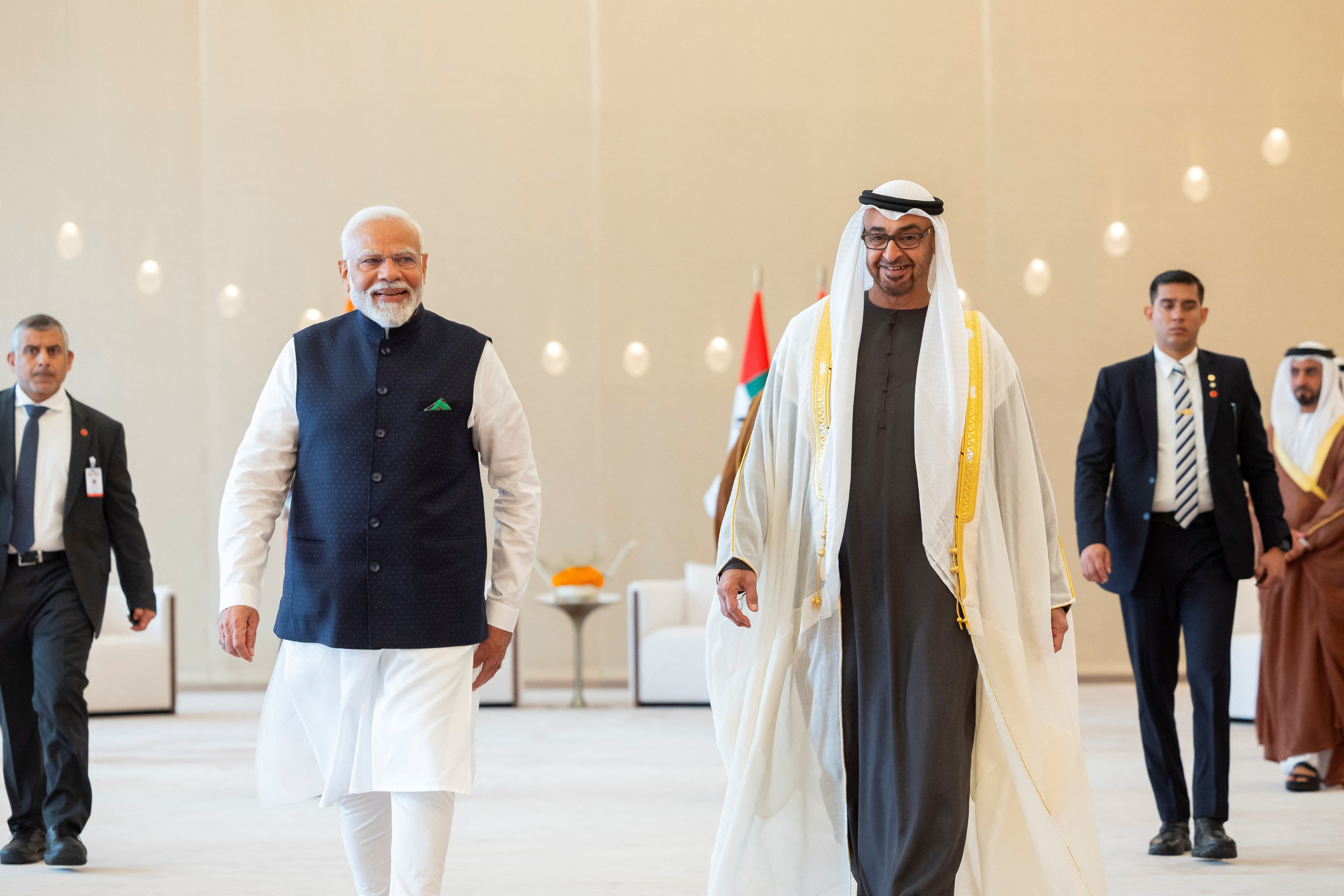
Abu Dhabi Crown Prince Sheikh Khaled bin Mohamed bin Zayed Al Nahyan is scheduled to travel to India for a state visit on Sunday, September 8, where he will engage in high-level talks with Prime Minister Narendra Modi in New Delhi. The visit marks a significant step in the growing bilateral relationship between the UAE and India, and it is Sheikh Khaled’s first visit to the country since assuming the position of Crown Prince of Abu Dhabi. The meeting will focus on advancing strategic ties, with an emphasis on key economic sectors that are mutually beneficial.

RIYADH, SAUDI ARABIA – Media OutReach Newswire – 8 September 2024 – Steven Chou, Chairman of Sahm Capital and Chief Strategy Officer of Valuable Capital Group Limited, highlighted the transformative role of technology in Saudi Arabia’s financial sector during his speech at the 24 Fintech in Riyadh. The event attracted 36,959 visitors, 300+ brands and 350 sector investors, making it a key platform for discussion on fintech […]

Emaar The Economic City (EEC), the master developer behind King Abdullah Economic City (KAEC), has unveiled a comprehensive capital optimization plan aimed at revitalizing the city’s growth and operational efficiency. This new strategy, recently approved by EEC’s board, marks a significant shift in the company’s approach to achieving financial stability and enhancing long-term sustainability.

The plan focuses on several key areas, including debt restructuring, asset management, and operational efficiencies. By recalibrating its financial strategy, EEC aims to reduce its overall debt burden and allocate resources more effectively. The company’s leadership believes this will not only improve liquidity but also enhance investor confidence.

Central to EEC’s new strategy is a detailed debt reduction initiative. The company plans to renegotiate existing loan terms and seek refinancing options to lower interest rates and extend repayment periods. This move is designed to ease the financial pressures that have been mounting due to previous economic challenges and market fluctuations.

In addition to financial restructuring, EEC is also placing a strong emphasis on optimizing its asset portfolio. This includes reviewing and potentially divesting non-core assets to focus on more strategic investments. The company aims to enhance the value of its core assets by improving operational efficiencies and leveraging technology to drive better outcomes.

The operational side of the plan involves a thorough review of existing processes and systems to identify areas where efficiency can be improved. EEC is investing in advanced technologies and innovative solutions to streamline operations, reduce costs, and increase overall productivity. This includes the adoption of smart city technologies that align with the broader vision of transforming KAEC into a leading global business hub.

Moreover, the capital optimization plan outlines a commitment to sustainable development practices. EEC is integrating sustainability into its strategic initiatives, focusing on reducing the environmental impact of its projects and promoting green building standards. This approach not only supports global sustainability goals but also enhances the appeal of KAEC to environmentally-conscious investors and businesses.

The announcement comes at a time when EEC faces growing competition from other economic zones in the region. By implementing this comprehensive turnaround plan, EEC seeks to strengthen its position and attract new investment opportunities. The company’s leadership is optimistic that these strategic moves will create a more resilient and competitive economic city, capable of driving future growth and development.

Emaar The Economic City’s updated strategy has been met with positive responses from market analysts and investors. Many view the plan as a necessary step toward stabilizing the company’s financial footing and positioning KAEC as a prime destination for international business and investment. The next few quarters will be critical in assessing the effectiveness of these strategic changes and their impact on the company’s performance.

Australia’s Treasurer, Jim Chalmers, is scheduled to visit China later this month, marking the first such trip by an Australian treasurer since 2017. This significant diplomatic gesture comes amid ongoing geopolitical tensions and a challenging global economic landscape. The upcoming visit is expected to be a crucial opportunity for both nations to address a range of bilateral issues, including trade relations, economic cooperation, and regional security. The […]

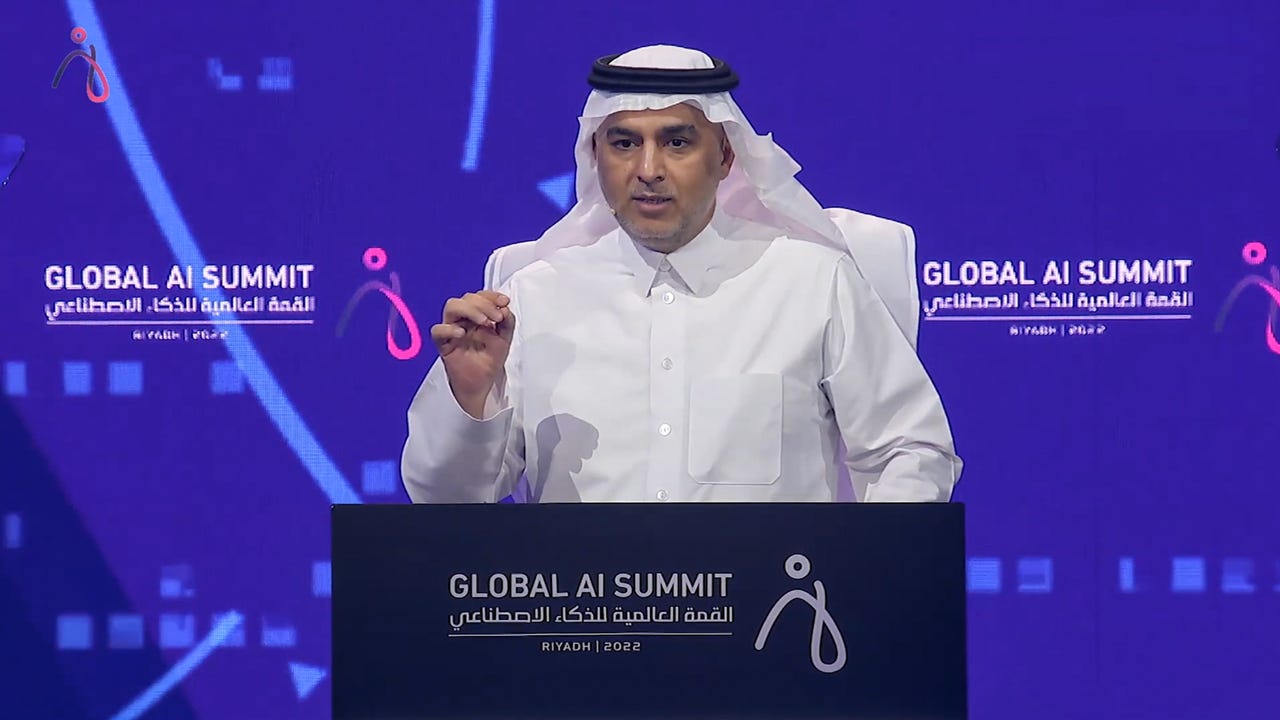
Cristiano Amon, President and CEO of Qualcomm, will deliver a keynote address at the Global AI Summit (GAIN) in Riyadh, Saudi Arabia, set to take place in October. The summit, organized by the Saudi Data and Artificial Intelligence Authority (SDAIA), aims to gather leaders and innovators from the AI industry to discuss emerging trends and breakthroughs in artificial intelligence.

GAIN, a pivotal event in the tech calendar, is expected to draw significant attention from industry experts, policymakers, and tech enthusiasts. The summit’s agenda includes discussions on the future of AI technologies, their ethical implications, and their role in transforming various sectors. This year’s event will spotlight advancements in AI that promise to drive innovation and economic growth globally.

Cristiano Amon’s participation underscores Qualcomm’s commitment to advancing AI technology. Under his leadership, Qualcomm has been at the forefront of developing cutting-edge solutions that leverage AI to enhance mobile and connected experiences. His keynote will likely address the intersection of AI with wireless technologies and the future of connected devices.

The summit will feature a diverse lineup of speakers, including AI researchers, entrepreneurs, and government officials. These sessions are designed to foster collaboration and knowledge exchange among attendees, setting the stage for future partnerships and innovations in AI.

Saudi Arabia’s investment in AI is part of its broader Vision 2030 initiative, which seeks to diversify the economy and establish the country as a leading hub for technological innovation. The GAIN summit aligns with this vision by promoting discussions on how AI can be harnessed to achieve economic and social benefits.

The event will also include panel discussions and workshops focusing on practical applications of AI in various industries, from healthcare to finance. Participants will have the opportunity to engage with cutting-edge technologies and explore how they can be applied to solve real-world problems.

As the AI landscape continues to evolve, GAIN serves as a critical platform for showcasing the latest research and applications. The summit aims to highlight how AI can drive progress across different domains and address challenges such as data privacy and ethical considerations.

In addition to Amon’s keynote, the summit will feature presentations from other prominent figures in the AI field. These sessions will provide insights into the latest developments in machine learning, robotics, and data analytics, offering attendees a comprehensive view of the current state of AI technology.

Saudi Arabia’s focus on AI and its integration into various sectors reflects a global trend towards leveraging technology for economic and social advancement. The GAIN summit represents a significant opportunity for stakeholders to engage in meaningful dialogue and shape the future of AI.

The UAE’s financial sector has achieved a notable milestone as the market capitalization of its top 20 companies surged to AED 2.8 trillion ($762 billion). This achievement underscores the country’s expanding economic footprint and growing investor confidence.

The remarkable growth in market capitalization reflects a robust performance in the UAE’s equity markets, driven by diverse sectors including banking, real estate, and telecommunications. Dubai’s stock exchange, in particular, has seen significant activity, bolstered by increased foreign investment and strong corporate earnings.

Among the leading companies contributing to this milestone are major players such as Emirates NBD, Etisalat, and Dubai Investments. These firms have shown impressive financial results and strategic growth initiatives, solidifying their positions in both regional and global markets. Emirates NBD, for instance, has been pivotal in enhancing the financial infrastructure of the UAE, while Etisalat’s technological advancements have played a crucial role in expanding the digital economy.

The UAE’s continued focus on economic diversification and infrastructure development has further fueled this growth. Government initiatives, including the Dubai Economic Agenda and Abu Dhabi Vision 2030, aim to transform the UAE into a global hub for trade, finance, and innovation. These strategic plans are designed to attract more foreign direct investment and boost the country’s economic resilience.

Furthermore, the UAE’s financial markets have benefited from favorable regulatory changes and improved market liquidity. The introduction of more transparent and investor-friendly policies has enhanced the attractiveness of the UAE’s stock exchanges to international investors. The Financial Services Regulatory Authority (FSRA) and the Securities and Commodities Authority (SCA) have played pivotal roles in ensuring market stability and promoting investor confidence.

The surge in market capitalization also highlights the growing prominence of UAE-based companies on the global stage. The country’s financial markets are increasingly seen as a viable investment destination, with many international firms looking to enter or expand their presence in the UAE. This influx of global capital not only supports local businesses but also contributes to the overall economic growth of the region.

In addition to financial performance, the UAE’s real estate sector has been a significant contributor to the increased market capitalization. Major real estate developers such as Emaar Properties and Aldar Properties have seen substantial growth, driven by strong demand for residential and commercial properties. Their successful project launches and strategic developments have played a key role in enhancing the market value of the UAE’s leading companies.

The UAE’s ambitious growth plans are expected to continue driving market expansion in the coming years. The country’s leadership remains committed to fostering an environment conducive to business growth and innovation. Initiatives such as the Dubai Expo 2020 and Abu Dhabi’s ongoing infrastructure projects are anticipated to further boost investor sentiment and economic activity.

Donald Trump has unveiled a bold new strategy to safeguard the dominance of the US dollar on the global stage. During a recent rally, Trump announced his plan to impose a staggering 100% tariff on goods from countries that choose to abandon the dollar in their international transactions. This move, part of his broader economic policy platform, aims to reinforce the dollar’s status as the world’s primary reserve currency.

Trump’s declaration represents a significant escalation in his approach to trade policy. The former president’s proposal is grounded in the belief that the dollar’s supremacy is vital to US economic security and geopolitical influence. By threatening such severe tariffs, Trump intends to deter nations from adopting alternative currencies in their trade dealings.

The implications of Trump’s threat are multifaceted. On one hand, it underscores the importance of the US dollar in global finance, as it currently accounts for the majority of international trade and investment. The US dollar’s dominance is supported by its widespread use in global reserves, trade transactions, and as the primary currency for commodities such as oil and gold.

However, Trump’s tariff proposal also highlights growing concerns among some countries about over-reliance on the dollar. Nations such as China and Russia have been actively pursuing strategies to reduce their dependence on the US currency, promoting alternatives like the Chinese yuan or regional currencies in trade agreements. The aim is to mitigate the risks associated with the volatility and political influence of the dollar.

China, in particular, has been making strides in internationalizing the yuan. The country has increased its efforts to encourage the use of the yuan in trade with its partners and has set up swap lines with various central banks. Additionally, the Shanghai International Energy Exchange has launched oil futures contracts priced in yuan, a move that represents a challenge to the dollar’s dominance in the global oil market.

Russia, under Western sanctions, has also sought to reduce its dependency on the dollar. The Russian central bank has diversified its reserves away from dollar assets and has encouraged the use of the ruble in trade with countries in its sphere of influence. Russia’s efforts are part of a broader strategy to counterbalance Western economic pressures and assert greater economic sovereignty.

The threat of a 100% tariff could have far-reaching consequences for international trade. Countries considering alternatives to the dollar may view Trump’s proposal as a coercive tactic that could disrupt their economic planning. Such an extreme measure could also strain diplomatic relations, as countries may perceive it as an aggressive attempt to maintain US economic hegemony.

Economists and trade analysts are debating the potential effects of Trump’s tariff plan. Some argue that the threat could backfire, accelerating efforts by other countries to reduce their dollar exposure. The imposition of a 100% tariff might not only prompt countries to seek alternatives but could also lead to retaliatory measures that could impact US exports and global trade dynamics.

The proposal also raises questions about the effectiveness of such a policy. While tariffs can influence trade patterns, their impact on currency preferences and reserve holdings is less direct. The global financial system is complex, and countries may continue to seek diversification of their currency reserves despite the threat of high tariffs.

Trump’s proposal is part of a broader trend of using economic policy tools to achieve strategic objectives. The current geopolitical landscape is marked by increasing competition among major economies, with countries leveraging economic measures to assert their influence and secure their interests.

The announcement has elicited mixed reactions from policymakers and business leaders. Some view it as a necessary measure to protect the dollar’s role in global finance, while others criticize it as an overly aggressive strategy that could undermine US economic interests in the long run.

The combined market capitalisation of the UAE’s 20 largest companies has soared to AED 2.8 trillion ($762 billion), marking a significant milestone for the country’s local stock exchanges. These companies, listed on the Abu Dhabi Securities Exchange (ADX) and the Dubai Financial Market (DFM), now represent 77.6% of the total market capitalisation across UAE markets, which stands at AED 3.59 trillion. This achievement comes as the UAE continues to pursue an ambitious strategy to double its overall market value to AED 6 trillion in the coming years.

The top performer, International Holding Company (IHC), dominates the UAE market with a staggering market capitalisation of over AED 912.3 billion, accounting for 25.4% of the local stock markets. Following IHC is Abu Dhabi National Energy Company (Taqa), which holds a market value of AED 296.8 billion. These two firms exemplify the UAE’s growing prowess in sectors such as energy, infrastructure, and diversified investments.

Several other major players have also solidified their positions in the financial landscape. Adnoc Gas has secured a market value of AED 240.2 billion, while Etisalat by e& and First Abu Dhabi Bank (FAB) follow closely with market capitalisations of AED 161.5 billion and AED 147.6 billion, respectively. Companies like Emirates NBD and Dubai Electricity and Water Authority (DEWA) are also notable contributors to the UAE’s market strength, alongside real estate giants such as Emaar Properties and Aldar Properties.

Industry experts point to the UAE’s pro-business environment and its strategic initiatives to attract foreign investment as key factors driving the exponential growth of the stock market. The UAE government has committed to fostering economic diversification, furthering innovation, and implementing financial reforms that facilitate this expansion.

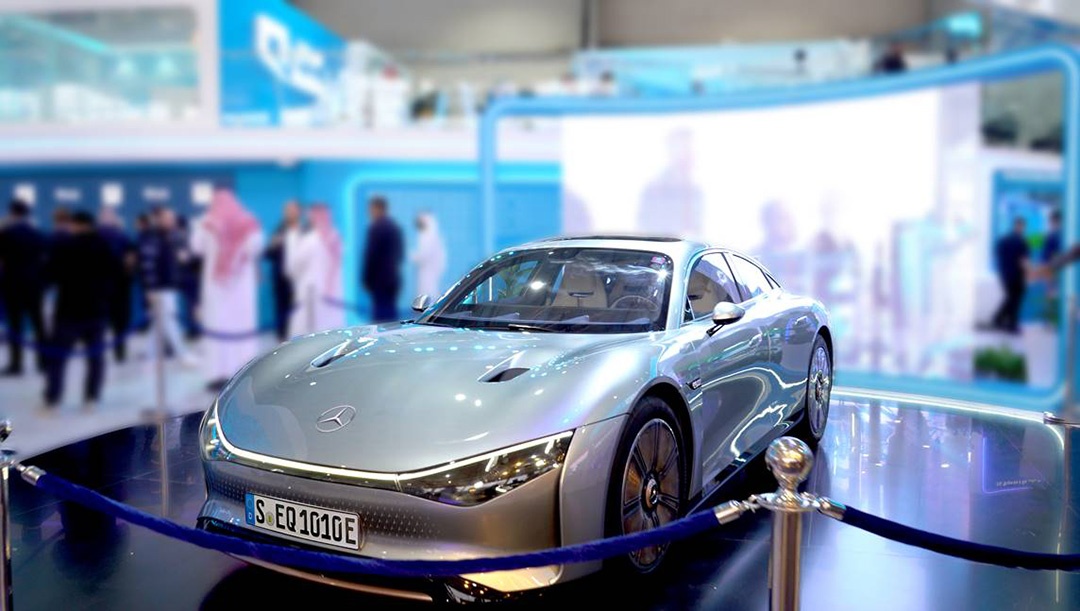
Saudi Arabia’s push towards sustainability and a clean energy future will take center stage at the EV Auto Show 2024, one of the most significant gatherings for the electric vehicle (EV) industry in the Middle East. From September 17th to 19th, the Riyadh International Convention and Exhibition Centre will host automakers, industry experts, and technology innovators from around the world. As the nation seeks to reduce its dependence on fossil fuels, this event marks a key moment in advancing electric mobility in the region.

The EV Auto Show 2024 is expected to attract some of the biggest names in electric vehicle manufacturing, as well as developers of charging infrastructure and related technologies. These participants will be instrumental in Saudi Arabia’s ambitious goals to become a global leader in sustainable energy. The event is more than a showcase of cutting-edge EV models; it represents a broader initiative aligned with the Kingdom’s Vision 2030 plan to diversify its economy and promote environmental responsibility.

Among the most anticipated exhibits are electric cars, commercial trucks, buses, and motorcycles that promise to reshape Saudi Arabia’s automotive landscape. Automakers from across Europe, the US, and Asia will be presenting their latest EV models, reflecting the global momentum in the shift towards electric transportation. Some companies are expected to unveil new vehicles tailored specifically to the needs of the Gulf region, focusing on extreme climate durability, high-performance batteries, and long-range capabilities that meet the challenges posed by the vast Saudi landscape.

Saudi Arabia’s commitment to electric vehicles has been clear over the past few years, as the Kingdom invests heavily in building EV infrastructure. Recent partnerships between the Saudi government and international EV manufacturers have already set the stage for increased local production and assembly of electric vehicles. The show is poised to bring these efforts into sharper focus, with an emphasis on collaborative innovation.

Several regional and international brands will showcase their EV charging solutions at the event. Saudi-based energy firms and multinational companies will demonstrate cutting-edge charging technologies and battery solutions, focusing on both residential and commercial applications. These technologies are pivotal for the growth of the EV market, as reliable and widespread charging infrastructure remains a key challenge in Saudi Arabia’s transition to electric vehicles. The event will feature panels on overcoming these hurdles, with industry leaders and government officials expected to discuss strategies for expanding the country’s EV charging network.

Energy and technology companies are increasingly looking at ways to integrate EVs with renewable energy sources such as solar power. Saudi Arabia’s abundant sunlight presents a significant opportunity to harness clean energy for EVs, reducing both emissions and energy costs in the long term. At the show, experts will discuss how solar-powered EV charging stations can support the country’s sustainability goals, especially as the Kingdom ramps up investment in its burgeoning solar industry.

Key figures in Saudi Arabia’s automotive and energy sectors have noted that the transition to electric vehicles is no longer a distant goal but an immediate priority. The EV Auto Show is expected to catalyze both consumer interest and industry momentum, with stakeholders eager to capitalize on the growing demand for sustainable transportation options. With gasoline prices fluctuating and global environmental policies tightening, EV adoption is not just a matter of preference but a strategic imperative for the Kingdom.

Public interest in electric vehicles has surged across Saudi Arabia, particularly among younger consumers who are increasingly aware of the environmental impacts of traditional gasoline-powered cars. To meet this rising demand, several local companies are making strides in EV development and marketing. In particular, Saudi Arabia’s own Public Investment Fund (PIF) has invested billions in Lucid Motors, a leading American EV manufacturer. Lucid has already established a production facility in King Abdullah Economic City (KAEC), marking a major milestone in local EV manufacturing. The partnership is seen as a crucial step in positioning the Kingdom as a future hub for electric vehicle production in the region.

Beyond private investment, government support for EVs in Saudi Arabia has been robust. In line with Vision 2030, the Saudi government has implemented policies designed to encourage both manufacturers and consumers to embrace electric mobility. Incentives such as tax breaks for EV buyers, subsidies for local manufacturers, and government contracts for EV fleets are just some of the measures aimed at fostering a supportive environment for the industry’s growth. These policies, coupled with investments in renewable energy, are part of a broader strategy to position the Kingdom as a leader in the clean energy transition.

The environmental impact of EV adoption is also a significant consideration for Saudi Arabia. While the country is one of the largest producers of oil globally, its leaders are keen to diversify its energy sources to ensure long-term sustainability. Reducing emissions from transportation is a key component of this strategy, as the sector accounts for a considerable portion of the country’s carbon footprint. With electric vehicles seen as a crucial solution to lowering emissions, the EV Auto Show serves as a platform to demonstrate the feasibility and necessity of electric mobility in achieving Saudi Arabia’s environmental goals.

Guests can experience the latest Courtyard Premier rooms, refreshed Junior Suites and even a staycation for pet owners and their fur-kids SINGAPORE – Media OutReach Newswire – 5 September 2024 – Oasia Resort Sentosa by Far East Hospitality unveils a new room category, Courtyard Premier, alongside the hotel’s refreshed Junior Suites. A testament to the resort’s commitment to being a leading wellness destination, the new offerings will […]

PHNOM PENH, CAMBODIA – Media OutReach Newswire – 6 September 2024 – The Bay of Lights, a transformative USD 16 billion coastal township development project, took center stage at the inaugural Singapore Business Expo 2024, coinciding with Singapore’s 59th Independence Day celebrations. Showcased as the groundbreaking project, the Bay of Lights is poised to transform Cambodia’s coastal economy and create ripple effects across the Southeast Asia region. […]

Bahrain’s Economic Development Board (EDB) is set to embark on a multi-city tour across India, aiming to deepen bilateral ties and strengthen economic collaboration. The initiative, scheduled for September 9-14, comes as part of Bahrain’s broader efforts to attract investments and enhance partnerships across key sectors. Spearheaded by Noor bint Ali Al Khulaif, Bahrain’s Minister of Sustainable Development and Chief Executive of the EDB, the delegation will engage with top Indian business leaders, investors, and policymakers in Mumbai, New Delhi, Bengaluru, and Hyderabad.

Bahrain’s move to engage directly with India underscores the increasing significance of bilateral relations between the two countries. India, a rapidly growing economy and a key player in global trade, has been identified as a strategic partner for Bahrain’s economic ambitions. The tour is expected to showcase the Gulf nation’s business-friendly environment, investment opportunities, and the diverse sectors open to collaboration, including finance, manufacturing, technology, and logistics.

The Bahrain Economic Development Board, responsible for promoting investment in the Kingdom, has been working to position Bahrain as a hub for international businesses seeking a foothold in the Middle East and North Africa (MENA) region. By targeting India, Bahrain aims to tap into one of the world’s largest consumer markets and the fast-developing Indian economy, which is increasingly driven by innovation, technology, and industrial growth.

Bahrain’s strategic geographical location, coupled with its investor-friendly regulatory environment, is likely to be a focal point of discussions during the India tour. The Kingdom offers 100% foreign ownership in many sectors, low operational costs, and access to the Gulf Cooperation Council (GCC) market of over 50 million consumers. These advantages are expected to appeal to Indian companies looking to expand their presence in the Gulf region, particularly those involved in sectors such as financial services, logistics, ICT, and manufacturing.

The India visit also marks a significant opportunity for both nations to explore new areas of collaboration, particularly in emerging technologies. Bahrain has positioned itself as a leader in fintech, having launched a number of initiatives in recent years to support the sector. The Kingdom’s regulatory sandbox for fintech startups has attracted numerous international firms, and there is considerable scope for Indian technology companies to collaborate with Bahrain on financial innovation and digital services.

Moreover, Bahrain has been keen to bolster its manufacturing sector, especially in fields such as chemicals, food processing, and aluminum production. India’s robust manufacturing base makes it a natural partner for collaboration in these industries. The visit will likely focus on building synergies in these areas, with discussions centered on how Indian businesses can leverage Bahrain’s competitive edge as a production hub for the GCC market.

The tour will also provide a platform for discussions on sustainable development and climate change. Bahrain, through its Vision 2030 economic plan, has placed sustainability at the heart of its development strategy. Minister Noor bint Ali Al Khulaif, a key proponent of sustainable economic growth, is expected to highlight Bahrain’s initiatives in this area, which align with India’s own commitment to sustainable development. Both countries are signatories to the Paris Agreement and are looking to collaborate on green technologies, renewable energy, and sustainable infrastructure projects.

The Bahrain-India relationship is not limited to trade and investment. The two nations share a long history of cultural and diplomatic ties, with a sizable Indian expatriate community living in Bahrain. These deep-rooted connections are likely to be emphasized during the tour, as both sides seek to build on their historical relationship and foster stronger people-to-people ties.

On the economic front, bilateral trade between Bahrain and India has shown steady growth. According to the latest data, total trade between the two countries stood at around $1.4 billion in 2022. India is among Bahrain’s top trading partners, and there is potential for further expansion in sectors such as hydrocarbons, engineering goods, pharmaceuticals, and food products. Bahrain is also home to several prominent Indian companies, and the EDB’s tour is expected to explore new avenues for Indian firms to increase their presence in the Kingdom.

In addition to meetings with business leaders and investors, the Bahrain delegation is expected to hold discussions with Indian government officials on strengthening bilateral relations. These talks could pave the way for future cooperation agreements in areas such as trade, investment, and technology transfer. The tour aligns with India’s own foreign policy objectives of enhancing relations with Gulf countries, which have become critical economic partners for New Delhi in recent years.

The timing of Bahrain’s outreach to India is also notable, coming at a time when global economic dynamics are shifting. Both nations are looking to diversify their economies and reduce dependence on traditional industries, such as oil and gas. For Bahrain, India represents a key partner in its efforts to modernize and diversify its economic base, while for India, Bahrain provides access to the GCC and MENA markets, which are crucial for India’s energy security and trade.

M A Hossain Russian President Vladimir Putin’s recent two-day state visit to Mongolia was not only a significant moment in the bilateral relations between Moscow and Ulaanbaatar, but also an event that resonated on the international stage. Mongolia, a nation that ratified the Rome Statute of the International Criminal Court (ICC), became the subject of global attention due to its refusal to comply with the ICC’s warrant […]

A significant shake-up is underway in the Saudi retail sector as Investcorp, a prominent global investment firm, is poised to sell its stake in BinDawood Holding, a major player in the kingdom’s retail market. The decision to divest comes as the company aims to streamline its investment portfolio and focus on other strategic areas. This move has sparked considerable interest and speculation regarding the future trajectory of […]

NMDC Energy, a leading entity in the UAE’s energy sector, is scheduled to begin trading on the Abu Dhabi Securities Exchange (ADX) starting next week. The company’s shares will be available on the First Market segment of the exchange, marking a significant development in the UAE’s capital markets. This listing represents a major milestone for NMDC Energy, which has established itself as a key player in the […]

The United Arab Emirates is poised to witness an unprecedented surge in international visitor spending, with expenditures expected to exceed $52 billion by the end of this year. This remarkable growth underscores the UAE’s expanding role as a global tourism hub, fueled by ongoing investments in infrastructure and strategic marketing efforts.

The World Travel & Tourism Council (WTTC) has reported that the UAE’s tourism sector is on track to break previous records, driven by a combination of increased international travel and robust economic conditions. The forecasted spending figure represents a substantial increase from previous years, highlighting the UAE’s resilience and attractiveness in the global tourism market.

Several factors contribute to this surge in visitor spending. The UAE has successfully positioned itself as a premier destination for luxury travel, attracting high-net-worth individuals with its opulent hotels, world-class dining experiences, and exclusive events. The country’s strategic initiatives, such as hosting major international events and enhancing its hospitality sector, have played a significant role in drawing affluent tourists.

Recent developments in tourism infrastructure have also bolstered the UAE’s appeal. The expansion of airports, the introduction of new flight routes, and the enhancement of travel experiences have made the UAE more accessible to international visitors. These advancements are complemented by the UAE’s continuous efforts to innovate and diversify its tourism offerings, ranging from cultural festivals to adventure tourism.

The UAE’s commitment to maintaining high safety and cleanliness standards, particularly in the wake of the COVID-19 pandemic, has further solidified its reputation as a safe and attractive destination. This focus on health and safety has reassured travelers, contributing to the surge in tourism-related expenditures.

Moreover, the UAE’s strategic use of digital marketing and social media has amplified its visibility on the global stage. Campaigns highlighting the UAE’s unique attractions, such as the Burj Khalifa, the Palm Jumeirah, and cultural landmarks like the Louvre Abu Dhabi, have resonated with a broad audience, driving interest and visits.

The influence of high-profile events, such as the Expo 2020 Dubai, has had a lasting impact on the UAE’s tourism sector. Although the Expo concluded, its legacy continues to attract tourists and stimulate economic activity. The influx of international visitors during the event showcased the UAE’s capacity to host large-scale global gatherings, further cementing its status as a leading destination.

The rise in international visitor spending is also reflective of broader global tourism trends. As countries recover from the pandemic, there is a noticeable rebound in travel, with tourists eager to explore new destinations and experience diverse cultures. The UAE has capitalized on this trend by offering a mix of luxury, adventure, and cultural experiences that cater to various preferences.

Key players in the UAE’s tourism industry, including major hotel chains, travel agencies, and entertainment providers, are witnessing significant growth in revenue. These businesses are investing in enhancements to attract and retain international visitors, ensuring that the UAE remains competitive in the global tourism market.

Economic analysts highlight that the tourism sector’s growth has positive implications for the UAE’s overall economy. Increased visitor spending contributes to job creation, supports local businesses, and generates substantial revenue for the government. The tourism industry’s expansion aligns with the UAE’s broader economic diversification goals, reducing reliance on oil revenues and fostering sustainable development.

UAE-based Harwal Group, a prominent player in the building materials sector, is preparing to merge two of its subsidiaries and subsequently list the newly formed entity on Saudi Arabia’s NOMU market. This strategic move is aimed at capitalizing on the substantial growth opportunities within the Gulf Cooperation Council (GCC) region’s construction sector.

The merger will bring together TSSC KSA and Interplast Riyadh, two key companies within Harwal’s portfolio. Together, these firms generate an annual turnover of approximately SAR 355 million, equivalent to $100 million. This consolidation is expected to streamline operations and enhance market competitiveness, positioning the new entity to leverage the expanding construction opportunities in Saudi Arabia and beyond.

Saudi Arabia’s construction sector has witnessed a significant surge, driven by the country’s Vision 2030 initiative, which includes numerous mega-projects such as NEOM and the Red Sea Project. These projects are designed to diversify the economy away from oil dependence and stimulate substantial infrastructural and commercial growth. Harwal’s strategic entry into the NOMU market aims to position it advantageously to tap into this growth wave.

TSSC KSA, a leader in manufacturing and supplying high-quality building materials, and Interplast Riyadh, known for its innovative plastic solutions, are set to merge their operations. This amalgamation is anticipated to create a more robust and diversified entity, enhancing its ability to meet the increasing demand for construction materials driven by Saudi Arabia’s ambitious infrastructure plans.

By listing on NOMU, the secondary market of the Saudi Stock Exchange (Tadawul), Harwal Group intends to access capital necessary for its GCC expansion strategy. The NOMU market, which caters to small and medium-sized enterprises (SMEs) and provides a platform for growth-focused companies, offers Harwal an opportunity to raise funds and boost its operational capabilities.

The move aligns with a broader trend of increased regional investment in construction and infrastructure. Saudi Arabia’s proactive approach to economic diversification and infrastructure development has attracted significant attention from investors and companies looking to capitalize on the burgeoning market. Harwal’s planned listing on NOMU reflects its confidence in the sustained growth prospects within the region’s construction sector.

Harwal Group’s decision to merge TSSC KSA and Interplast Riyadh and subsequently list the combined entity highlights its strategic focus on enhancing operational efficiency and expanding its market footprint. The merger is expected to create synergies between the two companies, allowing for more streamlined operations and enhanced competitive positioning.

The merger and listing also underscore Harwal’s commitment to expanding its presence in the GCC region. The company aims to leverage its strengthened market position to tap into new opportunities and drive further growth. The listing on NOMU will provide Harwal with the capital necessary to support its expansion plans and invest in new projects, bolstering its ability to meet the evolving demands of the construction sector.

This strategic move comes at a time when the GCC construction sector is experiencing unprecedented growth, fueled by large-scale projects and increasing investments. Harwal’s entry into the NOMU market positions it to benefit from the sector’s expansion and capitalize on emerging opportunities.

VISHNU RAJA
RYO YAMADA
HITORI GOTOH
IKUYO KITA