News related to
Investment

Three companies in the United Arab Emirates (UAE) have been granted official licenses to operate lotteries, a significant move as the country aims to regulate and expand its gaming sector. These operators are now the only entities legally permitted to offer lottery services, while other unauthorized operators face orders to cease their activities. This decision follows ongoing efforts by UAE authorities to ensure the integrity and transparency of gambling operations, which have long been tightly regulated.

The UAE’s legal framework for gambling and lottery activities has historically been restrictive, with laws primarily prohibiting most forms of gambling. However, the introduction of licensed lottery services marks a departure from previous norms, aligning with the government’s broader efforts to modernize and diversify its economy. The decision to issue licenses to these operators is expected to generate significant revenue, contributing to the UAE’s economic diversification goals, particularly as the country looks to reduce its dependency on oil exports.

The three licensed operators have been authorized to offer a range of lottery products, including traditional draw-based games and instant-win formats. These services are expected to be heavily regulated, with strict oversight by government agencies to ensure compliance with ethical standards and consumer protection laws. The UAE’s new approach emphasizes transparency in operations, with the aim of attracting both local and international consumers.

While the licensed companies move forward with their operations, the crackdown on unauthorized operators has been swift. Several businesses that were previously offering lottery-like services without official approval have been ordered to shut down. Authorities have stated that any company found in violation of the law will face stringent penalties, including heavy fines and potential legal action.

The decision to regulate the lottery market more extensively has been met with mixed reactions. Proponents argue that the move will help generate revenue for public services and infrastructure projects, benefiting the wider community. By legalizing lottery services, the UAE government hopes to prevent the growth of underground gambling operations that often operate without oversight or regulation, which can lead to illegal activities and financial instability.

On the other hand, critics of the new regulations express concerns about the potential for gambling addiction and other social consequences. They argue that while lotteries are often marketed as a form of entertainment, they can lead to harmful behavior, particularly among vulnerable populations. There are also concerns about the transparency and fairness of the lotteries, with calls for the government to ensure that the operators are fully accountable and that the processes are closely monitored.

The regulatory framework for gambling in the UAE has evolved over time, with the country gradually relaxing some of its earlier restrictions. However, this shift towards legalizing certain forms of gambling has been carefully controlled, with only a limited number of operators allowed to participate. The UAE’s regulatory authorities are reportedly working to ensure that the market remains fair and responsible, with clear rules and guidelines in place to protect consumers.

International operators are also showing interest in the newly regulated market, with several global gaming companies considering partnerships with the licensed UAE operators. The move could potentially open the door for foreign investment, further boosting the country’s gaming sector. While the focus remains on lotteries for now, experts suggest that the UAE could gradually expand its licensing framework to include other forms of regulated gambling, such as sports betting and online casino games.

As the lottery sector begins to take shape, the UAE government has also placed a strong emphasis on ensuring that proceeds from the games are used for the public good. A portion of the revenue generated by the lotteries is expected to be allocated to social programs, including education, healthcare, and infrastructure development. This approach aims to ensure that the financial benefits of the new gambling activities are directed toward improving the quality of life for UAE citizens.

The establishment of licensed operators also raises the possibility of collaboration with international regulatory bodies. The UAE is reportedly engaging with global gaming regulators to ensure that its framework meets international standards. This collaboration could help strengthen the credibility of the UAE’s lottery system, boosting confidence among consumers and investors alike.

In addition to the regulatory changes, the UAE is investing in technology to ensure the security and transparency of lottery operations. The government has emphasized the importance of using advanced technologies, such as blockchain, to track lottery transactions and prevent fraud. This technological investment is expected to play a critical role in building trust among consumers and ensuring that the lottery services are fair and secure.
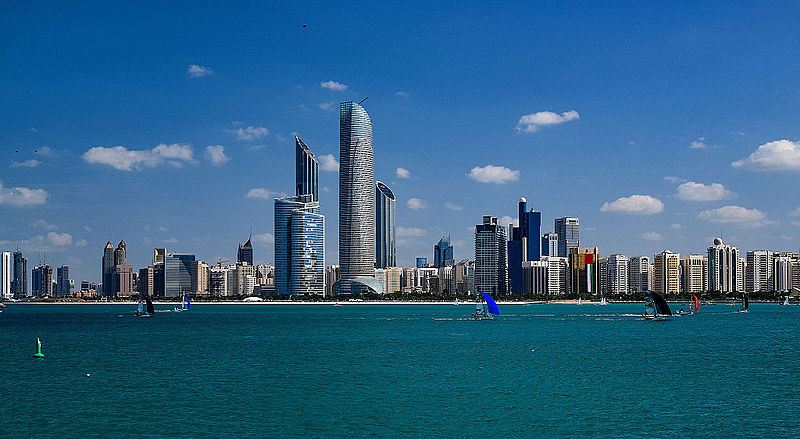
Abu Dhabi is steadily positioning itself as a global financial hub, attracting an increasing number of international bankers, investors, and financial institutions. The capital of the United Arab Emirates (UAE) has long been known for its oil wealth, but in recent years, its economic diversification strategies have begun to bear fruit, transforming it into a key player in the world’s financial markets. This shift is no longer just a future possibility; it is happening now, with rising interest from top-tier banking executives seeking to leverage the city’s infrastructure, favorable regulatory environment, and strategic position at the crossroads of Europe, Asia, and Africa.

As part of its ambition to become a leader in global finance, Abu Dhabi has made significant strides in enhancing its financial services ecosystem. Financial institutions, including major international banks, are increasingly opening branches and expanding operations in the city, attracted by its strategic location and investor-friendly policies. The UAE capital has also established itself as a center for private equity, wealth management, and Islamic finance, sectors where it continues to see consistent growth.

The financial sector in Abu Dhabi has grown rapidly, not just due to its historical advantages but because of deliberate policy decisions made by the government. For example, the Abu Dhabi Global Market (ADGM), a financial free zone established in 2015, has been pivotal in attracting foreign investment. ADGM offers a robust regulatory framework, tax exemptions, and a business-friendly environment that allows for greater ease of doing business compared to other regions in the Middle East.

Another factor drawing attention is Abu Dhabi’s growing role as a leading center for sustainable finance. The UAE has positioned itself as a key player in the global push towards greener investments, with Abu Dhabi at the forefront of green bonds and other sustainable financial products. In addition to the nation’s investment in renewable energy projects like the massive solar farm at Mohammed bin Rashid Al Maktoum Solar Park, the UAE has been a significant proponent of integrating environmental, social, and governance (ESG) criteria into investment strategies.

Abu Dhabi’s rise as a financial powerhouse is not only benefiting the city’s banks but also drawing the attention of global investment funds, particularly those looking to invest in markets with high growth potential. Financial giants from New York to London are setting up operations to tap into the rapidly growing wealth in the Gulf region, with Abu Dhabi being a prime location. The city’s appeal is also reinforced by its relatively low tax environment, particularly for foreign businesses, and the increased liberalization of the banking sector. This has helped make Abu Dhabi a go-to destination for global funds seeking to access emerging markets with fewer barriers.

The UAE government has long supported policies that encourage the diversification of the economy beyond oil, and banking and finance have become pivotal to this transformation. The establishment of the Financial Services Regulatory Authority (FSRA) has played an essential role in strengthening the regulatory framework, providing international businesses with confidence in operating within the emirate’s borders. This system offers a well-defined legal framework, based on international best practices, which ensures transparency and stability in the financial sector.

Abu Dhabi is seeking to capitalize on the global demand for fintech, especially with the increased adoption of digital financial services. Many leading global fintech companies have established a presence in the emirate, while government-backed initiatives continue to promote innovation in the sector. The growth of digital banking, blockchain technologies, and cryptocurrency is becoming more pronounced, positioning the city as an attractive destination for tech-driven financial services. The authorities in Abu Dhabi are keen to foster an ecosystem conducive to fintech startups, leveraging the city’s burgeoning tech infrastructure and access to venture capital funding.

In addition to financial services, Abu Dhabi’s ambitions are evident in its wealth management strategies. With a high concentration of wealthy individuals and families, Abu Dhabi has seen a surge in the demand for sophisticated wealth management services. The city’s wealth managers, private banks, and family offices are increasingly seeking to provide tailored services that cater to the unique needs of their clients. As such, Abu Dhabi is establishing itself as a key player in the high-net-worth individual (HNWI) market, attracting wealthy clients from the Gulf region and beyond.

International investors, particularly from Europe and Asia, are closely monitoring the developments in Abu Dhabi as they seek to capitalize on the economic growth that the emirate is experiencing. Many analysts view the city as one of the best places to invest in the Middle East, noting its ability to offer competitive returns and stability, especially in comparison to other regional markets that have seen geopolitical instability in recent years. Moreover, the city’s efforts to embrace innovation, sustainability, and diversification are making it an increasingly attractive destination for both traditional investors and those seeking to invest in cutting-edge sectors like green technologies and digital finance.

Hanwha Life, a leading South Korean financial powerhouse managing assets worth over $300 billion, has announced a strategic investment in Abu Dhabi-based Shorooq Partners. The announcement was made during the Abu Dhabi Finance Week, underlining Hanwha’s ambitions to expand its influence in the Gulf region and strengthen its foothold in alternative investments globally. Shorooq Partners, an eminent venture capital firm in the Middle East, North Africa, and […]

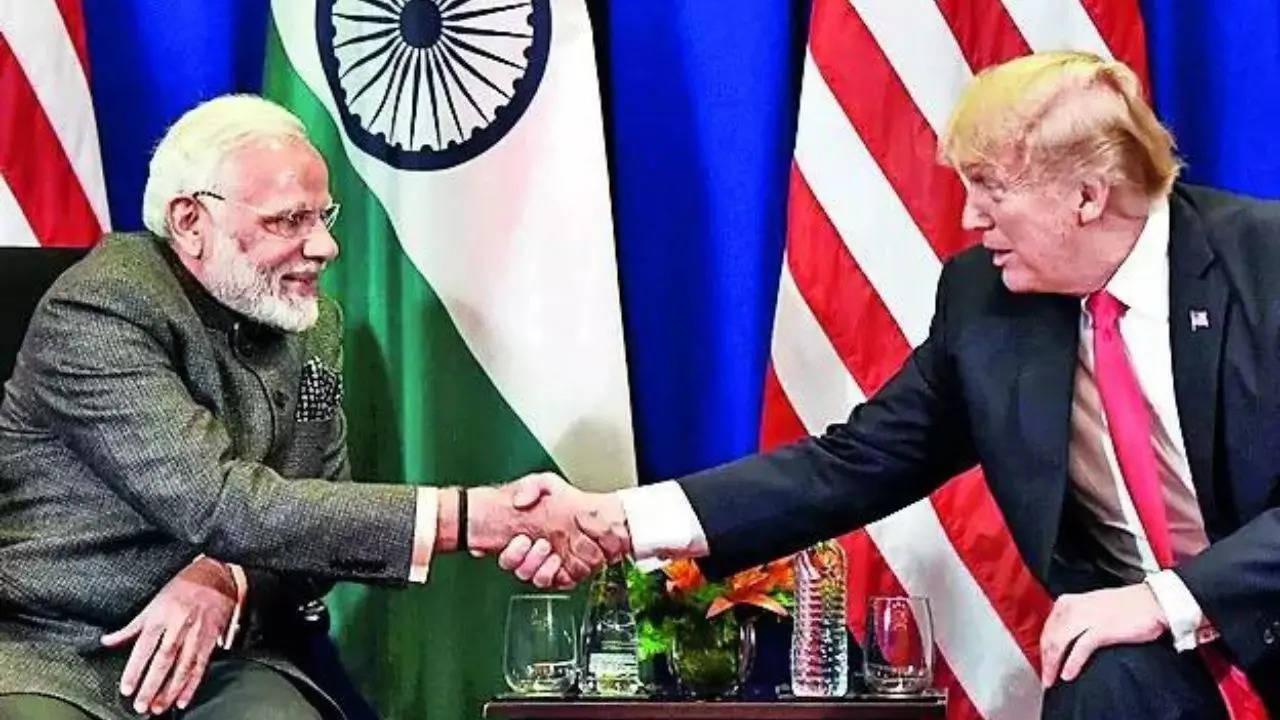
By Girish Linganna Donald Trump’s re-election as U.S. President could have a big impact on India-US relations, especially in areas like technology, chips, and semiconductors. As he begins his second term on January 20 next year ,, both countries will face a mix of opportunities and challenges that could shape their tech and economic ties […]

KUALA LUMPUR, MALAYSIA – Media OutReach Newswire – 5 December 2024 – Gold has been valued for its stability when the financial fires are raging. That stable nature was underscored in 2024 when its price shot upward, gaining over $700 per ounce. This amounted to a 34% increase since January. The vibrant price increase has gotten traders and investors all jazzed up again about gold, with the […]

The Abu Dhabi Investment Office (ADIO) has taken a decisive step in advancing sustainability through a collaboration with Partanna, a Bahamian climate technology firm. This initiative not only brings Partanna’s regional headquarters to Abu Dhabi but also establishes a manufacturing facility in the emirate to produce innovative building materials capable of actively removing carbon dioxide from the atmosphere. This partnership is part of ADIO’s larger vision to […]

Increasing global insolvency levels heighten risks for executives. The febrile geopolitical landscape poses liability challenges for global corporations caught up in world events. “AI washing” is an emerging risk trend, leading to securities class action lawsuits. D&O market remains competitive but a step up in scrutiny of corporate conduct around the globe means loss potential is still high. SINGAPORE – Media OutReach Newswire – 5 December 2024 […]

Advertisements

MACAO SAR – Media OutReach Newswire – 5 December 2024 – On December 4, 2024, the “Celebration of the 25th Anniversary of Macao’s Return to the Motherland: The Story of Centenary Hotel Central Book Launch & Documentary Screening” event, organized by Lek Hang Group and supported by the Macao Government Tourism Office and the Commerce and Investment Promotion Institute, was held at Bona International Cineplex in Macau. […]

Fortinet has unveiled its new cloud-delivered platform, FortiAppSec Cloud, a cutting-edge solution designed to address the escalating complexities of securing modern web applications across multiple cloud environments. The launch marks a significant step in the cybersecurity provider’s ongoing efforts to offer a unified approach to web application security, ensuring businesses can safeguard their digital infrastructure in an era of rapidly evolving threats. The FortiAppSec Cloud platform is […]

Exploring Asia’s Future Focusing on Technology, Business Growth and Strategic Partnerships for Japanese Companies in Southeast Asia TOKYO, JAPAN – Media OutReach Newswire – 5 December 2024 – Iskandar Investment Berhad (IIB), Nikkei Inc. and Nikkei Business Publication (Nikkei BP) have signed a Memorandum of Understanding (MOU) to jointly host the Nikkei Forum 2025 in Medini, Johor, Malaysia, in June 2025. This landmark event will bring together […]

Yondr Group has reached a key milestone in its ambitious sustainable data center project in Bischofsheim, Germany, located south of Frankfurt. The company recently completed the first phase of its 40 MW data center, successfully deploying 20 MW of capacity. This achievement marks a significant step in the company’s efforts to build an energy-efficient, environmentally friendly hyperscale data center that aligns with growing demand for sustainable digital […]

The public cloud services (PCS) market in Europe, the Middle East, and Africa (EMEA) is on track to experience substantial growth, with projections indicating that the market will reach $415.1 billion by 2028. This marks a significant expansion from current levels, driven by increasing digital transformation initiatives, growing cloud adoption across industries, and the rise of new technologies that require cloud infrastructure. According to experts, the compounded […]

Apple CEO Tim Cook’s visit to the UAE this week marked a significant moment for both the tech giant and the local creative community. In an event aimed at highlighting the intersection of technology and art, Cook attended an exhibition showcasing the talent of Emirati photographers, captured through the lens of the new iPhone 16 Pro. The visit, which included a trip to the iconic Qasr Al […]

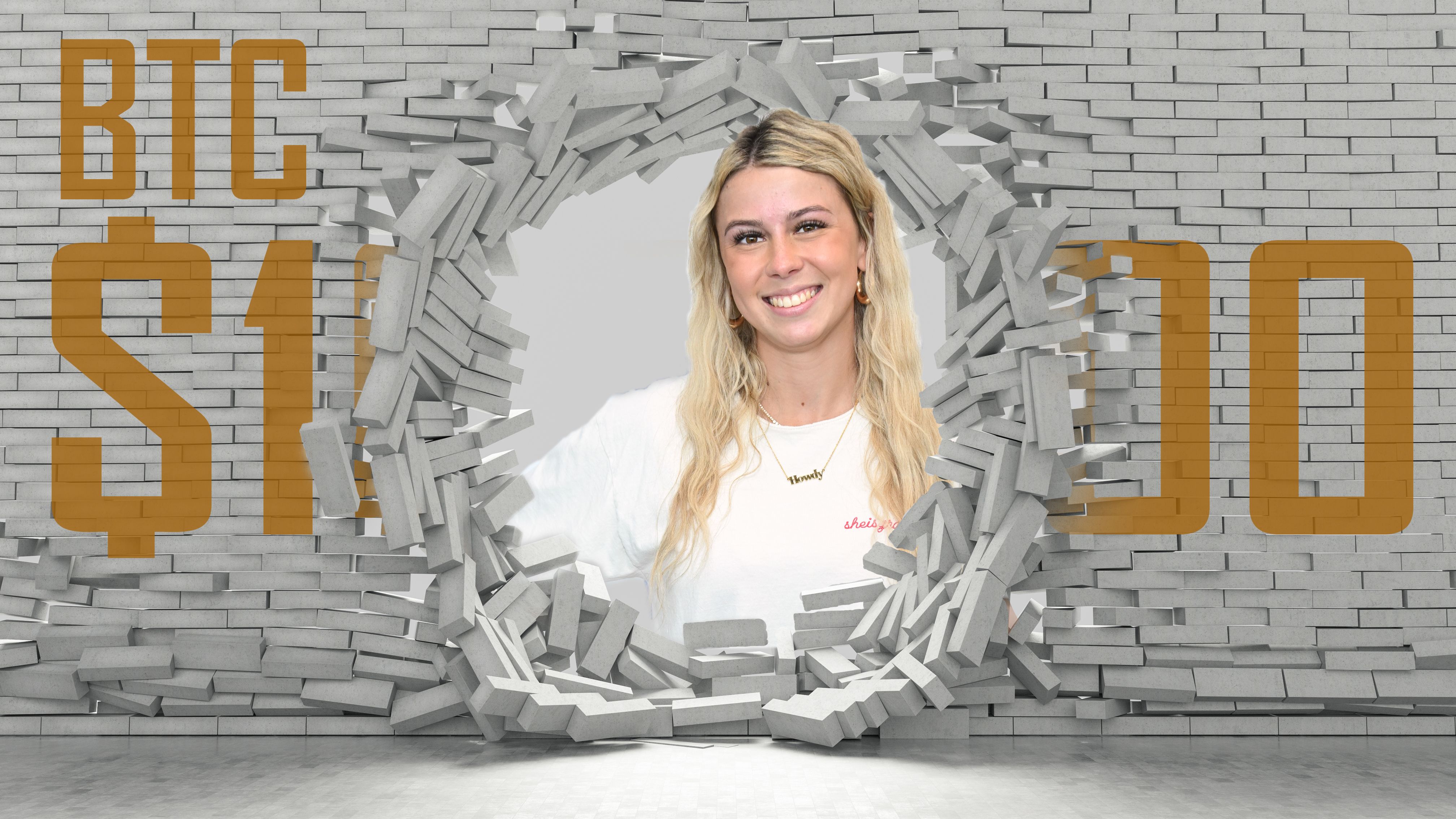
Bitcoin’s monumental climb to $100,000 had all the trappings of a historic achievement. The cryptocurrency’s value soared as market analysts predicted continued growth, and investors dreamed of an even greater financial revolution. Despite the fanfare surrounding Bitcoin’s rally, an unexpected event in the world of altcoins quickly drew significant attention: the sudden collapse of Hawk Tuah, a cryptocurrency that had captivated many. What was once seen as a promising token has now raised questions about the stability of digital assets and the volatile nature of the crypto space.

Bitcoin’s $100K achievement was anticipated for years by its most ardent supporters, who argue that the cryptocurrency is poised to disrupt traditional finance. Many analysts view Bitcoin as a store of value akin to gold, especially during times of economic instability. A surge in institutional investment and public interest contributed to the rise in Bitcoin’s price, spurred by fears of inflation, the erosion of traditional financial systems, and growing support from government-backed institutions worldwide. As Bitcoin breached the $100K mark, enthusiasts celebrated, hoping the moment would mark the beginning of a new era for digital currencies.

However, while Bitcoin was grabbing the headlines, an altcoin—Hawk Tuah—was making waves for a completely different reason. A social media frenzy about Hawk Tuah’s potential led to an influx of retail investors, many of whom viewed the coin as a shortcut to quick profits. Cryptocurrency enthusiasts, seeking new opportunities outside Bitcoin, were drawn to Hawk Tuah’s marketing promises, with influencers and self-styled financial gurus touting it as a major up-and-comer.

The coin’s rapid ascent was fueled by hype and speculation, yet the rapid downfall was equally abrupt. Less than a week after Hawk Tuah reached its all-time high, it became clear that the project was riddled with issues: broken promises, questionable development practices, and, in some cases, fraud allegations. In an industry plagued by instability and a lack of regulation, the Hawk Tuah crash was a stark reminder of the risks involved in crypto investments.

In many online communities, the collapse of Hawk Tuah overshadowed Bitcoin’s milestone. Enthusiasts who had once been excited about Bitcoin’s price surge seemed far more engaged in analyzing the rise and fall of the altcoin. Even conversations among casual investors and retail participants shifted focus toward the sudden evaporation of Hawk Tuah’s market capitalization. Some even compared the situation to the famous “pump and dump” schemes that have plagued the crypto space for years.

Experts have weighed in on why the drama surrounding Hawk Tuah stole attention from Bitcoin’s $100K moment. For one, the crypto space remains largely unregulated, making it difficult for investors to distinguish between legitimate projects and speculative ventures. As Bitcoin gains more mainstream acceptance, smaller projects like Hawk Tuah leverage social media and influencer marketing to attract the attention of everyday investors, often without offering a transparent roadmap or fundamental utility. These tactics have raised alarms among financial experts, who caution that the lack of due diligence can lead to catastrophic losses.

The emotional allure of altcoins often leads to impulsive decisions, driven by the fear of missing out on the next big thing. Retail investors, many of whom lack the expertise to fully assess the long-term viability of a crypto asset, tend to be drawn in by short-term price movements rather than evaluating the coin’s underlying technology and use case. Hawk Tuah was no exception. As news of its rapid price escalation spread across social media platforms, inexperienced traders piled in, hoping for a fast return.

While Bitcoin’s position as the leader of the cryptocurrency market remains undisputed, the Hawk Tuah debacle serves as a cautionary tale for investors. Even as Bitcoin’s market cap continues to soar, the volatility of altcoins like Hawk Tuah shows that the crypto landscape is still filled with uncertainty. The success of a few digital currencies can overshadow the broader, more dangerous realities of the market. While Bitcoin may continue to rise, the price of altcoins often remains susceptible to the whims of influencers, market sentiment, and, more ominously, scam artists.

For many, the Hawk Tuah disaster is emblematic of a larger issue in the crypto world: the lack of regulation and investor protections. Unlike traditional stocks, which are subject to stringent rules and oversight, the cryptocurrency market operates in a gray area, with minimal regulatory frameworks in place. This allows for rapid price fluctuations and allows unverified projects to thrive. With the crypto sector continually drawing new participants, questions surrounding accountability, transparency, and investor safety are growing louder.

Despite the turbulence in the altcoin market, Bitcoin’s fundamentals remain strong. Institutional adoption, continued mainstream integration, and growing interest from governments around the world are signs that Bitcoin’s rise may not be a fleeting moment but the start of a more stable, established financial instrument. Yet, even with Bitcoin’s increasing legitimacy, the volatility of the broader market continues to pose challenges for investors looking for consistent returns.

The Caribbean and the United States are now seamlessly connected through the newly unveiled Caribbean Elite Alliance (CELIA) undersea cable, marking a transformative leap in digital infrastructure for both regions. This high-capacity cable, which spans more than 5,000 kilometers, promises to revolutionize data transfer and telecommunications, providing faster, more reliable internet access for millions of people in the Caribbean and on the U.S. East Coast. CELIA, which […]

Abu Dhabi’s Natural History Museum has unveiled an impressive collection of ancient treasures, including rare fossils that offer a glimpse into the planet’s distant past. The museum, which is fast becoming one of the UAE’s key cultural landmarks, showcases a wide range of specimens that span millions of years, including a fossil of a seven-million-year-old four-tusked Arabian elephant. This creature roamed the landscape of Abu Dhabi at a time when rivers, forests, and savannas were dominant across the region. The exhibit also includes a diverse range of dinosaurs, prehistoric mammals, and artifacts from space that offer insight into both Earth’s and the universe’s history.

The fossil of the four-tusked elephant is among the most significant of the museum’s collection. Its discovery is not just a testament to the ancient biodiversity of the region, but it also sheds light on the evolution of the elephant species, a topic that has fascinated paleontologists for years. The four-tusked elephant, now extinct, once walked the earth alongside other prehistoric creatures in what was then a verdant environment in the Arabian Peninsula. The specimen was uncovered in the Liwa desert, an area known for its rich fossil beds, which have yielded remarkable discoveries over the years.

Beyond the elephant, the museum’s display includes several dinosaur fossils that provide critical insights into the creatures that once inhabited this part of the world. The museum’s paleontology team has worked diligently to preserve these delicate specimens, each offering unique stories of ancient ecosystems. Notably, the fossils of a sauropod, an enormous herbivorous dinosaur, are on display. These massive creatures, which once thrived during the Mesozoic Era, now serve as a reminder of the sheer scale of life forms that existed millions of years ago.

In addition to the terrestrial fossils, the museum’s collection extends into the cosmos with its exhibition of meteorites and scale models of celestial bodies. Among the more captivating items on display is a sample of the famous meteorite that landed in the UAE desert. This rock, which dates back to the formation of the solar system, provides a tangible link to the earliest days of our universe. The museum’s collection of space-related artifacts not only highlights the UAE’s growing interest in space exploration but also emphasizes its role as a hub for scientific research in the region.

The design of the museum itself is as innovative as the exhibits it houses. Its architecture is a fusion of traditional Arabian elements with modern techniques, symbolizing the UAE’s commitment to blending heritage with progress. The structure is visually striking, with large, circular windows that mirror the moon’s phases, and spaces that open up to natural light, evoking a sense of discovery and exploration. As visitors move through the museum, they encounter carefully curated displays that guide them through Earth’s geological history, from its formation to the age of mammals and beyond.

The museum’s unveiling has been met with enthusiasm by the scientific community, as it marks a significant step in advancing the region’s status as a center for paleontological and archaeological research. Dr. Ahmed Al-Mansoori, a leading paleontologist involved with the project, remarked that the museum would be a valuable resource for researchers and students alike. “This museum will be a place where future generations can learn about the Earth’s history and its diverse forms of life,” he said. His sentiments reflect the broader educational mission of the museum, which is not only to display ancient treasures but also to educate the public about the processes that shaped the natural world.

The museum is also playing an essential role in fostering international collaboration. Experts from across the globe have contributed to its exhibits, and the museum is actively involved in numerous international paleontological digs. Through partnerships with other museums and universities, it seeks to expand its collection and provide a platform for global research initiatives. This exchange of knowledge will undoubtedly benefit both local and international scientific communities, as the museum continues to establish itself as a world-class institution.

One of the museum’s more interactive exhibits is its virtual reality (VR) section, which allows visitors to engage with the prehistoric world in an immersive way. Using advanced technology, guests can experience life in the age of dinosaurs, observing how these creatures lived, moved, and interacted with their environment. This cutting-edge technology, paired with the physical exhibits, creates a dynamic learning experience for visitors of all ages.

The Natural History Museum in Abu Dhabi is set to become an integral part of the city’s cultural landscape. Its mission to explore the natural world and its history is further enhanced by its strategic location in a city that has increasingly become a cultural crossroads for science, art, and heritage. Abu Dhabi’s drive to become a global center for innovation is reflected in its investment in such scientific endeavors, contributing not only to the UAE’s prestige but also to the wider global knowledge base.

Pasqal, a prominent player in the quantum computing industry, has delivered a 100-qubit quantum computer to the Jülich Supercomputing Centre (JSC) at Forschungszentrum Jülich, marking a significant advancement in European quantum research. The delivery is a major step toward harnessing the power of quantum computing to address complex scientific and industrial challenges. The new quantum system, built on Pasqal’s pioneering neutral-atom quantum technology, is expected to enable […]

Mubadala Investment Company’s assets have reached a staggering $330 billion, CEO Khaldoon Al Mubarak confirmed during the Milken Institute Middle East and Africa Summit. This significant figure underscores the firm’s growing influence in the global investment landscape, highlighting its strategic expansion into various sectors worldwide.

As one of the largest sovereign wealth funds globally, Mubadala’s diversified portfolio spans sectors such as technology, healthcare, energy, and infrastructure. Al Mubarak emphasized that the company’s investment approach remains focused on long-term growth, with an emphasis on innovation and sustainability. He also noted that Mubadala’s asset management strategy has evolved to meet the challenges and opportunities of an increasingly complex global economy.

Mubadala’s portfolio is a mix of direct investments, joint ventures, and partnerships, which are spread across different geographies. In recent years, it has made substantial investments in sectors poised for significant growth, particularly in technology and renewable energy. Its recent acquisitions include stakes in prominent companies such as Uber, Advanced Micro Devices (AMD), and the Abu Dhabi National Oil Company (ADNOC) group. These investments align with Mubadala’s broader strategy of backing high-potential firms that lead in their respective fields.

Al Mubarak also discussed the company’s commitment to sustainability, a key theme in many of its investment strategies. With increasing global awareness of climate change and the need for a sustainable future, Mubadala has increased its focus on clean energy projects, electric vehicles, and other environmentally friendly technologies. As part of its long-term strategy, the company aims to foster innovation in sectors that can drive the global transition toward a low-carbon economy.

The company’s involvement in renewable energy is also growing rapidly. Mubadala has made substantial investments in both renewable energy infrastructure and companies focused on decarbonization. One of its most significant ventures in this area is its involvement with Masdar, a global leader in renewable energy solutions, based in Abu Dhabi. This initiative is just one example of how Mubadala is aligning its portfolio with the global shift toward sustainability.

Mubadala’s $330 billion in assets also reflect its position as a key player in the global investment community. Over the past few years, it has increasingly positioned itself as a catalyst for innovation in the Middle East, while maintaining a strong international footprint. With its investments ranging from Silicon Valley startups to energy giants, Mubadala continues to assert its role as a crucial component in the diversification and modernization of the UAE’s economy.

Al Mubarak’s comments also highlighted the role that the company plays in supporting economic development in the UAE and beyond. Mubadala’s investments are not only aimed at generating returns but also at fostering innovation, creating jobs, and supporting the development of new industries. By supporting companies that can drive economic growth, Mubadala is helping to shape the future of the global economy in ways that benefit both the UAE and the wider international community.

In addition to its financial strategy, Al Mubarak also addressed the evolving challenges in global markets, particularly as geopolitical risks continue to rise and inflationary pressures remain a concern. He acknowledged the importance of adaptability, particularly as market conditions shift in unpredictable ways. According to Al Mubarak, Mubadala’s ability to swiftly adjust to changing market dynamics has been key to its success and resilience.

The CEO also touched upon the company’s deepening ties with other major global investors and sovereign wealth funds, particularly those in Europe and Asia. Mubadala’s focus on building strategic partnerships and alliances is a key part of its strategy to diversify its portfolio and tap into new growth areas. These collaborations allow Mubadala to access cutting-edge technologies and new markets that will be critical for long-term growth.

With over $330 billion in assets under management, Mubadala’s role in the global investment ecosystem continues to expand. Its focus on sustainable investments and innovative partnerships positions the firm as a leader in both the financial and technological sectors. As the company continues to grow and adapt to the evolving needs of the global market, its influence is likely to extend even further, providing both financial returns and long-term value to the UAE and its international partners.

Saudi Arabia’s startup ecosystem is experiencing a significant surge in investments, with major moves in private equity, sportstech, and digital platforms. As the country continues to diversify its economy, efforts to boost innovation and entrepreneurial ventures have shown tangible results, with prominent regional funds securing notable commitments from key players.

One of the latest developments comes from Jada Fund of Funds, a prominent investment vehicle in Saudi Arabia, which has committed to the Jadwa GCC Private Equity Fund I. Managed by Jadwa Investment, this fund is aiming for SR1.5 billion ($399.2 million) in commitments, with a hard cap of SR2 billion. This move is reflective of a broader trend of growing capital flows into the country’s private equity sector, particularly those supporting diversified businesses targeting the Gulf Cooperation Council (GCC) region.

The capital infusion into sportstech ventures is also noteworthy. Saudi Arabia is positioning itself as a leader in the Middle East’s rapidly growing sportstech industry, which is attracting attention from both regional and international investors. The government’s Vision 2030 initiative, aimed at reducing the country’s dependency on oil, is providing the foundation for an increasingly vibrant startup landscape. With an eye on the growing sports sector, Saudi firms are investing heavily in sports technologies, including wearable devices, data analytics, and performance-enhancing software that cater to athletes and sports organizations across the region.

Several Saudi-based investors, including venture capital firms and family offices, are increasingly putting their money into sportstech, reflecting the broader regional interest in this high-growth sector. The Saudi government has been actively supporting innovation in the sports industry, with ambitious projects like the establishment of mega-sports events and investment in sports infrastructure. This has, in turn, created significant opportunities for sportstech startups to grow and scale.

The trend is not limited to just private equity or sportstech. The digital platform sector, which includes e-commerce, fintech, and SaaS startups, has also seen an uptick in investment. The rise of e-commerce platforms and fintech innovations is being driven by growing internet penetration and mobile usage, particularly among Saudi Arabia’s tech-savvy youth. The government’s push to digitize various sectors of the economy has made the country a hotbed for digital platform startups looking to serve a rapidly evolving market.

These investments are not just a sign of a thriving startup ecosystem but are also a testament to the maturity of Saudi Arabia’s venture capital scene. With institutions like Jada Fund of Funds and Jadwa Investment playing key roles, the country is moving towards a more sophisticated investment environment. Jada Fund of Funds, a government-backed initiative, is helping to bridge the funding gap for early-stage companies, creating a more robust ecosystem for entrepreneurs.

Private equity firms are targeting sectors ranging from healthcare to renewable energy, demonstrating that the Saudi investment appetite is not confined to tech but extends across a range of industries vital for the kingdom’s long-term diversification strategy. This is part of a wider effort by the government to encourage private sector participation in building a non-oil economy, and the growth in startup investments reflects this strategy in action.

Beyond traditional venture capital, the sportstech space has seen a surge in the establishment of innovation hubs and incubators focused on sports technology. These hubs are providing much-needed resources and mentorship to emerging sportstech startups, enabling them to scale more rapidly. Companies in this space are developing innovative solutions that address the needs of professional athletes, fitness enthusiasts, and sports organizations alike.

International investors are also recognizing the potential of Saudi Arabia’s startup ecosystem, with increasing interest in the country from foreign venture capitalists and corporate investors. This influx of global capital is helping to accelerate the growth of homegrown startups, while also enhancing the visibility of Saudi Arabia as a regional innovation hub. By positioning itself as a key player in the tech and innovation space, Saudi Arabia is attracting startups and venture capital firms from around the world.

The government’s role in fostering innovation through policies and financial incentives cannot be overstated. Vision 2030 has made it clear that entrepreneurship and technological innovation are crucial components of Saudi Arabia’s future. With initiatives designed to support small and medium-sized enterprises (SMEs), including financial grants, tax breaks, and access to government contracts, the kingdom is ensuring that startups have the necessary tools to succeed.

These policies are beginning to bear fruit, with a number of high-profile exits in the startup space. Several homegrown startups have either been acquired by global firms or have secured substantial rounds of funding, further validating the strength of the Saudi startup ecosystem. This trend of successful exits will only continue to attract more venture capital to the country, further cementing Saudi Arabia’s position as a regional startup powerhouse.

The role of women in Saudi Arabia’s startup ecosystem has also seen notable expansion. With the government’s focus on gender equality as part of Vision 2030, female entrepreneurs are increasingly making their mark in the tech and business world. Initiatives such as the Women’s Empowerment Program are helping to provide a platform for female entrepreneurs to showcase their ideas, access funding, and network with key industry players.

HONG KONG SAR – Media OutReach Newswire – 5 December 2024 – The MIPIM Asia 2024 Awards, which honor excellence and innovation in Asia’s real estate industry, reveals this year’s winners during the Gala Dinner on December 4 at the Grand Hyatt in Hong Kong. The prestigious awards garnered numerous nominations from various countries, showcasing the remarkable diversity and growth within the sector. This wide array of […]

This partnership will see JJ-LAPP distribute Deye’s solar energy products and solutions in Malaysia SINGAPORE/KUALA LUMPUR, MALAYSIA – Media OutReach Newswire – 5 December 2024 – JJ-LAPP, the cable technology joint venture of diversified industrial conglomerate Jebsen & Jessen Group and LAPP Holding Asia, announced its partnership with Deye, a leading player in the global solar inverter market, in Malaysia. Through this strategic partnership, JJ-LAPP will handle […]

Apple is poised to expand its retail footprint in the UAE, announcing plans for a fifth store in the region. This development comes as the company’s cumulative investments in the UAE have surpassed $1.6 billion, underscoring the tech giant’s commitment to strengthening its presence in a key international market. The upcoming store, slated to open in Abu Dhabi’s Al Maryah Island, will be the second Apple location […]

Dubai is set to undergo a significant urban transformation as part of a strategy spearheaded by Sheikh Mohammed bin Rashid Al Maktoum. A comprehensive initiative aims to establish over 3,000 kilometers of pedestrian pathways, reshaping the emirate into a walkable and sustainable urban hub. The masterplan, designed to enhance accessibility and quality of life for residents and visitors, aligns with Dubai’s long-term vision of urban excellence and environmental sustainability.

The ambitious project, described as a cornerstone of the city’s urban development strategy, seeks to balance modern infrastructure with human-centric design. The extensive network of pedestrian-friendly pathways will integrate with existing and upcoming public transport systems, including metro stations, bus routes, and water taxis, ensuring seamless connectivity across the emirate. This initiative reflects Dubai’s commitment to fostering an environment where walking becomes a preferred mode of transportation, promoting health, reducing carbon emissions, and enhancing the city’s appeal.

Under the directive, urban planners are tasked with reimagining key areas of Dubai, prioritizing walkability while preserving the emirate’s iconic aesthetic. Residential neighborhoods, commercial districts, and tourist hotspots will feature pedestrian zones equipped with shaded pathways, dedicated green spaces, and urban amenities. The initiative also plans to incorporate advanced technologies such as smart lighting and interactive information kiosks, enhancing the user experience while ensuring safety and accessibility.

Key urban corridors, including Sheikh Zayed Road, Downtown Dubai, and Dubai Marina, are expected to be focal points for pedestrian-oriented development. The emphasis will be on creating vibrant public spaces that cater to diverse community needs, fostering social interaction and enhancing the city’s cultural vibrancy. By transforming major thoroughfares into walkable zones, Dubai aims to reduce traffic congestion and encourage sustainable mobility practices.

Environmental sustainability is at the core of the masterplan, with efforts focused on reducing the urban heat island effect and improving air quality. Extensive tree planting and landscaping are integral to the strategy, creating natural cooling effects and enhancing the overall livability of the city. Dubai’s leadership has underscored the importance of integrating environmentally responsible practices into urban planning, viewing this initiative as a step toward achieving broader climate goals.

The masterplan also includes measures to address accessibility for all segments of society, with pathways designed to accommodate people of determination. Wheelchair-friendly ramps, tactile paving for the visually impaired, and audio navigation systems are among the features planned to ensure inclusivity. Dubai’s dedication to creating an accessible urban environment underscores its role as a global model for inclusivity in city planning.

The project is anticipated to boost the emirate’s economic appeal by increasing footfall in commercial areas and attracting investment in retail and hospitality sectors. Walkable cities are widely regarded as more economically vibrant, with studies indicating that pedestrian-friendly infrastructure positively impacts local businesses and tourism. By aligning economic growth with sustainable urban practices, Dubai reinforces its position as a leading global city.

Authorities have emphasized the importance of public participation in the success of this initiative, encouraging residents to provide feedback on proposed pathways and suggest areas for development. Community engagement is seen as vital to ensuring the project’s relevance and effectiveness, fostering a sense of ownership and pride among Dubai’s diverse population.

KUALA LUMPUR, MALAYSIA – Media OutReach Newswire – 7 December 2024 – Artificial intelligence is transforming trading, delivering unprecedented power in data analysis, pattern recognition, and decision-making. However, around 40% of traders hesitate to fully trust AI-driven decisions as they fear losing control over critical trading outcomes. Kar Yong Ang, financial markets analyst at Octa Broker, explores how traders can harness the power of AI while maintaining […]

VISHNU RAJA
RYO YAMADA
HITORI GOTOH
IKUYO KITA