News related to
Iran

By Ashis Biswas Within the South Asian context, a noticeable coarsening of diplomatic discourse among four countries has occurred, following the violent regime change in Bangladesh, a brief encounter involving India and Pakistan and sporadic skirmishes between Pakistan and Afghanistan. A new political alignment, whose contours will be clearer after the Bangladesh general elections, is […]

The article Disturbing Decline Of Diplomacy Across South Asia Bodes Ill For All appeared first on Latest India news, analysis and reports on Newspack by India Press Agency).

A sharp fall in Iran’s rial has triggered demonstrations in the heart of Tehran, exposing mounting pressure on household budgets and traders as prices of basic goods accelerate amid tightening financial conditions and long-running sanctions. State television on Monday broadcast blurred footage it described as limited unrest by merchants at Grand Bazaar, while videos circulating on social media indicated wider participation, with shopkeepers pulling down shutters and […]

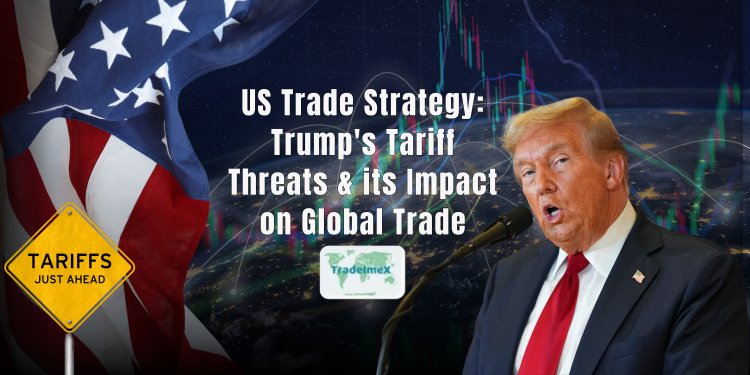
By Nantoo Banerjee US President Donald Trump may have problems with Russia, Venezuela and a host of other states and has every right to decide on the US trade and diplomatic policies to deal with those countries. But he has no right to thrust upon other free nations his likes, dislikes and prejudices. Unfortunately, he […]

The article Trump Has Become A Threat To Free Trade appeared first on Latest India news, analysis and reports on Newspack by India Press Agency).

Arabian Post Staff -Dubai Kuwait is set to sign a contract next week with China Communications Construction Company to advance the long-delayed Mubarak Al-Kabeer Port, signalling renewed momentum behind a project seen as pivotal to the country’s trade ambitions and its role in regional logistics. Public Works Minister Noura Al-Mashaan confirmed the timeline on Thursday, following formal approval by the Central Agency for Public Tenders for the […]

Prime Minister Narendra Modi arrived in Muscat on December 17 for a two-day visit that places the spotlight on a partnership shaped by geography, commerce and people-to-people ties across the Arabian Sea. Sayyid Shihab bin Tarik Al Said, Deputy Prime Minister for Defence Affairs, led the welcoming party at Muscat International Airport, receiving the guest and his delegation with ceremonial honours. The visit marks a milestone year […]

Dubai Airports has kicked off what executives describe as one of the most extensive winter flight programmes in its history, as Dubai International and Dubai World Central – Al Maktoum International roll out new airline services, increased frequencies and expanded connectivity to capitalise on sharply rising travel demand. Airlines from Europe, Central Asia and the wider region are boosting capacity, while direct traffic now makes up more than half of passenger movements at DXB, a marker of strong point-to-point travel confidence that underpins the broader network growth.

The winter schedule enhancements come as carriers add new routes and upgrade equipment, signalling robust airline confidence in Dubai’s appeal as an international hub. FlyArystan has joined DXB’s network with twice-weekly flights from Aktau, Kazakhstan, and Austrian Airlines has reinstated five weekly services from Vienna, reflecting growing European engagement. Virgin Atlantic has deployed its larger A350-1000 aircraft on flights into Dubai, increasing seat capacity significantly, and British Airways has restored Airbus A380 operations from London Heathrow, reinforcing transcontinental connectivity. These moves underscore the increasing demand for direct travel to and from Dubai across key long-haul markets.

Connectivity from South Asia and the Middle East is also strengthening, with Varesh Airline initiating twice-weekly flights from Sari, Iran, and Fly Jinnah adding twice-weekly services from Lahore, enhancing point-to-point traffic flows that traditionally surge during the winter travel period. Saudi Arabia continues to be a pivotal market for both airport hubs, remaining DXB’s second-largest country market by passenger share, with combined traffic across DXB and DWC reaching millions of passengers and marking a year-on-year increase. At DWC, passenger numbers have grown sharply, reflecting its rising importance as a complementary gateway within Dubai’s aviation landscape.

DWC’s strategic role has expanded markedly as airlines take advantage of its available capacity to broaden their offerings alongside DXB operations. The airport recorded a substantial rise in passenger volumes over the year and has seen notable increases in cargo and aircraft movements, pointing to broader growth in both passenger and freight activities. Eurowings has played a significant role in this growth, launching a daily service from Stuttgart to DXB, operating a thrice-weekly service from Düsseldorf into DWC, and increasing frequencies to Berlin, Cologne and Hannover, including its Premium Bizclass product on select services.

Dubai Airports’ research leadership highlights this period as pivotal for the sector, emphasising that the breadth of the winter network reflects evolving travel patterns and confidence from airline partners. Direct traffic growth across both airports is attributed to a mix of inbound tourism, outbound resident travel and medium-term relocations, illustrating a diversified demand base that supports sustained connectivity expansion.

Industry observers point out that Europe and Central Asia have been particularly dynamic contributors to the uplift in capacity. FlyArystan’s entry into the market and Austrian Airlines’ service reinstatement exemplify the shifting landscape of global travel demand, with carriers recalibrating their networks to capture increased passenger flows. At the same time, regional carriers are leveraging expanding demand from neighbouring markets, reinforcing Dubai’s position as a central aviation node connecting different parts of the world.

Capacity enhancements on existing routes are another hallmark of this winter schedule. Carriers such as Virgin Atlantic and British Airways have not only increased frequency but also introduced larger, more efficient aircraft to meet peak season travel. This reflects a broader industry trend toward optimising fleet deployment on high-demand city pairs, balancing cost efficiency with passenger comfort.

While the expanded passenger schedule captures much of the spotlight, cargo operations have also seen parallel growth, particularly at DWC where infrastructure and available slots have encouraged carriers and freight operators to scale up activities. Cargo volumes have continued to rise alongside passenger growth, underscoring the dual role of Dubai’s airports as critical hubs for both people and goods movements.

Airport officials note that the broader travel ecosystem — including international business events, sports fixtures, cultural festivals and holiday travel — continues to stimulate demand, complementing the seasonal drivers that historically shape winter travel patterns. This diversified demand mix has provided airlines with a degree of resilience as they invest in expanded services and plan capacity well into the year ahead.


President Donald Trump’s administration has broadened the scope of U. S. travel restrictions by adding seven countries and Palestinian Authority travel documents to a full-entry ban that will take effect on January 1, 2026, tightening immigration and border policies that have been a cornerstone of his presidency. The expanded restrictions come as part of a wider strategy the administration says is aimed at bolstering national security and […]

Advertisements

Middle Eastern crude markets have shown clear signs of weakening as traders and refiners grapple with mounting concerns that regional supply is exceeding demand, adding pressure to an already fragile global oil balance. Pricing indicators closely watched by physical traders point to softer buying interest from Asia, where refiners face ample alternative supplies and uncertain consumption growth. One of the most telling signals has been the narrowing […]

Arabian Post Staff -Dubai Member states of the OPEC+ alliance approved a new framework to assess each country’s maximum sustainable oil production capacity, with the outcome to determine output baselines from 2027. The decision was announced by Saudi Energy Minister Prince Abdulaziz bin Salman, who described the methodology as fair and transparent. The evaluation process covering most members will run from January to September 2026, laying the […]

Matein Khalid want my Arabic friends to address me from now on as Abu Nuhas or Father of Copper. Why? The red metal that has been human kind’s best mineral friend for 30,000 years is also the best conductor of electricity known to man, woman or beast as the AI revolution necessitates a multi-trillion dollar demand shock in upgrading the power grid as the world electrifies, decarbonizes […]

Authorities in Washington have set new measures that could render nearly 48 million barrels of Russian crude oil stranded aboard tankers still at sea, disrupting key export flows and shaking global trade routes. The sanctions, targeting major producers Rosneft PJSC and Lukoil PJSC, take effect on 21 November and mark the most aggressive action yet under the current administration. Data from analytics provider Kpler suggest around 50 […]

Ukraine’s drone-manufacturer SkyFall unveiled its latest unmanned aerial system, the P1-SUN interceptor, on the opening day of the Dubai Airshow. The P1-SUN marks the company’s first public display outside Ukraine and is designed specifically to neutralise enemy drones such as the Iranian-designed Shahed, a frequent threat in the conflict with Russia. A company representative said production runs into the thousands of units per month.

SkyFall has built a reputation with systems such as the Shrike FPV strike drone and the Vampire rotary-wing model, both widely used by Ukraine’s armed forces. The P1-SUN uses a modular architecture and a 3D-printed airframe, enabling rapid manufacturing and deployment. According to the representative, the ‘plug-and-play’ design allows for quick reconfiguration to meet evolving threats.

The broader context of this launch lies in Ukraine’s intensified efforts to counter drone swarms and asymmetric aerial threats. Ukrainian defence-sector officials estimate that Russian forces have been deploying Shahed-type loitering munitions in high numbers across multiple fronts. Earlier assessments placed the cost of Ukrainian-built interceptor drones at as low as US $300 to US $500 per unit, compared with US $35,000 for some adversary systems. SkyFall’s move thus signals a shift from purely offensive drone designs to dedicated counter-drone capabilities.

At the airshow, SkyFall’s exhibit drew attention from international defence-industry attendees. One senior visitor commented that modular interceptors like the P1-SUN could fill a gap between point-defence systems and networked air-defence layers. Ukraine’s defence-industry consortium has been actively seeking partnerships with foreign firms, and meetings held on the sidelines of the show reportedly included discussions with major aerospace and defence contractors.

While SkyFall did not disclose customers or specific contracts at the event, analysts believe that the demo aims to position Ukraine as a supplier of cost-effective UAV and counter-UAV systems. The company’s advertising emphasises “combat-proven” status in the Ukrainian conflict, enhancing its export appeal. Kiev-based industry sources note that local firms are now transitioning from ad-hoc war-time manufacturing to serial production with export-orientation in mind.

However, challenges remain. Experts caution that scaling production of complex interceptor drones demands robust supply chains, quality assurance and integration into broader air-defence networks. SkyFall’s claim of thousands-per-month output will likely be tested by logistical realities such as 3D-printing capacity, component sourcing in a war-economy and export-licensing hurdles. Additionally, while cost-effective interceptors are attractive, they must be supported by detection and command-and-control systems—which are more costly and slower to deploy.

On the defensive front, Ukraine is not relying solely on lightweight interceptors. Systems such as the Rheinmetall Skyranger 35, a self-propelled anti-aircraft gun system mounted on a Leopard 1 tank chassis, are being delivered to bolster protection across multiple fronts. The combination of high-end systems and low-cost interceptors indicates a layered approach is under development.

China, the world’s largest importer of oil, is feeling the pinch as expanded sanctions on key Chinese ports and refiners hinder the flow of Russian and Iranian crude. US sanctions targeting major producers such as Rosneft PJSC and Lukoil PJSC have caused a significant pause in the import of ESPO crude, which constitutes a major part of China’s oil imports from Russia. This disruption is also intensified […]

Donald Trump is poised to repeat a pattern of missteps that have troubled his foreign policy approach throughout his presidency. His handling of international relations often seems to confuse the appropriate balance between clarity and ambiguity, with significant consequences for both the United States and its global partners. This issue will come into sharp focus during his upcoming meeting with Saudi Arabia’s Crown Prince Mohammed bin Salman […]

Iran has launched an ambitious cloud-seeding operation as its water crisis intensifies, with authorities warning that the capital may face rationing or even evacuation if supplies cannot be sustained. The move comes against a backdrop of six years of dwindling rainfall and widespread depletion of reservoirs, particularly around Tehran, where dam-levels are at historic lows and domestic pressure on water supplies has escalated. A specialised aircraft under […]

Saudi Crown Prince Mohammed bin Salman arrived in Washington on Tuesday for his first official visit since 2018, marking a significant milestone in US-Saudi relations. The visit is set against the backdrop of a complex diplomatic landscape, one that has seen fluctuating ties between the two nations in recent years. The Crown Prince’s return to the White House follows a period of tension under President Joe Biden’s administration, which had openly criticised the Kingdom’s human rights record and distanced the US from the Saudi leadership.

Under Biden’s presidency, relations between Washington and Riyadh reached a nadir, especially after the murder of journalist Jamal Khashoggi in 2018, a crime widely attributed to the Crown Prince, though he denies any personal involvement. Biden’s stance was clear: he aimed to reassess US relations with Saudi Arabia, placing emphasis on human rights and security policies. However, the trajectory of US-Saudi relations changed dramatically with the arrival of President Donald Trump in 2017.

During Trump’s tenure, the US-Saudi relationship experienced a marked shift, primarily driven by shared strategic and economic interests. In 2018, Trump’s visit to Riyadh helped to reset relations, with the Kingdom committing to invest $600 billion in the US over a four-year period. This pledge included investments in infrastructure, technology, and energy projects, bolstering the economic ties between the two nations and reaffirming the strength of their partnership.

The current visit by the Crown Prince is seen as a continuation of this reset, highlighting the importance of economic collaboration and security coordination between the US and Saudi Arabia. In particular, the two countries share key interests in the Middle East, such as counterterrorism efforts and stability in the region, particularly concerning Iran’s increasing influence and its nuclear ambitions.

During his visit, Crown Prince Mohammed is expected to meet with President Joe Biden, along with other senior officials, to discuss a range of issues. While human rights will likely remain a topic of conversation, the focus of the visit is expected to be on strategic cooperation in areas such as energy, defence, and regional security. A key part of the talks is likely to centre around energy policy, particularly as the world grapples with rising oil prices and energy security concerns exacerbated by the war in Ukraine.

Energy is a central pillar of the relationship between the two countries. Saudi Arabia, as one of the world’s largest oil producers, has long played a crucial role in global energy markets. The Kingdom’s ability to influence oil production levels has made it an indispensable partner for the US, which continues to rely on energy imports and stability in the oil market. As the world moves toward cleaner energy solutions, Saudi Arabia has also signalled its intention to diversify its economy and reduce its dependence on oil exports. In this context, discussions about investment in renewable energy projects and technological partnerships are likely to be on the agenda.

Security cooperation, too, will be high on the list of priorities during the Crown Prince’s visit. Saudi Arabia’s security concerns, particularly regarding Iran’s nuclear ambitions and the ongoing conflict in Yemen, are central to the Kingdom’s foreign policy. The US has been a key ally in providing military support, including arms sales and joint military exercises. However, the Biden administration has expressed concerns about the scale of arms deals with Saudi Arabia, especially in light of the war in Yemen and the humanitarian crisis it has caused. Despite these concerns, the strategic necessity of maintaining a strong defence relationship remains a key point of discussion.

The meeting comes at a pivotal moment in global geopolitics. The US and Saudi Arabia are both facing the challenge of navigating a shifting world order, characterised by growing tensions with China and Russia, and increasing instability in the Middle East. While Biden’s administration has sought to balance human rights with strategic concerns, the importance of the US-Saudi relationship cannot be overlooked. The outcome of this visit could lay the foundation for the future of US-Saudi ties, particularly as the global energy landscape continues to evolve and new geopolitical challenges emerge.

Oil prices rose as investors reacted to the prospect of a resolution to the US government shutdown, bolstered by optimism that a deal could bring an end to the ongoing stalemate. The increase in oil prices follows two consecutive weeks of declines, as market participants await key data that could provide more clarity on global supply and demand dynamics. Brent crude surpassed $64 per barrel, while West […]

By Salah Uddin Shoaib Choudhury For decades a shadow economy of drugs, counterfeit currency and illicit cash flows has threaded its way across South Asia, North Africa and beyond. What makes this underground economy especially dangerous is not only its scale but the way statecraft, organized crime and violent Islamist militancy appear to intersect – creating a self-reinforcing funding loop for groups that seek to destabilize societies […]

By Dr. Arun Mitra On October 29, U.S. President Donald Trump announced that ‘Because of other countries testing programs, I have instructed the Department of War [the Pentagon] to start testing our nuclear weapons on an equal basis. That process will begin immediately. This statement is not only disturbing but also extremely dangerous’. The last […]

The article US Cannot Be Allowed To Push The World To The Nuclear Precipice appeared first on Latest India news, analysis and reports on Newspack by India Press Agency).

A team of researchers at the Okayama University of Science has unveiled a novel wine grape variety known as Muscat Shiragai, marking a milestone in hybrid viticulture. The new cultivar pairs the wild Shiraga grape native to the Takahashi River basin in Okayama Prefecture with the globally recognised Muscat of Alexandria. The project was led by Professor Emeritus Takuji Hoshino, a plant systematics expert and founding director […]

Matein Khalid Jay Powell has put cold water on a December FOMC rate cut as inflation risk triggers dissent at the Fed. Yet Uncle Jay is now a lame duck and the world awaits his first MAGA Fed Chairman. My bet is on Kevin H as I doubt if even a supine Senate will confirm yes man – Stephen Miran. Why even bother to hold the FOMC […]

Showed Growing Interest in Healthcare Technology Event Featured a 30-second AI Retinal Imaging to Screen 55 Health Risks Instantly HONG KONG SAR – Media OutReach Newswire – 28 October 2025 – “Prevention is better than cure” is a common saying that reflects the concept of “preventive healthcare,” which advocates for citizens to proactively manage their health in daily life to reduce the future financial burden of treating […]

By Girish Linganna The prisoner-hostage exchange between Israel and Hamas has been completed successfully, and many are calling it a major victory for peace. Twenty Israeli hostages returned home in exchange for about 2,000 Palestinian prisoners, aid started flowing back into Gaza, and guns fell silent after months of devastating conflict. But anyone familiar with […]

The article A House Built On Sand: The Fault Lines In Trump’s 20 Point Gaza Peace Plan appeared first on Latest India news, analysis and reports on Newspack by India Press Agency).

Hamas has handed over seven Israeli hostages to the International Committee of the Red Cross, fulfilling the first phase of a broad ceasefire and prisoner­exchange accord with Israel. The hostages are now in Israeli custody, and more releases are expected in the coming hours.

The released individuals—identified as Matan Angrest, Guy Gilboa Dalal, Alon Ohel, Gali Berman, Ziv Berman, Eitan Mor and Omri Miran—were transferred through Gaza to a reception point near the border, where they reunited with family members and began medical assessments. Under the terms of the deal, they will be swiftly transported to Israeli hospitals for further care.

Alongside the handover, Hamas published the names of all 20 Israeli captives slated for release in the deal’s first stage. Among the names are Bar Abraham Kupershtein, Evyatar David, Yosef-Chaim Ohana, Segev Kalfon and Avinatan Or—adding to the list previously released to the media. Israel has warned Hamas that any mistreatment or propaganda stunts during the transfer would provoke retaliation.

The agreement accompanying the hostages’ release calls for Israel to free more than 1,900 Palestinian prisoners. That includes women, children and individuals serving long sentences. As per the deal, Israel must also return the bodies of 28 deceased captives. Hamas has acknowledged some uncertainty about certain remains, citing burial under debris and loss of access to previous guard posts.

The exchange is part of a U. S.-brokered “21-point” plan, mediated by Egypt, Qatar and other parties. Provisions include a phased withdrawal of Israeli forces from key areas in Gaza, the reopening of humanitarian corridors, and reconstruction efforts under an international framework. As part of the agreement, President Donald Trump and regional leaders are convening in Egypt to formalise implementation.

Hamas’ Gaza chief, Khalil Al-Hayya, said the group has secured guarantees from U. S. mediators and Arab sponsors that the conflict is “ended,” highlighting that the release of 20 living hostages would occur within 72 hours of the agreement taking effect. Hamas insists it will “faithfully uphold” its terms, while reserving the right to resume fighting if Israel fails to meet its commitments.

Israeli officials emphasised that the ceasefire and release process are conditional and subject to strict oversight. The Israeli cabinet has approved the deal, though several ministers from the far-right bloc opposed it. Prime Minister Benjamin Netanyahu’s office warned that any violation by Hamas would void the agreement and trigger military responses.

Public reaction in Israel has been emotional. Tens of thousands gathered in Tel Aviv’s Hostages Square to watch televised feeds of the transfers. Families expressed cautious optimism over the hostages’ return. In Gaza, displaced residents and aid agencies are gearing up to facilitate relief efforts under the newfound calm.

VISHNU RAJA
RYO YAMADA
HITORI GOTOH
IKUYO KITA