News related to
Iran

Arabian Post Staff -Dubai Chinese automakers have revived a barter-style trade with Iran, sending semi-assembled vehicles in exchange for containers of copper and zinc that feed China’s non-ferrous metals sector. This swap, involving no traditional cash payments, emerges as a creative workaround amid the constraints of sanctions and currency pathways. Every few months, a facility on the Yangtze churns out engines and chassis, which are sent to […]

Oil prices are sliding as traders cite mounting unsold Middle Eastern crude and weakening demand from key importers. This shift raises prospects of a global oversupply even as OPEC+ debates its next policy move.

Estimates from trading houses place unsold crude cargoes for November loading in the Middle East between 6 million and 12 million barrels. These volumes represent a departure from usual patterns where discount-seeking buyers quickly absorb surplus cargoes. Market participants point to a combination of subdued Chinese demand and logistical bottlenecks as contributing factors.

Spot premiums on benchmark grades such as Oman, Dubai and Murban have plunged below $2 per barrel, reflecting the discounts sellers are forced to offer to entice buyers. One trading analyst noted that the drop in premiums signals heightened desperation amid a buyer’s market for Middle Eastern crude.

China, a traditional backstop for surplus exports, is showing signs of pulling back. In May, China recorded a crude surplus of 1.4 million barrels per day—indicating that imports significantly outpaced refinery throughput. That accumulated surplus suggests refiners are prioritising inventory building over active processing, perhaps in anticipation of future market volatility.

Iran adds another layer of complexity. Tanker-tracking firms estimate that between 23 million and 33 million barrels of Iranian crude are currently held in floating storage. While Iran’s oil minister has denied any unsold inventory, satellite and maritime data paint a different picture. Analysts say the discrepancy reflects the country’s use of ship-to-ship transfers and “ghost fleet” operations to obscure the origin and movement of crude, especially in shipments headed for China.

These movements coincide with a broader recalibration in OPEC+ strategy. Some member states, notably Iraq, have increased destination-free exports, signalling an intent to saturate markets and regain influence with trading partners. Iraq’s shipment of Basrah Medium crude is projected to rise significantly in the coming month, following a period in which pledged output increases by coalition members have lagged deliveries.

Many analysts believe that OPEC+ will proceed cautiously in its production decisions. A sudden output cut might stoke accusations of market manipulation, while continued supply expansion could exacerbate falling price trends. Ahead of its upcoming meeting, the group faces the dilemma of balancing the need to safeguard revenue against the risk of triggering a price collapse.

Meanwhile, U. S. domestic supply is contributing to uncertainty. The Energy Information Administration reports that U. S. output has strengthened marginally, offset by curtailed imports of Russian crude under tightened sanctions. But some industry observers warn that U. S. production may have peaked. One petroleum engineer pointed to a 12 percent decline in output from October 2024 to June 2025, citing state-level data that may undercut EIA projections.

Oil futures reflect growing anxiety. Brent crude and West Texas Intermediate have posted their steepest weekly drops since June, falling over 8 percent in some benchmarks amid concerns that global inventories will build significantly. Traders increasingly view OPEC’s next move as critical in determining whether markets stabilise or cede ground to excess supply.

In this environment, floating storage becomes a more active tool. The accumulation of oil held offshore is not just a symptom of imbalance but a way to temporally manage supply pressure. Floating oil reserves enable sellers to delay deliveries until market conditions improve—or until buyers return.

Refiners in Asia and Europe are approaching capacity constraints. Some are cutting processing rates or entering maintenance periods, reducing appetite for new crude. Because many surplus cargoes are being offered on destination-free terms, they face competition across regions—and the lack of clear demand is forcing suppliers to lengthen delivery offers or scale back premiums.

If the pricing squeeze deepens, some producers may respond by cutting output unilaterally. Others might seek to promote further cooperation on coordinated supply restraint, though such moves carry reputational risk if markets judge them as manipulative. Meanwhile, importers in developing markets—particularly in Africa and Southeast Asia—could benefit from cheaper crude. But those gains may not offset pressure on oil-producing economies that rely heavily on export revenue to fund budgets and social programmes.

Matein Khalid The old adage that stock markets swing between fear and greed has been borne out by the mixed performance of Saudi Arabia’s Tadawul All Share Index over the first nine months of 2025. A turning point came on Wednesday September 24 when the Tadawul staged its biggest single-day rally since 2020, after a Capital Market Authority board member signalled that the 49 percent foreign ownership cap on Saudi equities […]

By K Raveendran The global oil market is once again caught between geopolitics and fundamentals, as a new set of developments forces traders, producers, and consumers to recalibrate expectations. With the United States and the European Union signalling a hardening of positions on Russian oil, and with the Middle East simmering in heightened tensions, Brent […]

The article World Oil Flows At A Critical Juncture As India, US Try To Hammer Out A Deal appeared first on Latest India news, analysis and reports on Newspack by India Press Agency).

By Salah Uddin Shoaib Choudhury Bangladesh is entering one of the most dangerous phases of its history. At the centre of this looming crisis is the unelected regime of Muhammad Yunus, which is presenting itself abroad as democratic and reformist while systematically dismantling the country’s defence and intelligence structure. Behind the veneer of Nobel fame and global endorsements lies a far darker reality: Yunus’ growing alignment with […]

Dubai’s telecommunications provider du has begun rolling out its upgraded 5G+ network, aiming to double existing 5G speeds and unlock new technology-driven opportunities for both urban infrastructure and entrepreneurship. The rollout is concentrated initially in central zones of Dubai, Abu Dhabi and other major emirates, with plans to extend coverage more widely by the end of 2025.

Karim Benkirane, chief commercial officer at du, said 5G+ will enable the UAE to advance its smart city and sustainability agendas, while creating an ecosystem where start-ups can “really innovate in the future”. He added that the network will offer faster download speeds, lower latency, and more seamless connectivity—features vital for AI-powered applications, ultra-HD streaming, gaming and real-time virtual or augmented reality experiences.

The infrastructure uses 5G‐Advanced architecture, operating independently of existing LTE networks, and requires compatible devices and SIMs or eSIMs to access the enhanced service. du has said that users leveraging the 5G+ network in busy or downtown areas can expect significantly improved performance.

Enterprise uses are being emphasised as well. du believes that the upgraded network will support government initiatives and private sector innovation, particularly in fields that depend heavily on low latency and reliable data throughput—such as smart traffic systems, IoT deployments, creator-led content, and AI for public services.

Smart city ambitions are aided by 5G+’s ability to maintain connectivity even in crowded zones and to deliver consistent performance as demand grows. The network’s enhancements are intended to sustain video calls, streaming and online collaboration, even in high-traffic environments. du has framed 5G+ as a cornerstone for future digital infrastructure across the UAE.

Dubai Opera has unveiled its 2025–26 season, featuring over 50 international productions and more than 150 performances spanning opera, ballet, musicals, concerts, Arabic music, theatre and comedy. The programme brings together in excess of 1,000 artists from around the world, reinforcing Dubai’s ambition to position itself as a leading global cultural centre. The season opens in September with a remarkable trilogy: Puccini’s La Bohème, Beethoven’s Fifth Symphony […]

Advertisements

Matein Khalid I go into purdah for Wednesday’s FOMC D-Day secure in the knowledge, based on CME futures probability that the most important central bank in the world will cut its overnight borrowing policy rate by at least 25 basis points on Wednesday. Yet there are also “known unknowns” with the Fed’s decision that will haunt and reshape the financial markets as well as America’s toxic politics […]

BEIJING, CHINA – Media OutReach Newswire – 11 September 2025 – Against the backdrop of repurposed blast furnaces and industrial relics of Shougang Park in western Beijing, the 2025 China International Fair for Trade in Services (CIFTIS) opened on Wednesday, striking a tone of open markets and digital innovation. People visit a booth of Pop Mart during the 2025 China International Fair for Trade in Services (CIFTIS) […]

Matein Khalid My readers and friends know that I have been a boring perma-bull on gold since early 2024, when it became obvious that the People’s Bank of China was accumulating gold bullions as a hedge against an overvalued King Dollar and a capricious White House, which had just seized $300 billion in Russian central bank reserves to punish Putin’s invasion of Ukraine. The bullish gold trade […]

Dream Security and other cybersecurity analysts have identified a widely distributed, Iran-linked spear-phishing campaign that exploited a compromised Ministry of Foreign Affairs mailbox in Paris. The operation impersonated legitimate Omani diplomatic communication to deliver malware-laden Word documents to government, diplomatic, and multilateral institutions across Europe, Africa, Asia, the Americas, and international organisations such as the UN and World Bank. The campaign’s scale, timing, and technical sophistication reflect […]

A pivotal online gathering on Sunday will determine whether the Organisation of the Petroleum Exporting Countries and its allies proceed with further oil production increases or hold current levels. The group has already rolled back its earlier cuts by 2.5 million barrels per day, equivalent to around 2.4 per cent of global demand, and is now assessing whether to unwind the next 1.65 million bpd tranche ahead of schedule.

Markets responded to the impending meeting with cautious anticipation. Brent crude fell modestly, trading near $67 a barrel, while U. S. West Texas Intermediate hovered around $63–$64. Analysts, including those at ANZ, flagged that any additional supply could deepen the surplus during a typically weak demand season. The softening outlook has already rippled through equity markets: major oil producers and service firms such as APA, Occidental, Halliburton and Schlumberger saw their shares slip between 3 and 5 per cent.

Since April, OPEC+ has pursued an aggressive unwind of output curbs. Initial increases began with modest tranches but have since accelerated: April saw the first rise, followed by consistent monthly boosts—from 411,000 bpd in May, June and July to 548,000 bpd for August and 547,000 bpd for September. These decisions reflect strategic moves to regain market share amidst growing competition, especially from U. S. shale producers, and external pressures, including public calls from the U. S. administration to increase global supply.

Despite these ramped-up supplies, prices have retained considerable strength—hovering around the $70 mark—bolstered by low inventory levels and geopolitical constraints, particularly sanctions on Russia and Iran. Analysts at the Commonwealth Bank of Australia observe that OPEC+ now appears comfortable with Brent trading in the $60–$65 range, a level that could pressure U. S. shale operations by narrowing profit margins.

Meanwhile, data from the American Petroleum Institute indicated an unexpected rise of 622,000 barrels in U. S. crude stocks, counter to forecasts, adding another layer of downward pressure on prices. The situation reflects a delicate balance: rising supply meets lukewarm demand, particularly as global economic growth shows signs of softening in key regions like China, India and Brazil.

Executive voices within OPEC+ remain tight-lipped. No official statements were forthcoming from Riyadh or other capitals prior to the weekend meeting. Analysts remain split: some believe the group will maintain its current stance through October, exercising caution amid market saturation concerns. Others argue that continued increases are part of a calculated strategy to defend or expand market share well into next year.

Etihad Airways has stressed it has no set timetable for a public listing, affirming that its $20 billion expansion over the coming decade can be financed from within.

The airline’s chief executive, Antonoaldo Neves, confirmed it is prepared for an initial public offering, yet the decision remains with its shareholder—Abu Dhabi’s sovereign wealth fund, ADQ. He stated that “the time has not come yet”, emphasising that Etihad can self‑fund its next phase of growth.

Neves traced the shift in strategy to ADQ’s acquisition of Etihad in October 2022, which ushered in a focus on organic growth and strengthened regional connectivity through Abu Dhabi, rather than continuing merger or acquisition activity.

Passenger demand continues to rise, with traffic up 17 percent year‑on‑year and load factors climbing to 88 percent—up from 86 percent a year earlier. Despite a slowdown during the Israel-Iran conflict, bookings rebounded fully by the end of July, demonstrating robust consumer interest.

Etihad’s fleet exceeds 100 aircraft, spanning both Airbus and Boeing models. In May, the airline placed a major order with Boeing for 28 wide‑body jets—including 777X aircraft destined to replace its Airbus A380s after 2030. Neves also revealed plans to supplement fleet expansion via secondhand aircraft and lessor sourcing.

This public statement builds upon a broader narrative unfolding over the past year. Etihad reported profitability in 2022 and 2023—92 million dirhams and 525 million dirhams respectively—after years of losses. The airline has been enhancing transparency, governance, and operational efficiency, eliminating underperforming routes and returning grounded aircraft to service.

Earlier projections had flagged a possible IPO no earlier than 2025, allowing Etihad to bolster its financials before a listing. Speculative growth targets under its “Journey 2030” strategy include expanding to over 125 destinations and substantially growing its fleet.

Other commentary from February 2025 suggested Neves intended to float a stake of up to 20 percent on the Abu Dhabi stock exchange, possibly valuing the airline at $5 billion, and underscored his readiness for a float—though final approval again resides with ADQ.

Throughout this period, Etihad has forged strategic alliances. A landmark joint venture with China Eastern Airlines will coordinate schedules and revenues on selected routes from 2025, the first such pact between Middle East and Chinese carriers. Additionally, the airline has broadened its network through expanded service offerings to emerging and mid‑distance markets, positioning Abu Dhabi as a strategic travel hub.

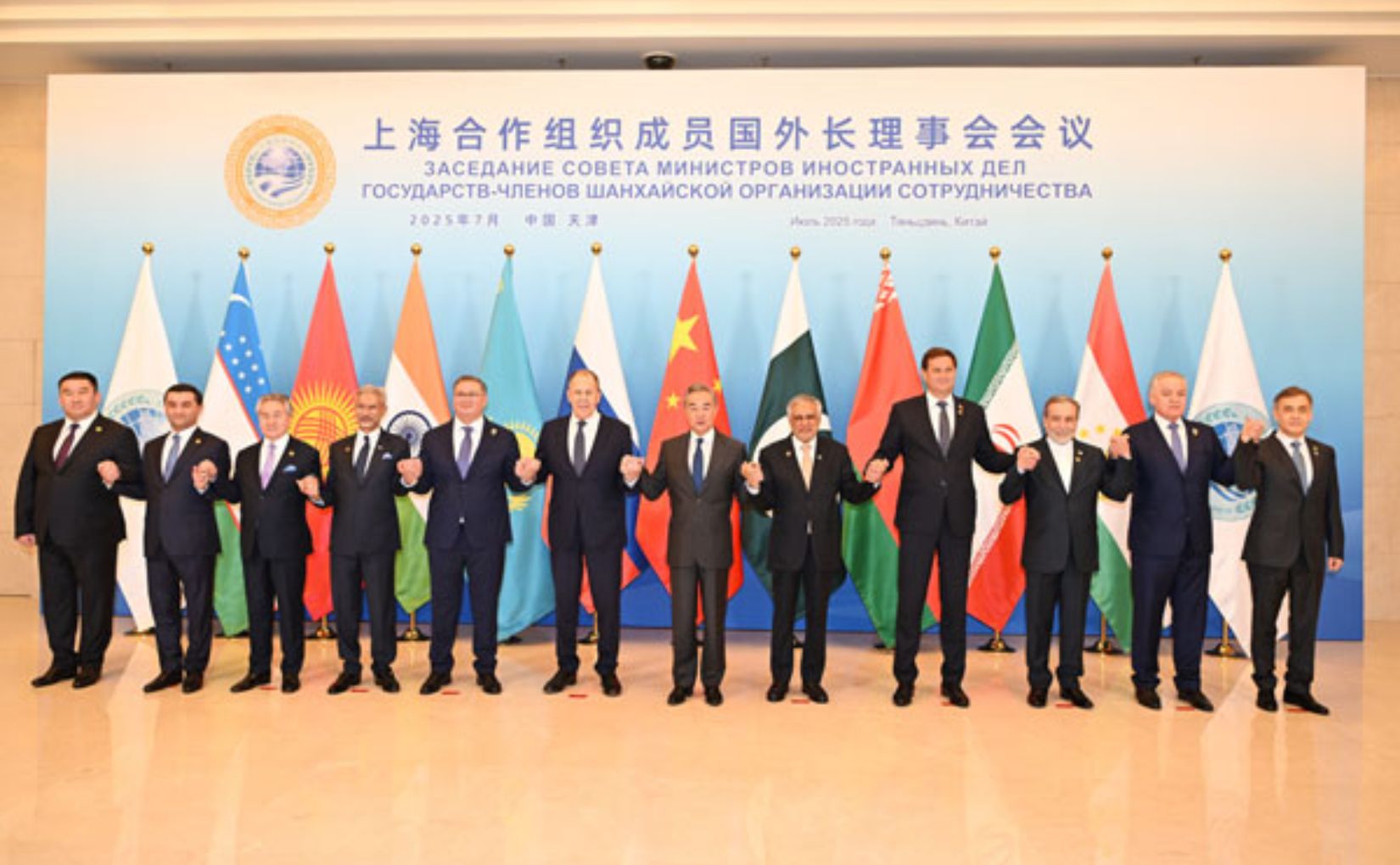
By T N Ashok NEW YORK: For the first time since 2018, Indian Prime Minister Narendra Modi landed in China in late August 2025, greeted warmly by President Xi Jinping for the annual Shanghai Cooperation Organisation (SCO) Summit. Alongside Russian President Vladimir Putin, the trio projected a striking image of solidarity—three leaders from the world’s […]

A senior aide to Israeli Prime Minister Benjamin Netanyahu has been dispatched to the United Arab Emirates in a discreet diplomatic move aimed at resolving strains between the two nations. This development marks a critical step in addressing the ongoing challenges faced by the UAE-Israel relationship, particularly in the aftermath of regional shifts and political tensions.

The aide’s visit, which has been kept under wraps to avoid further complicating the delicate diplomatic situation, underscores Israel’s desire to reassert its relations with the UAE following some setbacks in the past year. While the specifics of the discussions remain largely confidential, sources suggest the key focus is on reaffirming the normalization of ties, which was first achieved through the Abraham Accords in 2020. These accords established full diplomatic relations between Israel and the UAE, a historic shift in the Middle East, and the Netanyahu administration has been under pressure to maintain the momentum of these agreements despite regional turbulence.

Diplomatic sources point to a combination of political disagreements, security concerns, and international pressures that have strained the UAE-Israel partnership. One of the main issues is the growing unease in the Gulf over Israel’s stance on Palestinian issues and its handling of tensions in Gaza. While the UAE has remained committed to the Abraham Accords, there has been mounting public and political disquiet over Israel’s domestic policies, especially in relation to its stance on Palestinian sovereignty and peace efforts.

Experts suggest that Netanyahu’s decision to send a trusted aide is a direct response to growing concerns in Abu Dhabi about Israel’s domestic trajectory and its regional posture. This diplomatic outreach is seen as a move to reassure the UAE that Israel remains committed to cooperation, particularly in areas such as trade, technology, and security, which have flourished since the signing of the Abraham Accords.

There is speculation that the UAE has been considering a recalibration of its foreign policy, especially with the changing dynamics in the broader Middle East. With the shifting alliances and new players emerging in the region, including the growing influence of China and Russia, the UAE finds itself needing to maintain a balance between its Western ties, particularly with the United States, and its more recent alignment with Israel.

The UAE-Israel relationship, though officially cordial, has been fraught with complexities. The leadership in Abu Dhabi has long prioritised stability and economic growth, factors which drove the decision to engage diplomatically with Israel. However, regional developments, including the ongoing situation in Gaza and the broader Israeli-Palestinian conflict, have put these relations to the test.

Israel’s efforts to build and sustain relationships with Gulf states have been a key feature of Netanyahu’s foreign policy. The normalization agreements brokered by the Trump administration in 2020 were seen as a major victory for Israel, but they have not been without their challenges. The UAE has been wary of the potential fallout from these ties, particularly in the Arab world, where public sentiment on Israel remains divided.

Despite these challenges, there is a shared interest in several areas. Both countries are looking to advance economic collaborations, particularly in the fields of technology, energy, and defence. Israeli businesses have already established a foothold in the UAE, with cooperation extending to key sectors such as cybersecurity and artificial intelligence. These partnerships are expected to grow further as both nations seek to capitalise on new opportunities.

Israel’s relationship with the UAE has also allowed for greater security cooperation, particularly in the context of regional threats posed by Iran. Both countries share concerns over Iran’s nuclear ambitions and its influence across the region. This shared security interest has provided a basis for increased intelligence-sharing and military coordination, despite the undercurrent of political tensions.

Bullish bets on rising US oil prices plunged to a 16-year low as mounting expectations of an oversupplied market and cooling fears of sanctions on Russian crude prompted a sharp pullback by traders.

Net-long positions in West Texas Intermediate futures dropped by nearly 30,000 contracts in a single week, reaching just over 49,000—a level not seen since 2009. The shift came amid forecasts from the International Energy Agency and the US government signalling that global oil supplies will outstrip demand well into 2026, tipping sentiment decisively bearish.

Analysts have noted that expectations of Russian sanctions are beginning to fade. While geopolitical risks had earlier supported price premiums, markets now reckon that even if sanctions are imposed, ample spare capacity among OPEC+ producers and resilient non-OPEC output would cushion any disruptions. Compounding the downward pressure, the US Energy Information Administration reported an unexpected build of 3 million barrels in crude inventories, further weighing on prices.

The retreat in bullish positions is consistent with a broader narrative of abundant supply. In late July, hedge funds slashed their net-long WTI positions to their lowest since mid-April, driven by OPEC+ ramping up production and a surge in US crude stockpiles—a rise of 7.7 million barrels recorded at the end of July. Earlier in the year, speculators trimmed net-long holdings by half over a five-week span amid deteriorating technical outlooks, trade-war concerns and expectations that OPEC+ would taper production cuts.

Despite these bearish trends, forecasters caution that demand could provide occasional counter-currents. Wildfires in Canada have temporarily removed around 350,000 barrels per day of oil from production, supporting prices in the short term. Meanwhile, geopolitical flashpoints—including tensions around Iran’s nuclear programme and Russian export vulnerability—could intermittently bolster outlooks. But with OPEC+ intent on increasing output—for example, by 411,000 barrels per day in July—and projections indicating a supply surplus growing to over a million barrels per day by year-end, the dominant trend remains one of oversupply.

This convergence of factors—ample supplies, fading sanctions risk, swelling US inventories and rising OPEC+ output—has catalysed a reappraisal of market dynamics by speculators. The resulting collapse in bullish positioning reflects a recalibration of expectations amid shifting fundamentals.

Narratives of tight supply have lost momentum, leading to a revaluation of oil’s near-term trajectory across trading desks worldwide.

Binance’s Chief Security Officer, Jimmy Su, has identified North Korean hacking groups as one of the most significant threats facing the cryptocurrency sector in 2025. As the world’s largest cryptocurrency exchange, Binance has been at the forefront of monitoring and responding to cyber threats. Su’s recent statements have highlighted the urgency of addressing the escalating risk posed by North Korean cyber actors targeting the crypto industry.

The North Korean government has long been linked to a series of cyberattacks aimed at funding its regime through illicit means, with cryptocurrency exchanges being prime targets. These attacks have become more sophisticated over time, with state-backed hackers employing advanced techniques to infiltrate systems and steal millions of dollars’ worth of digital assets. Experts argue that this is part of a broader strategy to bypass international sanctions imposed on North Korea.

Su’s comments, made during an industry event in early 2025, point to a clear rise in the volume and sophistication of these attacks. According to Binance’s internal threat intelligence, these cybercriminals are using increasingly advanced malware, social engineering tactics, and even direct network intrusions to steal sensitive data and crypto assets.

An ongoing investigation by Binance’s security team revealed that these hackers have been exploiting vulnerabilities in the infrastructure of crypto exchanges and DeFi platforms. In some cases, they have used phishing emails and fake job offers to target employees of key financial institutions, hoping to gain access to privileged systems. Such tactics are a clear indication of a well-coordinated operation with global ambitions.

One of the most concerning trends identified is the use of sophisticated ransomware attacks, which have forced some exchanges to pay hefty ransoms to prevent the loss of critical data. The high-profile hacks have raised questions about the resilience of the global financial ecosystem to such breaches, especially as more governments and institutions begin to integrate blockchain technology into their operations.

North Korean actors, according to cybersecurity experts, have also shown an increasing willingness to attack smaller and lesser-known exchanges. This shift in focus comes as these platforms often lack the robust security protocols that larger exchanges like Binance and Coinbase have implemented. As a result, they are seen as softer targets, vulnerable to exploitation.

The financial implications of these attacks are staggering. Since 2019, estimates suggest that North Korean hackers have stolen over $2 billion in cryptocurrency. This is in addition to the $250 million reportedly taken from a major South Korean exchange in 2023. The stolen funds are typically laundered through complex networks of wallets and mixers, making it challenging for authorities to track and recover the stolen assets.

Su’s remarks have sparked a broader discussion about the need for improved cybersecurity measures within the cryptocurrency sector. Many industry leaders have called for a more collaborative approach, involving private companies, governments, and international law enforcement agencies. A unified strategy could help create a more secure environment for the rapidly expanding digital asset market.

The North Korean government has long denied any involvement in cyberattacks. However, international cybersecurity firms have linked numerous incidents to Pyongyang’s operatives, underscoring the persistent threat posed by the country’s cyber espionage efforts. Furthermore, it is widely believed that these hacking groups are funded by the regime to help finance its nuclear weapons programme and other illicit activities.

Efforts to combat these threats have led to increased investment in security technology, including more advanced encryption methods, real-time monitoring tools, and fraud detection systems. In addition to these technological solutions, some exchanges are considering implementing stricter Know-Your-Customer regulations to combat money laundering and ensure compliance with international financial rules.

As the stakes continue to rise, both industry players and regulators face a significant challenge. The rapid growth of blockchain technologies, along with the increasing use of decentralised finance applications, has created a complex and evolving landscape where traditional security measures are often inadequate. As a result, companies must remain vigilant and proactive in defending against cyber threats from state-sponsored actors like North Korea.

While North Korea’s cyber campaign remains a major concern, it is not the only threat facing the cryptocurrency sector. Other nation-states, including Iran and Russia, have been linked to similar activities, further complicating efforts to secure the digital assets market. However, the ongoing attention on North Korean actors serves as a reminder of the global reach and scale of the problem.


India’s diplomatic ties with the United States have been significantly shaped by the evolving political landscape under former President Donald Trump. According to a US academic, India has paid a steep price due to Trump’s pursuit of a Nobel Peace Prize, which may have undermined its broader geopolitical interests. The scholar argues that Trump’s overtures to India during his tenure were often overshadowed by his personal ambitions […]

Dr Divya Malhotra Across Europe, the United States, and even parts of Asia, Jewish communities and Israeli citizens are facing a wave of renewed hostility, not because of their religion, but because of Israeli government’s devastating actions in Gaza. What began as a war of self-defense following the October 2023 Hamas attacks has transformed into a prolonged humanitarian catastrophe. With over 50,000 Palestinians killed, Gaza is not […]

KUALA LUMPUR, MALAYSIA – Media OutReach Newswire – 8 August 2025 – Octa Broker is providing an in-depth overview of the week’s key events and actionable insights to help traders navigate this high-stakes environment with confidence. July was a relatively quiet month for gold, at least by the recent standards. XAUUSD, the primary financial instrument for trading bullion, fluctuated in a very narrow 30-dollar range between roughly […]

By K Raveendran Donald Trump’s aggressive tariff regime, launched under the guise of bolstering American strength and reclaiming lost economic ground, has triggered a worldwide response that may ultimately defeat the very goal it seeks to achieve. Framed as a nationalist project to assert America’s economic primacy, the tariff war has turned out to be […]

The U. S. Treasury has placed sweeping sanctions on a sprawling oil‑trading and shipping network linked to Mohammad Hossein Shamkhani, whose father, Ali Shamkhani, serves as adviser to Iran’s Supreme Leader Ayatollah Ali Khamenei. The action, imposed on 30 July 2025, marks the most extensive Iran‑related sanctions package since 2018, covering more than 115 individuals, entities and vessels.

At the heart of the measures is Shamkhani’s maritime empire, comprising 15 shipping firms, 52 vessels and 53 entities operating across 17 countries from Panama to Hong Kong. Officials contend the network funnels tens of billions of dollars in revenue from Iranian and Russian oil sales, largely to buyers in China, using aliases, front companies and falsified documentation to conceal ownership and origin.

Treasury Secretary Scott Bessent described the network as a prime example of elite Iranian circles using state influence for private gain while empowering Tehran’s destabilising agenda, asserting that this is “the largest to‑date since the Trump Administration implemented our campaign of maximum pressure on Iran”.

Hossein—known in industry as “H”, “Hector” or, in travel documents, “Hugo Hayek”—is said to travel internationally using foreign passports and operate from the UAE and beyond. The Treasury report underscores his use of a web of shell enterprises and shipping registries in jurisdictions such as Hong Kong, Singapore, the UAE, Italy and Switzerland to obscure true control of assets.

The network’s operations align with broader patterns observed in Iran’s so‑called “ghost fleet.” Surveillance reports have documented vessels switching flags, deactivating AIS transponders, engaging in ship‑to‑ship oil transfers, blending cargoes mid‑voyage and falsifying bills of lading to evade detection. Such tactics enable covert deliveries to Chinese “teapot” refineries and other end‑users despite global sanctions.

The sanctions also extend to six firms based in India, accused of transacting petroleum and petrochemical goods with Iran worth approximately $220 million. U. S. officials warned these sanctions could strain trade relations and signal serious repercussions for firms ignoring sanctions diplomacy ][5]).

While the sanctions are intended to sever the flow of funds financing Iran’s nuclear, ballistic missile and proxy capabilities, U. S. officials stopped short of declaring they will destabilise global oil markets. Still, they emphasised that the network’s disruption would make it “much more difficult” for Tehran to covertly maintain oil sales via front companies and intermediaries.

Ali Shamkhani, previously sanctioned by the U. S. in 2020, remains a key figure in Iran’s security establishment. Serving as a naval officer, former defence minister and head of the Supreme National Security Council until May 2023, he assumed the role of adviser to the supreme leader thereafter. His son’s oil empire is widely seen as an extension of those elite institutional networks.

Industry observers say the sanctions package highlights the increasing difficulty in enforcing international measures against Iran’s evolving evasion networks. The complexity, scale and global reach of Shamkhani’s operations underscore the challenge of identifying and intercepting entities that operate invisibly across jurisdictional lines.

President Trump has sharply shortened his own deadline for punishing buyers of Russian oil, catching markets off guard and forcing investors to price in a risk that had previously been dismissed.  On Monday, standing beside UK Prime Minister Keir Starmer in Scotland, Trump announced that Moscow now has only 10 to 12 days to secure a peace deal over Ukraine.   If it doesn’t, he says he will […]

By Nitya Chakraborty The recent months have not been comfortable for India with its two neighbours Pakistan and India, but as regards the third most powerful neighbouring county China, th scenario has turned different. India-China ties which became bitter at the time of clashes in Galwan valley in 2020, started softening from last year and […]

VISHNU RAJA
RYO YAMADA
HITORI GOTOH
IKUYO KITA