News related to
Iran

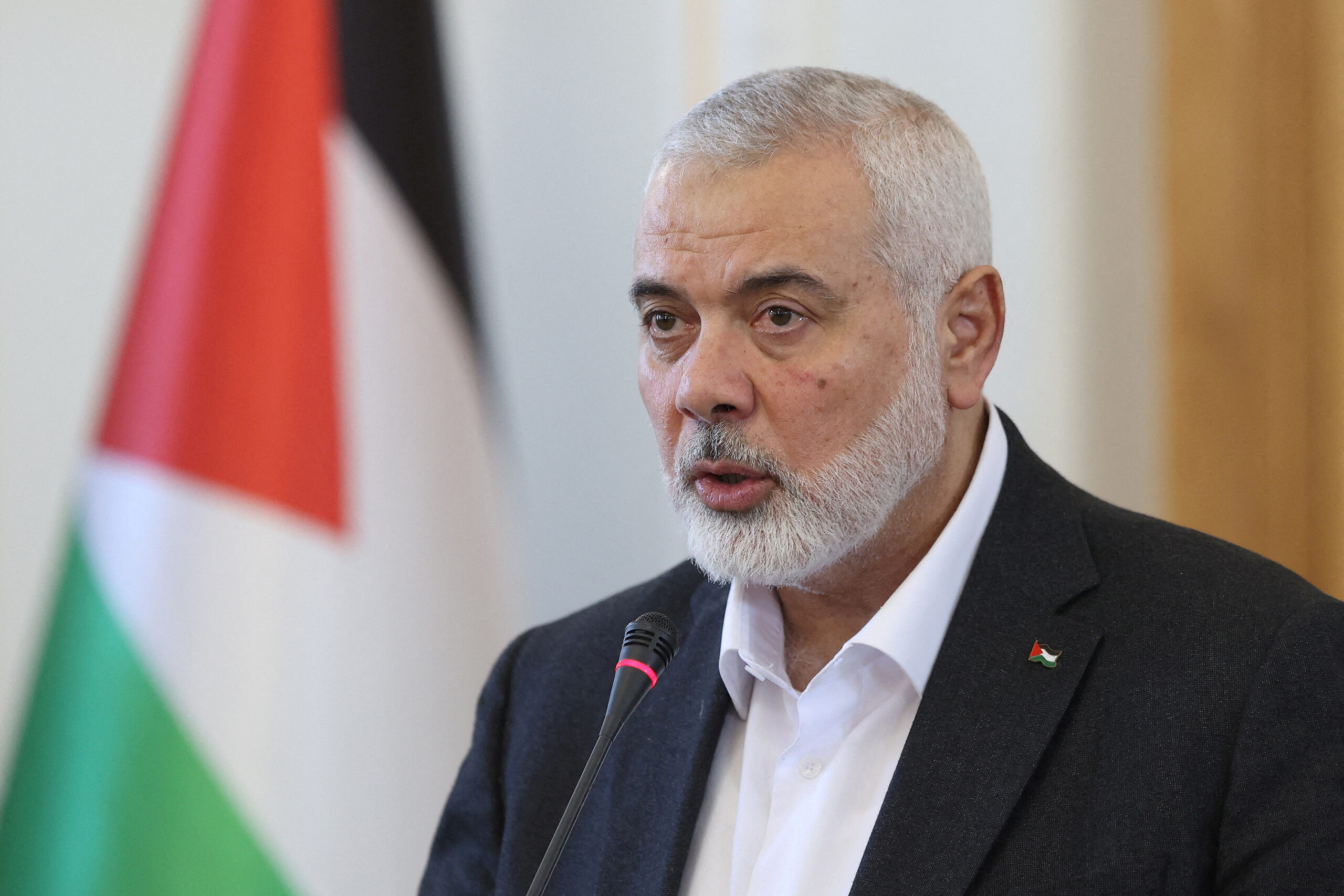
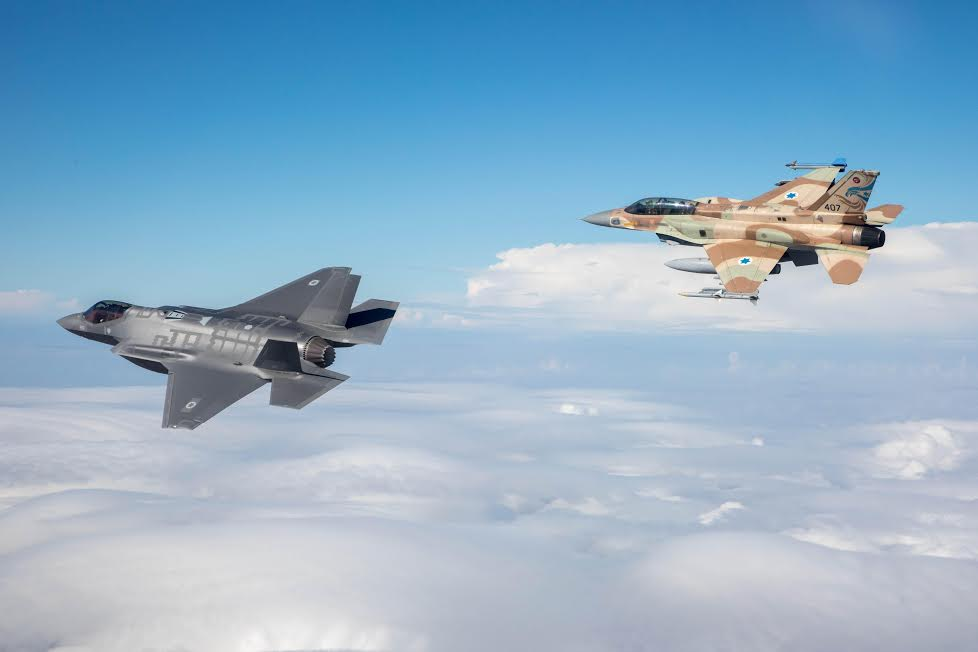
Israel has launched a series of targeted strikes, escalating tensions in the Middle East. The assassination of Ismail Haniyeh, a top Hamas leader, has particularly inflamed the conflict. Haniyeh, who was in exile, was killed in a missile strike in Tehran. This action is part of Israel’s broader campaign against militant leaders across the region.

The Israeli government has confirmed the strike, labeling it a critical blow to Hamas’ leadership. The attack has sparked significant international reactions, with Iran and its allies condemning the assassination. Iranian leaders have vowed retaliation, promising that Israel will regret this action.

The Israeli military is preparing for potential retaliatory strikes from Iran and its proxies. In addition to Haniyeh’s killing, Israel also conducted strikes in Beirut, targeting Hezbollah’s military chief. These operations mark a significant escalation, expanding the conflict beyond Gaza and into neighboring countries.

Palestinian Authority President Mahmoud Abbas has declared a day of mourning for Haniyeh, denouncing the killing as cowardly. Pro-Hamas marches have erupted in various cities, including a significant demonstration in Istanbul, where Turkish President Recep Tayyip Erdoğan condemned the assassination.

The strikes have also complicated ongoing hostage negotiations. Egypt and Qatar have criticized the timing of the attacks, suggesting they undermine efforts to secure the release of captives held by Hamas. U.S. Secretary of State Antony Blinken has emphasized the necessity of a ceasefire to facilitate these talks.

The United Nations Security Council held an emergency meeting to address the escalating tensions. Members of the Iran-backed axis, including Hezbollah, have harshly criticized Israel, calling the situation a dangerous escalation. Security experts predict that while Iran and its allies are likely to respond, they may not be able to reverse Israel’s strategic gains in Gaza.

This series of high-profile killings highlights Israel’s extended reach and intelligence capabilities. The assassination of Haniyeh in Tehran underscores the deep penetration of Israeli operations in Iran, a point acknowledged by various analysts. As the conflict enters a new phase, the potential for wider regional instability looms large.

The situation remains volatile, with both sides bracing for further developments. The international community continues to monitor the conflict closely, urging restraint and the pursuit of diplomatic solutions to prevent further escalation.
The death of a high-ranking Hamas official has shed light on significant vulnerabilities within Iran’s political and security framework. The figure, a prominent leader in Hamas’s military wing, was killed in an operation that has exposed serious gaps in Iran’s oversight and influence over its allies in the region. Hamas confirmed the death of the leader, which took place in a coordinated attack attributed to rival factions […]

Oman and Iran have officially launched a new maritime shipping line, marking a significant step in their bilateral relations and economic cooperation. The initiative aims to enhance connectivity between the two nations and boost trade through the strategic Shinas Port in Oman. The new shipping route is designed to facilitate smoother and more efficient cargo transport between Oman and Iran. This move is expected to bolster economic […]

Sheikh Abdullah bin Zayed Al Nahyan, the Deputy Prime Minister and Minister of Foreign Affairs of the United Arab Emirates, held a significant meeting with Iran’s newly inaugurated President Masoud Pezeshkian. This high-profile discussion, which took place in Tehran, focused on enhancing regional peace and stability amid shifting geopolitical dynamics.

The meeting between Sheikh Abdullah and President Pezeshkian marks a notable moment in UAE-Iran relations, reflecting a mutual interest in addressing long-standing regional tensions. Sheikh Abdullah’s visit underscores the UAE’s commitment to fostering dialogue and cooperation with its neighbors in the Middle East. The talks are seen as a crucial step towards building bridges and finding common ground on issues that impact the stability of the region.

During the meeting, both leaders emphasized the importance of collaborative efforts to tackle pressing challenges, including security concerns and economic development. They expressed a shared vision for a peaceful and prosperous region, with an emphasis on resolving conflicts through diplomatic means rather than confrontational approaches.

The UAE has consistently sought to play a mediating role in regional conflicts, advocating for dialogue and engagement as pathways to resolution. Sheikh Abdullah’s discussions with President Pezeshkian are part of a broader strategy to strengthen bilateral ties and encourage a cooperative atmosphere in the Gulf and beyond. This approach aligns with the UAE’s broader foreign policy objectives of promoting stability and fostering economic partnerships.

Iran, under President Pezeshkian’s leadership, has also indicated a willingness to engage more constructively with its regional neighbors. The new administration has expressed a commitment to addressing various regional issues through diplomatic channels, aiming to improve relations with Gulf countries and other key stakeholders. This shift is expected to influence regional dynamics positively, potentially leading to more collaborative efforts on shared challenges.

The discussions between Sheikh Abdullah and President Pezeshkian are particularly timely given the current geopolitical landscape. With ongoing tensions in the Middle East and evolving alliances, the UAE and Iran’s dialogue could serve as a catalyst for broader regional cooperation. Both leaders have recognized the necessity of finding common ground and working together to address issues that affect the stability and prosperity of their respective countries and the broader region.

This meeting also reflects a broader trend of increased diplomatic engagement in the Middle East, as nations seek to navigate complex regional relationships and emerging global challenges. Sheikh Abdullah’s visit and the ensuing discussions signify a proactive approach by the UAE to strengthen ties with Iran and other neighboring countries, contributing to a more stable and interconnected regional environment.

The UAE’s efforts to engage with Iran and other regional actors underscore its strategic interest in fostering a stable and cooperative Middle East. By prioritizing dialogue and mutual understanding, the UAE aims to enhance its role as a key player in regional diplomacy and contribute to a more harmonious geopolitical landscape.

As the UAE and Iran continue their diplomatic engagement, the outcomes of these discussions will be closely watched by other nations and stakeholders in the region. The success of this dialogue could pave the way for further collaboration and mutual understanding, setting a positive precedent for future interactions among regional powers.

A fragile truce in Iraq faces significant jeopardy following a recent U.S. airstrike targeting a militant base south of Baghdad. The attack has intensified tensions, with the Islamic Resistance in Iraq vowing retaliation. This escalation could unravel ongoing peace efforts and destabilize an already volatile region.

The U.S. strike, conducted late last week, was aimed at a compound reportedly used by Iran-backed militias. According to Pentagon sources, the operation was in response to recent threats against American personnel and facilities in Iraq. This action marks a severe escalation in the U.S. military’s involvement in the region and has drawn sharp condemnation from various factions within Iraq.

The Islamic Resistance in Iraq, a prominent group within the broader network of Iranian-aligned militias, has condemned the strike as a blatant violation of Iraqi sovereignty. The group’s senior official indicated that retaliation is imminent, exacerbating fears of a renewed cycle of violence. This development threatens to undermine the delicate balance that has been maintained through ongoing negotiations and diplomatic efforts.

The truce, which has been in place for several months, was intended to reduce hostilities and facilitate dialogue between conflicting parties. It followed a period of intense conflict marked by frequent skirmishes and escalating tensions between Iraqi militias and U.S. forces. The recent airstrike not only jeopardizes this truce but also risks inflaming regional tensions further, potentially drawing in other actors and destabilizing the broader Middle Eastern landscape.

Observers are concerned that the strike could prompt a series of retaliatory actions, leading to a resurgence of hostilities. This would not only disrupt the fragile peace process but also have significant repercussions for the stability of Iraq and the wider region. The potential for a broader conflict underscores the need for immediate diplomatic interventions to de-escalate the situation.

The Iraqi government has condemned the U.S. action, emphasizing the need for respect of its sovereignty and urging restraint from all parties involved. However, the response from the Islamic Resistance in Iraq suggests that diplomatic appeals may not be sufficient to prevent further escalation. The situation remains fluid, with both sides preparing for potential further conflict.

The international community has called for calm and restraint, stressing the importance of dialogue and peaceful resolution to the crisis. However, the immediate aftermath of the strike indicates that the path to de-escalation will be fraught with challenges. The U.S. and Iraqi governments are under immense pressure to navigate the complex dynamics of this conflict and work towards stabilizing the region.

As the situation continues to unfold, the global community watches closely, hoping for a resolution that will preserve the fragile truce and prevent further violence. The next steps taken by the involved parties will be critical in determining whether the current crisis can be mitigated or if it will lead to a broader and more destructive conflict.

Palestinians in Gaza are grappling with heightened despair following the tragic death of three sons of Hamas leader Ismail Haniyeh in an Israeli airstrike. This attack occurred during the Muslim holiday of Eid al-Fitr, a time typically marked by celebration and communal gathering.

The Israeli airstrike targeted a car carrying Haniyeh’s sons—Hazem, Amir, and Mohammed—along with several of his grandchildren in the Al-Shati refugee camp. Eyewitnesses reported the car being obliterated, resulting in the deaths of all its occupants. This incident has intensified the already dire humanitarian situation in Gaza, where more than 30,000 Palestinians have been killed since the conflict began six months ago.

Ismail Haniyeh condemned the attack as a “horrendous massacre” and reaffirmed his commitment to the Palestinian cause. In a televised statement, he declared that such actions by Israel would not weaken the resolve of the Palestinian people but instead strengthen their determination to resist.

The war in Gaza has led to widespread devastation, with the majority of the population facing severe shortages of food, clean water, and medical supplies. Israel’s military offensive has displaced 85% of Gaza’s population, leaving many without homes and basic necessities. The international community has voiced concern over the humanitarian crisis, with the International Court of Justice urging Israel to take measures to prevent famine in the region.

This event has exacerbated tensions in the Middle East, with Israel’s actions being condemned by various global leaders. Iran’s Supreme Leader, Ayatollah Ali Khamenei, issued a stern warning to Israel, promising repercussions for the airstrike that also killed several Iranian generals in Syria.

As Gaza continues to mourn, the future remains uncertain. The conflict has pushed the region to the brink, with the latest incident only deepening the sense of hopelessness among its residents.

By Nitya Chakraborty The Middle East was thrown into an unprecedented turmoil on Wednesday as the news came of the killing of the Hamas leader Ismail Haniyeh in Teheran in the morning by unidentified gunmen in his residence. Though the Iranian government said that they were investigating the killing and the Israeli government kept officially […]
Advertisements

A high-level meeting between Egypt’s Foreign Minister Badr Abdelatty and Iran’s new President Masoud Pezeshkian has marked a significant step towards normalizing relations between the two countries. The encounter took place on the sidelines of Pezeshkian’s inauguration, symbolizing a potential thaw in diplomatic ties that have been strained for decades.

The diplomatic engagement follows months of behind-the-scenes negotiations aimed at easing long-standing tensions. Abdelatty’s attendance at the inauguration is seen as a strategic move to open new channels of communication and cooperation between Cairo and Tehran. This development comes amid broader regional efforts to stabilize the Middle East and foster collaborative relationships among key players.

Egypt and Iran, both influential countries in the region, have historically had a contentious relationship, primarily due to differing political ideologies and alliances. The Egyptian government has maintained close ties with Saudi Arabia and the United States, both of which have had adversarial stances towards Iran. Conversely, Iran’s alliances with non-state actors and its involvement in regional conflicts have further complicated relations.

The meeting between Abdelatty and Pezeshkian is part of a larger trend of rapprochement in the region. The recent reconciliation between Saudi Arabia and Iran, brokered by China, has set a precedent for other nations to follow. This shift is driven by the realization that regional stability and economic development are interlinked and can be better achieved through dialogue rather than confrontation.

Observers note that while the meeting is a positive step, significant challenges remain. The diplomatic normalization process will require addressing contentious issues such as Iran’s nuclear program, its influence in Iraq, Syria, and Lebanon, and its support for groups that Egypt and its allies consider destabilizing. Additionally, Egypt’s strategic partnerships with countries opposing Iran’s regional policies could complicate the normalization efforts.

However, both countries have shown a willingness to engage in dialogue. Abdelatty emphasized the importance of cooperation in areas such as trade, tourism, and cultural exchanges, which could serve as a foundation for rebuilding trust and fostering mutual benefits. Pezeshkian, on his part, expressed optimism about the future of bilateral relations, highlighting the potential for collaboration in addressing regional security challenges and economic opportunities.

Analysts believe that successful normalization between Egypt and Iran could have far-reaching implications for the region. Improved relations could lead to increased economic cooperation, contributing to regional stability and development. It could also pave the way for more comprehensive diplomatic efforts to resolve ongoing conflicts in the Middle East.

The international community is closely monitoring these developments, recognizing the significant impact they could have on global geopolitics. The United States and European Union have expressed cautious optimism, hoping that this rapprochement could lead to broader stability in the region. China, having played a crucial role in the Saudi-Iran reconciliation, has also shown interest in supporting Egypt-Iran normalization efforts, viewing it as a part of its broader strategy to enhance its influence in the Middle East.

The path to normalization is expected to be gradual and fraught with challenges. Both Egypt and Iran will need to navigate a complex web of regional alliances and domestic political considerations. Nonetheless, the willingness to engage in high-level dialogue signifies a noteworthy shift in their approach to regional diplomacy.

As the process unfolds, it will be essential for both nations to maintain a focus on mutual interests and the broader goal of regional stability. The potential benefits of normalized relations are substantial, offering a new chapter of cooperation and development in a region long marred by conflict and division.

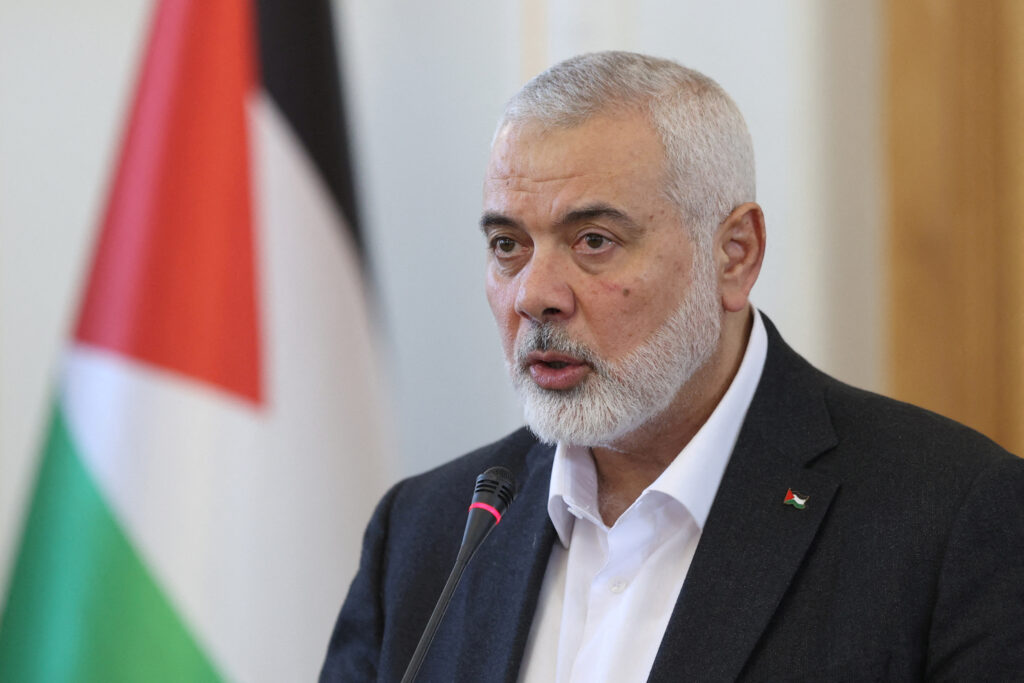
Hamas’s political chief, Ismail Haniyeh, was killed in an attack on his residence in Tehran, Iran. This incident, which also claimed the life of one of his bodyguards, marks a significant escalation in the ongoing tensions involving the Palestinian militant group. The attack has drawn immediate condemnation and concern from international leaders and analysts.

According to initial reports, the assailants targeted Haniyeh’s residence with a coordinated assault, leading to his death and the injury of several others. The circumstances surrounding the attack remain under investigation, and no group has yet claimed responsibility. The Iranian government has vowed a thorough investigation into the incident, emphasizing its commitment to combating terrorism and securing the safety of its citizens.

Haniyeh, a prominent figure in Hamas, has been a central player in the group’s leadership and operations. His death could potentially shift the balance within Hamas and affect its strategies and alliances. Analysts are closely watching for potential repercussions on regional stability and the broader Israeli-Palestinian conflict.

The assassination of Haniyeh represents a critical development in the ongoing conflict dynamics. His leadership was instrumental in Hamas’s political and militant activities, and his absence might create a power vacuum within the organization. This event is likely to provoke varied responses from different factions, both within the region and internationally.

International reactions have been swift, with calls for restraint and dialogue from various world leaders. The attack underscores the volatile nature of the geopolitical landscape in the Middle East, highlighting the persistent risks associated with high-profile figures in conflict zones. The implications of Haniyeh’s death will unfold in the coming days as the situation develops and more information becomes available.

As the investigation continues, the global community remains on alert for potential repercussions. The situation reflects the ongoing complexities of Middle Eastern politics and the enduring challenges in achieving lasting peace and stability in the region.

M A Hossain After a recent rocket attack on a soccer field in the Israeli-controlled Golan Heights, the question of whether the Middle East is on the verge of an all-out war has captured global attention. This attack, which resulted in the death of 12 people amid the ongoing Gaza conflict, has escalated tensions to a critical level. In response, Israeli forces carried out a drone strike […]

An Israeli airstrike targeted Hezbollah commander Fouad Shukr in Beirut, marking a significant escalation in tensions between Israel and Hezbollah. Shukr, a senior military figure within the Lebanese group, is known for his close ties to Hezbollah’s leadership and his involvement in strategic operations.

The airstrike occurred late Tuesday, with initial reports indicating that Shukr was among the primary targets. Lebanese media confirmed the attack, noting damage to several buildings in the southern suburbs of Beirut, a Hezbollah stronghold. The area, often referred to as Dahiyeh, has seen similar strikes in the past, but this operation specifically aimed at Shukr signals a more direct confrontation.

Fouad Shukr, also known by his nom de guerre, Al-Hajj Mohsin, has been a prominent figure in Hezbollah for decades. His military career began in the early 1980s, and he has since ascended through the ranks, becoming a key advisor to Hezbollah’s Secretary-General Hassan Nasrallah. Shukr’s expertise in military tactics and his role in coordinating operations in Syria have made him a critical asset to the organization.

Hezbollah’s involvement in the Syrian conflict has been extensive, with Shukr playing a pivotal role. His strategic planning and operational oversight have contributed to the group’s efforts to support the Syrian government, particularly in key battles such as those in Aleppo and Qusayr. These operations have cemented Shukr’s reputation as a skilled military leader within Hezbollah’s ranks.

The Israeli government has long viewed Shukr as a significant threat. His role in planning and executing operations against Israeli targets, both within Lebanon and abroad, has placed him high on Israel’s list of adversaries. Israeli officials have accused Shukr of being involved in the 1983 Beirut barracks bombings, which killed 241 U.S. service members, a claim that Hezbollah has consistently denied.

This targeted strike on Shukr is part of a broader Israeli strategy to disrupt Hezbollah’s military capabilities. Israel has repeatedly stated its intent to prevent Hezbollah from acquiring advanced weaponry and strengthening its position along the Israeli-Lebanese border. Over the years, Israel has conducted numerous airstrikes in Syria and Lebanon aimed at intercepting weapons shipments destined for Hezbollah.

The timing of this strike is particularly noteworthy. It comes amid heightened tensions in the region, with ongoing conflicts in Syria and escalating confrontations between Israel and Iranian-backed militias. Hezbollah’s close alliance with Iran has further complicated the dynamics, as Israel seeks to counter Iranian influence in the Middle East.

Reactions to the strike have been swift. Hezbollah condemned the attack, vowing retaliation and reinforcing its commitment to resist Israeli aggression. The Lebanese government, while acknowledging the attack, has called for restraint to avoid further escalation. International reactions have been mixed, with some countries urging both sides to de-escalate and others expressing concern over the potential for a broader conflict.

Analysts suggest that this strike could have significant implications for the stability of the region. Hezbollah’s response will likely determine the immediate future of Israeli-Lebanese relations. Should Hezbollah choose to retaliate, the possibility of a larger military confrontation cannot be ruled out. However, the group may also opt for a more calculated response, avoiding direct confrontation while continuing to strengthen its military infrastructure.

The situation remains fluid, with the potential for rapid developments. As both Israel and Hezbollah navigate this latest escalation, the international community will be closely monitoring the unfolding events. The strike on Fouad Shukr underscores the persistent volatility in the region and the ongoing struggle for power and influence between Israel and Hezbollah.

Hezbollah’s next moves, coupled with Israel’s strategic objectives, will shape the regional landscape in the coming months. This episode highlights the fragile nature of the current ceasefire and the ever-present risk of conflict in the Middle East.

A series of U.S. airstrikes targeted facilities used by Iran-backed militia groups in Iraq, following a surge in attacks on American forces in the region. The strikes were conducted in response to ballistic missile attacks that wounded several U.S. soldiers.

The targeted facilities, operated by the Hezbollah Brigades, included a headquarters, storage areas, and training sites for rockets, missiles, and unmanned aerial vehicles (UAVs). These strikes mark the latest escalation in the ongoing conflict between U.S. forces and Iran-backed militias, which have conducted over 150 attacks on U.S. bases in Iraq and Syria since October 2023.

U.S. Secretary of Defense Lloyd Austin described the strikes as “necessary” and “proportionate,” aimed at deterring further attacks on U.S. and coalition personnel. The Hezbollah Brigades, designated as a Foreign Terrorist Organization by the U.S., have vowed to continue their assaults. Their spokesperson, Jaafar al-Husseini, affirmed their commitment to targeting U.S. strongholds.

The airstrikes resulted in the death of Ali Subieh, a fighter with the Hezbollah Brigades, as confirmed by the group on its Telegram channel. This development underscores the persistent volatility in the region, with Iran-backed groups maintaining their offensive stance despite significant losses.

The conflict has intensified since the onset of the Israel-Hamas war in October 2023, which has indirectly fueled militia activities against U.S. interests. The U.S. response, involving precision strikes on militia assets, aims to mitigate threats and stabilize the security situation for American and allied forces.

Hezbollah Brigades, a prominent Shia militia in Iraq, receives extensive support from Iran’s Qods Force, including training, funding, and weaponry. Founded by Abu Mahdi al-Muhandis and closely allied with the late Qassem Soleimani, the group has been a significant adversary for U.S. forces in the region. The persistent threat posed by these militias necessitates ongoing vigilance and strategic countermeasures by the U.S. military.

TEHRAN, 30th July, 2024 – H.H. Sheikh Abdullah bin Zayed Al Nahyan, UAE Deputy Prime Minister and Minister of Foreign Affairs, met with Iranian Foreign Minister Hossein Amir-Abdollahian. This high-level meeting follows President Ebrahim Raisi’s nomination of Amir-Abdollahian for approval by the Iranian parliament. The discussions between the two diplomats focused on enhancing bilateral relations and addressing key regional issues. The meeting marks a significant diplomatic moment, […]

Tensions between Israel and Lebanon have escalated with both nations filing formal complaints with the United Nations Security Council. This development underscores the rising risk of military conflict in the region, driven by a series of recent confrontations and ongoing disputes.

Israel’s complaint accuses Lebanon of violating international norms by allowing Hezbollah, a militant group, to launch attacks from Lebanese territory. According to Israeli officials, these actions have resulted in significant damage to Israeli infrastructure and civilian areas. The Israeli government claims that Hezbollah’s aggressive actions not only breach Lebanese sovereignty but also threaten regional stability.

Conversely, Lebanon’s complaint highlights Israeli military operations within Lebanese airspace and territory. Lebanese authorities argue that Israel’s frequent incursions and airstrikes violate Lebanon’s sovereignty and have caused considerable harm to both military and civilian targets. The Lebanese government asserts that these actions are unjustified and exacerbate the already volatile situation in the region.

The exchange of complaints follows a series of border skirmishes and heightened rhetoric from both sides. The recent military exchanges have intensified fears of a broader conflict, with both nations mobilizing forces and preparing for possible escalation. The UN Security Council is now faced with the challenge of addressing these grievances and finding a pathway to de-escalate the situation.

The international community has expressed concern over the potential for a larger-scale conflict, emphasizing the need for diplomatic solutions and dialogue. Various nations and organizations have called for restraint and urged both Israel and Lebanon to engage in negotiations to prevent further violence.

Hezbollah’s role in the conflict remains a central issue, as the group’s operations are a significant point of contention between the two countries. The organization, which is backed by Iran, has a history of hostility toward Israel and has been involved in numerous clashes with Israeli forces over the years.

The situation is further complicated by the broader regional dynamics, including the influence of Iran and the ongoing civil conflict in Syria. These factors contribute to the complexity of the Israeli-Lebanese relations and the challenges in addressing the current disputes.

As the UN Security Council considers the complaints, there is a pressing need for effective mediation to address the underlying issues and prevent further escalation. The international body will likely seek to facilitate dialogue between the two nations and work towards a peaceful resolution to the ongoing tensions.

The outcome of the UN Security Council’s deliberations could significantly impact the trajectory of Israeli-Lebanese relations and the stability of the region. Both countries’ actions and the international response will be closely watched as efforts to de-escalate the situation continue.

Israel has issued a stern warning to Hezbollah, promising severe repercussions following a deadly attack in the Golan Heights. Tensions escalated after Hezbollah launched a multi-drone assault on an Israeli military outpost in the region, an incident the militant group claimed responsibility for but later denied initiating. The Israeli Defense Forces (IDF) reported the drone strike on the Golan Heights, an area Israel has controlled since the […]

Iran’s Supreme Leader Ayatollah Ali Khamenei formally endorsed Masoud Pezeshkian as the country’s ninth president on Sunday. Pezeshkian, a reformist, won a snap election earlier this month, emphasizing a platform of significant reforms and increased transparency in governance.

Pezeshkian’s victory marks a shift from the hardliner policies of his predecessors, signaling potential changes in both domestic and foreign policies. His campaign focused on addressing economic challenges, improving diplomatic relations, and expanding civil liberties, resonating with a wide spectrum of Iranian voters.

Khamenei’s endorsement, a ceremonial yet pivotal step, was broadcast on state television, reflecting the regime’s recognition of Pezeshkian’s electoral mandate. The endorsement ceremony underscored the new president’s commitment to the Islamic Republic’s foundational principles while promising to tackle corruption and enhance social justice.

Observers note that Pezeshkian’s presidency could alter Iran’s approach to international relations, particularly with Western nations. His administration aims to revive the 2015 nuclear deal, seeking to alleviate the economic sanctions that have crippled Iran’s economy.

The endorsement comes amid a backdrop of significant political maneuvering. Leading up to the election, several hard-line candidates withdrew to consolidate support, paving the way for Pezeshkian’s victory. This move highlighted the pragmatic strategies within Iran’s political landscape, where alliances and withdrawals can drastically shape electoral outcomes.

International reactions to Pezeshkian’s endorsement have been cautious but optimistic. Analysts suggest that his presidency might open new avenues for dialogue and cooperation, particularly in areas of mutual interest such as regional security and economic development. However, Pezeshkian faces substantial challenges, including managing internal dissent and balancing the expectations of conservative factions within the government.

The transition of power occurs as Iran continues to grapple with economic hardships exacerbated by sanctions and the global pandemic. Pezeshkian’s administration has pledged to prioritize economic recovery, focusing on job creation, inflation control, and improving public services.

Domestically, Pezeshkian’s reformist stance has garnered support from various social and political groups advocating for increased freedoms and more inclusive governance. His presidency represents a potential turning point in addressing the demands of a youthful and increasingly vocal populace seeking change.

As Pezeshkian prepares to take office, his ability to implement his reform agenda will be closely monitored. The new president’s approach to governance, his handling of the country’s economic woes, and his diplomatic strategies will be crucial in shaping Iran’s future trajectory.

The UAE has taken a significant step in diversifying its entertainment and business landscape by granting its first official lottery licence. This move is expected to boost tourism, attract international businesses, and enhance Dubai’s status as a global hub.

The lottery licence has been awarded to Emirates Loto, a company that promises to bring a transparent and regulated gaming experience to the UAE. This initiative aligns with Dubai’s strategic vision to expand its entertainment options while maintaining stringent regulatory standards.

The introduction of a regulated lottery aims to provide a new form of entertainment for residents and tourists. It is anticipated to drive economic growth by increasing tourism, as international visitors are likely to be drawn to the novelty and excitement of a legal lottery in the region.

Dubai has long been a sought-after destination for tourists and business professionals alike, known for its luxury shopping, ultramodern architecture, and vibrant nightlife. The addition of a legal lottery adds another layer of appeal, offering visitors an additional reason to choose Dubai over other international destinations.

In granting the lottery licence, the UAE government has emphasized its commitment to maintaining high standards of transparency and regulation. The lottery operations will be closely monitored to ensure fairness and compliance with local laws. This approach aims to build trust among participants and safeguard the integrity of the gaming industry in the UAE.

Industry experts believe this move will have a positive ripple effect on Dubai’s economy. The lottery is expected to generate significant revenue, part of which will be reinvested into community development projects, enhancing the city’s infrastructure and public services. This, in turn, could attract more foreign investments, as businesses often look for destinations with robust public amenities and a high quality of life for their employees.

The lottery could also stimulate job creation in various sectors, including marketing, retail, and technology. Emirates Loto plans to implement innovative technology solutions to ensure a seamless and secure gaming experience, potentially positioning Dubai as a leader in the digital transformation of the lottery industry.

Dubai’s strategic location, coupled with its state-of-the-art infrastructure and pro-business environment, already makes it an attractive hub for international companies. The introduction of a regulated lottery further enhances this appeal, offering a unique combination of business opportunities and entertainment options.

Analysts predict that this development could lead to the establishment of a gaming tourism sector, similar to what exists in destinations like Las Vegas and Macau. This would not only increase visitor numbers but also extend their stays, as tourists might plan their trips around major lottery draws and related events.

The UAE’s decision to legalize and regulate lottery operations reflects a broader trend of modernization and diversification in its economy. By embracing new forms of entertainment and leisure activities, Dubai continues to position itself as a forward-thinking, dynamic city that caters to the evolving preferences of global travelers and business professionals.

Israeli airstrikes have targeted the Yemeni port city of Al Hudaydah in retaliation for a drone attack launched by Houthi rebels. The military response, which occurred on July 21, was confirmed by Israeli officials who cited the need to counter what they described as a significant threat to regional stability. The airstrikes were a direct response to the Houthi rebels’ drone assault, which had struck an Israeli-owned […]

Recent developments in the Middle East have escalated tensions between Israel and Houthi forces in Yemen. Following a drone strike by the Houthi rebels on an Israeli cargo ship in the Red Sea, Israel has responded with a significant military action targeting a key port city in Yemen. This latest exchange marks a sharp intensification in the region’s complex geopolitical landscape. The drone attack on the Israeli […]

An oil tanker that was seized by Iran in a contentious maritime incident last year has been observed anchored near the coast of the United Arab Emirates, according to recent tracking data. The vessel, known as the *Amity Spirit*, was intercepted by Iranian forces in 2023 amid heightened tensions in the Persian Gulf region. The tracking data, gathered from maritime surveillance sources, indicates that the *Amity Spirit* […]

By Tajul Islam As global economic dynamics shift, emerging economies seek new opportunities for growth and influence. A notable development is the BRICS coalition, originally comprising Brazil, Russia, India, China, and South Africa. With its recent expansion, the BRICS framework has introduced the concept of BRICS+, aiming for deeper and more flexible economic integration. This article explores the differences between BRICS and BRICS+, and examines the potential […]

Oil prices surged on Monday, extending gains from the previous week after data revealed a larger-than-anticipated drop in U. S. crude oil stockpiles. The price of Brent crude futures, the global benchmark for oil, climbed by 1. 8% to $113. 10 per barrel. West Texas Intermediate (WTI) crude futures, the benchmark for U. S. oil, also rose by 1. 6% to $110. 20 per barrel. This increase […]

Iran’s reformist candidate Masoud Pezeshkian was leading in runoff presidential elections against ultraconservative Saeed Jalili, according to early results released on Saturday by the interior ministry. Officials have so far counted more than 11 million ballots for Pezeshkian and around 9 million for Jalili, electoral authority spokesman Mohsen Eslami was quoted by the official IRNA […]


OPEC’s oil output defied expectations in June, rising for the second consecutive month according to a Reuters survey. This increase comes despite ongoing production cuts implemented by the wider OPEC+ alliance, which includes major non-OPEC producers like Russia. The survey, which tracks oil supply to the market and is based on industry sources and shipping data, revealed that OPEC’s 12 member countries collectively pumped 26. 7 million […]

VISHNU RAJA
RYO YAMADA
HITORI GOTOH
IKUYO KITA