News related to
Iran

Russia is hosting the latest BRICS summit in a strategic demonstration of strength and unity as it seeks to challenge the geopolitical dominance of the West. The BRICS group – comprising Brazil, Russia, India, China, and South Africa -has evolved beyond its original purpose as a coalition of rapidly developing economies. Initially founded to represent economic growth prospects, BRICS has since transformed into a powerful geopolitical forum, […]

KUALA LUMPUR, MALAYSIA – Media OutReach Newswire – 17 October 2024 – BRICS represents a formidable economic bloc that significantly influences global trade and geopolitics. In January, the alliance of Brazil, Russia, India, China, and South Africa formally welcomed Egypt, Ethiopia, Iran, and the United Arab Emirates into its fold. Recent discussions have focused on expanding BRICS to include nations like Malaysia and Indonesia, presenting these countries […]

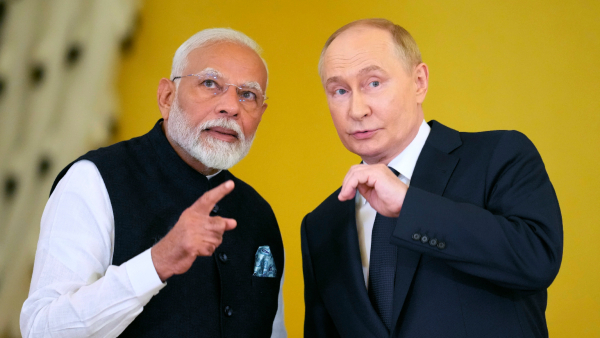
By Nitya Chakraborty Prime Minister Narendra Modi is attending the summit of the expanded BRICS block at Tatarstan city of Kazan in Russia on October 22 to 24 to be hosted by President Putin. This summit is of crucial importance for both the Indian PM as also the President Putin. Narendra Modi is attending it […]

The upcoming BRICS summit in Kazan, Russia, is closely monitored for potential developments in economic cooperation and currency strategies. With the introduction of new members and the ongoing development of a BRICS currency, this gathering could mark a significant turning point in international finance. Will the summit unveil a new era of economic cooperation and bring about a new currency? Global broker Octa provides the analytics. The […]

A significant shift in global oil prices has occurred, triggered by reports that Israel will not target Iranian energy facilities during its ongoing military operations. The announcement has contributed to a notable decrease in crude oil prices, with Brent crude futures falling to approximately $83.50 per barrel, a drop of nearly 5%. West Texas Intermediate (WTI) also experienced a decline, trading around $78.50 per barrel. The news of a potential de-escalation of tensions has sparked optimism among traders and analysts, prompting discussions about the implications for oil supply and regional stability.

This development follows heightened concerns about the geopolitical landscape in the Middle East, particularly since the onset of hostilities involving Israel and Hamas. Market observers had speculated that any escalation involving Iran could disrupt oil supply chains, especially given Iran’s substantial role in the global oil market. The country, a member of the Organization of the Petroleum Exporting Countries (OPEC), has consistently been a significant player in oil production, with its output averaging around 3 million barrels per day prior to the imposition of sanctions.

Analysts have noted that the decision to refrain from targeting Iranian facilities could stabilize oil prices in the short term. Such stability is crucial, as fluctuations in oil prices often reflect broader economic sentiments and can influence inflation rates worldwide. The International Energy Agency (IEA) had previously warned that any conflict in the region could lead to a supply shock, resulting in further price surges. However, the latest assurances have alleviated some of these fears, allowing for a moment of respite in oil markets.

The interplay between Israel and Iran extends beyond military engagements, encompassing significant economic implications as well. Iran’s oil exports have faced restrictions due to sanctions imposed by Western nations, limiting its ability to engage in international trade. Despite these challenges, Iran has sought to bolster its oil exports through partnerships with countries such as China, which has emerged as a primary importer of Iranian crude.

This latest news has prompted reactions from various stakeholders in the oil market. Major oil companies are closely monitoring the situation, as any potential escalation could alter their operational strategies and long-term investment plans in the region. Executives from companies like BP and Shell have expressed cautious optimism, reiterating their commitment to maintaining stable supply chains while navigating geopolitical uncertainties.

While the immediate outlook appears more favorable for oil prices, analysts caution that the situation remains fluid. The potential for conflict in the Middle East has not dissipated, and other geopolitical factors could still influence market dynamics. For instance, the ongoing conflict in Ukraine and its ramifications for global energy supply also weigh heavily on market sentiment. European countries continue to seek alternatives to Russian gas, further complicating the energy landscape and contributing to price volatility.

Market analysts are keeping a close eye on OPEC’s strategies in response to shifting demand dynamics. The organization has historically played a critical role in managing oil supply to influence prices. The group is likely to convene in the coming weeks to assess the current situation and consider adjustments to their production quotas. OPEC’s decisions are crucial for maintaining market equilibrium, especially during times of uncertainty.

In the context of these developments, there has been a renewed focus on the importance of diversifying energy sources and enhancing energy security. Nations worldwide are increasingly exploring renewable energy options as part of their long-term strategies to reduce dependence on fossil fuels. This transition has been accelerated by rising global temperatures and the urgent need to address climate change, prompting many governments to invest in sustainable energy infrastructure.

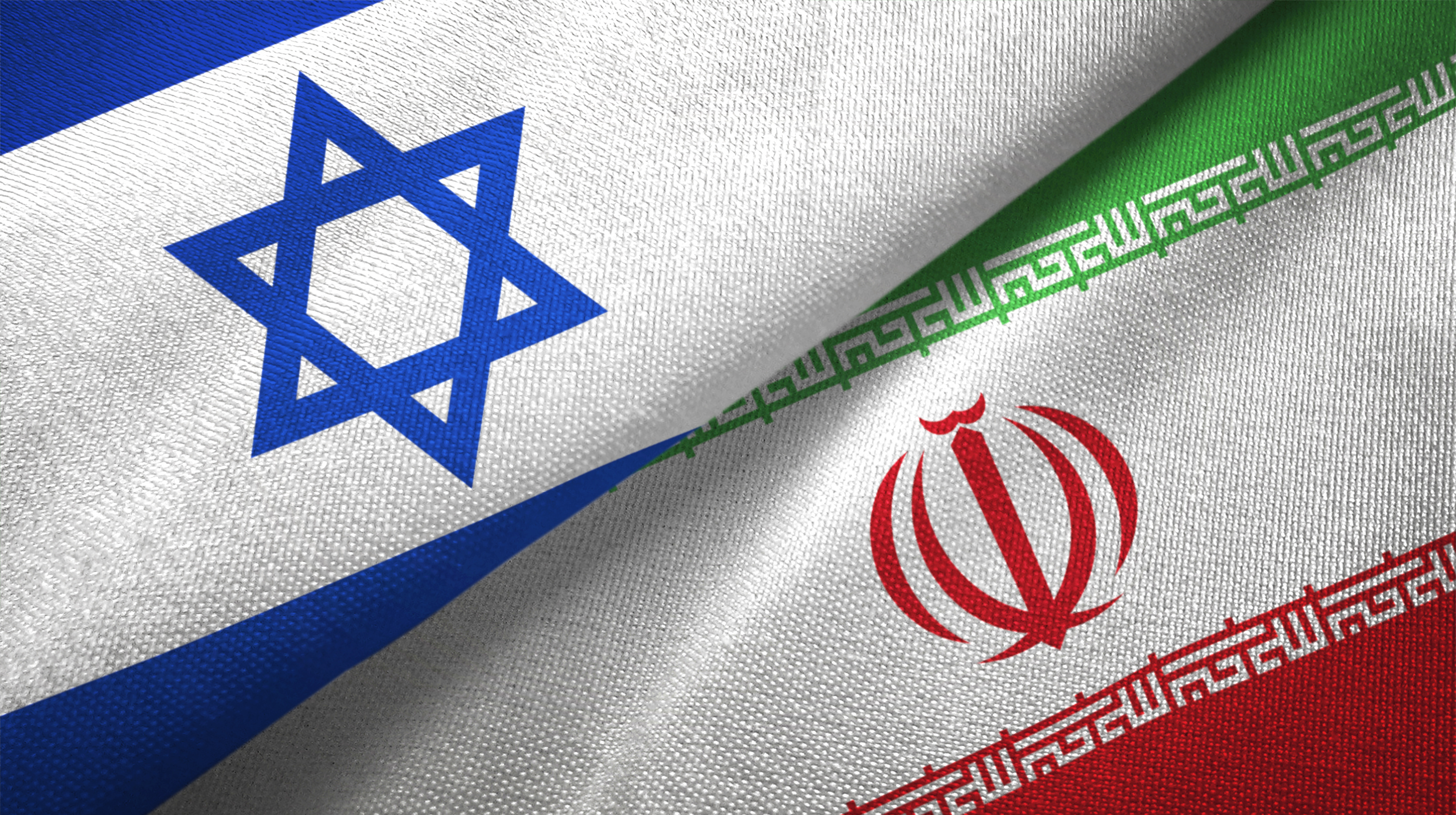
As tensions escalate between Israel and Iran, the world is watching with bated breath, and financial markets are bracing for a potential economic shock. The deployment of additional US troops and advanced anti-missile systems to Israel highlights how serious the situation has become. Recent unprecedented attacks from Iran and Israel’s potential countermeasures, particularly targeting Iran’s vital oil or nuclear facilities, could set the stage for a global […]

The Pentagon has announced the deployment of the Terminal High Altitude Area Defense (THAAD) missile defense system to Israel, reinforcing the nation’s defense capabilities against potential missile threats, particularly from Iran. This strategic move includes sending US military personnel to operate the system and comes amid escalating tensions in the region, notably due to Iran’s ongoing missile development and regional activities.

The deployment of the THAAD system, which is designed to intercept short- to intermediate-range ballistic missiles, marks a significant step in US-Israel defense cooperation. The system will enhance Israel’s already robust missile defense architecture, which includes the Iron Dome and David’s Sling systems. US Secretary of Defense Lloyd Austin emphasized the importance of this deployment, stating that it demonstrates the United States’ unwavering commitment to Israel’s security. He reiterated that the United States will continue to work closely with its allies to address shared security challenges.

Analysts suggest that this deployment is not merely a precautionary measure; it serves as a signal to both allies and adversaries that the US stands firmly with Israel in the face of rising threats. Iran’s missile program has expanded rapidly in recent years, with officials claiming capabilities to strike targets across the Middle East. Reports indicate that Iran is developing long-range missiles capable of reaching Europe and beyond, raising alarms not only in Israel but also among European nations and the Gulf states.

The THAAD system, operational since 2008, has been deployed in several locations worldwide, including South Korea and the United Arab Emirates, highlighting its role in US military strategy. This particular deployment is part of a broader framework of military support provided by the United States to Israel, which receives approximately $3.8 billion annually in military aid, as outlined in a 10-year memorandum of understanding signed in 2016.

Tensions have intensified in the region due to a range of factors, including Iran’s nuclear program and its support for militant groups like Hezbollah and Hamas. The Biden administration’s approach to Iran, characterized by attempts to re-engage diplomatically while maintaining a stance of deterrence, reflects the complexities of regional geopolitics. In the wake of stalled negotiations over the Iran nuclear deal, the deployment of THAAD serves as a tangible measure of deterrence.

Experts also note that Israel has been strengthening its own military capabilities, including advancements in aerial defense systems and cyber warfare. The Israeli military has been conducting various exercises to prepare for potential confrontations, ensuring that its forces are ready to respond to threats on multiple fronts. The addition of THAAD will complement these efforts, particularly in countering long-range missile threats.

The timing of this deployment coincides with heightened tensions between Israel and Palestinian factions in Gaza. Following a series of rocket attacks from Gaza, the Israeli military has intensified airstrikes, prompting fears of an escalation into broader conflict. The THAAD system is expected to provide an additional layer of defense against potential retaliatory missile strikes that could emerge from such clashes.

US officials have reiterated that the deployment does not signify an intention to escalate military involvement in the region but rather aims to bolster Israel’s defensive posture. This move reflects a strategic shift toward enhancing missile defense capabilities in an era marked by technological advancements in missile systems worldwide.

As the situation unfolds, the implications of this deployment will likely resonate beyond Israel, influencing the broader dynamics of Middle Eastern security. Regional actors, including Iran, will be closely monitoring the developments, assessing the implications for their own defense strategies and military posturing.

International reactions to the THAAD deployment have been mixed. While Israeli officials have welcomed the additional security assurances, some regional nations view the move with skepticism. There are concerns that increased US military presence could exacerbate existing tensions in an already volatile region.

As the Pentagon mobilizes resources to support Israel, the focus will also shift to diplomatic efforts aimed at addressing the underlying issues driving regional instability. Engaging Iran in constructive dialogue remains a challenge, with trust deficits complicating the prospects for meaningful negotiations.

Advertisements
By Nitya Chakraborty The U.S. Presidential elections on November 5 have assumed unusual significance in the shaping up of the future of Bangladesh which is presently ruled by an interim government headed by the Nobel Laureate Dr. Muhammad Yunus. In the last two weeks, hectic activities were on in both Dhaka as well as in […]

Crown Prince Mohammed bin Salman will not participate in the upcoming BRICS summit scheduled for October 17-19 in Moscow. This decision marks a significant diplomatic moment, as Saudi Arabia engages in a complex geopolitical landscape that includes balancing relationships with both Western nations and emerging economies in the Global South. The absence of the Crown Prince at such a high-profile gathering raises questions about the Kingdom’s strategy […]

Several airlines have expanded their operations over Afghanistan, marking a significant shift in air traffic dynamics in a region characterized by geopolitical instability and ongoing tensions. This development comes in the wake of changing airspace policies and a gradual restoration of air routes previously closed due to security concerns. The resumption of flights has attracted attention from various sectors, including commerce, humanitarian efforts, and diplomatic engagements. Countries […]

QatarEnergy has finalized a significant 20-year naphtha supply agreement with Shell, marking a pivotal development in the global energy sector. The agreement, effective from April 2025, is set to deliver up to 18 million metric tons of naphtha to Shell’s operations, primarily supporting its petrochemical ventures. This deal underscores Qatar’s growing role as a key player in the global energy market, especially in petrochemical production, where naphtha is a vital feedstock.

The announcement was made by Saad al-Kaabi, the CEO of QatarEnergy and the state’s Minister of Energy. He emphasized the importance of this agreement, stating it represents QatarEnergy’s first long-term naphtha sales contract of such duration. Al-Kaabi highlighted the collaboration as part of a broader strategy to leverage Qatar’s vast energy resources, particularly from the North Field, the world’s largest natural gas field, shared with Iran and known as the South Pars gas field in Iran.

The strategic partnership between QatarEnergy and Shell is not new; it has been built over several years through joint ventures and investments in liquefied natural gas (LNG) projects, including the Pearl GTL (Gas-to-Liquids) facility, which is a significant project in Qatar’s energy landscape. The two companies are committed to further collaboration in various energy sectors, enhancing their capabilities in energy production and distribution.

As global energy demands continue to evolve, the deal also reflects the shifting dynamics in the petrochemical industry, where companies are increasingly focused on securing long-term supply contracts to stabilize their operations. Naphtha, derived from crude oil, serves as a critical raw material in producing various chemicals and plastics. The agreement with Shell positions Qatar as a reliable supplier in a market that is grappling with fluctuating energy prices and geopolitical uncertainties.

The significance of this deal extends beyond immediate commercial interests. It aligns with Qatar’s broader vision to diversify its economy and expand its influence in the global energy landscape. By solidifying such long-term contracts, QatarEnergy aims to enhance its competitive edge, ensuring a steady revenue stream while contributing to the stability of global energy supplies.

Industry experts view this agreement as a testament to Qatar’s strategic foresight in recognizing the importance of long-term partnerships in a sector that is increasingly volatile. The collaboration not only strengthens Qatar’s energy export capabilities but also reinforces Shell’s operational efficiency as it seeks to maintain its leadership position in the petrochemical market.

As global energy policies shift towards sustainability, this agreement is also anticipated to play a role in transitioning to more sustainable energy sources. QatarEnergy has been proactive in exploring cleaner energy alternatives and investing in technologies that reduce carbon emissions, reflecting a commitment to environmental stewardship.

By Nitya Chakraborty Monday October 7 2024 marks the completion of one year of the Israel-Palestine war which started with the brutal attack on the citizens of Israel by the militant Palestine group Hamas and the more severe retaliation by the Israel Defence Forces (IDF) and the complete annexation of the Gaza area along with […]

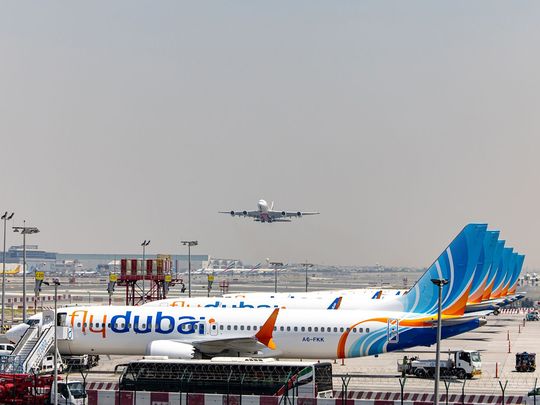
flydubai has confirmed that it will resume operations to key Middle Eastern destinations—Iran, Iraq, Israel, and Jordan—starting from October 4, 2024. This announcement follows temporary suspensions caused by the escalating geopolitical tensions, particularly the outbreak of hostilities between Israel and Hamas on October 1. The airline is closely monitoring the situation and has stated that it will remain flexible with its schedule should circumstances change.

While services to Iran, Iraq, Israel, and Jordan are set to resume, flights to Beirut remain grounded until at least October 7 due to the volatile security environment. Other UAE carriers, including Emirates and Etihad Airways, have extended their suspension of Beirut-bound flights until October 8. Emirates also announced the temporary halt of its flights to Baghdad, Basra, Tehran, and Amman for October 4 and 5, citing security concerns across the region.

Growing concerns surrounding geopolitical instability in the Middle East are contributing to heightened volatility in the oil markets, as traders anticipate further price increases. Recent analyses indicate that the tensions between various regional players and broader global dynamics are significantly influencing supply concerns, leading to increased buying activity in oil options. This is particularly evident as major crude benchmarks, including Brent crude and West Texas Intermediate (WTI), have seen notable fluctuations driven by investor sentiment and strategic positioning.

Market data reveals a surge in options trading, suggesting that traders are preparing for potential price movements. Open interest in call options, which give the buyer the right to purchase oil at a predetermined price, has risen sharply. This indicates that market participants expect prices to climb, driven by fears of supply disruptions due to geopolitical unrest, particularly in key oil-producing countries such as Saudi Arabia, Iran, and Iraq. Analysts suggest that the current landscape is reminiscent of past crises, wherein escalating tensions have historically led to significant price spikes.

As oil prices approach the $100 per barrel mark, analysts warn that sustained increases could have broader economic implications. The International Energy Agency (IEA) has projected a potential supply shortfall if geopolitical tensions escalate, particularly with ongoing conflicts in Ukraine and regional disruptions in the Middle East. In this context, market experts emphasize the importance of monitoring geopolitical developments closely, as these factors will be critical in shaping oil price trajectories in the coming months.

The dynamics of oil trading have shifted, with many investors now viewing geopolitical events as pivotal catalysts for price changes. The strategic importance of the Middle East, often referred to as the world’s energy hub, cannot be overstated. The region accounts for a significant portion of global oil supply, and any disruptions can lead to immediate and substantial price reactions in the market.

In light of these developments, the oil market is exhibiting signs of increased speculation. Hedge funds and other large investors have ramped up their positions in oil futures and options, further reflecting the bullish sentiment permeating the market. This trend has been particularly pronounced in the context of the ongoing discussions regarding production cuts by the Organization of the Petroleum Exporting Countries (OPEC) and its allies. OPEC’s decisions will play a crucial role in determining supply levels and influencing price stability.

Saudi Arabia, a leading member of OPEC, has signaled its willingness to adjust production levels in response to market dynamics. The kingdom’s recent commitments to reducing output in order to stabilize prices have fueled discussions regarding potential collaborative efforts among OPEC members to manage supply effectively. This strategy aims to counterbalance the impact of external geopolitical risks and market volatility.

Iran’s continued efforts to revitalize its oil production in the wake of sanctions further complicates the scenario. The Iranian oil sector is poised for growth, but any increase in output is contingent upon the delicate diplomatic landscape. Investors are acutely aware that shifts in U.S. policy towards Iran can have immediate repercussions for oil supply and pricing, leading to a cautious approach in trading activities.

Market sentiment is also influenced by macroeconomic factors, including inflation and interest rates. Recent data suggest that rising inflationary pressures are leading to increased uncertainty regarding economic growth, which could, in turn, impact oil demand. Investors are weighing the potential for a slowdown in global economic activity against the backdrop of supply-side constraints. This balancing act adds another layer of complexity to trading strategies.

Analysts are observing emerging trends in the energy sector, particularly the transition towards renewable energy sources. As nations grapple with climate change initiatives, the demand for traditional fossil fuels is being challenged. However, in the short term, oil remains a critical component of the global energy mix, especially amid geopolitical uncertainties that necessitate a reliable energy supply.

The current landscape underscores the importance of strategic foresight for traders and investors. Understanding the interconnectedness of geopolitical developments, production decisions, and market sentiment will be essential in navigating the complexities of oil trading. Traders are increasingly incorporating a broader range of indicators and data points into their analyses, reflecting the dynamic nature of the oil market.

Over 80 flights have been diverted following a missile attack by Iran on Israeli territory, marking a significant escalation in tensions in the region. The attack, which occurred on a busy travel day, has triggered widespread disruptions in air travel, affecting routes across Europe, the Middle East, and beyond. As airlines scramble to adapt to the situation, travelers are facing delays and uncertainty as air traffic controllers adjust flight paths to ensure safety.

The missile assault targeted multiple locations in Israel, reportedly hitting near Tel Aviv and other key areas, prompting immediate responses from Israeli defense forces. In retaliation, Israel launched airstrikes against what it described as military installations in Iran, intensifying fears of a larger conflict. The situation has heightened anxieties among airlines and travelers, with many countries issuing travel advisories.

Air traffic management systems in various regions have been strained as the diversion of flights has created congestion in alternative airports. Affected airlines, including major carriers like Emirates, Lufthansa, and British Airways, have altered their flight schedules and routes to avoid the conflict zone. Passengers are being informed about changes, with many facing rebooking challenges due to the high volume of travelers displaced by the diversions.

Israeli officials have condemned the missile attack, describing it as a direct threat to civilian safety. The country’s Prime Minister stated that the government would respond with appropriate measures to safeguard its citizens. Analysts suggest that this incident could represent a turning point in the ongoing tensions between Iran and Israel, as well as potentially destabilizing the broader geopolitical landscape in the Middle East.

The impact of the attack extends beyond immediate safety concerns. Economists warn that prolonged instability in the region could affect global oil prices and trade routes. The fear of escalation might lead to increased insurance premiums for flights operating in and around the area, further complicating the situation for airlines and passengers alike.

Travelers currently in transit or scheduled to fly to Israel are advised to stay updated on their flight statuses and consult with airlines for the latest information. Some travelers have reported being rerouted to airports in nearby countries such as Cyprus and Greece, where they can continue their journeys after the situation stabilizes. However, the longer-term implications of this event may lead to broader shifts in airline operations, particularly for those serving the Middle East.

As airlines navigate these complex challenges, industry experts are analyzing how this incident might reshape air travel in the region. While the immediate focus is on safety and logistical adjustments, the incident raises questions about the resilience of global air travel amid geopolitical tensions. Airlines may need to reassess their risk management strategies, particularly for routes that are vulnerable to similar threats in the future.

International responses to the missile attack have also been varied, with some nations condemning the violence and calling for calm. The United Nations has expressed concern over the escalation of hostilities and the potential humanitarian consequences for civilians in the region. Diplomatic efforts are being initiated to de-escalate tensions and encourage dialogue between the conflicting parties, though success remains uncertain amid the heightened atmosphere of distrust.

In the broader context, this missile attack illustrates the fragility of peace in the region. Analysts note that the cycle of retaliation between Iran and Israel has persisted for years, and incidents like this may trigger further actions on both sides. The potential for regional instability to escalate into a wider conflict remains a concern for many observers.

Sheikh Khaled bin Mohamed Al Nahyan, the Crown Prince of Abu Dhabi, arrived in Qatar on Tuesday for a significant official visit aimed at strengthening ties between the two Gulf nations. This diplomatic mission comes after years of strained relations between Qatar and some of its neighboring states, including the UAE, following the resolution of the 2017 blockade, where the UAE, Saudi Arabia, Bahrain, and Egypt severed ties with Qatar over allegations of supporting extremist groups—claims that Doha consistently denied.

The visit marks a turning point in relations, with Sheikh Khaled’s arrival signaling a renewed effort to bolster diplomatic, economic, and cultural cooperation between Abu Dhabi and Doha. The Crown Prince is scheduled to meet with Qatar’s Emir, Sheikh Tamim bin Hamad Al Thani, along with other senior Qatari officials. Their discussions are expected to focus on enhancing collaboration in areas such as energy, infrastructure, and regional security.

This visit also serves as part of a broader effort by the UAE to maintain its influential role in the Gulf Cooperation Council (GCC) and foster stability across the region. Relations between the UAE and Qatar have gradually improved since the signing of the Al-Ula Agreement in January 2021, which ended the three-and-a-half-year-long diplomatic rift.

Sheikh Khaled’s ascension as Crown Prince of Abu Dhabi earlier this year was a significant development, solidifying his position as one of the most powerful figures in the UAE. He has since been active in international diplomacy, leading state visits and launching major projects within the UAE, such as infrastructure initiatives and cultural advancements. His visit to Qatar underscores the UAE’s commitment to restoring strong bilateral ties with its neighbor and addressing shared concerns in a rapidly changing geopolitical landscape.

Observers believe the visit could yield agreements on several critical fronts, particularly in natural gas, where Qatar is a dominant player, and clean energy, a focus for both nations. As Qatar continues to expand its liquefied natural gas (LNG) exports, the UAE is keen to explore collaborations that could benefit both countries’ economies. Moreover, the two leaders are expected to discuss ongoing tensions in the broader Middle East, including the situation in Yemen and Iran’s influence in the region.

The talks come at a crucial time, as Gulf states seek to diversify their economies and reduce their reliance on oil. Both the UAE and Qatar have been investing heavily in sustainable energy and technology, areas where further cooperation could be mutually beneficial. Additionally, with Qatar set to host global events in the coming years, there is potential for Abu Dhabi and Doha to collaborate on tourism and infrastructure projects.

The broader context of Sheikh Khaled’s visit also reflects a shift in the UAE’s foreign policy approach under his leadership. While his father, Sheikh Mohamed bin Zayed Al Nahyan, focused on an assertive regional strategy, including military interventions in Yemen and Libya, Sheikh Khaled’s diplomatic approach appears to emphasize reconciliation and economic diplomacy. His visit to Qatar is seen as part of this recalibrated policy, aimed at building bridges with key regional players.

Economic ties between Qatar and the UAE are expected to be a major focal point during this visit. Despite the political fallout of the blockade, trade between the two nations resumed shortly after the Al-Ula Agreement, and both nations have expressed interest in boosting these exchanges further. Given Qatar’s vast energy resources and the UAE’s role as a regional business hub, stronger ties could lead to significant economic benefits for both nations.

Diplomatic sources indicate that beyond economic and security discussions, cultural exchanges will also be a priority. The UAE and Qatar have been vying to position themselves as cultural leaders in the region, with both countries investing in museums, art galleries, and other cultural institutions. Collaboration in this domain could enhance their global soft power and further their ambitions to be recognized as cultural hubs in the Middle East.

Israeli Defense Forces (IDF) have initiated a ground offensive into southern Lebanon, focusing on military targets associated with Hezbollah. This operation, named “Northern Arrows,” aims to dismantle the militant group’s capabilities along the border and follows two weeks of airstrikes against Hezbollah positions. The escalation is a direct response to perceived threats to Israeli civilians, particularly following a series of rocket attacks that have heightened tensions in […]

Arabian Post Staff The President of the United Arab Emirates held a meeting with former U.S. President Donald Trump during his official visit to the United States, signaling ongoing ties between key figures in global politics. The discussions, described as cordial and wide-ranging, took place amidst broader diplomatic efforts aimed at strengthening economic and political cooperation between the two nations. The meeting, which took place in New […]

Two Canadians have lost their lives and three others have sustained injuries in Lebanon as violence escalates between Israel and Hezbollah. This development comes amid rising tensions in the region, prompting heightened international concern over the humanitarian situation.

Global Affairs Canada has confirmed the fatalities, stating that they are aware of the deaths and that officials are prepared to offer consular assistance to the affected families. The agency has refrained from disclosing additional details, citing privacy concerns regarding the individuals involved. Foreign Affairs Minister Melanie Joly expressed her condolences to the families of those impacted, indicating her intention to establish contact with them in the near future.

This tragic incident occurs as clashes between Israeli forces and Hezbollah militants have intensified significantly. Recent days have seen an increase in rocket fire from Lebanon into northern Israel, with the Israel Defense Forces (IDF) responding with airstrikes targeting Hezbollah positions. The ongoing conflict has raised alarm among local and international observers, who are concerned about the potential for a broader regional confrontation.

The situation is further complicated by the humanitarian crisis that has persisted in Lebanon for years, exacerbated by economic instability and the influx of Syrian refugees. The Lebanese government has struggled to maintain control over various armed factions, with Hezbollah, a powerful militant group backed by Iran, increasingly challenging state authority. The group’s involvement in the Syrian civil war and its role in regional conflicts has led to widespread calls for disarmament and a reassessment of its influence.

Reports indicate that the conflict has resulted in civilian casualties and widespread displacement in border areas. Hospitals in southern Lebanon are reportedly overwhelmed with injured civilians, as the ongoing hostilities make it difficult for aid organizations to deliver assistance. Human rights groups have raised concerns over the impact of airstrikes and ground assaults on civilian populations, urging both parties to adhere to international humanitarian law.

In response to the escalating violence, various nations have issued travel advisories urging their citizens to avoid Lebanon. The Canadian government has echoed these warnings, advising Canadians in the region to exercise caution and consider leaving if it is safe to do so. The increasing instability has led to a significant reduction in tourism and foreign investment, further complicating Lebanon’s economic recovery.

The international community has been monitoring the developments closely, with calls for de-escalation from various diplomatic channels. The United Nations has reiterated its commitment to supporting efforts aimed at achieving a ceasefire and facilitating humanitarian access. Nonetheless, achieving a sustainable resolution remains challenging, given the entrenched positions of both Israel and Hezbollah.

Amid these tensions, there have been discussions about the broader implications of the conflict for regional security. Analysts suggest that the hostilities could embolden other militant groups in the area, leading to an unpredictable escalation of violence across borders. There are concerns that Hezbollah’s actions may provoke a more extensive Israeli military response, further destabilizing the already fragile security landscape in the Levant.

In addition, the geopolitical ramifications of the conflict extend beyond Lebanon and Israel. Iran’s support for Hezbollah is viewed as a significant factor in the ongoing tensions, raising alarms among neighboring Gulf states and Israel. The potential for a wider regional conflict involving multiple actors underscores the importance of diplomatic efforts to mitigate hostilities and address underlying grievances.

Canadian officials have been urged to engage with their international counterparts to explore avenues for dialogue and de-escalation. The Canadian government has emphasized its commitment to a peaceful resolution and has called on all parties to exercise restraint. As the situation develops, the safety of citizens abroad remains a top priority, with ongoing assessments of risks and travel advisories being updated accordingly.

Two Canadians have lost their lives and three others have sustained injuries in Lebanon as violence escalates between Israel and Hezbollah. This development comes amid rising tensions in the region, prompting heightened international concern over the humanitarian situation. Global Affairs Canada has confirmed the fatalities, stating that they are aware of the deaths and that officials are prepared to offer consular assistance to the affected families. The […]

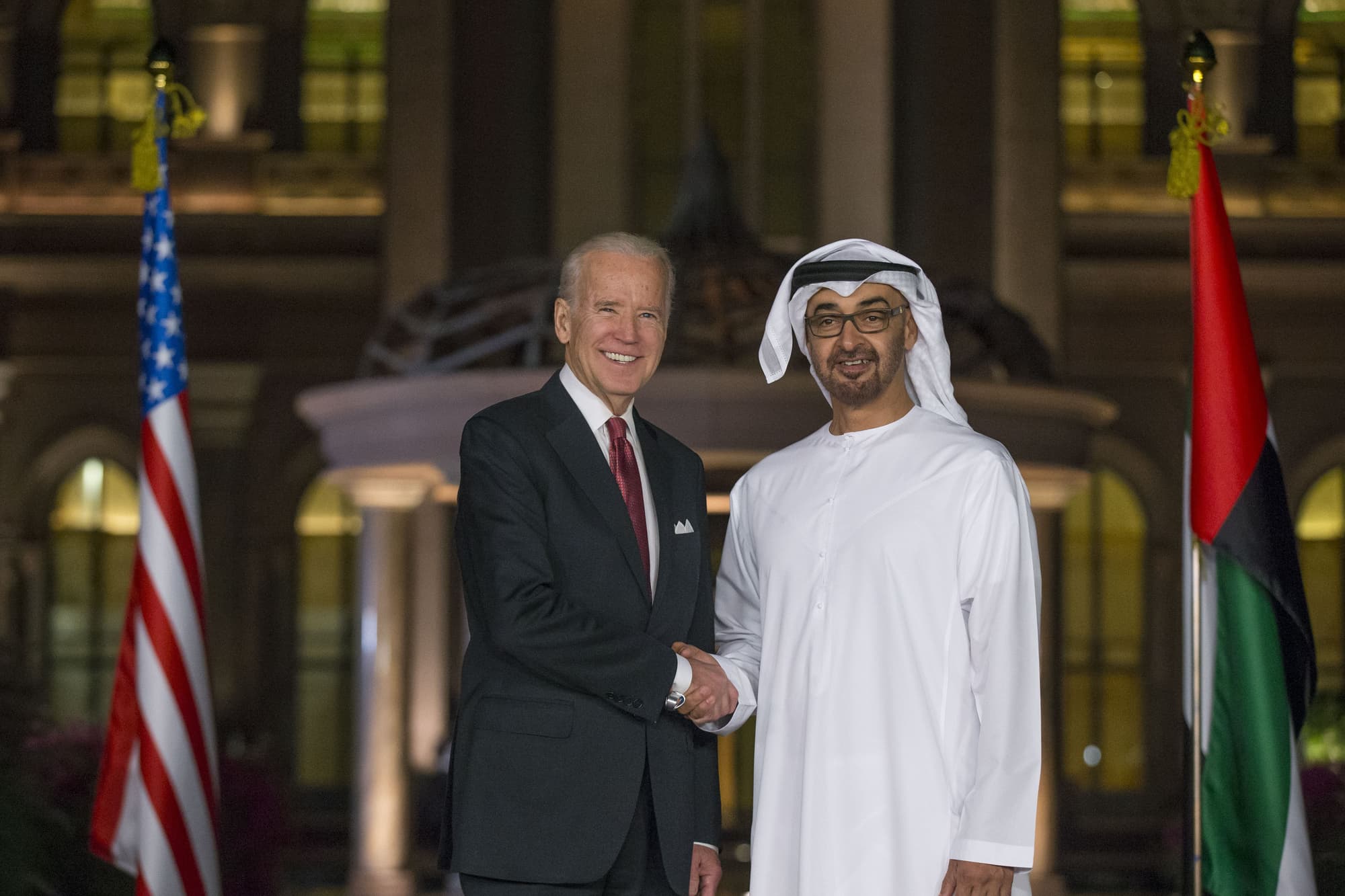
President Joe Biden has officially designated the United Arab Emirates as a major defense partner of the United States, solidifying the nation’s strategic role in the region. This move comes shortly after a similar designation was awarded to India, underscoring Washington’s efforts to build stronger alliances with Gulf and South Asian powers in the face of shifting global security dynamics. The announcement marks a significant step in US-UAE relations, enhancing defense cooperation and reaffirming the UAE’s importance in American military strategy.

The decision highlights the UAE’s evolving role as a critical player in regional security. With this designation, the UAE joins a select group of countries that enjoy preferential treatment when it comes to military cooperation with the United States. The relationship allows for greater access to advanced defense technology, streamlined military sales processes, and deeper intelligence collaboration. These developments come amid ongoing efforts by the US to recalibrate its security commitments in the Middle East, pivoting towards nations capable of contributing more significantly to their own defense.

Biden’s formal recognition of the UAE as a defense partner builds on decades of close military ties between the two nations. The UAE has long been a hub for US military operations in the region, hosting troops and serving as a staging ground for operations in neighboring conflict zones. The move is also seen as part of Washington’s broader strategy to reinforce its influence in the Gulf, where rising geopolitical tensions and the involvement of foreign powers like Russia and China continue to shape the security landscape.

For the UAE, this designation is not merely symbolic. It solidifies the nation’s status as a regional security leader and elevates its position on the global stage. It also provides the UAE with more direct access to sophisticated US defense systems, which will be critical in enhancing its defense capabilities amidst growing concerns over missile threats and other regional challenges. The UAE has long sought to upgrade its military arsenal, focusing on cutting-edge technology such as advanced fighter jets and missile defense systems. This new designation could accelerate these procurements, allowing for a faster, more seamless process.

The US government has been increasingly focused on forging deeper security ties with countries it sees as vital to countering both state and non-state actors. The UAE has been a crucial partner in US-led efforts to combat terrorism and ensure maritime security in the Gulf, particularly through its involvement in anti-piracy and anti-smuggling operations. The nation’s strategic location and military infrastructure have made it an indispensable ally in addressing threats posed by extremist groups and hostile states in the region.

Meanwhile, this development coincides with broader geopolitical shifts, as the US grapples with its role in a multipolar world. The Biden administration’s defense policy has focused on reducing its military footprint in some traditional hotspots while doubling down on partnerships that bolster regional security autonomously. The designation of both the UAE and India as major defense partners reflects a recalibrated approach to ensuring stability through cooperation, rather than direct military involvement.

The strategic importance of the UAE extends beyond the Middle East. Its influence in Africa, Central Asia, and the Indian Ocean region makes it a key player in a wider arc of geopolitical interests. With major global powers vying for influence in the Middle East, Washington’s decision to deepen its defense ties with Abu Dhabi also signals its intention to counter growing Russian and Chinese influence. China’s Belt and Road Initiative and increasing arms sales to Gulf countries, including the UAE, are clear indicators that the region is a key battleground for global influence.

The UAE’s defense relationship with the United States has grown in complexity in recent years. The two nations have regularly conducted joint military exercises, and the UAE has made substantial purchases of US-made defense equipment, including F-16 fighter jets, missile defense systems, and advanced drones. More recently, the UAE has expressed interest in acquiring next-generation US fighter jets, including the F-35, as part of its efforts to enhance its military edge. The partnership also extends to counterterrorism operations, where the two nations collaborate closely in intelligence sharing and tactical support to neutralize extremist threats.

The decision to elevate the UAE’s status comes against the backdrop of broader regional realignments. The Abraham Accords, which normalized diplomatic relations between the UAE and Israel, have reshaped the strategic landscape of the Middle East, offering new opportunities for cooperation between key US allies. This trilateral relationship between the US, UAE, and Israel is likely to deepen in the defense sphere, with potential collaborations in areas like missile defense and cybersecurity.

At the same time, the UAE faces growing security concerns closer to home. The conflict in Yemen, where the UAE has been heavily involved, continues to pose risks to regional stability. Iranian-backed Houthi rebels have launched missile and drone attacks against UAE infrastructure, raising the stakes for Abu Dhabi’s defense posture. The new designation from Washington could pave the way for more robust US support in addressing such threats, with the potential for more advanced defense systems aimed at countering missile and drone attacks.

US defense experts have praised the move, calling it a logical step in strengthening bilateral ties with a trusted partner in the Gulf. They argue that bolstering the UAE’s defense capabilities is not only in the interest of regional stability but also aligns with the US strategy of building self-reliant regional security partners. The UAE’s growing military spending and its focus on modernizing its armed forces further bolster the case for Washington’s decision.


Azerbaijan’s announcement of a new climate fund aimed at addressing global climate challenges has sparked debate among experts and policymakers. While the initiative reflects a growing awareness of the need for urgent action in combating climate change, skepticism remains over whether it will significantly narrow the persistent climate finance gap facing developing nations. As pressure mounts on both industrialized and emerging economies to contribute to global climate […]

M A Hossain The recent explosion of thousands of pagers across Lebanon is an alarming development that bears the hallmarks of Israeli involvement, potentially signaling an imminent military escalation between Israel and Hezbollah. This tension has been mounting since Hezbollah’s recent engagement with Israeli forces, a direct response to Israel’s intensified military actions against Gaza following the deadly October 7 Hamas-led attack. The strategic aim behind targeting […]

Strategic economic discussions are at the forefront of the United Arab Emirates’ diplomatic agenda as officials prepare for President Mohamed bin Zayed Al Nahyan’s upcoming visit to Washington. This visit aims to reinforce economic partnerships and bolster trade relations, reflecting the UAE’s commitment to enhancing its global economic footprint amid shifting geopolitical dynamics.

The discussions are anticipated to focus on a range of issues, including technology investments, renewable energy, and sustainable development initiatives. The UAE has been proactive in positioning itself as a leader in renewable energy, with significant investments in solar and nuclear power projects. The visit comes at a time when the United States is keen on strengthening ties with Middle Eastern allies, especially in the context of energy security and economic stability.

Officials from both countries are expected to engage in talks to expand bilateral trade, which has shown resilience even in challenging global economic conditions. According to the UAE Ministry of Economy, trade between the two nations reached $24 billion in 2022, highlighting the potential for further growth. The discussions will likely include opportunities for U.S. companies to invest in the UAE’s burgeoning sectors, including technology and healthcare.

The UAE’s diversification efforts, particularly through its Vision 2021 and subsequent strategies, underscore its ambition to reduce reliance on oil revenues. With a strong focus on innovation and sustainability, the UAE is attracting foreign direct investment (FDI) and enhancing its reputation as a business hub. The ongoing development of the UAE’s technology landscape, with initiatives like the Dubai Future Foundation and Abu Dhabi’s Tech Investment Fund, positions it as an attractive destination for U.S. investors seeking new opportunities.

Key players from both sides are expected to participate in high-level meetings. Notable figures may include U.S. Secretary of State Antony Blinken and UAE Minister of Foreign Affairs Abdullah bin Zayed Al Nahyan. Their discussions are likely to revolve around fostering cooperation in areas such as cybersecurity, artificial intelligence, and advanced manufacturing. The emphasis on technology reflects the growing recognition of the digital economy’s role in driving future growth.

Moreover, the UAE’s role as a logistics and trade hub for the region presents further opportunities for collaboration. The country’s strategic location, coupled with its advanced infrastructure, makes it an ideal gateway for U.S. companies aiming to access markets in Africa, Asia, and Europe. Enhancing logistics and supply chain efficiency will be a key topic of discussion, particularly in the aftermath of the disruptions caused by the pandemic.

The economic dialogue also aligns with broader geopolitical interests. The UAE’s commitment to stability in the Gulf region is crucial for U.S. interests, particularly in light of ongoing tensions with Iran and other regional challenges. Strengthening economic ties serves to fortify alliances that are vital for regional security and economic resilience.

The upcoming visit also underscores the UAE’s efforts to position itself as a mediator in global conflicts and an advocate for multilateral cooperation. The nation’s diplomatic initiatives in promoting peace and stability in conflict zones such as Yemen and Libya have garnered international attention. This diplomatic approach is expected to be highlighted during the discussions, reinforcing the UAE’s role as a key player in regional and global politics.

Additionally, climate change is likely to be a significant theme during the meetings. The UAE has made notable commitments to sustainability, including hosting the COP28 climate summit in 2023. This platform will allow the UAE to showcase its initiatives in reducing carbon emissions and promoting green technologies. Cooperation with the U.S. on climate action can pave the way for joint ventures in renewable energy projects and innovative environmental solutions.

Furthermore, the visit may address concerns regarding the global supply chain, particularly in light of recent disruptions. Both countries are likely to explore collaborative strategies to enhance resilience in supply chains, focusing on technology-driven solutions to streamline processes and mitigate risks.

VISHNU RAJA
RYO YAMADA
HITORI GOTOH
IKUYO KITA