Just in:
Beyond the exhibition floor: How robots, AI and networks are moving into the real world // Dubai boat show confirms international shipyard line-up for November // Xi Jinping Preparing For A Trilateral Summit With Trump And Putin At APEC Summit On Nov 18-19 // Motorola introduces Signature 27 flagship priced at $1,599 // Technology shares plunge as Nasdaq enters correction // Oil advances towards $100 as tanker attacks persist // UK air traffic outage inflicted £33m financial losses // Ousted top Kochi cop gets IG post // APT29-linked campaign exploits outdated Apple and Android software // Ningbo Consensus on Collaborative Development released at 2026 Global Mayors Dialogue · Ningbo // The “1st Greater Bay Area Health and Longevity Summit & Awards Ceremony” concludes successfully in Macao // e-Crime Bureau Signs Cybersecurity Partnership With Smart Africa, Reinforcing Its Global Expansion // Oil and chip shares retreat after Democratic victories // OpenAI introduces GPT-6 Cyber with restricted security access // Miss Universe Hong Kong Jen Zhou Departs for Puerto Rico to Compete in the 75th Miss Universe World Final // Private varsities bill all set to face the axe // Asia Left Behind: Ten international companies have yet to report delivering on their cage-free egg pledges across the region // Kochi police detain two actors over bid to honey trap doctor // Emaar approves Development buyout ahead of planned delisting // OpenAI abandons secrecy agreements for future data centres //

News related to
Iran

Tel Aviv’s Ben Gurion Airport remains closed with no clear reopening date, while Iran, Iraq and Jordan have shut their airspace and forced rerouting, cancellations and suspensions across the region. Abu Dhabi-based Etihad has cancelled its Tel Aviv flights until 30 June, with several Beirut and Amman services rerouted. Emirates has suspended routes to Tehran, Baghdad and Basra until at least 30 June, and flights to Amman and Beirut through 22 June. Flydubai has halted operations to Iran, Iraq, Israel and Syria until 30 June. Air Arabia and Wizz Air Abu Dhabi have also imposed temporary bans or schedule alterations for various Middle‑East destinations.

A UAE Ministry of Foreign Affairs advisory urges citizens and residents to closely monitor airline updates and remain in touch with Twajudi, the national consular registration system for managing potential evacuations.

Regional airports are adapting under pressure. Dubai, Abu Dhabi and Sharjah have filed emergency plans to minimise disruption, deploying field teams and enhanced passenger support to handle thousands of affected travellers. Europe-bound flights are now navigating narrow air corridors via Turkey and Egypt, adding hours to journey times, increasing fuel consumption and driving up operational costs amid rising Brent crude prices.

Why airspace closures are widening disruption

Closure of airspace over Israel, Iran, Iraq, Jordan and Syria forces airlines to detail-call costly detours. Regional carriers like Emirates, Etihad and flydubai are most affected, but even Western carriers—Lufthansa, Air France-KLM, Ryanair, Wizz Air—have suspended affected routes through summer.

The cascading effect on schedules includes over 1,800 Europe-bound flight disruptions, approximately 650 cancellations, and delays across transatlantic routes. Airlines have expanded rerouting through Central Asia and the Mediterranean — and passengers are incurring higher ticket prices and longer travel times.

Passenger assistance measures

Major UAE carriers are offering rebookings, refunds or credits. Etihad and Emirates are assisting passengers with alternate routing, and flydubai has pledged support for stranded individuals. Wizz Air Abu Dhabi has suspended flights to Tel Aviv through 15 September, offering full refunds or rebooking.

Safety remains top priority amid military skirmishes. EASA flagged high risks over conflict zones following missile exchanges between Israel and Iran, aligning with airspace closures through October in Syria and ongoing risks in Lebanon and Jordan.

Wider implications for aviation and tourism

Analysts warn disruptions may prolong as long-range military assets remain in play—fueling concerns about further airspace restrictions. Already, the Middle-East tourism boom has stalled, with summer travel projections for 2025 downgraded across the UAE, Saudi Arabia and Qatar. Airlines are adjusting summer schedules and revising revenue forecasts amid cascading delays and costlier operations.

Governments and aviation bodies are in emergency sessions. The UAE’s aviation regulator is coordinating with international counterparts, while civil aviation agencies across Europe are recalibrating route permissions and contingency plans—potentially impacting global air connectivity for weeks.

Passengers are urged to monitor developments, confirm flight statuses directly with airlines or travel agents and consider flexible booking options as markets remain volatile.

By Nitya Chakraborty The Israel-Iran war which entered its eighth day on Friday June 20 witnessed some major developments in the last 24 hours frustrating Tel Aviv’s desperate bid to speedily finish off its task of destroying Iran, especially Teheran. Chinese President Xi Jinping talked to Russian President Vladimir Putin late Thursday on the joint […]

Saudi Energy Minister Prince Abdulaziz bin Salman told delegates at the St Petersburg Economic Forum on 19 June that OPEC+ has evolved into a “key guarantor” of global oil prices and market stability. The alliance’s capacity to respond to evolving economic and geopolitical realities distinguishes it as an effective and trustworthy instrument for safeguarding the sector. At the forum, Prince Abdulaziz emphasised that OPEC+ adapts proactively to prevailing […]

Citigroup analysts warn that a shutdown of the Strait of Hormuz could lift Brent crude prices to approximately $90 a barrel, although they expect any halt to shipping to be brief. They cite the strategic importance of the strait—through which nearly 20 million barrels per day flow—suggesting market reaction would be sharp but short-lived as global efforts would swiftly aim to reopen the passage.

Citigroup’s forecast is embedded in a wider reassessment of global oil dynamics amid escalating Middle East tensions, particularly stemming from the Israel‑Iran conflict. With around 3 million barrels per day of output at potential risk and Iran among OPEC’s top producers, disruptions—even temporary—could reverberate across the energy market. Citi’s base-case scenario projects Brent at $75–78 per barrel if approximately 1.1 million barrels daily of Iranian exports are affected.

A total 3 million bpd disruption, sustained over months, could even hit the $90 mark, Citi warns. Still, analysts emphasise that broader supply resilience, including increased output from non‑OPEC producers and reduced demand growth—due in part to slowing Chinese purchases—might temper a sustained rally.

Other leading financial institutions draw a similar line: Goldman Sachs and Barclays point to heightened geopolitical risk premiums, respectively estimating $10 and $15–20 per barrel add-ons if Iran’s exports are severely cut—a situation that could push prices above $100 in extreme scenarios. JPMorgan outlines a worst-case blockade of the Hormuz strait leading to a $120‑130 spike, though such events would likely be fleeting.

Analysts and experts stress that while short-term oil supply disruptions would sharply affect spot prices, structural market factors could offset prolonged volatility. OPEC has spare capacity; U.S. shale output remains nimble; and China has begun trimming its purchases as inventories fill, helping absorb supply shocks.

Geosphere Capital’s Arvind Sanger assesses a 25 percent likelihood of an actual tactical attack on critical infrastructure such as Kharg Island or Hormuz, but holds that there is a 75 percent chance hostilities do not directly impact supply chains. Shipping insurance and risk premiums are rising, though long‑term disruption remains unlikely.

Diplomatic signals, particularly from Washington playing a stabilising role in response to Iranian threats, may also help contain risks. Historical precedent—such as Rapid US naval deployments near the strait in 2008—reinforces the view that any attempt to close Hormuz by Tehran would quickly provoke international counter‑measures.

Market movements reflect this delicate balance. Brent futures recently climbed above $78 before easing to the low‑to mid‑$70s, as traders weighed the potential for escalation against buffer capacity and broader production trends. Estimates from Rystad Energy suggest oil will likely remain capped below $80 unless dramatic escalation occurs—a view echoed by Midland Reporter‑Telegram coverage.

Citi’s note, authored by Anthony Yuen and Eric Lee, highlights that even though Hormuz closure would trigger a pronounced price spike, global strategic response and logistical imperatives would likely curtail its duration. They describe that, in their bullish scenario, “any closure of the Strait could lead to a sharp price spike … but … it should not be a multi‑month closure.”

Investors are advised to monitor diplomatic channels, oil inventories, and production shifts in Saudi Arabia, UAE and the US. While a temporary supply squeeze may lift prices—potentially to the $90 level—structural growth in non‑OPEC output and strategic reserves may prevent a prolonged energy shock.

If the United States launches direct military strikes against Iran, global stock markets will likely react with speed and force—dropping hard before any official policy statements are made or economic forecasts adjusted. This would not be a measured repricing. It would be a sharp reflex from investors who have, until now, largely overlooked the rising threat of a wider regional war in the Middle East. Equities across […]

Hackers claiming affiliation with Predatory Sparrow, possibly linked to Israel, have executed a cyber‑strike against Nobitex, Iran’s leading cryptocurrency exchange, erasing approximately $90 million worth of digital assets. The assault began in the early hours of 18 June 2025, when the group transferred diverse cryptocurrencies—including Bitcoin, Ethereum and Dogecoin—into vanishing crypto‑wallets designed without private keys, effectively “burning” the funds to send a deliberate political message.

Blockchain analytics firms, including Elliptic and TRM Labs, analysed the transactions and found the emptied addresses bore anti‑IRGC messages, confirming the operation was ideologically motivated rather than financially driven. Elliptic noted that the assets were moved into vanity addresses with embedded slogans denouncing the IRGC, and that the group leaking the funds would not retain the keys, ensuring permanent loss.

Noble objective remains politically charged

The group, using its Farsi‑named moniker Gonjeshke Darande—or “Predatory Sparrow”—publicly accused Nobitex of facilitating Iran’s sanctions evasion and funding militant groups, claiming the platform had enabled transactions for IRGC‑linked factions such as Hamas and Yemen’s Houthis. Elliptic has traced past ties between Nobitex and IRGC‑affiliated actors, including sanctioned individuals like Amir Hossein Niakeen Ravari and Ahmad Khatibi Aghada.

The hack comes amid heightened Israel‑Iran tensions. Reports indicate that Predatory Sparrow also targeted Iran’s state‑owned Bank Sepah on 17 June, triggering widespread service disruption, including to ATMs and fuel stations. Analysts interpret these cyber‑operations as extensions of conventional military retaliations between the two nations.

Nobitex disruptions raise alarm

Nobitex admitted to unauthorised access affecting both its app and website, temporarily shutting services while conducting assessments. Public updates from the exchange have been sparse, and customer inquiries have reportedly gone unanswered. Plans to recover or rebuild lost assets remain unclear, raising concerns among its claimed user base of over 7 million.

Despite accusations, Israel has not officially claimed responsibility. Media speculation within the country suggests government backing, but no formal confirmation has been issued. Predatory Sparrow, noted for previous impactful operations—from collapsing gas station networks in 2021 to prompting major fires at a steel mill in 2022—added this attack to its growing list of cyber engagements against Iranian infrastructure.

Impact and implications for crypto ecosystem

Cyber‑security analysts have labelled the hack “particularly significant given the comparatively modest size of Iran’s cryptocurrency market,” with Chainalysis intelligence chief Andrew Fierman underscoring the political overtones. The operation exemplifies how digital currencies and blockchain platforms are becoming tactical assets and vulnerabilities within geopolitical conflicts.

U.S. legislators, including Senators Elizabeth Warren and Angus King, previously raised concerns over Nobitex’s facilitation of sanctions avoidance, highlighting its role in enabling Iran’s IRGC and related proxies to move financial resources. This attack may intensify scrutiny on crypto exchanges suspected of abetting questionable transactions in sanctioned jurisdictions.

Decline of Iran’s crypto defences

Crypto adoption in Iran has long served as a hedge against economic instability, with citizens and state‑linked groups alike using digital currencies to escape inflationary pressures and circumvent banking restrictions. Nobitex, in particular, developed significant traction, drawing millions of users seeking alternative financial tools.

However, analysts warn this sabotage could erode investor trust, disrupt public confidence in digital assets, and invite heightened regulatory oversight. Exchanges in politically sensitive regions may now face new security standards and sanctions compliance demands.

A new frontier in cyber‑warfare

This development underlines a shift where cyber‑warfare transcends state boundaries, now targeting third‑party financial networks with tangible consequences. By obliterating rather than stealing funds, Predatory Sparrow signalled that its operation aimed to disrupt Iran’s crypto‑financing rather than profit from it.

Officials tracking these patterns warn that similar tactics may emerge as cyber‑tools of statecraft evolve, affecting financial systems across volatile regions. Experts suggest exchanges handling high‑risk jurisdictions should shore up defences and improve transparency around asset provenance and network resilience.

As Nobitex works to restore functionality, regulators, crypto stakeholders and intelligence services will closely examine the incident. The breach draws attention to the critical role of exchanges in global geopolitics, raising complex questions about neutrality, compliance and cybersecurity in an increasingly fraught digital economy.

Saudi Arabia’s budget carrier Flynas debuted on the Tadawul at SAR 80, raising SAR 4.1 billion, but shares closed at SAR 77.30—down over 3 %—despite an opening high of SAR 84.10 and a low of SAR 69.90. Investors responded nervously to heightened regional instability following military activity between Iran and Israel. Across Gulf markets, risk aversion sharply impacted airline stocks: Flynas dropped roughly 3.4 % on debut, ACWA Power slipped 3.3 %, and […]

Advertisements

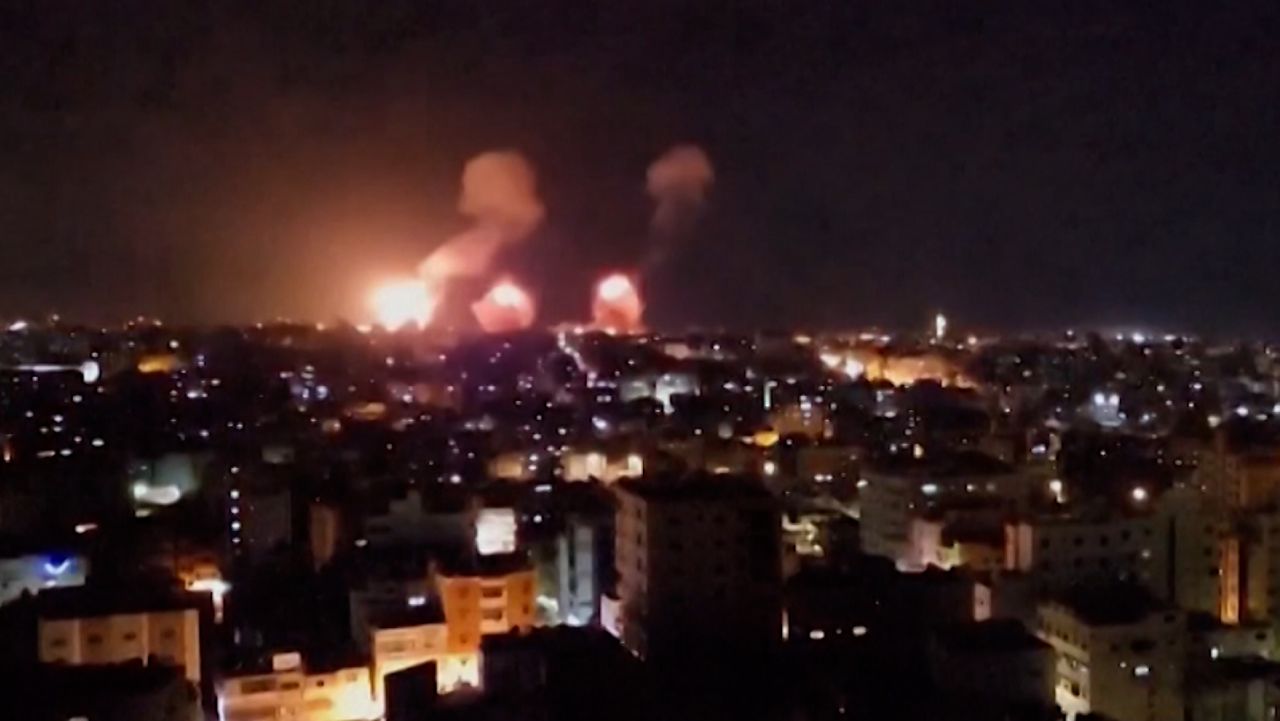
A ballistic missile launched by Iran struck the Tel Aviv Stock Exchange building in Ramat Gan on 19 June 2025, inflicting substantial structural damage in the heart of Israel’s financial district. This incident occurred amid a coordinated barrage that also hit key civilian infrastructure elsewhere, including Soroka Medical Centre in Be’er Sheva, intensifying already volatile regional tensions.

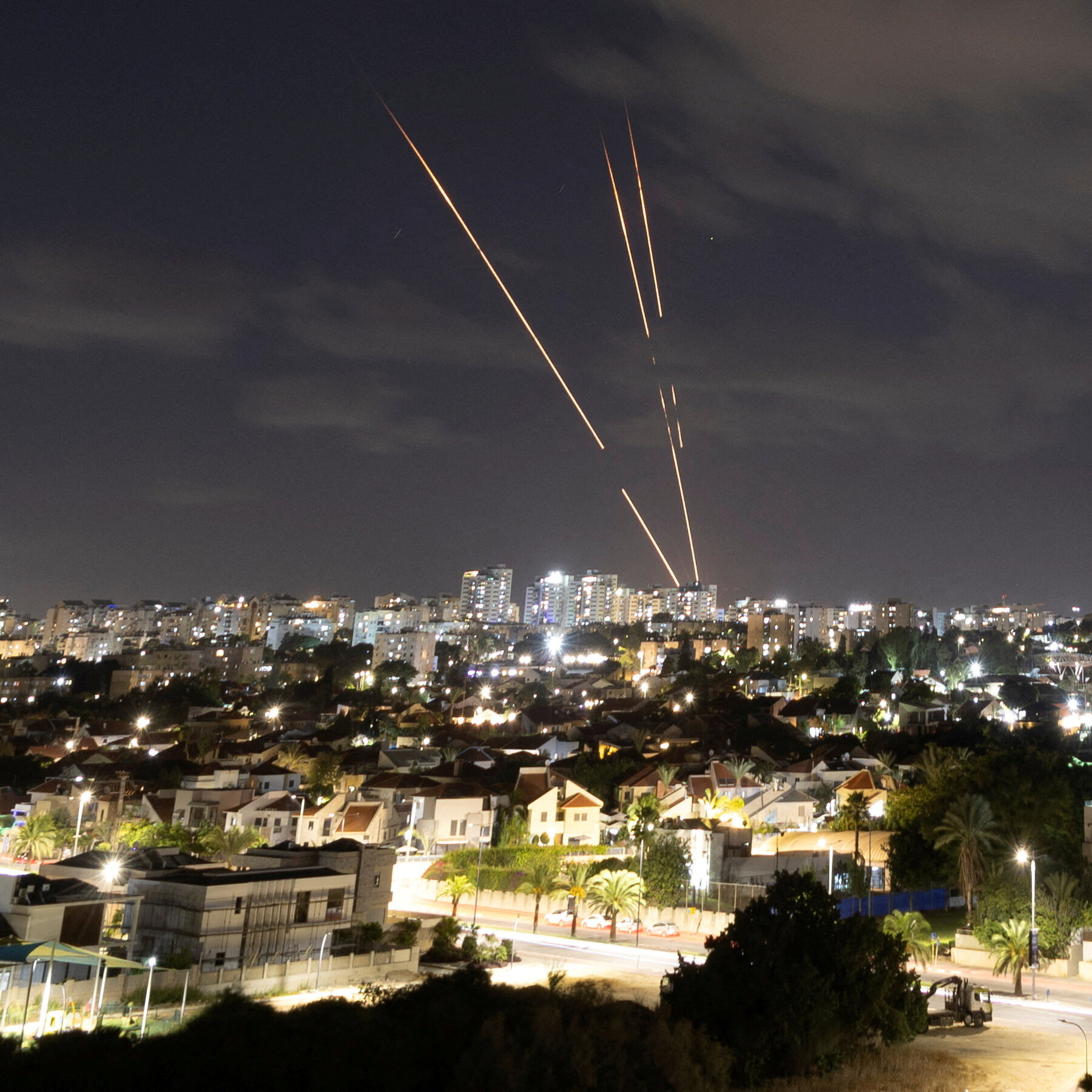
Sirens wailed across central and southern Israel as air defence systems engaged waves of inbound missiles. Between 20 and 30 ballistic projectiles were reported, an escalation surpassing previous exchanges earlier this monthꟷnotably those on 15 and 16 June, which injured dozens and damaged residences in Tel Aviv, Bat Yam and Haifa. This latest salvo targeted multiple urban areas, with at least 32 civilians confirmed wounded by Magen David Adom teams, some in serious condition.

The stock exchange structure, known as Birsa, sustained extensive facade damage and shattered windows, with parts of surrounding offices impacted. Video footage circulated online showing debris falling from upper floors into streets below. Emergency crews were deployed immediately to evacuate employees and assess structural integrity, though no fatalities were reported at the site.

In parallel, Soroka Medical Centre at Be’er Sheva—Israel’s principal hospital serving around one million residents with more than 1,000 beds—was also struck. Footage and eyewitness reports confirmed significant damage: roof collapse in some wards, shattered glass across corridors and injuries among both patients and medical staff. Hospital officials imposed strict access controls, advising the public to avoid the area as emergency protocols were activated.

Israel’s air-defence systems, including Iron Dome and Arrow batteries, intercepted many of the missiles but failed to prevent all impacts. Some missiles penetrated defences and struck densely populated neighbourhoods, damaging residential high-rises and injuring civilians. This pattern marks a troubling shift. Previous intercepts had been more successful, but the latest strikes have underscored vulnerabilities in urban protection.

The missile offensive came as retaliation for Israel’s strikes on Iranian nuclear facilities. Earlier on 19 June, Israeli aircraft reportedly struck the heavy-water reactor at Arak and a related plutonium-production component, in what the Israeli government called efforts to disrupt Tehran’s nuclear capabilities. Iran’s state media countered that the reactor had been evacuated in advance and there was no radiation leak.

Prime Minister Benjamin Netanyahu publicly condemned the missile strikes on Israel’s financial hub and its hospital network, accusing Iran’s leadership of targeting civilians and vowing that Tehran “will pay the full price”. Defence officials say that Iran deployed over 25 missiles targeting Israeli urban centres during this wave.

Humanitarian services are stretched thin. Magen David Adom paramedics reported at least 32 people with injuries ranging from shock and minor shrapnel wounds to serious trauma in Be’er Sheva and Tel Aviv. Hospitals near strike zones have diverted critically ill patients and limited admissions to emergencies, raising concerns over the continuity of essential health services.

Economically, the assault on the stock exchange reverberated across markets. While share trading has continued, operational disruptions occurred as staff evacuated and investigations into building safety commenced. Analysts note that the financial centre embodies Israel’s economic resilience, but warn that repeated infrastructure targeting injects uncertainty into investor sentiment.

As missiles fly in both directions, global powers are watching warily. US President Donald Trump indicated possible military support for Israel pending internal approval, while European leaders called for restraint and emphasised the potential for diplomatic channels. The International Atomic Energy Agency has voiced alarm over Iran’s uranium enrichment practices, now exacerbated by military confrontations sparked by retaliatory airstrikes.

Israeli authorities warn that this may be Iran’s most sustained attack yet, burning through long-range arsenal previously reserved for strategic military targets. Intelligence assessments suggest Iran is deploying missiles intensively—over 400 since the conflict’s escalation—though only a fraction have struck urban centres.

With civilian infrastructure clearly in the crosshairs, the stakes are escalating dangerously. Analysts warn that further strikes on hospitals, markets or cultural institutions may invite stronger Israeli countermeasures, potentially widening the conflict. For now, cities remain on high alert as missiles continue to disrupt daily life and rattle the foundations of an already tense Middle East.

Oil markets surged on Tuesday and Wednesday as escalating military exchanges between Iran and Israel sparked investor anxiety. Brent crude futures climbed approximately 2.1 per cent to $74.79 a barrel by 12:02 GMT, while US West Texas Intermediate settled near $73.19—following intraday swings exceeding 2 per cent gains and drops. The gains were driven by soaring geopolitical concerns after Israel bombed Iran’s South Pars gas field—shared with Qatar—igniting a fire that prompted Iran […]

Senior officials in Washington have quietly activated contingency plans for military strikes against Iranian nuclear facilities, marking a dramatic shift in US posture amid escalating Israeli–Iranian hostilities. According to multiple reports, including Bloomberg and Reuters, the White House and Defence Department are preparing the operational infrastructure needed to engage Tehran directly.

President Donald Trump, speaking on 18 June outside the White House, offered only ambiguity: “I may do it. I may not do it… nobody knows what I’m going to do.” Meanwhile, senior US generals, defence secretaries and intelligence chiefs are said to be readying federal agencies for a possible weekend strike. Forces in the Middle East have been repositioned; aircraft and ships have been moved from bases such as Al‑Udeid in Qatar and Bahrain’s Fifth Fleet port to reduce vulnerabilities.

Sources indicate that the primary target could be Iran’s underground Fordow uranium enrichment plant — a hardened bunker facility situated within a mountain and long deemed beyond Israel’s military reach without US bunker‑busting capacity. With Israel continuing airstrikes on Iran as part of ‘Operation Rising Lion’, analysts assess that a US strike would dramatically escalate the conflict.

Within the White House, debate is intensifying. The New York Times and Washington Post report that Trump, influenced by hawkish advisors such as Senator Lindsey Graham and defence chiefs, has signed off on strike plans but is awaiting final approval. His delay aims to allow Iran a final diplomatic window — offering a chance to curb uranium enrichment before force is used.

Opposition persists even within Trump’s own camp. A divide between hawks, advocating for decisive action, and MAGA-aligned isolationists, including Vice President Vance and media figure Tucker Carlson, highlights the internal tug-of-war shaping presidential decision‑making. Trump has underscored this dynamic: advisors like Gen. Dan Caine and CIA Director John Ratcliffe have pressed for a more aggressive stance, while isolationists urge restraint.

Politically, the administration faces calls for a formal congressional mandate. Critics argue the Constitution requires authorisation for military action beyond self‑defence; proponents counter the urgency of neutralising Iran’s perceived nuclear threat demands swift action.

Diplomacy continues in parallel. The UK, France and Germany are convening in Geneva to press Iran on de-escalation — a track the US has distanced itself from. Tehran has responded with warnings to Washington, promising strong retaliation if US forces become involved.

Markets have reacted with caution. Observers note fears of a broader Middle East conflict, amplified oil price volatility, and rising inflationary risks tied to increased military spending. Central banks, notably the Federal Reserve and Bank of England, must weigh geopolitical shocks alongside inflation outlooks.

On the ground, Israeli airstrikes have continued across Iran, targeting nuclear infrastructure including Arak and Natanz, with over 1,100 sites reportedly struck since mid‑June. Iran has launched multiple missile barrages at Israeli territory; civilian casualties are said to be in the hundreds on both sides.

The timing of any US strike remains uncertain. Sources cite a possible weekend window, with final orders likely to be issued at the last moment. Pentagon leadership, including SecDef Hegseth and Gen. Caine, are expected to have operational control, while the president retains final authority.

As conflicting pressures swirl — military readiness, strategic diplomacy, domestic political debates — all eyes are on whether President Trump will strike at Iran’s underground sites or continue hedging amid rising global risk.

KUALA LUMPUR, MALAYSIA – Media OutReach Newswire – 16 June 2025 – This week is set to be a pivotal one for financial markets in general and Forex market in particular as four major central banks—the Bank of Japan (BoJ), the U.S. Federal Reserve (Fed), the Swiss National Bank (SNB), and the Bank of England (BoE)—are scheduled to announce their latest decisions on interest rates. Their policy […]

Matein Khalid The deployment of 30 US air-fueling tankers to the Middle East strongly suggests that Trump has decided to escalate the war with Iran with an American led strike on the underground nuclear site at Fordo. Since the B-2 Spirit super bombers would need tankers to refuel their fighter escort. Ali Khamenei’s tweet threatening America was precisely the wrong message to send to Trump at a […]

By K Raveendran With the likelihood of a diplomatic solution appearing increasingly distant, West Asia is now clearly veering toward a longer and more intense confrontation, one that may significantly reshape economic, geopolitical, and energy dynamics not only in the Middle East but globally. What was initially perceived as a retaliatory exchange following months of […]

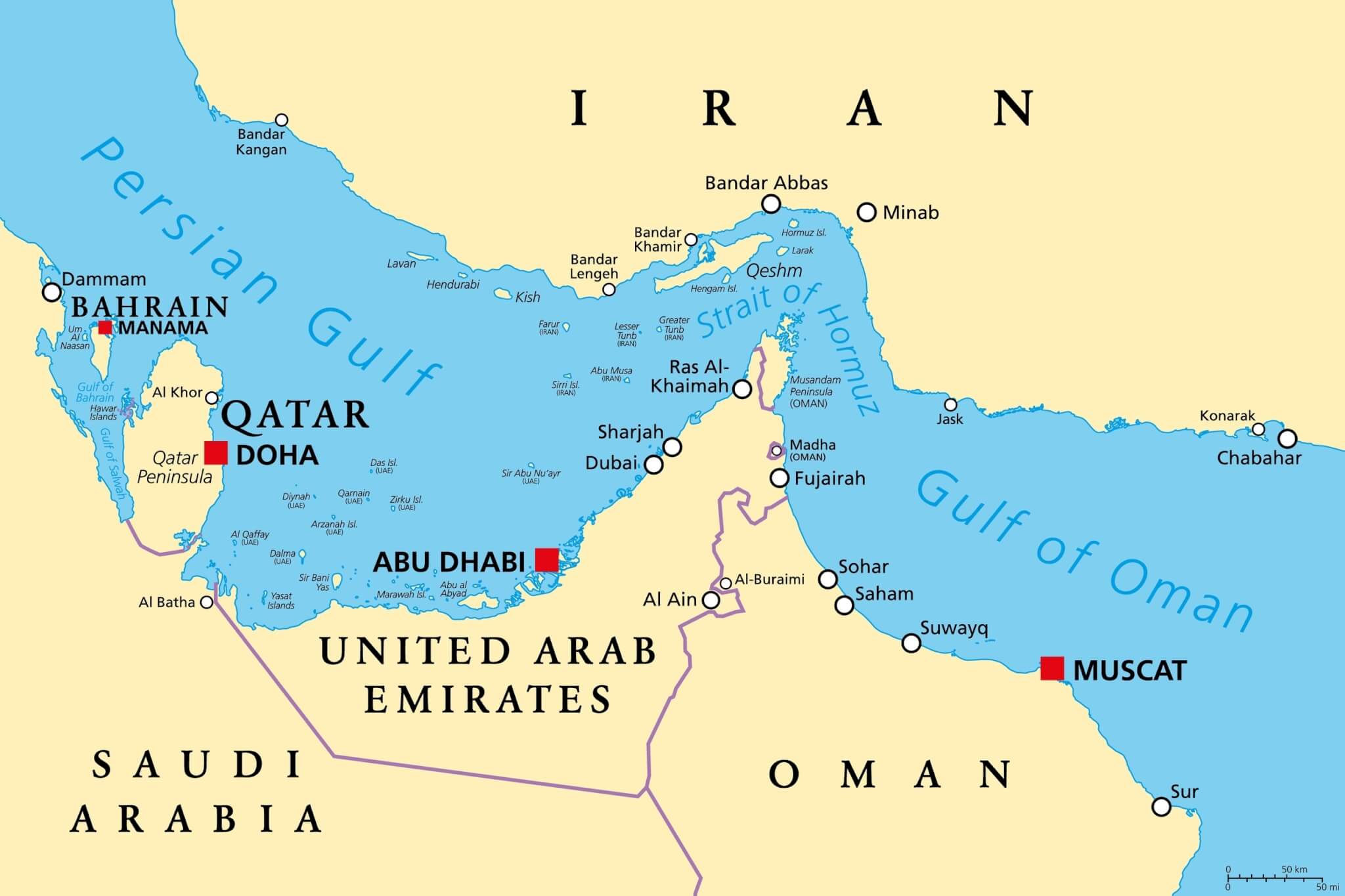
UAE authorities have deployed emergency measures across major airports to manage widespread disruptions after several Middle Eastern nations, including Iran, Iraq, Jordan, Syria and Israel, shut their airspace due to escalating geopolitical tensions. The Federal Authority for Identity, Citizenship, Customs and Ports Security activated its emergency business‑continuity protocol to maintain essential operations with minimal interruption.

Field teams operating round‑the‑clock at Dubai International, Dubai World Central, Abu Dhabi’s Zayed International and Sharjah International airports have been reinforcing frontline support, immigration coordination and airline rescheduling. Real‑time information desks, logistical assistance and temporary accommodation arrangements have been offered to travellers affected by cancellations or delayed connections.

ICP emphasises its swift response was made necessary by the abrupt airspace closures prompted by the intensifying Iran–Israel conflict. Comprehensive coordination among operational stakeholders and deployment of advanced technologies aim to secure passenger safety, uphold service quality and maintain passenger flow amidst turbulent circumstances.

International carriers—including Emirates, Etihad, Qatar Airways, British Airways, Lufthansa and Air India—have been rerouting flights via Central Asia and the Mediterranean to avoid restricted zones. Estimated additional travel durations and increased fuel requirements are among the logistical adjustments implemented by airlines. Eurocontrol reports that roughly 1,400 daily flights across Europe–Asia–Gulf corridors were affected, spotlighting the magnitude of the disruption.

UAE’s aviation stakeholders have issued traveller advisories urging early check‑in, constant monitoring of flight status updates and openness to alternate routing. Visa‑holding visitors are also being advised to renew stay permits promptly to avoid fines due to unexpected delays in departure schedules.

Analysts warn that ongoing geopolitical volatility may prolong airspace closures, potentially escalating operational costs for airlines and straining global travel chains. The UAE’s crisis‑management protocol is being watched closely by global aviation regulators as a case study in maintaining continuity under pressure.

Passengers at UAE airports have, according to the ICP, cooperated with staff amidst what they describe as “exceptional regional circumstances.” This collaboration has been cited as instrumental in allowing swift rescheduling and maintaining operational flow. ICP reiterates its commitment to ensuring passenger security without compromising service standards.

The United Arab Emirates has cautioned against a dangerous spiral between Israel and Iran, as its foreign minister strongly warned that “uncalculated and reckless steps” might spread beyond the conflict zones. Sheikh Abdullah bin Zayed Al Nahyan expressed deep concern over escalating military actions that risk drawing in neighbouring states and aggravating regional instability, the UAE Foreign Ministry said on Tuesday. Abu Dhabi’s heightened alarm follows a sharp intensification of hostilities. […]

Oil surged on Wednesday amid escalating friction between Iran and Israel, with Brent crude topping $76.60 and West Texas Intermediate reaching roughly $75.10 a barrel. Market momentum was powered by rising fears over supply chain vulnerabilities in the Middle East, even though core oil infrastructure remains largely intact and operational. The escalation entered its sixth day as both nations exchanged strikes. President Trump has intensified U.S. military […]

Matein Khalid There is precious little good news to emerge from the Middle East since the IDF launched its spectacular blitzkrieg and leadership decapitation strike against Iran’s nuclear asset and military/intelligence elite last Friday. This weekend was grim with Iran’s ballistic missile strike on Haifa and Tel Aviv with even a real miss on the IDF command and control complex in Kirya. Netanyahu’s boast that he would […]

Qatar has instructed LNG carriers to remain outside the Strait of Hormuz until one day prior to loading operations as regional security risks heighten, with officials emphasising that this measure is precautionary and unlikely to disrupt overall supply volumes.

The directive from QatarEnergy affects vessels bound for the Ras Laffan terminal, one of the world’s largest liquefied natural gas export facilities. Around a dozen carriers are idling in ballast outside the terminal, awaiting final instructions before undertaking brief, tightly scheduled transits through the strait.

Market indicators reacted swiftly: European gas prices surged as much as 4.8%, while Asian benchmarks inched upward amid growing concern over potential delivery delays. Despite this, analysts and industry insiders maintain that the streamlined entry process—coupled with Qatar’s steady production—should keep cargo volumes within normal parameters.

This move aligns with contingency efforts by the world’s third-largest LNG exporter. Industry sources confirm that the carriers will execute “quick entry and speedy exits” across the Hormuz passage, necessitating precise scheduling and coordination with maritime authorities.

Analysts acknowledge that about 20–25% of global LNG traffic transits the Strait, underscoring its significance as a logistical chokepoint. Instructing vessels to loiter offshore aims to reduce their vulnerable exposure time in the strait.

Strategic analysts warn that escalating tensions—particularly after recent military exchanges involving Israel and Iran—increase risks for all Gulf shipping. Tehran has threatened to seal off the strait, which could strain Qatar’s export pipelines and ripple through global energy markets.

Despite geopolitical headwinds, Qatar’s production at the South Pars/North Field complex remains steady. The foreign ministry emphasised that LNG output and shipments continue to follow their usual course, even as the country takes enhanced security measures.

Operational insights from shipping analysts describe a familiar summer idling pattern, but note slight increases in loitering time and cautious routing. Vessels such as the tanker HLAITAN are reportedly waiting outside the strait in anticipation of load orders.

Market response has been modest. European gas hubs such as TTF recorded price rises of around 4–5%, while the Asia‑Pacific’s JKM benchmark reached nearly $14 per mmBtu, marking a $1.20 uptick since mid‑June. CNBC‑style commentary points out that the precautionary shift is “unlikely to cause major disruption,” although insurers are adjusting premiums to reflect the heightened transit risks.

For global exporters and importers, Qatar’s stance underscores a renewed emphasis on maritime risk management. Shipping firms are increasingly factoring geopolitical volatility into their routing and scheduling protocols. International insurers have begun revising coverage for LNG carriers traversing the Gulf, citing increased premiums tied to potential missile or drone threats in the region.

Qatar’s approach enables more controlled maritime planning: by delaying vessel entry until close to the loading window, the country limits their exposure to strategic bottlenecks and regional flare‑ups. This calculated move underscores Doha’s dual priorities of maintaining export reliability and protecting vital shipping assets.

Asian Cricket Council officials are accelerating preparations to shift the 2025 Asia Cup to the United Arab Emirates, prompted by escalating diplomatic tensions and logistical barriers between India and Pakistan. Originally awarded to India, the tournament, scheduled for September, will adopt a neutral venue in a bid to preserve participation from all eight qualifying teams. Sources within ACC and Pakistan Cricket Board suggest that holding the entire tournament in UAE offers the only viable path forward, ensuring both cricketing integrity and commercial viability.

Accruing nearly US$170 million in media rights, the Asia Cup commands considerable financial stakes. With India and Pakistan at the centre of its appeal, organisers are unwilling to jeopardise the competition. Forbes reports confirm that ACC officials have concluded that relocating the tournament is more feasible than attempting a hybrid model involving split venues. The UAE becomes the default choice, replicating approaches from previous tournaments when political dynamics between South Asian nations hindered full-fledged hosting arrangements.

PCB figures confirm that Pakistan will participate in the UAE-hosted event, despite its reluctance to travel to India. Pakistan also plans a preparatory tri-series in August in Dubai involving Afghanistan and the UAE team—effectively replacing previously scheduled fixtures and maintaining match readiness should the Asia Cup shift occur. With the PCB’s Mohsin Naqvi doubling as ACC president, such parallel initiatives underscore Pakistan’s active role in preserving the tournament’s continuity.

Yet India has maintained a discreet stance. The Board of Control for Cricket in India has neither confirmed nor denied its capacity to host or participate, with internal caution dominating its external posture. BCCI secretary Devajit Saikia recently refuted reports that India would withdraw from all ACC events. Still, precedent indicates India’s avoidance of Pakistan-hosted events: The team did not travel to Pakistan for the Champions Trophy in February–March, instead participating in Dubai under a hybrid format.

Recalling historical context affirms the ACC’s decision. In 2018, the tournament was relocated from India to UAE amid similar political friction. Such precedent sets a framework for crisis management within the sport, suggesting that regional hostilities do not necessarily derail cricketing schedules. Observers also note that India has consistently leveraged a hybrid model since 2022, notably playing Asia Cup matches in UAE and Sri Lanka rather than Pakistan.

Operationally, staging the Asia Cup in UAE will require careful planning, balancing weather conditions in September, broadcast scheduling for global audiences, and coordination with the tri-series. The PCB’s tri-series proposal is advancing, reflecting a proactive stance. Meanwhile, ACC is likely to convene soon, under Naqvi’s leadership, to finalise the tournament’s relocation, format adjustments, and confirmation of venues in Dubai and Abu Dhabi. No official announcement has yet been made, but reports from hindustantimes.com, ET and ProPakistani align in describing the move as imminent.

Stakeholders are weighing broader implications. Indian broadcasters and advertisers depend heavily on premium fixtures, particularly India–Pakistan matches that attract unparalleled viewership. A full UAE tournament may retain this commercial allure while circumventing diplomatic entanglements. For smaller teams such as Hong Kong, Oman and UAE—each having qualified through ACC’s Premier Cup—the neutral format ensures on-field exposure without political fallout.

However, dissenting voices warn against complacency. Some Pakistani conspirators question whether a UAE relocation diminishes Pakistan’s role as host, contrary to its status as 2025 Champions Trophy host and an ACC full member. Conversely, BCCI’s insistence on a hybrid model has previously delayed Pakistan-based hosting, but this time the initial hosting rights belong to India. Any pivot could attract scrutiny over ACC governance and fairness, adding dimension to an already complex political backdrop.

Supporters of the hybrid model note that India’s hybrid strategy for the Champions Trophy earlier this year preserved integrity but exposed limitations. Attendance at Dubai was lukewarm; Australia–India clashes lacked the vibrancy typical of full-capacity Pakistan venues. UAE’s smaller suburban stadiums and shorter pitches may limit spectator buzz, but logistical expediency and political neutrality weigh heavily.

Athletes themselves face uncertainty. India and Pakistan players have not toured regularly since 2008 in bilateral series, and momentum often arises through ICC events. The Asia Cup in UAE represents another opportunity for competitive engagement before the T20 World Cup in 2026. With eight teams and nineteen matches planned, this Asia Cup holds relevance for Qatar 2026 preparations. Still, fragmented venues and political overtones could overshadow performance, causing players and fans to question cricket’s autonomy from geopolitics.

As the ACC readies its final call, timing remains critical. A decision made before July is necessary to confirm bilateral arrangements, tickets, broadcasting contracts, and tri-series scheduling. ACC’s resolution will reverberate across regional cricket administration, testing confidence in neutral venues as a template for coping with diplomatic disruptions.

By Nitya Chakraborty Israeli missile strikes against Teheran and Iran’s counter offensive entered its fifth day on June 17 Tuesday with U.S. President Donald Trump dramatically cutting short his stay in Canada for G-7 meeting for Washington indicating that he would be busy in peace moves in the next few hours for organizing a ceasefire […]

Markets across the Middle East are bracing for heightened turbulence as Israel and Iran exchange strikes, triggering volatility in equity capital markets and clouding the outlook for initial public offerings this year. Global equities have undergone vacillations following the escalation. Oil prices spiked more than 10% at one stage, driven by fears of supply disruptions through the Strait of Hormuz, before retreating as hopes of de‑escalation emerged. Despite […]

President Donald Trump has called for the immediate evacuation of Tehran, warning that Iran “cannot have a nuclear weapon” after a series of escalating military exchanges with Israel. He issued the statement via Truth Social while attending the G7 summit in Canada, then departed early to convene his national security team. The growing hostilities, now entering a fifth day, have provoked market turbulence, prompted military deployments, and […]

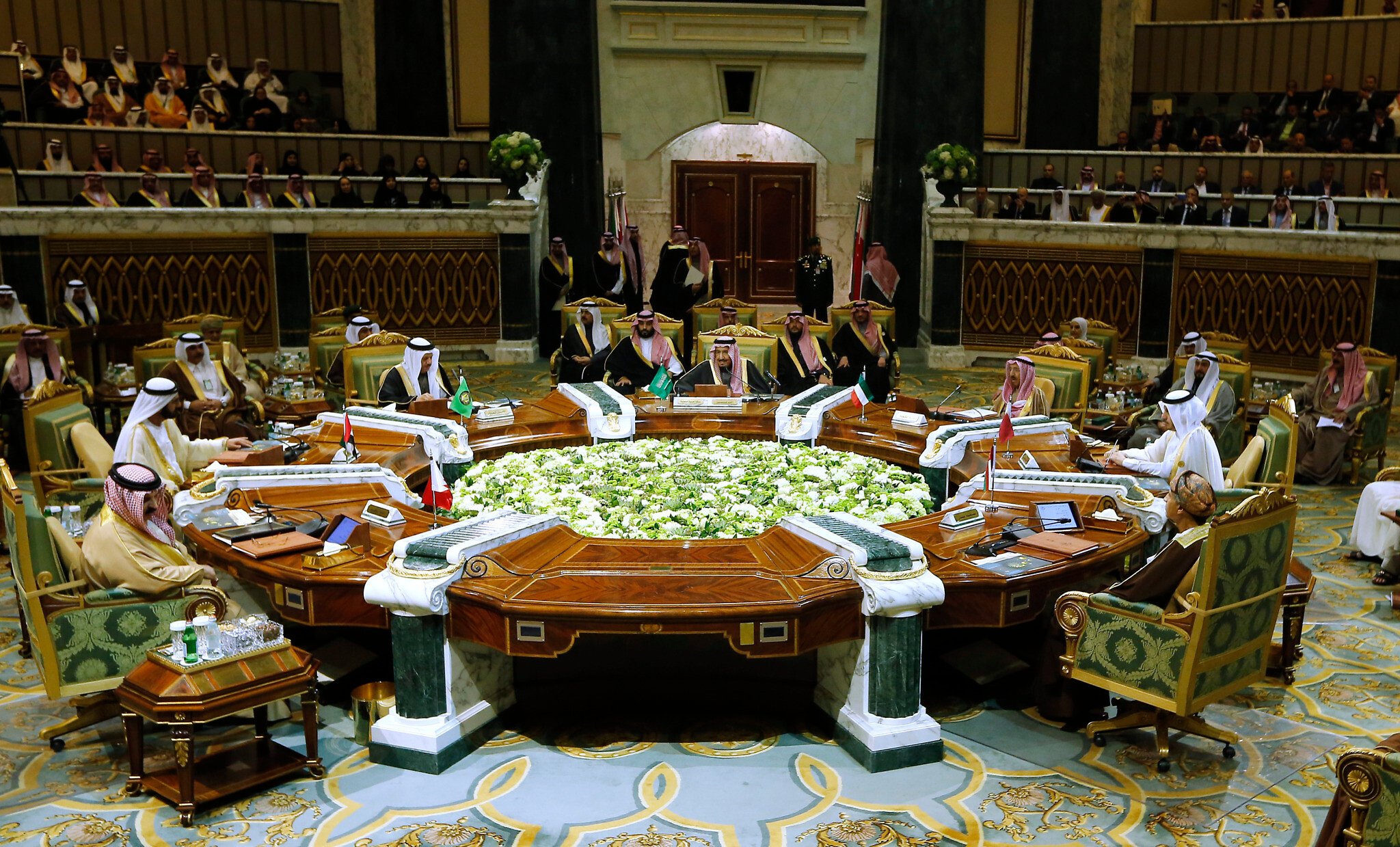
Gulf states have entered a heightened state of alert amid intensifying hostilities between Israel and Iran, as regional leaders warn the confrontation risks dragging the Gulf into a wider, destabilising war.

Leaders of the Gulf Cooperation Council convened an emergency ministers’ meeting chaired by Kuwaiti Foreign Minister Abdullah Al‑Yahya, with Secretary‑General Jassim Al‑Budaiwi declaring the situation had deteriorated into “extremely dangerous and unprecedented escalation,” and entering “full alert” mode to monitor environmental and radiological conditions across member states. He emphasised that continued military strikes, particularly near nuclear sites, would threaten regional infrastructure, health and economies.

Gulf diplomats have condemned the Israeli bombardment of Iranian territory and called on all parties to halt operations and return to dialogue. The council’s Emergency Management Centre is implementing precautionary measures across environmental and radiological sectors, reflecting concern over inbound radiological fallout.

Analysts from the Gulf warn that the strategic vulnerability of Gulf waterways such as the Strait of Hormuz and Bab al‑Mandab makes the region highly exposed to spill‑over from the Iran‑Israel clash. S&P Global Ratings has revised its assessment of regional sovereign risk higher, citing threats to oil exports, transport routes, tourism, capital flows and banking sector resilience in Gulf countries.

Commentators such as Abdulaziz Sager of the Gulf Research Center caution Gulf states are risking sovereignty, infrastructure and public trust unless the conflict is diplomatically defused. He urged activation of regional mediation channels to prevent Gulf countries from being drawn into military exchanges.

Gulf economists emphasise the economic ramifications: disruptions to global supply chains, escalated insurance costs, rising oil prices and capital flight could erode financial stability. While banks have adequate buffers, prolonged conflict could dent business confidence and growth across Gulf economies.

Diplomatic efforts are also underway within the Gulf. Oman and Qatar are spearheading ceasefire talks between Tehran and Washington as a pathway to stabilisation, with Iran open to rejoining nuclear discussions should Israeli strikes cease. Gulf leaders are leveraging their neutrality and communication channels with both Israel and Iran to broker a pause in hostilities.

Within Gulf societies, governments are working to reassure citizens. Public communications in Qatar confirm that radiation levels remain within safe thresholds, while Kuwait’s military affirms that missile trajectories affecting Iran and Israel pose no risk to its airspace.

The reaction within Iran’s sphere of influence appears measured. Unlike prior incidents, allied non‑state actors such as Hezbollah and Yemen’s Houthis have yet to launch retaliatory strikes, suggesting Iran is tempering its response amid Gulf diplomatic pressure.

US diplomacy remains a complex factor. Washington has escalated military readiness by dispatching aerial refuelling assets and an aircraft carrier strike group to the region, yet has stopped short of intervening directly. President Trump has verbalised support for diplomatic channels and warned against Iran acquiring nuclear arms, while signalling that Iran had expressed willingness to end hostilities.

Gulf monarchies are striving to balance neutrality and economic stability. They maintain diplomatic ties with both Iran and Israel while amplifying calls for restraint. Experts caution that escalatory miscalculations could shatter this delicate equilibrium, potentially sparking wider engagement and drawing Gulf states into direct confrontation.

Tehran has entered a state of widespread panic as thousands of residents flee the capital following the latest wave of Israeli airstrikes targeting military, nuclear, energy, and regime-linked sites.

Cities in northern provinces such as Mazandaran, Gilan and Alborz have reported being inundated with evacuees, many travelling along the Tehran–North and Tehran–Qom highways, with gridlock stretching for miles. Fuel stations in Tehran and Karaj are overwhelmed, and shoppers report shortages of essentials amid surge demand. The Iranian capital’s internet has been intermittently throttled amid efforts to suppress distress and control the narrative.

The operation, identified by Israeli leaders as “Operation Rising Lion,” commenced on 13 June when hundreds of precision strikes struck facilities tied to Iran’s nuclear aspirations, ballistic missile production, IRGC leadership and critical infrastructure in and around Tehran. High-value targets were obliterated, including the South Pars gas field, military command centres, and the Defence Ministry, underlining Israel’s expanded scope beyond nuclear installations.

Toll estimates vary: Iranian sources cite more than 224 civilian deaths, including over a dozen IRGC commanders and key nuclear scientists, with more than 900 injured. Israeli authorities report 10 to 14 fatalities in Israel from Iranian missile counterattacks. Silence from Tehran’s official channels contrasts with visible damage and civilian trauma—homes laid waste, shattered windows, and heavy reliance on basements, subway stations and schools repurposed as makeshift shelters.

Despite a state warning against mass exodus, authorities suggested citizens near refineries evacuate and advised use of metro systems for shelter. But many view this response as inadequate; Tehran lacks a network of formal bomb shelters, and a culture that venerates martyrdom over civilian safety has limited protective infrastructure.

Residents describe scenes of desperation: families abandoning homes, children crying, and queues forming at petrol stations and ATMs amid collapsing communications. One finance analyst shared that “windows began to shake” and smoke seeped into her home during a Sunday strike, prompting her to leave the city with neighbours. Another Tehran student spoke of long petrol lines at stations and panicking crowds hunting for food.

Domestic anxiety is compounded by structural vulnerabilities. The Iranian economy, enduring its deepest crisis in decades, faces inflation rates above 40%, mass unemployment and widespread food insecurity. This backdrop of poverty and instability was outlined by Iranian government statistics and global economic monitoring groups. The middle class, already suffering from double-digit inflation and unemployment, is struggling to cope with this surge in insecurity.

In this context, analysts caution that the airstrikes may fit a wider strategy. With senior members of the IRGC and nuclear scientists killed, Israeli officials are believed to be signalling a shift towards undermining regime stability and infrastructure to accelerate political change. Prime Minister Netanyahu has urged Iranians to rise against the clerical leadership, though experts warn that such encouragement could backfire, consolidating hardliner control and prompting Tehran to accelerate its nuclear timeline.

International observers are also raising alarms about spill‑on effects. Crude oil prices have jumped over 10%, a sign of global markets jittering at the potential for further escalation. Meanwhile, the World Bank warns that heightened war intensity may undermine adjacent states involved in sensitive hydrocarbon trade and production.

Within Iran, elites are now confronting increasingly vocal criticism. Social media posts mocking authorities for failing to build basic shelters are circulating despite internet restrictions. While some citizens express threats of retaliation, others develop resignation: “You worry what’s going to come next,” one resident remarked, reflecting the capital’s unease.

Interviews with experts indicate a nation on the cusp of transformation. Iran’s leadership, confronted by a collapsing economy, degrading military deterrent, and a civilian population on the move, faces growing internal rupture. However, dissent remains fragmented and tightly controlled by the IRGC and security services.

VISHNU RAJA
RYO YAMADA
HITORI GOTOH
IKUYO KITA
Just in:
Meraas showcases five residential zones at Dubai Design Week // e-Crime Bureau Signs Cybersecurity Partnership With Smart Africa, Reinforcing Its Global Expansion // OpenAI introduces GPT-6 Cyber with restricted security access // Millions Of Indians May Soon Be Deprived Of Government Assistance // Oil advances towards $100 as tanker attacks persist // CR Longdation Aethereal Cybersecurity × Global Cybersecurity Alliance (GCSA) Join Hands to Establish the “AI and Cybersecurity Research Centre” // Dubai details five-year visa benefits for returning visitors // Emirates Group records AED 4.1 billion half-year profit // Geely’s i-HEV Intelligent Hybrid Technology Offers a New Direction for Gasoline-Powered Vehicles // Hong Kong mandates crypto transaction disclosures to tax authorities // Ningbo Consensus on Collaborative Development released at 2026 Global Mayors Dialogue · Ningbo // Private varsities bill all set to face the axe // TVM –Mangaluru Vande Bharat claims top spot // Dubai boat show confirms international shipyard line-up for November // The “1st Greater Bay Area Health and Longevity Summit & Awards Ceremony” concludes successfully in Macao // Emaar approves Development buyout ahead of planned delisting // Technology shares plunge as Nasdaq enters correction // Trump’s Iran War Has A Share Of Contribution To His Midterm Debacle // Beyond the exhibition floor: How robots, AI and networks are moving into the real world // UK air traffic outage inflicted £33m financial losses //