News related to
Researchers

The pace at which glaciers are retreating across the globe has quickened, according to a new study that underscores the alarming consequences of climate change. The research, conducted by a group of international scientists, reveals a significant uptick in the speed of ice melt, pointing to a future that could see critical shifts in global sea levels and ecosystems. Glaciers, which have long acted as natural water […]

Researchers at MIT’s Computer Science and Artificial Intelligence Laboratory (CSAIL) have unveiled a novel wearable robotic technology leveraging soft actuators with integrated sensing capabilities. These devices, designed for potential applications in rehabilitation and assistive technologies, feature a unique aesthetic and functional resemblance to banana-shaped appendages.

The development, achieved through an innovative system termed “PneuAct,” combines machine knitting techniques with pneumatic actuation. This process enables rapid, scalable production of soft robotic components, integrating conductive yarn for tactile feedback. These actuators, capable of perceiving pressure and touch, aim to enhance the responsiveness and versatility of wearable devices. The design method requires minimal manual intervention, as patterns and movements are pre-programmed and fabricated autonomously using a specialized knitting machine.

With their inherent flexibility and compliance, the actuators have been integrated into gloves and other wearable systems. These could significantly improve mobility for individuals with disabilities or aid in physical therapy. The yellow fabric used in the prototypes adds a whimsical yet functional touch, contributing to their banana-like appearance while maintaining high mechanical performance.

The world’s cities are witnessing a concerning and sustained reduction in green spaces, a trend documented in recent studies and environmental reports that highlight a variety of contributing factors, from rapid urbanization to climate impacts. As metropolises expand and populations grow, urban vegetation, including parks, tree cover, and green corridors, continues to disappear at alarming rates, posing a range of health, environmental, and economic concerns. Research has […]

Proton Drive, known for its privacy-focused approach to digital storage, has launched an encrypted editing feature aimed at enhancing collaboration within secure environments. Designed specifically for organizations and individuals prioritizing privacy, the feature allows multiple users to edit files in real-time while keeping all activity safeguarded from external access. This addition places Proton Drive among the few in cloud storage to offer a full suite of collaboration […]

To Foster Emotional Well-Being Through Art and Technology HONG KONG SAR – Media OutReach Newswire – 4 November 2024 – Breast cancer is the most common cancer among women in Hong Kong. In addition to improving treatment options for better disease management and survival rates, the medical community is increasingly prioritizing the enhancement of patients’ emotional well-being. From left to right: Professor Angela, Leung Yee-man, Associate Head […]

Concerns over potential conflicts of interest have prompted Ethereum researchers Justin Drake and Drankrad Feist to resign from their roles at EigenLayer, a decentralized protocol that facilitates the building of new applications on the Ethereum blockchain. This decision comes in the wake of their disclosure regarding substantial token payouts they received from EigenLayer, raising eyebrows within the cryptocurrency community and igniting debates over transparency and governance in […]

Top executives across various industries have expressed strong optimism about the role of artificial intelligence (AI) in driving decarbonization efforts and enhancing energy efficiency. As the world grapples with climate change and strives to meet net-zero goals, AI’s capabilities are being increasingly recognized as vital tools in this transformation. The discussions surrounding AI’s impact on energy and the environment have gained significant momentum in 2024, especially at […]

Advertisements

Arctic polar bears, facing shifting ice conditions and warmer temperatures, are increasingly suffering from painful injuries caused by ice accumulation on their paws, according to recent findings from wildlife research in northern Canada and Greenland. The study, which observed two distinct polar bear populations over a decade, found that melting and refreezing snow, accelerated by warming trends, has led to unusually severe paw injuries in some of […]

Google has unveiled its watermarked technology for detecting AI-generated text, making it available to the public as open source. This initiative responds to the increasing challenges posed by the proliferation of AI-generated content, which has sparked concerns regarding misinformation and the authenticity of written communication. By equipping individuals and organizations with tools to identify AI-generated text, Google aims to bolster the integrity of online discourse and facilitate […]

SINGAPORE – Media OutReach Newswire – 25 October 2024 – AIMX Singapore (AIMX SG) will return for its second edition at the Singapore Week of Innovation & Technology (SWITCH) 2024. The 3-day conference and exhibition will take place from 28-30 October at the Sands Expo and Convention Centre, and convene a global audience of AI practitioners, business leaders, Chief Technology Officers (CTOs), and the broader tech community […]

Global warming is reshaping ecosystems, with one of the more pressing concerns being its profound impact on aquatic environments. As water temperatures rise, fish diseases are proliferating at alarming rates, placing aquaculture and wild fish populations at greater risk. This issue, compounded by factors such as salinity and ocean acidification, has captured the attention of researchers worldwide, urging the need for strategic action in fisheries management. Researchers […]

SINGAPORE – Media OutReach Newswire – 18 October 2024 – NextGen.AI (NGAI), an Singapore-based AI startup founded by Frank HO and his team of former advertising, software development executives & AI researchers, has secured a strategic investment of S$450,000 from Picasso FANG, on behalf of Asiawide Print. Picasso will also serve as a strategic partner and business mentor, guiding the company in scaling AI innovation across Singapore […]

LOS ANGELES/DNA, UNITED STATES – Newsaktuell – 18 October 2024 – With less than three weeks to go until the November 5 presidential election, a new analysis warns that declining democratic accountability in the US means the power of American people’s voice will be diminished. Two candidates for the US presidency. A person stops to watch a screen displaying the US Presidential debate between Vice President and […]

NASA has successfully launched the highly anticipated Europa Clipper spacecraft, marking a pivotal step in the quest to understand whether life might exist beyond Earth. This mission, centered around Jupiter’s moon Europa, aims to explore the potential habitability of its ice-covered ocean, concealed beneath a thick crust. The spacecraft, which lifted off from Kennedy Space Center, represents NASA’s most ambitious attempt yet to unravel the mysteries of […]

TRENDS Research and Advisory, a prominent think tank headquartered in Abu Dhabi, has launched a virtual office in São Paulo, Brazil. This move comes as part of a larger global expansion effort, reflecting the think tank’s growing presence in key international markets. With additional offices opening in Washington, Buenos Aires, Berlin, and Moscow, TRENDS aims to deepen its research capabilities and strengthen ties with academic, political, and technological institutions across continents.

The office in Brazil marks a significant strategic decision for TRENDS as it sets its sights on analyzing the evolving landscape of security threats and economic challenges in Latin America. São Paulo’s technological and industrial sectors have seen rapid growth in recent years, but with that expansion has come a rise in cybersecurity risks, prompting TRENDS to focus on proactive measures to address these vulnerabilities.

Awadh Al-Breiki, Senior Researcher and Head of TRENDS Global Sector, emphasized that the proximity to key global regions like Brazil will enhance the think tank’s role in fostering international dialogue. Brazil’s prominence in the tech sphere, combined with its connection to various global markets, makes it an ideal location for TRENDS to spearhead research on emerging technological threats and defensive strategies.

Cybersecurity is a growing concern for both private and public institutions in Latin America, with an increase in digital attacks posing significant risks. The opening of TRENDS’ office in São Paulo provides a unique opportunity to address these concerns by collaborating with local experts and governments, offering policy recommendations, and creating actionable strategies to combat the increasing number of cyber threats. This move reflects TRENDS’ dedication to being a thought leader in analyzing the economic and security dynamics of the regions it operates in.

The think tank’s presence in Brazil will also extend its reach into forums and global events, such as the Brazil-Africa Forum. At this event, TRENDS will contribute to discussions on geopolitical and economic challenges, emphasizing its focus on global knowledge exchange. As part of their engagement in Latin America, TRENDS researchers are set to present new findings on the vulnerabilities of emerging technologies, underscoring the need for greater cybersecurity frameworks.

By integrating local expertise with its broader research, TRENDS aims to bolster regional security measures, provide in-depth analysis of policy changes, and offer innovative solutions tailored to the challenges faced by Brazil’s booming tech industry. As cyber threats become more sophisticated, think tanks like TRENDS are positioning themselves at the forefront of mitigating the risks tied to rapid technological advancement.

This initiative reflects a broader trend among think tanks and research organizations aiming to enhance collaboration and information sharing to tackle global issues more effectively. TRENDS’ expansion in Latin America highlights its ongoing efforts to provide comprehensive research on critical topics such as cybersecurity, digital economy, and international cooperation.

With São Paulo serving as a key hub for research, TRENDS’ virtual office will act as a bridge, connecting Latin American insights to global policy dialogues. The think tank’s leadership emphasizes that this move is part of a long-term vision to create global knowledge bridges, furthering TRENDS’ mission to contribute to informed decision-making in both the public and private sectors.

This expansion comes amid broader discussions about global tech vulnerabilities, especially in emerging markets. As technology continues to advance at a rapid pace, regions like Latin America find themselves navigating a complex landscape of economic growth and security concerns. By establishing a dedicated presence in Brazil, TRENDS is taking proactive steps to offer in-depth analysis and support to institutions looking to safeguard their digital infrastructures.

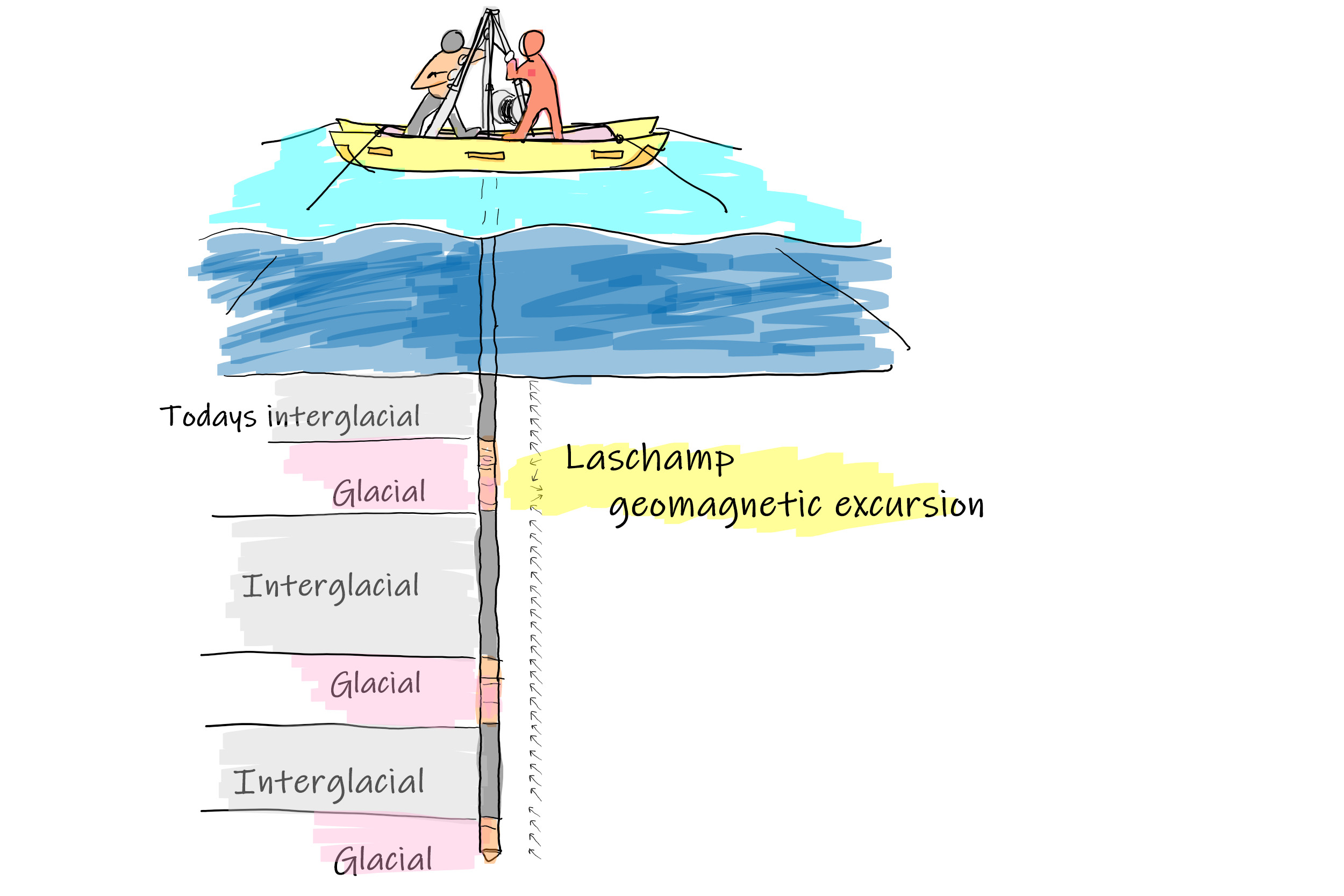
Advanced research into Earth’s magnetic field has enabled scientists to create a sound representation of the Laschamp Event, a significant geomagnetic reversal that occurred approximately 41,000 years ago. This groundbreaking work utilizes data collected by the European Space Agency’s Swarm mission, which employs three satellites to study the complexities of Earth’s magnetic environment. By converting this magnetic data into sound, researchers have offered a new auditory perspective on past geomagnetic events, enhancing our understanding of planetary processes.

The Laschamp Event is particularly notable due to its implications for the stability of Earth’s magnetic field. During this period, the magnetic field weakened significantly, which could have exposed the planet to increased levels of cosmic radiation. This weakening was accompanied by a rapid flip of the magnetic poles, a phenomenon that has piqued the interest of geophysicists and environmental scientists alike. The sound visualization project, spearheaded by a team of researchers, is seen as a novel approach to studying these complex events.

Dr. Romain L. Garret, one of the leading researchers involved in the sound mapping project, explained that the sounds created from the magnetic data capture the fluctuations in the magnetic field during the Laschamp Event. These sounds not only provide a unique listening experience but also serve as an effective tool for understanding the dynamics of geomagnetic reversals. The integration of auditory and scientific data bridges the gap between abstract scientific concepts and public understanding, enabling a more profound appreciation of Earth’s magnetic history.

The Swarm mission, launched in 2013, consists of three satellites working in tandem to gather data on the Earth’s magnetic field with unprecedented precision. The mission’s objectives include monitoring variations in magnetic intensity, mapping the gravitational field, and understanding the effects of magnetic forces on the planet’s climate and environment. The rich dataset produced by Swarm has opened new avenues for scientific inquiry, particularly in the fields of geology and climatology.

Through careful analysis of the data, researchers were able to pinpoint specific moments during the Laschamp Event when significant shifts occurred. This data was transformed into a soundscape that reflects the magnetic fluctuations over time. By listening to these sound waves, scientists and the public alike can grasp the magnitude of these changes in a more visceral manner, translating complex geophysical phenomena into an engaging auditory experience.

In addition to enhancing public engagement with scientific research, this sound mapping effort also has implications for ongoing studies related to current and future geomagnetic shifts. Understanding past magnetic reversals, such as the Laschamp Event, allows scientists to develop predictive models that may shed light on the behavior of Earth’s magnetic field today and in the future. These models are crucial for anticipating the potential impacts of geomagnetic changes, which could affect satellite operations, navigation systems, and even power grids.

Research indicates that geomagnetic reversals, while rare, can have profound effects on life on Earth. The last major reversal, the Brunhes-Matuyama transition, occurred approximately 780,000 years ago. Scientists have posited that as the magnetic field weakens, it may provide an opportunity for more solar radiation to penetrate the atmosphere, potentially affecting climate patterns and biological processes.

As the Swarm mission continues to gather data, the potential for further discoveries remains high. The ongoing analysis of Earth’s magnetic field not only aids in understanding our planet’s past but also informs preparations for its future. With advancements in technology and interdisciplinary research efforts, scientists are uncovering new insights into the interactions between the Earth’s magnetic field and various geological processes.

The sound visualization of the Laschamp Event represents a pivotal moment in Earth sciences, as it illustrates the power of innovative methodologies in presenting scientific findings. By transforming magnetic data into sound, researchers are fostering a more inclusive dialogue between the scientific community and the general public, demystifying complex scientific processes. This approach exemplifies how art and science can intersect, creating new pathways for education and engagement.

The visualization project also highlights the collaborative efforts required in modern scientific research. Teams comprising geophysicists, sound engineers, and educators worked together to develop this unique soundscape, demonstrating the benefits of interdisciplinary collaboration in advancing scientific understanding. By fostering partnerships across various fields, researchers can tackle complex questions about Earth’s past and present with a multifaceted approach.

Attackathons are innovative competitions designed to bolster cybersecurity by encouraging ethical hackers to identify vulnerabilities in software projects. These events facilitate a collaborative environment where whitehat hackers can showcase their skills and earn rewards while enhancing the overall security of digital platforms. Organized primarily by Immunefi in partnership with various blockchain projects, Attackathons typically unfold in three distinct phases: pre-event preparation, the main hacking event, and post-event […]

A video featuring what seems to be a preview model of the forthcoming MacBook Pro M4 has sparked significant attention online, leading to warnings of a potential security threat. The leak, which originated from a Russian YouTuber, has reportedly led to a surge in fraudulent activities as scammers seek to exploit the excitement surrounding Apple’s latest release. Kaspersky, a cybersecurity firm with Russian origins, has indicated that […]

The Securities and Exchange Board of India (Sebi) has introduced a groundbreaking policy aimed at enhancing data sharing among stock exchanges to facilitate research and promote transparency in financial markets. This initiative seeks to democratize access to data while ensuring that privacy and accountability remain at the forefront. As part of its commitment to fostering an informed investor community, Sebi’s proposal is poised to significantly impact how financial research is conducted and utilized.

The proposed data sharing framework emphasizes the importance of making financial data more accessible to researchers, academics, and analysts. By allowing stock exchanges to share data, Sebi aims to create a more level playing field where insights derived from comprehensive analysis can benefit a wider audience. This move is seen as a step toward empowering stakeholders, enabling them to conduct more thorough investigations into market trends, investor behavior, and overall market health.

Data democratization is a central theme of Sebi’s initiative, as it recognizes that valuable insights can emerge from the collective intelligence of various stakeholders. By enhancing access to historical and real-time trading data, Sebi envisions a scenario where innovative research can lead to better regulatory practices, improved investment strategies, and enhanced market resilience. This policy aligns with global trends where regulators are increasingly recognizing the value of data-driven research in shaping effective market oversight.

Privacy considerations are paramount in Sebi’s policy, as the board emphasizes the need for responsible data handling. The proposed framework includes stringent measures to ensure that sensitive information remains protected, addressing concerns related to data misuse and potential breaches of confidentiality. Researchers will be required to adhere to specific guidelines that prioritize the ethical use of data, thereby fostering a culture of accountability in financial research.

The new policy also reflects Sebi’s commitment to enhancing its regulatory framework. By providing researchers with access to more comprehensive data sets, the regulator aims to encourage the development of robust analytical tools and methodologies. This, in turn, could lead to more accurate risk assessments and predictive modeling, benefiting not only regulatory bodies but also market participants seeking to make informed decisions.

As part of the proposal, Sebi has outlined a clear governance structure that will oversee the data sharing process. This structure is designed to facilitate collaboration between stock exchanges, researchers, and regulatory authorities, ensuring that all parties are aligned in their objectives. By fostering a collaborative environment, Sebi hopes to streamline data sharing while maintaining high standards of integrity and ethical conduct.

Industry experts have welcomed Sebi’s initiative, viewing it as a significant advancement in promoting research-driven insights within the financial sector. The move is expected to attract a wider range of participants to the market, including academic institutions and independent researchers, who can contribute diverse perspectives and innovative ideas. With increased collaboration, the financial ecosystem may see a surge in innovative solutions addressing market challenges.

However, challenges remain in the practical implementation of the policy. Some stakeholders have expressed concerns about the potential administrative burden associated with compliance and the need for robust technical infrastructure to support data sharing. To mitigate these challenges, Sebi has indicated that it will provide guidance and resources to assist stock exchanges in establishing the necessary frameworks for effective data management.

The proposal is expected to undergo a public consultation process, allowing stakeholders to voice their opinions and provide feedback. This participatory approach is indicative of Sebi’s commitment to transparency and inclusivity, ensuring that the final policy is well-informed and reflective of the diverse needs of the financial community.

A groundbreaking initiative named BharatGen has been launched by the Government of India, aiming to harness artificial intelligence to improve public service delivery across the country. This innovative project is touted as the first government-backed AI initiative in India, set to create advanced multilingual and multimodal models tailored for diverse public sector applications. BharatGen is designed to address challenges in government services by leveraging AI technology to facilitate better communication and accessibility for citizens, especially those from marginalized communities.

The initiative’s unveiling coincides with a broader trend where governments globally are increasingly adopting AI solutions to enhance efficiency and citizen engagement. BharatGen is expected to serve as a significant leap in this direction, promoting the development of AI applications that cater specifically to the linguistic and cultural diversity of India. By utilizing machine learning and natural language processing, BharatGen aims to create tools that can interact in various regional languages, thus broadening the reach of governmental services to every corner of the nation.

As part of its implementation strategy, BharatGen will focus on several key areas, including healthcare, education, and welfare programs. The initiative will foster the development of AI systems capable of assisting citizens in navigating government services, accessing critical information, and receiving personalized support. This is particularly crucial in a country like India, where language barriers often hinder effective communication between citizens and public institutions.

The initiative has garnered attention not only for its ambitious goals but also for the strategic partnerships it is forming with leading tech companies and research institutions. Collaborations with renowned AI researchers and organizations are aimed at ensuring that BharatGen’s models are developed using the best practices and cutting-edge technologies available. This approach underscores the Indian government’s commitment to establishing a robust AI ecosystem that encourages innovation while prioritizing ethical considerations and data privacy.

Experts have noted that the implementation of BharatGen is timely, given the accelerating pace of digital transformation in public services. As citizens increasingly rely on digital platforms for accessing information and services, BharatGen stands to facilitate a seamless interaction experience. By integrating AI technologies into government frameworks, the initiative is poised to reduce response times, minimize bureaucratic hurdles, and enhance the overall efficiency of public service delivery.

However, the path to effective implementation is not without challenges. Concerns regarding data privacy, algorithmic bias, and transparency in AI systems have been raised by various stakeholders, including civil society organizations and technology experts. To address these issues, the government has emphasized its commitment to developing ethical guidelines that govern the use of AI in public services. These guidelines will focus on ensuring fairness, accountability, and transparency, thereby building public trust in the initiative.

BharatGen will serve as a model for future AI initiatives in other sectors, potentially inspiring similar projects in agriculture, transportation, and urban planning. By showcasing the potential of AI to tackle complex societal issues, the initiative may pave the way for an array of AI applications tailored to India’s unique needs.

In a statement during the launch event, the Minister of Electronics and Information Technology highlighted the transformative potential of BharatGen, stating that the initiative aims to empower citizens by making government services more accessible and responsive. He remarked that the integration of AI technologies in public services is not just about efficiency but also about ensuring that no citizen is left behind in the digital era.

The launch of BharatGen has received a warm reception from various sectors, with many viewing it as a significant step toward modernizing public service delivery in India. Technology enthusiasts and policy analysts have expressed optimism regarding the initiative’s potential impact, emphasizing that successful implementation could lead to substantial improvements in citizen satisfaction and engagement with government services.

The initiative is expected to contribute to India’s positioning as a global leader in AI technology. By prioritizing the development of homegrown AI solutions, BharatGen aligns with the national vision of fostering a self-reliant and technologically advanced society. This vision is supported by initiatives such as the Digital India campaign, which aims to transform India into a digitally empowered society and knowledge economy.

As BharatGen embarks on its journey, the emphasis will be on iterative development and continuous feedback from users. The government plans to establish mechanisms for gathering public input on the effectiveness of AI applications and to make necessary adjustments based on user experiences. This feedback loop is essential for refining the models and ensuring that they remain relevant to the evolving needs of citizens.

Ajman Municipality and Planning Department (MPDA) signed a significant Memorandum of Understanding (MoU) with TRENDS Research and Advisory, signaling a step forward in enhancing research cooperation. This partnership will focus on conducting joint social, political, economic, and future studies, field surveys, and the exchange of expertise between both organizations. It aims to leverage the skills of experts and researchers from both entities to generate research reports, encouraging professionals to write and contribute to their respective fields.

The agreement outlines collaborative efforts in the areas of social and economic development, aligning with Ajman’s long-term strategy for growth. TRENDS Research and Advisory, known for its robust analytical capabilities and global research projects, will provide Ajman’s municipality with the tools needed to tackle emerging challenges in urban planning and governance.

This agreement will also facilitate a deeper understanding of regional issues through comprehensive research, fostering innovative solutions in governance, policy-making, and infrastructure development. By pooling resources, the two entities will work toward producing reliable data to inform decisions affecting the Emirate’s future.

Thymosin Beta-4 (Tβ4) is an endogenously occurring peptide that has drawn significant attention from the scientific community due to its wide-ranging biological properties. Composed of 43 amino acids, it is part of a family of peptides originally isolated from the thymus, a crucial organ in immune system development. Tβ4 is now speculated to be expressed in various tissues and has been implicated in numerous physiological processes, including […]

Dubai has taken a significant step toward solidifying its position as a global leader in innovation and intellectual property (IP) management with the launch of the Dubai Intellectual Property Hub (DIPH). Developed in collaboration between the Dubai Future Foundation (DFF) and the UAE Ministry of Economy, the DIPH aims to provide a centralized platform for managing IP and intangible assets (IA) in the region. The initiative targets a wide range of stakeholders, including innovators, artists, entrepreneurs, researchers, academics, and startups, by offering streamlined support and resources.

The DIPH was unveiled at the “IP2024: Glimpse on the Future of IP” event, which attracted high-level officials, industry experts, and leading figures from the IP sector. The introduction of this hub underscores the UAE’s ambitions to position itself as a competitive hub for global intellectual property development and protection. The platform is designed to assist those working in knowledge-based industries, which are becoming increasingly crucial in today’s digital economy.

The Dubai Intellectual Property Hub is expected to fill a longstanding gap in the region’s innovation ecosystem by offering a one-stop solution for intellectual property needs. Through DIPH, innovators will have access to various resources that streamline the IP registration and management process, reducing the complexity that often hampers the commercialization of innovative ideas. By making it easier for creators to secure their intellectual property rights, Dubai is also encouraging the creation and growth of knowledge-based industries.

The launch of the DIPH comes at a critical time when global economies are placing more emphasis on knowledge and innovation. Intangible assets, such as patents, trademarks, copyrights, and trade secrets, are increasingly valuable, and their protection is crucial to driving growth and competitiveness in global markets. This new hub aims to address that demand by providing comprehensive support for the entire IP lifecycle, from idea generation and patent registration to commercialization and enforcement.

In remarks delivered during the launch event, officials highlighted the significance of the DIPH in fostering innovation not just in the UAE but across the broader Middle East and North Africa (MENA) region. The platform aims to establish Dubai as a center for IP-related activities, attracting talent and investment from across the globe. By empowering individuals and organizations to secure their intellectual property more efficiently, the UAE aims to create an environment that nurtures creativity and entrepreneurship.

The DIPH’s comprehensive services include assistance with patent filings, IP rights consultations, educational workshops, and resources on the commercialization of intangible assets. The hub also promises to facilitate networking opportunities between innovators, investors, and legal experts, thereby fostering collaborations that could lead to the development of cutting-edge technologies and creative endeavors.

The collaboration between the Dubai Future Foundation and the Ministry of Economy also reflects the UAE’s broader strategy of diversifying its economy away from traditional sectors like oil and gas. By promoting knowledge-based industries, the UAE is positioning itself as a global leader in sectors like artificial intelligence, biotechnology, and clean energy, where intellectual property plays a critical role. Officials at the launch underscored that the Dubai Intellectual Property Hub is aligned with the UAE’s long-term vision for innovation-driven economic growth.

The DIPH aims to be more than just a registry for patents and trademarks; it aspires to be a catalyst for innovation across multiple sectors. By providing a centralized resource for IP-related activities, the hub is set to attract innovators from around the world, providing them with the tools and support they need to succeed. This effort is in line with Dubai’s larger objective to become a leader in the global knowledge economy, fostering a fertile environment where new ideas and technologies can flourish.

The launch of the Dubai Intellectual Property Hub coincides with the UAE’s commitment to aligning its innovation goals with international standards. Officials noted that DIPH would ensure that the UAE remains compliant with international intellectual property laws and agreements, facilitating smoother collaboration with global partners and investors. This alignment is particularly crucial in today’s interconnected world, where cross-border collaborations are becoming more prevalent.

The introduction of DIPH has been met with widespread optimism from industry experts, who believe that the hub will help to overcome several challenges currently faced by innovators and businesses in the region. One of the primary obstacles to IP protection in many emerging markets is the lack of streamlined processes and resources for managing intellectual property rights. By addressing these gaps, the Dubai Intellectual Property Hub is expected to provide an essential service that will benefit both local and international innovators.

The DIPH is also designed to support the growth of startups in the UAE, which are often heavily reliant on their intellectual property for competitive advantage. Startups and small businesses frequently struggle to navigate the complex world of intellectual property law, and the DIPH aims to alleviate some of these burdens by offering tailored support to emerging companies. Through educational resources, legal consultations, and partnerships with venture capital firms, the hub will assist startups in securing their innovations and bringing them to market.


PeptiGrowth Inc., based in Chiyoda-ku, Tokyo, has unveiled an innovative synthetic peptide known as the “FGF2 alternative peptide (FGFR1c agonist),” designed to mimic the functionalities of recombinant Fibroblast Growth Factor 2 (FGF2). The launch of this product, set for early October 2024, marks a significant advancement in regenerative medicine and therapeutic applications, especially in wound healing and tissue repair.

FGF2 plays a pivotal role in various biological processes, including cell proliferation, differentiation, and angiogenesis, making it essential in tissue engineering and regenerative therapies. Traditional methods of utilizing FGF2 have relied on recombinant forms, which, while effective, come with several limitations, including high production costs and stability issues. PeptiGrowth’s novel peptide aims to address these concerns by providing a more stable, cost-effective alternative without compromising therapeutic efficacy.

This new peptide has been rigorously tested in preclinical trials, demonstrating its capacity to engage with FGFR1c effectively, thereby activating key cellular pathways that facilitate tissue regeneration. The trials showed promising results in enhancing wound healing processes, with faster recovery times and improved tissue quality compared to controls. Experts in the field have noted that the implications of such a product could extend beyond wound healing into broader applications within regenerative medicine.

Industry analysts highlight that the demand for alternatives to recombinant growth factors is increasing, particularly in the context of the rising costs associated with biopharmaceuticals. PeptiGrowth’s FGFR1c agonist could cater to this demand by offering a synthetic option that is both economically viable and functionally robust. The ability to produce this peptide on a larger scale may significantly lower production costs for healthcare providers, ultimately benefiting patients.

The market for growth factors is projected to experience substantial growth over the next few years, fueled by advances in regenerative therapies and an aging population that requires effective solutions for chronic wounds and tissue degeneration. PeptiGrowth’s introduction of the FGFR1c agonist positions the company as a key player in this evolving landscape, with potential for partnerships with healthcare institutions and research organizations focused on innovative treatment modalities.

Notably, PeptiGrowth’s commitment to innovation is underscored by its ongoing research into other synthetic peptides that could complement the FGFR1c agonist. These developments may pave the way for combination therapies that enhance the effectiveness of existing treatments. The company’s R&D team is actively exploring how these peptides can be integrated into various therapeutic protocols, particularly in oncology and regenerative medicine.

As the healthcare sector increasingly shifts towards personalized medicine, PeptiGrowth’s advancements could also align with this trend. Customizable therapeutic strategies involving synthetic peptides may offer tailored solutions for individual patients, optimizing treatment outcomes and minimizing adverse effects. Such flexibility could revolutionize approaches to managing conditions that have historically been challenging to treat.

The launch of the FGF2 alternative peptide comes at a time when the global market for peptide therapeutics is expanding rapidly, with a compound annual growth rate (CAGR) projected at over 10% in the next five years. This growth is driven by advancements in peptide synthesis technologies and a better understanding of their mechanisms of action. PeptiGrowth’s innovative approach, focusing on stability and functionality, positions it strategically within this dynamic market.

In addition to its commercial endeavors, PeptiGrowth is also dedicated to contributing to the scientific community. The company plans to publish its findings from preclinical studies in peer-reviewed journals, fostering transparency and encouraging collaboration with other researchers in the field. Such initiatives not only bolster PeptiGrowth’s credibility but also help advance the broader understanding of peptide therapeutics.

The launch of the FGFR1c agonist reflects PeptiGrowth’s strategic vision to lead in the peptide-based therapeutic space. By prioritizing research and development, the company aims to remain at the forefront of innovation while addressing the pressing needs of healthcare providers and patients alike. Stakeholders across the healthcare spectrum are closely monitoring this development, eager to assess the impact of this synthetic peptide on clinical practices and patient outcomes.

VISHNU RAJA
RYO YAMADA
HITORI GOTOH
IKUYO KITA