News related to
Technology

The Saudi Fund for Development (SFD) has finalized a $25 million agreement to support a new renewable energy initiative aimed at enhancing sustainable energy infrastructure. The deal, announced this week, is part of the Kingdom’s broader strategy to diversify its energy portfolio and reduce reliance on fossil fuels. The project, located in an emerging market region, will focus on the development and implementation of solar energy technologies. […]

Adnoc Drilling, the leading oilfield services provider in the Middle East, will be incorporated into MSCI’s flagship indexes, marking a significant milestone for the company and the broader market. This inclusion reflects the company’s robust performance and growing influence in the global energy sector.

The decision by MSCI to add Adnoc Drilling to its indexes highlights the company’s solid financial standing and market position. This move is expected to enhance the visibility of Adnoc Drilling among international investors and potentially increase its stock liquidity. MSCI, a prominent global index provider, bases its selections on a variety of criteria, including market capitalization, liquidity, and sector representation.

Adnoc Drilling’s inclusion in MSCI’s flagship indexes comes as part of a broader rebalancing that MSCI undertakes periodically. The company’s strong financial results and strategic initiatives have positioned it well within the index’s criteria. Recent performance metrics indicate a steady revenue growth and operational efficiency, underscoring the company’s pivotal role in the oil and gas sector.

The company has demonstrated impressive operational capabilities and a commitment to expanding its service offerings. Its diverse portfolio of drilling services and strategic partnerships have been instrumental in its growth trajectory. Analysts have noted that Adnoc Drilling’s inclusion could attract a broader range of institutional investors who rely on MSCI indexes for their investment decisions.

In recent developments, Adnoc Drilling has been focusing on enhancing its technological capabilities and expanding its geographic reach. Investments in cutting-edge drilling technology and sustainable practices have been key components of its growth strategy. This emphasis on innovation aligns with MSCI’s criteria for inclusion, which favors companies with a forward-looking approach and strong market presence.

The impact of Adnoc Drilling’s entry into MSCI’s flagship indexes is likely to be multifaceted. Increased visibility could lead to greater investor interest and potentially boost the company’s stock performance. Moreover, as MSCI indexes are widely followed by global investment funds, Adnoc Drilling’s inclusion could result in a shift in portfolio allocations towards the company.

Industry experts suggest that this development reflects a broader trend of growing investor confidence in companies operating within the oil and gas sector, particularly those demonstrating strong financial health and a commitment to innovation. Adnoc Drilling’s successful integration into MSCI’s indexes positions it as a key player on the international stage, further solidifying its role in the global energy market.

Adnoc Drilling’s addition to MSCI’s flagship indexes is a noteworthy achievement that underscores the company’s strategic importance and operational success. This move is anticipated to have a significant impact on the company’s market presence and investor relations, highlighting its continued growth and influence within the industry.

Gulf Cooperation Council (GCC) companies are fortifying their strategies to address a range of economic challenges as investor confidence in the region soars to unprecedented levels. This optimism is driven by the GCC’s robust economic diversification efforts and increasing stability in key markets.

The GCC, consisting of Saudi Arabia, the United Arab Emirates, Qatar, Kuwait, Oman, and Bahrain, has been actively pursuing economic reforms aimed at reducing reliance on oil revenues and fostering sustainable growth. This shift is becoming evident as regional corporates enhance their focus on non-oil sectors, including technology, renewable energy, and healthcare.

Saudi Arabia, the largest economy in the GCC, continues to make significant strides under its Vision 2030 program. Recent developments include the expansion of its non-oil industries and increased foreign direct investment (FDI). The Saudi government is leveraging its fiscal policies to attract global investors and stimulate private sector growth. Key projects such as the Red Sea Development and NEOM are expected to further bolster investor sentiment by showcasing the country’s commitment to innovation and sustainability.

The United Arab Emirates (UAE) is also experiencing a surge in investor confidence, driven by its strategic economic initiatives. The UAE’s efforts to enhance its financial markets, coupled with reforms aimed at improving the ease of doing business, have strengthened its position as a regional investment hub. Initiatives such as the introduction of new visa categories and regulatory adjustments are designed to attract talent and capital, further enhancing the UAE’s appeal to international investors.

Qatar has similarly seen a positive shift in investor sentiment, supported by its ongoing investments in infrastructure and diversification away from hydrocarbons. The country’s emphasis on developing sectors like education, health, and sports has been instrumental in driving economic growth and attracting foreign interest. Qatar’s robust economic policies and strategic investments are poised to sustain its upward trajectory in investor confidence.

Kuwait, Oman, and Bahrain are also adapting to evolving economic landscapes by focusing on fiscal reforms and diversification strategies. Kuwait’s economic plans include substantial investments in infrastructure and the development of its financial sector. Oman is enhancing its economic resilience through initiatives aimed at boosting tourism and small-to-medium enterprises. Bahrain’s economic reforms and investment in financial services are expected to foster a conducive environment for investors.

The overall trend in investor sentiment within the GCC reflects a growing confidence in the region’s economic stability and potential for growth. This shift is attributed to the GCC’s proactive approach in addressing economic challenges, enhancing business environments, and diversifying away from oil dependence. The positive outlook among investors is further supported by strong economic fundamentals and a commitment to long-term development goals.

As GCC corporates navigate these headwinds, they are increasingly focusing on strategic investments and innovation to maintain competitive advantage. The region’s evolving economic landscape presents both opportunities and challenges, requiring companies to adapt to changing market dynamics and leverage emerging trends.

The surge in investor confidence underscores the GCC’s successful efforts in transforming its economies and positioning itself as a global investment destination. With continued focus on diversification and strategic growth, the region is set to maintain its momentum and attract further investment in the coming years.

Ripple has made a significant move in the blockchain sector by announcing new collaborations aimed at enhancing its infrastructure and broadening its institutional reach. These developments underscore Ripple’s ongoing commitment to advancing blockchain technology and fostering greater adoption among businesses. The company’s latest venture includes a strategic partnership with Futureverse, a prominent AI and metaverse technology firm. This alliance will focus on providing advanced secure asset custody […]

Singapore has secured the top position in the Henley Crypto Adoption Index for 2024, showcasing its leading role in the global cryptocurrency landscape. The city-state’s rise to the forefront of crypto adoption reflects its robust regulatory framework, innovative financial infrastructure, and growing investment in digital assets. Singapore’s commitment to creating a supportive environment for cryptocurrencies, including clear regulations and a proactive stance towards technological advancements, has solidified […]

Playbook and Unipal have launched a strategic partnership aimed at equipping university students with the skills necessary to thrive in the workforce. This collaboration focuses on providing practical education and resources, aligning with industry needs to prepare students for the demands of today’s job market.

Playbook, a leading educational technology company, is renowned for its innovative approach to learning, emphasizing real-world applications and industry-relevant skills. By partnering with Unipal, a platform dedicated to connecting students with opportunities and experiences, Playbook seeks to expand its reach and impact within the academic community.

The partnership is set to introduce a series of tailored programs and workshops designed to enhance students’ employability. These initiatives will focus on areas such as digital literacy, soft skills development, and career readiness. Playbook’s expertise in educational content, combined with Unipal’s extensive network and student engagement capabilities, aims to bridge the gap between academic education and professional success.

Playbook’s CEO has highlighted the importance of this collaboration, stating that the initiative is a significant step toward addressing the skills gap that many graduates face upon entering the job market. The programs are designed to be accessible to a broad range of students, regardless of their academic background, ensuring that all participants can benefit from the resources provided.

Unipal, which has rapidly gained traction as a key player in the education sector, brings to the table a deep understanding of student needs and aspirations. The platform’s ability to connect students with relevant opportunities, from internships to part-time jobs, complements Playbook’s educational offerings, creating a comprehensive support system for students as they transition from academia to the workforce.

The partnership will also leverage technology to deliver personalized learning experiences. Students will have access to a variety of online courses and tools, enabling them to learn at their own pace and focus on areas that are most relevant to their career goals. This approach not only enhances the learning experience but also ensures that students can apply their knowledge in real-world scenarios.

Moreover, the collaboration is expected to have a long-term impact on the education sector by setting new standards for how educational institutions and businesses can work together to benefit students. By aligning educational content with industry requirements, the partnership aims to produce graduates who are not only knowledgeable but also capable of adapting to the rapidly changing demands of the global job market.

The partnership between Playbook and Unipal underscores a broader trend in the education sector, where collaboration between educational platforms and industry leaders is becoming increasingly important. As the job market evolves, so too must the approach to education, and this partnership represents a forward-thinking response to these challenges.

The collaboration has already generated significant interest among universities and students alike, with many expressing enthusiasm for the new opportunities it presents. As the programs roll out, Playbook and Unipal will continue to work closely with academic institutions to ensure that the offerings meet the needs of both students and employers.

This partnership is a testament to the growing recognition of the importance of practical, skills-based education in today’s world. By bringing together the strengths of Playbook and Unipal, the initiative aims to empower the next generation of professionals, ensuring they are well-prepared to succeed in their careers and contribute meaningfully to society.


Qatar Financial Centre (QFC) has officially unveiled its Digital Assets Framework for 2024, marking a significant step in the nation’s efforts to position itself as a global hub for digital finance. This framework, introduced on September 1, provides a comprehensive legal and regulatory structure for digital assets, encompassing a range of services from tokenization to smart contracts. The new framework was meticulously developed in consultation with over […]

Advertisements

Honeybee Robotics, a Colorado-based technology company, has developed a cutting-edge power and communication solution for NASA’s Artemis program, aiming to facilitate human exploration of the Moon. The Lunar Surface Autonomous Beaming and Energy Relay (LunarSABER) towers, designed by Honeybee, are set to play a critical role in establishing a sustainable presence on the lunar surface.

The LunarSABER towers are designed to operate independently or as part of a larger network, providing a robust infrastructure for energy distribution and communication on the Moon. Each tower is equipped with photovoltaic cells that capture solar energy, which is then converted into electricity and transmitted wirelessly to various lunar assets, including habitats, rovers, and scientific instruments. Additionally, these towers are capable of beaming communication signals across long distances, ensuring continuous contact between lunar explorers and mission control.

The primary objective of the LunarSABER system is to support NASA’s ambitious goal of creating a permanent human presence on the Moon by the end of this decade. With the ability to deliver power and communication services over vast distances, the towers are expected to overcome one of the most significant challenges of lunar exploration: the harsh and variable environment of the Moon, which includes long periods of darkness, extreme temperatures, and difficult terrain.

Honeybee Robotics has a long-standing history of collaboration with NASA, contributing to several high-profile missions, including the Mars rovers and the OSIRIS-REx asteroid mission. The company’s expertise in developing robust, reliable technologies for space exploration has positioned it as a key player in the Artemis program. The LunarSABER towers are a testament to Honeybee’s innovative approach to solving complex engineering challenges in space.

The LunarSABER system is currently undergoing rigorous testing and validation to ensure its reliability and performance in the harsh conditions of the lunar surface. NASA plans to deploy the first set of towers during the Artemis III mission, scheduled for later this decade. This mission will be the first crewed lunar landing since the Apollo program, and it will mark a significant milestone in humanity’s return to the Moon.

The towers’ modular design allows for flexibility in deployment, enabling NASA to expand the network as needed. This adaptability is crucial for supporting the growing infrastructure required for long-term lunar exploration and eventual human settlement. In addition to supporting NASA’s missions, the LunarSABER technology has the potential to be adapted for use in other space exploration endeavors, including missions to Mars and beyond.

As NASA continues to advance its lunar exploration plans, the partnership with Honeybee Robotics highlights the importance of collaboration between government agencies and private industry in achieving space exploration goals. The success of the LunarSABER system will not only contribute to the Artemis program but also pave the way for future exploration of other celestial bodies.

The development of the LunarSABER towers represents a significant step forward in the quest to establish a sustainable human presence on the Moon. By providing reliable power and communication infrastructure, these towers will enable astronauts to conduct scientific research, explore new territories, and ultimately lay the groundwork for a permanent lunar colony. As the Artemis program progresses, the contributions of companies like Honeybee Robotics will be instrumental in turning the vision of lunar exploration into reality.

Leaders from Zuellig Pharma, Gulf Marine, Fullerton Health, PRISM+, Kuok Group and more will discuss new ways to approach AI, Automation, and Integration SINGAPORE – Media OutReach Newswire – 3 September 2024 – Workato®, the leading AI-driven enterprise orchestration platform, unveiled the lineup of keynotes and speakers for its fourth annual customer and partner conference, Automate: Business As Unusual. The in-person event, taking place September 12, will […]

HAINING, CHINA – Media OutReach Newswire – 2 September 2024 – Recently, the project “Research and Industrialization Demonstration of Key Technologies for Personalized Diet Digital Design and Intelligent Manufacturing” led by Marssenger, has officially been approved as a key national R&D project under the14th Five-Year Plan. Furthermore, Industrial Design Center, Marssenger Kitchenware Co., Ltd was included in the National Industrial Design Center List announced by the Ministry […]

A joint venture between ADNOC Drilling and Alpha Dhabi has secured an expanded stake in Gordon Technologies, marking a significant development in the energy sector. This acquisition comes as part of an ongoing effort to enhance the technological capabilities of ADNOC’s oilfield services, reflecting a broader strategy to strengthen the company’s global presence. Gordon Technologies, a Texas-based firm specializing in Measurement While Drilling (MWD) technology, has been […]

Silal, the agricultural investment firm supported by Abu Dhabi Developmental Holding Company (ADQ), has taken a major step in expanding its portfolio by acquiring a controlling interest in Al Bakrawe Holding. This acquisition reflects Silal’s strategic move to strengthen its foothold in the agricultural sector and enhance its market presence.

Al Bakrawe Holding, a diversified company with interests spanning agriculture, real estate, and industrial sectors, has seen a significant shift in its ownership structure with this transaction. Silal’s acquisition of a majority stake is poised to bring a substantial capital injection and operational expertise to Al Bakrawe’s existing ventures. The deal, valued at an undisclosed amount, is expected to drive growth and innovation within the company’s agricultural and industrial operations.

The acquisition aligns with ADQ’s broader strategy to bolster investments in key sectors that drive economic diversification and sustainable development in the UAE. Silal’s focus on agriculture, particularly in advancing technology and sustainability practices, complements Al Bakrawe’s established market position. This synergy is anticipated to yield enhanced operational efficiencies and expansion opportunities for both entities.

Industry experts note that this deal positions Silal as a pivotal player in the regional agricultural landscape. The firm’s investment is expected to facilitate the introduction of advanced agricultural technologies and practices to Al Bakrawe’s operations, thereby boosting productivity and sustainability. The integration of Silal’s resources and expertise is likely to accelerate the growth trajectory of Al Bakrawe, leveraging innovative solutions to address the evolving demands of the agriculture sector.

The acquisition also underscores ADQ’s commitment to supporting companies that contribute to the UAE’s strategic goals of food security and economic diversification. By backing Silal’s acquisition, ADQ reinforces its role in shaping the future of key industries and promoting sustainable development within the region. The investment is part of a larger trend of strategic acquisitions and partnerships aimed at fostering growth and resilience in critical sectors.

Al Bakrawe Holding, founded in 1992, has established a diverse portfolio with significant investments in agriculture, real estate, and industrial sectors. The company’s agricultural arm focuses on crop production and agro-technology, making it a fitting candidate for Silal’s investment. The acquisition is expected to enhance Al Bakrawe’s capabilities and expand its market reach, leveraging Silal’s expertise in modern agricultural practices.

Silal, on its part, continues to strengthen its investment strategy in line with its mission to revolutionize the agricultural industry. The firm has been actively pursuing opportunities to integrate advanced technology and sustainable practices across its investments. This latest acquisition is a testament to Silal’s strategic vision and its commitment to driving progress in the agricultural sector.

As the integration process unfolds, stakeholders will be keenly observing the impact of this acquisition on both Silal and Al Bakrawe Holding. The deal is likely to set a precedent for future investments in the agricultural sector and further cement ADQ’s role as a key driver of economic growth and diversification in the UAE.

With this strategic acquisition, Silal is poised to make a significant mark on the agricultural industry, enhancing its capabilities and influence in the region. The partnership between Silal and Al Bakrawe Holding is expected to bring about notable advancements and opportunities, reflecting a growing trend of investment and innovation in the UAE’s key sectors.

Saudi Arabia is streamlining its investment framework to attract more foreign capital, aiming to enhance its position as a leading investment destination in the Middle East. The Kingdom’s recent regulatory overhaul is part of a broader strategy to diversify its economy beyond oil dependency and encourage international investors.

The Saudi government has unveiled a series of reforms designed to simplify the process for foreign investors. Key changes include faster approval times for investment projects, reduced bureaucratic hurdles, and more transparent procedures. These measures are expected to lower entry barriers and provide a more predictable business environment for global investors.

This regulatory shift aligns with Saudi Arabia’s Vision 2030 plan, which seeks to transform the nation’s economic landscape by fostering a more robust private sector and reducing its reliance on oil revenues. Vision 2030 is a comprehensive blueprint aimed at diversifying the economy, enhancing public sector efficiency, and developing key industries such as tourism, entertainment, and technology.

In addition to streamlining administrative processes, the Saudi government has introduced new incentives for investors. These include tax breaks, subsidies, and support for infrastructure development in high-priority sectors. By offering such incentives, Saudi Arabia hopes to attract a broad range of international businesses, from technology firms to manufacturing giants.

The Kingdom’s push to attract foreign investment comes amid increasing competition from neighboring countries that are also vying to position themselves as investment hubs. Nations such as the United Arab Emirates and Qatar have implemented their own strategies to lure global capital, making the regional investment landscape highly competitive.

Saudi Arabia’s efforts have already shown some positive outcomes. There has been a noticeable uptick in foreign direct investment (FDI) flows into the country, particularly in sectors that align with the Vision 2030 goals. The influx of foreign capital is not only bolstering the Saudi economy but also contributing to job creation and technological advancement.

Several multinational corporations have announced plans to expand their operations in Saudi Arabia, attracted by the improved investment climate. These companies are setting up new facilities and forming partnerships with local businesses, further integrating Saudi Arabia into the global economic network.

Despite these advancements, challenges remain. Investors still face some risks related to political and economic stability, and ongoing global economic uncertainties could impact investment flows. However, the Saudi government’s proactive approach and commitment to creating a favorable business environment are seen as significant steps toward mitigating these risks.

Saudi Arabia’s regulatory reforms represent a decisive move to solidify its status as a top investment destination. By addressing key barriers to entry and offering attractive incentives, the Kingdom is positioning itself to capture a larger share of global investment flows, thereby supporting its long-term economic transformation goals.

Huawei Technologies Co. has announced a major product launch event scheduled for hours after Apple Inc. unveils its iPhone 16, intensifying the competition between the tech giants. The strategic timing of Huawei’s event is poised to capture the global spotlight immediately following Apple’s showcase, as both companies vie for consumer attention and market share in the highly competitive smartphone sector. The upcoming event, set to take place […]

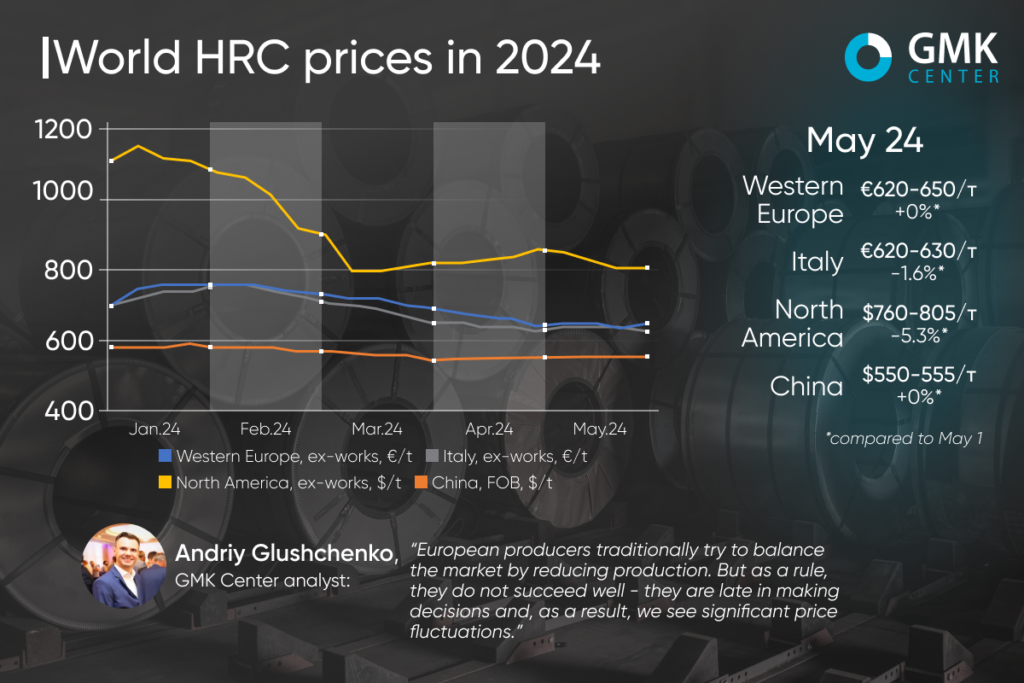
Iron ore prices are projected to maintain stability despite ongoing challenges in China’s steel industry. The steel sector, a major driver of iron ore demand, has faced significant headwinds recently due to declining production and fluctuating market conditions. This downturn has raised concerns about the potential impact on iron ore prices, which have historically been closely tied to the performance of the steel industry.

The steel sector in China, the world’s largest producer and consumer of steel, has encountered a range of issues, including reduced domestic demand, stricter environmental regulations, and economic uncertainties. These factors have led to a decrease in steel production and, consequently, a slowdown in the demand for iron ore. However, despite these challenges, iron ore prices have shown resilience.

Market analysts attribute this stability to several key factors. Firstly, iron ore remains a crucial raw material for steel production, and despite the slowdown, demand has not diminished entirely. China’s commitment to infrastructure projects and construction, although reduced, continues to support a baseline level of demand for steel and, by extension, iron ore. Furthermore, global supply constraints have helped to offset some of the downward pressure on prices. Issues such as logistical disruptions and geopolitical tensions have limited the availability of iron ore from major producing regions, contributing to the price stability.

Additionally, major iron ore producers have adjusted their production strategies to align with current market conditions. Companies in Brazil and Australia, two of the largest iron ore exporters, have implemented measures to manage supply levels and maintain price equilibrium. These adjustments have helped to balance the market and prevent excessive price fluctuations.

Economic indicators also play a role in the outlook for iron ore prices. Despite the slowdown in China’s steel sector, broader economic trends show signs of recovery. Increased investment in infrastructure and technology, coupled with government stimulus measures, could potentially boost steel demand in the future. This anticipated recovery may provide additional support for iron ore prices, as the steel industry begins to rebound.

Investor sentiment and market speculation are other factors influencing iron ore prices. The commodity markets are often driven by investor expectations and perceptions of future trends. As investors remain cautious but optimistic about the global economic recovery, this sentiment can contribute to price stability in the iron ore market.

The overall outlook for iron ore prices remains cautiously optimistic. While the steel sector in China faces significant challenges, the iron ore market has demonstrated resilience due to a combination of supply management, global economic trends, and investor sentiment. As the situation evolves, stakeholders in the iron ore industry will continue to monitor these factors closely to navigate the shifting dynamics of the market.

AlephYa Education, a prominent educational provider across the Gulf Cooperation Council (GCC) region, has announced a significant majority investment from TA Associates. This strategic investment aims to accelerate AlephYa’s growth and enhance its educational offerings, reinforcing its position in the competitive GCC education market. The deal, disclosed earlier today, positions TA Associates as the majority stakeholder in AlephYa Education. This investment is anticipated to provide AlephYa with […]

Cardano’s latest upgrade, the Chang hard fork, has gone live, marking a significant shift toward on-chain governance within its ecosystem. This highly anticipated development represents a major milestone in Cardano’s evolution, aimed at enhancing decentralization and stakeholder engagement in decision-making processes. The Chang hard fork introduces a framework that allows Cardano’s community to participate directly in governance through on-chain voting mechanisms. This new system is designed to […]

Huion has unveiled the Kamvas 13 (Gen 3) pen display, the latest update to its popular Kamvas series, marking a significant advancement in digital art tools. This new iteration aims to enhance the creative experience with improved performance and features tailored for artists and designers. The Kamvas 13 (Gen 3) features a full HD display with a 1920×1080 resolution, offering a vibrant and precise visual experience. One […]

The ‘Valv’ app, a newly launched tool for Android devices, promises enhanced security for users’ photo galleries through encryption. This innovative application enables users to create encrypted backups and folders, ensuring that their personal images are protected from unauthorized access. Developed to address growing concerns over digital privacy, ‘Valv’ offers a straightforward solution for safeguarding sensitive visual content. Upon installation, users can set up encrypted folders, which […]

SINGAPORE – Media OutReach Newswire – 2 September 2024 – Ontech Group, a global leader in electromagnetic field sensor technology, today announced a significant breakthrough with the launch of a new family of 128-channel Application-Specific Integrated Circuits (ASICs), designed to significantly enhance the technical capabilities and commercial benefits of its revolutionary Controlled Electromagnetic Field (CEMF) sensor. Designed to meet market demands in growth industries such as health […]

LinkedIn has transitioned to Microsoft’s Azure Linux for its server infrastructure, marking a significant shift in its operating system strategy. The change aligns with LinkedIn’s ongoing efforts to streamline its technological stack and optimize performance. The decision to adopt Azure Linux follows LinkedIn’s evaluation of various operating systems and cloud solutions. Microsoft’s Azure Linux, designed for enhanced security, stability, and integration with Azure cloud services, was selected […]

Armacell, a leading player in the flexible foam and engineered foams sector, has fully acquired JIOS Aerogel shares from its joint venture partner JIOS. This move marks a significant shift as JIOS refocuses on the electric vehicle market, while Armacell aims to enhance its aerogel production capabilities.

The acquisition of JIOS’s stake in Armacell JIOS Aerogels Limited (AJA) follows the joint venture’s notable success since its establishment in 2016. Initially set up to leverage JIOS’s patented silica aerogel technology, AJA has thrived under Armacell’s global sales and marketing network. The joint venture has become renowned for its ArmaGel® product line, which serves high-temperature and cryogenic insulation needs in the energy industry.

Armacell’s move to acquire full ownership of AJA aligns with its strategy to expand its presence in the aerogel market. The company’s investment aims to boost its production capabilities at AJA’s facility in Cheonan, South Korea. This plant is currently capable of producing over 700 tonnes of aerogel powder annually, with immediate plans for expansion to meet growing market demands.

The acquisition underscores a broader trend of specialized material companies realigning their business strategies. As JIOS channels its resources toward the burgeoning electric vehicle sector, Armacell is reinforcing its position in the aerogel segment, known for its unparalleled insulation properties. Aerogel, recognized as the world’s lightest solid material, offers superior thermal insulation, making it a valuable asset in various industrial applications.

Armacell’s expansion into a fully integrated aerogel producer highlights the company’s commitment to innovation and market growth. The full acquisition of AJA will enable Armacell to consolidate its position as a leading manufacturer of advanced insulation materials, leveraging the synergies of its established global network and JIOS’s technological expertise.

The move also reflects an increasing focus on strategic partnerships and acquisitions within the industrial materials sector. Companies are adapting to evolving market demands by reconfiguring their portfolios and capabilities to maintain competitive advantage.

The evolution of Armacell’s involvement in the aerogel market signifies a pivotal moment in its growth strategy, setting the stage for new developments in the field of high-performance insulation materials.

Dr. Amna bint Abdullah Al Dahak Al Shamsi, UAE’s Minister of Climate Change and the Environment, underscored the UAE’s commitment to climate collaboration during the BRICS High-Level Dialogue on Climate Change held in Moscow. This international summit, a key event in global environmental policy, focused on enhancing cooperative efforts to address climate change and promote sustainable development. The BRICS dialogue, involving Brazil, Russia, India, China, and South […]

Committed to Excellence in Service and Strengthening Industry Leadership TAIPEI, TAIWAN – Media OutReach Newswire – 2 September 2024 – DYX TECHNOLOGY PTE. LTD., a Singapore company, announces the successful acquisition of the Taiwan branch of DYXnet, a leading carrier-neutral network service provider in the Greater China region. Effective on September 1, 2024, the branch will operate as DYX TECHNOLOGY PTE. LTD. TAIWAN BRANCH (hereafter referred to […]

VISHNU RAJA
RYO YAMADA
HITORI GOTOH
IKUYO KITA
Just in:
Mangroves Documentary Premieres, Exploring How Cities and Wetlands Coexist // Takaichi exchanges greetings with Chinese minister at Manila summit // Apple restores services after App Store and iCloud outages // Ukraine faces $32.6 billion financing gap amid legislative delays // Dubai airport passenger traffic drops 28.1% amid conflict // Bora Group 3Q26: Revenue and Net Income Expansion Continues U.S. Manufacturing and Biologics Footprint Complete; Margin Expansion to Follow as Utilization Improves // Kodiyeri in-law attacks Vijayan, Govindan over leadership style // Mexican journalists demand accountability after Acapulco reporter killed // Ayara Kamala Reveals a Refreshed Vision for Wellness in Phuket // Broermann Medical Innovation Award 2026: Three Pioneers of Modern Obesity and Diabetes Therapies Honored // First Abu Dhabi Bank proposes AED15 billion share sale // China’s Recombinant Collagen Technology Wins the INPD Innovative Manufacturing Process Award // Daughter resumes father’s eatery after fatal crash // Google identifies autonomous AI systems conducting vulnerability attacks // JPMorgan restores transactions after banking payments disruption // Galaxy Resort Presents: “Plácido Domingo & José Carreras: The Legends United Opera Gala” // Reliance explores satellite manufacturing alliances for broadband network // Trilateral Summit On Nov 19 Will Be A Dialogue Between Trump And Xi With Putin Observing // TCMA Advances ASEAN Cement Decarbonization with 14.4 Mt. of CO₂ Reductions // Ratio cut mooted to end teachers stir //