News related to
Technology

The work arrangement process cannot be viewed without considering that furniture is the key factor in creating a productive and inviting environment in an office. Starting from chairs designed with consideration for the human body to sophisticated desks, the right organisational design not only serves the purpose of improving productivity but also makes a positive first impression on any visitor and employees. Offispace.sa is known to be […]

A newly discovered coral reef, measuring over 20 kilometers in length and estimated to be around 300 years old, has captured global attention due to its impressive size. Located near the Solomon Islands in the South Pacific, this colossal colony was first spotted by the National Geographic Society’s Pristine Seas expedition team. The discovery has been hailed as a milestone in the exploration and conservation of marine ecosystems, shedding light on the ongoing health of coral reefs in remote parts of the world.

The colony, which is so large that it can be viewed from space, is the largest of its kind ever documented. Coral reefs are vital to marine biodiversity, acting as habitats for countless species of fish, invertebrates, and other marine life. They also provide crucial ecosystem services, such as protecting coastlines from erosion and supporting local economies through fishing and tourism. However, coral reefs worldwide are facing significant threats from climate change, pollution, and human activity, making the discovery of this massive reef particularly important.

The Pristine Seas expedition, a program dedicated to exploring and protecting the world’s last wild places, used advanced technology, including satellite imaging and underwater drones, to survey and map the reef. The team, led by marine scientists and conservationists, had been studying the area for several years, but this coral colony’s extraordinary size was only confirmed through a combination of remote sensing tools and in-person expeditions.

According to the expedition’s lead scientist, Dr. Emma Johnson, the coral colony’s survival for over three centuries provides hope that marine ecosystems can withstand significant environmental pressures if given the chance. She explained that the coral’s resilience was a key factor in its longevity, thriving in conditions that other reefs might struggle to survive in, such as warmer ocean temperatures and lower levels of human interference.

The colony is home to a variety of coral species, many of which are critical to the biodiversity of the region. While some coral species are known for their rapid growth, others grow more slowly and require specific environmental conditions. The fact that this reef has not only survived but flourished for such a long period suggests that certain coral species may have adapted better to changing conditions, though researchers are still examining the full range of factors that contributed to its survival.

The discovery of this giant reef has also sparked renewed interest in the conservation of coral reefs globally. Marine experts are calling for stronger protection measures to prevent the degradation of similar ecosystems that may be vulnerable to climate change and overfishing. With coral reefs acting as essential buffers for coastal communities against extreme weather events, their preservation is seen as a matter of both environmental and economic importance.

Environmental groups have been quick to praise the National Geographic team’s findings. According to a spokesperson for the Ocean Conservation Alliance, the discovery emphasizes the importance of continued exploration and protection of the world’s oceans. “This discovery is a reminder that there are still places on our planet that remain largely untouched by human activity,” said the spokesperson. “However, it also serves as a warning that we must act swiftly to protect these natural wonders from the growing threats they face.”

The coral reef near the Solomon Islands is one of many locations where scientists are finding new and previously unknown marine ecosystems. As technology continues to evolve, researchers are uncovering more of the ocean’s secrets. Drones and satellite imagery have proven invaluable in identifying and mapping reefs in remote locations that were once difficult to access, enabling conservation efforts to focus on areas that may have otherwise been overlooked.

The Solomon Islands, an archipelago with a rich marine biodiversity, is known for its pristine reefs and is considered one of the world’s biodiversity hotspots. However, like many regions, it faces ongoing environmental challenges, including threats to its coral reefs from ocean acidification and warming temperatures caused by climate change. The discovery of this vast coral colony offers a glimpse into the potential for resilience within these ecosystems if proper conservation efforts are made.

Scientists are now focused on understanding the factors that have allowed this reef to thrive for centuries, with particular attention being paid to the genetic diversity of the coral species within it. By studying the colony’s structure and composition, researchers hope to identify the mechanisms that have enabled its success, which could provide valuable insights for coral restoration projects worldwide.

The discovery also highlights the importance of global cooperation in marine conservation. As nations work together to address the mounting challenges posed by climate change, ecosystems like coral reefs are at the forefront of efforts to safeguard biodiversity. Collaborative initiatives that focus on preserving marine life and protecting oceanic ecosystems are seen as crucial steps in ensuring a sustainable future for both the environment and the communities that depend on it.

The UAE has announced an ambitious initiative to develop the world’s first ChatGPT-powered platform specifically designed for the agriculture sector. This groundbreaking project aims to revolutionize agricultural practices by leveraging artificial intelligence to enhance food production, optimize resource management, and tackle climate challenges. The announcement was made at the COP28 summit in Dubai, highlighting the nation’s commitment to advancing sustainable agricultural solutions. During a session focused on […]

US President Joe Biden and Chinese President Xi Jinping have reached a significant understanding concerning the governance of nuclear weapons, agreeing that neither nation will allow artificial intelligence to control their nuclear arsenals. This agreement was made public during a high-level summit on Saturday, where both leaders emphasized the importance of maintaining human oversight over nuclear weapon systems in the context of rapid advancements in AI technology. […]

The pace at which glaciers are retreating across the globe has quickened, according to a new study that underscores the alarming consequences of climate change. The research, conducted by a group of international scientists, reveals a significant uptick in the speed of ice melt, pointing to a future that could see critical shifts in global sea levels and ecosystems. Glaciers, which have long acted as natural water […]

Apple is confronting a £3.8 billion legal claim in the United Kingdom over allegations that its iCloud services engaged in anti-competitive practices. The lawsuit, filed by the UK consumer group Which?, asserts that Apple effectively forced iPhone and iPad users into relying on iCloud for data storage due to the lack of practical alternatives within the iOS ecosystem. This claim suggests that Apple’s ecosystem design intentionally limits competition, disadvantaging consumers.

The case focuses on Apple’s dominance in the digital storage market, alleging that its proprietary iCloud service is not merely one of many options but an indispensable part of the Apple device experience. Critics argue that Apple’s policies steer users away from third-party solutions, locking them into a subscription model with iCloud for functions like photo backups and data synchronization.

Which? claims that Apple’s ecosystem restricts user choice and that the company exploits this dominance to generate revenue through subscription fees. The group has pointed out that customers often lack transparency about their options and are subject to high prices when subscribing to iCloud plans, despite the increasing availability of competitive services.

Apple’s response to these allegations has focused on defending its approach to ecosystem integration. The company insists that its ecosystem design prioritizes user security, seamless functionality, and data privacy, arguing that the iCloud service is an essential part of providing a secure and high-quality user experience. Apple has emphasized that iCloud aligns with industry standards and offers users options, including the ability to manage data storage independently.

Legal experts are watching this case closely, as it is not the first time Apple has faced scrutiny over its ecosystem practices. Similar antitrust accusations have been raised globally, with regulators in Europe and the United States examining Apple’s policies regarding its App Store and other proprietary services. These investigations often focus on whether Apple’s ecosystem operates in ways that unfairly limit competition or impose additional costs on consumers.

The claim comes amid an industry-wide debate on how large technology firms manage their ecosystems. Apple’s case is emblematic of a larger issue: the fine line between innovation in creating seamless, secure environments and the potential for anti-competitive practices that limit consumer choice. As technology companies continue to push for integrated ecosystems, regulators worldwide are grappling with how to balance innovation with market fairness.

SINGAPORE – Media OutReach Newswire – 15 November 2024 – TDCX, an award-winning digital customer experience (CX) solutions provider for technology and blue-chip companies, has been honored by the Financial Times (FT) as one of the Best Employers in Asia-Pacific (APAC) 2025. This inaugural award, conducted in partnership with Statista, recognizes TDCX’s commitment to creating an exceptional work environment for its employees. TDCX’s strong workplace practices have […]

Advertisements

SHANGHAI, CHINA – Media OutReach Newswire – 15 November 2024 – Frost & Sullivan released the Emerging Asia-Pacific Big Data Market Research Report, 2024, in October 2024. The report provides an in-depth analysis of the big data market across key emerging markets in the emerging Asia-Pacific region, including Hong Kong SAR, the Philippines, Indonesia, Malaysia, Singapore, Thailand, Bangladesh and Sri Lanka. The report highlights the critical role […]

Lenovo Group, the world’s largest PC maker, has announced plans to establish a state-of-the-art manufacturing facility in Saudi Arabia. This move aligns with the Kingdom’s Vision 2030 strategy, which seeks to diversify the economy by developing its technology and manufacturing sectors. The new facility, which will focus on assembling and producing personal computers and IT equipment, is expected to strengthen Lenovo’s foothold in the Middle East while driving local job creation and technical skill development.

Set to be located in the King Abdulaziz City for Science and Technology (KACST) area, the factory underscores the growing importance of Saudi Arabia as a strategic hub for global technology companies. Lenovo’s decision to invest in this region comes as demand for PCs and enterprise IT solutions continues to grow across the Gulf Cooperation Council (GCC) countries. With an annual production capacity estimated to reach tens of thousands of units, the plant will play a key role in meeting the technology needs of government entities, enterprises, and individual consumers in the region.

The factory is expected to generate hundreds of jobs for Saudi nationals, with Lenovo committing to knowledge transfer and training programs aimed at fostering local expertise in advanced manufacturing processes. This initiative aligns with the Kingdom’s Saudization goals, which prioritize the integration of local talent into key economic sectors. Lenovo’s executives emphasized that the plant would not only serve regional markets but also have the potential to export products to neighboring countries, further positioning Saudi Arabia as a technological hub for the wider Middle East.

Lenovo’s partnership with local entities and stakeholders, including the Ministry of Investment and the Saudi Industrial Development Fund, highlights the collaborative approach that has characterized its entry into the market. By leveraging Saudi Arabia’s supportive regulatory environment and infrastructure, the company aims to streamline operations and maximize efficiency in its production pipeline. This collaboration marks another milestone in Saudi Arabia’s efforts to attract foreign direct investment into its high-tech industries, a key pillar of Vision 2030.

The timing of Lenovo’s announcement coincides with a global shift in manufacturing trends, as companies seek to diversify their supply chains and mitigate risks associated with overdependence on specific regions. Lenovo’s Saudi factory will help the company reduce logistical complexities and ensure supply chain resilience, especially in a post-pandemic world where disruptions to global trade have underscored the need for localized production hubs.

While Lenovo has long been a dominant force in the global PC market, this investment represents its first manufacturing venture in Saudi Arabia. It signals the company’s intent to deepen its engagement with Middle Eastern markets, which have experienced steady growth in digital adoption and IT spending. Analysts believe this move could serve as a blueprint for other tech companies looking to expand their presence in the region.

The announcement also reflects the Kingdom’s broader ambitions to become a leader in emerging technologies such as artificial intelligence, robotics, and cloud computing. Saudi Arabia’s investments in smart cities like NEOM and other large-scale infrastructure projects are expected to drive demand for IT hardware and services, providing a robust market for companies like Lenovo to tap into. Additionally, the factory’s establishment could catalyze the development of ancillary industries, such as component manufacturing and logistics, further enriching the local economy.

Observers note that Lenovo’s move could pave the way for increased competition among technology companies in the region, prompting other global players to explore similar opportunities. This competitive environment is likely to benefit end-users by improving access to cutting-edge technology and reducing costs through localized production.

As the factory’s construction progresses, Lenovo plans to roll out community engagement programs aimed at fostering innovation and interest in technology among Saudi youth. These initiatives, including internships and partnerships with local universities, are intended to ensure that the Kingdom’s workforce remains equipped to meet the demands of a rapidly evolving digital economy.

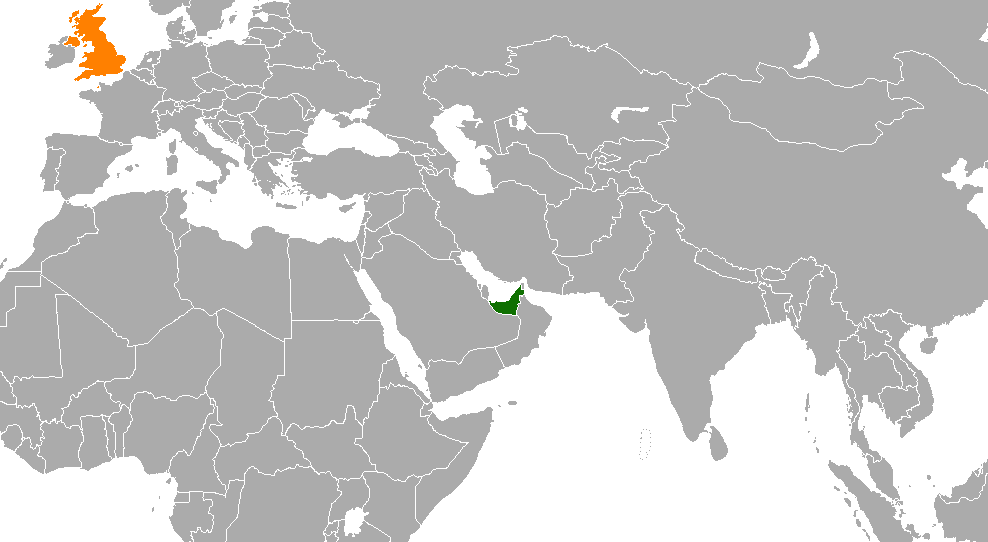
An increasing number of British residents, particularly high-net-worth individuals (HNWIs), are seeking a move to the UAE, drawn by the nation’s tax-friendly environment and strategic economic opportunities. This trend is amplified by the UK’s proposed reforms targeting non-domiciled residents and heightened post-Brexit challenges.

The UK government is set to introduce significant changes to its tax structure for non-domiciled individuals starting April 2025. This will extend taxation to global income after a four-year grace period, a measure projected to generate £2.7 billion annually by 2028. Coupled with stricter immigration rules and economic uncertainty, these changes are driving more residents to explore overseas options.

The UAE, particularly Dubai, has emerged as a top destination for British expatriates. Offering zero income tax, world-class infrastructure, and diverse investment opportunities, the UAE provides a stark contrast to the rising tax burdens in the UK. According to reports, the UAE is poised to attract 6,700 millionaires in 2024 alone, solidifying its status as a global hub for affluent expatriates.

Dubai’s real estate market exemplifies the appeal for British investors. Property transactions involving UK nationals surged by 43% in the first quarter of 2024 compared to the same period last year. The city’s attractive rental yields, high-quality developments, and residency incentives such as the Golden Visa make it a compelling choice for long-term investment and relocation. British buyers now feature prominently in popular neighborhoods like Palm Jumeirah and Dubai Marina, underscoring the UAE’s pull amid shifting global economic landscapes.

The migration trend also reflects broader changes in the UK’s workforce dynamics. Brexit-related policies have curtailed the mobility of skilled professionals and tightened visa regulations, affecting sectors like healthcare and technology. Simultaneously, Dubai’s robust economy, driven by tourism, tech, and real estate, offers a stable environment for career growth and entrepreneurship.

MSB, Backbase and SmartOSC announce partnership in signing ceremony HANOI, VIETNAM – Media OutReach Newswire – 15 November 2024 – Backbase, creator of the Engagement Banking Platform, today announces that Maritime Commercial Joint Stock Bank (MSB), has made a strategic investment in the Backbase Engagement Banking Platform, with local implementation support from Backbase’s partner, SmartOSC, a premium digital enabler. This milestone marks a pivotal step in MSB’s […]

HO CHI MINH CITY, VIETNAM – Media OutReach Newswire – 15 November 2024 – Cake by VPBank (Cake), Vietnam’s largest digital bank by user base, revenue and product variety, announced the launch of its first fully cloud-based Card Management System (CMS) in collaboration with Visa. The new cloud-based CMS utilizes Visa Cloud Connect on Google Cloud infrastructure as its access model to the Visa network. This innovative […]

Tesla, a prominent name in the electric vehicle industry, has come under scrutiny as a new study reveals its cars are involved in fatal accidents at a rate double the industry average. This concerning figure, derived from a LendingTree analysis of National Highway Traffic Safety Administration (NHTSA) data, has raised questions about the real-world implications of Tesla’s advanced technologies, including Autopilot.

The study highlights that for every billion miles traveled, Tesla vehicles experience 1.6 fatal crashes, a stark contrast to the industry benchmark of 0.8 per billion miles. Despite Tesla’s robust marketing of its safety credentials, including top crash-test ratings, this data has ignited debates over the effectiveness of these technologies in diverse driving conditions. Factors such as driver overreliance on automation and misunderstanding of Tesla’s advanced features are believed to contribute to this elevated risk.

Autopilot, Tesla’s driver-assistance system, is frequently cited in accident investigations. Critics argue that the name itself may encourage overconfidence in its capabilities, leading some drivers to engage in risky behaviors. Reports of crashes where drivers were inattentive or reliant on the system have added fuel to these concerns. Tesla, however, maintains that its technologies enhance safety when used as intended, emphasizing the need for driver engagement.

Insurance premiums for Tesla owners also reflect these findings. The vehicles’ higher crash rates influence their risk profile, often resulting in elevated insurance costs compared to other brands. Analysts suggest that while Tesla’s vehicles are packed with technology designed to mitigate accidents, the outcomes are influenced heavily by driver behavior.

The study has broader implications for the auto industry. It underscores a critical need for manufacturers to address the gap between technological capabilities and user understanding. Safety experts emphasize that while features like automated emergency braking and adaptive cruise control are transformative, they are not replacements for attentive driving.

Tesla’s accident statistics are further complicated by its demographic. The brand is popular among tech-savvy, younger drivers who may engage in higher-risk driving behaviors compared to the general population. Analysts caution that this factor, coupled with the vehicles’ high-performance capabilities, may skew the statistics.

NHTSA is actively investigating Tesla’s technologies in light of the company’s accident rates. Several probes focus on crashes involving Autopilot, particularly in scenarios where emergency vehicles are involved. These investigations aim to determine whether Tesla’s systems adequately alert drivers or mitigate risks in complex situations.

Amid these challenges, Tesla continues to innovate in automotive safety. The company regularly updates its software and introduces new features to address identified risks. For example, Tesla has implemented driver monitoring systems to ensure users remain attentive when using Autopilot. However, the effectiveness of these measures in reducing fatal accidents remains to be seen.

As Tesla grapples with these findings, the broader automotive sector faces similar questions about the integration of advanced technologies. Automakers are navigating a delicate balance between innovation and safety, striving to ensure that cutting-edge features do not inadvertently introduce new risks.

HEFEI, CHINA – Media OutReach Newswire – 15 November 2024 – On November 15, the 2024 China Huangshan Book Fair commenced in Hefei, Anhui Province. This year’s event highlights its focus on “thematic development, internationalization, digitalization, and lifestyle integration,” featuring a diverse array of cultural activities, including themed exhibitions and sales of publications, industry forums, reading promotion initiatives, cultural livestreams, digital experiences, and project discussions. The fair […]

Researchers at MIT’s Computer Science and Artificial Intelligence Laboratory (CSAIL) have unveiled a novel wearable robotic technology leveraging soft actuators with integrated sensing capabilities. These devices, designed for potential applications in rehabilitation and assistive technologies, feature a unique aesthetic and functional resemblance to banana-shaped appendages.

The development, achieved through an innovative system termed “PneuAct,” combines machine knitting techniques with pneumatic actuation. This process enables rapid, scalable production of soft robotic components, integrating conductive yarn for tactile feedback. These actuators, capable of perceiving pressure and touch, aim to enhance the responsiveness and versatility of wearable devices. The design method requires minimal manual intervention, as patterns and movements are pre-programmed and fabricated autonomously using a specialized knitting machine.

With their inherent flexibility and compliance, the actuators have been integrated into gloves and other wearable systems. These could significantly improve mobility for individuals with disabilities or aid in physical therapy. The yellow fabric used in the prototypes adds a whimsical yet functional touch, contributing to their banana-like appearance while maintaining high mechanical performance.

SHENZHEN, CHINA – Media OutReach Newswire – 15 November 2024 – OPPO, the world’s leading smart device brand will bring the flagship MediaTek Dimensity 9400 SoC to global markets in its upcoming OPPO Find X8 and Find X8 Pro smartphones. The world’s first globally available devices to feature MediaTek’s powerful new chipset, the Dimensity 9400 combines second-generation All Big Core design with industry-leading AI, compute, gaming and […]

As the cryptocurrency market experiences continued volatility, a new wave of digital assets has caught the attention of investors looking for potential winners in the next bull run. Among the notable projects gaining traction are AurealOne (DLUME), DexBoss (DEBO), 5thScape (5SCAPE), Arbitrum (ARB), Immutable X (IMX), Chainlink (LINK), and VeChain (VET). These tokens are not only driving innovation in blockchain and decentralized finance (DeFi) but also positioning themselves at the forefront of the expanding digital economy.

AurealOne (DLUME) has rapidly emerged as a promising contender within the decentralized finance space. Built on the Ethereum blockchain, AurealOne’s primary focus is to create a seamless integration between traditional finance and blockchain technologies. Its utility token, DLUME, facilitates fast, low-cost transactions and offers liquidity options that appeal to investors seeking a robust alternative to traditional financial systems. This combination of ease-of-use, scalability, and long-term sustainability has made AurealOne a standout project in the DeFi ecosystem. Experts predict that AurealOne will play a key role in bridging the gap between institutional investors and the growing crypto market.

Similarly, DexBoss (DEBO) is aiming to make a significant impact within the decentralized exchange (DEX) market. The platform focuses on offering innovative solutions for decentralized trading, providing liquidity to users through automated market-making (AMM) protocols. DexBoss stands out due to its emphasis on user experience and security. The platform leverages advanced encryption protocols, ensuring that user funds and transactions are safeguarded from potential vulnerabilities. As the decentralized finance landscape continues to evolve, DexBoss is positioned to become a major player due to its commitment to offering efficient and secure trading solutions.

5thScape (5SCAPE) represents another important project within the DeFi sphere. 5thScape focuses on the development of decentralized applications (dApps) and its potential to power a new generation of blockchain-based platforms. The platform aims to increase interoperability between various blockchains, offering a solution to one of the key limitations faced by many decentralized applications today: the lack of cross-chain compatibility. With a focus on scalability and decentralized governance, 5thScape’s token 5SCAPE is gaining attention as a long-term investment. Industry experts predict significant growth for 5thScape as it continues to enhance its technology and attract developers to build on its ecosystem.

On the layer-2 scaling front, Arbitrum (ARB) has emerged as a leading contender in the race to enhance Ethereum’s scalability. Arbitrum leverages an optimistic rollup technology that significantly increases transaction throughput while reducing gas fees. By optimizing Ethereum’s existing infrastructure, Arbitrum has the potential to make decentralized applications more accessible and efficient. As Ethereum continues to be the dominant smart contract platform, layer-2 solutions like Arbitrum are vital for improving the network’s capacity and maintaining its competitive edge.

Immutable X (IMX) has also garnered significant attention due to its focus on the growing non-fungible token (NFT) market. Immutable X offers a layer-2 solution for NFTs, providing faster, more affordable minting and trading while maintaining the security and decentralization that Ethereum is known for. Immutable X aims to be the go-to platform for large-scale NFT applications by addressing key issues in the NFT space, such as high gas fees and slow transaction times. With the rise of NFT-based gaming and digital collectibles, Immutable X is set to be a major player in the sector, offering a scalable and eco-friendly solution for the growing demand in digital assets.

Chainlink (LINK), long regarded as one of the most reliable decentralized oracle networks, continues to solidify its position as an essential part of the blockchain infrastructure. Chainlink provides real-world data to smart contracts on any blockchain, bridging the gap between the digital and physical worlds. The network’s decentralized oracles ensure that smart contracts can operate without relying on a single source of truth, which adds a layer of trust and security to decentralized applications. As more enterprises and DeFi protocols look to integrate smart contracts into their operations, Chainlink is expected to maintain its crucial role in the ecosystem, further increasing demand for LINK tokens.

VeChain (VET) stands out in the blockchain space due to its focus on supply chain management and enterprise solutions. By leveraging blockchain technology, VeChain enables businesses to track products through their entire lifecycle, from production to delivery. The platform provides an immutable, transparent record of transactions that can be used to verify the authenticity and quality of products. As supply chain issues continue to be a global challenge, VeChain’s innovative approach to enhancing efficiency, transparency, and accountability in logistics has earned it recognition across various industries. VeChain’s growing partnerships with major corporations suggest that it has the potential to become a leading force in enterprise blockchain applications.

What makes these projects especially attractive is their ability to innovate beyond the basic principles of cryptocurrency. They are not merely digital assets; each project represents a unique contribution to the blockchain ecosystem, whether through scaling solutions, NFTs, or enterprise applications. Their development is centered around providing tangible solutions to real-world problems, such as high transaction fees, slow processing times, and lack of interoperability between blockchains.

Blockchain networks witnessed a surge in on-chain transactions during the week of the U.S. elections, with total transactions reaching an unprecedented 172 million, according to data from Dune Analytics. This marked the highest on-chain transaction count recorded in a single week, reflecting a significant uptick in activity across various blockchain platforms.

Among the major blockchain networks, Solana led the charge with 106.6 million transactions, a substantial portion of the total transaction volume. The surge in Solana’s activity is particularly notable as it surpassed its competitors by a wide margin. Following Solana, Tron registered 14.7 million transactions, while Binance’s BNB chain saw 12.1 million. Polygon and Ethereum experienced smaller but still notable transaction volumes, with Polygon handling 6.56 million transactions and Ethereum 6.55 million. Arbitrum, a layer-2 solution built on Ethereum, also recorded a considerable 5.7 million transactions, and Bitcoin, the largest cryptocurrency by market capitalization, accounted for 3.2 million.

The timing of this surge coincides with a high level of public and financial market attention surrounding the U.S. elections, which could have driven increased activity across various blockchain applications, particularly in decentralized finance (DeFi) platforms and other cryptocurrency-based services. It is possible that the surge was fueled by both speculative trading and a growing interest in blockchain technology as a means of securing financial transactions during a period of heightened geopolitical uncertainty.

Blockchain networks, known for their decentralized nature and transparent transaction records, have been increasingly viewed as a viable alternative to traditional financial systems, especially during times of political or economic instability. As a result, many investors and users may have turned to blockchain platforms for executing transactions with greater security, speed, and anonymity, which are some of the advantages offered by these networks.

While Solana’s dominant position in this surge is notable, it highlights a trend that has been growing over the past several months. Solana has been gaining traction as a faster, lower-cost alternative to Ethereum, attracting developers and users seeking to leverage its benefits in decentralized applications (dApps), non-fungible tokens (NFTs), and DeFi projects. Its high transaction volume during this period is a testament to its increasing popularity in the blockchain space.

Meanwhile, Tron, which has long been known for its focus on supporting decentralized applications and facilitating fast and low-cost transactions, also saw a significant increase in activity. The network’s positioning as a platform for entertainment, gaming, and DeFi applications may have driven a surge in user engagement during a time when many sectors, particularly those related to gaming and entertainment, were experiencing a boom in online activity.

Despite the dominance of Solana and Tron, the BNB chain, which is tied to Binance, the world’s largest cryptocurrency exchange by trading volume, also registered strong performance. BNB’s rise in transactions can be attributed to the continued expansion of the Binance ecosystem, with Binance Smart Chain (BSC) facilitating a wide range of decentralized finance products and services that attract both retail and institutional users. Binance’s ecosystem has been consistently growing in prominence, with many projects and tokens opting to build on BNB due to its low fees and fast processing speeds.

Ethereum, which has historically been the dominant blockchain for decentralized applications, including DeFi and NFTs, recorded 6.55 million transactions during the election week. Ethereum’s lower transaction volume compared to its competitors during this period is partly due to the high gas fees and scalability concerns that have plagued the network in recent months. However, the launch of Ethereum 2.0 and the ongoing improvements to its scalability through sharding and layer-2 solutions are expected to mitigate these issues and possibly lead to a resurgence in Ethereum’s transaction volume in the future.

Arbitrum, which has gained significant attention as a layer-2 scaling solution for Ethereum, also saw a notable increase in transaction activity. This could be attributed to the growing adoption of layer-2 technologies, which aim to address Ethereum’s scalability issues by processing transactions off-chain while still ensuring security and decentralization. Arbitrum’s success in handling 5.7 million transactions during this period highlights its growing role in the broader Ethereum ecosystem and the increasing reliance on layer-2 solutions to improve transaction speeds and lower costs.

Bitcoin, often seen as a store of value rather than a network for daily transactions, accounted for 3.2 million transactions during the election week. While this represents a smaller portion of the overall transaction volume, it is still a significant figure for the Bitcoin network, which tends to see lower transaction volume compared to other platforms that are more tailored to smart contracts and decentralized applications. Bitcoin’s activity during this period may have been driven by both market speculation and the ongoing institutional interest in the cryptocurrency as a hedge against inflation and geopolitical risk.

The surge in blockchain transactions also points to the broader trend of increased institutional involvement in the blockchain and cryptocurrency sectors. As more financial institutions, corporations, and governments explore the potential of blockchain technology for use in areas like supply chain management, finance, and voting systems, it is likely that the volume of on-chain transactions will continue to rise. Additionally, the growing interest in tokenized assets, digital currencies, and decentralized governance models is further pushing the adoption of blockchain networks across various industries.


Masdar, the clean energy powerhouse based in the United Arab Emirates, has announced plans to develop a 1GW wind farm in the Mingbulak region of Uzbekistan. This significant renewable energy project underscores Masdar’s ongoing expansion in Central Asia, positioning the company as a key player in the region’s transition toward sustainable energy. The wind farm, located in one of the country’s most promising areas for wind energy […]

Saudi Arabia has further solidified its leadership in global green energy initiatives by signing a groundbreaking pact with Central Asian nations at COP29, amplifying efforts to address climate challenges and push for a greener future. This move, which underscores Riyadh’s commitment to transitioning to renewable energy, involves cooperation with countries such as Kazakhstan, Uzbekistan, and Turkmenistan. The deal aims to foster energy interconnections, share technology, and invest […]

Abu Dhabi’s sovereign wealth fund, the Abu Dhabi Investment Authority (ADIA), is significantly increasing its allocations to private equity in a strategic pivot to enhance long-term returns. This move underscores ADIA’s growing interest in high-risk, high-reward investment opportunities as it adapts to global market shifts. The fund’s decision comes at a time when traditional investment avenues are facing unprecedented volatility and when private equity is seen as […]

LOS ANGELES, USA – Media OutReach Newswire – 15 November 2024 – Livestreaming platform Bigo Live is set to bring Season 3 of its talent competition, BIGO’s Most Talented, to a thrilling conclusion with the Grand Finale on October 16 in Los Angeles. This innovative virtual talent show blends the competitive excitement of traditional reality TV with the interactivity of live streaming, using engagement as a unique […]

A grand kick-off ceremony will be held on November 28, showcasing unique photo spots that embody the charm of a European-style Christmas. Guests are invited to enjoy a luxurious experience of fine dining, entertainment, and shopping all in one destination. MACAU SAR – Media OutReach Newswire – 15 November 2024 – As winter approaches, Galaxy Macau™ Integrated Resort (hereafter “Galaxy Macau”) is set to transform into a […]

HONG KONG SAR – Media OutReach Newswire – 15 November 2024 – The Elite Programme of Hong Kong Science and Technology Parks Corporation (HKSTP) aims to nurture both local and international tech ventures with high growth potential. With 24 companies currently active in the programme, including 13 home-grown companies and 11 from overseas, the Elite companies span across different industries, including AI & robotics, life and health […]

VISHNU RAJA
RYO YAMADA
HITORI GOTOH
IKUYO KITA
Just in:
Thiruvambady Devaswom hails rejection of report // IEA forecasts fourth-quarter oil surplus as Gulf shipments rebound // Salik posts Dhs1.045bn profit despite lower toll traffic // Usha cleared for IOA voting // US resumes flights after nationwide air traffic shutdown // Pink Economy report puts equal rights at the heart of Thailand’s road to Bangkok WorldPride 2030 // BJP-sponsored school exam approval revoked // China Reconciled To U.S. Curbs On Chips Exports, Woos South Korea For Supply // Bitcoin rebounds after weekend plunge wipes billions from cryptocurrencies // HKGSEO Launches New SEO×GEO Dual-Engine Optimization Monthly Plan // Hong Kong schedules Gulf-Asia investment forum for 2027 // Microsoft restores services gradually but gives no recovery deadline // Lego restores BrickLink marketplace after security investigation // Sun World Ba Den Mountain marks Vietnam Culture Day, welcoming Cambodian visitors over Bon Om Touk // Danone expands consumer insight capabilities to accelerate nutrition innovation through Southeast Asia R&I Application Lab upgrade // ADQ Aviation raises Abu Dhabi Aviation holding to 71.61% // Inpex reaffirms Gulf oil strategy despite shipping constraints // Microsoft apologises as Outlook services recover after outage // TORRAS Launches Two New iPhone Duo Cases from Its Popular Ostand Series, Addressing Foldable Phone Users’ Concerns About Difficult Stand Positioning and Scratches // The Honey Trap Is The Headline, The Chip Pipeline Is The Story //