News related to
Technology

HONG KONG SAR – Media OutReach Newswire – 31 October 2024 – International Genius Company (“IGC“, stock code: 0033.HK) is pleased to release its annual report for the year ended 30 June 2024 (the “Year under Review“). During the Year under Review, IGC has been continuously promoting strategic transformation through two engines: “technology driven + innovative cooperation model”. IGC aims to become an artificial intelligence trading technology […]

Award recipients to receive in-kind technologies and services to accelerate therapeutics to market Merck experts to provide consultation and training in qualification, risk assessment, and process optimization Program extended this year to Australia, New Zealand, Taiwan, South Korea SINGAPORE – Media OutReach Newswire – 1 November 2024 – Merck, a leading science and technology company, today announced the winners of its Emerging Biotech (EB) Grant Program in […]

HONG KONG SAR – Media OutReach Newswire – 1 November 2024 – Luxshare Precision (002475.SZ) announced its Q3 2024 financial results on October 25. In the first three quarters of the year, the company achieved approximately RMB177.177 billion in revenue, reflecting a year-on-year growth of 13.67%. The net profit attributable to shareholders of the listed company reached RMB9.075 billion, marking a year-on-year increase of 23.06%. These figures […]

HONG KONG SAR – Media OutReach Newswire – 1 November 2024 – On the evening of October 31, 2024, Alpha Technology Group Limited. (NASDAQ: ATGL), Hong Kong’s first AI company, successfully held a Halloween celebration for the first anniversary of its public listing at Pier 1929 of Wan Chai Pier, Hong Kong, attracting more than 300 esteemed guests in this great event. Cake Cutting Ceremony with ATGL […]

New ‘Designer of the Year’ Award Unveiled HONG KONG SAR – Media OutReach Newswire – 1 November 2024 – Hong Kong Design Centre (HKDC) is pleased to announce the esteemed laureates of the DFA Awards 2024, celebrating the innovative spirit and profound impact of design across Asia. This year, DFA Awards introduced an exciting new accolade, the DFA Designer of the Year, marking a significant milestone in […]

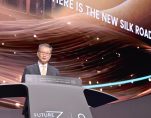
HONG KONG SAR – Media OutReach Newswire – 1 November 2024 – Paul Chan, Financial Secretary of the Hong Kong Special Administrative Region Government, wrapped up his Middle East visit (October 31) by meeting top officials in Saudi Arabia, witnessing the signing of various bilateral memoranda of understanding (MoUs) and delivering a keynote speech at the “Future Investment Initiative” (FII). Hong Kong’s Financial Secretary, Paul Chan, speaks […]

HANOI, VIETNAM- Media OutReach Newswire – 1 November 2024 – Vinhomes JSC and Sunny Vietnam Co. announce the launch of the Ocean International Lantern Contest and Festival. This event marks the first-ever international-scale lantern design competition, bringing together the most distinguished artisans from major lantern-making cultures worldwide. This annual program, held at the Ocean City megacomplex, aims to create an artistic destination to witness some of the […]

Advertisements

Top executives across various industries have expressed strong optimism about the role of artificial intelligence (AI) in driving decarbonization efforts and enhancing energy efficiency. As the world grapples with climate change and strives to meet net-zero goals, AI’s capabilities are being increasingly recognized as vital tools in this transformation. The discussions surrounding AI’s impact on energy and the environment have gained significant momentum in 2024, especially at […]

A significant emigration wave is reshaping Pakistan’s professional landscape, as growing numbers of highly skilled individuals seek opportunities abroad. The trend, fueled by a combination of economic challenges, political instability, and the quest for better living conditions, has raised concerns about the potential long-term impacts on the country’s development. Data from various sources indicate a dramatic increase in the number of educated Pakistanis leaving for foreign shores. […]

Authorities in the United Arab Emirates have extended the visa amnesty period for individuals overstaying their residency permits, providing a critical opportunity for many to regularize their status. Originally set to expire, this extension allows overstayers to benefit from a streamlined process aimed at reducing the number of illegal residents while supporting their reintegration into society. The extension is part of the UAE’s broader strategy to enhance […]

Hassana Investment Company, the investment arm of the Saudi Public Pension Agency, is set to invest $2 billion in Brookfield Asset Management’s new Middle East-focused fund. This partnership is part of a broader strategy to enhance investment opportunities in the region, signaling significant confidence in Brookfield’s capabilities to generate returns through diversified investments. The fund aims to capitalize on growing infrastructure and real estate needs within the […]

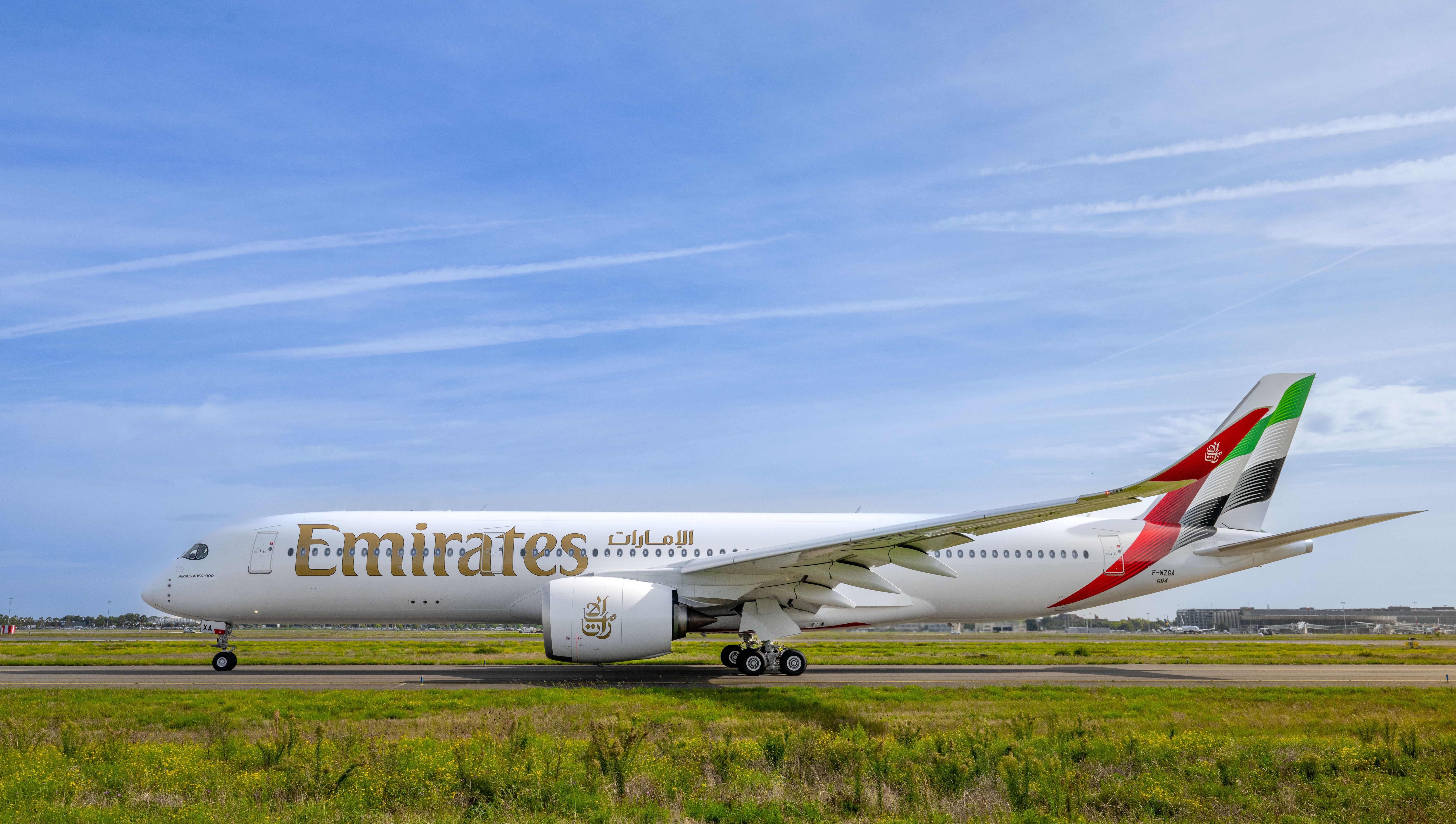
The delivery of Emirates’ first Airbus A350 has been postponed until early December, marking yet another setback in the airline’s fleet expansion plans. Originally scheduled for delivery in mid-2023, this delay is attributed to ongoing supply chain challenges that have impacted the aviation industry globally.

Emirates has been at the forefront of modernizing its fleet, committing to acquiring 50 Airbus A350-900 aircraft, a move aimed at enhancing operational efficiency and passenger comfort. The A350 is known for its fuel efficiency and long-range capabilities, making it a strategic choice for Emirates as it navigates a recovering post-pandemic travel market. However, the postponement reflects broader trends affecting major airlines, which are grappling with supply chain disruptions exacerbated by global events, including the lingering effects of the COVID-19 pandemic and geopolitical tensions.

Airbus has acknowledged the challenges it faces in meeting delivery schedules, largely stemming from shortages in parts and components critical for aircraft assembly. Despite these hurdles, the manufacturer is actively working to resolve the issues, with plans to ramp up production in the coming months. The delay in Emirates’ delivery reflects a cautious optimism within the industry, as airlines anticipate a rebound in demand for air travel, particularly in regions with high passenger traffic.

Industry experts suggest that this setback may lead Emirates to adjust its operational strategies temporarily. The airline has been known for its ability to adapt to market changes rapidly, and this delay may prompt a re-evaluation of its short-term capacity plans. With the holiday season approaching, there is increased pressure on airlines to meet passenger demand, and any fleet expansion delays could impact their service offerings.

Emirates’ commitment to the A350 program remains strong, as the aircraft is designed with advanced technology, including a quieter cabin and improved aerodynamics. The A350’s introduction is expected to bolster Emirates’ already extensive fleet of modern aircraft, which includes Boeing 777s and Airbus A380s. The A350 will also complement Emirates’ sustainability goals, contributing to reduced carbon emissions through its advanced fuel-efficient engines.

Airlines across the globe are facing similar challenges. Other major carriers have reported delays in aircraft deliveries, including Boeing and regional players, highlighting a systemic issue within the aerospace supply chain. The demand for aircraft has surged as travel restrictions ease and passenger numbers rebound, prompting manufacturers to strive for higher production rates while grappling with the complexities of sourcing components.

Emirates’ leadership remains optimistic about the long-term benefits of its investment in the A350, believing that once the aircraft enters service, it will provide a significant competitive advantage in the market. The airline’s management has emphasized its commitment to fleet modernization as a key driver of its strategy to enhance customer experience and operational efficiency.

As the airline prepares for the eventual delivery of the A350, it continues to explore other opportunities to expand its network and services. Emirates has been actively engaging in partnerships with various airlines, aiming to enhance connectivity and improve service offerings across its routes. This strategy includes forging codeshare agreements that allow for greater flexibility and options for travelers.

Despite the delays, Emirates has managed to maintain a strong market position, aided by its extensive route network and premium service offerings. The airline has invested heavily in marketing and customer engagement initiatives, ensuring that it remains a top choice for international travelers. This proactive approach, coupled with its strong brand recognition, positions Emirates well to navigate the challenges presented by fleet delays and supply chain disruptions.

The upcoming delivery of the Airbus A350 is critical not only for Emirates but also for Airbus, as it signals a milestone in the manufacturer’s recovery from the disruptions that have plagued the aviation sector. Successful deliveries are essential for restoring confidence among airlines and signaling a return to normalcy within the industry.

Mubadala Capital and Temasek’s Seviora Holdings are embarking on a collaborative journey to explore investment opportunities in the global market. This strategic partnership aims to leverage each firm’s unique strengths and expertise to identify promising sectors, particularly in technology, healthcare, and sustainability. The collaboration signals a proactive approach in a rapidly evolving investment landscape, as both entities seek to capitalize on emerging trends and the potential for high returns.

Mubadala Capital, the asset management arm of the Abu Dhabi-based Mubadala Investment Company, has a strong reputation for fostering innovative ventures and driving economic diversification. It manages a diverse portfolio that spans multiple sectors, including technology, healthcare, real estate, and energy. The firm has been actively investing in global markets, aiming to enhance the UAE’s economic landscape while ensuring sustainable growth. Their focus on strategic investments has led them to seek partnerships that can amplify their reach and impact.

Temasek’s Seviora Holdings, part of the Singaporean investment giant, also emphasizes a diversified portfolio, with substantial investments in growth sectors across the globe. Seviora Holdings aims to deliver long-term value by concentrating on companies and technologies that are expected to shape the future. This alignment with Mubadala Capital’s ethos presents a significant opportunity for both firms to share insights and resources, ultimately enhancing their investment strategies.

The collaboration comes at a time when global investment dynamics are shifting, particularly in the wake of economic uncertainties and geopolitical tensions. Investors are increasingly prioritizing sectors that not only promise financial returns but also contribute to social and environmental sustainability. This trend is reflected in Mubadala Capital and Seviora Holdings’ strategic focus, emphasizing investments that are resilient and aligned with sustainable development goals.

Both firms are likely to explore opportunities in technology, particularly in areas such as artificial intelligence, fintech, and digital health. The COVID-19 pandemic has accelerated digital transformation across various industries, leading to an influx of innovative startups seeking capital. Mubadala Capital has already established a strong presence in the technology sector through investments in prominent companies and venture funds. This expertise positions them well to identify and support promising technological innovations.

Healthcare is another area of interest for the partnership. The pandemic highlighted the critical need for advancements in healthcare technology and infrastructure. Both Mubadala Capital and Seviora Holdings recognize the potential for significant returns in this sector, particularly as the demand for innovative healthcare solutions continues to rise. Investments in telemedicine, biotechnology, and healthcare-related technologies are expected to remain focal points for both firms.

Sustainability is increasingly becoming a core aspect of investment strategies worldwide. Both Mubadala Capital and Seviora Holdings have demonstrated a commitment to sustainable investing, aligning their portfolios with environmental, social, and governance (ESG) criteria. The global shift towards renewable energy, waste management, and sustainable agriculture presents fertile ground for new investment opportunities. The partnership is expected to actively seek out ventures that not only offer financial returns but also contribute positively to society and the environment.

Geopolitical considerations are also influencing investment decisions. The partnership between Mubadala Capital and Seviora Holdings may allow them to navigate complex international markets more effectively, utilizing their combined knowledge and networks. Their collaboration could enable them to identify emerging markets and sectors that are poised for growth, especially in regions that are becoming increasingly attractive for foreign investment.

As Mubadala Capital and Seviora Holdings move forward with their investment exploration, their focus will likely remain on fostering partnerships with innovative companies and dynamic startups. The potential for co-investments and sharing of expertise will be crucial in identifying and nurturing businesses that can deliver strong returns while addressing pressing global challenges.

The economic landscape continues to evolve, with investors becoming more discerning in their choices. The collaboration between these two influential investment firms represents a significant step towards capitalizing on new opportunities while adhering to ethical and sustainable investment practices. As they seek out ventures that align with their strategic goals, the partnership is poised to play a vital role in shaping the future of investment in key sectors.

Saudi Arabia’s Public Investment Fund (PIF) has formalized its strategic collaboration with a leading Japanese financial institution through a series of memoranda of understanding (MoUs) potentially valued at up to $51 billion. This initiative aims to bolster investment opportunities and foster economic ties between the two nations, aligning with Saudi Arabia’s Vision 2030 agenda focused on economic diversification and sustainability.

The agreements underscore a growing trend of international partnerships that enhance the PIF’s global footprint. The MoUs cover a wide range of sectors, including technology, renewable energy, infrastructure, and entertainment. This move marks a significant step in PIF’s ongoing strategy to attract foreign investment while enabling Japanese companies to tap into Saudi Arabia’s burgeoning market.

The Japanese bank involved in the MoUs, a prominent player in the global financial landscape, has expressed commitment to collaborating on various projects that support Saudi Arabia’s long-term development goals. By leveraging Japan’s advanced technological expertise and experience in sustainable practices, the partnership aims to introduce innovative solutions to address pressing challenges in the Kingdom, particularly in areas such as clean energy and urban development.

Recent developments in the energy sector highlight a growing emphasis on sustainability. The PIF has been increasingly focused on renewable energy initiatives, with significant investments in solar and wind projects. This new partnership with the Japanese bank is expected to further accelerate these efforts, allowing for the exchange of knowledge and technology that can enhance the Kingdom’s energy landscape.

The PIF’s collaboration with Japanese entities is seen as a response to global shifts towards sustainability. As countries strive to meet their climate commitments, Saudi Arabia’s ability to innovate in green technology and invest in clean energy becomes paramount. The partnership aims to support Saudi Arabia’s ambitious goals of generating 50% of its power from renewable sources by 2030.

The PIF’s strategy aligns with the global trend of sovereign wealth funds diversifying their portfolios and seeking international partnerships to mitigate risks. This initiative illustrates the PIF’s commitment to building a resilient investment ecosystem that can withstand market fluctuations while promoting sustainable growth. By partnering with established international financial institutions, the PIF can leverage their expertise to enhance its investment strategies.

The collaboration is also a testament to Japan’s keen interest in participating in the Saudi market. Japanese companies have been increasingly exploring opportunities in the Kingdom, particularly in sectors like infrastructure and technology. The MoUs are expected to facilitate the entry of more Japanese firms into Saudi Arabia, potentially leading to the creation of jobs and the transfer of skills and technology.

Analysts view this partnership as a positive step for both nations. For Saudi Arabia, it presents an opportunity to diversify its economy and reduce dependence on oil revenues. For Japan, the collaboration allows access to one of the fastest-growing markets in the Middle East. The partnership aligns with Japan’s broader strategy of engaging with the Gulf Cooperation Council (GCC) nations to enhance trade relations and secure energy supplies.

As the world grapples with the impacts of climate change, the focus on renewable energy is becoming increasingly critical. The PIF’s proactive approach in collaborating with Japanese entities reflects its recognition of the importance of sustainable development. By investing in green technologies, Saudi Arabia positions itself as a leader in the global energy transition, attracting further investment and interest from international markets.

The partnership is expected to yield significant economic benefits for both countries. The infusion of Japanese capital and expertise into Saudi Arabia’s projects could lead to improved infrastructure, enhanced technological capabilities, and increased job creation. This, in turn, could stimulate economic growth and elevate the standard of living for many Saudis.

The PIF’s collaboration with the Japanese bank comes at a time when Saudi Arabia is actively seeking to enhance its global investment strategy. The PIF has set ambitious targets to grow its assets under management to over $2 trillion by 2030, focusing on sectors that align with the Kingdom’s long-term vision. The partnership with Japan is a strategic move in this direction, providing the PIF with the necessary tools and expertise to navigate the complexities of global markets.

SINGAPORE – Media OutReach Newswire – 4 March 2024 – VTEX (NYSE: VTEX), the global enterprise digital commerce platform, announced today its partnership with ChannelEngine, a leading global marketplace integration platform. This alliance allows VTEX merchants to sell to more than 700 marketplaces globally, scaling their existing revenue opportunities while also enabling them to enter new international markets seamlessly. VTEX, renowned for its flexibility, composability, and comprehensive […]

ORDOS, CHINA – Media OutReach Newswire – 31 October 2024 – On October 28, nearly 20,000 builders fought on the front line at the site of the 2.6 million tons of coal-to-olefins and supporting 400,000 tons of implanted green hydrogen coupling to olefins demonstration project in Baofeng, Inner Mongolia in Uxin Banner. In the past two days, the project has entered the final stage of equipment installation. […]

BEIJING, CHINA – Media OutReach Newswire – 31 October 2024 – During the recently launched 2024 Beijing Chaoyang International Light Festival, the Liangma River Cultural and Economic Belt, on the theme of “Following Light, Beautiful Shadows,” has erected over 50 lighting installations and staged over 10 entertainment and consumption event across three main areas: the Liangma River International Water Front with the sub-theme of “Flowing Light and […]

35 remarkable projects across Asia Pacific recognised HONG KONG SAR – Media OutReach Newswire – 31 October 2024 – The MIPIM Asia 2024 Awards, widely regarded as the most prestigious honors recognizing excellence and innovation in Asia’s real estate industry, has unveiled its winners after a rigorous and thorough judging process. The winners of the coveted Gold, Silver, and Bronze awards will be announced at the highly […]

Bitcoin’s hashrate, an indicator of the computing power dedicated to its blockchain, reached a historic peak of 769.8 exahashes per second (EH/s) this month. This record figure represents a significant rise in mining activity and network security, underscoring a broader trend toward consolidation within the cryptocurrency mining industry. Major players in the field continue to expand their operations while smaller firms face mounting challenges driven by the rising operational costs and the impending 2024 “halving” event.

Since the onset of 2023, Bitcoin’s network has seen consistent hashrate growth, an outcome attributed to two main factors: advancements in mining hardware and the continuing global expansion of large-scale mining farms. Industry leaders have steadily invested in new, high-powered ASIC mining units, specifically designed to increase mining efficiency and profitability. As the network becomes more secure, smaller miners struggle to remain competitive, with analysts suggesting that the upcoming block reward halving may expedite a wave of industry consolidation. The halving, scheduled for April 2024, will reduce miner rewards from 6.25 BTC per block to 3.125 BTC, doubling the cost of producing each Bitcoin, thus favoring large mining entities with greater resources.

With Bitcoin’s rising computational power, the network becomes increasingly resilient to external attacks and manipulations. This enhancement reinforces investor confidence, given the decentralized system’s backbone of advanced security protocols. Such improvements in network integrity are drawing more institutional investors and firms seeking reliable blockchain technology for business applications. However, this strength also has implications for energy consumption, as the cumulative power required to maintain the network continues to climb. Bitcoin’s high electricity demands remain a focal point in debates about the environmental footprint of cryptocurrency mining.

Countries with historically low energy costs, including the United States, Canada, and Kazakhstan, have become attractive locations for mining companies. In the U.S., Texas has emerged as a prominent hub, largely due to favorable energy policies and renewable energy sources. However, fluctuating energy prices and increasing scrutiny over mining’s environmental impact have prompted some regions to reconsider their stance on Bitcoin mining.

The age of traditional keys is fading. With the rise of keyless entry technology, homeowners are experiencing a transformation in how they secure their homes. This modern convenience not only offers enhanced security but also simplifies our daily lives. From smart locks to app-based entry systems, keyless technology has become a must-have for those seeking convenience and peace of mind. In this blog post, we’ll explore the […]

Exchange views with industry leaders on the evolution of FinTech HONG KONG SAR – Media OutReach Newswire – 30 October 2024 – The main conference & expo of the Hong Kong FinTech Week 2024, one of the most influential FinTech events in Asia, was successfully concluded yesterday. Themed “Illuminating New Pathways in Fintech,” the event attracted over 30,000 from more than 100 economies. It brought together global […]

Abu Dhabi’s Economic Vision 2030 gains momentum with a pivotal collaboration between the Emirates Water and Electricity Company (EWEC) and the Abu Dhabi National Exhibitions Company (ADNEC). This partnership aims to transform the ADNEC Centre into a hub for clean energy, marking a significant step towards sustainable development in the region. The agreement, announced on October 30, 2024, highlights EWEC’s commitment to providing renewable energy solutions. By […]

The International Air Transport Association (IATA) has announced its plans to incorporate digital currencies into its financial settlement systems, signaling a significant shift in how the aviation industry conducts transactions. This move aims to enhance operational efficiency and cater to evolving consumer preferences in a rapidly digitizing world.

With a growing interest in digital currencies, particularly cryptocurrencies and stablecoins, IATA’s initiative addresses the need for more flexible payment methods within the airline sector. The association’s director general, Willie Walsh, emphasized that adopting digital currencies could facilitate quicker settlements, reduce transaction costs, and improve overall customer experience.

As airlines seek innovative ways to optimize their operations post-pandemic, integrating digital currencies presents an opportunity to streamline payment processes. Currently, many airlines and travel-related companies are grappling with the challenges of legacy systems that often hinder speed and efficiency. Walsh stated that integrating digital currencies aligns with the industry’s push towards modernization and technological advancement.

Digital currencies have gained traction in various sectors, but the aviation industry remains cautious due to regulatory uncertainties and the volatile nature of many cryptocurrencies. However, IATA believes that working closely with regulators will ensure that the introduction of digital currencies into financial systems complies with existing laws and regulations.

Emerging trends in the financial landscape are shaping the future of payments in aviation. With a significant portion of travelers expressing interest in using cryptocurrencies, airlines must adapt to meet this demand. Research indicates that younger generations, particularly millennials and Gen Z travelers, are more inclined to use digital currencies for purchases. By embracing these payment methods, airlines can attract a tech-savvy customer base that values flexibility and innovation.

IATA’s move also reflects a broader trend across various industries exploring blockchain technology and digital assets. Companies are increasingly recognizing the potential of blockchain to enhance transparency and security in transactions. This technology allows for secure, real-time processing of payments, reducing the risks associated with fraud and chargebacks.

Several airlines have already begun to experiment with accepting cryptocurrencies. For example, major carriers like AirAsia and Lufthansa have launched initiatives allowing customers to book flights using Bitcoin and other digital currencies. These pioneering efforts indicate a growing willingness among airlines to adapt to changing market conditions and consumer preferences.

The pandemic has accelerated the digital transformation across industries, with contactless payment options becoming a necessity rather than an option. IATA’s strategy to integrate digital currencies is in line with this trend, enabling airlines to offer a seamless and secure payment experience for travelers.

While the potential benefits are significant, challenges remain. Regulatory frameworks surrounding digital currencies vary widely across countries, creating complexity for airlines operating in multiple jurisdictions. IATA is actively engaging with international regulators to address these concerns and promote a cohesive approach to digital currency adoption.

Industry experts believe that for digital currencies to gain widespread acceptance in aviation, robust standards and guidelines must be established. These standards would address issues such as security, interoperability, and compliance with anti-money laundering regulations. Collaboration among stakeholders, including airlines, payment providers, and regulatory bodies, will be crucial in developing a sustainable framework for digital currency transactions.

As the aviation industry grapples with rising operational costs and fluctuating fuel prices, digital currencies may offer a more stable alternative for financial settlements. Stablecoins, which are pegged to traditional currencies or commodities, could provide airlines with a hedge against volatility, enabling more predictable budgeting and planning.

The adoption of digital currencies is not just about payment processing; it also opens avenues for innovative loyalty programs and customer engagement strategies. Airlines could leverage blockchain technology to create more transparent and efficient loyalty schemes, allowing customers to earn and redeem rewards in digital currency.

As IATA moves forward with its plans, collaboration with technology providers and financial institutions will be essential. By partnering with fintech companies, airlines can access the necessary infrastructure and expertise to integrate digital currencies seamlessly into their existing systems.

Customer education will play a vital role in the successful implementation of digital currency payment options. Airlines will need to inform travelers about the benefits, risks, and practicalities of using digital currencies for purchases. This initiative could also foster a greater understanding of blockchain technology and its applications in aviation.


A landmark budget for 2025 to 2027 has been approved by the Dubai Government, marking a pivotal step in its economic strategy. This new budget is set at an unprecedented AED 69.5 billion, representing a significant increase over the previous budget cycle, which focused on robust investment in infrastructure, education, and sustainability initiatives. The plan reflects Dubai’s ambition to enhance its status as a global economic hub and to foster innovation and growth across various sectors.

The approved budget highlights an allocation of AED 20.4 billion for infrastructure development, aimed at enhancing the city’s transport systems, public facilities, and digital infrastructure. This investment is expected to not only improve the quality of life for residents but also attract further investments and tourism. Additionally, AED 11 billion is earmarked for social development programs, emphasizing education and healthcare, ensuring that the benefits of growth reach all segments of society.

Economic recovery remains a central theme within the budget, as Dubai continues to rebound from the impacts of the global pandemic. The government anticipates an economic growth rate of 3.5% over the next three years, supported by strategic investments and initiatives that will bolster various sectors including tourism, trade, and technology. The commitment to a diversified economy is reflected in the emphasis on supporting small and medium-sized enterprises (SMEs), which are considered crucial for job creation and innovation.

The budget also prioritizes sustainability, with a dedicated allocation for green initiatives and projects that align with Dubai’s long-term vision of becoming one of the world’s most sustainable cities. Plans include the expansion of renewable energy sources and investments in waste management technologies, which aim to minimize environmental impact while promoting economic efficiency.

The budget includes provisions to enhance public services, particularly in areas such as education and healthcare. Investments in education are designed to equip the workforce with skills necessary for a rapidly changing global market. Healthcare spending is set to improve facilities and services, ensuring a high standard of living for all residents.

This ambitious budget reflects the government’s confidence in Dubai’s resilience and adaptability in the face of global challenges. The leadership aims to create a dynamic economic environment that fosters innovation, nurtures talent, and attracts international businesses. The government has actively engaged stakeholders across sectors to ensure that the budget meets the needs of the community while aligning with long-term strategic goals.

The tourism sector, a vital component of Dubai’s economy, is poised for a significant revival, bolstered by new attractions and events planned for the coming years. With major global events such as Expo 2020 having laid a foundation for increased international visibility, the government is keen on leveraging this momentum to further boost tourism and hospitality.

In terms of governance, the budget introduces measures aimed at enhancing transparency and accountability in financial management. The Dubai Government emphasizes its commitment to responsible spending and efficient use of resources, ensuring that public funds are utilized effectively to achieve the outlined objectives. This aligns with broader efforts to build trust among citizens and investors alike.

Experts have noted that the budget’s focus on innovation and technology is particularly relevant in today’s rapidly evolving global landscape. The allocation for digital transformation initiatives highlights the government’s recognition of technology as a key driver of economic growth. Investment in smart city projects is expected to enhance urban living while providing seamless services to residents and visitors.

The approval of this budget has been met with optimism among business leaders and economists, who see it as a signal of Dubai’s ongoing commitment to economic development and diversification. With an eye towards future challenges and opportunities, the government’s financial plan positions the emirate to navigate shifts in global markets effectively.

VISHNU RAJA
RYO YAMADA
HITORI GOTOH
IKUYO KITA