News related to
Technology

Over 700 exhibitors from 17 countries and regions to participate from 6-8 November at the Hong Kong Convention and Exhibition Centre Exhibition reflects four prominent market trends: technology, lifestyle, functionality and sustainability Concurrent Hong Kong International Optometric Symposium to explore latest breakthroughs in myopia control and prevention Finalists of the 24th Hong Kong Eyewear Design Competition to be unveiled HONG KONG SAR – Media OutReach Newswire – […]

SINGAPORE – Media OutReach Newswire – 25 October 2024 – Madame Tussauds Singapore marks a momentous milestone as it celebrates its 10th anniversary this year. Since the opening in 2014, the iconic attraction on scenic Imbiah Lookout, Sentosa has welcomed millions of visitors from around the world, bringing them up close with their favourite stars, superheroes, and historical figures through its world-class wax figures and immersive experiences. […]

From today to 10th November, every Friday to Sunday evening, enjoy an enchanting nightlife that blends Portuguese-Macau charm with century-old local brands, emerging culinary stars, stall games, and street band performances. MACAU SAR – Media OutReach Newswire – 25 October 2024 – Dried fruits curated by a century-old establishment, shrimp paste passed down through three generations, iconic Macau egg waffles that have delighted taste buds for over […]

Google has unveiled its watermarked technology for detecting AI-generated text, making it available to the public as open source. This initiative responds to the increasing challenges posed by the proliferation of AI-generated content, which has sparked concerns regarding misinformation and the authenticity of written communication. By equipping individuals and organizations with tools to identify AI-generated text, Google aims to bolster the integrity of online discourse and facilitate […]

Connectbase, a global marketplace facilitating connectivity transactions, has completed the strategic acquisition of Network Capacity Solutions (NCS), renowned for its innovative data center and network inventory software. This acquisition aims to enhance Connectbase’s ability to provide seamless connectivity solutions across a growing global network. The integration of NCS’s software solutions is expected to enable Connectbase to offer enhanced inventory management, network visibility, and improved capacity planning for […]

GlobalNet has officially launched a state-of-the-art high-speed fiber connection between Stockholm and Berlin, marking a significant expansion of its network across vital European hubs. The newly established 1,200-kilometer dense wavelength division multiplexing (DWDM) fiber link promises network latency of under 12 milliseconds, which is expected to substantially enhance data transmission efficiency for businesses and consumers alike. The initiative comes at a time when demand for reliable and […]

Celestial AI has acquired a significant portfolio of silicon photonics intellectual property (IP) from Rockley Photonics, enhancing its position in the photonic interconnect technology sector. This strategic move allows Celestial AI to leverage both granted and pending patents related to silicon photonics, a technology crucial for high-speed data transmission and optical computing.

The acquisition reflects a growing trend in the technology sector, where companies are increasingly focused on integrating photonics into their products. Silicon photonics technology enables the integration of optical components onto silicon chips, providing a pathway for faster and more efficient data transfer compared to traditional electronic systems. This technology is pivotal for meeting the demands of data-heavy applications, such as artificial intelligence (AI), cloud computing, and high-performance computing.

Celestial AI, known for its innovative approach to photonic interconnects, aims to develop advanced solutions that enhance the performance and scalability of data centers and AI systems. By acquiring Rockley Photonics’ patents, Celestial AI strengthens its intellectual property portfolio, potentially accelerating the development of next-generation technologies that utilize light for data communication.

Rockley Photonics, which specializes in health monitoring and imaging systems, had previously focused on applying silicon photonics in wearable technology. However, the sale of its photonic IP indicates a strategic shift, allowing the company to concentrate on its core competencies in health technology. This divestment may provide Rockley with additional resources to invest in expanding its offerings in the health sector, where it has seen considerable growth.

Industry analysts view this transaction as a significant indicator of the increasing relevance of silicon photonics in various sectors beyond traditional telecommunications. As companies like Celestial AI integrate these technologies, the potential applications could extend into areas such as autonomous systems, Internet of Things (IoT) devices, and advanced AI hardware, where efficient data processing and communication are critical.

The photonics industry is experiencing rapid advancements, with investments pouring into startups and established companies alike. This trend is driven by the necessity for improved data handling capabilities as global data consumption skyrockets. In particular, the demand for high-bandwidth connections and low-latency communication is propelling innovation in silicon photonics, leading to collaborations and acquisitions among key players.

Experts believe that this acquisition by Celestial AI could also foster collaborations with other technology firms seeking to integrate photonic capabilities into their products. As companies recognize the importance of speed and efficiency in data transmission, partnerships that combine expertise in AI and photonics are likely to emerge. Such alliances could further advance the development of integrated circuits that utilize both electronic and photonic technologies.

The growing interest in quantum computing is placing additional focus on photonics as a viable solution for addressing the challenges of quantum data transfer and processing. Silicon photonics has the potential to play a crucial role in the development of quantum networks and quantum computing systems, which rely on the manipulation of photons for information processing.

In the broader context of the technology landscape, the acquisition underscores the competitive nature of the photonics market. Companies are increasingly recognizing the strategic value of intellectual property related to silicon photonics as they seek to differentiate themselves in a crowded marketplace. This trend aligns with the ongoing shift toward more integrated and efficient computing solutions, where speed and power efficiency are paramount.

Investors are keenly observing the developments in this space, as the integration of photonics into mainstream technology could yield substantial returns. The ability to transmit data faster and more efficiently could revolutionize various industries, prompting further investment in research and development.

Celestial AI’s acquisition of Rockley Photonics’ patents marks a pivotal moment in the ongoing evolution of silicon photonics technology. By enhancing its intellectual property portfolio, Celestial AI positions itself as a leader in the photonics field, ready to meet the growing demands of data-centric applications. This strategic move not only boosts Celestial AI’s capabilities but also signals a broader shift toward photonics-driven solutions across multiple sectors, setting the stage for innovations that could reshape the technological landscape.

Advertisements

Dubai Chamber of Commerce has inaugurated the Korean Business Council to bolster economic ties and foster collaboration between businesses in Dubai and the Republic of Korea. This initiative is part of Dubai Chamber’s ongoing efforts to diversify its economic partnerships and attract foreign investment. The council’s establishment comes at a time when both regions seek to enhance their bilateral trade relations, with an eye on creating sustainable business opportunities.

The inaugural annual general meeting of the Korean Business Council took place in Dubai, featuring prominent business leaders, government officials, and representatives from various sectors. This gathering provided a platform for discussions on enhancing trade and investment flows between Dubai and South Korea. Key participants included senior officials from Dubai Chambers, members of the diplomatic community, and representatives from South Korean firms operating in the UAE.

During the meeting, chamber officials emphasized the significance of the council in facilitating dialogue and collaboration. The council aims to serve as a vital link between the two regions, fostering partnerships across various sectors, including technology, renewable energy, tourism, and healthcare. By leveraging the strengths of both economies, the Korean Business Council intends to create a synergistic environment conducive to business growth and innovation.

The UAE is already a significant trading partner for South Korea in the Middle East. In 2023, bilateral trade between the two nations reached approximately $15 billion, with South Korea exporting goods such as machinery, electronics, and automobiles. The establishment of the Korean Business Council is expected to further stimulate this trade and attract South Korean companies to invest in Dubai’s growing market.

South Korea’s Ministry of Trade, Industry, and Energy has expressed support for the initiative, recognizing the strategic importance of strengthening economic relations with the UAE. South Korea’s trade envoy to the UAE highlighted the country’s commitment to fostering business collaborations and creating a more robust economic framework for bilateral trade.

The new council will offer various services to its members, including market research, networking opportunities, and access to resources that can assist in navigating the Dubai business landscape. By providing a platform for collaboration and knowledge-sharing, the council aims to empower businesses to expand their reach and enhance their competitiveness in the region.

The council is expected to play a pivotal role in attracting South Korean investment into Dubai’s rapidly developing sectors. As Dubai continues to position itself as a global business hub, the Korean Business Council will facilitate opportunities for South Korean firms looking to establish or expand their operations in the region.

With its strategic location, favorable business environment, and established infrastructure, Dubai has become an attractive destination for South Korean companies. Numerous South Korean enterprises have already made significant investments in sectors such as construction, hospitality, and technology, underscoring the potential for further collaboration.

The Korean Business Council will also focus on promoting cultural exchanges between the two regions. Cultural ties are essential in fostering mutual understanding and trust, which can enhance business interactions. Events showcasing Korean culture, technology, and innovation are expected to be organized to facilitate this cultural exchange, enabling Dubai businesses to gain insights into South Korea’s advancements in various industries.

The council’s establishment aligns with the UAE’s Vision 2021, which aims to position the nation as a global economic leader and a hub for trade and investment. By enhancing relationships with key markets like South Korea, Dubai is making strategic moves to achieve its economic diversification goals.

In addition to economic benefits, the council is poised to contribute to the broader goal of sustainable development. As both regions prioritize sustainability and innovation, the council will encourage cooperation in sectors such as renewable energy and environmental technology. Collaborative initiatives in these areas can lead to significant advancements, addressing pressing global challenges while promoting economic growth.

As the Korean Business Council embarks on its journey, its success will rely on the active participation of its members and the commitment to fostering a dynamic and collaborative business environment. The council’s leadership has expressed enthusiasm for creating a vibrant network of businesses that can thrive in Dubai’s competitive landscape.

Engaging with local stakeholders and participating in trade missions and exhibitions will be crucial in building relationships and expanding business opportunities. By connecting South Korean and Dubai-based companies, the council aims to unlock the potential for innovative partnerships that can drive economic growth.


German luxury carmaker Mercedes-Benz announced a staggering decline of more than 50 percent in its third-quarter profits, attributing this downturn primarily to a significant slowdown in the Chinese market, a vital region for luxury vehicle sales. The company reported a net profit of €1.72 billion for the quarter, down from €3.64 billion in the same period last year, reflecting the challenges posed by weakening demand and broader economic uncertainties.

The company highlighted that while it experienced strong sales growth in the first half of the year, the third quarter revealed a stark contrast. The demand for luxury vehicles in China, which constitutes a substantial share of Mercedes-Benz’s sales, has faced pressures from economic headwinds, including stricter COVID-19 restrictions and a subsequent sluggish recovery. These factors have led to a notable reduction in consumer spending, particularly on high-end goods.

Mercedes-Benz also noted an increase in production costs, further exacerbating profit pressures. The ongoing global supply chain issues have contributed to elevated costs for raw materials and logistics, impacting overall profitability. The company emphasized the challenges of maintaining its profit margins amid these rising expenses and shifting consumer preferences.

In response to the declining profits, Mercedes-Benz outlined its strategic focus on adapting to changing market dynamics. The firm has committed to increasing its electric vehicle (EV) offerings as part of its long-term strategy to capture a larger share of the growing EV market. The company has set ambitious goals to deliver more than 20 new electric models by 2026, aiming to transition its fleet to a more sustainable lineup.

In light of the reduced profits, Mercedes-Benz CEO Ola Källenius expressed optimism about the company’s future trajectory. He highlighted that despite current challenges, the company remains committed to innovation and sustainability, key pillars of its business strategy. Källenius stated that the transition to electric mobility presents significant opportunities for growth, and Mercedes-Benz is strategically positioning itself to meet these challenges head-on.

The luxury automobile market is undergoing a significant transformation as consumer preferences shift towards sustainability and advanced technology. Mercedes-Benz’s investment in electric vehicles is a direct response to this trend, as it aims to enhance its competitiveness in an increasingly crowded market dominated by emerging EV manufacturers.

Analysts have pointed out that the luxury car segment is at a crossroads, influenced by changing consumer behavior and economic factors. The growth of the electric vehicle market, driven by increasing environmental awareness and government incentives, poses both challenges and opportunities for traditional luxury carmakers. Competitors are also ramping up their EV offerings, making it imperative for established brands like Mercedes-Benz to stay ahead in innovation and technology.

Mercedes-Benz’s performance in the Asia-Pacific region has also raised concerns, as the company reported lower sales figures in various markets beyond China. Factors such as geopolitical tensions, inflationary pressures, and fluctuating currency values have influenced consumer confidence and purchasing power, impacting sales across the region.

The luxury car market’s dynamics are also shifting, with younger consumers increasingly prioritizing sustainability over brand loyalty. This generational shift has prompted luxury car manufacturers to rethink their marketing strategies and product offerings to align with the values and preferences of a new wave of buyers.

In the face of these challenges, Mercedes-Benz’s leadership has stressed the importance of agility and adaptability in navigating the evolving landscape. The company’s focus on research and development has been intensified, with significant investments earmarked for advancing autonomous driving technologies and enhancing connectivity features in their vehicles. These innovations aim to appeal to tech-savvy consumers who are seeking modern solutions in their mobility experiences.

The company’s latest financial results have also drawn attention to the importance of maintaining a robust supply chain. Mercedes-Benz has been actively working to mitigate risks associated with supply chain disruptions by diversifying its supplier base and investing in local manufacturing capabilities. This strategy is designed to enhance operational resilience and ensure the timely delivery of vehicles to meet customer demand.

Market experts suggest that while the current quarter’s profit decline is concerning, it may serve as a catalyst for Mercedes-Benz to refine its business strategies and focus on long-term growth initiatives. The ongoing shift towards electric mobility and sustainable practices represents a crucial opportunity for the brand to solidify its position as a leader in the luxury automotive sector.

Rene Haas, CEO of Arm Holdings, emphasizes the profound impact of artificial intelligence on the automotive industry, noting that the advent of smart vehicles will significantly transform transportation dynamics. During a recent industry event, Haas articulated a clear vision of a future where intelligent cars will redefine mobility, driven by advanced AI technologies that enhance performance, safety, and user experience. This evolution in smart vehicles is anticipated to accelerate rapidly, indicating a shift not only in how cars operate but also in how they integrate with broader urban ecosystems.

Arm Holdings, known for its semiconductor technology and microprocessor designs, plays a pivotal role in this transformation. The company’s innovations are critical to enabling the next generation of smart cars, which rely on intricate AI systems for tasks such as navigation, environmental sensing, and real-time decision-making. With the growing emphasis on connectivity and automation, vehicles are evolving into complex data-driven platforms. Haas remarked that the integration of AI in automotive technology is not merely a trend but a fundamental shift that will enhance safety and performance.

The growing trend of smart vehicles is underscored by major automotive manufacturers investing heavily in AI and machine learning technologies. Companies like Tesla, Ford, and General Motors are leading the charge, developing AI systems capable of processing vast amounts of data from sensors and cameras to navigate complex environments. As vehicles become increasingly autonomous, the reliance on sophisticated algorithms for safe operation is more critical than ever. Analysts predict that the global autonomous vehicle market could reach a valuation of over $500 billion by 2026, underscoring the industry’s shift towards smarter, AI-enabled transportation.

Regulatory bodies are also adapting to the rise of smart vehicles. Governments worldwide are creating frameworks that promote innovation while ensuring public safety. For instance, the U.S. Department of Transportation has issued guidelines for the testing and deployment of automated vehicles, encouraging manufacturers to implement robust safety measures. This regulatory environment is essential for fostering trust in new technologies and ensuring that advancements in AI do not compromise safety standards.

One of the significant challenges faced in this rapidly evolving landscape is data privacy and security. As vehicles become more connected, they generate extensive amounts of data, raising concerns about how this information is collected, stored, and utilized. Industry stakeholders, including Arm Holdings, are prioritizing the development of secure systems to protect consumer data while maximizing the potential of AI. Haas highlighted the importance of building trust with consumers, stating that secure technology must go hand in hand with innovation to facilitate widespread adoption.

Emerging technologies, such as edge computing and 5G connectivity, are enhancing the capabilities of smart vehicles. Edge computing allows data processing to occur closer to the source, enabling faster responses to dynamic driving conditions. Coupled with the low-latency benefits of 5G, these technologies facilitate seamless communication between vehicles, infrastructure, and cloud-based services, significantly improving the overall driving experience. Experts believe that such advancements will not only enhance the functionality of smart vehicles but also pave the way for new business models within the automotive industry.

In addition to safety and efficiency, sustainability is becoming a critical focus for the automotive sector. The integration of AI is facilitating the development of electric vehicles and hybrid models, which contribute to reducing carbon footprints. Companies are leveraging AI to optimize energy consumption and improve battery management systems, ensuring that smart vehicles are not only technologically advanced but also environmentally friendly. This aligns with broader global initiatives aimed at combating climate change and promoting sustainable practices.

Consumer demand for smart vehicles is on the rise, driven by a desire for enhanced convenience, safety, and connectivity. Market research indicates that modern consumers are increasingly inclined to purchase vehicles equipped with advanced technologies, including AI-powered features such as adaptive cruise control, lane-keeping assistance, and automated parking. This shift in consumer preferences is prompting automakers to prioritize the integration of AI and connectivity into their offerings.

Abu Dhabi’s e& Group has successfully concluded its acquisition of PPF Telecom Group for $2.3 billion, marking a significant expansion of its telecommunications footprint in Europe. This strategic move, which has drawn considerable attention in the industry, enhances e&’s capabilities and market share as it seeks to diversify its operations beyond the Middle East. The acquisition of PPF Telecom, which operates in the Czech Republic and Slovakia, […]

Apple has received approval from health authorities in the United Arab Emirates to introduce a sleep apnea monitoring service through its Apple Watch. This initiative marks a significant expansion of the watch’s health monitoring capabilities, aiming to enhance user awareness of sleep-related health issues. The decision aligns with the UAE’s commitment to advancing healthcare technology and improving patient outcomes. The sleep apnea service, a feature in the […]

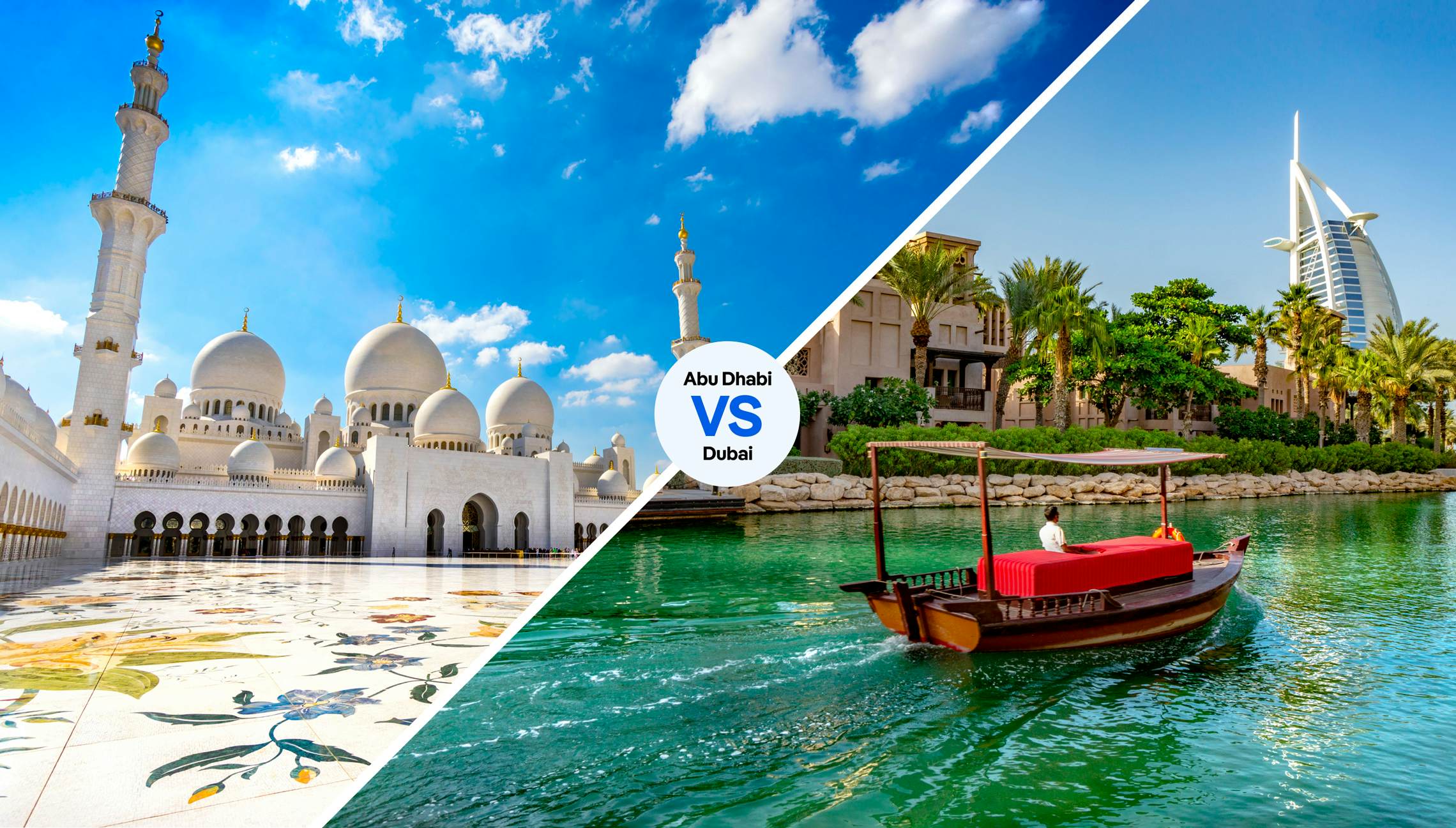
The ongoing competition between Dubai and Abu Dhabi to attract wealth managers has intensified, reflecting both emirates’ ambitions to establish themselves as premier financial hubs. This rivalry is driven by their respective initiatives to enhance financial services, optimize tax frameworks, and improve regulatory environments to appeal to high-net-worth individuals (HNWIs) and their advisors.

Dubai has positioned itself as a magnet for wealth management, leveraging its strategic geographical location, robust infrastructure, and a favorable tax regime that includes no personal income tax. The Dubai International Financial Centre (DIFC) has emerged as a central player in this narrative, with its regulatory framework specifically designed to cater to financial institutions. By implementing a series of reforms aimed at streamlining operations for wealth management firms, Dubai aims to bolster its status as a global financial center.

Conversely, Abu Dhabi has ramped up efforts to attract wealth managers through initiatives led by the Abu Dhabi Global Market (ADGM). The ADGM has been pivotal in promoting the emirate as an investment destination, offering competitive regulatory advantages and incentives. Recent collaborations with international financial institutions and investment firms highlight Abu Dhabi’s strategy to enhance its offerings and attract top-tier wealth management services.

The emirates are keenly aware of the lucrative potential of HNWIs. According to reports, the number of HNWIs in the Gulf region is projected to grow, driven by rising oil prices and increased entrepreneurial activity. This demographic shift has spurred competition for wealth management services that cater specifically to this segment, encompassing investment management, estate planning, and financial advisory services.

Industry analysts emphasize that the rivalry is not just about attracting wealth managers but also about creating an ecosystem that fosters innovation and efficiency in financial services. Both Dubai and Abu Dhabi are investing heavily in technology, particularly fintech solutions, to streamline client interactions and improve service delivery. Innovations such as robo-advisory services and digital asset management are becoming integral to wealth management offerings, enabling firms to cater to a tech-savvy clientele.

An important facet of this competition is the ability to provide a diverse range of investment options. Wealth managers are increasingly focused on offering alternatives beyond traditional assets, including private equity, real estate, and alternative investments. The growing interest in sustainable and impact investing further complicates the landscape, with both emirates making strides to support green financing initiatives. This shift aligns with global trends where investors are prioritizing sustainable practices in their portfolios, prompting wealth management firms to adapt their strategies accordingly.

Both Dubai and Abu Dhabi are enhancing their appeal through lifestyle factors. As affluent individuals seek not just financial services but also high-quality living environments, both emirates are investing in luxury developments, healthcare, and educational institutions. The development of vibrant communities with upscale amenities is increasingly seen as essential for attracting and retaining wealthy clients and their advisors.

The competition has sparked a talent war among financial professionals. With both emirates vying for the best talent in wealth management, firms are adopting attractive compensation packages and work environments to entice professionals. This has led to a dynamic job market, where expertise in global investment strategies and local market knowledge are highly sought after.

The global economic landscape also plays a crucial role in this rivalry. With geopolitical uncertainties and shifts in trade dynamics, wealth managers are reevaluating their operational strategies. This has prompted firms to look towards the Gulf region as a stable environment for investment, particularly given its strategic position in bridging Western and Eastern markets. As a result, the influx of international wealth management firms into both Dubai and Abu Dhabi has intensified, amplifying the competition.

In the face of this escalating rivalry, regulatory bodies in both emirates are continuously updating frameworks to ensure they remain competitive. The Dubai Financial Services Authority (DFSA) and the Financial Services Regulatory Authority (FSRA) of ADGM are working diligently to refine regulations that enhance transparency while ensuring robust investor protection. This proactive approach is vital as both emirates aim to build trust and confidence among international investors.

As wealth management becomes a more critical component of the overall financial services industry in the region, the interplay between Dubai and Abu Dhabi will shape the future landscape. The competition between the two emirates is expected to yield not just enhancements in service delivery but also innovations that could redefine how wealth management is approached in the Gulf.

BANGKOK, THAILAND – Media OutReach Newswire – 25 October 2024 – Central Department Store, under Central Retail, continues to create moments of happiness that make customers’ hearts bloom. In collaboration with exclusive partners — Mastercard, Central The 1 Credit Card, CardX Credit Card, KBank Credit Card, UOB Credit Card, and Samsung Galaxy — Central celebrates its grand 77th anniversary by launching the mega campaign ‘Central 77th Anniversary […]

SINGAPORE – Media OutReach Newswire – 25 October 2024 – AIMX Singapore (AIMX SG) will return for its second edition at the Singapore Week of Innovation & Technology (SWITCH) 2024. The 3-day conference and exhibition will take place from 28-30 October at the Sands Expo and Convention Centre, and convene a global audience of AI practitioners, business leaders, Chief Technology Officers (CTOs), and the broader tech community […]

Celebration of Cyberport Investors Network’s 7th Anniversary with Total Investments Surpassing HK$2.5B and Membership Exceeding 200 HONG KONG SAR – Media OutReach Newswire – 24 October 2024 – The Cyberport Venture Capital Forum 2024, a premier annual event in the global venture capital scene organised by Cyberport, was inaugurated today. The two-day event, themed “Innovation Challenger: Building New Venture Visions”, brings together over 90 globally influential venture […]

Tether, the prominent stablecoin issuer, has presented a groundbreaking proposal to the Turkish government, aiming to tokenize the country’s vast boron reserves. Turkey controls over 70% of the world’s boron, a key mineral used in industries such as glass, ceramics, and detergents, making the potential of tokenization a significant step toward enhancing global trade and accessibility.

The initiative reflects growing interest in tokenizing real-world assets (RWA) across various sectors, including commodities. By converting boron into digital tokens, Tether envisions creating a more liquid and accessible market for this valuable resource, attracting international investment and streamlining the supply chain. This proposal aligns with Turkey’s increasing focus on blockchain technology and digital assets, as seen in its evolving regulatory framework for cryptocurrencies and blockchain applications.

Boron has long been a strategic resource for Turkey, given its extensive industrial applications, ranging from fertilizers to high-tech industries like aerospace. The ability to tokenize boron could potentially make it easier for international businesses to invest in and trade the commodity, reducing barriers associated with traditional supply chains.

This initiative follows Tether’s broader efforts to expand its influence in Turkey. The company has been deepening its presence in the country through partnerships and collaborations, particularly with BTguru, a Turkish think tank, to explore various real-world asset tokenization cases. By leveraging Turkey’s regulatory advancements, Tether hopes to create a sustainable model for tokenizing commodities like boron, further integrating blockchain technology into the country’s financial and industrial ecosystems.

Tokenization of boron also introduces the possibility of fractional ownership, where smaller investors could participate in the boron market, which has historically been reserved for large corporations and governments. Through blockchain technology, these tokens would be securely traded on digital platforms, offering transparency and efficiency that traditional commodity markets lack. The potential benefits for Turkey could be substantial, as it could position the nation as a leader in both the boron market and blockchain innovation.

Tether’s exploration of tokenized commodities aligns with a broader trend in the cryptocurrency sector, where companies are increasingly looking at RWAs as a major growth avenue. Industry analysts suggest that real-world asset tokenization could unlock trillions of dollars in value globally by making traditionally illiquid assets more accessible. Turkey’s boron, due to its critical industrial applications and strategic importance, represents an ideal candidate for tokenization.

The proposal comes at a time when Turkey is actively reforming its regulatory environment for digital assets. The country’s parliament recently passed a crypto bill that aims to regulate the use of digital assets, requiring exchanges to obtain licenses from the Capital Markets Board, Turkey’s financial regulator. This move indicates Turkey’s growing commitment to fostering a secure and transparent digital economy, laying the groundwork for future initiatives like the tokenization of boron.

Tokenization could also offer Turkey new revenue streams. By opening the boron market to a wider array of international investors and reducing trading barriers, the government could generate additional capital, which could be used to support infrastructure and development projects. However, the success of such an initiative would depend on regulatory clarity and the establishment of secure digital marketplaces that protect investor interests.

Though Tether has not provided a specific timeline for the implementation of this project, the company has expressed optimism about the potential for its success. By collaborating with Turkish entities and aligning with the government’s regulatory framework, Tether hopes to create a seamless transition from traditional boron markets to a tokenized future.

HONG KONG SAR – Media OutReach Newswire – 24 October 2024 – Paul Chan, Financial Secretary of the Hong Kong Special Administrative Region, is visiting the United States (October 22-24), where he delivered keynote speeches at the Bloomberg Global Regulatory Forum on the topic of financial sustainability (October 22) and at a business luncheon (October 23) in New York. At the Bloomberg Global Regulatory Forum, Mr Chan […]

HONG KONG SAR – Media OutReach Newswire – 24 October 2024 – Goldstream Investment Limited (Stock Code: 01328.HK) announced that the resolutions were unanimously passed at the extraordinary general meeting held on 21 October, 2024, for the signing of three agreements, including Feasible Result agreement, USFL agreement and TechStar agreement, the Company will acquire three high-quality assets of Hony Capital Group Limited with a total consideration of […]

By Nitya Chakraborty The one-hour meeting between the Indian Prime Minister Narendra Modi and the Chinese President Xi Jinping on October 23 on the side lines of the BRICS summit at Kazan, has signalled a breakthrough in the bilateral relations between the two largest nations of Asia and the world. What was of significance of […]

Vitalik Buterin has laid out ambitious plans for the future of Ethereum, focusing on a pivotal development known as The Verge phase. This latest initiative seeks to enhance the blockchain’s accessibility by enabling full verification on various devices, including mobile wallets and smartwatches. The integration of advanced technologies such as Verkle trees and Succinct Non-interactive Argument of Knowledge (SNARKs) is central to this transformation.

Buterin emphasized the importance of reducing the barriers to entry for Ethereum users. Currently, the process of verifying transactions on the Ethereum network can be resource-intensive and requires significant computational power, which limits the use of mobile and lightweight devices. By implementing Verkle trees, the aim is to optimize how data is stored and accessed on the blockchain. Verkle trees combine the efficiency of Merkle Patricia trees with the benefits of vector commitment, providing a way to reduce the amount of data required for verification.

This shift is designed to make blockchain technology more user-friendly, particularly for individuals who rely on mobile devices. The ability to conduct full verification from a smartphone or smartwatch would democratize access to Ethereum, making it easier for users to engage with decentralized applications (dApps) without needing specialized hardware. The implications for mobile security and user experience could be substantial, as users would no longer need to rely on third-party services to validate their transactions.

SNARKs, another key component of Buterin’s vision, will enhance privacy and efficiency within the network. This cryptographic tool allows for the validation of transactions without revealing the underlying data, addressing privacy concerns that have emerged as Ethereum has grown in popularity. By incorporating SNARKs, Ethereum aims to provide a layer of confidentiality that is appealing to both users and developers.

This focus on improving transaction verification methods aligns with a broader trend in the cryptocurrency space towards scalability and user empowerment. As Ethereum continues to compete with other blockchain platforms, such as Solana and Cardano, these enhancements could play a crucial role in maintaining its position as a leading smart contract platform. The Verge phase represents a critical step in Ethereum’s roadmap, which has been strategically outlined to adapt to the evolving needs of its user base.

The need for more efficient blockchain verification methods has been underscored by the growing demand for decentralized finance (DeFi) applications. With more users entering the space, ensuring that these applications remain accessible and user-friendly is vital. By leveraging the advancements in Verkle trees and SNARKs, Ethereum is positioning itself to handle the increased demand while maintaining its foundational principles of decentralization and security.

Developers have been encouraged by Buterin’s post, as it lays the groundwork for innovations that could lead to new use cases for Ethereum. The adoption of mobile wallets has surged, and the integration of robust verification methods could unlock further opportunities for developers to create applications that are not only functional but also secure and efficient. This forward-thinking approach could foster an ecosystem where more users can actively participate in Ethereum’s offerings.

The Verge phase is part of a larger series of upgrades collectively known as Ethereum 2.0, which aims to enhance the network’s scalability, security, and sustainability. The transition from a proof-of-work to a proof-of-stake consensus mechanism is already underway, with the goal of reducing energy consumption and increasing transaction throughput. The integration of The Verge phase signifies an important milestone in this ongoing transformation.

As Ethereum navigates its path forward, the emphasis on improving verification processes speaks volumes about its commitment to user experience and technological innovation. The potential for full blockchain verification on everyday devices could not only attract a new demographic of users but also solidify Ethereum’s reputation as a leading blockchain platform that prioritizes accessibility and efficiency.

Industry experts are optimistic about the developments that The Verge phase will bring, particularly regarding its impact on the broader cryptocurrency landscape. The ability to conduct secure transactions from mobile devices could set a new standard for blockchain technology, prompting other platforms to consider similar enhancements. As Buterin and the Ethereum development community continue to refine their vision, the implications for the future of decentralized technologies are profound.

Strategy game combining traditional chess and a magic system in a decentralized framework further expands presence in Southeast Asia HONG KONG SAR – Media OutReach Newswire – 24 October 2024 – Anichess, the progressive chess-based online strategy game from Animoca Brands, developed in partnership with Chess.com and five-time World Chess Champion Magnus Carlsen, announced today that it has launched the public alpha version of its game. Additionally, […]

A groundbreaking pilot project for hydrogen-powered taxis has been launched in Saudi Arabia, marking a significant stride towards sustainable transportation solutions in the region. This initiative aims to demonstrate the feasibility and efficiency of hydrogen as a clean fuel alternative while contributing to the Kingdom’s broader goals of reducing carbon emissions and diversifying its economy. The project, which is a collaboration between several stakeholders including local government […]

Etihad Airways has completed a significant acquisition, finalizing a deal for 16 aircraft engines at a total cost of Dhs1.5 billion. This move is part of the airline’s strategy to modernize its fleet and enhance operational efficiency. The engines, produced by prominent manufacturers, are set to be deployed across a range of aircraft, bolstering Etihad’s capacity to meet growing passenger demand. The airline’s investment aligns with its […]

VISHNU RAJA
RYO YAMADA
HITORI GOTOH
IKUYO KITA